
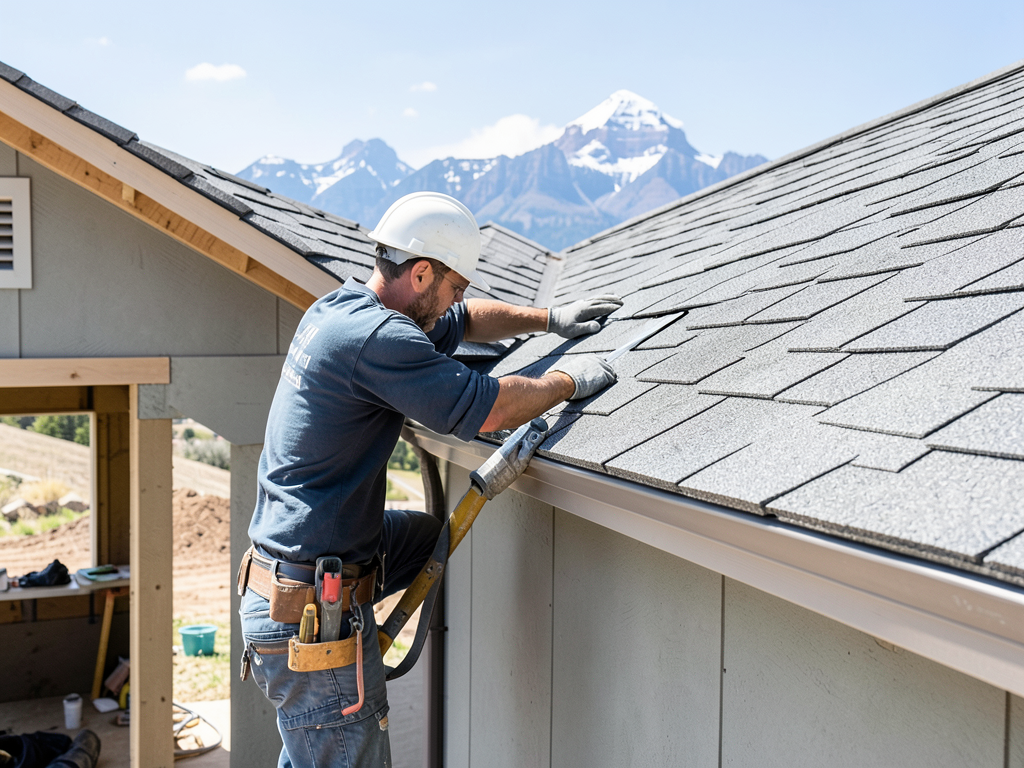
The Best Roofing Materials for New Home Builds in the Painted Prairie Neighborhood
Building a new home in Painted Prairie means making smart choices about every component. The roof sits at the top of that list. Denver’s high-altitude climate with intense UV exposure and frequent hail storms demands materials that can handle extreme conditions. Choosing the right roofing system now prevents costly repairs later. Denver Building Code.
Why Denver’s Climate Shapes Roofing Decisions
Painted Prairie sits at 5,280 feet above sea level. That elevation means stronger UV rays that break down standard asphalt shingles faster than in lower areas. The neighborhood also sees rapid freeze-thaw cycles in winter. Water seeps into small cracks during the day and freezes at night. This expansion creates bigger cracks over time. Hail season runs from May through August. Most years bring at least one severe storm that can damage roofs not built for impact.
The soil under Painted Prairie contains bentonite clay. This soil expands when wet and contracts when dry. These movements transfer stress to the foundation and then to the roof structure. A properly engineered roof system absorbs these shifts without failing.
Common Roofing Materials for New Builds
Three main material types dominate new construction in the Denver area. Each offers different benefits for Painted Prairie homes.. Read more about Everything Denver Homeowners Need to Know About Local Roofing Permits and Inspections.
Asphalt Shingles
Asphalt remains the most popular choice for new homes. Modern architectural shingles use multiple layers for better durability. Look for Class 4 impact resistance ratings. These shingles survive hail hits that destroy standard ones. They cost more upfront but save money on insurance premiums and replacements. How Much a Full Roof Replacement Actually Costs in Denver Right Now.
Three-tab shingles cost less but last 15-20 years in Denver’s climate. Architectural shingles last 25-30 years with proper installation. Both types need good ventilation to prevent heat buildup in summer.
Metal Roofing
Metal roofs excel in hail resistance and snow shedding. Standing seam panels lock together without exposed fasteners. This design prevents leaks common with older metal systems. Metal reflects heat in summer, reducing cooling costs. Snow slides off easily, preventing ice dam formation. Cool Roof Technology.
Steel costs less than aluminum but needs protective coatings. Aluminum resists corrosion but costs more. Both work well in Painted Prairie’s conditions. Metal roofs last 40-50 years with minimal maintenance.. Read more about How to Protect Your Green Valley Ranch Roof During Nearby Construction and Dust Storms.
Concrete and Clay Tiles
Tiles offer excellent fire resistance and longevity. They handle UV exposure better than organic materials. Concrete tiles cost less than clay but weigh more. Both require reinforced roof structures. Tiles last 50+ years but break if walked on improperly.. Read more about The Best Roofing Materials for Dampening the Sound of Heavy Rain and Hail.
Tile roofs suit Spanish or Mediterranean home designs common in newer Denver developments. They provide natural ventilation under the tiles, reducing heat transfer to the attic.
Denver Building Code Requirements
Denver requires Class A fire ratings for all new residential roofs. This means materials must withstand severe fire exposure. Most asphalt shingles and tiles meet this standard. Metal roofing often exceeds it. Roofing Sheridan.
The city mandates specific underlayment requirements. Synthetic underlayment replaces traditional felt in many new builds. It resists tearing and holds up better in wet conditions during installation.
Ice and water shield installation proves critical for Painted Prairie homes. Building code requires it in valleys and along eaves where ice dams form. Some areas need it on entire roof decks for maximum protection.
Roof ventilation follows strict guidelines. Proper intake and exhaust vents prevent moisture buildup and extend roof life. Denver inspectors check ventilation during final inspections.
Material Performance Comparison
| Material Type | Lifespan (Years) | Hail Resistance | Cost per Square | Best For |
|---|---|---|---|---|
| Architectural Asphalt | 25-30 | Good to Excellent | Moderate | Most homes |
| Standing Seam Metal | 40-50 | Excellent | High | Hail-prone areas |
| Concrete Tile | 50+ | Good | High | Spanish/Mediterranean designs |
| Clay Tile | 50+ | Good | Very High | Premium homes |
Installation Timeline for New Construction
Roofing follows a specific sequence in new builds. The process starts after framing inspection and exterior wall sheathing installation.
- Deck Preparation – Install roof decking and inspect for proper nailing patterns
- Underlayment Installation – Apply synthetic underlayment and ice and water shield
- Flashing and Accessories – Install drip edges, valley flashing, and pipe boots
- Main Roofing Material – Install shingles, panels, or tiles according to manufacturer specs
- Final Inspection – City inspector verifies code compliance
Total installation takes 2-5 days depending on roof size and weather. Metal and tile installations take longer than asphalt shingles.
Energy Efficiency Considerations
Denver’s Building Code now includes energy efficiency requirements for new roofs. Cool roof technology reduces heat absorption. Light-colored or specially coated materials reflect more sunlight.
Proper attic insulation works with the roof to maintain indoor temperatures. R-49 insulation represents the minimum in Denver for new construction. This thickness prevents heat loss in winter and heat gain in summer.
Solar-ready roofs prepare for future panel installation. Structural engineers calculate additional load capacity. Electrical conduit placement during initial construction costs less than retrofitting later.. Read more about Making Your Roof Solar Ready Before You Install Panels in Lakewood.
Maintenance Requirements by Material
Each roofing material needs different maintenance schedules. Asphalt shingles require inspection after major hail storms. Replace damaged shingles within 30 days to prevent leaks. Fixing Flat Roof Leaks in LoHi and Modern Denver Homes.
Metal roofs need annual checks for loose fasteners and sealant integrity. Clean debris from valleys to prevent water backup. Touch up scratches to prevent rust formation.
Tiles rarely need replacement but require careful walking to avoid breakage. Check mortar joints every 5-7 years. Replace cracked tiles promptly to maintain weather barrier. Industrial Roof Replacement.
Cost Factors Beyond Material Price
Roof pitch affects installation costs. Steeper roofs need more safety equipment and take longer to install. Complex roof designs with multiple valleys and dormers increase labor time.. Read more about Will a New Roof Actually Increase the Resale Value of Your Observatory Park Home?.
Removal of existing roofing adds disposal fees. Most new builds don’t need removal, but additions or repairs might. Disposal costs range from $50-100 per square depending on material type.. Read more about How Drastic Front Range Temperature Swings Cause Your Shingles to Crack and Curl.
Permit fees vary by project scope. A complete new roof installation requires building permits. Fees typically run $200-500 depending on municipality.
Choosing the Right Contractor
Denver requires roofing contractors to hold valid licenses. Verify current licensing through the Colorado Department of Regulatory Agencies. Insurance coverage protects homeowners from liability.
Experience with new construction matters. Builders need contractors who understand construction schedules and can work within tight timelines. References from other local builders provide insight into reliability.
Warranty terms vary by manufacturer and installer. Read all warranty documents before signing contracts. Some warranties require specific installation methods to remain valid.
Local Climate Impact on Material Selection
Painted Prairie’s location in Aurora means slightly different conditions than downtown Denver. The area sees more wind exposure and slightly higher snowfall totals. These factors influence material choices.
Wind ratings become important for homes near open spaces. Look for materials rated for 110+ mph winds. Most quality asphalt shingles and all metal roofing meet this standard.
Snow load calculations affect structural requirements. Denver building code uses 30 pounds per square foot as the design load. Some years see higher accumulations, making proper structural design critical.
Future-Proofing Your Roof Investment
Technology continues improving roofing materials. Some newer products include embedded sensors that detect moisture intrusion. These systems alert homeowners to problems before visible damage occurs.
Green roofing options gain popularity in new developments. These systems include vegetation layers that provide insulation and manage stormwater. They require specialized structural support and irrigation systems.
Smart home integration extends to roofing. Some systems monitor roof temperature and activate ventilation systems automatically. This technology prevents ice dam formation and reduces cooling costs.
Common Mistakes to Avoid
Choosing materials based only on initial cost leads to higher lifetime expenses. Cheap materials fail faster in Denver’s climate. Factor in replacement costs over 30 years when comparing options.. Read more about Choosing a Roof Style for Your Luxury Outdoor Kitchen in Cherry Hills Village.
Skipping proper underlayment saves money short-term but causes expensive problems later. Ice and water shield prevents thousands in water damage repairs. Don’t compromise on this component.
Ignoring ventilation requirements reduces roof life by 50% or more. Heat buildup in summer and moisture in winter destroy roofing materials prematurely. Follow manufacturer ventilation specifications exactly.
Making Your Final Decision
Consider your budget, home design, and long-term plans. Asphalt shingles offer the best balance of cost and performance for most Painted Prairie homes. Metal roofing provides superior durability for those planning to stay 20+ years.
Consult with your builder about structural requirements. Some materials need reinforced framing that adds to initial costs but prevents problems later. Factor these requirements into your budget early.
Get multiple quotes from licensed contractors. Compare not just price but warranty terms, experience with new construction, and references. The cheapest option rarely provides the best value.
Frequently Asked Questions
What roofing material lasts the longest in Denver?
Concrete and clay tiles last 50+ years. Metal roofing follows at 40-50 years. Quality asphalt shingles last 25-30 years with proper maintenance.
How much does a new roof cost for a Painted Prairie home?
Costs range from $8,000 to $25,000 depending on material choice, roof size, and complexity. Asphalt shingles cost less than metal or tile options.
Does Denver require special permits for new roof installation?
Yes. Building permits are required for all new roof installations. Your contractor should handle permit acquisition as part of the project.
How soon after framing should roofing installation begin?
Roofing typically starts after the framing inspection passes and exterior wall sheathing is complete. This timing protects the structure from weather damage.
What warranty should I expect with a new roof?
Manufacturer warranties range from 20 years to lifetime depending on material quality. Workmanship warranties from contractors typically cover 5-10 years.
How do I know if a roofing contractor is licensed in Denver?
Check the Colorado Department of Regulatory Agencies website. All roofing contractors must hold valid licenses to work legally in Denver.
Should I choose the same material as my neighbors?
Not necessarily. Your home design, budget, and long-term plans matter more than neighborhood trends. Choose what works best for your specific situation.
How does roof pitch affect material choices?
Steep roofs work well with most materials. Low-slope roofs require special materials and installation methods. Your contractor should recommend appropriate options based on pitch.
What maintenance does a new roof need?
Annual inspections catch problems early. Clean gutters twice yearly. Check for damage after major storms. Follow manufacturer maintenance guidelines for your specific material. Reliable Gutter Installation for New Builds in Central Park.
Can I install solar panels later if I choose a different roofing material now?
Yes. Most roofing materials work with solar installations. Choose a roof with 10+ years of life remaining before adding solar panels to maximize investment.
How do I prepare my new home for future roofing repairs?
Keep all warranty documents and installation records. Take photos of the roof from multiple angles. Note any special features or installation details for future reference.
What insurance considerations affect roofing material choices?
Class 4 impact-resistant shingles often qualify for insurance discounts. Check with your insurance provider about premium reductions for specific materials.
Ready to Choose Your Perfect Roof?
Selecting the right roofing material for your Painted Prairie home requires balancing cost, durability, and aesthetics. The Denver climate demands materials that can handle intense UV exposure, frequent hail storms, and rapid temperature changes. Your choice affects not just your home’s appearance but its long-term performance and value.
Don’t leave this critical decision to chance. Contact Apex Roofing Denver today at (720) 484-8300 for a free consultation. We’ll help you understand your options and choose the perfect roofing system for your new home. Our team has served the Denver area for years, bringing local expertise to every project.
Call now to schedule your consultation. Your new home deserves a roof built to last in Colorado’s challenging climate.
You may also find this helpful. Why Colorado’s Single Digit Humidity is So Tough on Traditional Wood Shingles.
{
“@context”: “https://schema.org”,
“@type”: “BlogPosting”,
“headline”: “The Best Roofing Materials for New Home Builds in the Painted Prairie Neighborhood”,
“description”: “Discover the best roofing materials for new home builds in Painted Prairie. Learn about Denver’s climate, building codes, and material options for lasting performance.”,
“wordCount”: 1932,
“datePublished”: “2026-05-14T06:58:00.000Z”,
“dateModified”: “2026-05-14T06:58:00.000Z”,
“inLanguage”: “en-US”,
“mainEntityOfPage”: {
“@type”: “WebPage”,
“@id”: “https://apexroofingdenver.com”
},
“publisher”: {
“@type”: “LocalBusiness”,
“name”: “Apex Roofing Denver”,
“url”: “https://apexroofingdenver.com”
},
“author”: {
“@type”: “Organization”,
“name”: “Apex Roofing Denver”,
“url”: “https://apexroofingdenver.com”
},
“image”: {
“@type”: “ImageObject”,
“url”: “https://apexroofingdenver.com/wp-content/uploads/2026/03/the-best-roofing-materials-for-new-home-builds-in-1.png”
}
}
{
“@context”: “https://schema.org”,
“@type”: “RoofingContractor”,
“name”: “Apex Roofing Denver”,
“url”: “https://apexroofingdenver.com”,
“address”: {
“@type”: “PostalAddress”,
“addressLocality”: “Denver”
},
“areaServed”: {
“@type”: “City”,
“name”: “Denver”
}
}
{
“@context”: “https://schema.org”,
“@type”: “FAQPage”,
“mainEntity”: [
{
“@type”: “Question”,
“name”: “What roofing material lasts the longest in Denver?”,
“acceptedAnswer”: {
“@type”: “Answer”,
“text”: “Concrete and clay tiles last 50+ years. Metal roofing follows at 40-50 years. Quality asphalt shingles last 25-30 years with proper maintenance.”
}
},
{
“@type”: “Question”,
“name”: “How much does a new roof cost for a Painted Prairie home?”,
“acceptedAnswer”: {
“@type”: “Answer”,
“text”: “Costs range from $8,000 to $25,000 depending on material choice, roof size, and complexity. Asphalt shingles cost less than metal or tile options.”
}
},
{
“@type”: “Question”,
“name”: “Does Denver require special permits for new roof installation?”,
“acceptedAnswer”: {
“@type”: “Answer”,
“text”: “Yes. Building permits are required for all new roof installations. Your contractor should handle permit acquisition as part of the project.”
}
},
{
“@type”: “Question”,
“name”: “How soon after framing should roofing installation begin?”,
“acceptedAnswer”: {
“@type”: “Answer”,
“text”: “Roofing typically starts after the framing inspection passes and exterior wall sheathing is complete. This timing protects the structure from weather damage.”
}
},
{
“@type”: “Question”,
“name”: “What warranty should I expect with a new roof?”,
“acceptedAnswer”: {
“@type”: “Answer”,
“text”: “Manufacturer warranties range from 20 years to lifetime depending on material quality. Workmanship warranties from contractors typically cover 5-10 years.”
}
},
{
“@type”: “Question”,
“name”: “How do I know if a roofing contractor is licensed in Denver?”,
“acceptedAnswer”: {
“@type”: “Answer”,
“text”: “Check the Colorado Department of Regulatory Agencies website. All roofing contractors must hold valid licenses to work legally in Denver.”
}
},
{
“@type”: “Question”,
“name”: “Should I choose the same material as my neighbors?”,
“acceptedAnswer”: {
“@type”: “Answer”,
“text”: “Not necessarily. Your home design, budget, and long-term plans matter more than neighborhood trends. Choose what works best for your specific situation.”
}
},
{
“@type”: “Question”,
“name”: “What maintenance does a new roof need?”,
“acceptedAnswer”: {
“@type”: “Answer”,
“text”: “Annual inspections catch problems early. Clean gutters twice yearly. Check for damage after major storms. Follow manufacturer maintenance guidelines for your specific material. Reliable Gutter Installation for New Builds in Central Park.”
}
},
{
“@type”: “Question”,
“name”: “Can I install solar panels later if I choose a different roofing material now?”,
“acceptedAnswer”: {
“@type”: “Answer”,
“text”: “Yes. Most roofing materials work with solar installations. Choose a roof with 10+ years of life remaining before adding solar panels to maximize investment.”
}
},
{
“@type”: “Question”,
“name”: “How do I prepare my new home for future roofing repairs?”,
“acceptedAnswer”: {
“@type”: “Answer”,
“text”: “Keep all warranty documents and installation records. Take photos of the roof from multiple angles. Note any special features or installation details for future reference.”
}
},
{
“@type”: “Question”,
“name”: “What insurance considerations affect roofing material choices?”,
“acceptedAnswer”: {
“@type”: “Answer”,
“text”: “Class 4 impact-resistant shingles often qualify for insurance discounts. Check with your insurance provider about premium reductions for specific materials.”
}
},
{
“@type”: “Question”,
“name”: “Ready to Choose Your Perfect Roof?”,
“acceptedAnswer”: {
“@type”: “Answer”,
“text”: “Selecting the right roofing material for your Painted Prairie home requires balancing cost, durability, and aesthetics. The Denver climate demands materials that can handle intense UV exposure, frequent hail storms, and rapid temperature changes. Your choice affects not just your home’s appearance but its long-term performance and value.”
}
}
]
}
{
“@context”: “https://schema.org”,
“@type”: “BreadcrumbList”,
“itemListElement”: [
{
“@type”: “ListItem”,
“position”: 1,
“name”: “Home”,
“item”: “https://apexroofingdenver.com”
},
{
“@type”: “ListItem”,
“position”: 2,
“name”: “Blog”,
“item”: “https://apexroofingdenver.com/blog”
},
{
“@type”: “ListItem”,
“position”: 3,
“name”: “The Best Roofing Materials for New Home Builds in the Painted Prairie Neighborhood”
}
]
}
{
“@context”: “https://schema.org”,
“@type”: “Service”,
“serviceType”: “Roofing”,
“provider”: {
“@type”: “LocalBusiness”,
“name”: “Apex Roofing Denver”,
“url”: “https://apexroofingdenver.com”
},
“areaServed”: {
“@type”: “City”,
“name”: “Denver”
},
“description”: “Discover the best roofing materials for new home builds in Painted Prairie. Learn about Denver’s climate, building codes, and material options for lasting performance.”
}