
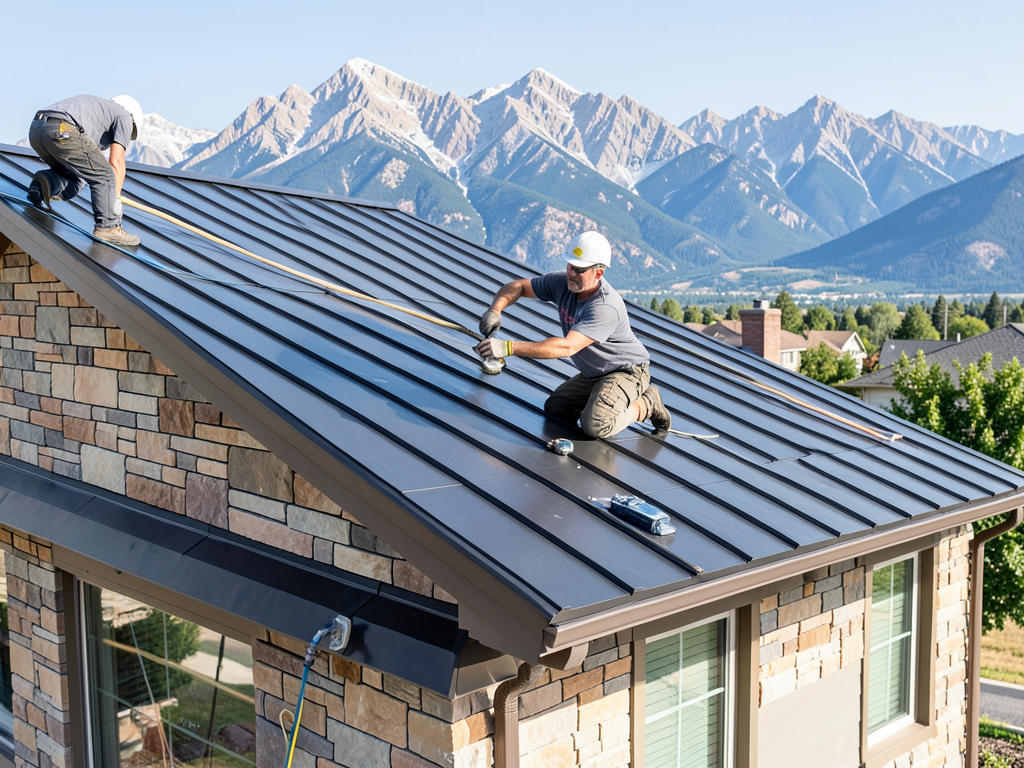
The Best Roofing Materials for Dampening the Sound of Heavy Rain and Hail
Living in Denver means dealing with intense weather patterns that can turn a quiet evening into a symphony of noise. The clatter of heavy rain on a metal roof or the deafening impact of hail can disrupt your peace and make your home feel less like a sanctuary. If you are tired of the constant noise during Colorado’s notorious spring storms, understanding which roofing materials provide the best sound dampening is essential. Metal Roofing Alliance.
Soundproofing your roof isn’t just about comfort. It’s about creating a barrier between your living space and the chaotic elements outside. The right roofing system can reduce noise levels by 10 to 20 decibels, transforming a thunderous downpour into a gentle patter. This guide explores the most effective materials for Denver homes, considering both acoustic performance and the unique challenges of our high-altitude climate. Roofing Sheridan.
Understanding Sound Transmission in Roofing Systems
Before diving into specific materials, it helps to understand how sound travels through roofing. Sound transmission occurs through three main pathways: airborne noise like rain hitting the surface, impact noise like hail striking the roof, and structure-borne vibration which travels through the building’s framework. Roofing Englewood.
The effectiveness of a roofing material in blocking sound is measured by its Sound Transmission Class rating. The higher the STC number, the better the material blocks sound. For residential roofing, materials with STC ratings between 40 and 60 provide significant noise reduction. However, STC ratings alone don’t tell the complete story. The entire roofing assembly, including underlayment and insulation, contributes to overall performance.
Denver’s unique environment adds another layer of complexity. Our high altitude means thinner air, which can actually allow sound to travel more efficiently. Combined with the frequent hail storms that batter our roofs from May through August, finding a material that balances sound dampening with impact resistance becomes crucial. How Much a Full Roof Replacement Actually Costs in Denver Right Now.
Top Roofing Materials for Sound Dampening
Asphalt Shingles with Premium Underlayment
Traditional asphalt shingles remain one of the most popular choices for Denver homeowners seeking quiet roofs. When paired with specialized acoustic underlayment, asphalt shingles can achieve STC ratings of 40 to 45. The key lies in the underlayment. Materials like rubberized asphalt or Mass Loaded Vinyl create a dense barrier that absorbs sound vibrations. Asphalt Roofing Manufacturers Association.
The multi-layer construction of asphalt shingles also helps. The combination of fiberglass mat, asphalt coating, and ceramic granules creates natural sound-dampening properties. For Denver’s climate, architectural dimensional shingles outperform traditional three-tab varieties, offering better impact resistance against hail while providing superior noise reduction.
Homeowners in neighborhoods like Lakewood and Littleton often choose asphalt shingles because they work well with Denver’s building codes and don’t require additional structural support. The weight of a standard asphalt roof approximately 2 to 3 pounds per square foot falls within typical residential load limits.. Read more about How to Choose a Skylight That Doesn’t Sound Like a Drum Set During a Denver Hailstorm.
Stone-Coated Steel Roofing
Stone-coated steel represents a significant advancement in metal roofing technology. Unlike traditional standing seam metal roofs that can amplify rain and hail noise, stone-coated steel combines the durability of metal with sound-absorbing stone granules. This material achieves STC ratings of 45 to 55, making it one of the quietest metal roofing options available.
The stone coating provides multiple benefits for Denver homeowners. It reduces noise transmission by creating a textured surface that breaks up sound waves. The material also offers excellent impact resistance, withstanding hail up to 2.5 inches in diameter. This makes it ideal for areas like Castle Rock and Parker where severe hailstorms occur frequently.
Installation matters with stone-coated steel. Proper underlayment and ventilation systems enhance sound dampening properties. Many Denver roofing contractors recommend adding a sound barrier between the metal and the roof deck for maximum noise reduction.
Composite Roofing Materials
Composite roofing materials offer an excellent balance of sound dampening and durability. These synthetic products often combine recycled materials with advanced polymers to create roofing tiles that mimic the appearance of slate or wood shake while providing superior acoustic performance. Cedar Shake Roof Restoration for Homes in Ken Caryl.
Many composite roofing products achieve STC ratings between 45 and 50. The dense composition of these materials naturally blocks sound transmission. Brands like DaVinci Roofscapes and CeDUR produce composite tiles specifically engineered for noise reduction, making them popular choices for Denver’s luxury homes in Cherry Creek and Highlands Ranch. Getting Your Highlands Ranch Roof Replaced After a Major Hail Storm.
Composite materials excel in Denver’s climate because they resist both UV damage and temperature fluctuations. They won’t crack in extreme cold or warp in summer heat. The weight of composite tiles typically ranges from 2.5 to 4 pounds per square foot, providing good sound dampening without requiring structural reinforcement.
Synthetic Slate Roofing
Synthetic slate offers the elegant appearance of natural slate without the excessive weight or cost. These materials achieve impressive STC ratings of 50 to 60, making them among the quietest roofing options available. The dense composition of synthetic slate effectively blocks sound transmission while providing excellent durability.
For Denver homeowners, synthetic slate provides several advantages. The material resists hail damage better than natural slate because it flexes slightly upon impact. It also performs well in extreme temperature variations, which occur frequently at Denver’s altitude. Many synthetic slate products come with warranties of 50 years or more, making them a long-term investment in both comfort and property value.
Installation requires experienced contractors familiar with synthetic materials. Proper underlayment and ventilation systems maximize sound dampening properties. The weight of synthetic slate typically ranges from 3 to 4 pounds per square foot, requiring minimal structural modifications for most homes.
Comparing Roofing Materials for Sound Dampening
| Material Type | STC Rating | Weight (lbs/sq ft) | Hail Resistance | Cost Range |
|---|---|---|---|---|
| Asphalt Shingles | 40-45 | 2-3 | Good | $5,000-$12,000 |
| Stone-Coated Steel | 45-55 | 1.5-2.5 | Excellent | $12,000-$25,000 |
| Composite | 45-50 | 2.5-4 | Very Good | $10,000-$20,000 |
| Synthetic Slate | 50-60 | 3-4 | Excellent | $15,000-$30,000 |
Additional Sound Dampening Strategies
Choosing the right roofing material represents only one part of creating a quiet home. Several additional strategies can enhance sound dampening performance.
- Install quality underlayment beneath all roofing materials. Rubberized asphalt or synthetic underlayments provide excellent sound barriers.
- Add attic insulation with high R-values. Dense insulation materials like spray foam or mineral wool absorb sound waves effectively.
- Consider sound barrier panels between the roof deck and living space. These specialized panels can reduce noise transmission by an additional 5 to 10 decibels.
- Ensure proper ventilation to prevent moisture buildup, which can compromise both sound dampening and roofing materials.
Installation Considerations for Denver Homes
Denver’s building codes and climate require specific considerations when installing sound-dampening roofing systems.
- High winds demand secure fastening systems. Most sound-dampening materials require additional fasteners compared to standard roofing.
- Rapid temperature changes can affect material expansion and contraction. Professional installation ensures proper spacing and sealing.
- UV exposure at high altitude can degrade certain materials. Choose products specifically rated for Denver’s intense sunlight.
- Fire codes in many Denver neighborhoods require specific fire ratings for roofing materials. Verify compliance before installation.
Professional installation typically costs 20 to 30 percent more for sound-dampening systems compared to standard roofing. However, the investment pays off through increased comfort and potentially higher property values.
Cost Analysis and Return on Investment
Sound-dampening roofing materials cost more upfront but offer significant long-term benefits. Here’s what Denver homeowners can expect:
| Material | Initial Cost | Lifespan | Annual Cost |
|---|---|---|---|
| Standard Asphalt | $5,000 | 20 years | $250 |
| Premium Asphalt | $8,000 | 30 years | $267 |
| Stone-Coated Steel | $18,000 | 50 years | $360 |
| Synthetic Slate | $22,000 | 50+ years | $440 |
While premium materials cost more annually, they provide superior noise reduction and durability. Many Denver homeowners find the improved quality of life worth the additional investment.
Maintenance Requirements
Sound-dampening roofing materials require specific maintenance to preserve their noise reduction properties.
- Clean gutters and downspouts regularly to prevent water backup, which can compromise underlayment effectiveness.
- Inspect seals and flashing annually, especially after severe weather events.
- Check for granule loss on asphalt and composite materials, which can reduce sound dampening over time.
- Trim overhanging branches to prevent debris accumulation and potential damage.
Most sound-dampening roofing systems require professional inspection every 2 to 3 years to ensure optimal performance.
Choosing the Right Material for Your Denver Home
Selecting the best sound-dampening roofing material depends on several factors specific to your situation.
Consider your budget first. Premium materials like synthetic slate offer the best noise reduction but require significant upfront investment. Asphalt shingles with quality underlayment provide good sound dampening at a more affordable price point.
Evaluate your home’s structure. Some materials require additional support or modifications. A professional roofing contractor can assess your home’s load-bearing capacity and recommend appropriate options.
Think about your neighborhood and local building codes. Some Denver communities have specific requirements for roofing materials, colors, or fire ratings. Check with your homeowners association or local building department before making final decisions.
Consider the climate exposure your home receives. South-facing roofs endure more UV damage, while north-facing areas might accumulate more snow and ice. Choose materials rated for your specific exposure conditions.
Professional Installation Matters
Even the best sound-dampening materials won’t perform properly without professional installation. Look for roofing contractors with specific experience in acoustic roofing systems.
Ask potential contractors about their experience with sound-dampening installations. Request references from previous customers who installed similar systems. Verify licensing and insurance coverage for Denver and your specific municipality.
Professional installation typically includes proper underlayment application, secure fastening systems, and quality control inspections. These steps ensure your investment provides maximum noise reduction and durability.
Ready to Transform Your Home’s Acoustics?
Don’t let noisy storms disrupt your peace any longer. The right roofing material can transform your Denver home into a quiet sanctuary, even during the most intense spring storms. Whether you choose premium asphalt shingles, stone-coated steel, or synthetic slate, professional installation ensures optimal sound dampening performance.
Contact a qualified Denver roofing contractor today for a free consultation. They can assess your home’s specific needs, recommend appropriate materials, and provide detailed cost estimates. Your journey to a quieter home starts with a single phone call. For more information, visit U.S. Department of Energy on Insulation.
You may also find this helpful. Protecting Your Cherry Hills Village Skylights from the Next Massive Hail Event.
{
“@context”: “https://schema.org”,
“@type”: “BlogPosting”,
“headline”: “The Best Roofing Materials for Dampening the Sound of Heavy Rain and Hail”,
“description”: “Discover the best roofing materials to reduce noise from heavy rain and hail in Denver. Learn about asphalt shingles, stone-coated steel, and composite options.”,
“wordCount”: 1691,
“datePublished”: “2026-05-19T11:45:00.000Z”,
“dateModified”: “2026-05-19T11:45:00.000Z”,
“inLanguage”: “en-US”,
“mainEntityOfPage”: {
“@type”: “WebPage”,
“@id”: “https://apexroofingdenver.com”
},
“publisher”: {
“@type”: “LocalBusiness”,
“name”: “Apex Roofing Denver”,
“url”: “https://apexroofingdenver.com”
},
“author”: {
“@type”: “Organization”,
“name”: “Apex Roofing Denver”,
“url”: “https://apexroofingdenver.com”
},
“image”: {
“@type”: “ImageObject”,
“url”: “https://apexroofingdenver.com/wp-content/uploads/2026/03/the-best-roofing-materials-for-dampening-the-sound-1.png”
}
}
{
“@context”: “https://schema.org”,
“@type”: “RoofingContractor”,
“name”: “Apex Roofing Denver”,
“url”: “https://apexroofingdenver.com”,
“address”: {
“@type”: “PostalAddress”,
“addressLocality”: “Denver”
},
“areaServed”: {
“@type”: “City”,
“name”: “Denver”
}
}
{
“@context”: “https://schema.org”,
“@type”: “FAQPage”,
“mainEntity”: [
{
“@type”: “Question”,
“name”: “Ready to Transform Your Home’s Acoustics?”,
“acceptedAnswer”: {
“@type”: “Answer”,
“text”: “Don’t let noisy storms disrupt your peace any longer. The right roofing material can transform your Denver home into a quiet sanctuary, even during the most intense spring storms. Whether you choose premium asphalt shingles, stone-coated steel, or synthetic slate, professional installation ensures optimal sound dampening performance.”
}
}
]
}
{
“@context”: “https://schema.org”,
“@type”: “BreadcrumbList”,
“itemListElement”: [
{
“@type”: “ListItem”,
“position”: 1,
“name”: “Home”,
“item”: “https://apexroofingdenver.com”
},
{
“@type”: “ListItem”,
“position”: 2,
“name”: “Blog”,
“item”: “https://apexroofingdenver.com/blog”
},
{
“@type”: “ListItem”,
“position”: 3,
“name”: “The Best Roofing Materials for Dampening the Sound of Heavy Rain and Hail”
}
]
}
{
“@context”: “https://schema.org”,
“@type”: “Service”,
“serviceType”: “Roofing”,
“provider”: {
“@type”: “LocalBusiness”,
“name”: “Apex Roofing Denver”,
“url”: “https://apexroofingdenver.com”
},
“areaServed”: {
“@type”: “City”,
“name”: “Denver”
},
“description”: “Discover the best roofing materials to reduce noise from heavy rain and hail in Denver. Learn about asphalt shingles, stone-coated steel, and composite options.”
}