
The Hidden Danger of Colorado’s Dry Climate for Your Wood Roof
Colorado’s famous 300 days of sunshine and single-digit humidity levels create a perfect storm for wood shingle deterioration. While most homeowners worry about hail damage or heavy snow loads, the real enemy often lurks in the air itself. The extreme dryness in Denver and surrounding areas like Sheridan and Englewood causes wood shingles to lose moisture rapidly, leading to cracking, splitting, and premature failure. Roofing Sheridan.
Wood naturally expands and contracts with moisture changes. In Colorado’s high-altitude climate, this process happens at an accelerated rate. During the day, intense UV radiation heats the shingles while the air pulls moisture out. At night, even small amounts of humidity can cause the wood to absorb moisture. This constant expansion and contraction cycle creates stress points that eventually lead to structural failure.
The problem compounds because Colorado’s dry air doesn’t just affect the surface. It penetrates deep into the wood fibers, causing them to become brittle from the inside out. By the time you see visible damage on your Sheridan or Englewood roof, the structural integrity may already be compromised.
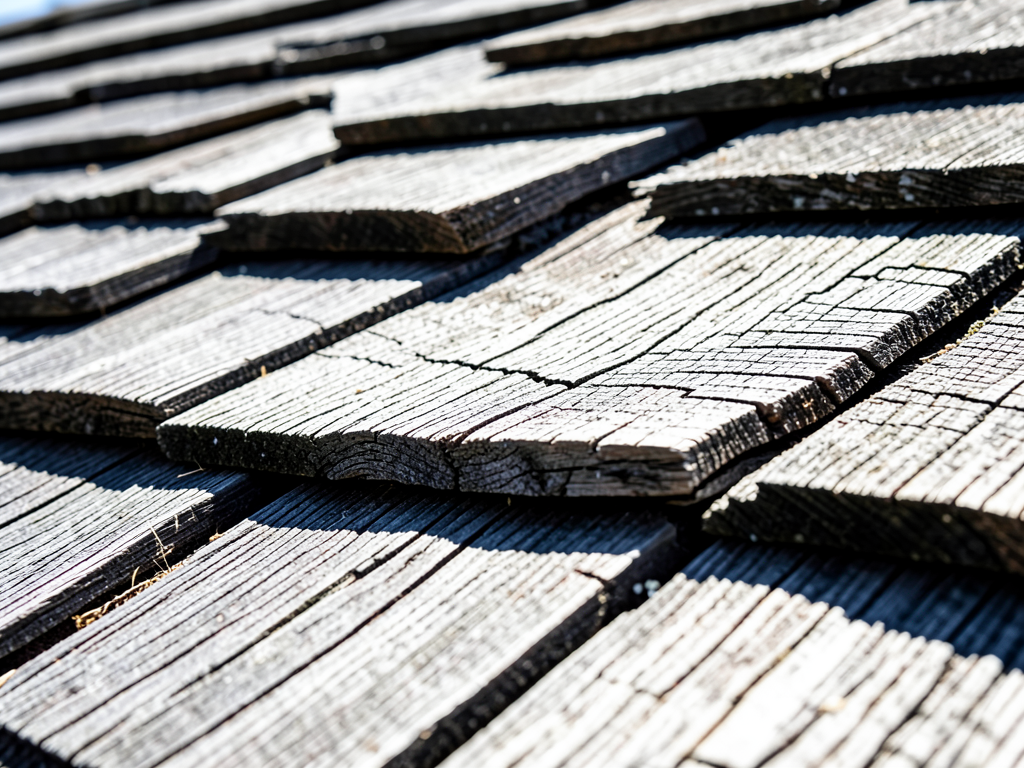
How Low Humidity Accelerates Wood Shingle Aging
Traditional wood shingles rely on a certain moisture content to maintain their flexibility and strength. In Colorado’s climate, this balance gets disrupted quickly. The average relative humidity in Denver often drops below 10% during summer months, compared to 30-50% in more temperate regions.
When wood loses too much moisture, several problems develop:
- Cracking along the grain lines
- Curling at the edges as the wood shrinks
- Splitting that allows water infiltration during rare wet periods
- Loss of protective oils that naturally resist UV damage
The freeze-thaw cycles common in Colorado make these issues worse. Water that enters through small cracks expands when frozen, widening the damage. This cycle repeats throughout the winter months in areas like Littleton and Lakewood, where temperature swings of 40-50 degrees in a single day are common.
The Science Behind Wood Deterioration in Dry Climates
Wood contains natural polymers that give it strength and flexibility. Colorado’s intense UV radiation breaks down these polymers faster than in other regions. Combined with the drying effects of low humidity, the wood loses its ability to flex without cracking.
The cellulose in wood also becomes more brittle when dehydrated. This makes the shingles more susceptible to impact damage from hail, which is frequent in Denver’s eastern suburbs like Aurora and Centennial. A shingle that might flex and survive a hail strike in a humid climate could shatter in Colorado’s dry conditions.
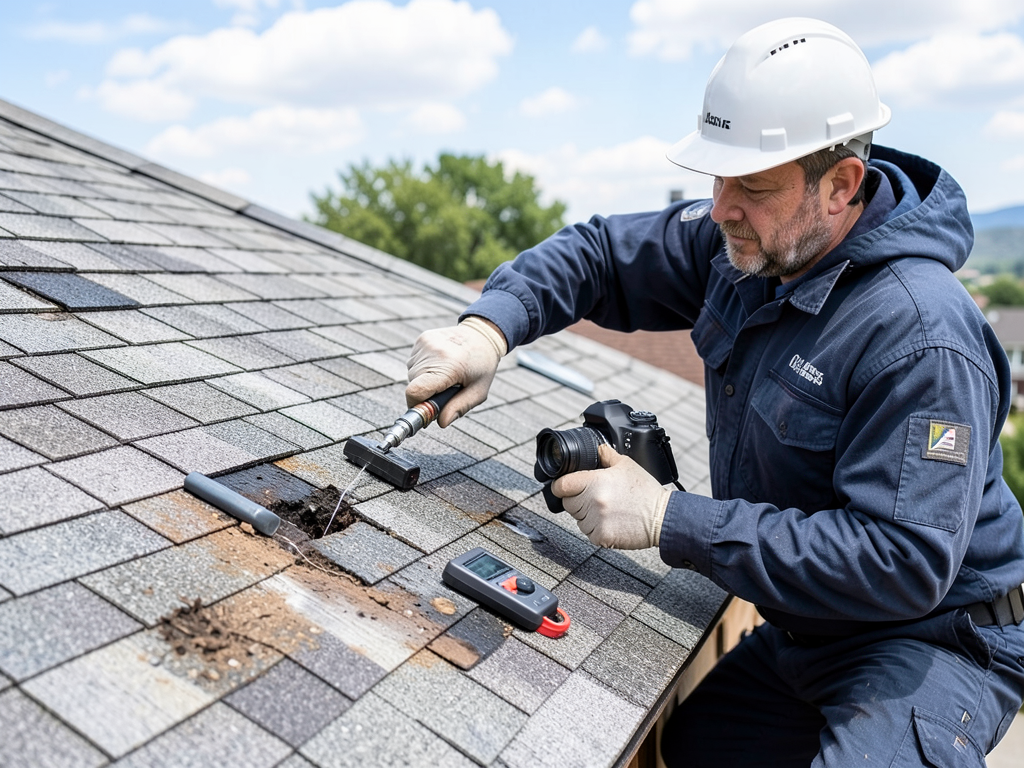
Warning Signs Your Wood Shingles Are Failing
Recognizing early warning signs can save you from costly repairs. Here’s what to look for on your Denver area roof: EPA radon information.
| Symptom | What It Means | Urgency Level |
|---|---|---|
| Hairline cracks along grain | Moisture loss has begun | Monitor |
| Curling at shingle edges | Severe dehydration | Schedule inspection |
| Splitting that exposes underlayment | Water damage risk | Immediate attention |
| Dark spots or moss growth | Moisture retention in damaged areas | Schedule repair |
Homeowners in older neighborhoods like Washington Park or Observatory Park often notice these signs first because their roofs have endured decades of Colorado’s harsh climate. The wood shingles on homes built in the 1950s and 1960s are particularly vulnerable as they approach the end of their typical 20-30 year lifespan.
Common Areas of Failure on Denver Roofs
Certain roof areas face more stress than others. South-facing slopes in Denver’s sunny climate receive the most UV exposure and typically show the first signs of deterioration. Areas near roof vents or chimneys also experience more temperature variation, accelerating the expansion-contraction cycle.
Valley areas where water concentrates during rare rain events can be problematic. While Colorado doesn’t get much rainfall, when it does rain, the concentrated water flow can exploit weaknesses in already-dried-out shingles.
Prevention Strategies for Colorado Wood Shingles
Protecting your wood shingles starts with proper installation and maintenance. Here are proven strategies that work in Colorado’s unique climate:
- Choose the Right Wood Species
Western red cedar and redwood naturally resist decay better than other species. They contain oils that provide some UV protection, though this diminishes over time in Colorado’s intense sunlight. Cedar Shake Roof Restoration for Homes in Ken Caryl.
- Apply UV-Resistant Treatments
Specialized wood preservatives with UV inhibitors can extend shingle life by 5-10 years. These need reapplication every 3-5 years in Colorado’s harsh climate.
- Ensure Proper Ventilation
Attic ventilation prevents moisture buildup that can lead to rot during winter months. This is especially important in older Denver homes where ventilation systems may be inadequate.
- Maintain Consistent Moisture Levels
During extreme dry spells, light misting can help maintain wood flexibility. However, this must be done carefully to avoid creating conditions for fungal growth.
Ventilation Requirements for Colorado Homes
Proper ventilation is critical in Colorado’s climate. The attic space needs to stay close to the outside air temperature to prevent ice dam formation during winter. This requires a balance of intake vents (typically in the soffits) and exhaust vents (at or near the ridge).
For homes in areas like Lakewood or Littleton, where winter temperatures frequently drop below freezing, inadequate ventilation can lead to ice dam formation. Water backs up under shingles, finding its way through cracks created by the dry climate.
When Replacement Makes More Sense Than Repair
Sometimes the best solution is a complete replacement rather than ongoing repairs. Here’s how to evaluate your situation: How Much a Full Roof Replacement Actually Costs in Denver Right Now.
| Factor | Repair Threshold | Replace Threshold |
|---|---|---|
| Age of shingles | Under 15 years | Over 20 years |
| Damage coverage | Less than 20% of roof | More than 30% of roof |
| Structural integrity | Decking sound | Decking shows rot |
| Energy efficiency | Current insulation adequate | Major heat loss present |
Homeowners in historic districts like Highlands Ranch or older parts of Aurora often face this decision. While wood shingles maintain the character of these neighborhoods, modern alternatives can provide better protection against Colorado’s climate while maintaining a similar appearance. Getting Your Highlands Ranch Roof Replaced After a Major Hail Storm.
Modern Alternatives to Traditional Wood Shingles
Several products mimic the look of wood while offering superior performance in Colorado’s climate:
- Composite shingles made from recycled materials
- Engineered wood products with enhanced UV resistance
- Polymer-based shingles that won’t crack or split
These alternatives can last 40-50 years compared to 20-30 years for traditional wood, making them cost-effective despite higher initial prices.
The Cost Factor: Repair vs. Replacement Economics
Understanding the true cost of wood shingle maintenance in Colorado helps you make informed decisions. Here’s what factors into the equation:
| Cost Factor | Annual Range | Notes |
|---|---|---|
| Routine maintenance | $300-800 | Cleaning, minor repairs |
| Protective treatments | $500-1,500 | Every 3-5 years |
| Major repairs | $2,000-5,000 | Every 8-12 years |
| Full replacement | $12,000-25,000 | Every 20-30 years |
For a typical Denver home, the lifetime cost of wood shingles often exceeds that of modern alternatives when you factor in the frequent maintenance required in Colorado’s climate.
Insurance Considerations for Wood Shingles
Many insurance companies in Colorado have specific requirements for wood shingle roofs. Some may require Class A fire ratings or specific treatments to maintain coverage. Check with your provider, especially if you live in areas like Centennial or Parker where building codes have evolved.
Some insurers offer discounts for impact-resistant materials, which could make modern alternatives more attractive from a cost perspective.
Professional Inspection: When to Call an Expert
DIY inspections can miss critical issues. Professional roofers in Colorado understand the specific challenges our climate creates. They can identify problems that aren’t visible from the ground and recommend appropriate solutions.
Schedule a professional inspection if you notice:
- Water stains on interior ceilings or walls
- Missing or damaged shingles after a storm
- Excessive granule loss in gutters
- Age exceeding 15-20 years
Local contractors familiar with neighborhoods like Englewood, Sheridan, or Littleton understand the specific building styles and common issues in these areas.. Read more about Choosing a Roof Style for Your Luxury Outdoor Kitchen in Cherry Hills Village.
What to Expect During a Professional Inspection
A thorough inspection should include:
- Interior examination for water damage
- Exterior assessment of all roof surfaces
- Ventilation system evaluation
- Documentation with photos of problem areas
- Written recommendations with cost estimates
Reputable contractors will provide honest assessments rather than pushing for unnecessary replacement. Industrial Roof Replacement.
Making the Right Choice for Your Colorado Home
Choosing between repairing existing wood shingles or replacing them with modern alternatives depends on several factors:
- Your home’s architectural style and neighborhood character
- Your long-term plans for the property
- Your budget for both immediate and long-term costs
- Your tolerance for ongoing maintenance
For historic homes in areas like Washington Park or Observatory Park, maintaining original wood shingles might be worth the extra effort. For newer homes in developments around Littleton or Lakewood, modern alternatives often provide better value.
Next Steps for Concerned Homeowners
If you’re worried about your wood shingles, start with a professional inspection. This gives you a clear picture of current conditions and helps you plan for the future. Whether you need minor repairs or are considering a complete replacement, understanding your options is the first step.
Don’t wait until minor issues become major problems. Colorado’s climate won’t wait, and neither should you.
Frequently Asked Questions
How long should wood shingles last in Colorado?
Properly maintained wood shingles typically last 20-30 years in Colorado, though this can vary based on exposure, maintenance, and the specific wood species used. South-facing slopes often need replacement 5-7 years earlier than north-facing areas.
Can I repair just the damaged sections of my wood roof?
Spot repairs are possible for isolated damage, but matching new shingles to weathered existing ones can be challenging. Also, if the underlying structure has been compromised by years of Colorado’s dry climate, partial repairs may not address the root cause.
Are there wood alternatives that look similar but perform better?
Yes, several composite and engineered products mimic the appearance of wood while offering superior durability in Colorado’s climate. These can last 40-50 years with minimal maintenance compared to 20-30 years for traditional wood.
How much does wood shingle maintenance cost annually?
Annual maintenance typically ranges from $300-800 for routine cleaning and minor repairs. Protective treatments every 3-5 years add $500-1,500 to the cost. Over the lifetime of the roof, these expenses often exceed the initial installation cost.. Read more about How Drastic Front Range Temperature Swings Cause Your Shingles to Crack and Curl.
Will my insurance cover wood shingle damage?
Most policies cover sudden damage from storms but not gradual deterioration from normal aging. Some insurers have specific requirements for wood shingles in Colorado, including fire ratings and treatments. Check with your provider for details.
What’s the best time of year for wood shingle repairs in Colorado?
Late spring through early fall offers the most reliable weather for repairs. Avoid the rainy season in May and the extreme heat of July and August when materials can be difficult to work with. For more information, visit FEMA Colorado disaster information.
{
“@context”: “https://schema.org”,
“@type”: “BlogPosting”,
“headline”: “Why Colorado’s Single Digit Humidity is So Tough on Traditional Wood Shingles”,
“description”: “Learn how Colorado’s extreme dryness accelerates wood shingle deterioration and what homeowners in Denver’s Sheridan and Englewood areas can do about it.”,
“wordCount”: 1793,
“datePublished”: “2026-05-13T11:41:00.000Z”,
“dateModified”: “2026-05-13T11:41:00.000Z”,
“inLanguage”: “en-US”,
“mainEntityOfPage”: {
“@type”: “WebPage”,
“@id”: “https://apexroofingdenver.com”
},
“publisher”: {
“@type”: “LocalBusiness”,
“name”: “Apex Roofing Denver”,
“url”: “https://apexroofingdenver.com”
},
“author”: {
“@type”: “Organization”,
“name”: “Apex Roofing Denver”,
“url”: “https://apexroofingdenver.com”
},
“image”: {
“@type”: “ImageObject”,
“url”: “https://apexroofingdenver.com/wp-content/uploads/2026/03/why-colorado-s-single-digit-humidity-is-so-tough-o-1.png”
}
}
{
“@context”: “https://schema.org”,
“@type”: “RoofingContractor”,
“name”: “Apex Roofing Denver”,
“url”: “https://apexroofingdenver.com”,
“address”: {
“@type”: “PostalAddress”,
“addressLocality”: “Denver”
},
“areaServed”: {
“@type”: “City”,
“name”: “Denver”
}
}
{
“@context”: “https://schema.org”,
“@type”: “FAQPage”,
“mainEntity”: [
{
“@type”: “Question”,
“name”: “How long should wood shingles last in Colorado?”,
“acceptedAnswer”: {
“@type”: “Answer”,
“text”: “Properly maintained wood shingles typically last 20-30 years in Colorado, though this can vary based on exposure, maintenance, and the specific wood species used. South-facing slopes often need replacement 5-7 years earlier than north-facing areas.”
}
},
{
“@type”: “Question”,
“name”: “Can I repair just the damaged sections of my wood roof?”,
“acceptedAnswer”: {
“@type”: “Answer”,
“text”: “Spot repairs are possible for isolated damage, but matching new shingles to weathered existing ones can be challenging. Also, if the underlying structure has been compromised by years of Colorado’s dry climate, partial repairs may not address the root cause.”
}
},
{
“@type”: “Question”,
“name”: “Are there wood alternatives that look similar but perform better?”,
“acceptedAnswer”: {
“@type”: “Answer”,
“text”: “Yes, several composite and engineered products mimic the appearance of wood while offering superior durability in Colorado’s climate. These can last 40-50 years with minimal maintenance compared to 20-30 years for traditional wood.”
}
},
{
“@type”: “Question”,
“name”: “How much does wood shingle maintenance cost annually?”,
“acceptedAnswer”: {
“@type”: “Answer”,
“text”: “Annual maintenance typically ranges from $300-800 for routine cleaning and minor repairs. Protective treatments every 3-5 years add $500-1,500 to the cost. Over the lifetime of the roof, these expenses often exceed the initial installation cost.”
}
},
{
“@type”: “Question”,
“name”: “Will my insurance cover wood shingle damage?”,
“acceptedAnswer”: {
“@type”: “Answer”,
“text”: “Most policies cover sudden damage from storms but not gradual deterioration from normal aging. Some insurers have specific requirements for wood shingles in Colorado, including fire ratings and treatments. Check with your provider for details.”
}
},
{
“@type”: “Question”,
“name”: “What’s the best time of year for wood shingle repairs in Colorado?”,
“acceptedAnswer”: {
“@type”: “Answer”,
“text”: “Late spring through early fall offers the most reliable weather for repairs. Avoid the rainy season in May and the extreme heat of July and August when materials can be difficult to work with. For more information, visit FEMA Colorado disaster information.”
}
}
]
}
{
“@context”: “https://schema.org”,
“@type”: “HowTo”,
“name”: “Protecting Wood Shingles”,
“step”: [
{
“@type”: “HowToStep”,
“position”: 1,
“name”: “Choose the Right Wood Species”,
“text”: “Western red cedar and redwood naturally resist decay better than other species. They contain oils that provide some UV protection, though this diminishes over time in Colorado’s intense sunlight. Cedar Shake Roof Restoration for Homes in Ken Caryl.”
},
{
“@type”: “HowToStep”,
“position”: 2,
“name”: “Apply UV-Resistant Treatments”,
“text”: “Specialized wood preservatives with UV inhibitors can extend shingle life by 5-10 years. These need reapplication every 3-5 years in Colorado’s harsh climate.”
},
{
“@type”: “HowToStep”,
“position”: 3,
“name”: “Ensure Proper Ventilation”,
“text”: “Attic ventilation prevents moisture buildup that can lead to rot during winter months. This is especially important in older Denver homes where ventilation systems may be inadequate.”
},
{
“@type”: “HowToStep”,
“position”: 4,
“name”: “Maintain Consistent Moisture Levels”,
“text”: “During extreme dry spells, light misting can help maintain wood flexibility. However, this must be done carefully to avoid creating conditions for fungal growth.”
}
],
“image”: “https://apexroofingdenver.com/wp-content/uploads/2026/03/why-colorado-s-single-digit-humidity-is-so-tough-o-1.png”
}
{
“@context”: “https://schema.org”,
“@type”: “BreadcrumbList”,
“itemListElement”: [
{
“@type”: “ListItem”,
“position”: 1,
“name”: “Home”,
“item”: “https://apexroofingdenver.com”
},
{
“@type”: “ListItem”,
“position”: 2,
“name”: “Blog”,
“item”: “https://apexroofingdenver.com/blog”
},
{
“@type”: “ListItem”,
“position”: 3,
“name”: “Why Colorado’s Single Digit Humidity is So Tough on Traditional Wood Shingles”
}
]
}
{
“@context”: “https://schema.org”,
“@type”: “Service”,
“serviceType”: “Roofing”,
“provider”: {
“@type”: “LocalBusiness”,
“name”: “Apex Roofing Denver”,
“url”: “https://apexroofingdenver.com”
},
“areaServed”: {
“@type”: “City”,
“name”: “Denver”
},
“description”: “Learn how Colorado’s extreme dryness accelerates wood shingle deterioration and what homeowners in Denver’s Sheridan and Englewood areas can do about it.”
}