
How Drastic Front Range Temperature Swings Cause Your Shingles to Crack and Curl
Denver’s unique climate creates conditions that few other cities in the United States can match. The combination of high altitude, intense UV exposure, and rapid temperature fluctuations puts your roof through a daily stress test that can lead to serious damage over time. Understanding how these temperature swings affect your shingles is the first step toward protecting your home.
The Science Behind Thermal Shock on Denver Roofs
When temperatures swing dramatically in short periods, roofing materials expand and contract at different rates. This creates stress points that can lead to cracking, curling, and premature failure. In Denver, it’s not uncommon for temperatures to drop 30-50 degrees Fahrenheit within a few hours, especially during summer thunderstorms or winter cold fronts. Roofing Sheridan.
During the day, your roof absorbs heat from the sun. Asphalt shingles can reach temperatures of 150-170 degrees Fahrenheit on a sunny summer afternoon. When a cold front moves through or afternoon thunderstorms roll in, that heat dissipates rapidly. The sudden cooling causes the shingles to contract, creating tension between the material’s natural expansion and contraction cycles.
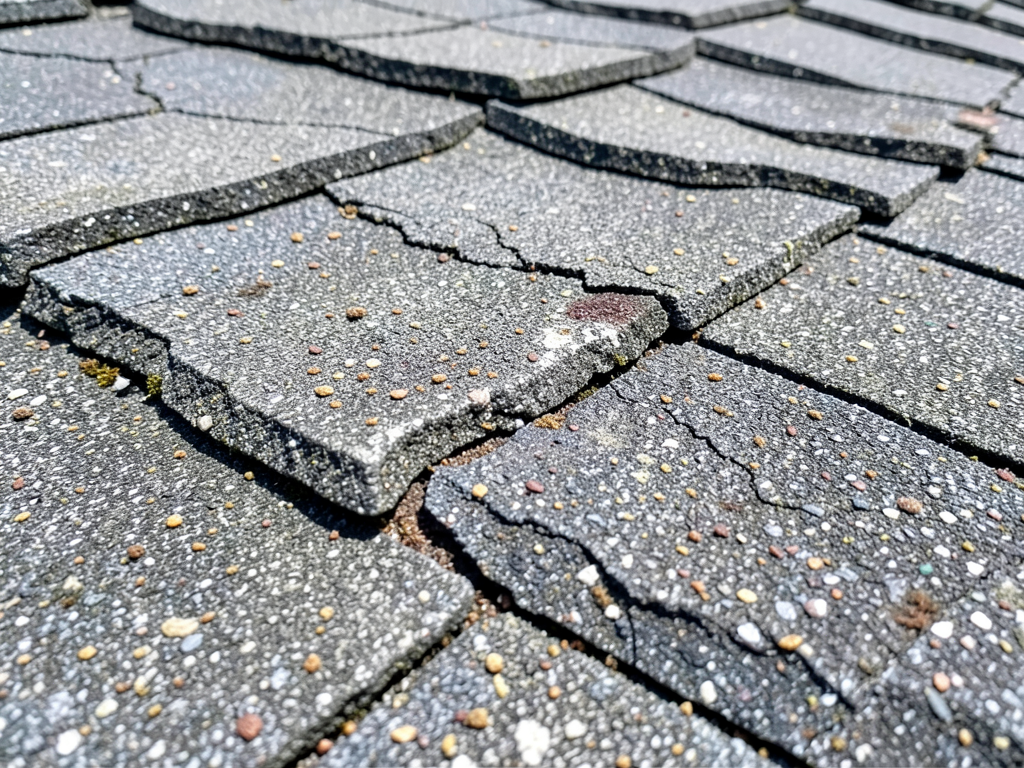
This constant movement weakens the bonds between the asphalt and fiberglass mat, leading to granule loss, cracking along the edges, and curling at the corners. Over time, these small failures compound, leaving your roof vulnerable to water infiltration and further damage.
Why Denver’s Climate Creates Perfect Conditions for Thermal Shock
Denver sits at 5,280 feet above sea level, giving it a unique set of environmental factors that accelerate roof deterioration. The high altitude means thinner atmosphere and more intense UV radiation. Your roof receives approximately 25% more UV exposure than at sea level, which breaks down the chemical bonds in asphalt shingles more quickly.
The Front Range location also means exposure to Chinook winds – warm, dry winds that can cause temperature spikes of 20-40 degrees in a matter of hours. These winds are particularly common in winter and can create rapid freeze-thaw cycles that are especially damaging to roofing materials.
Denver’s semi-arid climate means your roof experiences more dramatic temperature swings than in more humid environments. Without moisture in the air to moderate temperature changes, your roof goes through more extreme heating and cooling cycles each day.. Read more about How to Hang Holiday Lights on Your Roof Without Damaging the Shingles or Gutters.
Common Signs of Thermal Shock Damage
Recognizing the early signs of thermal shock damage can help you address problems before they become major issues. Here are the most common indicators:
- Cracked or split shingles, especially along the edges or in areas with direct sun exposure
- Curling or cupping of shingle corners, typically on south-facing slopes
- Excessive granule loss in gutters or at the base of downspouts
- Buckling or waviness in the shingle pattern
- Flashing separation around chimneys, vents, and roof edges
- Exposed fiberglass mat where granules have worn away completely
Homeowners in neighborhoods like Lakewood and Englewood often notice these issues first on south-facing roof slopes, where UV exposure is most intense. The damage tends to be more severe on older roofs that have already lost some of their flexibility and protective coatings.
How Different Roofing Materials Handle Temperature Swings
Not all roofing materials respond to temperature changes in the same way. Understanding the characteristics of different materials can help you make informed decisions about roof replacement or repair. EPA information on heat island effects.
| Material Type | Thermal Expansion Coefficient | UV Resistance | Best for Denver Climate |
|---|---|---|---|
| Asphalt Shingles | High | Moderate | Good with proper installation |
| Metal Roofing | Very High | Excellent | Excellent with expansion clips |
| EPDM Rubber | Low | Good | Excellent for flat roofs |
| TPO Membrane | Low | Excellent | Excellent for commercial |
| Concrete Tiles | Low | Excellent | Very good with proper underlayment |
Asphalt shingles, while popular and cost-effective, have the highest thermal expansion coefficient among common roofing materials. This means they expand and contract more dramatically with temperature changes, making them more susceptible to thermal shock damage over time.
Metal roofing, despite its high expansion coefficient, handles temperature swings well when installed with proper expansion clips and fastening systems. The key is allowing the metal to move freely without creating stress points that could lead to fastener back-out or seam separation.
Preventative Measures to Protect Your Roof
Taking proactive steps can significantly extend the life of your roof and minimize thermal shock damage. Here are several strategies that work well in the Denver climate:
- Choose Impact-Resistant Shingles
Select Class 4 impact-resistant shingles that have enhanced flexibility and UV protection. These shingles are designed to withstand Colorado’s harsh weather conditions.
- Install Proper Ventilation
Ensure your attic has adequate ventilation to prevent heat buildup. Proper airflow helps maintain more consistent roof temperatures and reduces thermal stress.
- Apply Reflective Coatings
Consider applying reflective roof coatings that reduce heat absorption. These coatings can lower roof surface temperatures by 20-30 degrees on hot days.
- Schedule Regular Inspections
Have your roof inspected twice yearly by a qualified professional who understands Denver’s unique climate challenges.
- Address Minor Repairs Promptly
Fix small issues like cracked shingles or separated flashing before they become major problems that compromise your roof’s integrity.
Homeowners in Westminster and Northglenn have found that scheduling inspections in both spring and fall helps catch seasonal damage before it worsens. The spring inspection can identify winter damage, while the fall inspection prepares your roof for the harsh winter ahead.
Advanced Protection: Cool Roof Technology
Cool roof technology has evolved significantly in recent years, offering excellent protection against thermal shock. These roofs use highly reflective materials and specialized coatings to minimize heat absorption and reduce temperature fluctuations.
For commercial buildings in the I-25 corridor, cool roof systems can reduce roof surface temperatures by up to 50 degrees compared to traditional dark roofing materials. This dramatic temperature reduction translates to less thermal stress and longer roof life.
Residential cool roof options now include asphalt shingles with reflective granules, metal roofing with special coatings, and even tile systems designed for the Colorado climate. While the initial investment is higher, the extended roof life and energy savings often provide excellent return on investment.
When to Consider Roof Replacement vs. Repair
Deciding between repairing existing damage and replacing your entire roof depends on several factors. Here’s a framework to help you make the right decision:
| Factor | Repair Recommended | Replacement Recommended |
|---|---|---|
| Age of Roof | Under 10 years | Over 15-20 years |
| Damage Extent | Localized areas | Widespread or multiple slopes |
| Material Condition | Flexible and intact | Brittle with extensive cracking |
| Energy Efficiency | Current insulation adequate | Outdated materials causing high bills |
| Future Plans | Planning to stay 5+ years | Considering sale within 2-3 years |
Many homeowners in Littleton and surrounding areas find that investing in a full roof replacement with modern materials actually saves money over time compared to repeated repairs on an aging system. The key is working with a contractor who understands the specific challenges of Denver’s climate. How Much a Full Roof Replacement Actually Costs in Denver Right Now.
Professional Inspection and Maintenance Programs
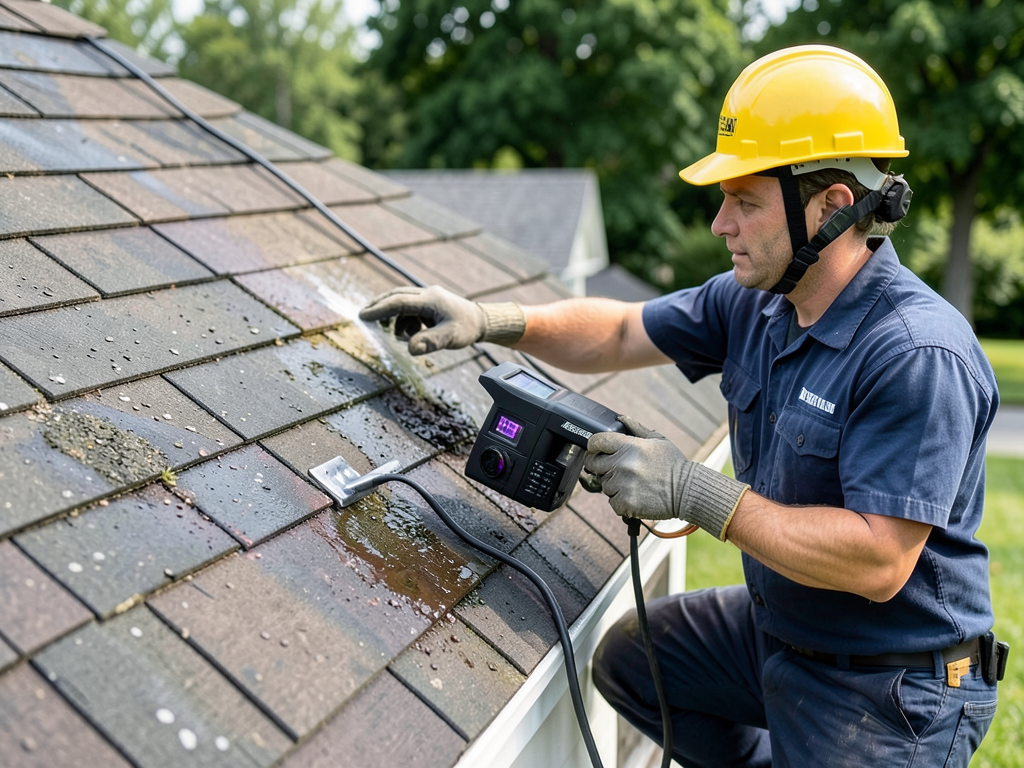
Professional roof maintenance goes far beyond simple visual inspections. Today’s roofing contractors use advanced diagnostic tools to identify potential problems before they become visible from the ground.
Infrared thermography can detect moisture trapped beneath the surface, indicating areas where thermal expansion has compromised the roof’s waterproofing. This technology is particularly valuable for flat commercial roofs in industrial areas along the I-25 corridor. Industrial Roof Replacement.
Moisture meters and core sampling help determine the extent of damage to underlying decking and insulation. This information is crucial for deciding whether repairs will provide adequate protection or if replacement is the more cost-effective long-term solution.
Regular maintenance programs typically include debris removal, gutter cleaning, sealant inspection, and minor repairs. These services, performed by technicians familiar with Denver’s climate, can extend your roof’s life by 5-10 years compared to reactive maintenance approaches. Reliable Gutter Installation for New Builds in Central Park.
The Cost of Ignoring Thermal Shock Damage
Delaying necessary roof repairs or replacement can lead to significantly higher costs down the road. What starts as minor cracking can progress to water infiltration, which then causes damage to insulation, decking, and even interior finishes.
Water damage from roof leaks can affect electrical systems, create mold growth conditions, and compromise structural integrity. These secondary issues often cost 3-5 times more to repair than addressing the original roofing problem. Fixing Flat Roof Leaks in LoHi and Modern Denver Homes.
Insurance companies are increasingly scrutinizing claims related to long-term wear and tear versus sudden damage. If thermal shock damage has been progressing for years without proper maintenance, your claim might be denied or only partially covered.
Energy costs also increase as damaged roofing materials lose their insulating properties. Homeowners in Arvada and surrounding areas have reported 15-25% increases in heating and cooling costs due to compromised roof systems.
Choosing the Right Contractor for Denver’s Climate
Not all roofing contractors have experience with Denver’s unique climate challenges. When selecting a contractor, look for these specific qualifications:
- Local experience of at least 5 years working in the Denver metro area
- Knowledge of Colorado building codes and permit requirements
- Experience with the specific roofing materials best suited for high-altitude UV exposure
- Understanding of thermal expansion and contraction principles
- Ability to provide detailed thermal imaging and moisture assessment reports
A qualified contractor should be able to explain how they’ll address thermal shock concerns in their installation process. This might include using specific underlayment materials, installing additional ventilation, or selecting shingles with enhanced flexibility ratings.
Ask potential contractors about their experience with homes in your specific neighborhood. Different areas of Denver have varying architectural styles and exposure levels that can affect roofing choices and installation techniques.
Emergency Response for Thermal Shock Damage
Sometimes thermal shock damage leads to sudden leaks or other emergencies that require immediate attention. Having a plan in place can minimize damage and reduce repair costs.
Keep the contact information for a reliable roofing contractor readily available. Many reputable companies offer 24/7 emergency services for situations like sudden leaks during storms or damage discovered after severe temperature swings.
In emergency situations, temporary tarping can prevent further water damage while you arrange for permanent repairs. However, temporary fixes should never be considered long-term solutions for thermal shock damage.
Document any emergency repairs with photos and keep all receipts. This documentation can be valuable if you need to file an insurance claim or if warranty issues arise later.
Frequently Asked Questions
How long should a roof last in Denver’s climate?
Most asphalt shingle roofs in Denver last 15-20 years, compared to 20-25 years in more moderate climates. The extreme temperature swings and intense UV exposure accelerate deterioration. Choosing high-quality materials and proper installation can help maximize your roof’s lifespan.. Read more about Choosing Roof Vents That Won’t Blow Away During the Next Broomfield Wind Storm.
Can I repair thermal shock damage myself?
While minor repairs like replacing a few cracked shingles might be possible for experienced DIYers, thermal shock damage often indicates underlying issues that require professional assessment. Improper repairs can void warranties and lead to more extensive damage over time.
Are certain roof slopes more vulnerable to thermal shock?
Yes. South-facing slopes typically experience the most severe thermal shock because they receive the most direct sunlight and heat exposure. West-facing slopes also see significant temperature swings as they heat up during the day and cool rapidly in the evening.
How does thermal shock affect roof warranties?
Most manufacturer warranties cover defects in materials but may exclude damage from environmental factors like thermal shock. However, proper installation according to manufacturer specifications is crucial for warranty validity. Some premium shingles include enhanced thermal shock protection.
What’s the best time of year for roof replacement in Denver?
Spring and fall typically offer the most moderate temperatures for roof installation. However, experienced contractors can install roofs year-round in Denver. The key is choosing materials and installation techniques appropriate for the season and your specific roof design.
Take Action to Protect Your Roof Today
Don’t wait for minor thermal shock damage to become a major problem. Schedule a professional roof inspection to assess your current roof’s condition and discuss preventative measures that can extend its life.
Our team understands Denver’s unique climate challenges and can recommend solutions specifically designed for the Front Range environment. Whether you need a simple repair, preventative maintenance, or a complete roof replacement, we’ll help you make the best decision for your home and budget.
Call us today at (720) 484-8300 to schedule your comprehensive roof assessment. We serve homeowners throughout the Denver metro area, including Lakewood, Englewood, Westminster, and surrounding communities. Don’t let another season of temperature swings damage your roof beyond repair.
Protect your investment and ensure your home stays safe and dry through whatever weather Denver’s climate throws our way. Your roof works hard every day to protect your family – make sure it gets the care it deserves. For more information, visit FEMA disaster preparedness resources.
You may also find this helpful. Cleaning Wildfire Ash and Soot Off Your Morrison Roof Without Damaging the Shingles.
{
“@context”: “https://schema.org”,
“@type”: “BlogPosting”,
“headline”: “How Drastic Front Range Temperature Swings Cause Your Shingles to Crack and Curl”,
“description”: “Learn how Denver’s extreme temperature swings cause shingle damage and what you can do to protect your roof from thermal shock.”,
“wordCount”: 2123,
“datePublished”: “2026-05-22T07:38:00.000Z”,
“dateModified”: “2026-05-22T07:38:00.000Z”,
“inLanguage”: “en-US”,
“mainEntityOfPage”: {
“@type”: “WebPage”,
“@id”: “https://apexroofingdenver.com”
},
“publisher”: {
“@type”: “LocalBusiness”,
“name”: “Apex Roofing Denver”,
“url”: “https://apexroofingdenver.com”
},
“author”: {
“@type”: “Organization”,
“name”: “Apex Roofing Denver”,
“url”: “https://apexroofingdenver.com”
},
“image”: {
“@type”: “ImageObject”,
“url”: “https://apexroofingdenver.com/wp-content/uploads/2026/03/how-drastic-front-range-temperature-swings-cause-y-1.png”
}
}
{
“@context”: “https://schema.org”,
“@type”: “RoofingContractor”,
“name”: “Apex Roofing Denver”,
“url”: “https://apexroofingdenver.com”,
“address”: {
“@type”: “PostalAddress”,
“addressLocality”: “Denver”
},
“areaServed”: {
“@type”: “City”,
“name”: “Denver”
}
}
{
“@context”: “https://schema.org”,
“@type”: “FAQPage”,
“mainEntity”: [
{
“@type”: “Question”,
“name”: “How long should a roof last in Denver’s climate?”,
“acceptedAnswer”: {
“@type”: “Answer”,
“text”: “Most asphalt shingle roofs in Denver last 15-20 years, compared to 20-25 years in more moderate climates. The extreme temperature swings and intense UV exposure accelerate deterioration. Choosing high-quality materials and proper installation can help maximize your roof’s lifespan.”
}
},
{
“@type”: “Question”,
“name”: “Can I repair thermal shock damage myself?”,
“acceptedAnswer”: {
“@type”: “Answer”,
“text”: “While minor repairs like replacing a few cracked shingles might be possible for experienced DIYers, thermal shock damage often indicates underlying issues that require professional assessment. Improper repairs can void warranties and lead to more extensive damage over time.”
}
},
{
“@type”: “Question”,
“name”: “Are certain roof slopes more vulnerable to thermal shock?”,
“acceptedAnswer”: {
“@type”: “Answer”,
“text”: “Yes. South-facing slopes typically experience the most severe thermal shock because they receive the most direct sunlight and heat exposure. West-facing slopes also see significant temperature swings as they heat up during the day and cool rapidly in the evening.”
}
},
{
“@type”: “Question”,
“name”: “How does thermal shock affect roof warranties?”,
“acceptedAnswer”: {
“@type”: “Answer”,
“text”: “Most manufacturer warranties cover defects in materials but may exclude damage from environmental factors like thermal shock. However, proper installation according to manufacturer specifications is crucial for warranty validity. Some premium shingles include enhanced thermal shock protection.”
}
},
{
“@type”: “Question”,
“name”: “What’s the best time of year for roof replacement in Denver?”,
“acceptedAnswer”: {
“@type”: “Answer”,
“text”: “Spring and fall typically offer the most moderate temperatures for roof installation. However, experienced contractors can install roofs year-round in Denver. The key is choosing materials and installation techniques appropriate for the season and your specific roof design.”
}
}
]
}
{
“@context”: “https://schema.org”,
“@type”: “HowTo”,
“name”: “How to Protect Your Roof from Thermal Shock”,
“step”: [
{
“@type”: “HowToStep”,
“position”: 1,
“name”: “Choose Impact-Resistant Shingles”,
“text”: “Select Class 4 impact-resistant shingles that have enhanced flexibility and UV protection. These shingles are designed to withstand Colorado’s harsh weather conditions.”
},
{
“@type”: “HowToStep”,
“position”: 2,
“name”: “Install Proper Ventilation”,
“text”: “Ensure your attic has adequate ventilation to prevent heat buildup. Proper airflow helps maintain more consistent roof temperatures and reduces thermal stress.”
},
{
“@type”: “HowToStep”,
“position”: 3,
“name”: “Apply Reflective Coatings”,
“text”: “Consider applying reflective roof coatings that reduce heat absorption. These coatings can lower roof surface temperatures by 20-30 degrees on hot days.”
},
{
“@type”: “HowToStep”,
“position”: 4,
“name”: “Schedule Regular Inspections”,
“text”: “Have your roof inspected twice yearly by a qualified professional who understands Denver’s unique climate challenges.”
},
{
“@type”: “HowToStep”,
“position”: 5,
“name”: “Address Minor Repairs Promptly”,
“text”: “Fix small issues like cracked shingles or separated flashing before they become major problems that compromise your roof’s integrity.”
}
],
“image”: “https://apexroofingdenver.com/wp-content/uploads/2026/03/how-drastic-front-range-temperature-swings-cause-y-1.png”
}
{
“@context”: “https://schema.org”,
“@type”: “BreadcrumbList”,
“itemListElement”: [
{
“@type”: “ListItem”,
“position”: 1,
“name”: “Home”,
“item”: “https://apexroofingdenver.com”
},
{
“@type”: “ListItem”,
“position”: 2,
“name”: “Blog”,
“item”: “https://apexroofingdenver.com/blog”
},
{
“@type”: “ListItem”,
“position”: 3,
“name”: “How Drastic Front Range Temperature Swings Cause Your Shingles to Crack and Curl”
}
]
}
{
“@context”: “https://schema.org”,
“@type”: “Service”,
“serviceType”: “Roofing”,
“provider”: {
“@type”: “LocalBusiness”,
“name”: “Apex Roofing Denver”,
“url”: “https://apexroofingdenver.com”
},
“areaServed”: {
“@type”: “City”,
“name”: “Denver”
},
“description”: “Learn how Denver’s extreme temperature swings cause shingle damage and what you can do to protect your roof from thermal shock.”
}