
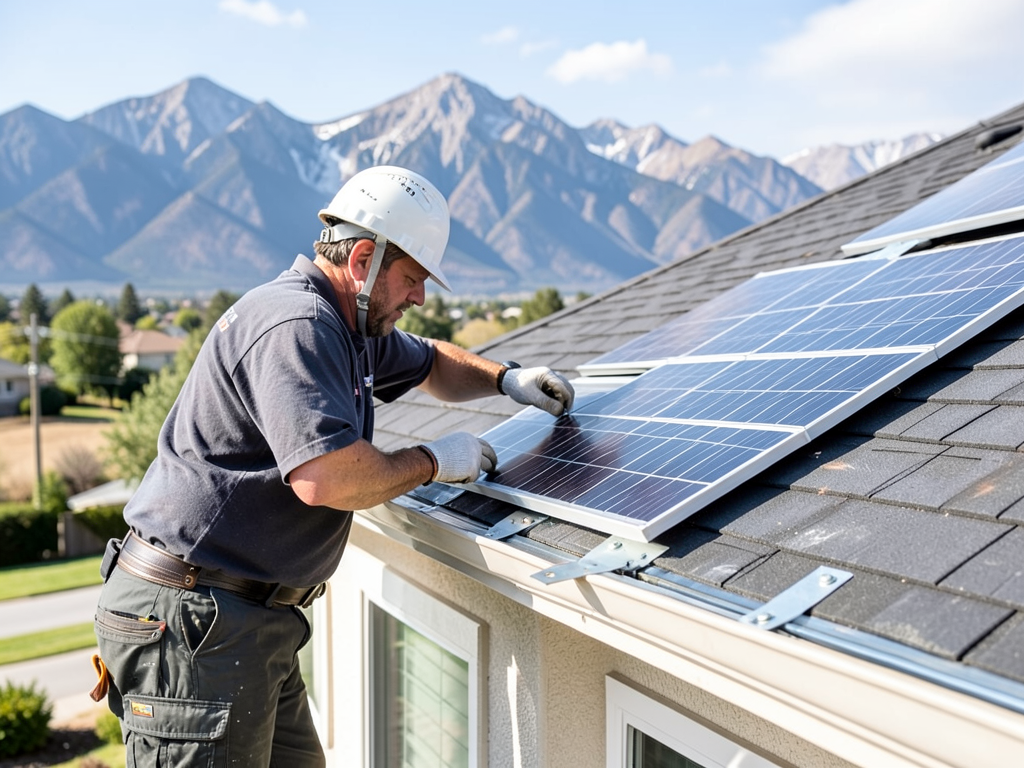
Making Your Roof Solar Ready Before You Install Panels in Lakewood
Installing solar panels in Lakewood requires more than just mounting brackets and wiring. Your roof needs specific preparation to handle the weight of photovoltaic systems and withstand Colorado’s extreme weather conditions for the next 25 years or more. Many Lakewood homeowners discover their existing roof isn’t structurally ready for solar after they’ve already purchased panels.
Getting your roof solar-ready means addressing structural integrity, proper flashing techniques, and electrical rough-ins before any solar contractor arrives. This preparation prevents costly retrofits and ensures your investment in renewable energy lasts as long as your roof system. Getting Your Highlands Ranch Roof Replaced After a Major Hail Storm.
Why Lakewood Homes Need Solar-Ready Roofing
Lakewood experiences unique challenges that affect solar installations. The city sits at 5,500 feet elevation with 300+ days of sunshine annually, making it ideal for solar energy production. However, this high-altitude location also means intense UV exposure, rapid freeze-thaw cycles, and significant snow loads during winter months.
The Front Range climate creates specific demands on roofing materials. Summer temperatures regularly exceed 90°F while winter brings heavy snow accumulation that can exceed 20 pounds per square foot. Your roof must handle these temperature swings without compromising the mounting system that will hold thousands of dollars in solar equipment. Roofing Sheridan.
Denver building codes have evolved to require Class 4 impact-resistant shingles in many Lakewood neighborhoods due to frequent hailstorms. These same codes now include provisions for solar-ready construction, particularly in areas designated under the Denver Green Building Ordinance. Denver Department of Community Planning and Development.
Structural Requirements for Solar-Ready Roofs
Solar panels add significant weight to your roof structure. A typical residential solar array weighs between 2.5 to 4 pounds per square foot when fully installed with mounting hardware. This weight concentrates on specific attachment points rather than distributing evenly across the roof surface.
Denver’s International Residential Code requires roofs to support a minimum live load of 30 pounds per square foot for snow loads. When you add solar panel weight, your roof must handle the combined load of snow, panels, and mounting hardware. Most existing Lakewood roofs built before 2010 need structural reinforcement to meet these requirements.
Roof trusses and rafters must be inspected for their current load-bearing capacity. This involves checking for signs of water damage, rot, or previous modifications that may have compromised structural integrity. Engineers often recommend adding support beams or sistering existing rafters to distribute the additional weight properly.
Optimal Roof Pitch for Colorado Solar Installation
The angle of your roof affects solar panel efficiency and snow shedding capabilities. Lakewood’s latitude of approximately 39.7° north means the optimal year-round tilt for solar panels is between 35° to 40°. Most existing roofs in the area fall between 4:12 and 9:12 pitch, which works well for solar installation.
Steeper roofs shed snow more effectively but can be harder to work on during installation. Shallower roofs may retain snow longer but provide easier access for maintenance. The pitch also affects wind uplift forces, which become critical when calculating mounting hardware requirements for Lakewood’s occasional high-wind events.
Metal roofing systems offer advantages for solar installations due to their durability and the ability to mount panels without penetrating the roof surface. Standing seam metal roofs allow clamps to attach directly to the seams, eliminating potential leak points that traditional shingle roofs create. Roofing Englewood.
Denver Building Codes and Solar Permits
Denver’s Green Building Ordinance affects many Lakewood neighborhoods, requiring new construction and major renovations to include solar-ready provisions. This ordinance mandates specific conduit routing, structural reinforcement, and electrical rough-ins that prepare buildings for future solar installation.
Solar permits in Denver County require detailed structural engineering calculations showing your roof can support the proposed system. These calculations must account for wind uplift, snow loads, and the specific mounting hardware being used. The Denver Department of Community Planning and Development reviews these submissions before issuing permits.
Local utility requirements add another layer of compliance. Xcel Energy, which serves most of Lakewood, requires specific electrical disconnects and grounding systems for grid-tied solar installations. These requirements must be incorporated into your roof preparation plan from the beginning. Xcel Energy Solar Rewards program.
Solar-Ready Checklist: Structural and Technical Requirements
Before installing solar panels, your roof needs specific preparations that go beyond standard roofing work. This checklist helps ensure your roof meets all requirements for a successful solar installation.
- Structural assessment by a licensed engineer or experienced roofing contractor
- Reinforcement of roof framing to handle additional load of 2.5-4 pounds per square foot
- Installation of proper flashing materials compatible with solar mounting systems
- Routing of electrical conduit from roof to main electrical panel
- Installation of roof-mounted junction boxes and electrical disconnects
- Verification of adequate attic ventilation to prevent heat buildup
- Documentation of all structural modifications for permit approval
Each item on this checklist addresses a specific requirement that solar installers will need before they can mount panels safely and legally. Skipping any of these steps can result in failed inspections or compromised system performance.
Best Roofing Materials for Solar Integration
Not all roofing materials work equally well with solar installations. Some materials provide better mounting surfaces, while others may require additional preparation or specialized hardware.
| Material Type | Solar Compatibility | Lifespan vs. Solar | Installation Considerations |
|---|---|---|---|
| Standing Seam Metal | Excellent – clamp mounting | 40-70 years | No roof penetrations required |
| Architectural Shingles | Good – standard mounting | 25-30 years | Requires proper flashing |
| Concrete Tile | Fair – specialized mounting | 50+ years | May require tile removal |
| Composite Shake | Good – standard mounting | 30-40 years | Requires careful flashing |
Standing seam metal roofing provides the best long-term solution for solar integration. The metal panels typically outlast solar equipment by decades, and the clamp-on mounting systems eliminate potential leak points from roof penetrations.
Electrical Rough-Ins for Solar-Ready Homes
Solar installations require specific electrical infrastructure that should be planned during roof preparation. This includes conduit routing, junction boxes, and proper grounding systems that meet both National Electrical Code requirements and local utility specifications.
Conduit must be sized to handle the full capacity of your proposed solar system, even if you’re not installing panels immediately. This prevents the need to replace undersized conduit later. The conduit route should be planned to minimize exposure to UV radiation and physical damage while providing easy access for future maintenance.
Roof-mounted junction boxes need proper weatherproofing and should be located where they won’t interfere with panel mounting patterns. These boxes provide connection points for solar wiring and must be accessible for system monitoring and maintenance.
Cost-Benefit Analysis: Solar-Ready vs. Traditional Roofing
Preparing your roof for solar during a standard replacement adds upfront costs but provides significant long-term savings. The decision involves comparing immediate expenses against future retrofit costs and potential system performance improvements. How Much a Full Roof Replacement Actually Costs in Denver Right Now.
| Upgrade Component | Typical Cost Range | Long-Term Benefit |
|---|---|---|
| Structural Reinforcement | $2,000 – $5,000 | Prevents future retrofit costs |
| Solar Conduit Installation | $500 – $1,500 | Eliminates future wall penetration |
| Enhanced Flashing | $300 – $800 | Reduces leak risk from mounts |
| Class 4 Shingles | $1,000 – $2,500 | Hail protection for panels |
The most significant savings come from avoiding double labor costs. Installing conduit and making structural modifications during initial roof replacement costs significantly less than retrofitting these systems after solar panels are already mounted. Industrial Roof Replacement.
Finding the Right Contractor for Solar-Ready Roofing
Not all roofing contractors have experience with solar-ready preparations. You need someone who understands both roofing systems and solar installation requirements to ensure proper integration.
Look for contractors who hold manufacturer certifications for solar-compatible roofing materials. These certifications indicate training in proper installation techniques that won’t void solar equipment warranties. Ask about specific experience with Lakewood building codes and Xcel Energy requirements.
Request references from previous solar-ready projects in the area. A qualified contractor should be able to show examples of completed work and explain how they handled specific challenges like chimney flashing or complex roof lines that affect solar panel placement.
Timeline for Solar-Ready Roof Preparation
Preparing your roof for solar requires careful scheduling to coordinate with other home improvement projects. The process typically takes 2-4 weeks from initial assessment to final inspection, depending on the scope of work required.
Start with a professional roof inspection to identify any existing damage or structural issues. This inspection should include an assessment of attic ventilation, which affects both roof longevity and solar panel performance. Any necessary repairs should be completed before solar-ready modifications begin.
Structural modifications, if needed, should be engineered and permitted before any roofing work begins. This ensures all work complies with local building codes and prevents delays during the solar installation phase.
Maintenance Considerations for Solar-Ready Roofs
A solar-ready roof requires specific maintenance practices to ensure long-term performance. The mounting system creates new potential failure points that need regular inspection, particularly after severe weather events.
Annual inspections should check for loose mounting hardware, damaged flashing, and signs of water intrusion around penetration points. These inspections are especially important after Lakewood’s frequent hailstorms, which can damage both roofing materials and solar mounting systems.
Proper attic ventilation becomes even more critical with solar installations. Solar panels create additional heat load on the roof surface, which can accelerate aging of roofing materials if ventilation is inadequate. Ensure your roof has proper intake and exhaust ventilation to maintain optimal temperatures.
Financing Solar-Ready Roof Upgrades
Several financing options can help offset the cost of preparing your roof for solar installation. Many Lakewood homeowners combine roof replacement with solar-ready upgrades to maximize their investment in home improvements.
Federal tax credits currently cover 30% of qualified solar installation costs, including some solar-ready roof preparation expenses. Local utility rebates through Xcel Energy may also be available for specific energy efficiency improvements that support solar integration.
Many roofing contractors offer financing plans specifically for solar-ready upgrades. These plans often feature competitive interest rates and terms that align with the expected lifespan of both the roof and solar equipment.
Common Mistakes to Avoid
Several common errors can compromise your solar-ready roof preparation. Understanding these mistakes helps you avoid costly problems during and after installation.
Using incompatible flashing materials is a frequent error. Standard roofing flashing may not work with solar mounting hardware, creating potential leak points. Always verify that flashing materials are rated for use with the specific mounting system being installed.
Underestimating structural requirements is another common mistake. Many homeowners assume their existing roof structure is sufficient, only to discover during solar installation that reinforcement is needed. This can add significant costs and delay the project.
Neglecting electrical planning can create major problems. Failing to install proper conduit sizing or location can force solar installers to make compromises that affect system performance or require expensive retrofits.
Ready to Make Your Roof Solar-Ready?
Preparing your Lakewood roof for solar installation requires expertise in both roofing systems and solar technology. The right preparation ensures your investment in renewable energy performs optimally for decades while protecting your home from Colorado’s harsh weather conditions.
Don’t wait until after you’ve purchased solar panels to discover your roof isn’t ready. Contact a qualified roofing contractor who understands solar-ready requirements and can guide you through the preparation process. Proper planning now prevents costly problems later.
Call (720) 484-8300 today to schedule your solar-ready roof assessment. Our experienced team serves Lakewood and the entire Denver metro area, providing expert guidance on preparing your roof for solar installation. We’ll help you understand your options and create a plan that meets both your roofing and solar energy needs.
Ready to get started? Contact us online to schedule your free solar-ready roof assessment. We’ll evaluate your current roof structure, discuss your solar plans, and provide recommendations for preparing your roof for successful solar installation.
Frequently Asked Questions
How do I know if my current roof can support solar panels?
A professional structural assessment is the only way to determine if your roof can support solar panels. This evaluation examines your roof framing, calculates current load capacity, and identifies any needed reinforcements. Most roofs built before 2010 require some structural upgrades to meet current solar installation requirements.
What building permits are required for solar-ready roofing in Lakewood?
Solar-ready roofing modifications typically require building permits from the City of Lakewood or Denver County, depending on your exact location. These permits cover structural modifications, electrical rough-ins, and ensure compliance with local building codes. Your roofing contractor should handle permit applications as part of the project.
Can I install solar panels on a flat roof in Lakewood?
Yes, solar panels can be installed on flat roofs using specialized mounting systems that create the proper tilt angle for optimal energy production. However, flat roofs require additional structural considerations and may need reinforcement to handle wind uplift forces. The mounting system must also account for snow accumulation and drainage patterns.
How long does it take to prepare a roof for solar installation?
Solar-ready roof preparation typically takes 2-4 weeks from initial assessment to final inspection. This timeline includes structural engineering, permit processing, material ordering, and installation work. Complex projects requiring significant structural modifications may take longer. Your roofing contractor can provide a more accurate timeline after evaluating your specific roof.
{
“@context”: “https://schema.org”,
“@type”: “BlogPosting”,
“headline”: “Making Your Roof Solar Ready Before You Install Panels in Lakewood”,
“description”: “Prepare your Lakewood roof for solar panels with structural reinforcement, proper flashing, and Denver code compliance. Get solar-ready before installation.”,
“wordCount”: 2196,
“datePublished”: “2026-05-18T08:36:00.000Z”,
“dateModified”: “2026-05-18T08:36:00.000Z”,
“inLanguage”: “en-US”,
“mainEntityOfPage”: {
“@type”: “WebPage”,
“@id”: “https://apexroofingdenver.com”
},
“publisher”: {
“@type”: “LocalBusiness”,
“name”: “Apex Roofing Denver”,
“url”: “https://apexroofingdenver.com”
},
“author”: {
“@type”: “Organization”,
“name”: “Apex Roofing Denver”,
“url”: “https://apexroofingdenver.com”
},
“image”: {
“@type”: “ImageObject”,
“url”: “https://apexroofingdenver.com/wp-content/uploads/2026/03/making-your-roof-solar-ready-before-you-install-pa-1.png”
}
}
{
“@context”: “https://schema.org”,
“@type”: “RoofingContractor”,
“name”: “Apex Roofing Denver”,
“url”: “https://apexroofingdenver.com”,
“address”: {
“@type”: “PostalAddress”,
“addressLocality”: “Denver”
},
“areaServed”: {
“@type”: “City”,
“name”: “Denver”
}
}
{
“@context”: “https://schema.org”,
“@type”: “FAQPage”,
“mainEntity”: [
{
“@type”: “Question”,
“name”: “Ready to Make Your Roof Solar-Ready?”,
“acceptedAnswer”: {
“@type”: “Answer”,
“text”: “Preparing your Lakewood roof for solar installation requires expertise in both roofing systems and solar technology. The right preparation ensures your investment in renewable energy performs optimally for decades while protecting your home from Colorado’s harsh weather conditions.”
}
},
{
“@type”: “Question”,
“name”: “How do I know if my current roof can support solar panels?”,
“acceptedAnswer”: {
“@type”: “Answer”,
“text”: “A professional structural assessment is the only way to determine if your roof can support solar panels. This evaluation examines your roof framing, calculates current load capacity, and identifies any needed reinforcements. Most roofs built before 2010 require some structural upgrades to meet current solar installation requirements.”
}
},
{
“@type”: “Question”,
“name”: “What building permits are required for solar-ready roofing in Lakewood?”,
“acceptedAnswer”: {
“@type”: “Answer”,
“text”: “Solar-ready roofing modifications typically require building permits from the City of Lakewood or Denver County, depending on your exact location. These permits cover structural modifications, electrical rough-ins, and ensure compliance with local building codes. Your roofing contractor should handle permit applications as part of the project.”
}
},
{
“@type”: “Question”,
“name”: “Can I install solar panels on a flat roof in Lakewood?”,
“acceptedAnswer”: {
“@type”: “Answer”,
“text”: “Yes, solar panels can be installed on flat roofs using specialized mounting systems that create the proper tilt angle for optimal energy production. However, flat roofs require additional structural considerations and may need reinforcement to handle wind uplift forces. The mounting system must also account for snow accumulation and drainage patterns.”
}
},
{
“@type”: “Question”,
“name”: “How long does it take to prepare a roof for solar installation?”,
“acceptedAnswer”: {
“@type”: “Answer”,
“text”: “Solar-ready roof preparation typically takes 2-4 weeks from initial assessment to final inspection. This timeline includes structural engineering, permit processing, material ordering, and installation work. Complex projects requiring significant structural modifications may take longer. Your roofing contractor can provide a more accurate timeline after evaluating your specific roof.”
}
}
]
}
{
“@context”: “https://schema.org”,
“@type”: “BreadcrumbList”,
“itemListElement”: [
{
“@type”: “ListItem”,
“position”: 1,
“name”: “Home”,
“item”: “https://apexroofingdenver.com”
},
{
“@type”: “ListItem”,
“position”: 2,
“name”: “Blog”,
“item”: “https://apexroofingdenver.com/blog”
},
{
“@type”: “ListItem”,
“position”: 3,
“name”: “Making Your Roof Solar Ready Before You Install Panels in Lakewood”
}
]
}
{
“@context”: “https://schema.org”,
“@type”: “Service”,
“serviceType”: “Roofing”,
“provider”: {
“@type”: “LocalBusiness”,
“name”: “Apex Roofing Denver”,
“url”: “https://apexroofingdenver.com”
},
“areaServed”: {
“@type”: “City”,
“name”: “Denver”
},
“description”: “Prepare your Lakewood roof for solar panels with structural reinforcement, proper flashing, and Denver code compliance. Get solar-ready before installation.”
}