
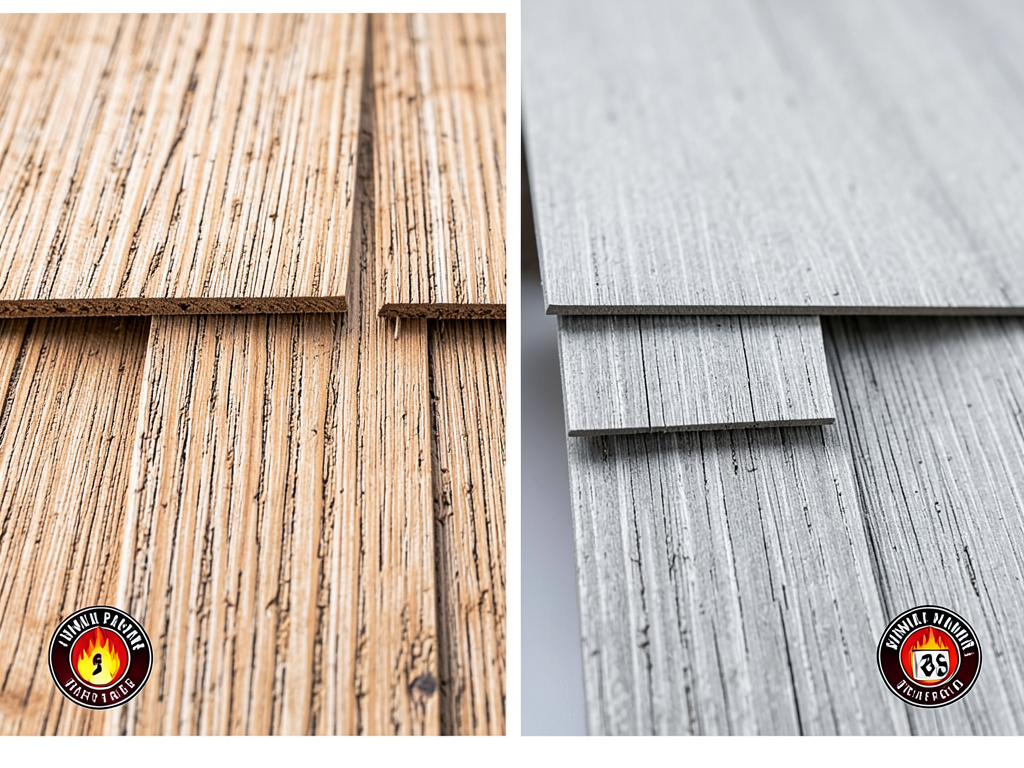
The Difference Between Synthetic Shake and Real Cedar for Wildfire Prone Areas Like Morrison
When you live in Morrison Colorado the roof over your head does more than keep the rain out. It protects your family from wildfires that sweep through the foothills every summer and hailstorms that pound the Front Range each spring. Many homeowners here love the rustic look of cedar shake but that natural wood comes with real fire risks in areas where a single ember can destroy everything. Synthetic shake offers the same classic Colorado aesthetic while meeting modern fire codes and standing up to our brutal climate. This guide breaks down how each material performs in the exact conditions you face in Morrison and nearby foothills neighborhoods. Cedar Shake Roof Restoration for Homes in Ken Caryl.
Why Cedar Shake Became a Colorado Icon
Cedar shake roofs have defined Colorado mountain homes for generations. The deep amber tones and hand-split texture blend perfectly with ponderosa pines and red rock formations around Red Rocks Amphitheatre. In neighborhoods like Indian Hills and Kittredge the wood’s natural variation creates a look that synthetic products spent decades trying to copy. Real cedar also offers solid insulation with an R-value around 3.5 per inch helping homes stay cooler in summer without overworking air conditioners at 6000 feet elevation.. Read more about Synthetic Slate vs Natural Stone for High-End Roofs in Belcaro.
The wood’s natural oils resist insects and decay in Colorado’s dry air giving a well-maintained cedar roof 20 to 30 years of life. Many homes in Evergreen and Conifer still carry their original cedar from the 1970s and 1980s. That longevity comes with a catch though. Colorado’s intense UV radiation breaks down wood fibers faster than in milder climates and the constant freeze-thaw cycles cause shakes to cup and split. A roof that looks charming at 10 years often needs major repairs by year 15.
Real Cedar Shake Vulnerabilities in the Colorado Foothills
The biggest problem with real cedar in Morrison and surrounding areas is fire danger. A Class C fire rating means the material will burn and spread flames when exposed to fire sources. During a wildfire embers can travel more than a mile and land on your roof. If those embers find dry cedar shakes the result can be catastrophic. Jefferson County and Boulder County building departments have tightened rules for new construction in the Wildland-Urban Interface. Some areas now require Class A fire-rated materials leaving no room for traditional wood. Jefferson County WUI building code.
Moisture management creates a second headache. Colorado’s low humidity keeps wood from rotting but it also makes shakes brittle. Temperature swings from 80°F afternoons to 40°F nights cause the wood to expand and contract. Over time this movement pulls nails loose and creates gaps where water seeps in. Ice dams in winter make the problem worse by forcing melting snow under shakes. Hail adds another layer of damage. A severe storm can split shakes along the grain leaving your roof exposed to the next rainfall.
Maintenance piles on the costs. Cedar needs cleaning every few years to remove moss and debris that trap moisture. You will also need periodic treatments with preservatives and fire retardants. Many homeowners in Morrison budget 8 to 12 percent of the roof’s initial cost each year for upkeep. Skip the maintenance and you will see your roof age twice as fast.. Read more about Cleaning Wildfire Ash and Soot Off Your Morrison Roof Without Damaging the Shingles.
Synthetic Cedar Shake: Modern Engineering Meets Mountain Style
Synthetic shake copies the look of real cedar using recycled materials like rubber and plastic polymers. Manufacturers such as DaVinci Roofscapes and CeDUR craft each piece to mimic the rough texture and color variation of hand-split wood. The result is a roof that keeps the Colorado mountain character without the weaknesses of organic material. These products come in Class A fire ratings right from the factory meaning they resist burning and prevent flames from spreading.. Read more about The Best Roofing Materials for Dampening the Sound of Heavy Rain and Hail.
The polymer base handles Colorado’s climate extremes better than wood. UV inhibitors built into the material prevent the sun from breaking down the surface. The shakes stay flexible through freeze-thaw cycles so they don’t crack or split. Most synthetic products carry a Class 4 impact rating for hail resistance. In the Front Range’s hail alley that rating can mean the difference between a roof that lasts 30 years and one that fails after a single bad storm.. Read more about Why Colorado’s Single Digit Humidity is So Tough on Traditional Wood Shingles.
Synthetic shake also solves the maintenance problem. The material resists mold moss and insects without chemical treatments. You won’t need to clean or seal the roof every few years. The color is engineered to stay consistent so you avoid the patchy fading that plagues real cedar. Over the life of the roof this means thousands of dollars in avoided maintenance costs.
Fire Ratings and Wildland-Urban Interface Codes
Morrison sits in a high-risk fire zone where building codes reflect the danger. The Wildland-Urban Interface code requires Class A fire-rated roofing for new construction and many remodels. Class A means the material can withstand severe fire exposure without igniting. Real cedar with its Class C rating does not meet this standard. Even if you treat cedar with fire retardant the protection wears off over time leaving your home vulnerable. Roofing Sheridan.
Jefferson County’s building department enforces these rules strictly. If you pull a permit for reroofing in a WUI area you will need to show documentation that your material meets Class A requirements. Insurance companies also reward Class A roofs with lower premiums. In some cases they may refuse coverage for homes with untreated wood roofs in fire zones. Synthetic shake comes standard with Class A ratings so you can meet code without sacrificing the look you want.
The cost difference narrows when you factor in these requirements. A Class A treated cedar roof costs more than untreated wood and still needs reapplication every few years. Synthetic starts at a Class A rating and keeps it for the life of the product. For homeowners in Morrison Golden or Conifer the extra upfront cost often pays for itself in avoided maintenance and insurance savings.
Hail Resistance: Class 4 Impact Ratings Compared
Colorado ranks among the top states for hail damage with most storms hitting between May and August. Hailstones here often reach golf ball size and sometimes grow larger. A Class 4 impact rating means the material survived a test where steel balls drop from 20 feet without cracking. Most synthetic shake products earn this rating. Real cedar typically rates at Class 3 or lower meaning it can split or puncture under severe hail.
The difference shows up in insurance claims. Denver metro homeowners with Class 4 roofs report fewer payouts after major storms. Some insurers offer premium discounts of 5 to 10 percent for impact-resistant roofing. Over a 20-year period those savings can offset much of the higher initial cost of synthetic materials. In neighborhoods like Applewood and Ken Caryl where hail hits hard every few years the Class 4 rating becomes a major selling point.
Maintenance after hail also varies. A cedar roof hit by large hail often needs spot repairs to replace split shakes. Finding matching weathered wood years later can be difficult and expensive. Synthetic shake resists splitting so most hail damage shows up as surface marks that don’t affect performance. If a piece does fail individual shakes pop out and replace easily without disturbing the rest of the roof.
Cost Analysis for Denver Metro Properties
Real cedar shake costs between $8 and $12 per square foot installed in the Denver area. Synthetic ranges from $10 to $16 per square foot. The gap narrows when you add in maintenance. Cedar needs cleaning every 2 to 3 years at $400 to $600 per service plus preservative treatments every 5 to 7 years. Over 20 years those costs can add $5000 to $8000 to the lifetime expense.
Synthetic shake carries a lifetime limited warranty from most manufacturers. You won’t pay for labor to replace defective material and the product resists the wear that forces early replacement of wood. A cedar roof might need replacement after 20 to 25 years while synthetic often lasts 40 to 50 years. When you divide total cost by years of service synthetic becomes competitive or cheaper than wood. How Much a Full Roof Replacement Actually Costs in Denver Right Now.
Insurance also tilts the math. A Class 4 rated roof can reduce premiums by $100 to $300 per year depending on your carrier. In high-risk fire zones the Class A rating prevents coverage denial. Those factors make synthetic more attractive for long-term ownership even if the upfront price runs higher.
Environmental Impact and Sustainability
Real cedar comes from managed forests in the Pacific Northwest. The trees grow for 50 to 100 years before harvest and the shake manufacturing process uses minimal energy. At the end of its life cedar is biodegradable. The downside is shorter lifespan and the need for chemical treatments that can leach into soil and water.
Synthetic shake uses recycled plastics and rubber diverting waste from landfills. The manufacturing process consumes more energy than wood processing but the longer lifespan offsets some of that impact. Most synthetic products are not biodegradable but many manufacturers offer recycling programs to reclaim material at end of life. For homeowners weighing carbon footprint the choice depends on whether you value rapid renewability or long-term waste reduction.
Installation Considerations for Morrison Homes
Both materials require skilled installation but synthetic shake has a steeper learning curve. The polymer pieces need specific fastening patterns to allow for thermal expansion. Installers must follow manufacturer guidelines exactly to keep the warranty valid. In Morrison’s steep-roofed mountain homes proper underlayment becomes critical. Ice and water shield along eaves and in valleys prevents the ice damming that plagues all roofs here.
Weight differs between the two. Real cedar weighs about 450 pounds per square while synthetic ranges from 200 to 300 pounds. If you switch from wood to synthetic you might avoid reinforcing roof rafters. Going the other direction requires checking that your structure can support the extra load. Local building departments often require engineer stamps for such changes.. Read more about Why You Might Need a Lightning Protection System for Your High Rise Home in Morrison.
Permitting also varies. Synthetic installations in WUI zones need documentation of fire ratings and sometimes additional inspections. Cedar permits require proof of Class A treatment if allowed at all. Working with a contractor familiar with Jefferson County codes prevents delays and costly rework.
Long-Term Performance in Colorado’s Harsh Climate
Colorado’s 5280 foot elevation means stronger UV radiation than most of the country. Real cedar fades unevenly turning grayish in sun-exposed areas while sheltered sections stay amber. Synthetic products use UV inhibitors to maintain consistent color but even they will lighten slightly over decades. The key difference is that synthetic aging looks uniform while wood develops a patchy patina.
Freeze-thaw cycling affects both materials but in different ways. Wood expands and contracts with moisture content causing shakes to cup and nails to back out. Synthetic expands and contracts with temperature but the polymer matrix handles the movement without damage. In Morrison’s cold winters this means fewer ice dam failures and less risk of water intrusion.
Wind uplift poses another challenge. The Front Range sees gusts over 70 mph in spring. Cedar shakes rely on overlapping joints and nailed fasteners that can lift in high wind. Synthetic products often include interlocking features and enhanced fastening systems to resist uplift. In exposed areas like ridge tops or open plains the added security of synthetic can prevent costly repairs.
Making the Right Choice for Your Morrison Property
Choose real cedar if you want the most authentic historic look and don’t mind ongoing maintenance. It works best for homes outside strict fire zones or for owners who enjoy the hands-on care of natural materials. Keep in mind you will need to budget for periodic treatments and possible early replacement. Industrial Roof Replacement.
Choose synthetic if you prioritize fire safety low maintenance and long-term durability. It fits well for homes in WUI zones new construction or major remodels where building codes limit wood. The material also makes sense if you plan to stay in your home for decades and want to avoid the hassle of regular upkeep.
Both options can deliver beautiful results when installed correctly. The right choice depends on your location within Morrison your tolerance for maintenance and your long-term plans for the property. Talk with a local roofing contractor who understands Jefferson County codes and can show you samples of both materials on actual homes in your area.
Frequently Asked Questions
Can I use real cedar shake if my home is in a fire zone?
Most fire zones in Morrison and surrounding foothills require Class A fire-rated materials. Untreated cedar with a Class C rating will not meet code. Some areas allow treated cedar but the treatment must be factory applied and documented. Check with Jefferson County building department before planning a cedar roof in a WUI area.
How much longer does synthetic shake last compared to real cedar?
Quality synthetic shake often lasts 40 to 50 years while well-maintained cedar lasts 20 to 30 years in Colorado’s climate. Synthetic also resists the splitting cupping and curling that shorten wood’s lifespan. Over 50 years you might replace cedar twice while synthetic remains intact.
Will synthetic shake look fake compared to real wood?
Modern synthetic products use advanced molding and coloring to replicate the texture and variation of hand-split cedar. From street level most people cannot tell the difference. The key distinction shows up on close inspection where synthetic lacks the slight irregularities and scent of real wood.
Does synthetic shake cost more to install than cedar?
Installation costs are similar per square foot. Synthetic may take slightly longer because of specific fastening requirements but the difference is minimal. The real cost gap comes from material prices and long-term maintenance rather than installation labor.
Can I switch from cedar to synthetic without reinforcing my roof?
Synthetic shake weighs less than real cedar so switching often eliminates the need for structural reinforcement. If you switch from synthetic to cedar you will need to verify your rafters can support the extra weight. Always have a structural engineer review changes that affect load.
How does hail damage compare between the two materials?
Synthetic shake with Class 4 impact rating resists cracking and splitting from hail. Cedar typically rates at Class 3 or lower and can split along the grain when hit by large hail. After a major storm cedar often needs spot repairs while synthetic may only show surface marks.
Will I save money on insurance with synthetic shake?
Many insurers offer discounts for Class 4 impact-resistant roofing and Class A fire-rated materials. In fire zones the Class A rating can also prevent coverage denial. Savings vary by carrier but often range from $100 to $300 per year which adds up over the life of the roof.
Does synthetic shake fade in Colorado’s intense sun?
All roofing materials fade with UV exposure. Synthetic products include UV inhibitors that slow the process and keep fading uniform. Cedar turns grayish unevenly with some areas fading faster than others. Synthetic maintains a more consistent appearance over time.
What maintenance does synthetic shake require?
Synthetic needs almost no maintenance. You won’t need to clean seal or treat the material. Occasional debris removal from valleys and gutters is all that’s required. This contrasts with cedar which needs cleaning every few years and periodic preservative treatments. Reliable Gutter Installation for New Builds in Central Park.
Can I walk on a synthetic shake roof for maintenance?
Yes but use caution. Synthetic shake distributes weight differently than wood. Walk on the overlaps and avoid stepping on single pieces. If you’re unsure have a professional handle roof access to prevent damage.
Ready to Choose the Right Roof for Your Morrison Home
Protecting your home from Colorado’s wildfires and hailstorms starts with the right roofing material. Whether you choose the timeless beauty of real cedar or the modern durability of synthetic shake you need a contractor who understands local codes and climate challenges. Apex Roofing Denver has served Morrison and the foothills for years with both materials. We’ll help you weigh the costs benefits and long-term performance to make the best choice for your home. Call us today at (720) 484-8300 to schedule a free consultation and see samples of both options on homes like yours. Don’t wait until the next storm or fire season to secure your home’s future. For more information, visit National Fire Protection Association wildfire resources.
You may also find this helpful. Keeping Your Genesee Home Safe with Wildfire Resistant Roofing Materials.
{
“@context”: “https://schema.org”,
“@type”: “BlogPosting”,
“headline”: “The Difference Between Synthetic Shake and Real Cedar for Wildfire Prone Areas Like Morrison”,
“description”: “Compare synthetic shake vs real cedar roofing in wildfire-prone Morrison. Learn about fire ratings, hail resistance, and Colorado building codes for safer homes.”,
“wordCount”: 2736,
“datePublished”: “2026-06-07T06:58:00.000Z”,
“dateModified”: “2026-06-07T06:58:00.000Z”,
“inLanguage”: “en-US”,
“mainEntityOfPage”: {
“@type”: “WebPage”,
“@id”: “https://apexroofingdenver.com”
},
“publisher”: {
“@type”: “LocalBusiness”,
“name”: “Apex Roofing Denver”,
“url”: “https://apexroofingdenver.com”
},
“author”: {
“@type”: “Organization”,
“name”: “Apex Roofing Denver”,
“url”: “https://apexroofingdenver.com”
},
“image”: {
“@type”: “ImageObject”,
“url”: “https://apexroofingdenver.com/wp-content/uploads/2026/03/the-difference-between-synthetic-shake-and-real-ce-1.png”
}
}
{
“@context”: “https://schema.org”,
“@type”: “RoofingContractor”,
“name”: “Apex Roofing Denver”,
“url”: “https://apexroofingdenver.com”,
“address”: {
“@type”: “PostalAddress”,
“addressLocality”: “Denver”
},
“areaServed”: {
“@type”: “City”,
“name”: “Denver”
}
}
{
“@context”: “https://schema.org”,
“@type”: “FAQPage”,
“mainEntity”: [
{
“@type”: “Question”,
“name”: “Can I use real cedar shake if my home is in a fire zone?”,
“acceptedAnswer”: {
“@type”: “Answer”,
“text”: “Most fire zones in Morrison and surrounding foothills require Class A fire-rated materials. Untreated cedar with a Class C rating will not meet code. Some areas allow treated cedar but the treatment must be factory applied and documented. Check with Jefferson County building department before planning a cedar roof in a WUI area.”
}
},
{
“@type”: “Question”,
“name”: “How much longer does synthetic shake last compared to real cedar?”,
“acceptedAnswer”: {
“@type”: “Answer”,
“text”: “Quality synthetic shake often lasts 40 to 50 years while well-maintained cedar lasts 20 to 30 years in Colorado’s climate. Synthetic also resists the splitting cupping and curling that shorten wood’s lifespan. Over 50 years you might replace cedar twice while synthetic remains intact.”
}
},
{
“@type”: “Question”,
“name”: “Will synthetic shake look fake compared to real wood?”,
“acceptedAnswer”: {
“@type”: “Answer”,
“text”: “Modern synthetic products use advanced molding and coloring to replicate the texture and variation of hand-split cedar. From street level most people cannot tell the difference. The key distinction shows up on close inspection where synthetic lacks the slight irregularities and scent of real wood.”
}
},
{
“@type”: “Question”,
“name”: “Does synthetic shake cost more to install than cedar?”,
“acceptedAnswer”: {
“@type”: “Answer”,
“text”: “Installation costs are similar per square foot. Synthetic may take slightly longer because of specific fastening requirements but the difference is minimal. The real cost gap comes from material prices and long-term maintenance rather than installation labor.”
}
},
{
“@type”: “Question”,
“name”: “Can I switch from cedar to synthetic without reinforcing my roof?”,
“acceptedAnswer”: {
“@type”: “Answer”,
“text”: “Synthetic shake weighs less than real cedar so switching often eliminates the need for structural reinforcement. If you switch from synthetic to cedar you will need to verify your rafters can support the extra weight. Always have a structural engineer review changes that affect load.”
}
},
{
“@type”: “Question”,
“name”: “How does hail damage compare between the two materials?”,
“acceptedAnswer”: {
“@type”: “Answer”,
“text”: “Synthetic shake with Class 4 impact rating resists cracking and splitting from hail. Cedar typically rates at Class 3 or lower and can split along the grain when hit by large hail. After a major storm cedar often needs spot repairs while synthetic may only show surface marks.”
}
},
{
“@type”: “Question”,
“name”: “Will I save money on insurance with synthetic shake?”,
“acceptedAnswer”: {
“@type”: “Answer”,
“text”: “Many insurers offer discounts for Class 4 impact-resistant roofing and Class A fire-rated materials. In fire zones the Class A rating can also prevent coverage denial. Savings vary by carrier but often range from $100 to $300 per year which adds up over the life of the roof.”
}
},
{
“@type”: “Question”,
“name”: “Does synthetic shake fade in Colorado’s intense sun?”,
“acceptedAnswer”: {
“@type”: “Answer”,
“text”: “All roofing materials fade with UV exposure. Synthetic products include UV inhibitors that slow the process and keep fading uniform. Cedar turns grayish unevenly with some areas fading faster than others. Synthetic maintains a more consistent appearance over time.”
}
},
{
“@type”: “Question”,
“name”: “What maintenance does synthetic shake require?”,
“acceptedAnswer”: {
“@type”: “Answer”,
“text”: “Synthetic needs almost no maintenance. You won’t need to clean seal or treat the material. Occasional debris removal from valleys and gutters is all that’s required. This contrasts with cedar which needs cleaning every few years and periodic preservative treatments. Reliable Gutter Installation for New Builds in Central Park.”
}
},
{
“@type”: “Question”,
“name”: “Can I walk on a synthetic shake roof for maintenance?”,
“acceptedAnswer”: {
“@type”: “Answer”,
“text”: “Yes but use caution. Synthetic shake distributes weight differently than wood. Walk on the overlaps and avoid stepping on single pieces. If you’re unsure have a professional handle roof access to prevent damage.”
}
}
]
}
{
“@context”: “https://schema.org”,
“@type”: “BreadcrumbList”,
“itemListElement”: [
{
“@type”: “ListItem”,
“position”: 1,
“name”: “Home”,
“item”: “https://apexroofingdenver.com”
},
{
“@type”: “ListItem”,
“position”: 2,
“name”: “Blog”,
“item”: “https://apexroofingdenver.com/blog”
},
{
“@type”: “ListItem”,
“position”: 3,
“name”: “The Difference Between Synthetic Shake and Real Cedar for Wildfire Prone Areas Like Morrison”
}
]
}
{
“@context”: “https://schema.org”,
“@type”: “Service”,
“serviceType”: “Roofing”,
“provider”: {
“@type”: “LocalBusiness”,
“name”: “Apex Roofing Denver”,
“url”: “https://apexroofingdenver.com”
},
“areaServed”: {
“@type”: “City”,
“name”: “Denver”
},
“description”: “Compare synthetic shake vs real cedar roofing in wildfire-prone Morrison. Learn about fire ratings, hail resistance, and Colorado building codes for safer homes.”
}