
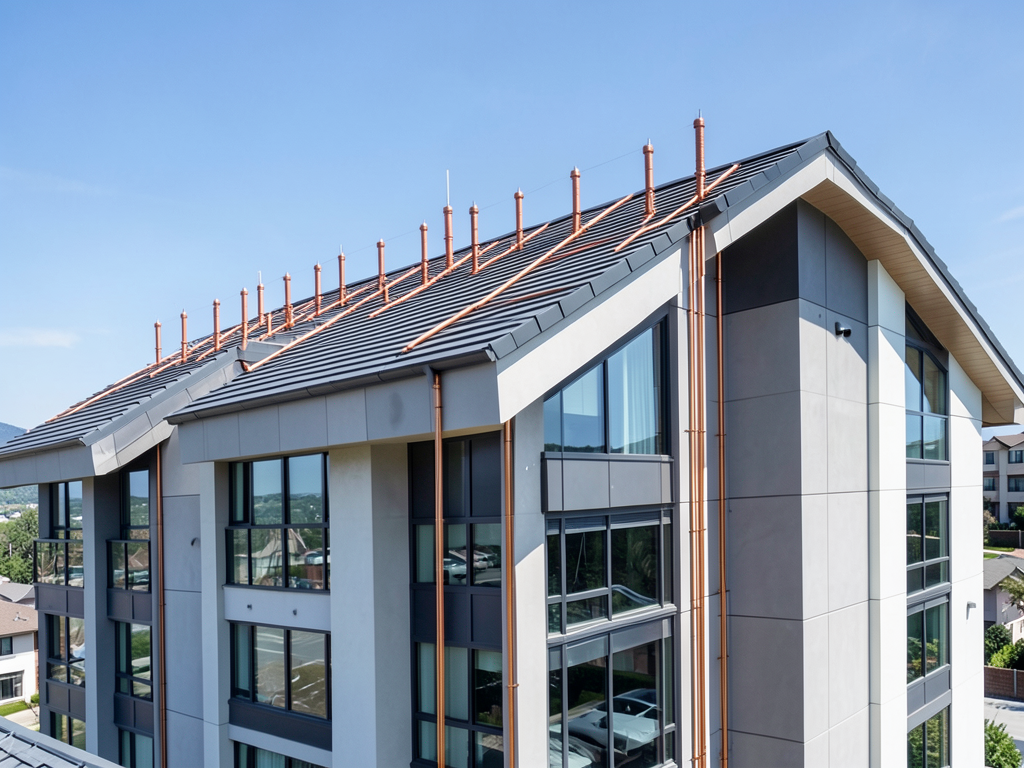
Why You Might Need a Lightning Protection System for Your High Rise Home in Morrison
Living in Morrison means enjoying stunning mountain views and quick access to Red Rocks Amphitheatre. But those same elevated ridges that give you breathtaking scenery also expose your home to Colorado’s intense lightning activity. Your high rise home sits as one of the tallest structures for miles making it a prime target during Front Range thunderstorms.
Lightning strikes in Colorado are not rare events. The National Weather Service tracks thousands of strikes across the Front Range every summer. For homes on elevated terrain like Morrison those strikes come with serious risks including fire damage structural failure and electrical surges that can destroy appliances. National Weather Service lightning safety information.
How Lightning Protection Systems Work for Elevated Homes
A lightning protection system does not attract lightning. Instead it provides a safe path to ground when lightning does strike. The system intercepts the electrical charge and channels it safely into the earth protecting your home’s structure and everything inside.
For high rise homes in Morrison the system typically includes air terminals mounted along roof ridges and edges. These connect through heavy gauge copper or aluminum conductors down to grounding electrodes buried in the soil. The grounding network disperses the electrical charge safely preventing it from traveling through your home’s framing or wiring.
Why Morrison Homes Face Higher Lightning Risk
Morrison sits on the eastern edge of the Front Range where warm air from the plains meets cooler mountain air. This collision creates ideal conditions for thunderstorm development especially during July and August. The National Oceanic and Atmospheric Administration reports that Colorado experiences over 500,000 cloud to ground lightning flashes annually.
Your elevated position means your home often becomes the tallest object around. Lightning tends to strike the highest point in an area. For a three or four story home on a Morrison ridge that highest point is likely your roof. The risk increases if your home has a metal roof or tall trees nearby that could channel strikes toward your structure.
NFPA 780 Standards for Lightning Protection
Professional lightning protection follows strict guidelines from the National Fire Protection Association. NFPA 780 outlines specific requirements for system design installation and maintenance. These standards ensure your system will perform when needed. NFPA 780 lightning protection standards.
The standard requires air terminals placed at regular intervals along all roof edges and ridges. Conductors must be sized based on your home’s dimensions and the local lightning risk. Grounding systems need multiple electrodes buried at least ten feet deep to achieve proper earth contact resistance.
For Morrison homes the soil conditions matter. Colorado’s clay soils can affect grounding effectiveness. Professional installers test soil resistivity and may recommend additional grounding rods or chemical treatments to ensure proper system function.
Copper vs Aluminum Lightning Protection Systems
Choosing between copper and aluminum systems affects both performance and cost. Copper offers superior conductivity and durability. It resists corrosion even in Colorado’s harsh UV environment. However copper costs significantly more than aluminum.
Aluminum systems work well for many applications. They cost less and weigh less making installation easier on older structures. The trade off comes in longevity. Aluminum can corrode when in contact with certain roofing materials or in areas with high salt content in the air. Roofing Sheridan.
For Morrison’s high altitude climate copper often proves the better investment. The material withstands freeze thaw cycles and UV exposure without degrading. Over twenty years the initial cost difference becomes negligible compared to replacement costs for a failing aluminum system. How Much a Full Roof Replacement Actually Costs in Denver Right Now.
Copper vs Aluminum Systems: Which is Best for Your Home?
| Feature | Copper System | Aluminum System |
|---|---|---|
| Initial Cost | 25-40% higher | Base price |
| Lifespan | 40+ years | 20-25 years |
| Corrosion Resistance | Excellent | Good to fair |
| Weight | Heavier | Lighter |
| Roof Compatibility | All materials | Check compatibility |
Lightning Rods and Your Roof Warranty
Installing lightning protection should not void your roof warranty. However improper installation can cause problems. Roof penetrations for mounting air terminals need proper flashing and sealing to prevent water intrusion.
Professional installers coordinate with roofing manufacturers to ensure compliance with warranty requirements. They use compatible materials and follow specific mounting procedures. Some roofing systems require special brackets or mounting methods to maintain warranty coverage. Roofing Englewood.
For homes with newer roofing materials like synthetic slate or solar tiles the installation process becomes more critical. These materials often have specific requirements for any penetrations. Working with installers who understand both lightning protection and modern roofing systems protects your investment.
Surge Protection vs Lightning Protection
Lightning protection and surge protection serve different purposes. Lightning protection prevents structural damage from direct strikes. Surge protection guards against electrical spikes that travel through power lines.
Most homes need both systems. A lightning protection system protects your home’s structure. Surge protectors installed at your electrical panel and on individual circuits protect sensitive electronics from power surges caused by nearby lightning strikes or grid fluctuations.
For high end electronics home theaters and smart home systems whole house surge protection adds an essential layer of defense. These systems can absorb thousands of joules of energy preventing damage to computers televisions and other valuable equipment.
Grounding Systems and Colorado Soil Conditions
Grounding effectiveness depends heavily on soil conditions. Colorado’s Front Range features diverse soil types from sandy loams to heavy clays. Each type affects how well grounding electrodes can dissipate electrical charges.
Clay soils common in Morrison areas can have high resistivity. This means electrical charges do not dissipate as easily into the ground. Professional installers test soil resistivity before designing your grounding system. They may recommend multiple grounding rods driven deep into the earth or chemical treatments to improve conductivity.
Moisture content also affects grounding performance. Colorado’s dry climate means soil moisture levels fluctuate seasonally. A properly designed system accounts for these variations ensuring consistent protection year round.
Installation Process for High Rise Homes
Installing lightning protection on a high rise home requires specialized equipment and expertise. Installers use lifts or scaffolding to access roof areas safely. They must work around existing roof features like vents skylights and solar panels.
The process starts with a site assessment. Installers evaluate your home’s height exposure and surrounding terrain. They design a system that provides complete coverage while maintaining your home’s aesthetic appeal.
Installation typically takes two to four days depending on your home’s size and complexity. Installers mount air terminals run conductors and install grounding electrodes. They seal all roof penetrations and test the complete system before final inspection.
Maintenance and Inspection Requirements
Lightning protection systems need regular maintenance to ensure continued effectiveness. Annual inspections check for loose connections corrosion and physical damage from wind or debris.
Inspectors verify that all components remain properly grounded and that no new roof features interfere with system operation. They test ground resistance and repair any issues found during inspection.
Colorado’s harsh weather can accelerate wear on exposed components. UV radiation wind driven debris and freeze thaw cycles all affect system longevity. Regular maintenance prevents small problems from becoming major failures.
Insurance Benefits and Cost Considerations
Many insurance companies offer premium discounts for homes with professionally installed lightning protection systems. These discounts recognize the reduced risk of fire damage and electrical system failures.
The cost of installation varies based on your home’s size roof complexity and the system type chosen. Most homeowners invest between $5,000 and $15,000 for a complete system on a high rise home. This investment often pays for itself through insurance savings and the protection of valuable electronics and structural components.
Consider the replacement cost of your home’s contents and structure. A direct lightning strike can cause tens of thousands of dollars in damage within seconds. Lightning protection provides peace of mind that your investment remains protected. Industrial Roof Replacement.
Local Building Codes and Permits
Morrison and surrounding areas require permits for lightning protection system installation. Local building departments review plans to ensure compliance with national standards and local requirements.
Installers handle the permitting process as part of their service. They submit detailed plans showing system layout grounding configurations and material specifications. Inspections verify that installation meets all code requirements before final approval.
Some homeowners associations have additional requirements for visible system components. Professional installers work with HOA boards to ensure systems meet both safety standards and community aesthetic guidelines.
Front Range Lightning Strike Statistics
Understanding local lightning patterns helps you appreciate the protection value. Colorado ranks among the top ten states for lightning strikes per square mile. The Front Range corridor experiences particularly high activity due to its unique geography.
Data from the National Lightning Detection Network shows that areas west of Denver including Morrison experience 15-20 lightning days per year on average. Each lightning day can produce dozens to hundreds of individual strikes in the region.
Summer afternoons between 2 PM and 6 PM represent peak lightning activity. This timing means your home faces the highest risk during the warmest parts of the day when you and your family are most likely to be home.
Fire Prevention and Wildfire Risk
Lightning strikes cause numerous wildfires across Colorado each year. When lightning hits dry vegetation or structures it can ignite fires that spread rapidly through the arid landscape.
Your lightning protection system helps prevent fires by safely channeling electrical charges into the ground. This protection extends beyond your home to the surrounding area. By preventing fires at your property you help reduce the overall wildfire risk in your community.
For homes near forested areas or open spaces this fire prevention aspect becomes especially important. A single lightning strike can start a fire that threatens entire neighborhoods.
Choosing a Qualified Installer
Lightning protection installation requires specialized knowledge and certification. Look for installers certified by the Lightning Protection Institute or Underwriters Laboratories. These certifications ensure they understand current standards and best practices.
Ask potential installers about their experience with high rise homes and specific roofing materials. Request references from similar projects in the Morrison area. Verify they carry proper insurance and can provide warranties on their work.
Professional installers should provide detailed proposals including system layouts material specifications and cost breakdowns. They should explain the grounding strategy and demonstrate understanding of local soil and weather conditions.
Integration with Solar and Other Systems
Many Morrison homes feature solar panels or other rooftop equipment. Lightning protection systems must integrate seamlessly with these existing features. Installers coordinate with solar contractors to ensure both systems function properly without interference.
Solar installations often include their own grounding systems. Professional lightning protection designers account for these existing grounds to create a unified protection network. This integration prevents ground loops and ensures optimal system performance.
For homes with satellite dishes antennas or other rooftop equipment the lightning protection system provides additional safety for these valuable components.
Emergency Response Planning
Even with lightning protection systems in place emergencies can occur. Develop an emergency response plan that includes lightning safety procedures. Know where to go during storms and how to shut off electrical systems if needed.
Keep emergency contact numbers readily available including your lightning protection installer and local fire department. Post these numbers near phones and program them into mobile devices.
Consider installing whole house surge protectors as an additional safety layer. These devices provide backup protection if your primary lightning protection system experiences an overload.
Long Term Value Protection
Lightning protection represents a long term investment in your home’s safety and value. The system protects not just your structure but also the contents and systems inside. This protection helps maintain your home’s value over time.
Buyers often view lightning protection as a valuable feature especially in areas prone to electrical storms. This perception can make your home more attractive in the real estate market.
The peace of mind that comes with knowing your home has professional protection is difficult to quantify but represents real value for most homeowners.
Common Misconceptions About Lightning Protection
Some homeowners believe lightning protection attracts strikes. This misconception can prevent people from getting needed protection. In reality these systems do not increase your risk. They simply provide safe paths for electrical charges when strikes occur. Getting Your Highlands Ranch Roof Replaced After a Major Hail Storm.
Another common myth suggests that trees or tall structures near your home provide adequate protection. While these features may offer some shielding they cannot replace a properly designed lightning protection system. Your home still needs dedicated protection regardless of nearby tall objects.
Some people think lightning protection systems are only for commercial buildings or historic structures. Modern residential systems are designed to be unobtrusive while providing essential protection for any home.
Seasonal Considerations for Morrison Homes
Morrison’s seasonal weather patterns affect lightning protection system performance. Summer thunderstorms bring the highest lightning risk but winter conditions can also impact system function.
Heavy snow loads can damage air terminals or conductors. Ice buildup may affect grounding effectiveness. Professional installers design systems to withstand these seasonal challenges.
Spring and fall bring freeze thaw cycles that can affect roof penetrations and grounding connections. Regular maintenance checks during these transition seasons help identify and address any weather related issues.
Future Technology Integration
Lightning protection technology continues to evolve. New materials and design approaches improve system effectiveness and aesthetics. Some modern systems incorporate smart monitoring that alerts homeowners to system status and any maintenance needs.
As homes become more connected with smart devices and automated systems lightning protection becomes even more critical. These sensitive electronics require robust protection from electrical surges and lightning strikes.
Future developments may include improved grounding materials and more efficient conductor designs. Staying current with these advances ensures your system provides optimal protection.
Environmental Impact Considerations
Modern lightning protection systems use environmentally friendly materials and installation methods. Copper and aluminum components are recyclable and many manufacturers use recycled content in their products.
Proper grounding helps protect local ecosystems by preventing electrical charges from damaging soil microorganisms or nearby vegetation. The systems prevent fires that could devastate local wildlife habitats.
Energy efficient installation methods minimize the environmental footprint of system installation. Many installers now use electric or hybrid vehicles for service calls reducing emissions.
Community Benefits of Lightning Protection
When multiple homes in a community have lightning protection systems the overall area becomes more resilient to electrical storms. This community wide protection helps prevent fires that could spread between properties.
Reduced fire risk means lower insurance costs for the entire community. Emergency services can focus on other priorities rather than responding to lightning caused fires.
Community education about lightning safety and protection benefits everyone. Sharing knowledge about proper system maintenance and emergency procedures creates a safer environment for all residents.
Making the Decision for Your Morrison Home
Deciding whether to install lightning protection requires weighing several factors. Consider your home’s height exposure to surrounding terrain and the value of your contents. Evaluate your risk tolerance and insurance costs.
Consult with qualified professionals who can assess your specific situation. They can provide detailed recommendations based on your home’s unique characteristics and local conditions.
Remember that lightning protection represents insurance against catastrophic damage. The cost of installation often pales compared to potential losses from a direct strike.
Taking Action for Your Home’s Safety
Lightning protection installation requires planning and professional expertise. Start by scheduling a site assessment with a certified installer. They will evaluate your home’s specific needs and provide detailed recommendations.
Review proposals carefully comparing materials warranties and installation timelines. Ask questions about any aspects you do not understand. A good installer will take time to explain the system and address your concerns.
Once you decide to proceed the installation process moves quickly. Most systems can be installed within a week of your approval. You will then have the peace of mind that comes with knowing your home has professional protection.
Frequently Asked Questions
How much does lightning protection cost for a high rise home in Morrison?
Most homeowners invest between $5,000 and $15,000 for complete lightning protection on a high rise home. The exact cost depends on your home’s size roof complexity and the materials chosen. Copper systems cost more initially but offer better longevity in Colorado’s climate.
Will lightning protection affect my roof warranty?
Professional installation should not void your roof warranty. Installers use proper flashing and sealing techniques to maintain warranty coverage. They coordinate with roofing manufacturers to ensure compliance with all requirements.
How often does lightning protection need maintenance?
Lightning protection systems need annual inspections to check for loose connections corrosion and physical damage. Colorado’s harsh weather can accelerate wear so regular maintenance prevents small problems from becoming major failures.
Can I install lightning protection myself?
Lightning protection installation requires specialized knowledge certification and equipment. DIY installation is not recommended as improper installation can create safety hazards and may void insurance coverage. Professional installers understand local codes and soil conditions specific to Morrison.
Does lightning protection work with solar panels?
Yes professional installers can integrate lightning protection with existing solar installations. They coordinate with solar contractors to ensure both systems function properly without interference. The combined system provides comprehensive protection for your entire home.
How long does installation take?
Most lightning protection installations on high rise homes take two to four days. The timeline depends on your home’s size roof complexity and weather conditions. Professional installers work efficiently to minimize disruption to your daily routine.
Will lightning protection make my home look unattractive?
Modern lightning protection systems are designed to be as unobtrusive as possible. Installers can match materials to your roof color and position components discreetly. Many systems are barely visible from ground level while still providing complete protection.
Do I need lightning protection if I have surge protectors?
Surge protectors and lightning protection serve different purposes. Surge protectors guard against electrical spikes traveling through power lines. Lightning protection prevents structural damage from direct strikes. Most homes benefit from both systems for comprehensive protection.
What happens if lightning strikes my home without protection?
A direct lightning strike can cause fire damage structural failure and electrical system destruction. The strike can travel through wiring and plumbing causing widespread damage. Repair costs often exceed $50,000 for severe strikes. Lightning protection prevents these catastrophic losses.
How do I know if my home needs lightning protection?
Homes on elevated terrain like Morrison ridges face higher lightning risk due to their height and exposure. If your home is one of the tallest structures in the area or has a metal roof you should consider professional protection. A site assessment can determine your specific risk level.
{
“@context”: “https://schema.org”,
“@type”: “BlogPosting”,
“headline”: “Why You Might Need a Lightning Protection System for Your High Rise Home in Morrison”,
“description”: “Protect your Morrison high rise from lightning strikes with professional protection systems. Learn about NFPA 780 standards, copper vs aluminum options, and local Front Range storm risks.”,
“wordCount”: 3090,
“datePublished”: “2026-05-15T05:42:00.000Z”,
“dateModified”: “2026-05-15T05:42:00.000Z”,
“inLanguage”: “en-US”,
“mainEntityOfPage”: {
“@type”: “WebPage”,
“@id”: “https://apexroofingdenver.com”
},
“publisher”: {
“@type”: “LocalBusiness”,
“name”: “Apex Roofing Denver”,
“url”: “https://apexroofingdenver.com”
},
“author”: {
“@type”: “Organization”,
“name”: “Apex Roofing Denver”,
“url”: “https://apexroofingdenver.com”
},
“image”: {
“@type”: “ImageObject”,
“url”: “https://apexroofingdenver.com/wp-content/uploads/2026/03/why-you-might-need-a-lightning-protection-system-f-1.png”
}
}
{
“@context”: “https://schema.org”,
“@type”: “RoofingContractor”,
“name”: “Apex Roofing Denver”,
“url”: “https://apexroofingdenver.com”,
“address”: {
“@type”: “PostalAddress”,
“addressLocality”: “Denver”
},
“areaServed”: {
“@type”: “City”,
“name”: “Denver”
}
}
{
“@context”: “https://schema.org”,
“@type”: “FAQPage”,
“mainEntity”: [
{
“@type”: “Question”,
“name”: “How much does lightning protection cost for a high rise home in Morrison?”,
“acceptedAnswer”: {
“@type”: “Answer”,
“text”: “Most homeowners invest between $5,000 and $15,000 for complete lightning protection on a high rise home. The exact cost depends on your home’s size roof complexity and the materials chosen. Copper systems cost more initially but offer better longevity in Colorado’s climate.”
}
},
{
“@type”: “Question”,
“name”: “Will lightning protection affect my roof warranty?”,
“acceptedAnswer”: {
“@type”: “Answer”,
“text”: “Professional installation should not void your roof warranty. Installers use proper flashing and sealing techniques to maintain warranty coverage. They coordinate with roofing manufacturers to ensure compliance with all requirements.”
}
},
{
“@type”: “Question”,
“name”: “How often does lightning protection need maintenance?”,
“acceptedAnswer”: {
“@type”: “Answer”,
“text”: “Lightning protection systems need annual inspections to check for loose connections corrosion and physical damage. Colorado’s harsh weather can accelerate wear so regular maintenance prevents small problems from becoming major failures.”
}
},
{
“@type”: “Question”,
“name”: “Can I install lightning protection myself?”,
“acceptedAnswer”: {
“@type”: “Answer”,
“text”: “Lightning protection installation requires specialized knowledge certification and equipment. DIY installation is not recommended as improper installation can create safety hazards and may void insurance coverage. Professional installers understand local codes and soil conditions specific to Morrison.”
}
},
{
“@type”: “Question”,
“name”: “Does lightning protection work with solar panels?”,
“acceptedAnswer”: {
“@type”: “Answer”,
“text”: “Yes professional installers can integrate lightning protection with existing solar installations. They coordinate with solar contractors to ensure both systems function properly without interference. The combined system provides comprehensive protection for your entire home.”
}
},
{
“@type”: “Question”,
“name”: “How long does installation take?”,
“acceptedAnswer”: {
“@type”: “Answer”,
“text”: “Most lightning protection installations on high rise homes take two to four days. The timeline depends on your home’s size roof complexity and weather conditions. Professional installers work efficiently to minimize disruption to your daily routine.”
}
},
{
“@type”: “Question”,
“name”: “Will lightning protection make my home look unattractive?”,
“acceptedAnswer”: {
“@type”: “Answer”,
“text”: “Modern lightning protection systems are designed to be as unobtrusive as possible. Installers can match materials to your roof color and position components discreetly. Many systems are barely visible from ground level while still providing complete protection.”
}
},
{
“@type”: “Question”,
“name”: “Do I need lightning protection if I have surge protectors?”,
“acceptedAnswer”: {
“@type”: “Answer”,
“text”: “Surge protectors and lightning protection serve different purposes. Surge protectors guard against electrical spikes traveling through power lines. Lightning protection prevents structural damage from direct strikes. Most homes benefit from both systems for comprehensive protection.”
}
},
{
“@type”: “Question”,
“name”: “What happens if lightning strikes my home without protection?”,
“acceptedAnswer”: {
“@type”: “Answer”,
“text”: “A direct lightning strike can cause fire damage structural failure and electrical system destruction. The strike can travel through wiring and plumbing causing widespread damage. Repair costs often exceed $50,000 for severe strikes. Lightning protection prevents these catastrophic losses.”
}
},
{
“@type”: “Question”,
“name”: “How do I know if my home needs lightning protection?”,
“acceptedAnswer”: {
“@type”: “Answer”,
“text”: “Homes on elevated terrain like Morrison ridges face higher lightning risk due to their height and exposure. If your home is one of the tallest structures in the area or has a metal roof you should consider professional protection. A site assessment can determine your specific risk level.”
}
}
]
}
{
“@context”: “https://schema.org”,
“@type”: “BreadcrumbList”,
“itemListElement”: [
{
“@type”: “ListItem”,
“position”: 1,
“name”: “Home”,
“item”: “https://apexroofingdenver.com”
},
{
“@type”: “ListItem”,
“position”: 2,
“name”: “Blog”,
“item”: “https://apexroofingdenver.com/blog”
},
{
“@type”: “ListItem”,
“position”: 3,
“name”: “Why You Might Need a Lightning Protection System for Your High Rise Home in Morrison”
}
]
}
{
“@context”: “https://schema.org”,
“@type”: “Service”,
“serviceType”: “Roofing”,
“provider”: {
“@type”: “LocalBusiness”,
“name”: “Apex Roofing Denver”,
“url”: “https://apexroofingdenver.com”
},
“areaServed”: {
“@type”: “City”,
“name”: “Denver”
},
“description”: “Protect your Morrison high rise from lightning strikes with professional protection systems. Learn about NFPA 780 standards, copper vs aluminum options, and local Front Range storm risks.”
}