
Keeping Your Genesee Home Safe with Wildfire Resistant Roofing Materials
Living in Genesee means enjoying mountain views and proximity to Denver’s urban amenities. It also means living in a high-risk wildfire zone where your roof serves as the first line of defense against ember attacks and radiant heat. With Colorado’s increasing wildfire frequency, choosing the right fire-resistant roofing materials isn’t just about aesthetics—it’s about protecting your family and property. Colorado State Forest Service Wildfire Mitigation.
The Wildland-Urban Interface zones in Jefferson County, including Genesee, face unique challenges. Embers can travel miles ahead of a fire front, and once they land on your roof, the material you’ve chosen determines whether your home survives. Understanding Class A fire ratings, ember-resistant construction, and Denver building code requirements helps you make informed decisions that could save your home.
Why Fire-Rated Roofing is Essential in the Denver Front Range
The Denver Front Range experiences a perfect storm of wildfire risk factors. High winds common to the foothills can carry embers for miles, while the semi-arid climate creates abundant dry vegetation that fuels fires. Jefferson County’s fire management teams consistently warn that homes with non-rated roofing materials face significantly higher ignition risk during wildfire events. Roofing Sheridan.
Genesee residents face particular vulnerability due to the community’s forested setting and elevation changes that can accelerate fire spread. The Colorado State Forest Service identifies several Genesee neighborhoods as high-priority areas for fire mitigation efforts. When embers land on traditional asphalt shingles, they can smolder for hours before igniting, giving residents little warning before a full-scale fire develops.
Insurance companies have taken notice. Many Colorado insurers now offer premium discounts for homes with Class A fire-rated roofing systems. Some companies have even begun requiring documentation of fire-resistant materials before issuing or renewing policies in high-risk zones. The financial incentive aligns perfectly with the safety benefits, making fire-rated roofing a smart investment for Genesee homeowners. Roofing Englewood.
Understanding Roofing Fire Ratings: Class A vs. Class B & C
Fire ratings for roofing materials follow standardized testing procedures established by Underwriters Laboratories (UL) and ASTM International. Class A represents the highest level of fire resistance, followed by Class B and Class C. The testing evaluates three critical performance factors: flame spread, burning brand exposure, and intermittent flame exposure.
Class A roofing must withstand severe fire exposure without igniting or allowing flames to spread. This rating requires the material to prevent fire penetration through the roof deck and maintain structural integrity during testing. Class B materials offer moderate protection, while Class C provides light protection suitable only for areas with minimal fire risk.
The testing process involves exposing roofing samples to burning wood lattice, gas flames, and simulated wind conditions. Class A materials must survive these tests without structural failure or flame spread beyond specified limits. For Genesee homeowners, only Class A materials provide adequate protection given the area’s wildfire exposure and building code requirements.
The Threat of Flying Embers and Roof Ignition
During a wildfire, embers—small burning particles of wood, vegetation, and other materials—become the primary ignition source for homes. These embers can travel up to a mile ahead of the main fire front, carried by wind and thermal currents. Once they land on your roof, they can smolder for hours before igniting, creating a delayed but devastating threat.
Traditional asphalt shingles, even when new, provide fuel for ember ignition. The organic mat backing and asphalt composition can catch fire from direct ember contact or radiant heat. Once ignited, fire spreads rapidly across the roof surface, potentially overwhelming any defensive measures you’ve taken elsewhere on your property.
Metal roofing and stone-coated steel systems resist ember ignition because they lack combustible materials. Even if embers land on these surfaces, they cannot generate enough heat to cause combustion. This fundamental difference in material composition makes Class A-rated systems the only reliable defense against ember attacks in high-risk zones like Genesee. Reliable Gutter Installation for New Builds in Central Park.
Top Wildfire-Resistant Roofing Materials for Colorado
Several roofing materials achieve Class A fire ratings while providing durability and aesthetic appeal suitable for Colorado’s climate. Each option offers different benefits regarding cost, longevity, and installation requirements. Understanding these differences helps you select the best system for your specific needs and budget.
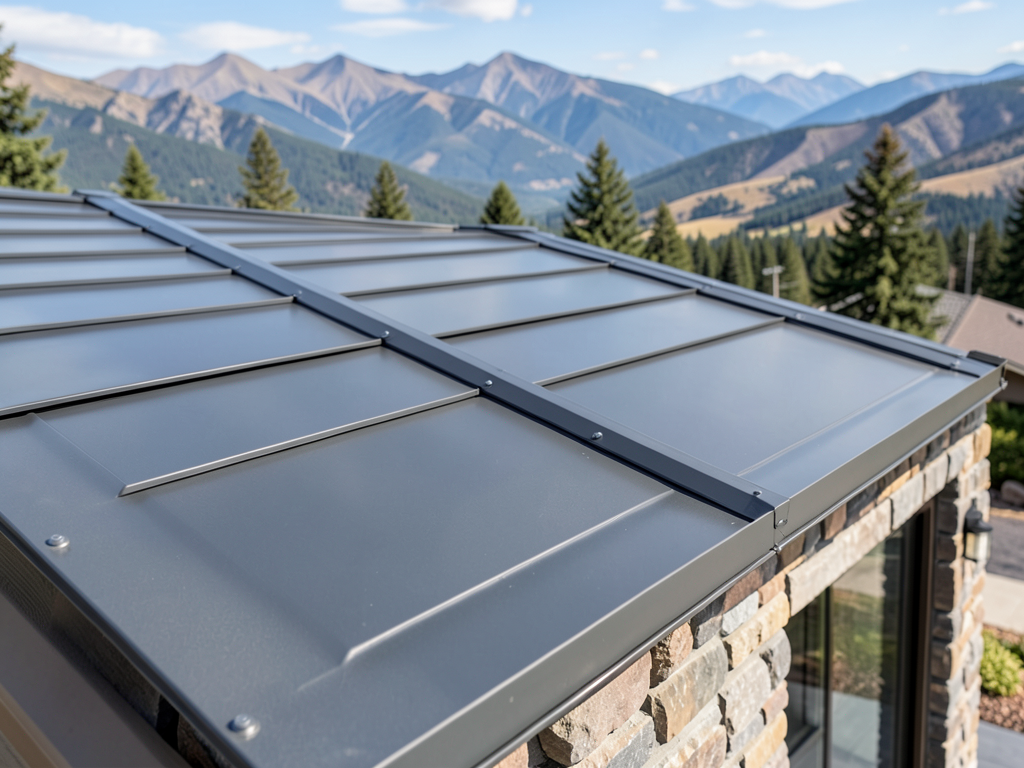
Metal roofing systems dominate the Class A market due to their proven performance and versatility. Standing seam metal roofs consist of interlocking metal panels that create a continuous, non-combustible surface. The raised seams prevent water infiltration while providing excellent wind resistance—a critical factor during Colorado’s frequent wind events.
Stone-coated steel roofing combines the fire resistance of metal with the aesthetic appeal of traditional roofing materials. These systems feature steel panels coated with stone granules, creating the appearance of clay tiles, wood shakes, or slate while maintaining Class A fire ratings. The stone coating provides additional UV protection and helps the roof blend with Genesee’s natural surroundings. Cedar Shake Roof Restoration for Homes in Ken Caryl.
Metal Roofing (Standing Seam & Shingles)
Standing seam metal roofing represents the gold standard for fire resistance and longevity. These systems use aluminum, steel, or copper panels with raised seams that interlock to create a watertight barrier. The continuous metal surface eliminates seams where water and embers can penetrate, while the non-combustible nature provides inherent Class A protection.
Metal roofing performs exceptionally well in Colorado’s climate. The reflective properties reduce heat absorption during summer months, while the durability withstands heavy snow loads and hail impacts. Many metal systems carry impact resistance ratings that exceed Class 4 requirements, providing protection against both fire and weather damage.
Installation requires specialized skills and proper underlayment selection. The metal panels must be installed over a solid deck with appropriate ventilation to prevent condensation issues. In Genesee’s freeze-thaw climate, proper installation prevents ice dam formation and ensures long-term performance. The initial investment typically ranges higher than traditional materials, but the 40-70 year lifespan often provides better long-term value.
Stone-Coated Steel Systems
Stone-coated steel roofing offers the fire resistance of metal with enhanced aesthetic options. These systems use steel panels coated with acrylic-bonded stone granules, creating the appearance of traditional roofing materials while maintaining Class A fire ratings. The stone coating provides additional protection against UV degradation and helps the roof blend with natural surroundings.
The installation process involves laying steel panels over battens, creating an air gap that provides additional insulation and ventilation. This design helps regulate roof temperature and prevents heat buildup that can damage roofing materials. The stone coating also provides sound dampening, reducing noise from rain and hail compared to bare metal roofing.
Stone-coated steel systems typically carry warranties of 50 years or more and demonstrate excellent resistance to Colorado’s weather extremes. The materials withstand wind speeds exceeding 120 mph, making them suitable for Genesee’s exposed locations. The aesthetic versatility allows homeowners to maintain neighborhood character while upgrading to fire-resistant materials.
Synthetic and Composite Shingles (DaVinci/Brava)
Synthetic roofing materials have evolved significantly, with some achieving Class A fire ratings through advanced polymer formulations. These systems mimic the appearance of wood shakes or slate while providing superior fire resistance and durability. The polymer base resists moisture absorption and maintains dimensional stability in Colorado’s temperature extremes.
Composite shingles offer installation advantages over traditional materials. They typically weigh less than clay or concrete tiles, reducing structural requirements and installation complexity. The lightweight nature also makes them suitable for re-roofing projects where existing structures cannot support heavier materials.
Performance varies significantly among synthetic products. Premium systems from manufacturers like DaVinci and Brava achieve Class A ratings through specialized formulations that resist both fire and UV degradation. These materials typically carry 50-year warranties and demonstrate excellent resistance to Colorado’s freeze-thaw cycles and high UV exposure.
Denver Building Codes and WUI Regulations
Jefferson County and the City and County of Denver have implemented specific building code requirements for homes in Wildland-Urban Interface zones. These regulations mandate Class A fire-rated roofing materials for new construction and major renovations in designated high-risk areas. The codes also address ember-resistant construction details that complement fire-rated roofing systems.
Denver’s building code Chapter 10 establishes minimum fire resistance requirements based on proximity to wildland areas. Homes within 300 feet of designated wildland zones must use Class A roofing materials and meet additional ember-resistant construction standards. The code also requires non-combustible roof decking and specific ventilation requirements to prevent ember intrusion through attic spaces.
Jefferson County’s WUI regulations extend beyond Denver’s requirements in some areas. The county’s fire code addresses specific concerns related to mountain communities like Genesee, including requirements for spark arrestors, defensible space maintenance, and ember-resistant construction details. Compliance with these codes not only ensures legal compliance but also maximizes insurance benefits and safety.
Beyond the Shingle: Gutters and Ventilation for Fire Defense
Fire-resistant roofing extends beyond the primary roofing material to include components that can become ignition sources. Gutters represent a critical vulnerability, as they collect leaves, pine needles, and other debris that can ignite from embers. Traditional vinyl or aluminum gutters can melt or burn when exposed to fire, creating pathways for flames to reach your roof deck.
Metal gutters with ember-resistant screens provide the best protection against gutter-related fire spread. These systems use heavy-gauge steel or aluminum construction with fine mesh screens that prevent debris accumulation while allowing water flow. The metal construction resists melting and burning, maintaining structural integrity during fire exposure.
Attic ventilation requires special consideration in fire-prone areas. Traditional ridge vents and soffit vents can allow embers to enter attic spaces, where they can smolder undetected for hours before igniting combustible materials. Ember-resistant vents use fine mesh screens or intumescent materials that expand when exposed to heat, sealing off ventilation openings during fire events.
Schedule a Fire-Hardening Roof Inspection in Denver
Professional roof inspections identify vulnerabilities that homeowners often overlook. A qualified inspector evaluates your current roofing system, ventilation components, and surrounding property features that contribute to fire risk. The inspection includes assessment of ember intrusion points, combustible material accumulation, and compliance with current building codes.
During the inspection, technicians examine roof deck condition, flashing integrity, and ventilation system effectiveness. They also evaluate surrounding vegetation, deck materials, and other property features that create fire pathways to your home. This comprehensive assessment provides a roadmap for fire-hardening improvements tailored to your specific property and risk factors.
Genesee homeowners can schedule inspections through local roofing contractors who understand mountain community requirements and WUI regulations. Many contractors offer free initial assessments that identify immediate concerns and provide recommendations for Class A roofing upgrades. The inspection process typically takes 1-2 hours and includes detailed documentation of findings and recommended improvements.
Taking action now provides the best protection against future wildfire events. Colorado’s fire season continues to lengthen, and the risk to mountain communities like Genesee increases annually. Investing in Class A fire-rated roofing materials and proper installation protects your home, reduces insurance costs, and provides peace of mind during fire season.
Call Apex Roofing Denver today at (720) 484-8300 to schedule your fire-hardening roof inspection. Our experienced team understands Genesee’s unique challenges and can recommend Class A roofing solutions that protect your home while enhancing its appearance and value.
Frequently Asked Questions
What makes a roofing material Class A fire-rated?
Class A fire ratings require materials to pass rigorous testing for flame spread, burning brand exposure, and intermittent flame exposure. The material must prevent fire penetration through the roof deck and maintain structural integrity during severe fire conditions. Only materials that meet these strict standards receive Class A certification.
How much more expensive is Class A fire-rated roofing compared to standard asphalt shingles?
Class A roofing materials typically cost 30-50% more than standard asphalt shingles initially. However, the longer lifespan (often 40-70 years vs. 20-25 years for asphalt) and potential insurance premium discounts can offset the higher upfront cost over time.
Does my Genesee home need Class A roofing by law?
Jefferson County building codes require Class A roofing for homes in designated WUI zones, which includes most of Genesee. The requirement applies to new construction and major renovations. Check with your local building department for specific requirements based on your property location.
Can I install fire-rated roofing over my existing roof?
Many Class A roofing systems can be installed over existing roofs, but this depends on the current roof condition and local building codes. A professional inspection determines whether tear-off is necessary or if overlay installation meets code requirements.
How long does it take to install a Class A fire-rated roof?
Installation typically takes 3-5 days for an average home, depending on roof complexity and weather conditions. Metal and stone-coated steel systems may require additional time for proper flashing and detail work compared to traditional asphalt shingles. For more information, visit NFPA Wildland-Urban Interface Building Codes.
{
“@context”: “https://schema.org”,
“@type”: “BlogPosting”,
“headline”: “Keeping Your Genesee Home Safe with Wildfire Resistant Roofing Materials”,
“description”: “Protect your Genesee home from wildfire threats with Class A fire-rated roofing materials. Learn about metal, stone-coated steel, and ember-resistant options.”,
“wordCount”: 2123,
“datePublished”: “2026-04-28T08:16:00.000Z”,
“dateModified”: “2026-04-28T08:16:00.000Z”,
“inLanguage”: “en-US”,
“mainEntityOfPage”: {
“@type”: “WebPage”,
“@id”: “https://apexroofingdenver.com”
},
“publisher”: {
“@type”: “LocalBusiness”,
“name”: “Apex Roofing Denver”,
“url”: “https://apexroofingdenver.com”
},
“author”: {
“@type”: “Organization”,
“name”: “Apex Roofing Denver”,
“url”: “https://apexroofingdenver.com”
},
“image”: {
“@type”: “ImageObject”,
“url”: “https://apexroofingdenver.com/wp-content/uploads/2026/03/keeping-your-genesee-home-safe-with-wildfire-resis-1.png”
}
}
{
“@context”: “https://schema.org”,
“@type”: “RoofingContractor”,
“name”: “Apex Roofing Denver”,
“url”: “https://apexroofingdenver.com”,
“address”: {
“@type”: “PostalAddress”,
“addressLocality”: “Denver”
},
“areaServed”: {
“@type”: “City”,
“name”: “Denver”
}
}
{
“@context”: “https://schema.org”,
“@type”: “FAQPage”,
“mainEntity”: [
{
“@type”: “Question”,
“name”: “What makes a roofing material Class A fire-rated?”,
“acceptedAnswer”: {
“@type”: “Answer”,
“text”: “Class A fire ratings require materials to pass rigorous testing for flame spread, burning brand exposure, and intermittent flame exposure. The material must prevent fire penetration through the roof deck and maintain structural integrity during severe fire conditions. Only materials that meet these strict standards receive Class A certification.”
}
},
{
“@type”: “Question”,
“name”: “How much more expensive is Class A fire-rated roofing compared to standard asphalt shingles?”,
“acceptedAnswer”: {
“@type”: “Answer”,
“text”: “Class A roofing materials typically cost 30-50% more than standard asphalt shingles initially. However, the longer lifespan (often 40-70 years vs. 20-25 years for asphalt) and potential insurance premium discounts can offset the higher upfront cost over time.”
}
},
{
“@type”: “Question”,
“name”: “Does my Genesee home need Class A roofing by law?”,
“acceptedAnswer”: {
“@type”: “Answer”,
“text”: “Jefferson County building codes require Class A roofing for homes in designated WUI zones, which includes most of Genesee. The requirement applies to new construction and major renovations. Check with your local building department for specific requirements based on your property location.”
}
},
{
“@type”: “Question”,
“name”: “How long does it take to install a Class A fire-rated roof?”,
“acceptedAnswer”: {
“@type”: “Answer”,
“text”: “Installation typically takes 3-5 days for an average home, depending on roof complexity and weather conditions. Metal and stone-coated steel systems may require additional time for proper flashing and detail work compared to traditional asphalt shingles. For more information, visit NFPA Wildland-Urban Interface Building Codes.”
}
}
]
}
{
“@context”: “https://schema.org”,
“@type”: “BreadcrumbList”,
“itemListElement”: [
{
“@type”: “ListItem”,
“position”: 1,
“name”: “Home”,
“item”: “https://apexroofingdenver.com”
},
{
“@type”: “ListItem”,
“position”: 2,
“name”: “Blog”,
“item”: “https://apexroofingdenver.com/blog”
},
{
“@type”: “ListItem”,
“position”: 3,
“name”: “Keeping Your Genesee Home Safe with Wildfire Resistant Roofing Materials”
}
]
}
{
“@context”: “https://schema.org”,
“@type”: “Service”,
“serviceType”: “Roofing”,
“provider”: {
“@type”: “LocalBusiness”,
“name”: “Apex Roofing Denver”,
“url”: “https://apexroofingdenver.com”
},
“areaServed”: {
“@type”: “City”,
“name”: “Denver”
},
“description”: “Protect your Genesee home from wildfire threats with Class A fire-rated roofing materials. Learn about metal, stone-coated steel, and ember-resistant options.”
}