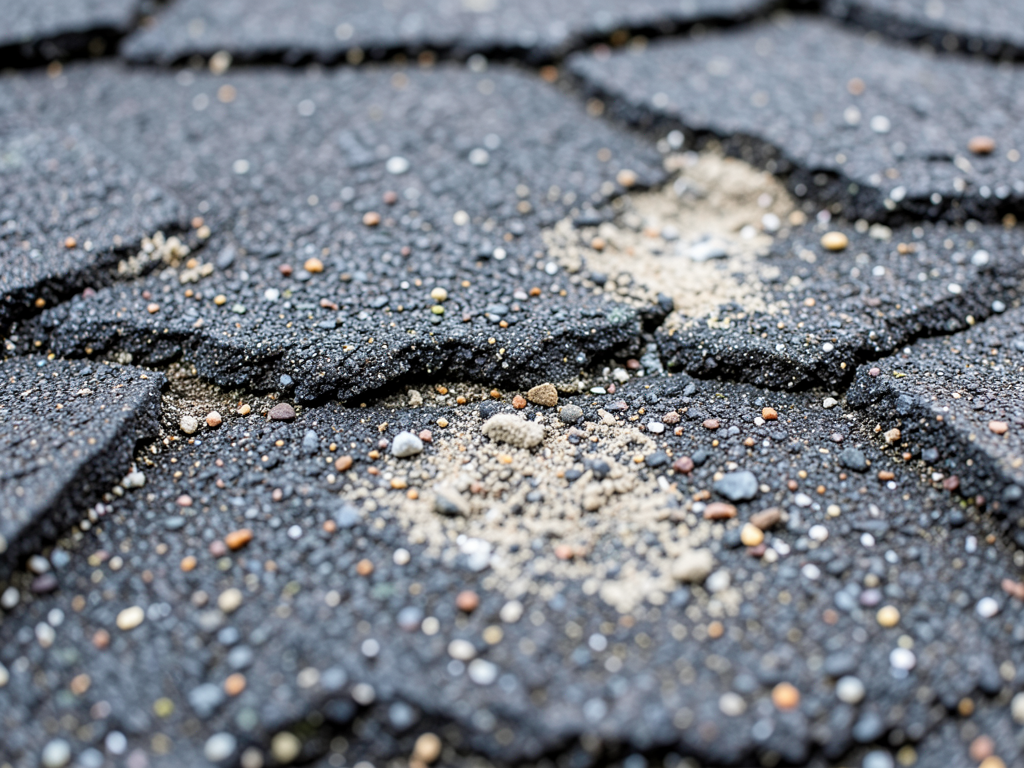





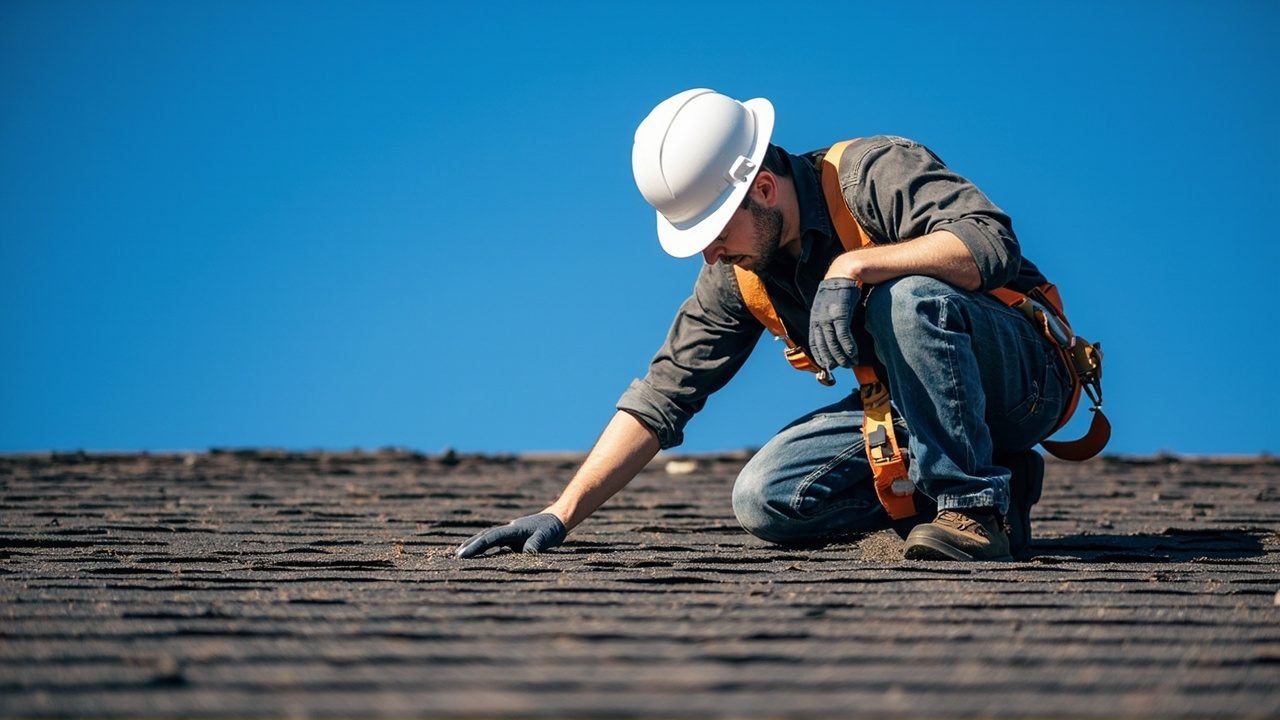
Denver experiences an average of 60 freeze-thaw cycles per year. Daytime temperatures hit 50 degrees in January, then drop to 15 degrees overnight. This cycle is harder on roofs than steady cold. Water seeps under existing shingles during the day, freezes at night, and expands. Over time, this expansion lifts shingles and creates gaps. When you install a roof layover, you trap this moisture between the two layers. The freeze-thaw damage accelerates because the water has nowhere to escape. The result is premature shingle failure, often within 10 years instead of the expected 20.
Denver roofing contractors who specialize in overlays understand these risks and adjust their recommendations accordingly. At Apex Roofing Denver, we have installed and inspected thousands of roofs across the metro area. We know which neighborhoods have older roof decking that cannot support a second layer. We know which jurisdictions enforce stricter overlay limits. That local knowledge protects you from code violations and structural problems. Choosing a contractor with deep Denver experience ensures your roof layover is done right or that you get honest advice to pursue a tear-off instead.