
How Fine Dust and Sand from the Eastern Plains Can Grind Down Your Shingles in Green Valley Ranch
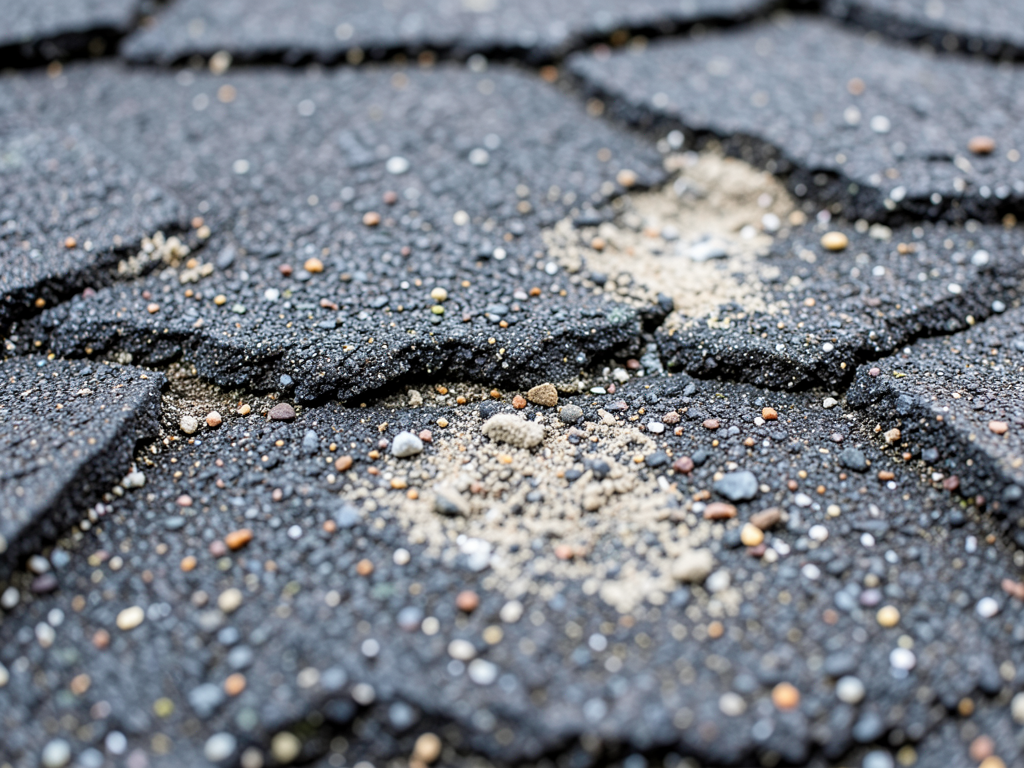
The high plains east of Denver send more than just wind into Green Valley Ranch. Microscopic dust particles travel miles, settling on your roof and slowly wearing away the protective granules that shield your shingles from Colorado’s harsh sun. This isn’t just a cosmetic issue—it’s a structural concern that can shorten your roof’s lifespan by years.
Green Valley Ranch sits on the eastern edge of Denver’s metro area, where homes face constant exposure to both urban pollution and agricultural dust. The combination creates a unique erosion pattern that differs from neighborhoods closer to the mountains. Understanding this process helps you spot damage early and make informed decisions about maintenance or replacement. How Much a Full Roof Replacement Actually Costs in Denver Right Now.
What Makes Eastern Plains Dust Different
Dust from the plains contains fine silica particles that act like microscopic sandpaper when driven by wind across your roof surface. Unlike typical urban grime, this dust embeds itself in the shingle’s surface texture, creating a grinding effect during temperature swings when shingles expand and contract.
The problem intensifies during Colorado’s dry seasons when dust storms roll across the plains. These events deposit layers of abrasive material that trap moisture against the shingle surface, accelerating deterioration. Over time, this process strips away the ceramic granules that give your shingles their color and UV protection.
How Colorado’s Climate Accelerates the Damage
Denver’s elevation creates conditions that make dust erosion worse. At 5,280 feet, UV radiation is 25% stronger than at sea level, breaking down the asphalt binder that holds granules in place. When combined with the mechanical action of dust particles, this creates a perfect storm for granule loss.
Temperature fluctuations in Green Valley Ranch—often 40-50 degrees between day and night—cause shingles to expand and contract repeatedly. This movement loosens the bond between granules and asphalt, making it easier for dust particles to dislodge them. The process is especially severe on south-facing slopes that receive direct sunlight all day.
Signs Your Shingles Are Being Worn Down
The most obvious sign is granule accumulation in your gutters and downspouts. If you notice sand-like particles building up after rain, your shingles are already losing their protective layer. This material often looks like coarse black sand and may contain visible flecks of ceramic coating. Reliable Gutter Installation for New Builds in Central Park.
Another indicator is bare spots on your shingles where the asphalt is visible. These areas appear as dark patches or streaks, often concentrated on the roof’s windward side where dust impact is greatest. Over time, these bare spots can lead to cracking and water infiltration.
Interior signs include increased attic heat during summer months. As granules wear away, your roof loses its reflective properties, causing your home to absorb more heat. This can drive up cooling costs and create uncomfortable temperature variations throughout your house.
Comparing Dust Erosion to Other Damage Types
| Damage Type | Appearance | Primary Cause | Typical Location |
|---|---|---|---|
| Dust Erosion | Uniform granule loss | Wind-driven particles | Windward slopes |
| Hail Damage | Impact craters | Ice pellets | Random pattern |
| UV Degradation | Bleaching/curling | Sun exposure | Southern exposure |
| Algae Growth | Dark streaks | Moisture/mold | Shaded areas |
Why Green Valley Ranch Homes Are Particularly Vulnerable
Green Valley Ranch’s location makes it a dust magnet. The neighborhood sits in a transition zone between Denver’s urban core and the open plains, catching dust from both directions. Homes here often experience more severe erosion than those in central Denver or closer to the foothills.
The area’s newer construction—much of it built in the 2000s and 2010s—means many roofs are approaching the age where dust erosion becomes noticeable. These homes often used standard architectural shingles that, while cost-effective initially, are more susceptible to granule loss than premium options.
Local building patterns also contribute. Many Green Valley Ranch homes feature large, complex roof designs with multiple valleys and dormers. These architectural features create turbulence that can trap and concentrate dust particles, accelerating wear in specific areas.
The Impact on Your Roof’s Lifespan
Standard asphalt shingles in Denver typically last 15-20 years, shorter than the 25-30 years often advertised. Dust erosion can reduce this further, sometimes cutting effective lifespan by 3-5 years in severe cases. This means a roof that should last until 2035 might need replacement by 2030. Industrial Roof Replacement.
The rate of deterioration accelerates once significant granule loss occurs. Without the protective layer, UV rays break down the asphalt faster, creating a feedback loop of damage. What starts as minor wear can quickly progress to widespread deterioration.
Energy efficiency also suffers. As your roof’s reflective properties diminish, your HVAC system works harder to maintain comfortable temperatures. This increased energy consumption can add hundreds of dollars to annual utility bills.
Prevention and Maintenance Strategies
Regular gutter cleaning is your first line of defense. Removing accumulated granules prevents them from being ground back into the shingle surface during wind events. Schedule cleanings at least twice yearly—more often if you notice rapid buildup.
Consider installing gutter guards to reduce debris accumulation. While this won’t stop dust from settling on your roof, it prevents the grinding action that occurs when granules are trapped and moved by water flow.
Tree trimming can help, but be strategic. While trees provide shade that reduces UV exposure, they also drop organic debris that can trap moisture. The goal is balanced coverage that protects without creating new problems.
When to Consider Replacement
If you’re seeing widespread granule loss across 30% or more of your roof surface, replacement should be seriously considered. At this point, the remaining shingles are likely to fail rapidly, and the cost of patching becomes economically unfeasible.
Age is another critical factor. If your roof is over 15 years old and showing significant dust erosion, replacement might be more cost-effective than ongoing repairs. Modern shingles offer improved granule adhesion and UV resistance compared to older products. EPA.
Energy costs can also justify replacement. If you’ve noticed steadily increasing cooling bills despite no changes in usage, deteriorating roof protection might be the culprit. New shingles with reflective properties can significantly reduce heat absorption.
Choosing the Right Replacement Materials
For Green Valley Ranch homes, consider impact-resistant shingles rated for Colorado’s climate. These products feature enhanced granule adhesion and often include reflective coatings that reduce heat absorption. While more expensive upfront, they can offset costs through improved energy efficiency and longevity.
Architectural shingles generally outperform three-tab options in dust-prone areas. Their multi-layer construction provides better granule retention and creates a more textured surface that’s less susceptible to uniform wear.
Color choice matters more than you might think. Lighter colors reflect more sunlight, reducing heat-related deterioration. However, they also show dust accumulation more readily. Medium tones often provide the best balance for this region.
Local Building Considerations
Denver’s building codes require specific fire ratings for roofing materials, particularly important given Colorado’s wildfire risk. Most architectural shingles meet these requirements, but always verify compliance with local regulations before installation. Roofing Sheridan.
Green Valley Ranch falls under Denver’s permitting jurisdiction, meaning any roof replacement requires proper permits and inspections. This ensures your new roof meets current energy efficiency and safety standards.
Local weather patterns should influence your installation timing. Spring and early summer offer ideal conditions in this area, avoiding both winter’s cold and summer’s intense heat that can affect shingle adhesion.
Cost Factors to Consider
Roof replacement costs in Green Valley Ranch typically range based on roof complexity, material choice, and current market conditions. Simple gable roofs cost less per square foot than complex designs with multiple valleys and dormers.
Material quality significantly impacts both initial cost and long-term value. Premium shingles might cost 30-50% more upfront but can provide 5-10 additional years of service, potentially offering better lifetime value.
Timing affects pricing too. Late winter and early spring often see lower demand, potentially resulting in better pricing. However, availability of materials and contractor schedules should also factor into your decision.
Insurance Implications
Standard homeowners insurance typically covers sudden damage but not gradual wear from dust erosion. This means replacement due to normal aging usually comes out of pocket, though specific circumstances might qualify for coverage.
If your roof has experienced both gradual wear and sudden damage (like hail), the claims process becomes more complex. Insurers may prorate coverage based on the roof’s age and condition, potentially leaving homeowners responsible for a significant portion of replacement costs.
Documenting your roof’s condition with photos before problems become severe can help with insurance assessments. This baseline documentation proves valuable if you need to file claims later.
Finding the Right Contractor
Local experience matters significantly for Green Valley Ranch homes. Contractors familiar with the area understand the specific challenges posed by eastern plains dust and can recommend appropriate materials and installation techniques.
Verify licensing and insurance before hiring anyone. Denver requires specific credentials for roofing work, and proper insurance protects you from liability if accidents occur during installation. Roofing Englewood.
Get multiple estimates, but don’t automatically choose the lowest bid. Quality workmanship and appropriate material selection often prove more valuable than initial cost savings, especially for a component as critical as your roof.
Frequently Asked Questions
How long does it take for dust erosion to become a problem?
Most homeowners notice significant effects within 8-12 years in Green Valley Ranch. The process accelerates after the first 5 years as granules begin loosening, with noticeable deterioration typically appearing by year 10-15.
Can I prevent dust erosion entirely?
Complete prevention isn’t possible, but you can slow the process significantly. Regular maintenance, proper material selection, and strategic landscaping can extend your roof’s life by 3-5 years compared to neglected roofs.
Should I replace just the damaged sections?
Spot repairs rarely make economic sense for dust erosion. By the time damage is visible, surrounding areas are likely deteriorating at similar rates. Full replacement ensures uniform protection and often proves more cost-effective long-term.
How do I know if my insurance will cover replacement?
Insurance typically covers sudden damage, not gradual wear. If your roof has experienced hail damage or other covered events in addition to dust erosion, you might qualify for partial coverage. A professional inspection can help determine coverage options.
What’s the best time of year for roof replacement in Green Valley Ranch?
Late spring through early fall offers ideal conditions. Avoid winter months when cold temperatures can affect shingle adhesion, and be cautious of the hottest summer weeks when heat can make installation challenging.
- Gather Your Tools
Collect a flashlight, binoculars, and a camera. Never walk on your roof without proper safety equipment.
- Check Your Gutters
Look for granule accumulation in downspouts and gutter bottoms. Take photos to track changes over time.
- Examine Shingle Surfaces
Using binoculars, check for bare spots where granules are missing. Focus on windward slopes and areas near roof penetrations.
- Inspect Attic Space
Look for signs of water infiltration, including stains or damp insulation. Check for increased heat buildup during sunny days.
- Document Findings
Take clear photos of any concerning areas. Note the date and specific locations for future reference.
Take Action Before Minor Wear Becomes Major Damage
Dust erosion might seem like a minor issue, but in Green Valley Ranch’s unique climate, it can significantly impact your roof’s performance and lifespan. The combination of eastern plains dust, high-altitude UV exposure, and temperature extremes creates conditions where small problems escalate quickly.
Don’t wait until you’re facing emergency repairs or premature replacement. A professional inspection can identify early signs of erosion and help you develop a proactive maintenance plan. This approach often saves money and prevents the stress of unexpected roofing failures.
Ready to protect your home from the silent damage of dust erosion? Contact Apex Roofing Denver today for a comprehensive roof assessment. Our local experts understand Green Valley Ranch’s specific challenges and can recommend solutions tailored to your home’s needs.
Call us at (720) 484-8300 to schedule your inspection. We’ll help you understand your roof’s current condition and provide clear options for extending its life or planning for replacement when the time is right. For more information, visit FEMA.
{
“@context”: “https://schema.org”,
“@type”: “BlogPosting”,
“headline”: “How Fine Dust and Sand from the Eastern Plains Can Grind Down Your Shingles in Green Valley Ranch”,
“description”: “Fine dust from the Eastern Plains can damage your shingles. Learn how Colorado’s climate affects roof longevity and what Green Valley Ranch homeowners should watch for.”,
“wordCount”: 2020,
“datePublished”: “2026-06-19T10:17:00.000Z”,
“dateModified”: “2026-06-19T10:17:00.000Z”,
“inLanguage”: “en-US”,
“mainEntityOfPage”: {
“@type”: “WebPage”,
“@id”: “https://apexroofingdenver.com”
},
“publisher”: {
“@type”: “LocalBusiness”,
“name”: “Apex Roofing Denver”,
“url”: “https://apexroofingdenver.com”
},
“author”: {
“@type”: “Organization”,
“name”: “Apex Roofing Denver”,
“url”: “https://apexroofingdenver.com”
},
“image”: {
“@type”: “ImageObject”,
“url”: “https://apexroofingdenver.com/wp-content/uploads/2026/03/how-fine-dust-and-sand-from-the-eastern-plains-can-1.png”
}
}
{
“@context”: “https://schema.org”,
“@type”: “RoofingContractor”,
“name”: “Apex Roofing Denver”,
“url”: “https://apexroofingdenver.com”,
“address”: {
“@type”: “PostalAddress”,
“addressLocality”: “Denver”
},
“areaServed”: {
“@type”: “City”,
“name”: “Denver”
}
}
{
“@context”: “https://schema.org”,
“@type”: “FAQPage”,
“mainEntity”: [
{
“@type”: “Question”,
“name”: “How long does it take for dust erosion to become a problem?”,
“acceptedAnswer”: {
“@type”: “Answer”,
“text”: “Most homeowners notice significant effects within 8-12 years in Green Valley Ranch. The process accelerates after the first 5 years as granules begin loosening, with noticeable deterioration typically appearing by year 10-15.”
}
},
{
“@type”: “Question”,
“name”: “Can I prevent dust erosion entirely?”,
“acceptedAnswer”: {
“@type”: “Answer”,
“text”: “Complete prevention isn’t possible, but you can slow the process significantly. Regular maintenance, proper material selection, and strategic landscaping can extend your roof’s life by 3-5 years compared to neglected roofs.”
}
},
{
“@type”: “Question”,
“name”: “Should I replace just the damaged sections?”,
“acceptedAnswer”: {
“@type”: “Answer”,
“text”: “Spot repairs rarely make economic sense for dust erosion. By the time damage is visible, surrounding areas are likely deteriorating at similar rates. Full replacement ensures uniform protection and often proves more cost-effective long-term.”
}
},
{
“@type”: “Question”,
“name”: “How do I know if my insurance will cover replacement?”,
“acceptedAnswer”: {
“@type”: “Answer”,
“text”: “Insurance typically covers sudden damage, not gradual wear. If your roof has experienced hail damage or other covered events in addition to dust erosion, you might qualify for partial coverage. A professional inspection can help determine coverage options.”
}
},
{
“@type”: “Question”,
“name”: “What’s the best time of year for roof replacement in Green Valley Ranch?”,
“acceptedAnswer”: {
“@type”: “Answer”,
“text”: “Late spring through early fall offers ideal conditions. Avoid winter months when cold temperatures can affect shingle adhesion, and be cautious of the hottest summer weeks when heat can make installation challenging.”
}
}
]
}
{
“@context”: “https://schema.org”,
“@type”: “HowTo”,
“name”: “How to Inspect Your Roof for Dust Erosion”,
“step”: [
{
“@type”: “HowToStep”,
“position”: 1,
“name”: “Gather Your Tools”,
“text”: “Collect a flashlight, binoculars, and a camera. Never walk on your roof without proper safety equipment.”
},
{
“@type”: “HowToStep”,
“position”: 2,
“name”: “Check Your Gutters”,
“text”: “Look for granule accumulation in downspouts and gutter bottoms. Take photos to track changes over time.”
},
{
“@type”: “HowToStep”,
“position”: 3,
“name”: “Examine Shingle Surfaces”,
“text”: “Using binoculars, check for bare spots where granules are missing. Focus on windward slopes and areas near roof penetrations.”
},
{
“@type”: “HowToStep”,
“position”: 4,
“name”: “Inspect Attic Space”,
“text”: “Look for signs of water infiltration, including stains or damp insulation. Check for increased heat buildup during sunny days.”
},
{
“@type”: “HowToStep”,
“position”: 5,
“name”: “Document Findings”,
“text”: “Take clear photos of any concerning areas. Note the date and specific locations for future reference.”
}
],
“image”: “https://apexroofingdenver.com/wp-content/uploads/2026/03/how-fine-dust-and-sand-from-the-eastern-plains-can-1.png”
}
{
“@context”: “https://schema.org”,
“@type”: “BreadcrumbList”,
“itemListElement”: [
{
“@type”: “ListItem”,
“position”: 1,
“name”: “Home”,
“item”: “https://apexroofingdenver.com”
},
{
“@type”: “ListItem”,
“position”: 2,
“name”: “Blog”,
“item”: “https://apexroofingdenver.com/blog”
},
{
“@type”: “ListItem”,
“position”: 3,
“name”: “How Fine Dust and Sand from the Eastern Plains Can Grind Down Your Shingles in Green Valley Ranch”
}
]
}
{
“@context”: “https://schema.org”,
“@type”: “Service”,
“serviceType”: “Roofing”,
“provider”: {
“@type”: “LocalBusiness”,
“name”: “Apex Roofing Denver”,
“url”: “https://apexroofingdenver.com”
},
“areaServed”: {
“@type”: “City”,
“name”: “Denver”
},
“description”: “Fine dust from the Eastern Plains can damage your shingles. Learn how Colorado’s climate affects roof longevity and what Green Valley Ranch homeowners should watch for.”
}