
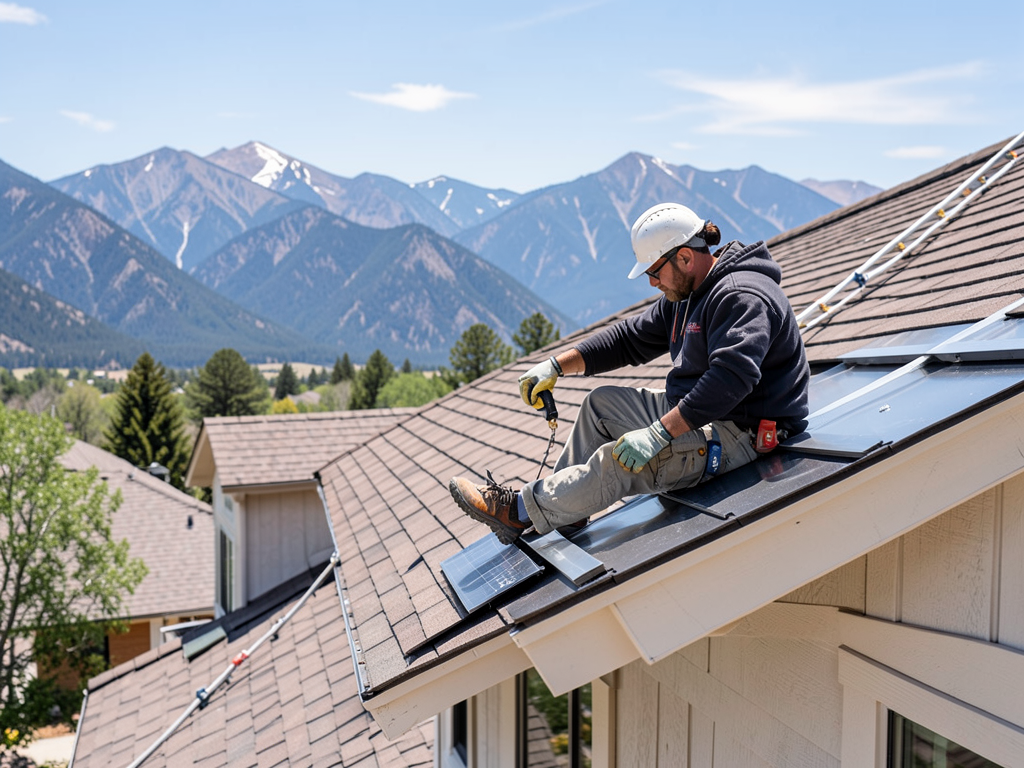
Choosing Roof Vents That Won’t Blow Away During the Next Broomfield Wind Storm
Denver’s Front Range winds hit 100+ mph during Chinook events. Standard roof vents fail here every year. Homeowners in Broomfield and surrounding areas need wind-rated ventilation that actually stays put when the gusts hit. Roof Ventilation Best Practices.
Wind uplift creates pressure differences that can literally suck vents off your roof. The right high-wind vents use reinforced bases, corrosion-resistant materials, and strategic fastening patterns that meet Denver building codes.
Why Standard Roof Vents Fail in Denver’s Climate
Denver’s elevation and geography create unique wind challenges. The Rocky Mountains channel air into compression zones where wind speeds accelerate dramatically. A vent rated for 60 mph fails instantly when 90 mph gusts hit Broomfield.
Standard box vents use thin aluminum bases and single nails. Wind gets underneath and peels them off like a can opener. Once one fails, the others follow quickly as wind finds the weak points.
Temperature swings worsen the problem. Denver sees 40-50 degree swings daily. Materials expand and contract, loosening fasteners over time. By spring, many vents rattle loose before the first big wind storm hits.
Critical Ratings to Look For
Miami-Dade County NOA approval matters more than you think. This testing simulates hurricane-force winds and driving rain. Vents passing TAS 100(A) testing survive 150+ mph winds without leaking. Miami-Dade County NOA Information.
Florida Building Code compliance indicates rigorous testing. FBC-approved vents handle wind-driven rain better than standard models. For Denver’s occasional downpours, this prevents attic water damage.
UL 2218 Class 4 impact resistance often pairs with wind ratings. Hail and wind damage frequently occur together in Colorado. Vents with both ratings survive multiple threats.
Top 3 High-Wind Vent Types for Colorado Homes
Low-profile ridge vents offer the best wind resistance. Their continuous design eliminates individual vent failure points. Quality models use reinforced polymer bases and stainless steel fasteners.
Heavy-duty internal braced turbines handle extreme winds well. The internal bracing prevents the top from spinning off during high winds. Look for models with sealed bearings to prevent moisture intrusion.
Impact-resistant static vents provide reliable backup ventilation. Their solid construction resists uplift forces. Choose models with ring-shank nails and high-wind sealant patterns. Reliable Gutter Installation for New Builds in Central Park.
Local Denver Building Codes and Requirements
Denver requires specific net free area calculations for proper attic ventilation. The formula depends on your attic square footage and roof slope. Most homes need 1 square foot of net free area per 150 square feet of attic space.
Building code R806.1 mandates balanced ventilation. You need equal intake and exhaust capacity. Soffit vents work with roof vents to create proper airflow. Blocking either side causes moisture problems.
Front Range jurisdictions often require enhanced fastening for wind-prone areas. Ring-shank nails provide better holding power than smooth nails. Some areas mandate specific nail spacing for high-wind zones.
Installation Best Practices for Maximum Wind Resistance
Proper nailing patterns prevent vent failure. Use six nails minimum per vent, placed at the corners and center points. Ring-shank nails grip better than smooth nails in high winds.
High-wind sealant patterns matter more than you think. Apply sealant in an X pattern under each vent base. This prevents wind-driven rain from seeping underneath during storms.
Baffle placement affects long-term performance. Install baffles to keep insulation from blocking soffit vents. Blocked intake vents reduce exhaust efficiency and can cause premature vent failure.
Comparing Wind Ratings and Performance
| Vent Type | Wind Rating | Best For | Price Range |
|---|---|---|---|
| Low-Profile Ridge | 130+ mph | Most homes | $8-15 per linear foot |
| Heavy-Duty Turbine | 120+ mph | High-wind areas | $35-60 each |
| Static Box Vent | 90-110 mph | Backup ventilation | $25-45 each |
Front Range Wind Patterns and Your Roof
Broomfield sits in a wind acceleration zone. Mountains to the west create pressure differentials that intensify winds. Winter Chinook winds can exceed 100 mph, testing every roof component.
North-facing slopes often experience different wind patterns than south-facing ones. Roof orientation affects which vents face the strongest gusts. Consider this when planning vent placement.
Tree lines and nearby structures create wind turbulence. Vents near these features experience fluctuating pressures that can loosen fasteners over time. Extra sealing helps in these locations.
Cost Factors for High-Wind Roof Vents
Premium wind-rated vents cost 30-50% more than standard models. The difference between a $25 vent and a $45 vent often means the difference between staying on your roof or not.
Installation costs vary by roof complexity. Simple gable roofs cost less to vent than complex hip roofs with multiple valleys. Steep pitches also increase labor time.
Long-term savings offset higher initial costs. Preventing just one vent failure saves replacement costs and potential water damage repairs. Quality vents often last the life of your roof. How Much a Full Roof Replacement Actually Costs in Denver Right Now.
Maintenance and Inspection Tips
Annual vent inspections catch problems early. Check for loose fasteners, cracked bases, and debris buildup. Spring inspections prepare for summer storm season.
Clear debris from vent screens regularly. Leaves and pine needles block airflow and trap moisture. This accelerates corrosion and reduces vent efficiency.
Check sealant integrity every few years. UV exposure breaks down caulk over time. Re-sealing prevents water infiltration and maintains wind resistance.
Common Mistakes to Avoid
Mixing vent types creates airflow problems. Different vent styles have different pressure characteristics. Stick to one type or consult a professional for mixed systems.
Undersizing vent capacity causes system failure. Calculate your needs based on attic size, not just roof area. Inadequate ventilation leads to heat buildup and moisture problems.
Ignoring manufacturer specifications voids warranties. Each vent model has specific installation requirements. Following these ensures proper performance and maintains coverage.
When to Replace vs. Repair
Replace vents showing significant corrosion or damage. Surface rust often indicates deeper problems. Corroded vents fail quickly in high winds.
Repair loose vents immediately. A single loose vent often indicates others are failing too. Catching problems early prevents cascade failures.
Consider full replacement for roofs over 15 years old. Older vents may not meet current wind ratings. New installations benefit from modern materials and designs. Industrial Roof Replacement.
Choosing the Right Contractor
Look for local experience with Denver wind conditions. Contractors familiar with Front Range weather understand regional challenges better than outsiders.
Verify proper licensing and insurance. High-wind installations require specific skills. Unqualified installers create more problems than they solve.
Ask about specific wind-rated products they recommend. Quality contractors stock proven products rather than whatever is cheapest.
Energy Efficiency Benefits
Proper ventilation reduces cooling costs in summer. Hot air escapes through ridge vents, keeping attics cooler. This can lower air conditioning usage by 10-15%.
Moisture control prevents winter ice dams. Proper airflow keeps roof decks cold, preventing snow melt and refreezing cycles. This protects shingles and prevents leaks. Fixing Flat Roof Leaks in LoHi and Modern Denver Homes.
Year-round comfort improves with balanced ventilation. Consistent attic temperatures reduce stress on roofing materials and extend roof life. Roofing Sheridan.
Frequently Asked Questions
How long do high-wind roof vents last?
Quality wind-rated vents typically last 20-25 years with proper installation. Harsh weather and UV exposure affect lifespan. Annual inspections help identify replacement timing.
Can I install roof vents myself?
DIY installation is possible but risky. Improper installation voids warranties and creates leak points. Professional installation ensures code compliance and optimal performance.
What’s the best vent type for Denver homes?
Low-profile ridge vents work best for most Denver homes. They handle high winds well and provide continuous ventilation. Turbines work better for specific roof designs or high-wind areas.
How much ventilation do I need?
Most homes need 1 square foot of net free area per 150 square feet of attic space. This splits between intake and exhaust vents. Your specific needs depend on roof design and local codes.
Do vents affect my roof warranty?
Improper vent installation can void roof warranties. Always follow manufacturer specifications and local building codes. Professional installation maintains warranty coverage.
How do I know if my vents are failing?
Signs include loose or missing vents, water stains on ceilings, excessive attic heat, and visible damage after storms. Annual inspections catch problems early.. Read more about Managing Wind Scouring and Missing Gravel on Older Roofs in Superior and Louisville.
Get Professional Help Today
Don’t wait for the next wind storm to discover your vents can’t handle Denver’s weather. Call Apex Roofing Denver at (720) 484-8300 for a professional vent inspection and upgrade estimate. Our team understands Front Range wind patterns and installs only wind-rated products that meet local building codes.
Protect your home with ventilation systems designed for Colorado’s unique climate. Schedule your assessment today and sleep better knowing your roof vents won’t blow away when the next big wind hits Broomfield.
{
“@context”: “https://schema.org”,
“@type”: “BlogPosting”,
“headline”: “Choosing Roof Vents That Won’t Blow Away During the Next Broomfield Wind Storm”,
“description”: “Denver roof vents face 100+ mph winds. Learn which high-wind vents survive Front Range gusts and meet Denver building codes.”,
“wordCount”: 1436,
“datePublished”: “2026-06-17T11:31:00.000Z”,
“dateModified”: “2026-06-17T11:31:00.000Z”,
“inLanguage”: “en-US”,
“mainEntityOfPage”: {
“@type”: “WebPage”,
“@id”: “https://apexroofingdenver.com”
},
“publisher”: {
“@type”: “LocalBusiness”,
“name”: “Apex Roofing Denver”,
“url”: “https://apexroofingdenver.com”
},
“author”: {
“@type”: “Organization”,
“name”: “Apex Roofing Denver”,
“url”: “https://apexroofingdenver.com”
},
“image”: {
“@type”: “ImageObject”,
“url”: “https://apexroofingdenver.com/wp-content/uploads/2026/03/choosing-roof-vents-that-won-t-blow-away-during-th-1.png”
}
}
{
“@context”: “https://schema.org”,
“@type”: “RoofingContractor”,
“name”: “Apex Roofing Denver”,
“url”: “https://apexroofingdenver.com”,
“address”: {
“@type”: “PostalAddress”,
“addressLocality”: “Denver”
},
“areaServed”: {
“@type”: “City”,
“name”: “Denver”
}
}
{
“@context”: “https://schema.org”,
“@type”: “FAQPage”,
“mainEntity”: [
{
“@type”: “Question”,
“name”: “How long do high-wind roof vents last?”,
“acceptedAnswer”: {
“@type”: “Answer”,
“text”: “Quality wind-rated vents typically last 20-25 years with proper installation. Harsh weather and UV exposure affect lifespan. Annual inspections help identify replacement timing.”
}
},
{
“@type”: “Question”,
“name”: “Can I install roof vents myself?”,
“acceptedAnswer”: {
“@type”: “Answer”,
“text”: “DIY installation is possible but risky. Improper installation voids warranties and creates leak points. Professional installation ensures code compliance and optimal performance.”
}
},
{
“@type”: “Question”,
“name”: “What’s the best vent type for Denver homes?”,
“acceptedAnswer”: {
“@type”: “Answer”,
“text”: “Low-profile ridge vents work best for most Denver homes. They handle high winds well and provide continuous ventilation. Turbines work better for specific roof designs or high-wind areas.”
}
},
{
“@type”: “Question”,
“name”: “How much ventilation do I need?”,
“acceptedAnswer”: {
“@type”: “Answer”,
“text”: “Most homes need 1 square foot of net free area per 150 square feet of attic space. This splits between intake and exhaust vents. Your specific needs depend on roof design and local codes.”
}
},
{
“@type”: “Question”,
“name”: “Do vents affect my roof warranty?”,
“acceptedAnswer”: {
“@type”: “Answer”,
“text”: “Improper vent installation can void roof warranties. Always follow manufacturer specifications and local building codes. Professional installation maintains warranty coverage.”
}
},
{
“@type”: “Question”,
“name”: “How do I know if my vents are failing?”,
“acceptedAnswer”: {
“@type”: “Answer”,
“text”: “Signs include loose or missing vents, water stains on ceilings, excessive attic heat, and visible damage after storms. Annual inspections catch problems early.”
}
}
]
}
{
“@context”: “https://schema.org”,
“@type”: “BreadcrumbList”,
“itemListElement”: [
{
“@type”: “ListItem”,
“position”: 1,
“name”: “Home”,
“item”: “https://apexroofingdenver.com”
},
{
“@type”: “ListItem”,
“position”: 2,
“name”: “Blog”,
“item”: “https://apexroofingdenver.com/blog”
},
{
“@type”: “ListItem”,
“position”: 3,
“name”: “Choosing Roof Vents That Won’t Blow Away During the Next Broomfield Wind Storm”
}
]
}
{
“@context”: “https://schema.org”,
“@type”: “Service”,
“serviceType”: “Roofing”,
“provider”: {
“@type”: “LocalBusiness”,
“name”: “Apex Roofing Denver”,
“url”: “https://apexroofingdenver.com”
},
“areaServed”: {
“@type”: “City”,
“name”: “Denver”
},
“description”: “Denver roof vents face 100+ mph winds. Learn which high-wind vents survive Front Range gusts and meet Denver building codes.”
}