
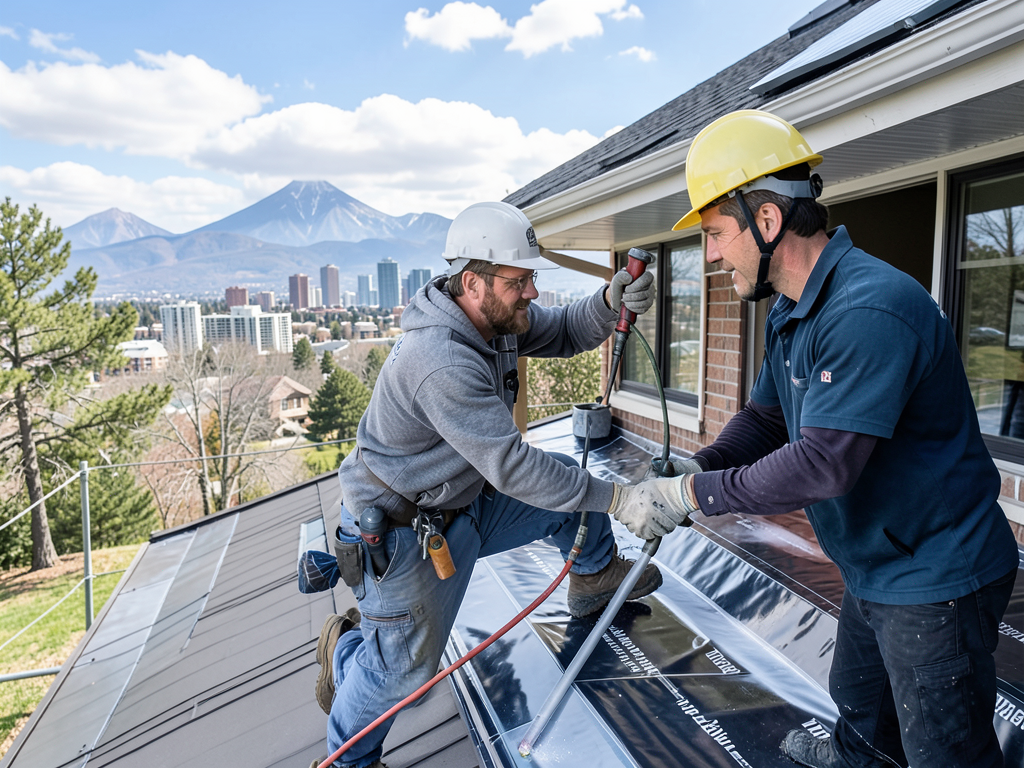
EPDM vs TPO for the Flat Roof on Your Berkeley Kitchen Extension
Choosing between EPDM and TPO for your Berkeley kitchen extension flat roof means understanding how Denver’s high-altitude climate affects each material. The intense UV exposure at 5,280 feet and frequent hail storms create unique challenges that homeowners in Berkeley face differently than those in coastal areas.
Berkeley’s mix of mid-century bungalows and newer craftsman-style homes often feature rear kitchen extensions with flat roofs. These additions require materials that handle Denver’s rapid freeze-thaw cycles and heavy spring snow loads while maintaining energy efficiency in our high desert environment.
Understanding Flat Roof Materials for Denver’s Climate
Denver’s weather creates specific demands on flat roofing membranes. The combination of high UV radiation, sudden temperature swings, and severe hail events means your Berkeley kitchen extension needs protection that goes beyond basic waterproofing. Roofing Sheridan.
Flat roofs in Berkeley face unique challenges. The neighborhood’s elevation means stronger sun exposure than lower-lying areas. This accelerates material degradation and affects energy performance. Snow accumulation during winter storms creates weight stress that requires proper drainage design.
EPDM Rubber Roofing: The Durable Classic
EPDM (Ethylene Propylene Diene Monomer) has served Denver homeowners for decades. This synthetic rubber membrane offers proven performance in our climate. The material arrives in large sheets that minimize seams and reduce leak points.
EPDM’s black color absorbs heat in winter, which helps with snow melt but increases cooling costs in summer. The material handles Denver’s temperature swings well, expanding and contracting without seam failure. EPDM typically lasts 25-30 years when properly installed.. Read more about Can You Actually Install a Living Green Roof on a Home in RiNo?.
The rubber composition resists UV damage effectively. However, EPDM shows vulnerability to hail impacts, particularly from stones larger than one inch. The material’s flexibility helps it survive freeze-thaw cycles without cracking.
TPO Membrane Roofing: The Modern Standard
TPO (Thermoplastic Polyolefin) represents newer flat roofing technology. This single-ply membrane reflects sunlight rather than absorbing it, making it ideal for Denver’s intense summer heat. The white or light-colored surface reduces cooling costs significantly.
TPO sheets weld together at the seams using heat, creating a monolithic surface. This welding process produces stronger seams than EPDM’s adhesive bonds. The material handles Denver’s hail better than EPDM, with many TPO products meeting Class 4 impact resistance standards.
Energy efficiency stands out as TPO’s primary advantage. The reflective surface can reduce roof temperatures by 50-60 degrees compared to dark EPDM. This translates to lower air conditioning costs during Denver’s hot summer months.
Side-by-Side Comparison for Berkeley Homes
Berkeley homeowners need to weigh several factors when choosing between these materials. The decision affects not just initial cost but long-term performance and energy bills.
| Feature | EPDM | TPO |
|---|---|---|
| Initial Cost per Square Foot | $4.50 – $6.50 | $5.50 – $7.50 |
| Lifespan in Denver | 25-30 years | 20-25 years |
| UV Reflectivity | 5-10% | 70-80% |
| Hail Resistance | Class 2-3 | Class 3-4 |
| Color Options | Black or White | White or Light Gray |
| Seam Strength | Adhesive Bond | Heat Welded |
The cost difference reflects material properties and installation complexity. TPO requires specialized welding equipment and trained installers. EPDM installation uses simpler techniques but demands careful seam sealing.. Read more about How to Install a Roof Deck Railing on Your Sloan’s Lake Home Without Causing a Major Leak.
Denver Climate Factors That Influence Your Choice
Denver’s climate creates specific demands on flat roofing materials. Understanding these factors helps you make the right choice for your Berkeley kitchen extension.
High UV exposure at elevation accelerates material breakdown. TPO’s reflective properties protect against UV damage better than EPDM’s heat-absorbing surface. This becomes critical in Berkeley’s sun-exposed locations.
Hail storms between May and August pose significant risks. TPO’s heat-welded seams and tougher surface handle hail impacts better than EPDM. This matters for Berkeley homes near open areas where hail can accumulate.
Freeze-thaw cycles cause materials to expand and contract. Both materials handle this well, but TPO’s heat-welded seams show less separation over time. This reduces leak risks during Denver’s frequent temperature swings. EPA Cool Roofs.
Energy Efficiency Considerations
Energy performance becomes crucial for Berkeley kitchen extensions. These additions often create new living spaces that need temperature control year-round.
TPO’s high reflectivity reduces cooling costs by 15-25% compared to EPDM. This matters in Denver’s summer months when temperatures regularly exceed 90 degrees. The white surface also reduces heat transfer to interior spaces.
EPDM’s dark surface helps with snow melt in winter. This can reduce ice dam formation and improve drainage. However, the heat absorption increases cooling costs during summer months.
Energy Star ratings favor TPO for Denver’s climate. The material meets or exceeds federal efficiency standards for reflective roofing. This can qualify homeowners for utility rebates in some cases.
Installation Requirements and Considerations
Proper installation determines flat roof performance regardless of material choice. Denver’s building codes require specific installation practices for Berkeley’s older homes.
EPDM installation involves cleaning the substrate, applying adhesive, and carefully laying sheets. Seams require precise treatment to prevent leaks. The material works well over existing surfaces with proper preparation. Fixing Flat Roof Leaks in LoHi and Modern Denver Homes.
TPO installation demands specialized welding equipment and trained technicians. Heat welding creates strong seams but requires experience to execute properly. The material needs specific temperature conditions during installation.
Both materials require proper insulation underneath. Denver’s building code mandates R-30 insulation for residential flat roofs. This affects overall project cost and energy performance.
Maintenance and Repair Considerations
Flat roof maintenance differs between EPDM and TPO. Understanding these differences helps you plan for long-term ownership costs.
EPDM develops surface cracks over time, especially in areas with high foot traffic. These cracks require sealing with specialized compounds. The material shows wear patterns that indicate when replacement becomes necessary. How Much a Full Roof Replacement Actually Costs in Denver Right Now.
TPO maintains surface integrity better but can develop seam issues if improperly welded. Repairs require heat welding equipment similar to installation. The material shows less visible aging than EPDM.
Both materials benefit from annual inspections. Denver’s severe weather means checking for hail damage, UV degradation, and drainage issues. Early detection prevents costly repairs.
Cost vs. Value Analysis
Initial cost represents only part of the total investment. Long-term performance and energy savings affect overall value.
EPDM offers lower upfront costs but higher cooling expenses. The material’s proven track record provides confidence in long-term performance. Replacement costs remain predictable due to established installation practices. Industrial Roof Replacement.
TPO costs more initially but delivers energy savings over time. The material’s superior hail resistance may reduce insurance claims. However, replacement technology continues evolving, which could affect future repair costs.
Energy savings with TPO can offset the price difference within 5-7 years in many cases. This timeline shortens with larger roof areas or higher cooling demands.
Insurance and Warranty Factors
Insurance companies recognize the hail resistance differences between materials. This affects both premiums and claim processes.
TPO’s Class 4 hail resistance often qualifies for insurance discounts in Denver. Some carriers offer 5-10% premium reductions for impact-resistant roofing. This can offset TPO’s higher initial cost.
Warranty terms differ between manufacturers. EPDM typically offers 20-30 year warranties. TPO warranties range from 15-25 years depending on thickness and installation quality.
Denver’s building code requires specific documentation for flat roof replacements. Both materials meet code requirements when properly installed and inspected.
Making the Right Choice for Your Berkeley Home
Your decision depends on several personal factors. Consider your budget, energy goals, and long-term plans for the property.
EPDM suits homeowners prioritizing proven technology and lower initial costs. The material works well for those planning to stay in their homes for 15+ years. Its dark color benefits homes with passive solar heating designs.
TPO appeals to energy-conscious homeowners willing to invest more upfront. The material suits those planning to stay 10+ years or seeking maximum energy efficiency. Its reflective properties benefit homes with rooftop decks or skylights.
Consider your home’s orientation and surrounding trees. South-facing Berkeley homes benefit more from TPO’s cooling properties. Shaded areas reduce the energy efficiency advantage.
Professional Installation Requirements
Flat roof installation requires specific expertise. Denver’s building code mandates licensed contractors for residential roofing work.
EPDM installation demands attention to detail during seam sealing. Poor seam work causes most EPDM failures. Experienced installers know how to handle Denver’s temperature variations during application.
TPO installation requires welding certification and specialized equipment. The heat welding process demands precise temperature control and timing. Inexperienced installers can create weak seams that fail prematurely.
Both materials need proper substrate preparation. Denver’s expansive clay soil can cause foundation movement that affects roof performance. Professional installers address these factors during planning.
Environmental Impact Considerations
Both materials offer environmental benefits compared to traditional roofing. Understanding these helps environmentally conscious homeowners make informed choices.
EPDM contains recycled content and offers full recyclability at end of life. The material’s longevity reduces replacement frequency. However, its dark color increases urban heat island effects.
TPO’s high reflectivity reduces cooling energy consumption. The material also contains recycled content and offers recyclability. Its lighter color helps mitigate urban heat island effects.
Both materials support rainwater harvesting systems. TPO’s smoother surface may improve water quality for collection systems. EPDM’s slightly textured surface can trap debris but offers proven performance.
Local Denver Resources and Support
Denver offers specific resources for flat roof decisions. The city’s Green Building Ordinance affects commercial properties but influences residential standards.
The Denver Building Department provides guidelines for flat roof installations. These cover insulation requirements, drainage specifications, and permit processes. Both materials meet current code requirements. Department of Energy Roofing Guide.
Local roofing associations offer contractor certification programs. These ensure installers understand Denver’s specific climate challenges. Certification matters more for TPO due to its specialized installation requirements.
Energy efficiency rebates may apply to reflective roofing installations. Xcel Energy occasionally offers incentives for cool roofing upgrades. These can offset TPO’s higher initial cost.
Frequently Asked Questions
Which material lasts longer in Denver’s climate?
EPDM typically lasts 25-30 years while TPO lasts 20-25 years in Denver conditions. Both lifespans depend on proper installation and maintenance. TPO’s superior UV resistance may extend its useful life in highly exposed locations.
Can I install either material over my existing flat roof?
Both materials can go over existing roofs if the structure supports the additional weight. Denver building code requires inspection of the existing roof condition. Multiple layer installations may have limitations based on local regulations.
Which material handles Denver’s snow loads better?
Both materials handle snow loads when properly installed. TPO’s heat-welded seams resist separation under heavy loads better than EPDM’s adhesive seams. However, EPDM’s flexibility helps it accommodate structural movement from snow weight.
Are there color options besides white for TPO?
Most TPO comes in white or light gray for maximum reflectivity. Some manufacturers offer tan or light brown options, but these reduce energy efficiency. EPDM offers both black and white options for different performance characteristics.
How do these materials affect indoor temperatures?
TPO can reduce roof surface temperatures by 50-60 degrees compared to EPDM. This translates to 10-15 degree cooler attic spaces in summer. EPDM’s heat absorption can help with passive winter heating but increases cooling costs significantly.
Ready to Choose Your Flat Roof Material?
Selecting between EPDM and TPO for your Berkeley kitchen extension requires understanding your specific needs and local conditions. The right choice depends on your budget, energy goals, and how long you plan to stay in your home.
Both materials offer proven performance in Denver’s challenging climate. EPDM provides reliable, cost-effective protection with established track records. TPO delivers superior energy efficiency and hail resistance with modern technology. Reliable Gutter Installation for New Builds in Central Park.
Professional assessment helps determine the best option for your specific situation. Factors like roof size, orientation, and existing structure affect which material performs optimally.
Call Apex Roofing Denver at (720) 484-8300 for a free consultation about your Berkeley kitchen extension flat roof. Our experienced team understands Denver’s unique climate challenges and can help you make the right choice for your home.
Don’t wait until minor issues become major problems. Schedule your assessment today and protect your investment with the right flat roofing material for Denver’s climate.
You may also find this helpful. Why Clogged Scuppers are the Biggest Threat to Your Modern LoHi Flat Roof.
You may also find this helpful. Managing Wind Scouring and Missing Gravel on Older Roofs in Superior and Louisville.
{
“@context”: “https://schema.org”,
“@type”: “BlogPosting”,
“headline”: “EPDM vs TPO for the Flat Roof on Your Berkeley Kitchen Extension”,
“description”: “Compare EPDM and TPO flat roofing materials for Denver’s climate. Learn about durability, cost, hail resistance, and energy efficiency for your Berkeley home.”,
“wordCount”: 1988,
“datePublished”: “2026-06-18T10:41:00.000Z”,
“dateModified”: “2026-06-18T10:41:00.000Z”,
“inLanguage”: “en-US”,
“mainEntityOfPage”: {
“@type”: “WebPage”,
“@id”: “https://apexroofingdenver.com”
},
“publisher”: {
“@type”: “LocalBusiness”,
“name”: “Apex Roofing Denver”,
“url”: “https://apexroofingdenver.com”
},
“author”: {
“@type”: “Organization”,
“name”: “Apex Roofing Denver”,
“url”: “https://apexroofingdenver.com”
},
“image”: {
“@type”: “ImageObject”,
“url”: “https://apexroofingdenver.com/wp-content/uploads/2026/03/epdm-vs-tpo-for-the-flat-roof-on-your-berkeley-kit-1.png”
}
}
{
“@context”: “https://schema.org”,
“@type”: “RoofingContractor”,
“name”: “Apex Roofing Denver”,
“url”: “https://apexroofingdenver.com”,
“address”: {
“@type”: “PostalAddress”,
“addressLocality”: “Denver”
},
“areaServed”: {
“@type”: “City”,
“name”: “Denver”
}
}
{
“@context”: “https://schema.org”,
“@type”: “FAQPage”,
“mainEntity”: [
{
“@type”: “Question”,
“name”: “Which material lasts longer in Denver’s climate?”,
“acceptedAnswer”: {
“@type”: “Answer”,
“text”: “EPDM typically lasts 25-30 years while TPO lasts 20-25 years in Denver conditions. Both lifespans depend on proper installation and maintenance. TPO’s superior UV resistance may extend its useful life in highly exposed locations.”
}
},
{
“@type”: “Question”,
“name”: “Can I install either material over my existing flat roof?”,
“acceptedAnswer”: {
“@type”: “Answer”,
“text”: “Both materials can go over existing roofs if the structure supports the additional weight. Denver building code requires inspection of the existing roof condition. Multiple layer installations may have limitations based on local regulations.”
}
},
{
“@type”: “Question”,
“name”: “Are there color options besides white for TPO?”,
“acceptedAnswer”: {
“@type”: “Answer”,
“text”: “Most TPO comes in white or light gray for maximum reflectivity. Some manufacturers offer tan or light brown options, but these reduce energy efficiency. EPDM offers both black and white options for different performance characteristics.”
}
},
{
“@type”: “Question”,
“name”: “How do these materials affect indoor temperatures?”,
“acceptedAnswer”: {
“@type”: “Answer”,
“text”: “TPO can reduce roof surface temperatures by 50-60 degrees compared to EPDM. This translates to 10-15 degree cooler attic spaces in summer. EPDM’s heat absorption can help with passive winter heating but increases cooling costs significantly.”
}
},
{
“@type”: “Question”,
“name”: “Ready to Choose Your Flat Roof Material?”,
“acceptedAnswer”: {
“@type”: “Answer”,
“text”: “Selecting between EPDM and TPO for your Berkeley kitchen extension requires understanding your specific needs and local conditions. The right choice depends on your budget, energy goals, and how long you plan to stay in your home.”
}
}
]
}
{
“@context”: “https://schema.org”,
“@type”: “BreadcrumbList”,
“itemListElement”: [
{
“@type”: “ListItem”,
“position”: 1,
“name”: “Home”,
“item”: “https://apexroofingdenver.com”
},
{
“@type”: “ListItem”,
“position”: 2,
“name”: “Blog”,
“item”: “https://apexroofingdenver.com/blog”
},
{
“@type”: “ListItem”,
“position”: 3,
“name”: “EPDM vs TPO for the Flat Roof on Your Berkeley Kitchen Extension”
}
]
}
{
“@context”: “https://schema.org”,
“@type”: “Service”,
“serviceType”: “Roofing”,
“provider”: {
“@type”: “LocalBusiness”,
“name”: “Apex Roofing Denver”,
“url”: “https://apexroofingdenver.com”
},
“areaServed”: {
“@type”: “City”,
“name”: “Denver”
},
“description”: “Compare EPDM and TPO flat roofing materials for Denver’s climate. Learn about durability, cost, hail resistance, and energy efficiency for your Berkeley home.”
}