
Can You Actually Install a Living Green Roof on a Home in RiNo?
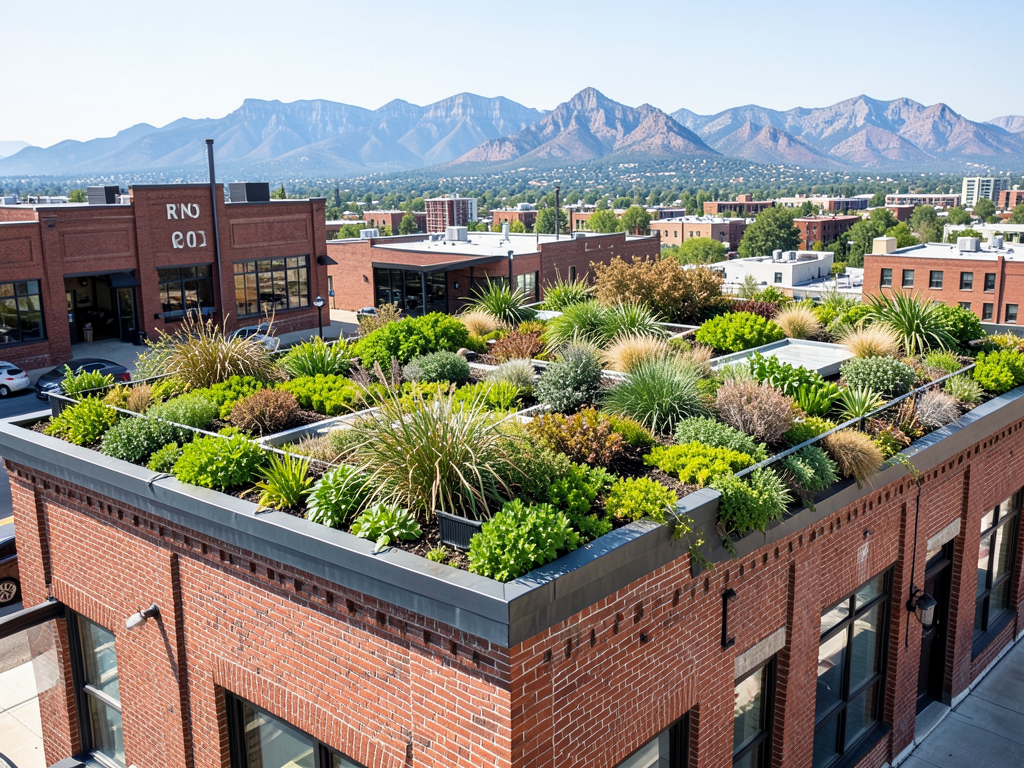
Denver’s River North Art District pulses with creative energy. The neighborhood’s industrial-chic buildings and urban gardens make it feel like the perfect place to add a living green roof. But before you start ordering plants and soil, you need to know what makes RiNo different from other Denver neighborhoods when it comes to rooftop gardens. Denver Green Buildings Ordinance.
The short answer is yes, you can install a living green roof on a home in RiNo. The longer answer involves understanding Denver’s unique climate, your home’s structural capacity, and the specific plants that thrive at 5,280 feet above sea level.
Why RiNo Homes Face Unique Green Roof Challenges
RiNo’s industrial heritage means many homes sit in converted warehouses or have flat-roofed designs from the 1970s and 1980s. These roof structures often need careful evaluation before supporting the weight of soil, plants, and water retention systems. Industrial Roof Replacement.
The neighborhood sits at a slightly lower elevation than surrounding areas, which affects how plants respond to temperature fluctuations. RiNo experiences the same intense Denver sun exposure but often has more reflected heat from surrounding buildings and pavement.
Stormwater management becomes critical in RiNo because the area’s older infrastructure wasn’t designed for modern green roof installations. Your green roof could help reduce runoff into the South Platte River basin, but you need proper drainage systems to prevent water pooling.
Understanding Denver’s Semi-Arid Climate for Green Roofs
Denver receives about 15 inches of precipitation annually, making it a high desert environment. This means your green roof needs plants that can handle both drought conditions and occasional heavy rain events.
The intense UV exposure at high altitude means standard roofing materials break down faster. Living green roofs actually protect the underlying membrane from UV damage, potentially extending your roof’s lifespan by 20 to 30 years. How Much a Full Roof Replacement Actually Costs in Denver Right Now.
Winter presents unique challenges. Snow can accumulate on green roofs, but the plants and soil provide insulation. The real concern is freeze-thaw cycles that can stress both plants and roof structures. Denver experiences these cycles frequently, with temperatures swinging 30 to 40 degrees in a single day.
Structural Requirements for RiNo Homes
Most residential homes in RiNo weren’t designed with green roofs in mind. A typical extensive green roof system weighs between 15 and 25 pounds per square foot when fully saturated. This is significantly more than standard roofing materials. Roofing Sheridan.
You’ll need a structural engineer to evaluate your existing roof joists and determine if they can handle the additional load. Many RiNo homes have 2×8 or 2×10 rafters spaced 16 inches apart. These might need reinforcement before supporting a green roof system.
The roof slope also matters. Green roofs work best on slopes between 2:12 and 9:12. Steeper slopes require additional structural support and specialized growing media to prevent soil erosion.
Denver’s Green Building Ordinance and Residential Properties
Denver’s Green Buildings Ordinance primarily targets commercial and multifamily properties. Single-family homes in RiNo currently don’t face the same requirements as downtown office buildings or large apartment complexes.
However, installing a green roof could help you qualify for various incentives. The city offers stormwater fee credits for properties that reduce runoff. Some utility companies provide rebates for energy-efficient roofing systems that include green components. Roofing Englewood.
Building permits are still required for green roof installations. The process involves submitting structural engineering reports, drainage plans, and material specifications to the Denver Department of Public Works. EPA Green Roofs resources.
Best Plants for Mile High Living
Not all plants thrive at Denver’s elevation. The intense sun, low humidity, and temperature swings eliminate many traditional green roof species.
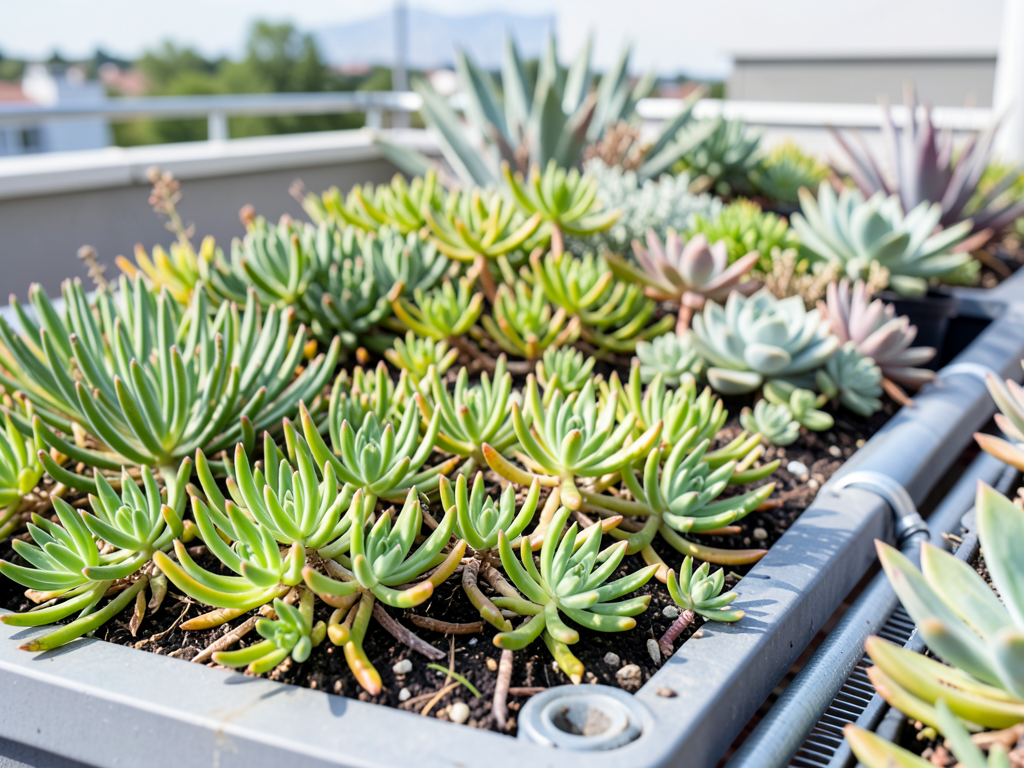
Sedum varieties dominate Denver green roofs because they handle drought, heat, and cold exceptionally well. Species like Sedum spurium, Sedum album, and Sedum kamtschaticum provide excellent ground cover while requiring minimal maintenance.
Native Colorado plants offer another excellent option. Blue grama grass, blanket flower, and penstemon have adapted to local conditions over thousands of years. These plants support local pollinators while creating a more authentic Colorado aesthetic.
Succulents like ice plant and hens-and-chicks work well in extensive green roof systems. They store water in their leaves, making them perfect for Denver’s dry spells.
Green Roof System Components You’ll Need
A successful green roof requires multiple layers working together. The waterproofing membrane forms the foundation. EPDM and TPO membranes work well for green roof applications because they resist root penetration.
Above the membrane, you need a root barrier to prevent plant roots from damaging your roof structure. This typically consists of a thick plastic sheet or specialized composite material.
The drainage layer allows excess water to flow off the roof while retaining enough moisture for plant survival. Lightweight plastic drainage panels or mineral wool mats serve this purpose.
Growing medium replaces traditional soil. Green roof media contains lightweight aggregates like expanded shale or perlite mixed with organic matter. This provides nutrients while keeping weight manageable.
Finally, the vegetation layer includes your chosen plants. Extensive systems use shallow-rooted species that grow 2 to 6 inches tall. Intensive systems can support larger plants but require deeper growing media and more structural support.
Cost Considerations for RiNo Homeowners
Green roof installation costs vary significantly based on system complexity. Extensive systems typically cost between $15 and $30 per square foot. Intensive systems can exceed $50 per square foot.
These costs include structural reinforcement, waterproofing upgrades, drainage systems, growing medium, and plants. Labor often represents 40 to 50 percent of the total cost.
Energy savings provide one return on investment. Green roofs reduce cooling costs by 20 to 30 percent during Denver’s hot summers. The plants and growing medium insulate your home, reducing both heating and cooling demands.
Stormwater fee credits can offset some costs. Denver charges based on impervious surface area. A green roof reduces your property’s contribution to stormwater runoff, potentially saving $200 to $500 annually.
Property value increases represent another benefit. Green roofs create unique outdoor living spaces and demonstrate environmental commitment. Many buyers view them as premium features worth paying extra for.
Installation Timeline and Process
Installing a green roof typically takes 2 to 4 weeks from start to finish. The process begins with structural assessment and design planning, which can take 2 to 4 weeks on its own.
Roof preparation involves removing existing materials, repairing any damage, and installing new waterproofing. This phase usually requires 3 to 5 days of work.
System installation follows a specific sequence. First, workers install the root barrier and drainage layer. Next, they add the growing medium, typically using conveyor systems to minimize roof loading.
Plant installation happens last. For extensive systems, workers often use pre-vegetated mats or plug trays. These establish faster than individual plants and reduce erosion risk.
Establishment requires 6 to 12 months of careful monitoring. During this period, you’ll need to ensure proper irrigation and address any plant failures.
Maintenance Requirements for Denver Green Roofs
Green roofs need regular maintenance to thrive in Denver’s climate. Spring maintenance includes removing debris, checking drainage systems, and replacing any dead plants.
Summer requires monitoring for drought stress. Even drought-tolerant plants need occasional watering during Denver’s hottest weeks. Automated irrigation systems with moisture sensors work best.
Fall maintenance focuses on leaf removal and preparing plants for winter. Some species benefit from light trimming to prevent snow accumulation damage.
Winter demands minimal intervention. The plants go dormant, and the snow provides natural insulation. However, you should check for ice dam formation and ensure drainage pathways remain clear.
Annual inspections by roofing professionals help catch potential issues early. They’ll check membrane integrity, drainage function, and plant health.
Comparing Green Roof Types for RiNo Homes
| System Type | Depth | Weight (lbs/sq ft) | Plant Options | Cost Range |
|---|---|---|---|---|
| Extensive | 2-6 inches | 15-25 | Sedums, succulents, grasses | $15-30 |
| Semi-Intensive | 6-12 inches | 25-40 | Wildflowers, small shrubs | $25-45 |
| Intensive | 12+ inches | 40-80+ | Perennials, shrubs, small trees | $40-80+ |
Energy Savings and Environmental Benefits
Green roofs provide multiple environmental benefits beyond aesthetics. They reduce the urban heat island effect by absorbing sunlight that would otherwise heat building surfaces and surrounding air.
In Denver’s summer months, green roofs can lower roof surface temperatures by 50 to 60 degrees Fahrenheit. This translates to significant cooling energy savings when air conditioning systems don’t have to work as hard.
Stormwater management represents another major benefit. A typical green roof can retain 60 to 80 percent of rainfall, releasing it slowly over time. This reduces peak flow rates into municipal storm systems.
Air quality improvement occurs through plant photosynthesis and particulate matter capture. The vegetation filters pollutants and produces oxygen, contributing to better neighborhood air quality.
Wildlife habitat creation supports local biodiversity. Green roofs attract pollinators, birds, and beneficial insects, creating small ecosystems in urban environments.
Common Mistakes to Avoid
Skipping the structural assessment leads to the most expensive mistakes. Installing a green roof without proper engineering can cause roof collapse or severe structural damage.
Choosing inappropriate plants results in system failure. Plants that thrive in other regions often struggle with Denver’s intense sun and temperature swings.
Improper drainage causes the second most common problem. Water pooling on green roofs leads to plant rot, membrane damage, and potential roof leaks. Fixing Flat Roof Leaks in LoHi and Modern Denver Homes.
Neglecting maintenance turns green roofs into brown roofs. Without proper care, plants die, weeds take over, and the system loses its benefits.
DIY installation without proper training often creates more problems than it solves. Green roof systems require specific installation techniques to ensure long-term success.
Getting Started with Your RiNo Green Roof
The first step involves finding qualified professionals who understand Denver’s specific requirements. Look for contractors with green roof experience and knowledge of local building codes.
Next, schedule a structural assessment. A licensed structural engineer will evaluate your roof’s capacity and recommend any necessary reinforcements.
Develop a design that complements your home’s architecture while meeting your goals. Consider factors like accessibility, maintenance access, and integration with existing roof features.
Secure permits before starting work. Denver requires building permits for green roof installations, and the process can take several weeks.
Finally, establish a maintenance plan. Even low-maintenance systems need occasional care to thrive in Denver’s challenging climate.
Frequently Asked Questions
How much weight can my existing roof support?
Most residential roofs in RiNo were designed for standard roofing materials weighing 2 to 5 pounds per square foot. Green roofs typically require 15 to 25 pounds per square foot for extensive systems. A structural engineer must evaluate your specific roof to determine capacity and recommend reinforcements if needed.
Do I need special permits for a green roof in Denver?
Yes, Denver requires building permits for green roof installations. The process involves submitting structural engineering reports, drainage plans, and material specifications to the Department of Public Works. Some homeowners’ associations may have additional requirements.
How long do green roofs last compared to traditional roofs?
Green roofs typically last 40 to 50 years, compared to 20 to 30 years for traditional asphalt shingles. The plants and growing medium protect the underlying membrane from UV damage, temperature fluctuations, and physical wear. Some green roofs have lasted over 70 years with proper maintenance.
Can I walk on my green roof?
Extensive green roofs with shallow growing media aren’t designed for regular foot traffic. The plants and growing medium can be easily damaged. If you want accessible space, consider a semi-intensive or intensive system with pathways and designated walking areas.
What happens to the plants during Denver winters?
Most green roof plants go dormant during winter months. The snow actually provides insulation, protecting plants from extreme cold. Sedums and other succulents are particularly cold-hardy and bounce back quickly in spring. Some dieback is normal, but established plants typically survive without special winter protection.
{
“@context”: “https://schema.org”,
“@type”: “BlogPosting”,
“headline”: “Can You Actually Install a Living Green Roof on a Home in RiNo?”,
“description”: “Discover if a living green roof works for your RiNo home. Learn about Denver’s climate, structural requirements, native plants, and the permitting process.”,
“wordCount”: 1972,
“datePublished”: “2026-05-23T08:31:00.000Z”,
“dateModified”: “2026-05-23T08:31:00.000Z”,
“inLanguage”: “en-US”,
“mainEntityOfPage”: {
“@type”: “WebPage”,
“@id”: “https://apexroofingdenver.com”
},
“publisher”: {
“@type”: “LocalBusiness”,
“name”: “Apex Roofing Denver”,
“url”: “https://apexroofingdenver.com”
},
“author”: {
“@type”: “Organization”,
“name”: “Apex Roofing Denver”,
“url”: “https://apexroofingdenver.com”
},
“image”: {
“@type”: “ImageObject”,
“url”: “https://apexroofingdenver.com/wp-content/uploads/2026/03/can-you-actually-install-a-living-green-roof-on-a-1.png”
}
}
{
“@context”: “https://schema.org”,
“@type”: “RoofingContractor”,
“name”: “Apex Roofing Denver”,
“url”: “https://apexroofingdenver.com”,
“address”: {
“@type”: “PostalAddress”,
“addressLocality”: “Denver”
},
“areaServed”: {
“@type”: “City”,
“name”: “Denver”
}
}
{
“@context”: “https://schema.org”,
“@type”: “FAQPage”,
“mainEntity”: [
{
“@type”: “Question”,
“name”: “How much weight can my existing roof support?”,
“acceptedAnswer”: {
“@type”: “Answer”,
“text”: “Most residential roofs in RiNo were designed for standard roofing materials weighing 2 to 5 pounds per square foot. Green roofs typically require 15 to 25 pounds per square foot for extensive systems. A structural engineer must evaluate your specific roof to determine capacity and recommend reinforcements if needed.”
}
},
{
“@type”: “Question”,
“name”: “Do I need special permits for a green roof in Denver?”,
“acceptedAnswer”: {
“@type”: “Answer”,
“text”: “Yes, Denver requires building permits for green roof installations. The process involves submitting structural engineering reports, drainage plans, and material specifications to the Department of Public Works. Some homeowners’ associations may have additional requirements.”
}
},
{
“@type”: “Question”,
“name”: “How long do green roofs last compared to traditional roofs?”,
“acceptedAnswer”: {
“@type”: “Answer”,
“text”: “Green roofs typically last 40 to 50 years, compared to 20 to 30 years for traditional asphalt shingles. The plants and growing medium protect the underlying membrane from UV damage, temperature fluctuations, and physical wear. Some green roofs have lasted over 70 years with proper maintenance.”
}
},
{
“@type”: “Question”,
“name”: “Can I walk on my green roof?”,
“acceptedAnswer”: {
“@type”: “Answer”,
“text”: “Extensive green roofs with shallow growing media aren’t designed for regular foot traffic. The plants and growing medium can be easily damaged. If you want accessible space, consider a semi-intensive or intensive system with pathways and designated walking areas.”
}
},
{
“@type”: “Question”,
“name”: “What happens to the plants during Denver winters?”,
“acceptedAnswer”: {
“@type”: “Answer”,
“text”: “Most green roof plants go dormant during winter months. The snow actually provides insulation, protecting plants from extreme cold. Sedums and other succulents are particularly cold-hardy and bounce back quickly in spring. Some dieback is normal, but established plants typically survive without special winter protection.”
}
}
]
}
{
“@context”: “https://schema.org”,
“@type”: “BreadcrumbList”,
“itemListElement”: [
{
“@type”: “ListItem”,
“position”: 1,
“name”: “Home”,
“item”: “https://apexroofingdenver.com”
},
{
“@type”: “ListItem”,
“position”: 2,
“name”: “Blog”,
“item”: “https://apexroofingdenver.com/blog”
},
{
“@type”: “ListItem”,
“position”: 3,
“name”: “Can You Actually Install a Living Green Roof on a Home in RiNo?”
}
]
}
{
“@context”: “https://schema.org”,
“@type”: “Service”,
“serviceType”: “Roofing”,
“provider”: {
“@type”: “LocalBusiness”,
“name”: “Apex Roofing Denver”,
“url”: “https://apexroofingdenver.com”
},
“areaServed”: {
“@type”: “City”,
“name”: “Denver”
},
“description”: “Discover if a living green roof works for your RiNo home. Learn about Denver’s climate, structural requirements, native plants, and the permitting process.”
}