



Menu

Mold & Algae Stain Removal in Denver – Expert Diagnosis Stops Roof Damage Before It Spreads

We identify the exact organism attacking your shingles and apply mold and algae stain removal treatments that eliminate streaks, protect granule integrity, and extend your roof's lifespan across Denver's high-altitude climate.

Slider Image 1
Slider Image 2
Slider Image 3
Slider Image 4
Slider Image 5
Slider Image 7
Slider Image 8
Slider Image 9
Slider Image 10
Slider Image 11

Why Black Streaks and Green Growth Spread Faster on Denver Roofs

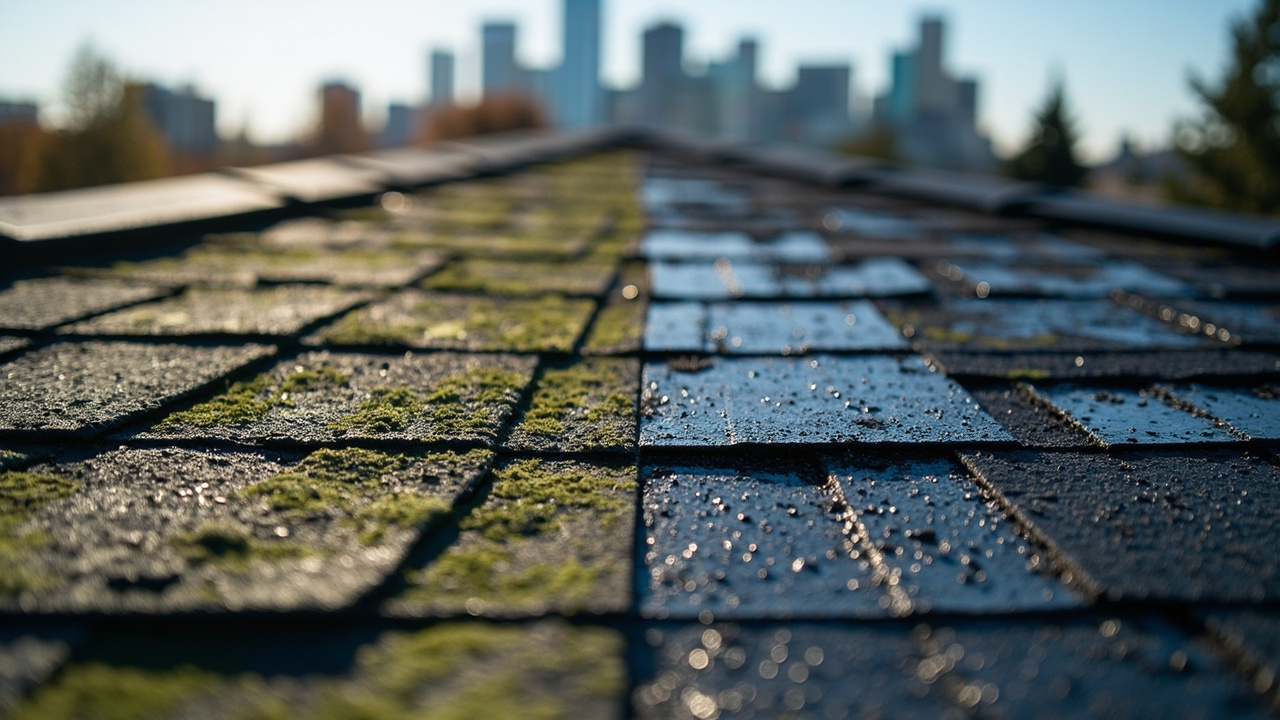
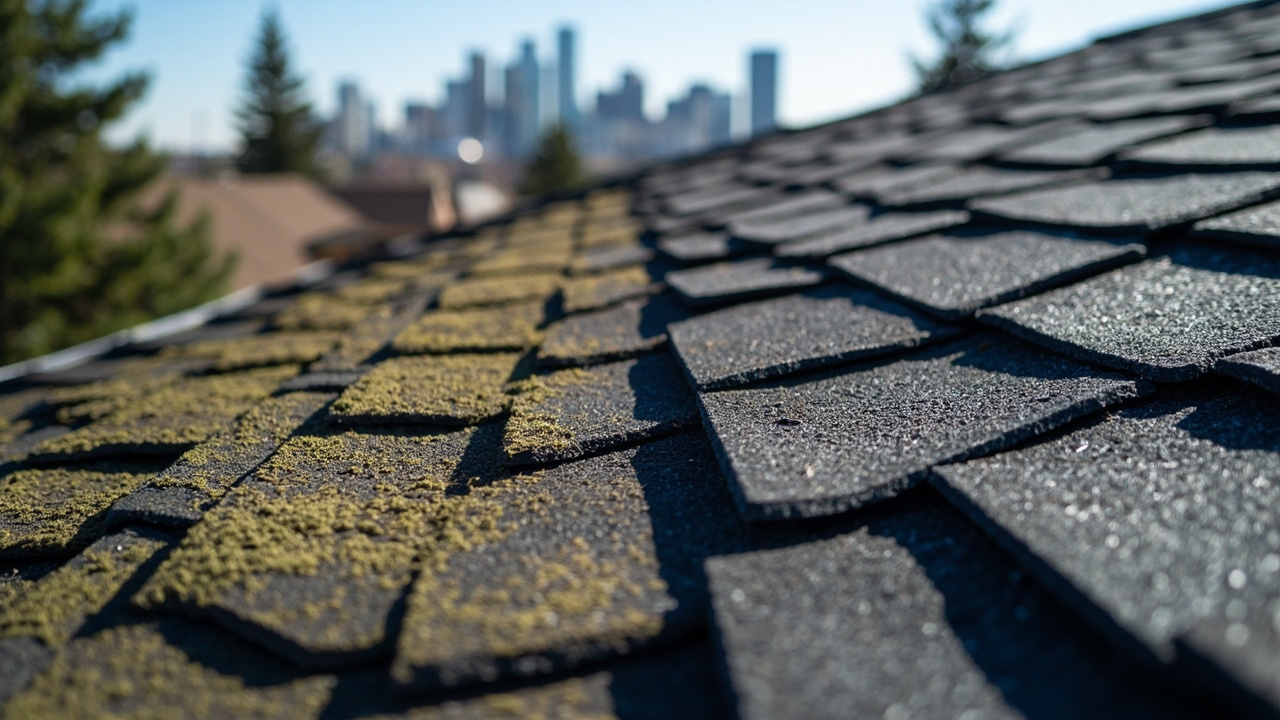
You notice dark streaks crawling down your shingles. A few weeks later, they double in size. This is not just discoloration. You are looking at Gloeocapsa magma, a cyanobacteria that feeds on the limestone filler inside asphalt shingles. Denver's intense UV exposure at 5,280 feet accelerates shingle aging, and our rapid temperature swings create the perfect breeding ground for roof algae, mold, and mildew.

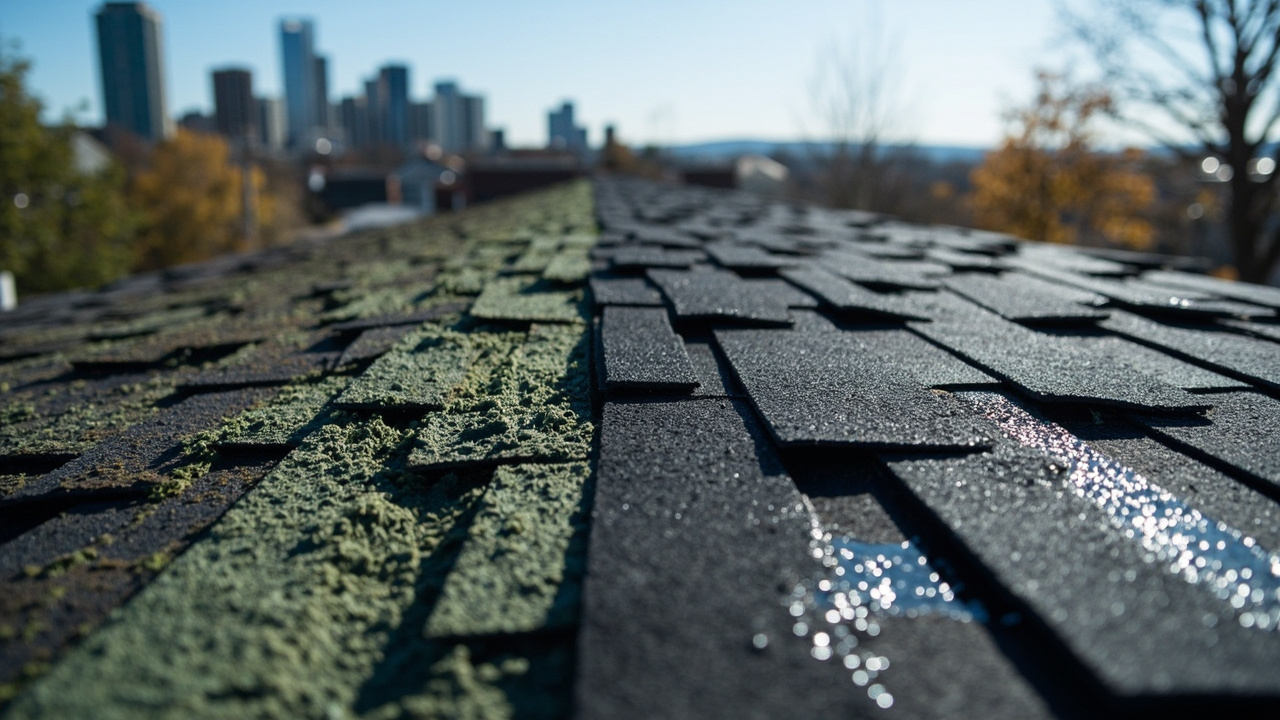
When temperatures drop at night and spike during the day, moisture condenses on your roof. That moisture feeds organic growth. The black streaks you see are colonies of algae that trap heat, causing your shingles to age faster. Moss and lichen dig root structures into the granule layer, lifting shingles and creating entry points for water. In neighborhoods like Highlands and Park Hill, where mature trees provide shade and trap humidity, roof fungus cleaning becomes essential to prevent premature shingle failure.

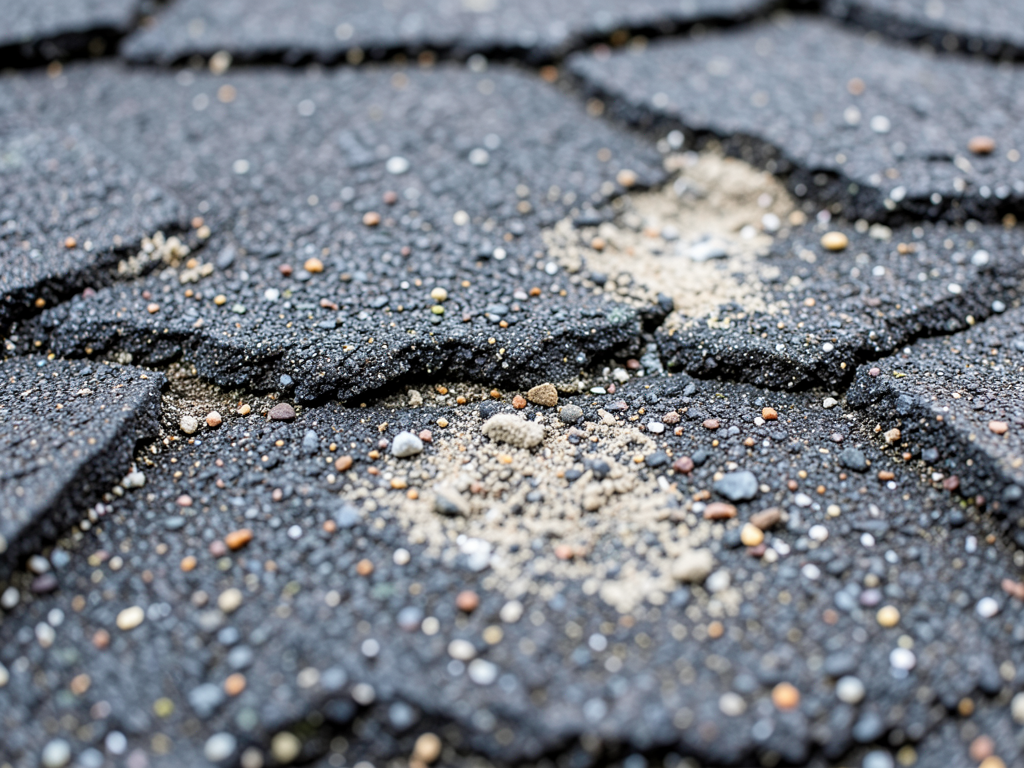
Removing black streaks on roof surfaces is not cosmetic. Algae colonies retain moisture, which accelerates granule loss. Once granules erode, UV rays degrade the asphalt layer beneath. Shingle algae treatment stops this chain reaction. Left untreated, you face shortened roof lifespan, higher cooling costs from heat retention, and eventual water infiltration. Roof mildew removal protects your investment and keeps your attic dry. The longer you wait, the deeper the organisms penetrate, and the harder it becomes to restore your shingles without replacement.

Why Black Streaks and Green Growth Spread Faster on Denver Roofs
How Professional Stain Removal Restores Your Roof Without Damage

How Professional Stain Removal Restores Your Roof Without Damage

Most homeowners assume pressure washing is the solution. It is not. High-pressure water strips protective granules, voids manufacturer warranties, and forces water under shingles. At Apex Roofing Denver, we use low-pressure soft washing with EPA-approved biocides designed for removing organic roof stains. This method kills algae, mold, and lichen at the root without compromising shingle integrity.

We apply a sodium hypochlorite solution diluted to the correct ratio for your shingle type. This breaks down the cellular structure of Gloeocapsa magma and other organisms. The solution penetrates the biofilm, killing spores that pressure washing leaves behind. We let the chemical dwell for 15 to 20 minutes, then rinse with low-pressure water that does not exceed 500 PSI. This approach removes the stain while preserving the granule layer.

For moss and lichen, we use zinc sulfate or copper sulfate treatments. These compounds prevent regrowth by leaving a residual barrier on the shingle surface. We manually remove thicker moss buildup with plastic scrapers to avoid tearing the shingle mat. After treatment, we inspect flashing and valley seals to confirm no water has breached the underlayment.

Roof fungus cleaning requires a different strategy than basic washing. Fungal hyphae penetrate deeper than algae colonies. We apply fungicidal treatments that target cell walls and interrupt reproduction cycles. Our process includes gutter cleaning to remove organic debris that feeds regrowth. We also trim overhanging branches that create shade and trap moisture. This comprehensive approach ensures your roof stays clean longer and your shingles maintain their protective granule coating.

What Happens During Your Roof Cleaning Service

Mold & Algae Stain Removal in Denver – Expert Diagnosis Stops Roof Damage Before It Spreads
01

Roof and Organism Assessment

We inspect your roof from ground level and close range to identify the specific organisms present. Algae, moss, lichen, and mold require different treatment protocols. We check shingle condition, granule loss, and any lifting or curling caused by root penetration. We also evaluate drainage patterns, gutter health, and areas where moisture accumulates. This diagnostic phase determines the correct biocide concentration and application method for your roof type.
02

Soft Wash Application

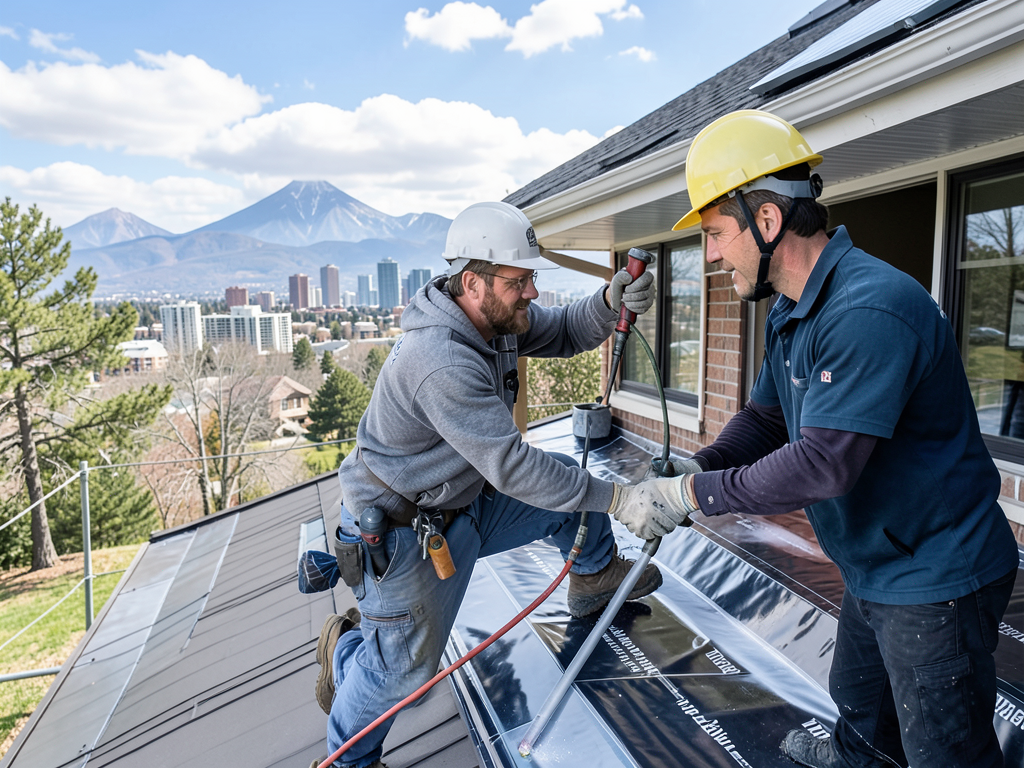
We apply a custom-mixed cleaning solution through low-pressure nozzles that coat the shingle surface without forcing water under seals. The solution saturates the biofilm and penetrates organic colonies. We work from ridge to eave to prevent streaking and ensure even coverage. For moss-heavy areas, we manually remove bulk growth before applying fungicidal treatments. We protect landscaping with tarps and pre-wet plants to dilute any runoff. The solution dwells long enough to kill spores but not so long that it damages shingles.
03

Rinse and Prevention Strategy

We rinse the roof with controlled water flow that washes away dead organisms and residual biocide. We inspect the surface to confirm complete stain removal and check flashing, valleys, and penetrations for any signs of water damage. We apply a zinc or copper strip along the ridge line to inhibit regrowth. These metals leach slowly during rain events, creating a hostile environment for algae and moss. We provide maintenance recommendations, including gutter cleaning schedules and trimming plans, to extend the results.

Why Denver Homeowners Trust Apex Roofing Denver for Stain Removal

Choosing the wrong contractor can cost you a roof. Pressure washing companies destroy shingles. Landscapers use harsh chemicals that void warranties. We specialize in roofing, which means we understand how shingles are manufactured, how organisms attack them, and how to remove growth without causing secondary damage. We follow manufacturer guidelines for soft washing to preserve your warranty coverage.

Denver's climate creates unique challenges. Our high altitude means stronger UV exposure, which degrades shingles faster once algae colonies trap heat. Our temperature swings cause repeated freeze-thaw cycles that stress compromised shingles. We account for these factors when selecting biocides and application techniques. We know that South-facing roofs in areas like Washington Park and Cherry Creek bake in summer sun, accelerating algae spread. North-facing roofs in Capitol Hill and Berkeley stay shaded and damp, encouraging moss colonization. We adjust our approach based on your roof's exposure and surrounding environment.

We also understand Denver's building codes and HOA aesthetic requirements. Many neighborhoods in Stapleton and Lowry mandate clean roofs for curb appeal. We help you stay compliant without risking shingle damage. We pull permits when required and coordinate with HOA boards to schedule work within approved windows.

At Apex Roofing Denver, we do not just clean roofs. We protect them. We inspect for hidden damage before treatment begins. If we find compromised flashing, lifted shingles, or failing sealant, we tell you before proceeding. We provide photo documentation and explain your options. We never upsell unnecessary services, but we also will not apply chemicals to a roof that needs structural repair first.

What to Expect When You Schedule Mold and Algae Stain Removal

Scheduling and Turnaround Time

We schedule roof cleaning services within one to two weeks of your call, depending on weather conditions. Soft washing requires dry weather for optimal adhesion and dwell time. Rain within 24 hours of application can dilute the biocide and reduce effectiveness. Most residential roofs take four to six hours to clean, including prep, application, and rinse. We work during daylight hours to ensure visibility and safety. If your roof requires moss removal or extensive lichen scraping, we may need a second day to complete the work without rushing and risking shingle damage.

Initial Roof Inspection and Estimate

We start with a roof inspection to assess organism type, stain severity, and shingle condition. We measure your roof's square footage and slope to calculate material needs and labor time. We identify any pre-existing damage that could complicate cleaning, such as cracked shingles, loose flashing, or failing sealant. We provide a written estimate that breaks down labor, materials, and any recommended repairs. We explain the difference between algae, moss, lichen, and mold so you understand what we are treating and why. We answer questions about warranty coverage, treatment safety, and expected results. No pressure, no gimmicks.

Results and Longevity

You will see immediate improvement after rinsing. Black streaks disappear, and green moss colonies wash away. Some lichen staining may fade gradually over the following weeks as dead organisms weather off naturally. The biocide continues killing spores for several days after application. Your roof should stay clean for two to four years, depending on shade exposure, humidity levels, and surrounding vegetation. Zinc or copper ridge treatments extend this timeline by preventing new colonization. We recommend annual inspections to catch early regrowth before it spreads. Regular gutter cleaning and tree trimming also prolong results by reducing moisture and organic debris.

Maintenance and Preventive Care

We offer annual maintenance plans that include gutter cleaning, debris removal, and spot treatments for early algae growth. Preventive care costs less than full roof cleaning and keeps your shingles in optimal condition. We also install zinc or copper strips along ridge lines and below pipe boots to prevent future colonization. These strips release metal ions during rain, creating an environment hostile to algae and moss. We trim overhanging branches that trap moisture and shade your roof. We inspect flashing and sealant to confirm water is not pooling anywhere. Proactive maintenance extends roof lifespan and protects your home value.

Frequently Asked Questions

You Have Questions,
We Have Answers

Can algae stains be removed? +

Yes, algae stains can be removed from roofs, siding, and decks. In Denver, the dry climate and intense UV exposure make algae growth less common than mold, but north-facing surfaces still develop dark streaks. Professional cleaning uses low-pressure washing with specialized biocides that kill algae at the root without damaging shingles or paint. Avoid pressure washing, which strips granules from asphalt shingles and voids warranties. DIY bleach solutions can lighten stains temporarily, but they rarely kill spores completely. For lasting results, hire a roof cleaning specialist who understands Denver's altitude and weather patterns.

Can active mold stains be removed? +

Active mold requires containment and removal by a licensed remediation contractor, not just stain cleaning. If mold is growing on drywall, insulation, or wood framing, the material often needs replacement after moisture intrusion. Surface stains on non-porous materials like tile or metal can be cleaned with antimicrobial treatments. In Denver, attic mold often results from poor ventilation during our cold winters and temperature swings. Do not ignore active growth. Address the moisture source first, then remediate. Stain removal comes last. Breathing mold spores poses health risks, so always wear PPE during inspection.

What's the best mold and mildew stain remover? +

The best remover depends on the surface. For roofs, sodium hypochlorite or zinc sulfate solutions work without damaging shingles. For siding and decks, oxygen bleach breaks down organic stains safely. Avoid chlorine bleach on wood or painted surfaces, as it causes discoloration and weakens fibers. In Denver, products rated for high-altitude sun exposure last longer. Professional-grade biocides penetrate porous surfaces better than store-bought sprays. Never mix chemicals. If you see black streaks on your roof, the issue is often Gloeocapsa magma, a cyanobacteria that requires specific treatment beyond generic mold removers.

Will magic eraser remove mold stains? +

Magic erasers remove surface mold stains from non-porous materials like tile, glass, or plastic, but they do not kill mold spores. They work through micro-abrasion, scrubbing away discoloration without chemicals. On porous surfaces like drywall or grout, magic erasers only address cosmetic issues and leave roots intact. In Denver bathrooms with hard water deposits, magic erasers can help with soap scum mixed with mildew, but you still need a disinfectant afterward. For active mold growth, use a proper antimicrobial cleaner or call a remediation specialist. Magic erasers are a Band-Aid, not a cure.

Will white vinegar remove algae? +

White vinegar kills some algae types but lacks the strength for heavy infestations. Its acetic acid disrupts cell walls on contact, making it useful for minor deck or fence stains. On roofs, vinegar is too weak and requires repeated applications. Denver's dry air means algae growth is less aggressive than in humid climates, so vinegar may work for small areas. Spray undiluted, let sit 30 minutes, then scrub and rinse. For concrete or siding, vinegar prevents regrowth short-term. For large-scale problems or roof stains, professional treatments with commercial biocides provide faster, longer-lasting results.

What is the hardest stain to remove from clothes? +

This question does not relate to roofing or property mold remediation. For context, protein-based stains like blood, grass, or ink are hardest to remove from fabrics because they bond chemically with fibers. If you are asking about removing stains from exterior surfaces in Denver, rust and tannin stains from trees are the toughest. They require oxalic acid or specialized rust removers. For mold stains on outdoor fabrics like awnings or cushions, oxygen bleach works best. Always test cleaners on hidden areas first to avoid damage or discoloration.

Will OxiClean remove mold stains? +

OxiClean removes mold stains from fabrics, grout, and some porous surfaces by breaking down organic matter with oxygen bleach. It works well on outdoor cushions, siding, and concrete in Denver. Mix with warm water, apply, and let sit before scrubbing. OxiClean does not kill mold spores as effectively as antimicrobial cleaners, so it is best for stain removal after remediation. On roofs, avoid it entirely because granule loss and runoff can harm plants. For serious mold problems on structural materials, OxiClean is cosmetic only. Address moisture intrusion first, then clean stains.

Can white vinegar remove mold stains? +

White vinegar removes light mold stains from tile, glass, and painted surfaces. Its mild acidity breaks down surface discoloration without harsh fumes. Spray undiluted vinegar, wait 15 minutes, then scrub with a brush. In Denver, bathroom mold from shower steam responds well to vinegar. However, vinegar does not penetrate porous materials like drywall or wood deeply enough to kill embedded spores. For structural mold, you need professional remediation. Vinegar is safe around kids and pets, making it useful for minor maintenance cleaning. For roof or attic mold, skip vinegar and call a specialist.

Does hydrogen peroxide remove mold stains? +

Hydrogen peroxide removes mold stains and kills spores on non-porous surfaces. Use 3 percent concentration for general cleaning or 10 percent for tougher stains. Spray, let sit 10 minutes, then wipe clean. Peroxide works well on tile, glass, and sealed wood. In Denver, it is useful for bathroom mold caused by hard water and poor ventilation. Peroxide breaks down into water and oxygen, leaving no toxic residue. However, it bleaches fabrics and can lighten some finishes. For deep structural mold, peroxide is not strong enough. Always ventilate the area during use.

Which kills mold better, bleach or vinegar? +

Vinegar kills mold better than bleach on porous surfaces because bleach only whitens stains without penetrating roots. Bleach works on non-porous materials like tile or glass, where mold sits on top. Vinegar's acid soaks into wood or drywall, killing spores below the surface. In Denver, attic mold on roof decking responds better to vinegar or professional antimicrobials. Bleach also releases harsh fumes and damages materials over time. For serious infestations, neither DIY option is enough. Hire a remediation contractor to address moisture sources and remove contaminated materials. Cleaning stains alone does not solve the problem.

How Denver's Altitude and Temperature Swings Accelerate Roof Algae Growth

Denver sits at 5,280 feet, where UV intensity is 25 percent higher than at sea level. This accelerates shingle aging and creates ideal conditions for algae colonization. When Gloeocapsa magma attaches to your shingles, it traps heat and speeds up granule loss. Our temperature swings amplify the problem. A 70-degree afternoon can drop to 40 degrees by nightfall, creating condensation that feeds algae, mold, and moss. In neighborhoods like Wash Park and Congress Park, mature tree canopies block airflow and keep roofs damp. Without roof fungus cleaning and shingle algae treatment, organic growth spreads quickly and shortens your roof's lifespan by years.

Apex Roofing Denver understands these local factors because we work in this climate every day. We know which biocides tolerate high altitude and rapid temperature changes. We schedule treatments during stable weather windows to maximize chemical effectiveness. We also understand Denver's HOA requirements and municipal codes. Many historic districts in Capitol Hill and Highland require approval before roof work begins. We handle permitting and documentation so you stay compliant. Choosing a local roofer means you get someone who knows your neighborhood, your climate, and your roof's specific challenges. We are not a franchise. We live here, and we protect roofs here.
Roofing Services in The Denver Area

Looking for trusted roofing services near you? Apex Roofing Denver proudly serves homeowners and businesses across the greater Denver area with expert roof repairs, replacements, inspections, and storm damage restoration. From Aurora to Lakewood and Thornton to Centennial, our experienced roofing team is ready to deliver fast, dependable solutions. Use the map below to explore our service areas and find top-rated roofing help near your neighborhood.

Address:
Apex Roofing Denver, 2301 Blake St, Denver, CO, 80205

Additional Services We Offer

Our news updates

Latest Articles & News from The Blogs

Lorem ipsum dolor sit amet. Aut expedita quaerat quo eligendi numquam et laudantium perspiciatis qui minima expedita rem consequatur ducimus.…

Test Blog 4

Lorem ipsum dolor sit amet. Aut expedita quaerat quo eligendi numquam et laudantium perspiciatis qui minima expedita rem consequatur ducimus.…

Test Blog 3

Lorem ipsum dolor sit amet. Aut expedita quaerat quo eligendi numquam et laudantium perspiciatis qui minima expedita rem consequatur ducimus.…

Test Blog 2

Lorem ipsum dolor sit amet. Aut expedita quaerat quo eligendi numquam et laudantium perspiciatis qui minima expedita rem consequatur ducimus.…

Contact Us

Black streaks and moss growth damage your shingles every day they remain. Call Apex Roofing Denver at (720) 484-8300 to schedule an inspection and get a detailed estimate. We will restore your roof without voiding your warranty.