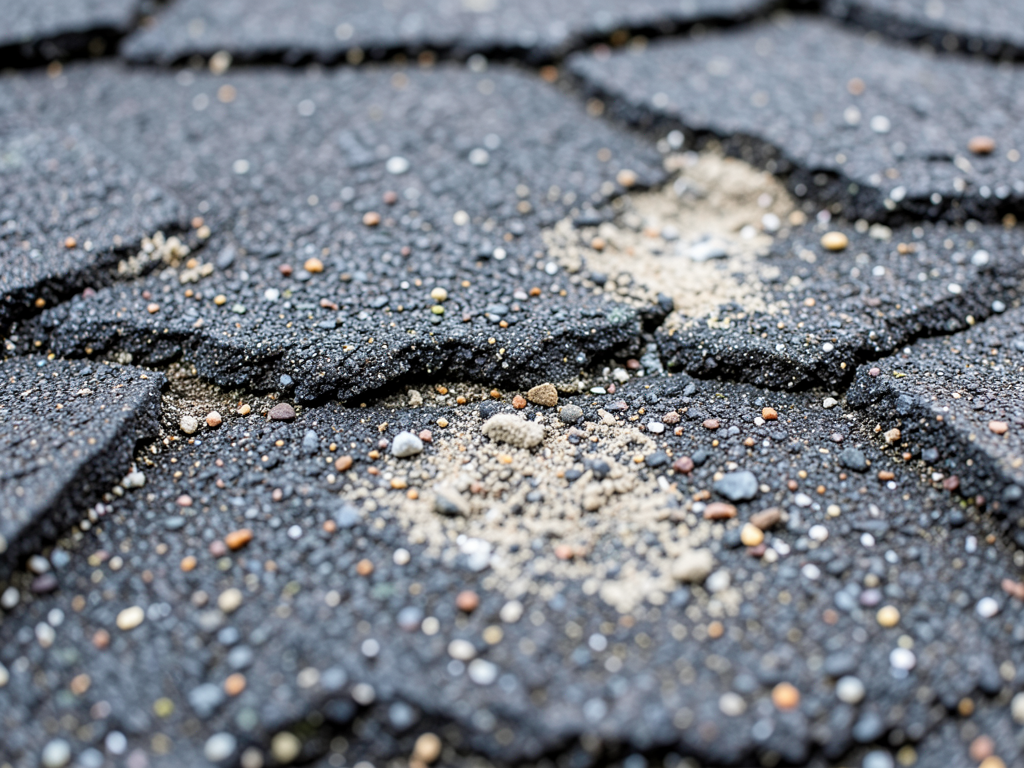





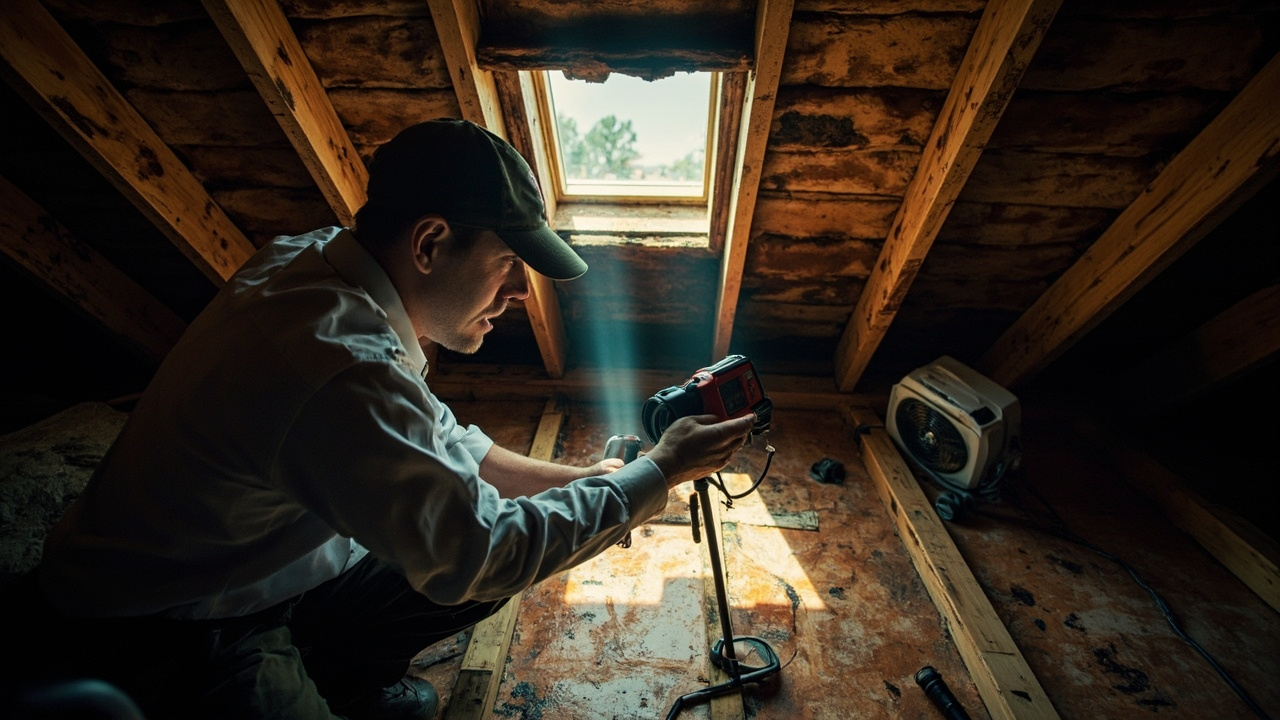
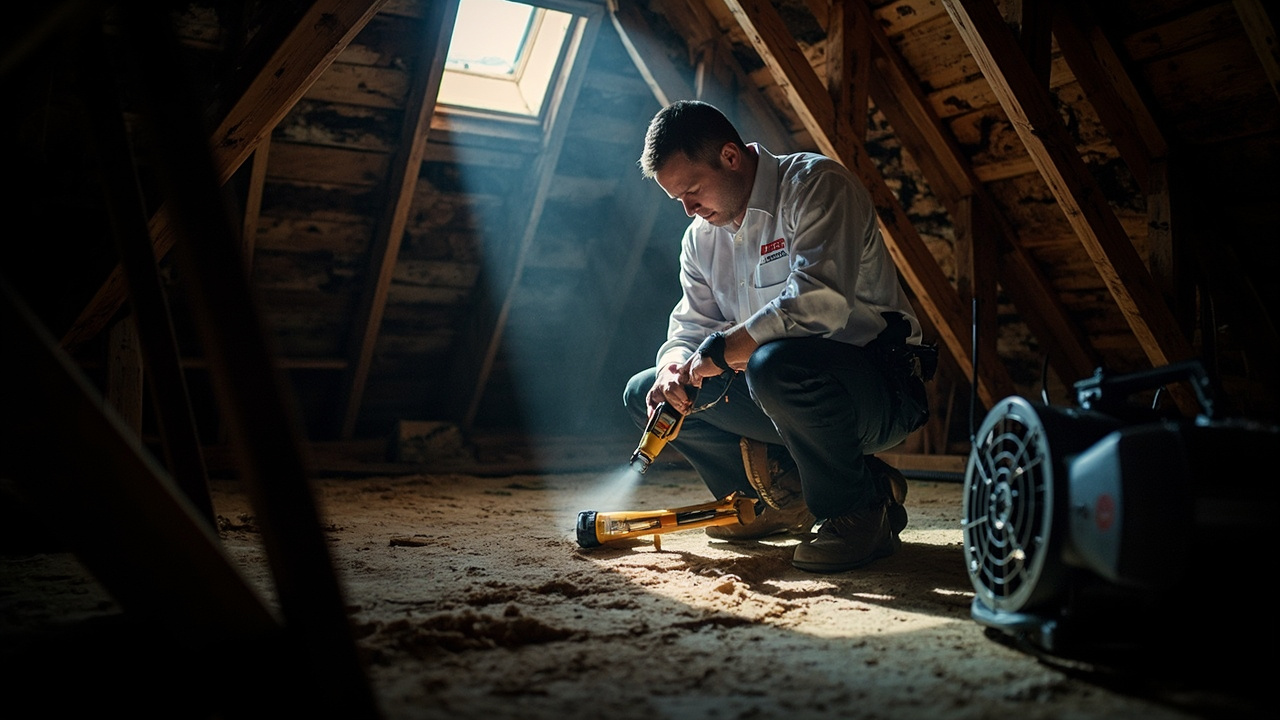
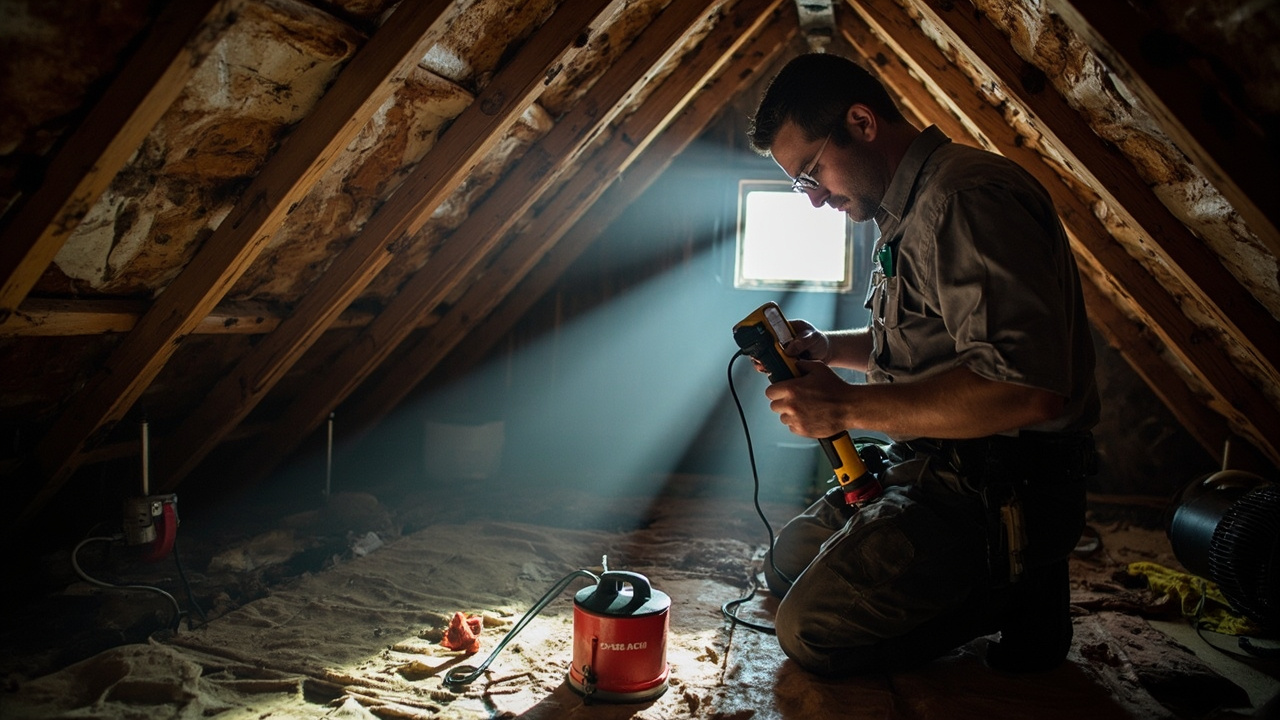
Denver experiences an average of 60 freeze-thaw cycles each winter, more than almost any other major city. When daytime temperatures climb into the 50s and nighttime temperatures drop into the teens, your roof deck expands and contracts repeatedly. This movement stresses wood fibers already weakened by moisture. A roof deck with trapped moisture develops micro-cracks that spread with each freeze-thaw cycle. What starts as minor roof sweating in November becomes serious structural damage by March. The combination of attic moisture buildup and temperature cycling unique to Colorado's Front Range means condensation issues progress faster here than in climates with stable winter temperatures.
Apex Roofing Denver has worked with Denver building inspectors and understands local enforcement of ventilation codes. Many Denver neighborhoods have homes built before 1990 when ventilation requirements were less stringent. If you are buying or selling a home in Denver, attic condensation issues flag during inspections and delay closings. We provide documentation that your ventilation system meets current Denver building code requirements, which satisfies inspection requirements and protects property values. Our familiarity with Denver's mix of older and newer construction means we design solutions appropriate for your home's age and style.