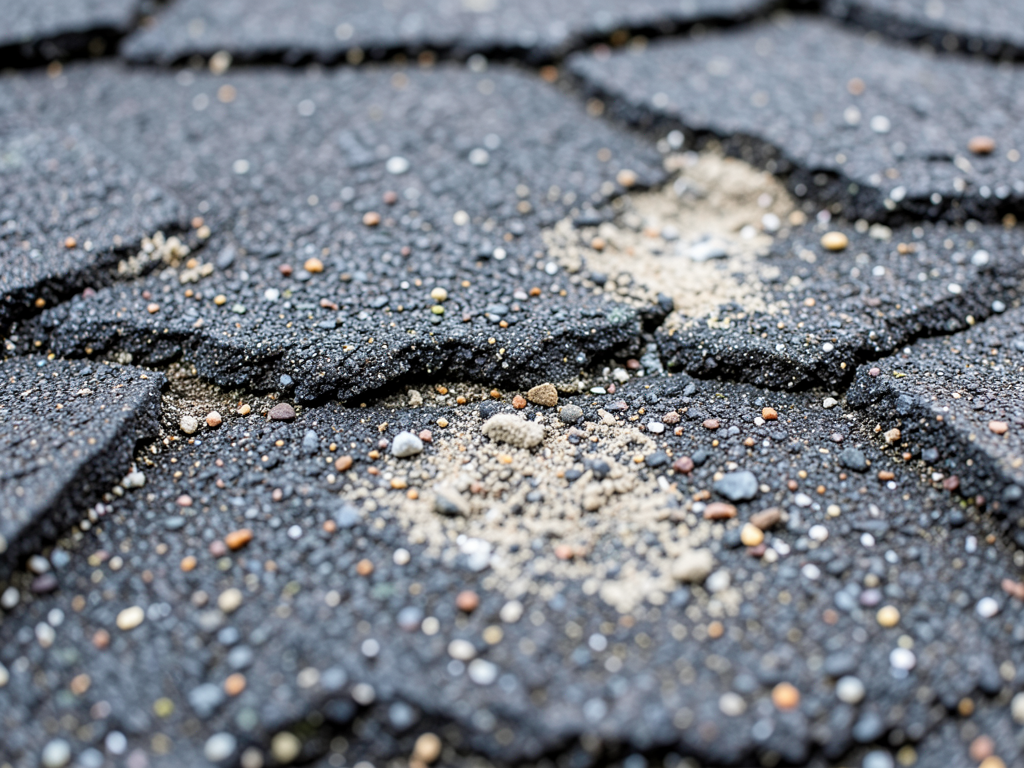





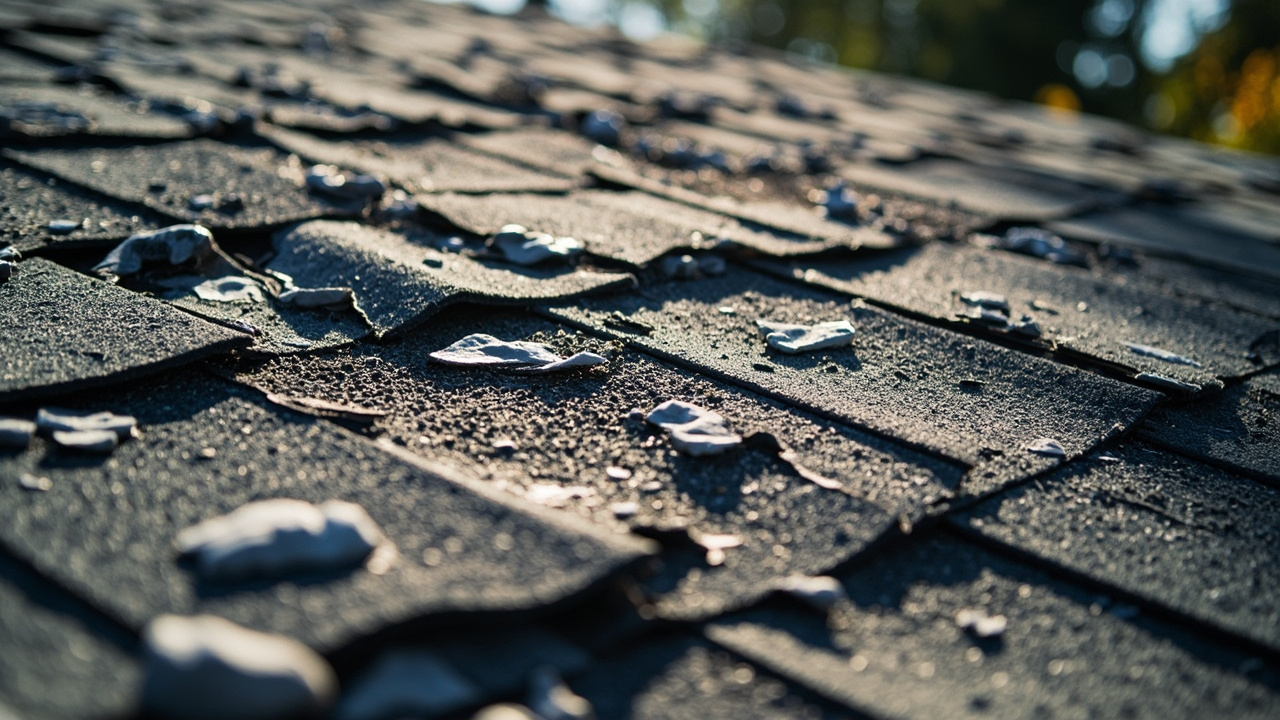
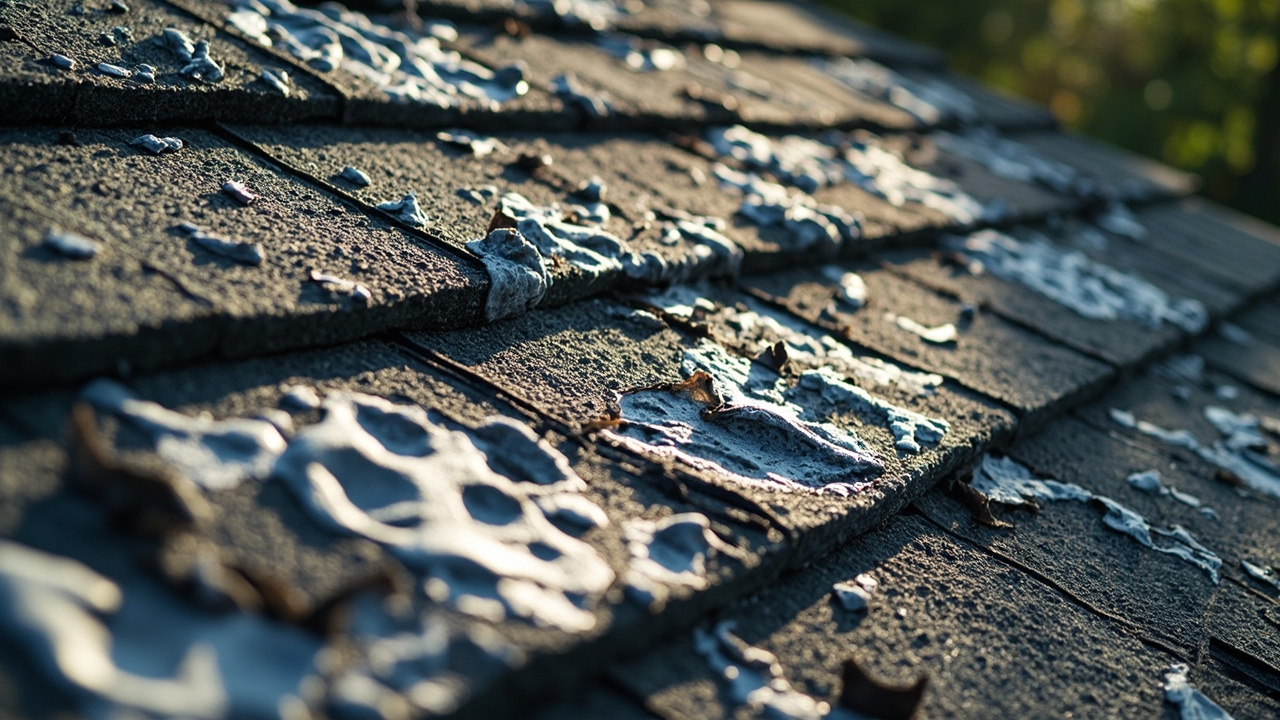
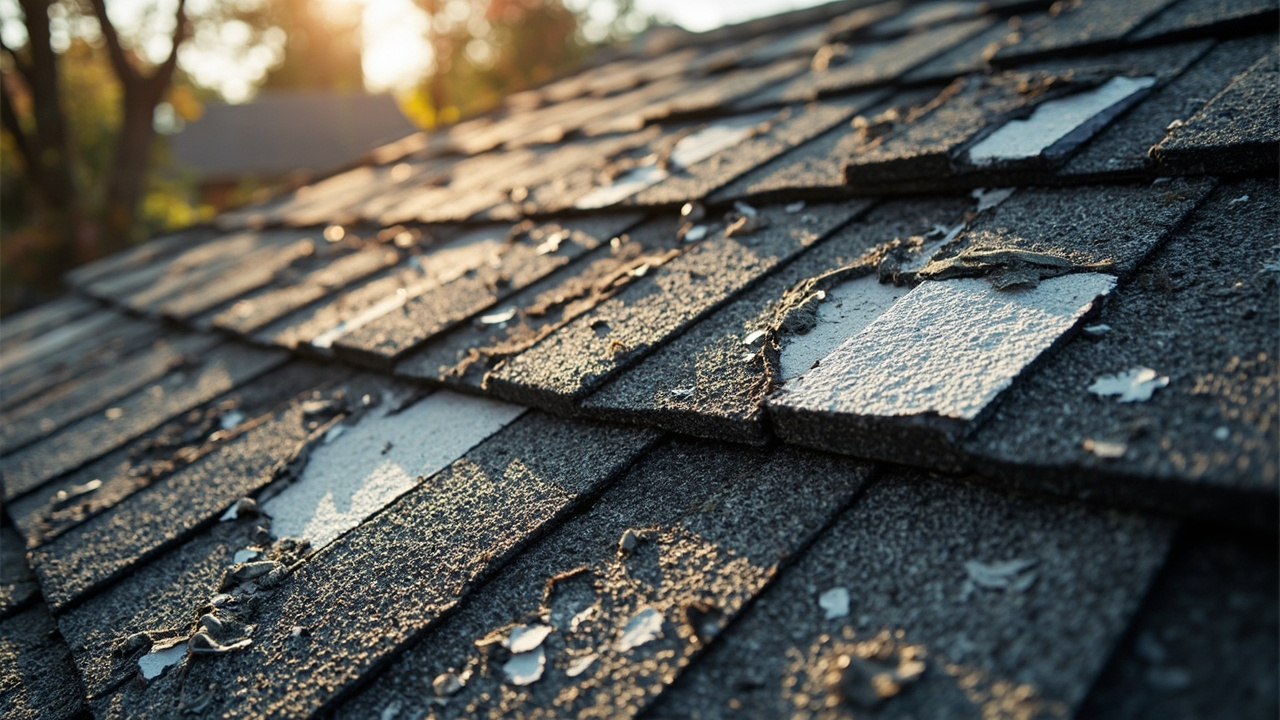
Denver receives more annual sunshine than San Diego or Miami Beach. That relentless UV exposure breaks down asphalt shingle compounds faster than in cloudier climates. The Mile High City's elevation intensifies this effect because there is less atmosphere to filter ultraviolet radiation. Shingles age 30 percent faster here than at sea level. When you combine extreme UV with poor attic ventilation, you create the perfect conditions for heat blisters. Summer attic temperatures routinely exceed 140 degrees, which liquefies the asphalt layers and creates gas pockets that push upward through the shingle surface. Understanding this local climate factor is essential for choosing repair methods that actually last.
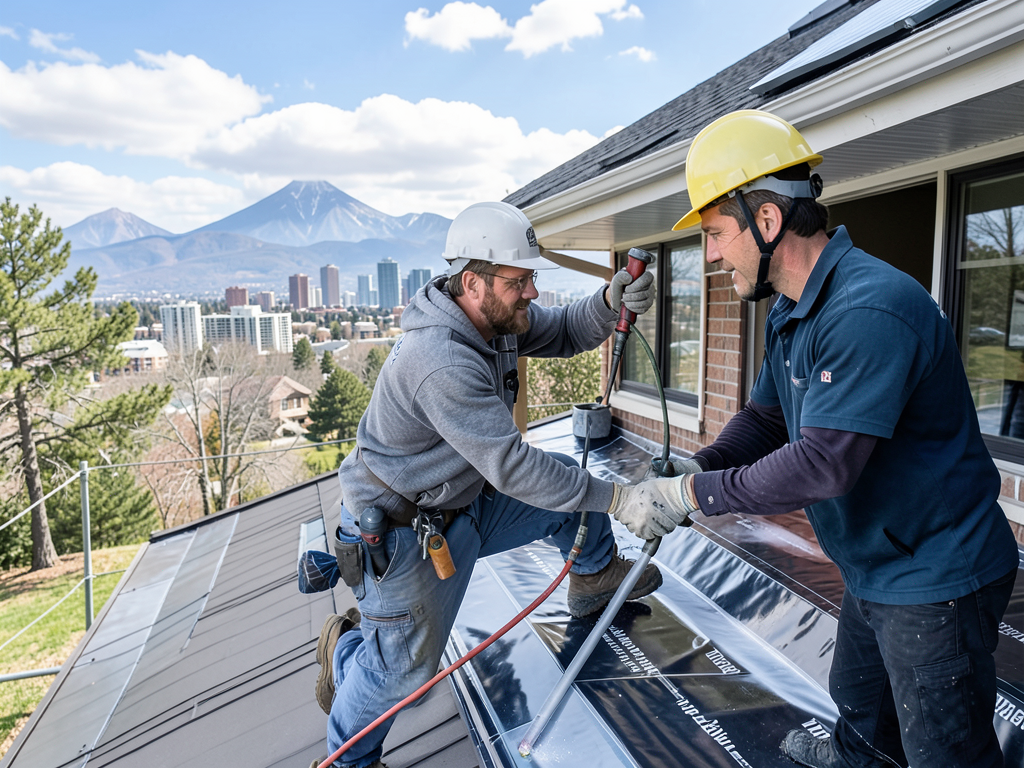
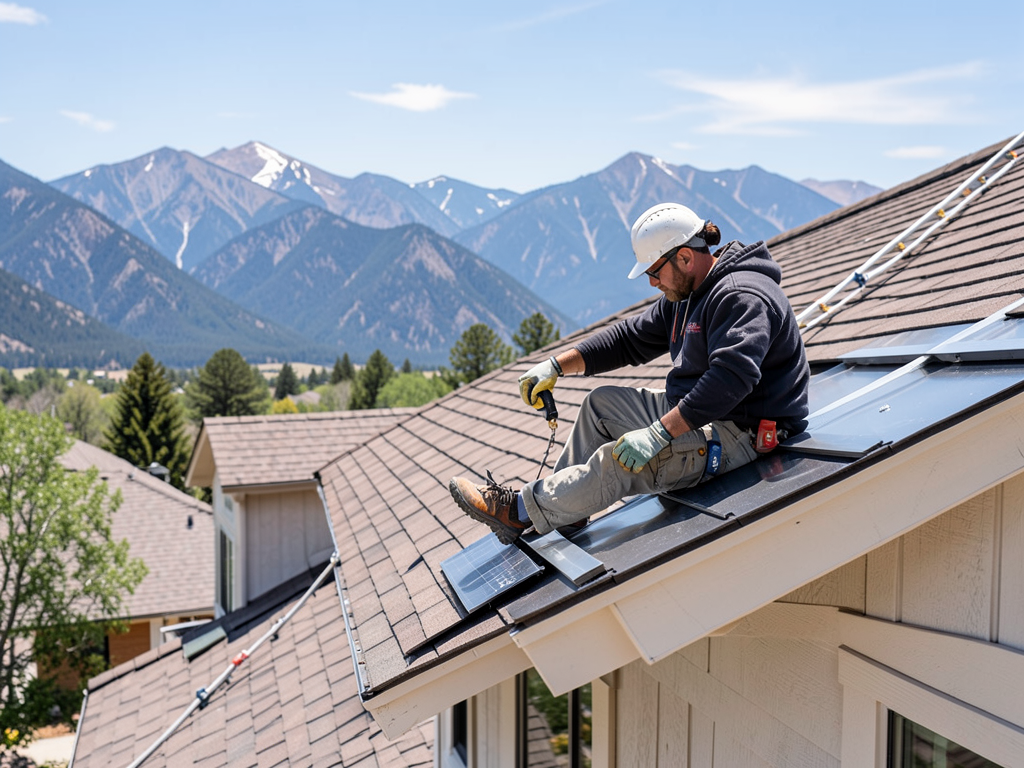
Apex Roofing Denver has worked with hundreds of homeowners across Capitol Hill, Park Hill, and Littleton who discovered blistering after their first Colorado summer. We know which shingle brands perform well at altitude and which fail prematurely. We also understand Denver's building inspection requirements for ventilation ratios and fire ratings in areas like Red Rocks and Genesee where wildfire risk elevates code standards. Local expertise matters because generic repair approaches ignore the thermal stress and UV intensity that make Denver one of the most challenging roofing environments in the country.