




Menu

Skylight Leaking When Raining in Denver – Expert Diagnosis and Permanent Repair

When skylight leaks in heavy rain damage your ceilings and walls, Apex Roofing Denver identifies the root cause and fixes it right the first time using proven flashing repair methods and Denver-specific weatherproofing techniques.

Slider Image 1
Slider Image 2
Slider Image 3
Slider Image 4
Slider Image 5
Slider Image 7
Slider Image 8
Slider Image 9
Slider Image 10
Slider Image 11

Why Skylights Leak During Denver Rainstorms

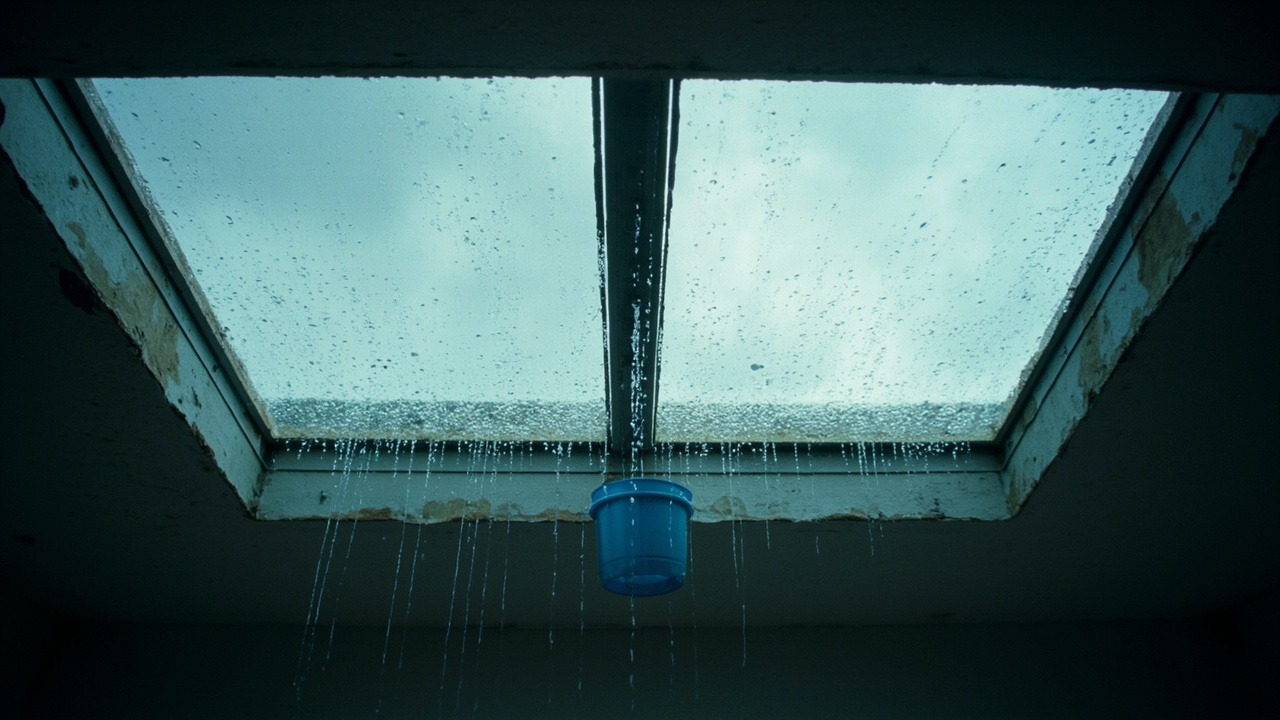
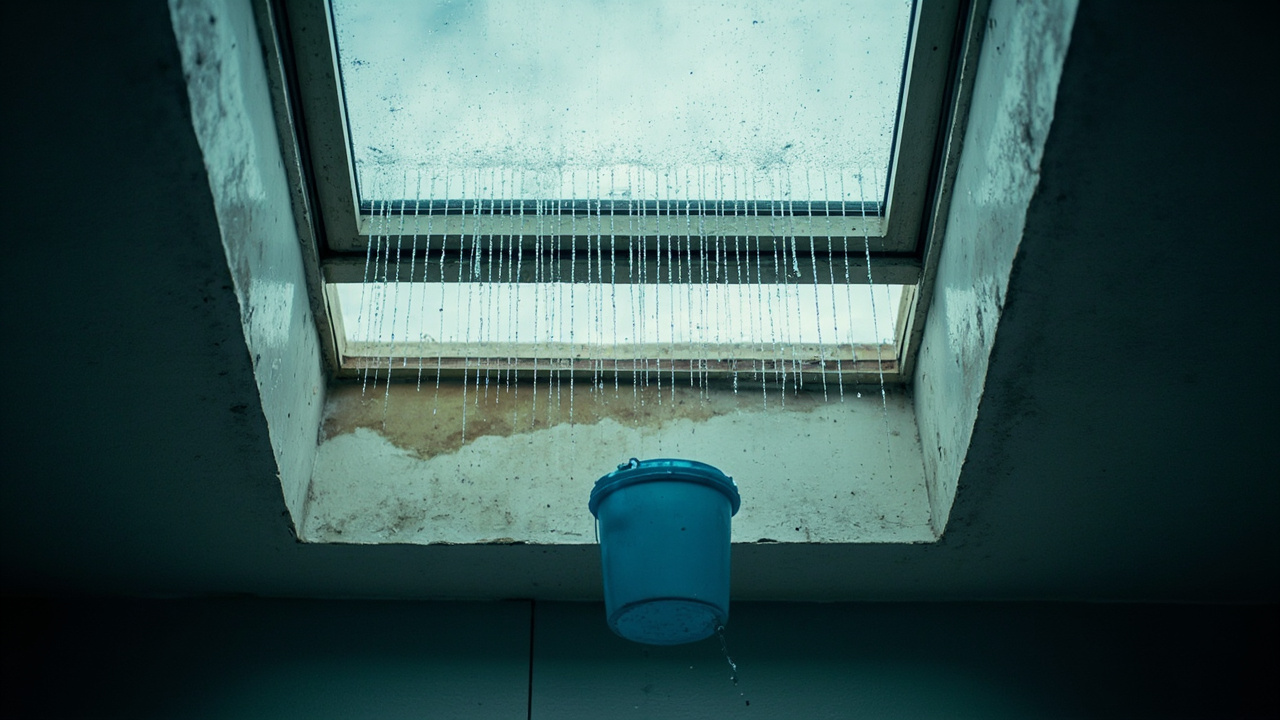
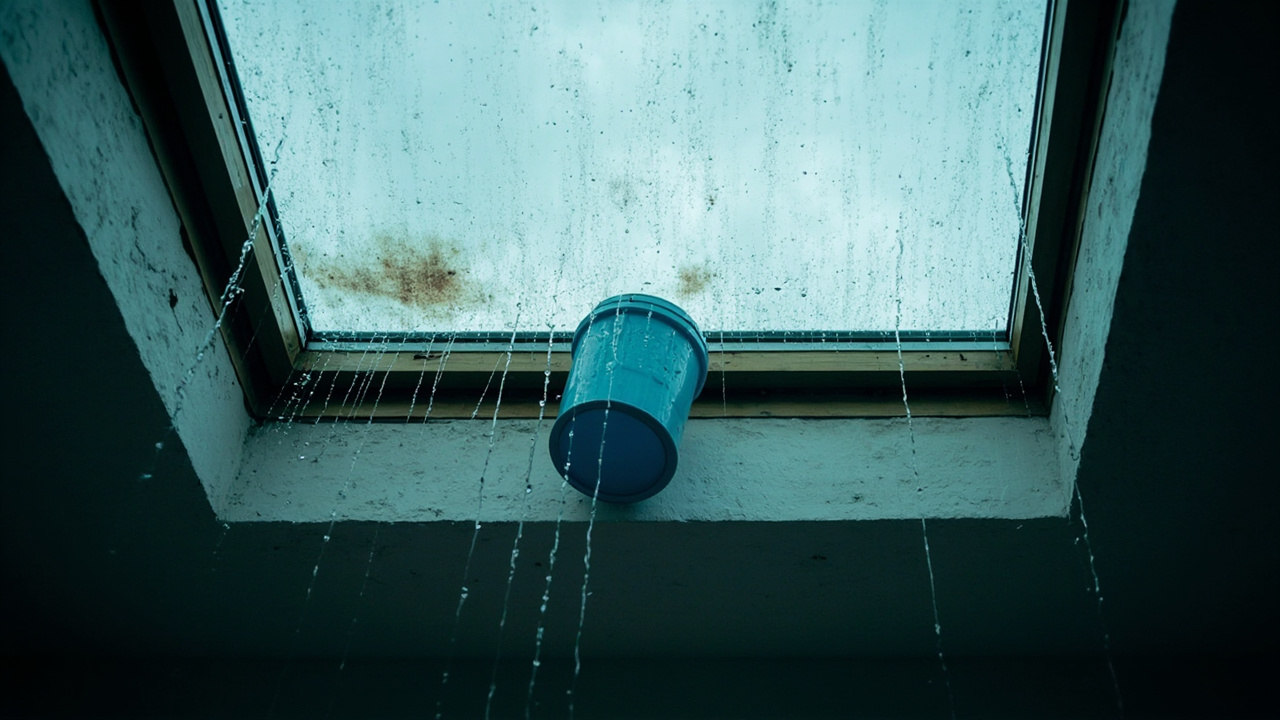
You notice water dripping from skylight edges during a downpour. The stain spreads across your ceiling. You place a bucket underneath and wonder if this is normal. It is not.

Skylight leaking during storm events happens for specific reasons, and Denver's climate makes these failures worse. Our high-altitude location delivers intense UV exposure that degrades sealants faster than at sea level. When afternoon thunderstorms roll through, wind-driven rain tests every weak point in your roof window installation.

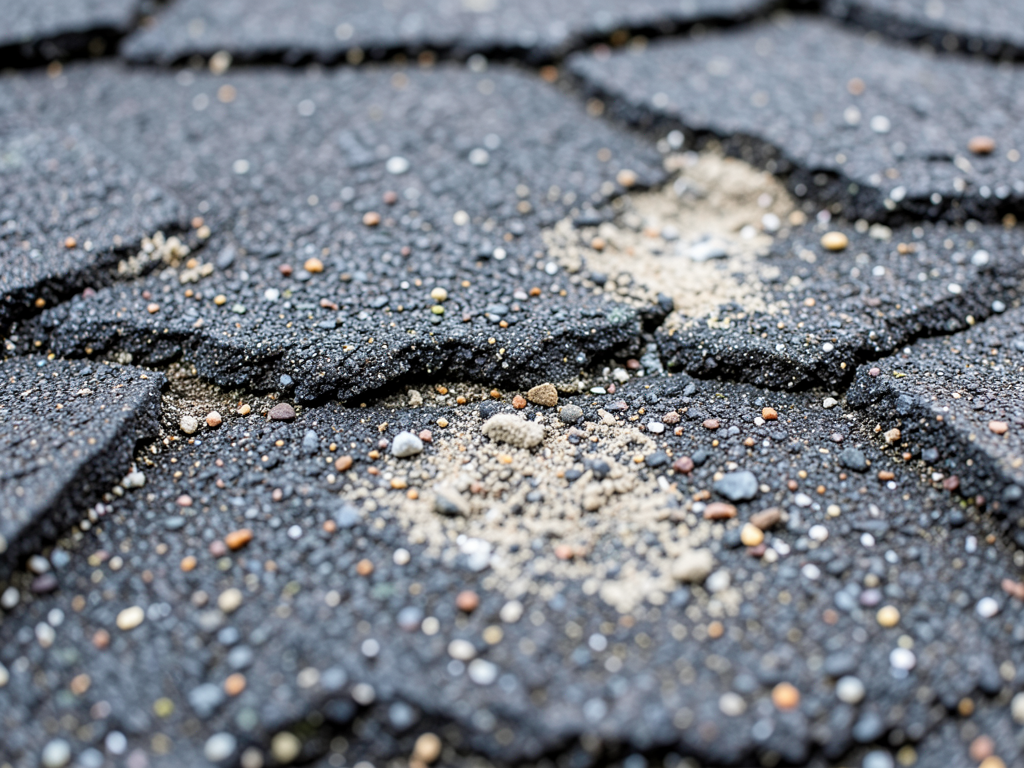
The freeze-thaw cycle compounds the problem. Water penetrates small gaps in the flashing during spring rains, then freezes overnight when temperatures drop. Ice expands those gaps. The next storm pushes more water through. This cycle repeats until you see visible leaking skylight flashing failure inside your home.

Most skylight leaks start at the flashing, not the glass. The metal barrier between your roof deck and the skylight frame must channel water away from the opening. When installers skip steps or use incorrect materials for Denver's temperature swings, the flashing fails within months.

Older homes in neighborhoods like Park Hill and Washington Park often have original skylights installed before modern flashing standards. These units leak because the installation method was inadequate from day one. The problem grows worse each year.

Roof pitch matters too. Denver homes with low-slope roofs trap water around skylights longer than steep pitches. Standing water finds every microscopic crack in the seal. You cannot see the problem from inside until water saturates the drywall and drips onto your floor.

The damage goes beyond cosmetic issues. Persistent moisture rots roof decking, grows mold in insulation, and stains ceilings. Fixing a roof window leaking problem early prevents expensive structural repairs later.

Why Skylights Leak During Denver Rainstorms
How We Diagnose and Fix Skylight Leaks Permanently

How We Diagnose and Fix Skylight Leaks Permanently

We do not guess. We trace the water path from the entry point on your roof to the drip point on your ceiling. This process reveals whether you need flashing repair, curb replacement, or full skylight removal and reinstallation.

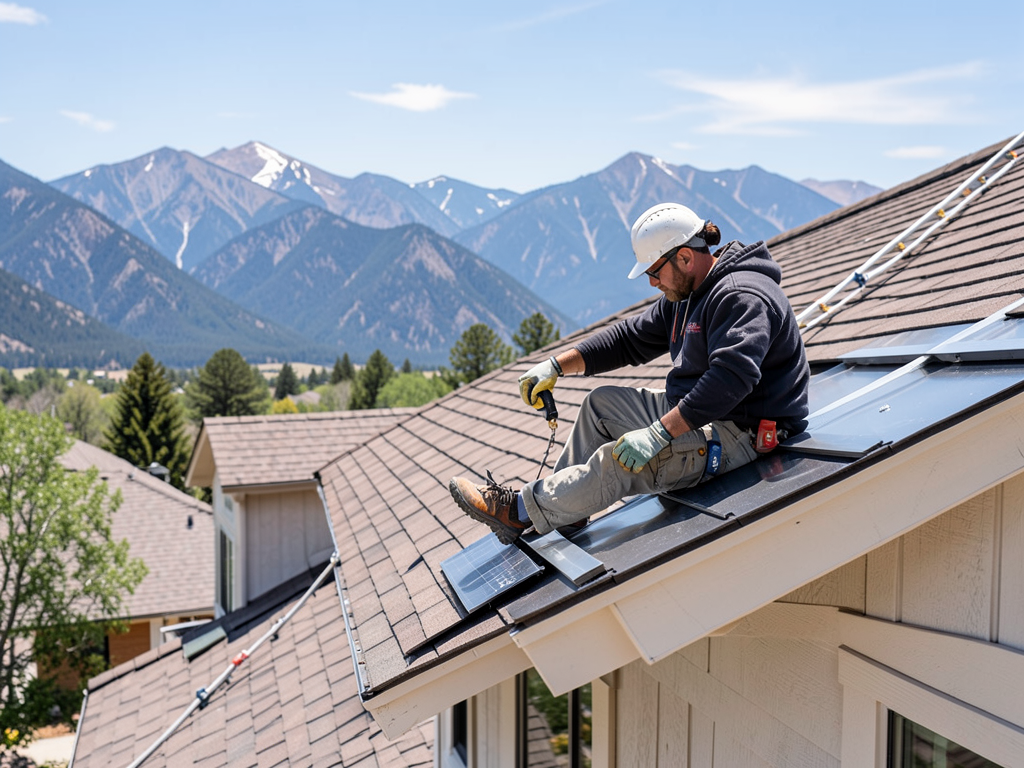
Our technicians inspect the head flashing first. This top piece sits above the skylight and sheds water down the roof slope. If it lacks a proper kickout or sits too flat, water backs up under the shingles during heavy rain. We check for missing sealant at the corners where head flashing meets side rails.

Side flashing runs along both edges of the skylight. Each piece must overlap the one below it and tuck under the shingle course above. We look for gaps, rust, or bent metal that breaks the water barrier. Step flashing failure is common in older installations where roofers used continuous metal strips instead of individual stepped pieces.

The sill flashing at the bottom catches water flowing down the skylight glass. This piece must extend over the shingles below and create a drip edge. We verify it slopes away from the skylight, not toward it. Flat or reverse-sloped sill flashing causes immediate leaks.

We examine the curb mounting. The skylight frame sits on a wooden curb built above your roof deck. If the curb lumber is rotted or the mounting brackets are loose, the entire unit shifts during wind events. Movement breaks sealant bonds and opens gaps for water entry.

Interior inspection matters. We check your attic space for water stains on rafters and decking. The stain pattern shows us where water travels after it enters. This evidence confirms our exterior diagnosis and reveals hidden damage that needs repair before we seal the skylight.

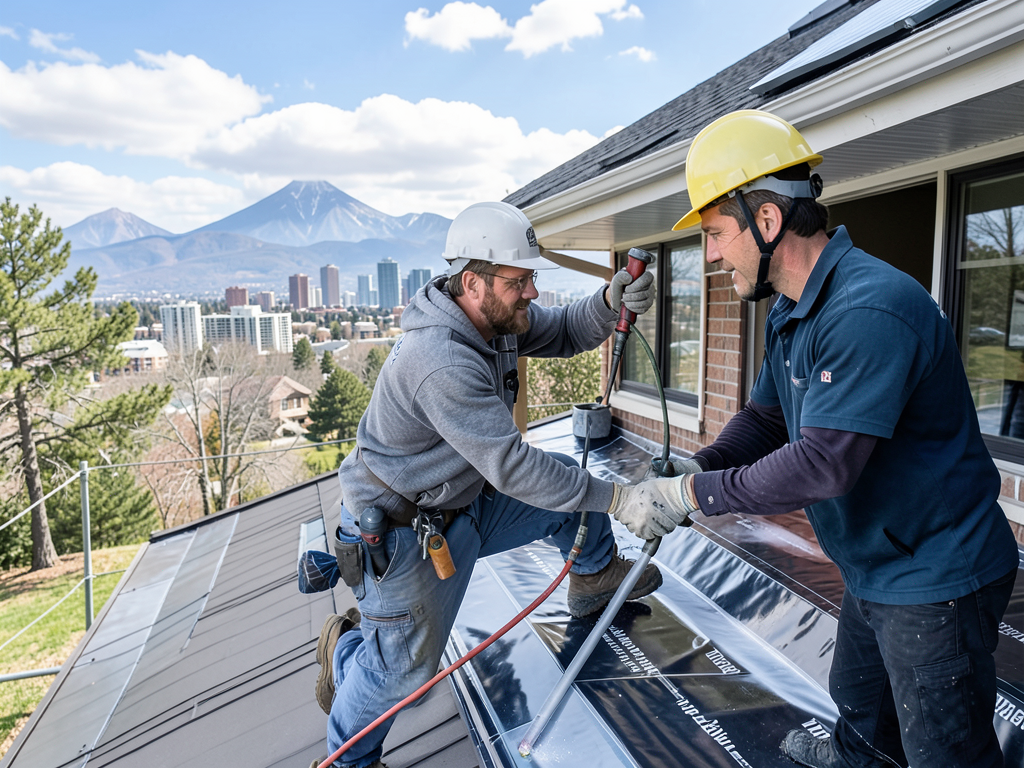
We use proven repair methods, not temporary patches. Metal flashing gets replaced with ice and water shield underlayment at critical junctions. New counterflashing integrates with your existing shingle pattern. Every seal point gets polyurethane or butyl sealant rated for Denver's temperature extremes.

What Happens When You Call About a Leaking Skylight

Skylight Leaking When Raining in Denver – Expert Diagnosis and Permanent Repair
01

Emergency Response Evaluation

You call and describe the leak location and severity. We ask about recent weather events and visible water damage. If you have active dripping, we schedule an immediate visit to prevent further interior damage. We talk you through temporary containment steps while our crew mobilizes. For non-emergency leaks, we book an inspection within 48 hours and explain what to monitor before we arrive.
02

Comprehensive Roof Inspection

Our technician climbs onto your roof and examines every flashing component, sealant bead, and mounting point around the skylight. We remove shingles if needed to inspect hidden underlayment and curb condition. Interior attic access allows us to map water intrusion paths and check for mold or rot. You receive photos documenting each problem area and a written scope of required repairs before we start work.
03

Weatherproof Repair Completion

We replace damaged flashing, rebuild rotted curb sections, and apply new weatherproof membranes at all vulnerable transitions. Shingles get reinstalled to match your existing roof pattern. Final sealant application happens during dry weather to ensure proper adhesion. We test the repair with a hose simulation when possible, then provide documentation of all work completed. You get a clear explanation of what we fixed and why it will not leak again.

Why Denver Property Owners Choose Apex Roofing for Skylight Repairs

We understand Denver roofing. That matters when you need a skylight leak fixed correctly. Roofers from other regions do not account for our altitude, UV intensity, or temperature swings. They use flashing techniques that work in humid climates but fail here within months.

Our crews know Denver building codes and inspection requirements. We pull permits when necessary for structural repairs. Inspectors recognize our work because we follow the International Residential Code standards that Denver adopted. This protects you from liability if you sell your home.

We work on every roof type common to the metro area. The vintage bungalows in Sunnyside have different skylight mounting details than the modern builds in Stapleton. Historic homes in Capitol Hill require careful flashing integration with original slate or tile roofs. We adapt our repair methods to match your home's construction.

Material selection matters at 5,280 feet elevation. We stock flashing materials rated for extreme temperature cycling. The sealants we use remain flexible at minus 20 degrees and do not break down under intense summer sun. Big-box store products fail in Denver conditions. Professional-grade materials cost more but last decades longer.

You get straight answers about repair versus replacement. If your skylight unit is failing due to age or design flaws, we explain why throwing money at flashing repairs wastes your budget. When the skylight itself is sound and only the flashing needs work, we tell you that too. No upselling.

We coordinate with your insurance company when storm damage causes the leak. Our documentation includes photos, moisture meter readings, and detailed repair estimates that adjusters understand. We know what Denver insurers cover and how to present claims that get approved.

Response time matters during active leaks. We prioritize emergency calls and arrive with tarps and temporary sealing materials to stop ongoing water intrusion. Our truck stock includes common flashing components so we can often complete repairs the same day for straightforward cases.

What to Expect During Your Skylight Leak Repair

Response Time and Scheduling

Emergency leaks with active water intrusion get same-day response during business hours. We arrive within four hours for urgent calls when crews are available. Non-emergency inspections happen within two business days. Repair work scheduling depends on weather conditions and material availability. Simple flashing repairs take four to six hours once we start. Complex jobs requiring curb rebuilds or structural repair may need two days. We never leave your roof open overnight. Temporary weather protection goes up if we cannot complete the repair in one day.

Inspection and Diagnosis Process

The inspection takes 45 minutes to an hour. We examine exterior flashing, check attic spaces for hidden damage, and test moisture levels in surrounding materials with calibrated meters. You receive photos showing each problem area with explanations of what failed and why. We provide a written estimate breaking down labor and materials for each repair item. You decide what gets fixed and when. If we find structural damage or code violations, we explain your options clearly. No pressure, no upselling. You get the information you need to make an informed decision about your roof.

Repair Quality and Methods

We replace flashing components with materials designed for Denver conditions. Ice and water shield membrane goes under all new flashing. Counterflashing integrates properly with your shingle courses using step flashing techniques, not continuous strips. All fasteners get sealed. Sealant application happens during dry weather above 40 degrees so it cures correctly. We match your existing shingle color and style when replacing damaged courses around the skylight. The repair blends invisibly with your roof. Every seal point gets inspected before we leave. You will not see sloppy bead work or exposed fasteners. The job looks professional because it is professional.

Documentation and Follow-Up

You receive detailed documentation of all work completed, including photos of the repair process. Material invoices show exactly what we installed. This documentation helps with insurance claims and adds value if you sell your home. We explain proper skylight maintenance to prevent future problems. You learn what to look for during seasonal roof inspections and when to call for preventive service. If you experience any issues after repair, we come back to assess the situation. Our goal is a permanent fix, not a temporary patch. We stand behind our work and use it as a reference for future customers in your neighborhood.

Frequently Asked Questions

You Have Questions,
We Have Answers

Why is my skylight leaking when it rains? +

Your skylight leaks when it rains because the flashing seal has failed or the installation was done incorrectly. Denver's intense UV exposure and freeze-thaw cycles crack sealant over time. Water pools around the curb mount and finds gaps in the flashing or shingle integration. Sometimes the skylight itself has a cracked pane or failed gasket. Heavy spring rains expose these weak points fast. Wind-driven rain is especially problematic on pitched roofs common in Denver neighborhoods. The good news is most leaks are fixable without replacing the entire skylight.

How to stop skylights from leaking? +

Stop skylight leaks by inspecting the flashing first. Remove debris from around the curb and check for cracked sealant or separated metal flashing. Reapply high-quality roofing sealant to all seams where the skylight meets the roof. Check the skylight dome for cracks and replace the gasket if it feels brittle. If the flashing is rusted or improperly installed, you need a professional to remove shingles and reinstall it correctly. Denver's hail damage can also crack the pane itself, requiring full replacement. Do not ignore small leaks because water infiltration damages ceiling joists and insulation quickly.

Can skylights be resealed? +

Yes, skylights can be resealed if the underlying structure is sound. A professional removes old, cracked sealant and applies fresh elastomeric caulk or roofing cement to all seams. This works when the flashing is intact but the sealant has failed from UV degradation or temperature swings. Denver's high altitude means stronger UV rays that break down caulk faster than lower elevations. Resealing is a temporary fix if the flashing itself is corroded or the installation was wrong from the start. Expect resealing to last three to five years before another application is needed.

How do I stop my roof leaking in heavy rain? +

Stop roof leaks in heavy rain by identifying the source first. Check for missing shingles, damaged flashing around chimneys and vents, or clogged gutters causing water backup. Place a tarp over the damaged area immediately to prevent interior damage. Denver's sudden thunderstorms dump water fast, so temporary fixes buy you time. From inside, place buckets under active drips and move valuables. Call a roofer as soon as weather clears because water infiltration spreads through sheathing and insulation. Do not climb on a wet roof yourself. Professionals have safety equipment and can diagnose multiple failure points.

How much does it cost to fix a leaky skylight? +

Fixing a leaky skylight costs between a few hundred dollars for simple resealing to several thousand for full replacement. Resealing runs lower when the flashing is intact. Replacing damaged flashing costs more because shingles must be removed and reinstalled. If the skylight pane is cracked from hail, common in Denver, expect higher costs for a new unit. Labor is the biggest factor since skylight work requires removing roofing materials and ensuring watertight integration. Get multiple quotes and ask if they include matching your existing shingle color and type. Costs vary by skylight size and roof pitch.

Are roof leaks from rain covered by insurance? +

Rain leaks are covered by homeowners insurance only if sudden and accidental damage caused them. If hail cracked your skylight or wind tore off flashing, you likely have coverage. Gradual deterioration from age and poor maintenance is not covered. Insurance adjusters look for evidence of neglect like rotted wood or years of water staining. Document damage with photos immediately after storms. Denver homeowners should review their policy for wind and hail coverage limits since both are common here. File claims quickly because insurers have strict reporting windows. Expect them to send an inspector before approving repairs.

What is the most common cause of skylight leaks? +

The most common cause of skylight leaks is failed flashing where the skylight curb meets the roofing material. Flashing is the metal or rubberized barrier that channels water away from the opening. Improper installation during the original roof job means water runs under shingles instead of over flashing. Denver's temperature swings expand and contract metal flashing, opening gaps over time. Sealant cracks from UV exposure and freeze-thaw cycles. Debris buildup around the curb traps moisture against seals. Addressing flashing failure early prevents rot in the roof deck and ceiling joists below.

What is the best sealant for a leaking skylight? +

The best sealant for a leaking skylight is polyurethane or elastomeric roofing caulk designed for exterior use and UV resistance. These products remain flexible through temperature changes and adhere to metal flashing, glass, and roofing materials. Avoid cheap silicone caulk because it degrades quickly under Denver's intense sun and altitude. Some professionals use peel-and-stick flashing tape for skylight curbs because it conforms to irregular surfaces. Whatever product you choose, clean the surface completely before application and apply during dry weather above 50 degrees. Quality sealant lasts three to five years before reapplication is needed.

Do all skylights eventually leak? +

No, not all skylights eventually leak if installed correctly and maintained. Quality skylights with proper flashing integration can last decades without leaks. The key is regular inspection and resealing before small issues become failures. Denver's climate is hard on skylights because UV rays degrade sealant and freeze-thaw cycles stress materials. Cheap skylights or poor installation guarantees problems within years. Curb-mounted skylights generally outlast flush-mounted models because they shed water better. Clear debris seasonally and inspect flashing after hail storms. Proactive maintenance prevents most leaks. If your skylight is over 20 years old, consider replacement before failure happens.

What is the average lifespan of a skylight? +

The average skylight lifespan is 15 to 25 years, depending on quality and maintenance. Acrylic domes yellow and crack faster than tempered glass, especially under Denver's high UV exposure. Metal flashing lasts longer than rubber gaskets, which dry out and split. Proper installation with integrated flashing extends life significantly. Cheaper skylights fail around the 10-year mark, while premium brands with impact-resistant glass last 30 years or more. Denver's hail is a wildcard that can shorten lifespan unpredictably. Inspect your skylight annually for cracks, discoloration, and seal degradation. Plan for replacement when you reroof to ensure proper integration.

How Denver's Intense Afternoon Thunderstorms Test Skylight Installations

Denver receives most annual precipitation from May through August in the form of intense afternoon thunderstorms. These cells dump heavy rain in short bursts, often exceeding one inch per hour. Wind-driven rain hits your roof at horizontal angles, not straight down. This forces water under shingles and through flashing gaps that would never leak during gentle rain. Skylights installed using coastal or Midwest techniques fail immediately when Denver storms hit. The flashing must account for wind-driven rain penetration, not just gravity-fed water flow. Many leaking skylight flashing problems trace back to installers who do not understand our weather patterns.

Apex Roofing Denver works exclusively in the Front Range metro area. We know Denver building codes, understand local inspector requirements, and maintain relationships with permit offices in every municipality from Lakewood to Aurora. Our material suppliers stock products proven to perform at altitude. When you hire a local roofing company for skylight repairs, you get crews who have sealed hundreds of Denver skylights and know which techniques last. We see the same roof styles, deal with the same weather patterns, and fix the same installation mistakes repeatedly. That experience means we diagnose your leak faster and fix it right the first time.
Roofing Services in The Denver Area

Looking for trusted roofing services near you? Apex Roofing Denver proudly serves homeowners and businesses across the greater Denver area with expert roof repairs, replacements, inspections, and storm damage restoration. From Aurora to Lakewood and Thornton to Centennial, our experienced roofing team is ready to deliver fast, dependable solutions. Use the map below to explore our service areas and find top-rated roofing help near your neighborhood.

Address:
Apex Roofing Denver, 2301 Blake St, Denver, CO, 80205

Additional Services We Offer

Our news updates

Latest Articles & News from The Blogs

Lorem ipsum dolor sit amet. Aut expedita quaerat quo eligendi numquam et laudantium perspiciatis qui minima expedita rem consequatur ducimus.…

Test Blog 4

Lorem ipsum dolor sit amet. Aut expedita quaerat quo eligendi numquam et laudantium perspiciatis qui minima expedita rem consequatur ducimus.…

Test Blog 3

Lorem ipsum dolor sit amet. Aut expedita quaerat quo eligendi numquam et laudantium perspiciatis qui minima expedita rem consequatur ducimus.…

Test Blog 2

Lorem ipsum dolor sit amet. Aut expedita quaerat quo eligendi numquam et laudantium perspiciatis qui minima expedita rem consequatur ducimus.…

Contact Us

Call Apex Roofing Denver at (720) 484-8300 right now. We will schedule an inspection, diagnose the problem accurately, and provide a clear repair plan. Do not wait until water ruins your ceilings and walls.