




Menu

Granules in Gutter Denver – Expert Roof Diagnosis Before Small Problems Become Costly Failures

When you spot shingle grit in gutters or loose granules in downspouts, you need precise diagnostic expertise to determine if it's normal aging or critical structural failure threatening your Denver home.

Slider Image 1
Slider Image 2
Slider Image 3
Slider Image 4
Slider Image 5
Slider Image 7
Slider Image 8
Slider Image 9
Slider Image 10
Slider Image 11

Why Denver Homeowners Are Finding More Asphalt Shingle Particles in Their Gutters

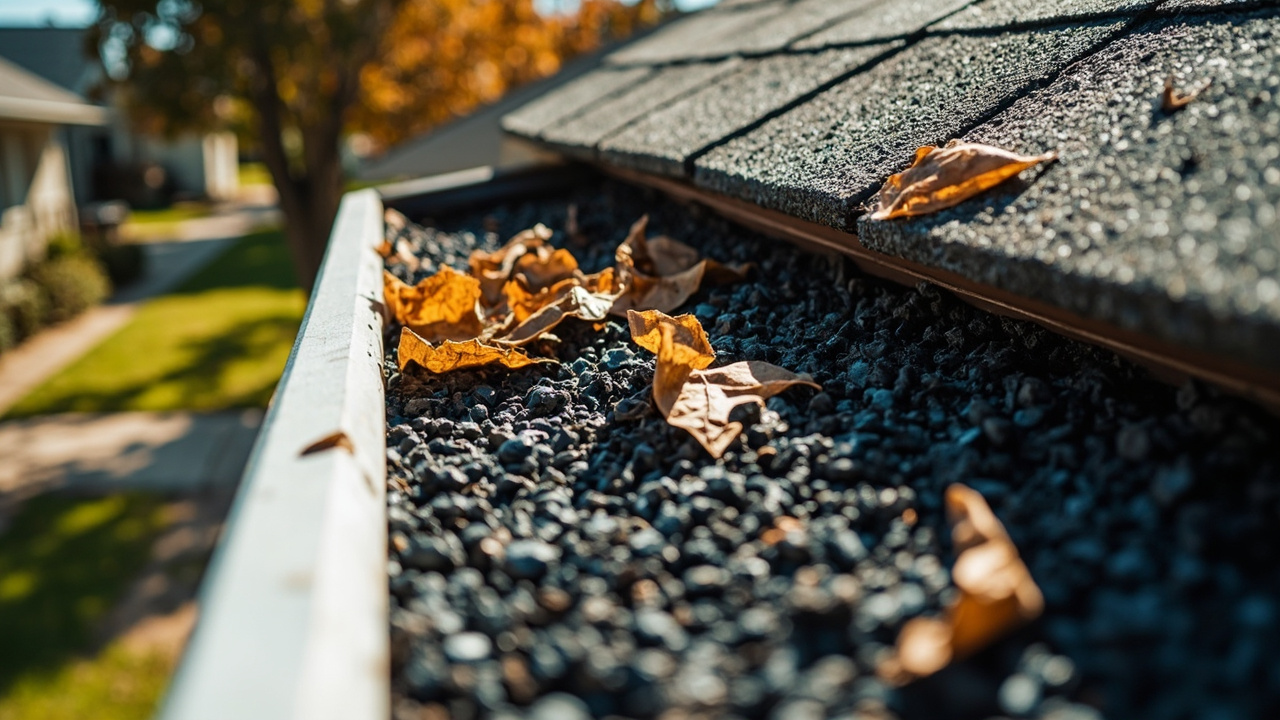
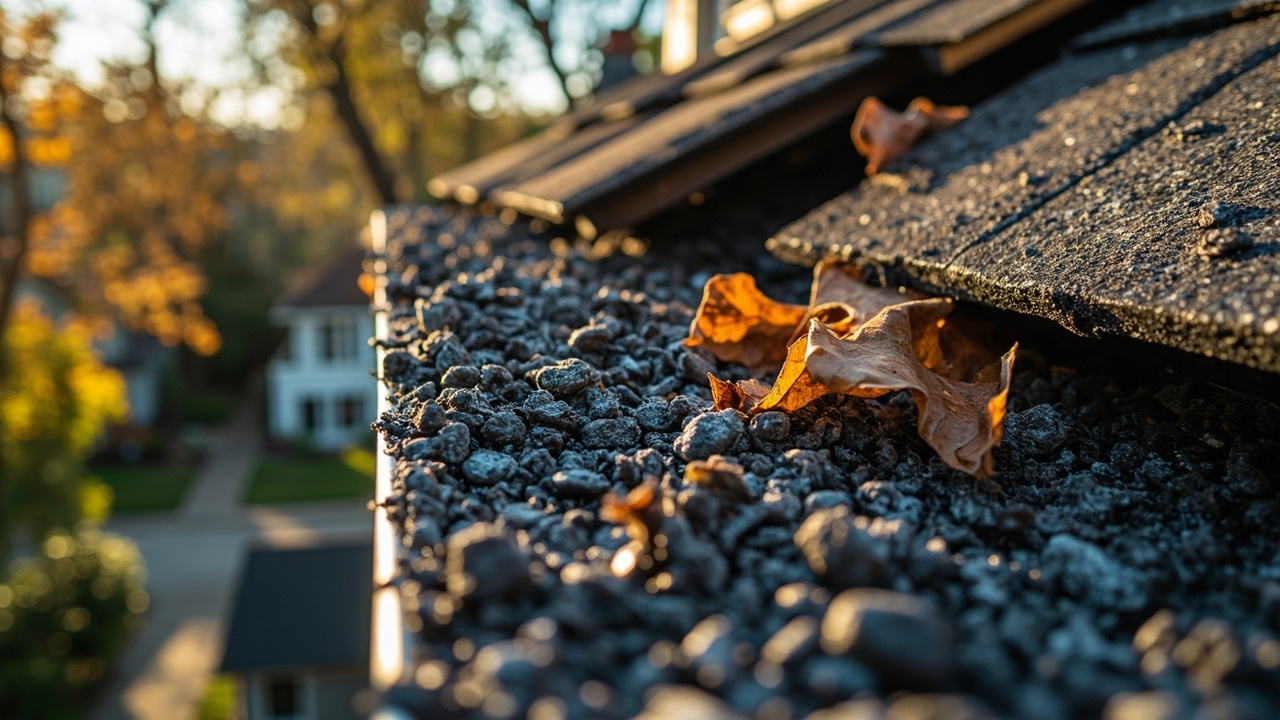
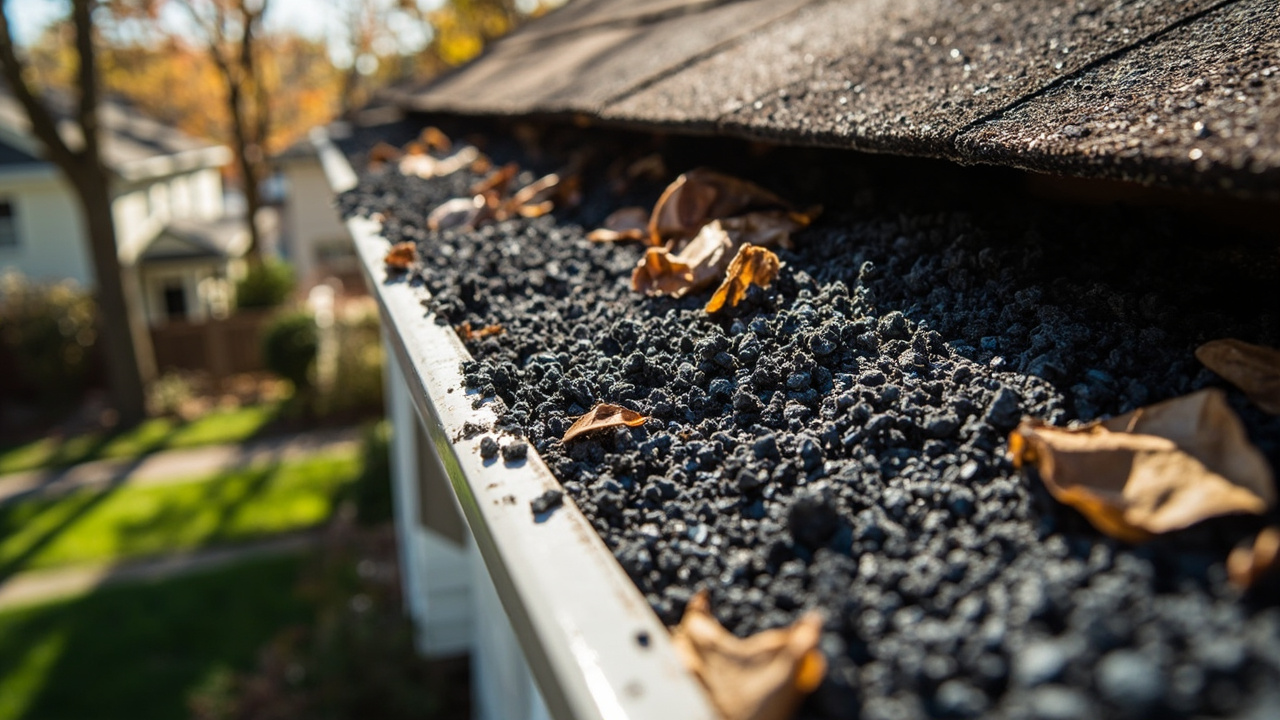
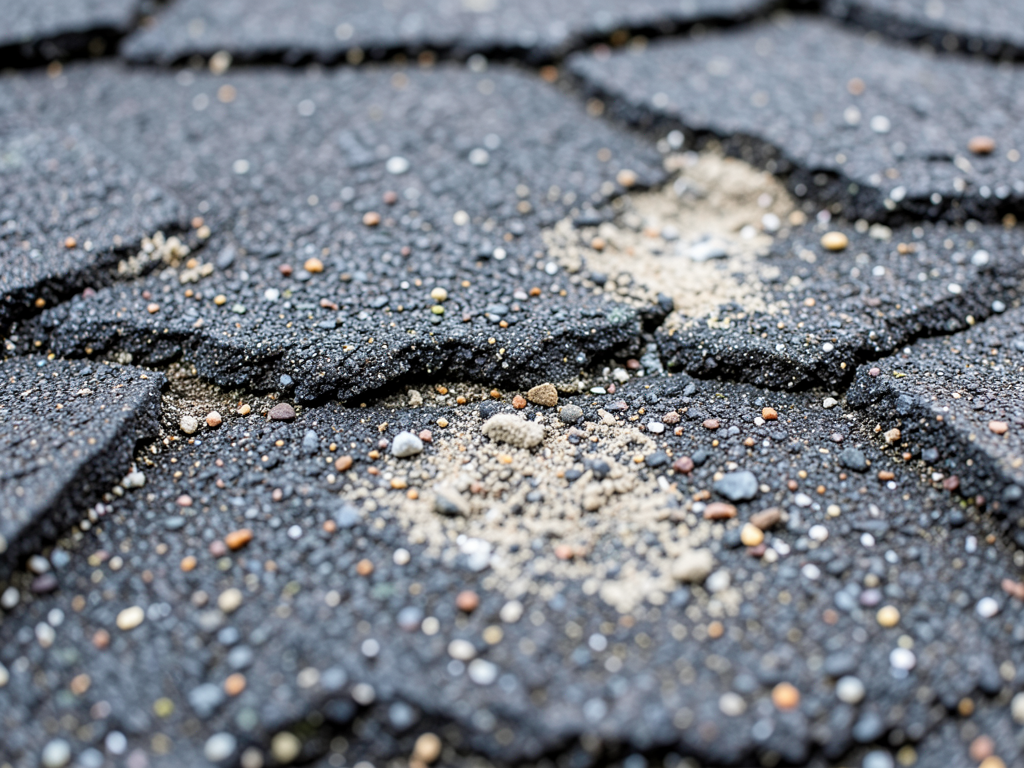
You clean your gutters and notice a gritty, sand-like residue at the bottom. That is asphalt shingle particles, and seeing them accumulate raises an immediate question: is your roof failing?

Denver's climate accelerates granule loss. The intense UV radiation at 5,280 feet degrades asphalt shingles faster than at lower elevations. Our temperature swings, from sub-zero winter nights to 60-degree afternoons, create expansion and contraction cycles that weaken the adhesive bond holding granules to the shingle mat. Add in hail events and the occasional high-wind storm rolling off the Front Range, and you have the perfect environment for premature granule shedding.

Here's what matters: some granule loss is normal. New roofs shed loose manufacturing granules during the first few rain events. Roofs older than 15 years naturally lose granules as the asphalt ages and the bond deteriorates. But excessive shingle sediment in your downspouts signals a problem. When you see bald spots on shingles, exposed asphalt, or concentrated piles of roof sand in gutters after a storm, your roof is losing its primary defense against water infiltration.

The granules are not decorative. They protect the asphalt layer from UV degradation and reflect heat. When they disappear, the asphalt becomes brittle, cracks form, and leaks follow. In neighborhoods like Park Hill or Washington Park, where mature trees drop debris and shade creates moisture retention, granule loss combined with organic growth accelerates roof decay.

The question is not whether you have shingle grit in gutters. The question is how much, where it is coming from, and whether your roof needs intervention now or in two years.

Why Denver Homeowners Are Finding More Asphalt Shingle Particles in Their Gutters
How We Diagnose Granule Loss and Determine Your Roof's True Condition

How We Diagnose Granule Loss and Determine Your Roof's True Condition

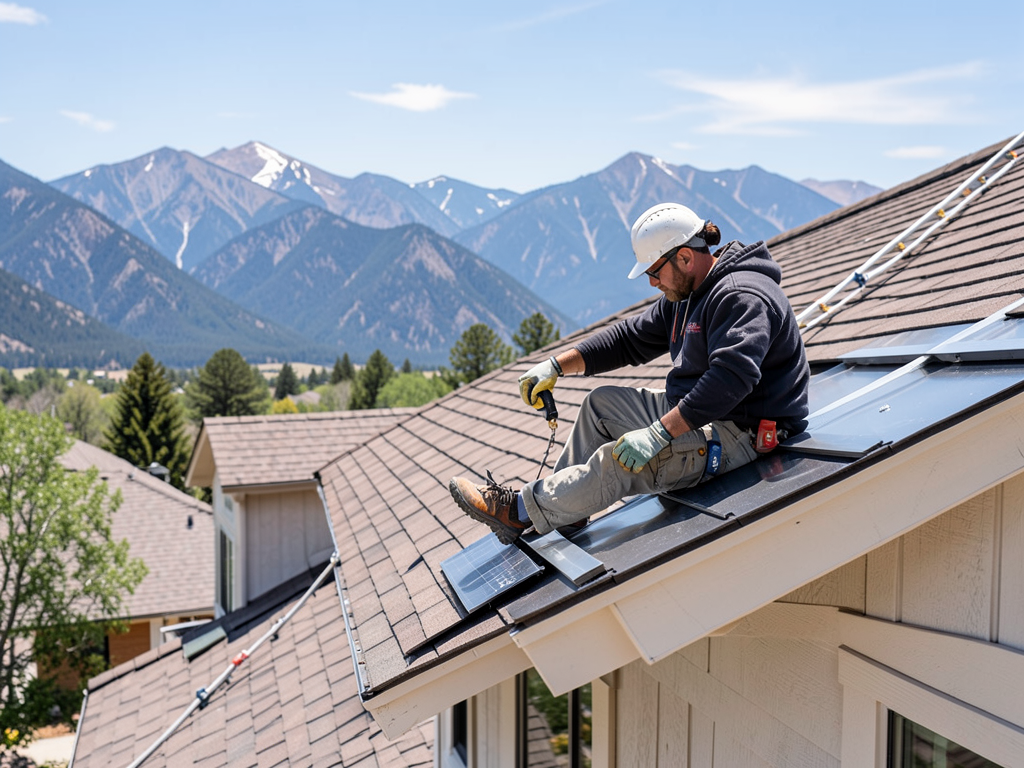
Most contractors look at your roof from the ground and guess. We do not operate that way. When you call about loose granules in downspouts, we perform a systematic roof inspection to differentiate between normal wear and structural compromise.

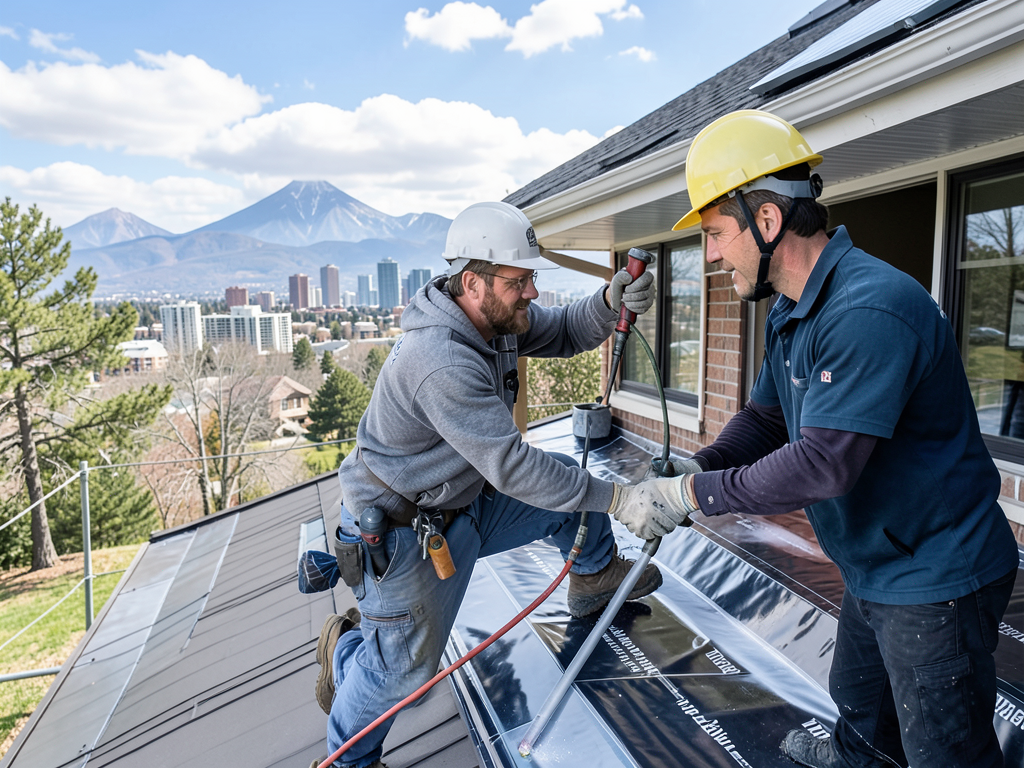
We start with a visual assessment from the roof surface, not the ladder. We walk every plane, checking for granule density, bald spots, and exposure of the fiberglass mat underneath. We photograph problem areas with close-up documentation so you see exactly what we see. We inspect the ridge caps first because they shed granules faster due to increased UV exposure and wind uplift. If ridge caps are bare but field shingles look intact, we know age and exposure are the culprits.

Next, we examine your gutters and downspouts. We quantify the volume of shingle sediment. A light dusting is expected. A half-inch layer across 40 feet of gutter indicates accelerated deterioration. We also check where the granules are accumulating. If one section of gutter has heavy deposits while others are clean, we trace it back to a specific roof zone, which often reveals localized damage from a tree branch, hail strike, or improper ventilation causing heat concentration.

We inspect the attic for moisture intrusion. Granule loss alone does not mean your roof is leaking, but if we find water stains, mold, or compromised decking, the timeline for replacement accelerates. We also evaluate flashing around chimneys, skylights, and vents because these penetrations fail independent of shingle condition.

Apex Roofing Denver uses thermal imaging on questionable sections. Wet insulation and decking show cooler than dry areas, revealing hidden leaks that standard inspections miss. We provide you with a written report, photos, and a replacement timeline based on current condition and projected degradation rate.

What Happens During Your Roof Granule Assessment

Granules in Gutter Denver – Expert Roof Diagnosis Before Small Problems Become Costly Failures
01

Initial Inspection and Documentation

We begin with a detailed roof surface inspection, walking every section to measure granule density and identify bald spots. We photograph problem areas and examine your gutters to quantify the volume of shingle grit. This baseline documentation shows you exactly where granule loss is occurring and whether it matches normal aging patterns or indicates accelerated failure specific to Denver's high-altitude UV exposure and temperature cycling.
02

Structural Integrity Evaluation

We inspect the underlayment visibility through worn shingles and check for fiberglass mat exposure. We evaluate attic spaces for moisture intrusion, compromised decking, and ventilation issues that accelerate granule degradation. Using thermal imaging on suspect zones, we detect hidden leaks and moisture accumulation invisible to standard inspections. This phase determines whether you need immediate repair, monitoring, or full replacement based on structural compromise beyond surface wear.
03

Report and Recommendation Delivery

You receive a written assessment with photo documentation, granule loss severity rating, and a projected timeline for roof replacement or repair. We explain which sections are critical and which are manageable. If your roof has two to three years of serviceable life remaining, we tell you. If replacement is urgent due to exposed decking or widespread mat exposure, we provide options. No pressure, just data you can use to make an informed decision.

Why Denver Property Owners Trust Local Expertise for Roof Diagnostics

National chains send inspectors who have never worked a roof above 5,000 feet. They do not understand how Denver's elevation amplifies UV degradation or how our freeze-thaw cycles differ from Kansas City or Omaha. They see granules in your gutters and immediately push for a full replacement because they are trained to sell, not diagnose.

Apex Roofing Denver has spent years working on roofs across Capitol Hill, Highlands, and Stapleton. We know that homes built in the 1990s with three-tab shingles are reaching end of life right now. We know that roofs installed in the mid-2000s construction boom often used substandard starter strips that allow edge granule loss even when field shingles look fine. We recognize hail damage patterns specific to storms that hit the metro area in 2017 and 2019, and we can tell you if your granule loss matches those events or something else.

We also understand Denver's building codes and permitting requirements. If your roof needs replacement, we pull permits through the city and ensure compliance with current wind rating and fire resistance standards. We work with local suppliers who stock materials rated for our climate, not generic products shipped from a warehouse in Texas.

When you call us about shingle sediment in your downspouts, we do not arrive with a contract in hand. We arrive with a ladder, a camera, and a genuine interest in telling you the truth about your roof's condition. If you need a repair, we recommend a repair. If you need replacement, we explain why and give you a realistic timeline. We have built our reputation in Denver by being accurate, not aggressive.

You get straightforward answers from people who live and work in the same weather conditions you do. That matters when your roof is the only barrier between your family and a Colorado hailstorm.

What to Expect When You Contact Us About Granule Loss

Inspection Scheduling and Turnaround Time

We schedule inspections within 48 hours of your call. Most assessments take 60 to 90 minutes depending on roof size and complexity. We do not rush. We walk every plane, document findings, and inspect your attic if you grant access. You receive a preliminary verbal assessment on-site and a detailed written report within 24 hours. If weather delays the inspection, we communicate immediately and reschedule at your convenience. We work around your schedule, not ours.

Comprehensive Roof and Gutter Evaluation Process

Our inspection covers granule density measurement, shingle mat exposure, flashing integrity, and gutter sediment volume. We photograph problem areas and use thermal imaging when moisture intrusion is suspected. We check attic ventilation because poor airflow causes heat buildup that accelerates granule bond failure. We inspect for hail dimpling, wind damage, and biological growth. You receive annotated photos showing exactly where issues exist, not vague statements about "general wear." This level of documentation is critical for insurance claims if damage is storm-related.

Clear Reporting and Honest Recommendations

Your report includes photos, severity ratings, and a projected replacement timeline. We categorize findings as immediate, near-term, or long-term concerns. If your roof has serviceable life remaining, we tell you and recommend a follow-up inspection in one to two years. If replacement is necessary, we provide a detailed estimate with material options and explain the cost factors. We do not upsell. If a section can be repaired instead of replaced, we give you that option. Transparency builds trust, and trust keeps clients calling us back.

Follow-Up Support and Maintenance Guidance

After your inspection, we provide maintenance recommendations to extend your roof's life. This includes gutter cleaning frequency, tree trimming suggestions to reduce debris and shade, and ventilation improvements if heat buildup is accelerating aging. If you proceed with a repair or replacement, we offer post-installation inspections to verify proper installation and address any concerns. We also provide documentation for your records and insurance files. If you choose to wait on replacement, we offer annual check-ins to monitor degradation and catch problems before they become leaks.

Frequently Asked Questions

You Have Questions,
We Have Answers

Is it normal to have shingle granules in the gutter? +

Yes, some granule shedding is normal, especially on new roofs. Fresh shingles shed loose granules during the first few months after installation. You may notice black or gray grit collecting in gutters. This initial loss is not a concern. Older roofs also shed granules as they age, which is expected wear. However, heavy or sudden granule accumulation signals accelerated breakdown. Denver's intense UV exposure and freeze-thaw cycles speed up this process. If you see bald spots on shingles or thick granule piles after storms, your roof needs inspection. Minor shedding is fine, but excessive loss means the protective layer is failing.

How much granule loss is too much? +

You cross the line when you see bald patches on shingles or exposed black asphalt substrate. A few handfuls of granules per year is normal aging. But if you scoop cups of granules from gutters after each rainstorm, that's excessive. Look at your shingles directly. Healthy shingles have even, consistent granule coverage. When bare spots appear larger than a quarter or multiple shingles show wear, you have a problem. Denver's hail storms accelerate granule loss. If shingles look shiny or smooth instead of textured, the protective layer is gone. At that point, UV damage and water infiltration speed up roof failure.

Are gutter hedgehogs a good idea? +

Gutter hedgehogs can help prevent clogs in Denver's cottonwood season, but they do not address the root problem of granule accumulation. These bristle inserts catch leaves and debris while allowing water flow. However, granules are finer than leaves and slip through the bristles, settling at the bottom of gutters. Hedgehogs work best for leaf control, not sediment buildup. They also trap moisture against gutter bottoms, which can cause rust or corrosion in metal gutters. If you have significant granule loss, focus on fixing the roof issue first. Gutter guards or hedgehogs are band-aids, not solutions for failing shingles.

Why is there gravel in my gutters? +

That gravel is roofing granules washing off your shingles. Asphalt shingles use ceramic-coated mineral granules to protect the underlying asphalt from UV rays and weather damage. Over time, the adhesive bond weakens and granules detach. Rain carries them into gutters where they collect. Denver's temperature swings cause shingles to expand and contract, loosening granules faster. You may also see gravel after hail impacts or high winds. New roofs shed some granules initially, but older roofs lose granules due to deterioration. Check your shingles for bald spots. Heavy accumulation means your roof's protective layer is breaking down and needs professional evaluation.

Is granular loss covered by insurance? +

Granule loss itself is not typically covered because insurers view it as normal wear and aging. Homeowners insurance covers sudden, accidental damage like hail or wind events. If a storm causes impact damage that leads to granule loss, that may be covered. Denver's hail-prone climate makes documentation critical. Take photos immediately after storms showing granule piles and shingle damage. Insurers often deny claims for gradual deterioration or age-related wear. If your roof is near the end of its expected lifespan, coverage becomes harder to obtain. File claims promptly after weather events and get independent roof inspections to document storm-related damage versus normal aging.

How to tell if a roofer is lying? +

Watch for pressure tactics, like claims your roof will collapse soon without immediate replacement. Honest roofers provide written assessments with photos showing specific damage locations. Red flags include demands for full payment upfront, lack of local references, or refusal to pull permits. In Denver, experienced roofers know insurance processes and hail damage patterns. Ask to see the damaged areas yourself. A legitimate contractor walks you through problems on the roof or shows drone footage. Be wary of door-knockers after storms offering free inspections tied to insurance claims. Verify licenses, check online reviews, and get multiple opinions before signing contracts or authorizing insurance claims.

Does granular loss mean I need a new roof? +

Not always, but it depends on severity and extent. Minor granule loss on an aging roof means you have a few years left. Severe loss with widespread bald spots or exposed asphalt means replacement is necessary soon. Denver's climate shortens roof lifespans compared to milder regions. Evaluate the entire roof, not just granule loss. Check for curling, cracking, missing shingles, or leaks. If your roof is over 18 years old with heavy granule loss, replacement makes financial sense. Patching fails when the overall system is degraded. A professional inspection determines if you need full replacement or targeted repairs. Document everything for future insurance claims.

What does granular loss look like? +

Granule loss appears as dark, gritty sediment in gutters and downspouts. You may see piles of black, gray, or colored sand-like material collecting where water drains. On the roof itself, look for shiny or smooth patches on shingles where the textured surface is gone. Healthy shingles have a rough, granular appearance. Damaged shingles look slick and show black asphalt underneath. After Denver rainstorms, check downspout discharge. If water runs dark or you see sludge, granules are washing off. Bald spots often appear first on south and west-facing slopes due to intense UV exposure. Severe loss looks like someone scraped sandpaper across the shingles.

How old may a roof be before insurance claims it's too old? +

Most insurance carriers in Colorado consider roofs 20 years or older as high risk. Some insurers deny coverage or require inspections for roofs over 15 years old. Denver's hail exposure makes insurers stricter about roof age. Policies may offer actual cash value instead of replacement cost for older roofs, meaning depreciation reduces your payout. If your roof is 18 to 20 years old, expect scrutiny during claims. Insurers may require professional certification that the roof has remaining useful life. Some carriers drop policies altogether if you do not replace an aging roof. Check your policy terms annually and document roof condition to avoid coverage gaps.

Why is the LeafFilter being sued? +

LeafFilter faces lawsuits alleging deceptive sales practices, high-pressure tactics, and product performance failures. Complaints include claims that the system clogs despite marketing promises, improper installation causing gutter damage, and contracts with hidden costs or aggressive collection practices. Some customers report the micro-mesh traps debris on top instead of shedding it, requiring frequent cleaning. Legal actions also cite difficulties canceling contracts or obtaining refunds. These issues are not unique to Denver, but affect customers nationwide. Before investing in any gutter protection system, research independent reviews, verify local installation quality, and read contracts carefully. Many homeowners find simpler solutions work better for Colorado's cottonwood and pine needle challenges.

How Denver's High Altitude Accelerates Shingle Granule Degradation

Denver sits at 5,280 feet, where UV radiation is 25 percent more intense than at sea level. This accelerates the breakdown of asphalt shingles and weakens the adhesive bond holding granules to the mat. Combine that with our 40 to 60-degree daily temperature swings and you get constant expansion and contraction that loosens granules faster than in more stable climates. Homes in sunny, south-facing exposures near Wash Park or Bonnie Brae experience even faster degradation because they absorb more direct sunlight year-round. What takes 25 years in Houston takes 18 years here. Granule loss is not a defect in Denver. It is physics.

Choosing a local roofing contractor means working with someone who understands these conditions and can differentiate between altitude-related aging and actual storm damage. Apex Roofing Denver knows which shingle brands perform better at elevation, which underlayments resist our temperature cycles, and how to identify hail damage patterns from Front Range storms. We work with adjusters familiar with Denver claims and can provide documentation that supports your insurance filing if damage is weather-related. Local expertise means accurate diagnosis and better outcomes for your specific roof and location.
Roofing Services in The Denver Area

Looking for trusted roofing services near you? Apex Roofing Denver proudly serves homeowners and businesses across the greater Denver area with expert roof repairs, replacements, inspections, and storm damage restoration. From Aurora to Lakewood and Thornton to Centennial, our experienced roofing team is ready to deliver fast, dependable solutions. Use the map below to explore our service areas and find top-rated roofing help near your neighborhood.

Address:
Apex Roofing Denver, 2301 Blake St, Denver, CO, 80205

Additional Services We Offer

Our news updates

Latest Articles & News from The Blogs

Lorem ipsum dolor sit amet. Aut expedita quaerat quo eligendi numquam et laudantium perspiciatis qui minima expedita rem consequatur ducimus.…

Test Blog 4

Lorem ipsum dolor sit amet. Aut expedita quaerat quo eligendi numquam et laudantium perspiciatis qui minima expedita rem consequatur ducimus.…

Test Blog 3

Lorem ipsum dolor sit amet. Aut expedita quaerat quo eligendi numquam et laudantium perspiciatis qui minima expedita rem consequatur ducimus.…

Test Blog 2

Lorem ipsum dolor sit amet. Aut expedita quaerat quo eligendi numquam et laudantium perspiciatis qui minima expedita rem consequatur ducimus.…

Contact Us

Stop guessing about your roof's condition. Call Apex Roofing Denver at (720) 484-8300 for an honest, thorough inspection. We will tell you if those granules in your gutters are a concern or just normal aging. You deserve accurate answers before making a costly decision.