




Menu

Emergency Tree Impact & Structural Repair in Denver – 24/7 Response & Same-Day Stabilization

When a tree crushes your roof, every minute counts. Apex Roofing Denver dispatches certified crews for emergency tree damage roof repair across the metro, securing your structure and preventing secondary water damage before it spreads.

Slider Image 1
Slider Image 2
Slider Image 3
Slider Image 4
Slider Image 5
Slider Image 7
Slider Image 8
Slider Image 9
Slider Image 10
Slider Image 11

Denver's Winds and Heavy Snow Create Perfect Conditions for Catastrophic Tree Damage

You heard the crack. Now you're staring at a tree punched through your roof, rain pouring into your living room, and your mind is racing. This is not the time for panic. This is the time for action.

Denver's volatile weather patterns create a unique roofing hazard. Our Front Range location means sudden microbursts, spring Chinook winds that snap mature cottonwoods, and wet, heavy snow that loads branches until they fail. When these trees fall, they don't just dent shingles. They fracture roof decking, split rafters, compromise load-bearing walls, and puncture attic insulation. The damage is structural, not cosmetic.

Emergency tree damage roof repair is about stopping the cascade. Water intrusion begins within minutes. Your ceiling insulation absorbs moisture. Your drywall swells. If the tree penetrated near a valley or dormer, water is already tracking down interior walls. In Denver's dry climate, you might not see mold for weeks, but the spores are colonizing behind your walls right now.

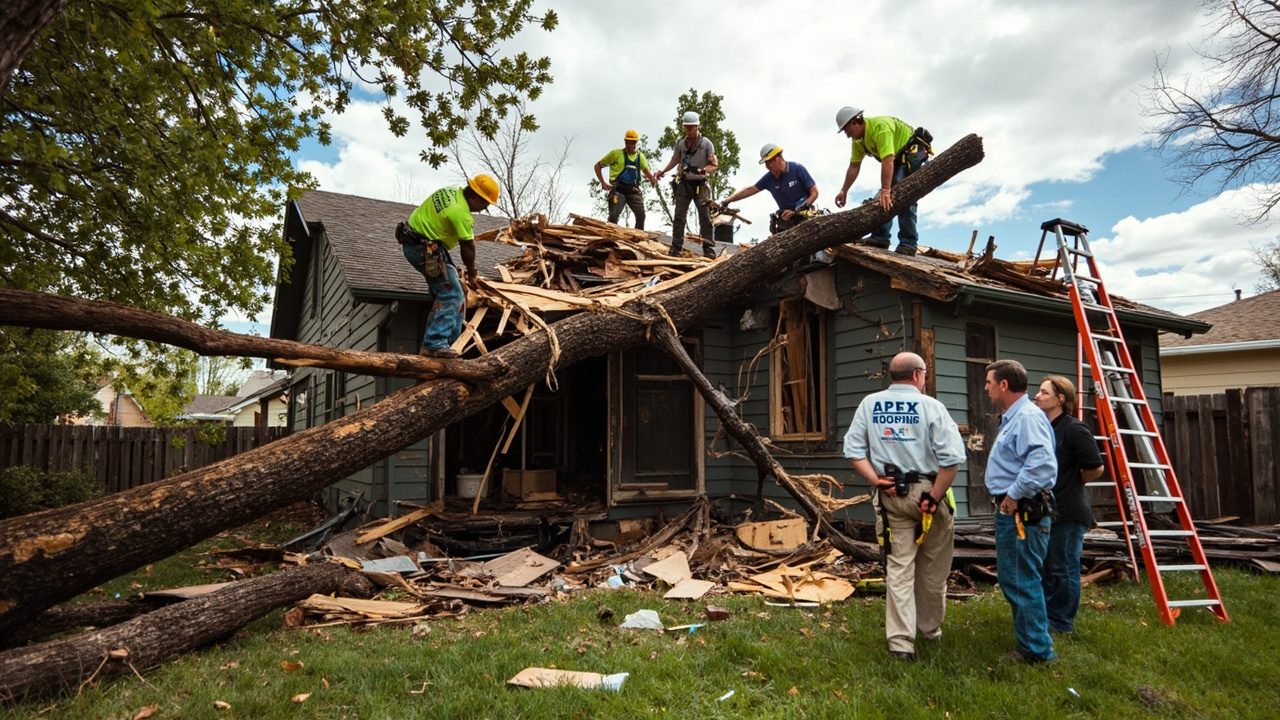
Fallen tree structural roof repair requires immediate triage. You need tarping, debris removal, and structural shoring before you can even assess the full scope. If the tree is still resting on the roof, removal without proper bracing can cause secondary collapse. If branches punctured your roof membrane in multiple places, each opening is a water highway.

This is not a Monday morning problem. This is a right-now problem. Apex Roofing Denver operates 24/7 because tree impact roofing services cannot wait for business hours.

Denver's Winds and Heavy Snow Create Perfect Conditions for Catastrophic Tree Damage
How We Secure and Restore Roofs Crushed by Trees

How We Secure and Restore Roofs Crushed by Trees

Emergency roof restoration tree damage is a sequenced operation. You cannot skip steps. You cannot guess at structural integrity. The process starts the moment we answer your call.

Our first priority is life safety and structural stabilization. If the tree is still on the roof, we assess weight distribution and contact points. Large trees exert thousands of pounds of focused load on compromised decking. We use temporary shoring and rigging to control the removal, preventing sudden shifts that could collapse the remaining structure. This is not a chainsaw-and-hope situation. This is engineering.

Once the tree is off, we expose the damage plane. We pull back shingles, underlayment, and any compromised decking to assess the framing below. Rafters that show hairline splits are not salvageable. Trusses with buckled webbing must be sistered or replaced. In Denver, most homes built before 1990 use dimensional lumber rafters. Newer subdivisions near Stapleton or Green Valley Ranch use engineered trusses. The repair methodology is different for each.

We sister damaged rafters with full-dimension lumber, not engineered products. We replace cracked decking with CDX plywood or OSB rated for your roof's span. We install ice and water shield over the repair zone because the next storm is always coming. Then we rebuild the roof plane with shingles that match your existing profile and color, blending the repair so it's invisible from the street.

Repair roof crushed by tree means restoring load paths, not just patching holes. If the tree hit a bearing wall, we verify that studs and top plates are plumb and intact. If it didn't, we still check.

What Happens When You Call for Tree Impact Emergency Repair

Emergency Tree Impact & Structural Repair in Denver – 24/7 Response & Same-Day Stabilization
01

Immediate Dispatch and Triage

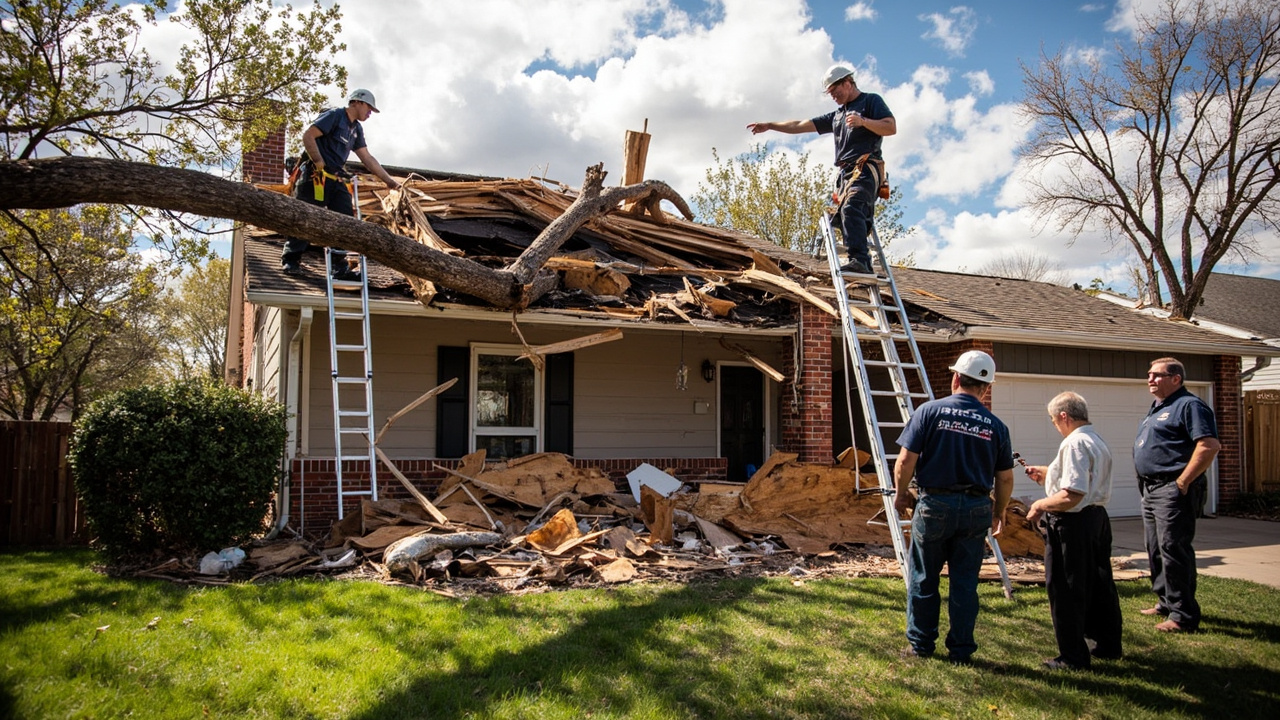
You call. We dispatch. Within 60 to 90 minutes, a crew arrives with tarps, shoring lumber, and safety equipment. We document the damage with photos and video for your insurance claim. If the tree is still on the structure, we stabilize it in place. If it has already fallen through, we tarp the opening and set up dehumidifiers to stop moisture migration. You get a verbal assessment on-site, not three days later.
02

Structural Assessment and Debris Removal

Once the scene is secure, we measure the damage plane. We use moisture meters to map water intrusion. We inspect attic framing with flashlights and probes, checking for hidden splits in rafters or truss chords. We remove tree debris in sections, using rigging to prevent secondary impact. If the tree took out gutters, flashing, or ridge vents, we note it. This assessment drives the repair scope and your insurance estimate.
03

Full Structural Repair and Weatherproofing

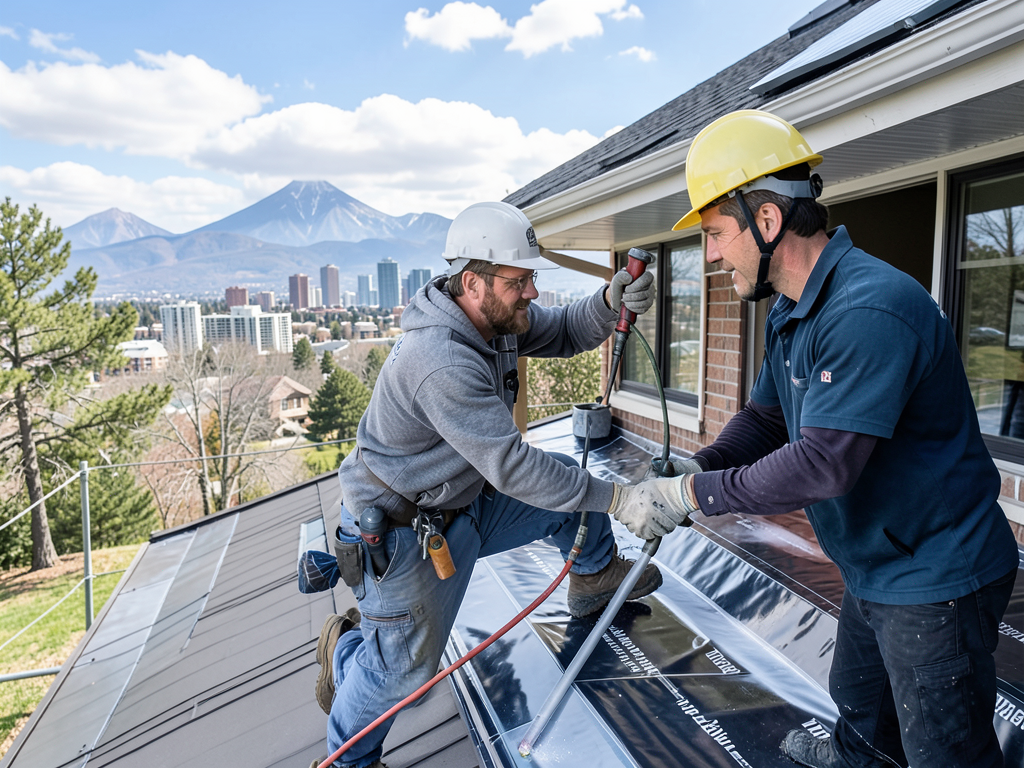
We replace fractured framing, install new decking, and rebuild the roof membrane with proper underlayment and flashing. We match your existing shingle profile and color. If the impact damaged soffit, fascia, or ridge caps, we replace those too. The repair is seamless. We pull permits if required by Denver Building and Fire Prevention. Before we leave, your roof is watertight, structural, and code-compliant. You get a written summary and photos of the completed work.

Why Denver Homeowners Trust Apex Roofing Denver for Tree Impact Structural Repair

When a tree destroys your roof, you need a contractor who understands Denver's building codes, climate, and structural systems. You do not need a generalist who patches holes and hopes for the best.

Apex Roofing Denver has repaired tree-damaged roofs in Wash Park, Highlands, and Lakewood. We know the difference between a 1960s ranch with dimensional rafters and a 2010 two-story with engineered trusses. We know that Denver Building and Fire Prevention requires permits for structural repairs exceeding 100 square feet. We know that your insurance adjuster will low-ball the estimate unless you document every compromised rafter, every split truss chord, and every square foot of water-damaged insulation.

We work directly with your insurance carrier. We provide line-item estimates with photos. We do not accept initial offers that exclude hidden damage. If your adjuster wants to replace decking but skip the rafter repair, we push back with documentation. If they try to exclude moisture mitigation, we explain why that is a recipe for mold litigation.

Our crews are not subcontractors. They are W2 employees who specialize in emergency roof restoration tree damage. They carry fall protection. They follow OSHA confined space protocols when working in attics. They do not leave your home until the structure is secure.

Denver's tree canopy is dense in older neighborhoods. Cottonwoods, elms, and ash trees tower over rooflines. When these trees fail, they fail catastrophically. You need a roofer who treats this like the structural emergency it is, not a cosmetic repair.

What to Expect During Emergency Tree Impact Roof Repair

Response Time and Availability

We operate 24 hours a day, 7 days a week, 365 days a year. When you call our emergency line, a dispatcher answers immediately. We do not route you to voicemail. We do not tell you to wait until Monday. A crew is dispatched within the hour. During severe weather events, we prioritize active leaks and structural instability. If your tree is still resting on the roof, we treat that as a priority one dispatch. If the tree has already fallen through, we still respond the same day. Time is the enemy in tree impact roofing services.

On-Site Assessment and Documentation

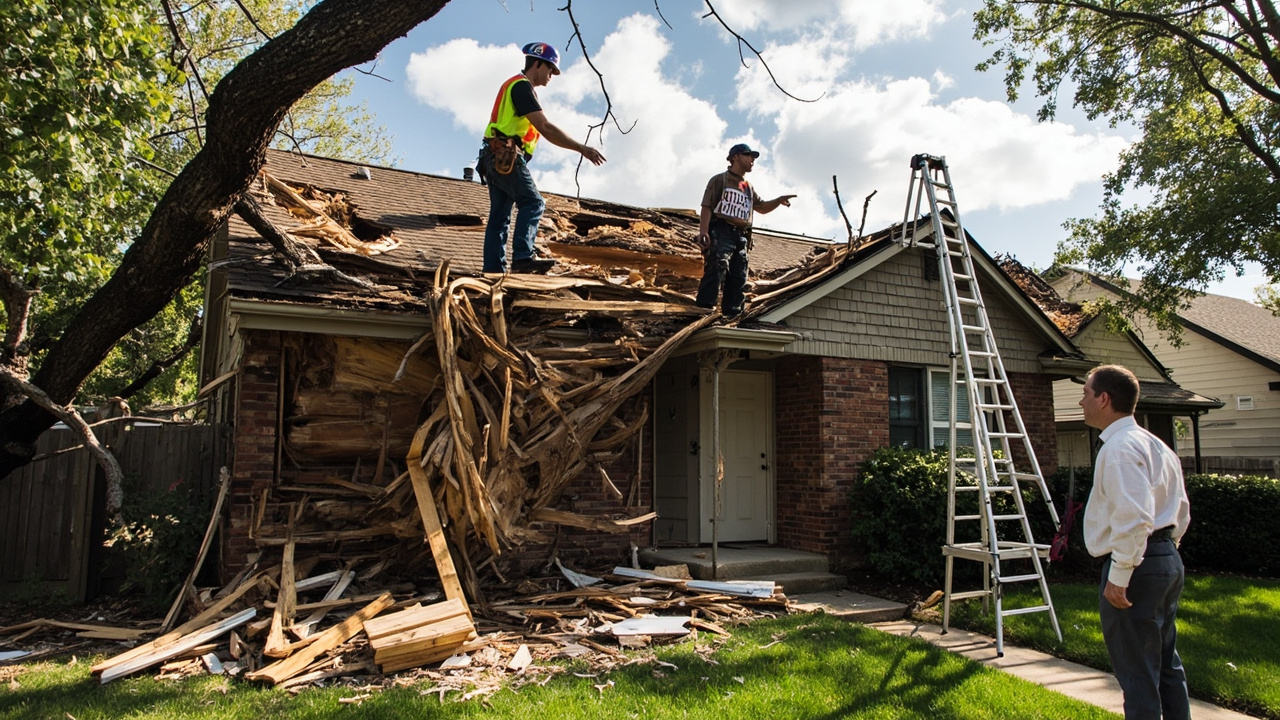
Our crew chief conducts a full structural assessment the moment we arrive. We photograph the tree position, the entry point, the interior damage, and any compromised framing. We measure the affected area. We check attic insulation for moisture and compression. We probe rafters and trusses for hidden splits. This documentation becomes the foundation of your insurance claim. We send you a digital copy the same day. If your adjuster schedules an inspection, we meet them on-site and walk them through the damage plane. You do not navigate this alone.

Quality of the Final Repair

Emergency repairs are not temporary patches. We rebuild your roof to meet or exceed Denver's 2021 International Residential Code. We replace damaged framing with lumber that matches the original span and grade. We install new decking with proper nailing patterns. We apply ice and water shield at valleys and eaves. We match your shingle profile, color, and installation method. The repair blends with the existing roof. If the tree damaged flashing around a chimney or skylight, we fabricate new flashing using the correct gauge metal and sealant. The final product is structurally sound and weather-tight.

Post-Repair Follow-Up and Monitoring

After the repair is complete, we schedule a follow-up inspection within 30 days. We check the repair zone for settling, leaks, or missed damage. If you experience any issues, we return immediately. Emergency roof restoration tree damage often reveals hidden problems weeks after the initial impact. Water tracking behind walls. Insulation compression. Attic ventilation disruption. We do not disappear after cashing the check. You get a written summary of the work performed, including materials used, framing replaced, and any code compliance notes. If you sell the home, this documentation proves the repair was done correctly.

Frequently Asked Questions

You Have Questions,
We Have Answers

Who is responsible for damage caused by a fallen tree? +

Responsibility depends on the tree's condition before it fell. If your neighbor's healthy tree fell due to a storm or wind, they typically are not liable. The damage falls under your homeowner's insurance as an act of God. If the tree was dead, diseased, or visibly hazardous and your neighbor ignored warnings, they may be liable for negligence. In Denver, document everything with photos and timestamps. Contact your insurance adjuster immediately. If the tree damaged your roof or structure, you need emergency tarping within hours to prevent secondary water damage and mold growth in our dry climate.

Will insurance pay for tree removal after a storm? +

Most homeowner's policies cover tree removal only if the tree damages a covered structure like your roof, fence, or garage. If a tree falls in your yard but hits nothing, you pay out of pocket. Insurance typically covers removal up to a set limit, often between $500 and $1,000 per tree. Denver's spring hailstorms and high winds increase tree fall risk. File your claim immediately and get emergency mitigation started. Your adjuster needs documentation of structural damage. If your roof is compromised, tarping and tree removal become urgent to stop water intrusion and prevent claim denial for neglect.

Will lumber companies cut down trees for free? +

No. Lumber companies do not cut down residential trees for free in Denver or anywhere else. This is a persistent myth. The cost to safely remove a tree far exceeds the value of the lumber, especially from urban trees that may contain nails, wire, or other metal hazards. Residential trees also lack the straight grain and height that mills require. If a tree has damaged your roof or home, you need a licensed tree service and roofing contractor, not a lumber buyer. Focus on structural repair and safe removal, not salvage value. Insurance may cover removal costs if the tree caused property damage.

What is the cheapest time of year for tree removal? +

Late winter to early spring is typically the most affordable time for non-emergency tree removal in Denver. Demand drops after the holiday season and before spring storms hit. Tree services have more availability and often offer lower rates. However, if a tree has damaged your roof or structure, do not wait for a discount. Emergency removal and structural repair cannot be delayed without risking further damage, mold growth, and insurance complications. Denver's freeze-thaw cycles and sudden windstorms mean compromised trees worsen quickly. Act immediately when structural damage occurs, regardless of season.

Why Denver's Chinook Winds and Wet Spring Snow Make Tree Impact Roofing Services Critical

Denver sits at the base of the Front Range, where rapid temperature swings and high wind events create perfect conditions for tree failure. Chinook winds can gust to 70 miles per hour, snapping mature trees at the root ball or shearing branches mid-trunk. Our spring snowstorms are wet and heavy, loading tree canopies with hundreds of pounds of snow before the leaves have even budded. When these trees fail, they fall with enough force to punch through roof decking, split rafters, and compromise load-bearing walls. Emergency tree damage roof repair is not a seasonal problem in Denver. It is a year-round structural risk.

Apex Roofing Denver has worked with Denver Building and Fire Prevention on emergency permits, navigated HOA restrictions in Stapleton and Lowry, and coordinated with insurance adjusters from State Farm to USAA. We understand that older neighborhoods like Bonnie Brae and Hilltop have mature tree canopies that increase risk. We know that newer developments near Denver International Airport have soil conditions that make trees more susceptible to uprooting. Local expertise matters because fallen tree structural roof repair requires knowledge of Denver's building codes, climate patterns, and structural systems. You do not want a roofer learning on your emergency.
Roofing Services in The Denver Area

Looking for trusted roofing services near you? Apex Roofing Denver proudly serves homeowners and businesses across the greater Denver area with expert roof repairs, replacements, inspections, and storm damage restoration. From Aurora to Lakewood and Thornton to Centennial, our experienced roofing team is ready to deliver fast, dependable solutions. Use the map below to explore our service areas and find top-rated roofing help near your neighborhood.

Address:
Apex Roofing Denver, 2301 Blake St, Denver, CO, 80205

Additional Services We Offer

Our news updates

Latest Articles & News from The Blogs

Lorem ipsum dolor sit amet. Aut expedita quaerat quo eligendi numquam et laudantium perspiciatis qui minima expedita rem consequatur ducimus.…

Test Blog 4

Lorem ipsum dolor sit amet. Aut expedita quaerat quo eligendi numquam et laudantium perspiciatis qui minima expedita rem consequatur ducimus.…

Test Blog 3

Lorem ipsum dolor sit amet. Aut expedita quaerat quo eligendi numquam et laudantium perspiciatis qui minima expedita rem consequatur ducimus.…

Test Blog 2

Lorem ipsum dolor sit amet. Aut expedita quaerat quo eligendi numquam et laudantium perspiciatis qui minima expedita rem consequatur ducimus.…

Contact Us

Do not wait for the damage to spread. Call Apex Roofing Denver at (720) 484-8300 for immediate dispatch. We answer 24/7, and we are on-site within 90 minutes to secure your roof and stop the water intrusion.