




Menu

Soffit & Fascia Services in Denver – Complete Protection Against Colorado's Extreme Weather Cycles

Expert soffit and fascia repair, replacement, and installation designed to withstand Denver's intense sun exposure, rapid temperature swings, and heavy snow loads that damage unprotected rooflines year after year.

Slider Image 1
Slider Image 2
Slider Image 3
Slider Image 4
Slider Image 5
Slider Image 7
Slider Image 8
Slider Image 9
Slider Image 10
Slider Image 11

Why Denver's Climate Destroys Soffit and Fascia Faster Than Most Regions

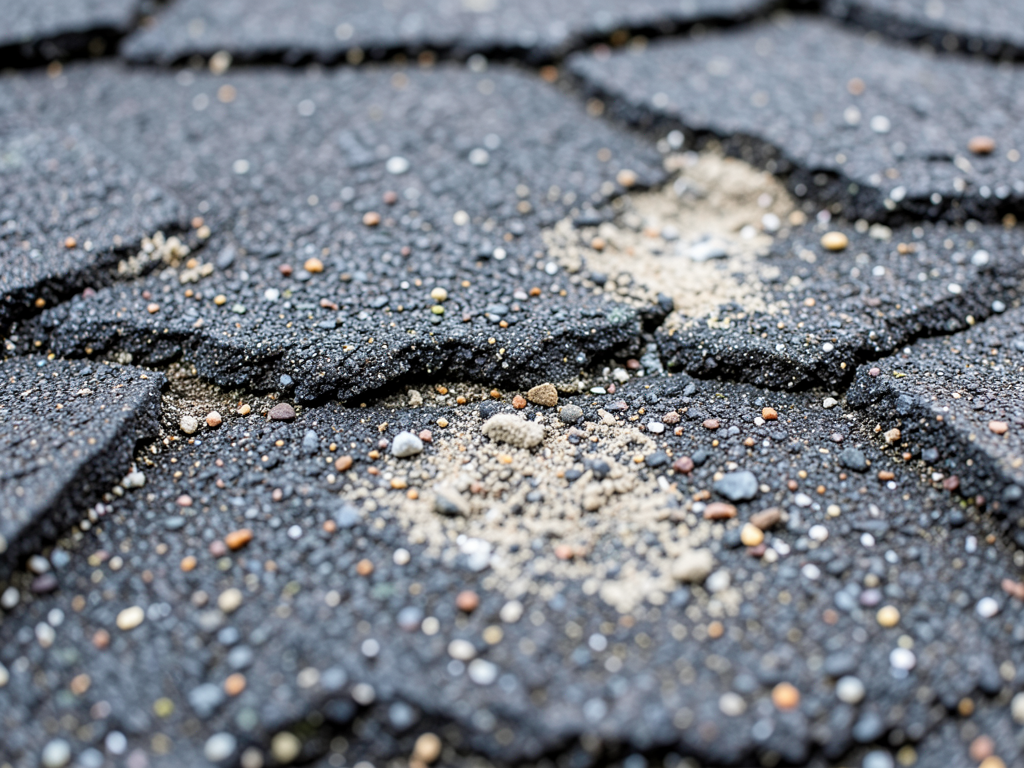
Denver sits at 5,280 feet, where ultraviolet radiation is 25 percent stronger than at sea level. Your soffit and fascia absorb this punishment daily, causing paint to crack, wood to dry rot, and aluminum to oxidize faster than in lower elevations. Add the freeze-thaw cycles that hit 60 to 80 times per winter, and you have the perfect recipe for fascia board replacement needs.

When snow melts on your roof, water migrates to the eaves. If your soffit and fascia are compromised, that water seeps behind the roofline, soaking the rafter tails and roof decking. You will see water stains on your exterior walls, peeling paint near the roofline, or visible gaps where the fascia pulls away from the house. These are not cosmetic issues. They signal structural moisture intrusion that leads to mold growth and wood rot inside your attic space.

Denver's dry climate also creates another problem. Wood fascia boards shrink and crack as moisture content drops below 12 percent. Once cracks form, insects and birds exploit these entry points. Carpenter ants and woodpeckers cause secondary damage that accelerates the need for soffit and fascia installation.

Homes in Cherry Creek, Washington Park, and Highlands Ranch face additional challenges from mature tree canopies that drop branches onto rooflines during spring windstorms. Damaged fascia loses its ability to support gutter systems, causing gutters to sag and overflow, which erodes foundation soils and creates basement water problems. Soffit and fascia contractors who understand Denver's unique environmental stressors can diagnose these interconnected issues before they cascade into expensive structural repairs.

Why Denver's Climate Destroys Soffit and Fascia Faster Than Most Regions
How Professional Soffit and Fascia Repair Protects Your Roofline Investment

How Professional Soffit and Fascia Repair Protects Your Roofline Investment

Soffit and fascia replacement is not a cosmetic upgrade. It is a defensive barrier that keeps water, pests, and wind-driven debris out of your attic and wall cavities. We approach every project by identifying the root cause of failure, not just covering up visible damage.

Our process begins with a roofline inspection that examines the fascia board attachment to rafter tails, checks for concealed water damage behind existing materials, and evaluates ventilation performance through soffit vents. Many properties in Denver have undersized or blocked soffit vents, which traps heat in the attic and accelerates shingle aging. We measure attic ventilation against current building code requirements and recommend soffit and fascia installation that balances intake and exhaust airflow.

For fascia board replacement, we verify that the underlying rafter tails are structurally sound before installing new materials. If rafter tails show rot or insect damage, we sister new lumber onto the existing framing to restore load-bearing capacity. This prevents future sag and ensures your gutter system has solid backing.

Material selection matters in Denver's climate. Aluminum soffit and fascia resist UV degradation and require zero maintenance, but they dent easily from hail impact. Fiber cement offers superior durability and fire resistance, critical in neighborhoods near wildland-urban interface zones like Genesee and Evergreen. Vinyl is cost-effective but can become brittle in subzero temperatures, leading to crack failures during winter.

We integrate drip edge flashing with every fascia board replacement to direct water away from the fascia and into the gutter trough. Proper flashing prevents the capillary action that pulls water behind fascia boards, which is the leading cause of premature failure in Denver's wet spring seasons.

What Happens During Your Soffit and Fascia Service Appointment

Soffit & Fascia Services in Denver – Complete Protection Against Colorado's Extreme Weather Cycles
01

Roofline Damage Assessment

We inspect every linear foot of your fascia and soffit from ladder height and document damage with photos. You receive a detailed report identifying areas with rot, separation, pest entry points, or inadequate ventilation. We check for hidden water damage by probing suspect areas with a moisture meter and examining attic framing for stains or mold growth that indicates active leaks.
02

Material Selection and Preparation

We discuss material options based on your home's architecture, exposure, and budget. Once you approve the scope, we order materials and schedule installation during favorable weather windows. All deteriorated wood gets replaced before new fascia goes up. We pre-paint or finish materials before installation to ensure complete coverage on all edges and surfaces, which extends lifespan compared to field-applied finishes.
03

Installation and Final Inspection

Our crews remove old soffit and fascia carefully to avoid damaging roof shingles or siding. We install new fascia with corrosion-resistant fasteners, integrate drip edge flashing, and rehang gutters with proper slope. Soffit panels get installed with adequate vent spacing to meet attic ventilation codes. You walk the property with us after completion to verify workmanship before we collect final payment.

Why Denver Property Owners Choose Apex Roofing Denver for Soffit and Fascia Contractors

Denver's building codes require specific attic ventilation ratios, and soffit vents are the primary intake source for passive ventilation systems. Many contractors install decorative soffit that looks clean but blocks airflow, which violates code and voids roof warranties. We calculate net free ventilation area for every project and install continuous soffit vents that meet or exceed the 1:300 ratio required by the International Residential Code.

Our familiarity with Denver's historic districts matters when you own a property in Curtis Park, Sloan's Lake, or Country Club. These neighborhoods have design review committees that regulate exterior alterations, including fascia color, profile, and material. We navigate the approval process and recommend solutions that satisfy both architectural guidelines and performance requirements.

Hailstorms hit metro Denver with enough frequency that insurance claims for soffit and fascia damage are common. We document pre-existing conditions, photograph storm damage, and provide detailed estimates that align with Xactimate pricing used by insurance adjusters. Our process reduces claim disputes and speeds up approval so repairs happen before secondary water damage occurs.

We also understand how soffit and fascia replacement integrates with other roofing systems. If your gutters need replacement or your roof requires tear-off, we coordinate these projects to minimize labor costs and avoid redundant scaffolding setups. This saves you money and reduces the number of times crews access your roof, which lowers the risk of accidental damage to new shingles.

Apex Roofing Denver employs soffit and fascia contractors who have completed manufacturer training for the products we install. This means you get installations that comply with warranty terms, which protects your investment if materials fail prematurely.

What You Can Expect From Our Soffit and Fascia Services

Scheduling and Project Timeline

Most soffit and fascia installation projects take two to four days depending on the linear footage and complexity of your roofline. We schedule work during dry weather windows to prevent water exposure to open framing. Emergency soffit and fascia repair for active leaks or pest entry can often be completed within 48 hours of your call. We provide a written timeline before work begins and update you if weather delays occur. Our crews arrive on time, work full days, and clean up debris daily so your property stays safe and accessible.

Detailed Roofline Inspection Process

Our inspection covers more than visible fascia and soffit panels. We examine gutter attachment points, check for rafter tail rot, measure attic ventilation, and look for animal entry points or nesting materials. You receive a written report with photos that explains what we found and why specific repairs are necessary. If your fascia damage connects to a larger roofing issue, we explain the relationship so you can make informed decisions about scope. This transparency prevents surprise costs and ensures you understand what you are paying for before work starts.

Quality of Materials and Workmanship

We install fascia boards with kiln-dried lumber or engineered materials rated for exterior exposure. All fasteners are stainless steel or hot-dipped galvanized to prevent rust staining. Soffit panels meet ASTM standards for impact resistance and ventilation performance. Our installers follow manufacturer specifications for fastener spacing, panel overlap, and trim details. This attention to detail prevents the common failures you see with discount installations, such as panels that rattle in wind, fascia that sags under gutter weight, or paint that peels within two years due to improper surface preparation.

Post-Installation Support and Maintenance Guidance

After installation, we provide maintenance guidelines specific to the materials we installed. Aluminum and vinyl require periodic rinsing to remove pollen and dirt that can stain. Wood fascia benefits from annual inspections to catch paint failure early. We offer optional maintenance plans that include annual inspections, gutter cleaning, and minor repairs before they escalate into larger problems. If issues arise after installation, we respond quickly to assess whether the problem is workmanship-related or caused by external factors like storm damage or pest activity. Our goal is to keep your roofline functioning properly for decades.

Frequently Asked Questions

You Have Questions,
We Have Answers

What is the average cost to install soffit and fascia? +

Soffit and fascia installation costs in Denver vary based on material choice, home size, and roof complexity. Vinyl is the most budget-friendly option, while aluminum and wood fall mid-range. Fiber cement and copper command premium pricing. Denver's freeze-thaw cycles and intense UV exposure require durable materials that resist warping and fading. Factors affecting your total include linear footage, accessibility (two-story homes cost more), trim details, and whether gutters need removal and reinstallation. Homes in historic Denver neighborhoods with ornate trim work require more labor. Get multiple quotes from licensed roofers who understand Colorado's building codes and climate demands.

How much should soffits and fascias cost? +

Soffit and fascia costs depend on material selection and installation complexity. Vinyl offers the lowest entry point, aluminum provides mid-range durability, and wood requires higher upfront investment plus ongoing maintenance. Denver's harsh weather, from summer hail to winter ice damming, demands quality materials that withstand temperature swings. Two-story homes or complex rooflines increase labor time. Vented soffit for proper attic airflow costs slightly more than solid panels but prevents moisture buildup critical in Colorado's dry climate. Fascia board replacement adds to the total if rot exists. Material quality directly impacts longevity in Denver's demanding conditions.

What kind of contractor fixes soffit and fascia? +

Licensed roofing contractors handle soffit and fascia work. These systems integrate directly with your roof edge, gutters, and attic ventilation, so roofers understand the structural and weatherproofing requirements. In Denver, look for contractors familiar with ice dam prevention and proper attic ventilation crucial for Colorado homes. Some siding contractors also install these components, but roofers bring expertise in flashing, drip edge integration, and water diversion. Verify the contractor carries liability insurance and workers' compensation coverage. Check references from jobs in Denver's climate. Avoid handymen for this work since improper installation leads to water intrusion and roof deck damage.

How expensive are soffits and fascias? +

Soffit and fascia pricing reflects material durability, labor intensity, and long-term performance. Vinyl provides an affordable option but may fade under Denver's intense high-altitude sun. Aluminum resists weather better and requires less maintenance. Wood demands premium pricing due to installation complexity and ongoing upkeep needs. The expense covers more than materials. You pay for proper ventilation that prevents attic moisture, precise measurements ensuring weather-tight seals, and integration with existing roofing and gutter systems. Denver's temperature extremes from subzero winters to 90-degree summers require quality installation. Cheap work leads to ice dam formation, pest entry, and rot.

How much does it cost to vinyl side a 1500 square foot house? +

Vinyl siding a 1500 square foot house involves separate calculations from soffit and fascia work, though contractors often bundle services. Siding covers wall area, while soffit and fascia protect roof edges. For a typical Denver ranch or two-story home, expect the project to include material costs, labor for removal of old siding if needed, house wrap installation, trim work, and disposal. Denver's hail-prone climate makes impact-resistant materials worth consideration. The total varies based on home height, number of corners and windows, trim complexity, and whether you need sheathing repairs underneath. Request itemized quotes separating siding from soffit and fascia costs.

Why are soffits so expensive? +

Soffit costs reflect the precision work required for proper attic ventilation and weather protection. Unlike flat siding, soffit installs overhead at awkward angles, slowing labor. Vented panels need exact spacing for airflow without allowing pest entry. Denver's wild temperature swings demand expansion gaps to prevent buckling. The system must integrate seamlessly with fascia, roof edge, and house walls to block water and wind. Quality materials resist UV degradation from Colorado's high-altitude sun and won't crack during subzero cold snaps. Soffit also provides the finished appearance hiding roof framing. Improper installation causes attic moisture problems, ice dams, and energy loss.

Does homeowners insurance cover fascia damage? +

Homeowners insurance typically covers fascia damage from sudden, covered perils like hail storms, wind events, or falling trees. Denver's frequent hail makes this coverage relevant. Insurance usually excludes damage from deferred maintenance, rot from long-term water exposure, or normal wear. If a storm tears off your fascia or hail dents aluminum trim, file a claim promptly. Document damage with photos before repairs. Insurance adjusters assess whether damage resulted from a covered event or neglect. Rot from clogged gutters or poor attic ventilation falls on you. Review your policy's wind and hail deductibles and coverage limits before filing.

Do roofers install soffit and fascia? +

Yes, roofers install soffit and fascia because these components integrate directly with roofing systems. Fascia boards attach to roof trusses and support gutter installation. Soffit provides attic ventilation working with ridge vents to prevent moisture buildup and ice dams common in Denver winters. Roofers understand flashing, drip edge placement, and proper water diversion critical for Colorado homes. They ensure fascia anchors securely to handle snow load and wind pressure. When replacing your roof, bundling soffit and fascia work with the same crew ensures proper coordination and warranty coverage. Choose roofers experienced with Denver's freeze-thaw cycles and building codes.

How much does labor cost to remove and replace fascia? +

Labor for fascia removal and replacement depends on accessibility, material choice, and linear footage. One-story homes with open access cost less than two-story homes requiring scaffolding. Denver's older neighborhoods often have wood fascia needing careful removal to avoid damaging roof decking or soffits. Roofers charge for removal, disposal, board replacement, painting or wrapping, and gutter reinstallation. Complex rooflines with multiple corners and angles increase time. If rot extends into roof framing, structural repairs add cost. Winter work may carry premiums due to temperature limitations. Get detailed quotes separating materials from labor to compare contractors accurately.

What are signs of soffit rot? +

Soffit rot shows visible sagging or warping panels, peeling paint on wood soffits, water stains, or dark discoloration. You might notice pest entry points where material has deteriorated. In Denver homes, check for rot after ice dam events or around poorly ventilated attic spaces. Soft spots when you press the material indicate moisture damage underneath. Peeling or bubbling paint on wood soffits signals trapped moisture. Mold or mildew growth appears as black or green patches. Rot often starts where soffit meets fascia or at seams. Inspect after heavy snow melt or spring rains when water intrusion becomes obvious.

How Denver's Intense UV Exposure Accelerates Soffit and Fascia Deterioration

Denver receives more than 300 days of sunshine per year, and at our elevation, UV radiation is significantly stronger than at sea level. This constant exposure breaks down paint, oxidizes aluminum, and degrades the lignin in wood fascia boards. Homes on south and west exposures face the most intense sun damage. Soffit and fascia repair needs in Denver often arise five to seven years earlier than in lower-elevation cities. Choosing UV-resistant materials and high-quality exterior coatings extends the service life of your roofline and reduces the frequency of fascia board replacement projects.

Denver's building codes have evolved to address the unique challenges of our climate, and local contractors who stay current with these regulations deliver better long-term results. We maintain relationships with Denver building inspectors and participate in continuing education through the Colorado Roofing Association. This keeps us informed about code changes and best practices specific to Front Range construction. When you hire Apex Roofing Denver for soffit and fascia installation, you work with a team that understands how local conditions affect material performance and building code compliance.
Roofing Services in The Denver Area

Looking for trusted roofing services near you? Apex Roofing Denver proudly serves homeowners and businesses across the greater Denver area with expert roof repairs, replacements, inspections, and storm damage restoration. From Aurora to Lakewood and Thornton to Centennial, our experienced roofing team is ready to deliver fast, dependable solutions. Use the map below to explore our service areas and find top-rated roofing help near your neighborhood.

Address:
Apex Roofing Denver, 2301 Blake St, Denver, CO, 80205

Additional Services We Offer

Our news updates

Latest Articles & News from The Blogs

Lorem ipsum dolor sit amet. Aut expedita quaerat quo eligendi numquam et laudantium perspiciatis qui minima expedita rem consequatur ducimus.…

Test Blog 4

Lorem ipsum dolor sit amet. Aut expedita quaerat quo eligendi numquam et laudantium perspiciatis qui minima expedita rem consequatur ducimus.…

Test Blog 3

Lorem ipsum dolor sit amet. Aut expedita quaerat quo eligendi numquam et laudantium perspiciatis qui minima expedita rem consequatur ducimus.…

Test Blog 2

Lorem ipsum dolor sit amet. Aut expedita quaerat quo eligendi numquam et laudantium perspiciatis qui minima expedita rem consequatur ducimus.…

Contact Us

Waiting to address damaged soffit and fascia leads to expensive structural repairs. Call (720) 484-8300 now for a no-obligation roofline inspection. We will assess your fascia and soffit condition, explain what repairs are necessary, and provide a written estimate before any work begins.