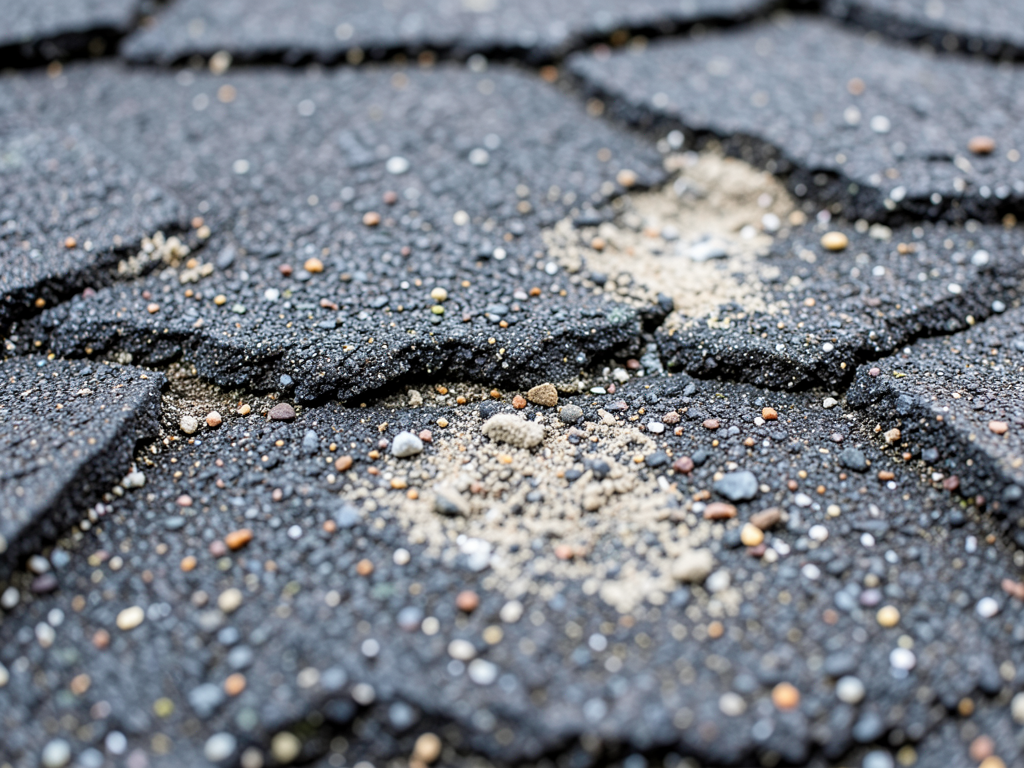





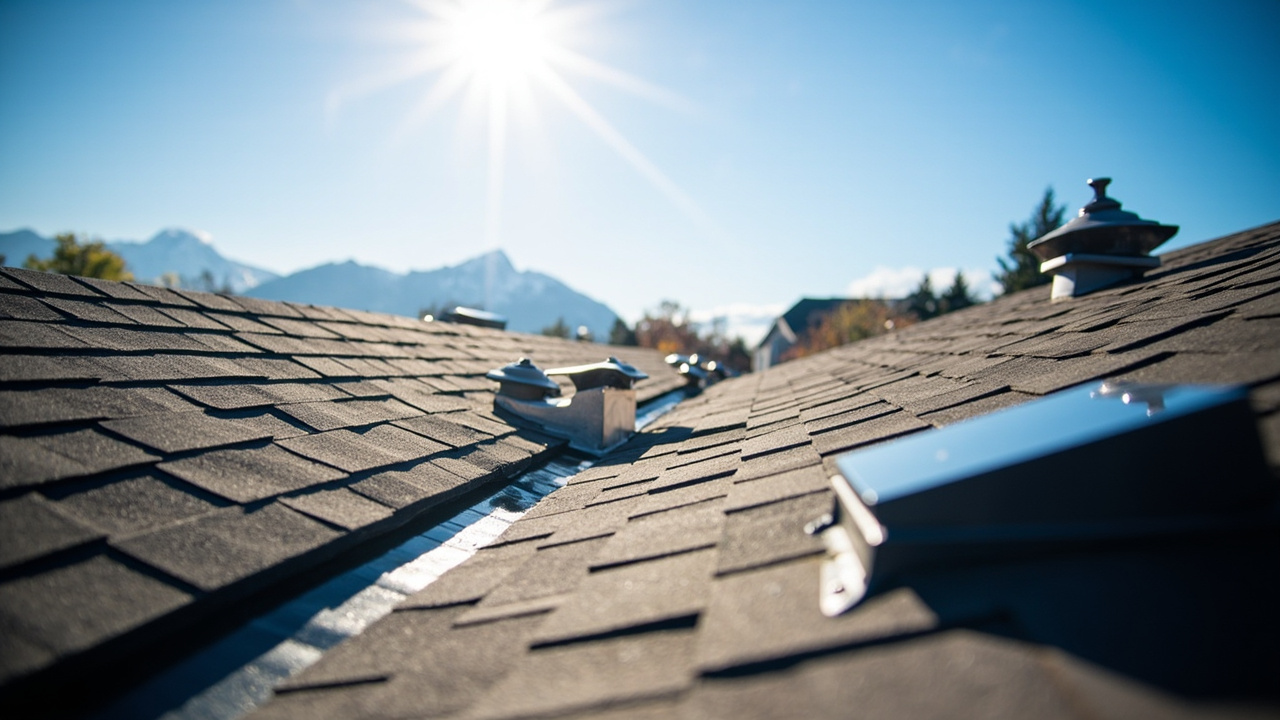
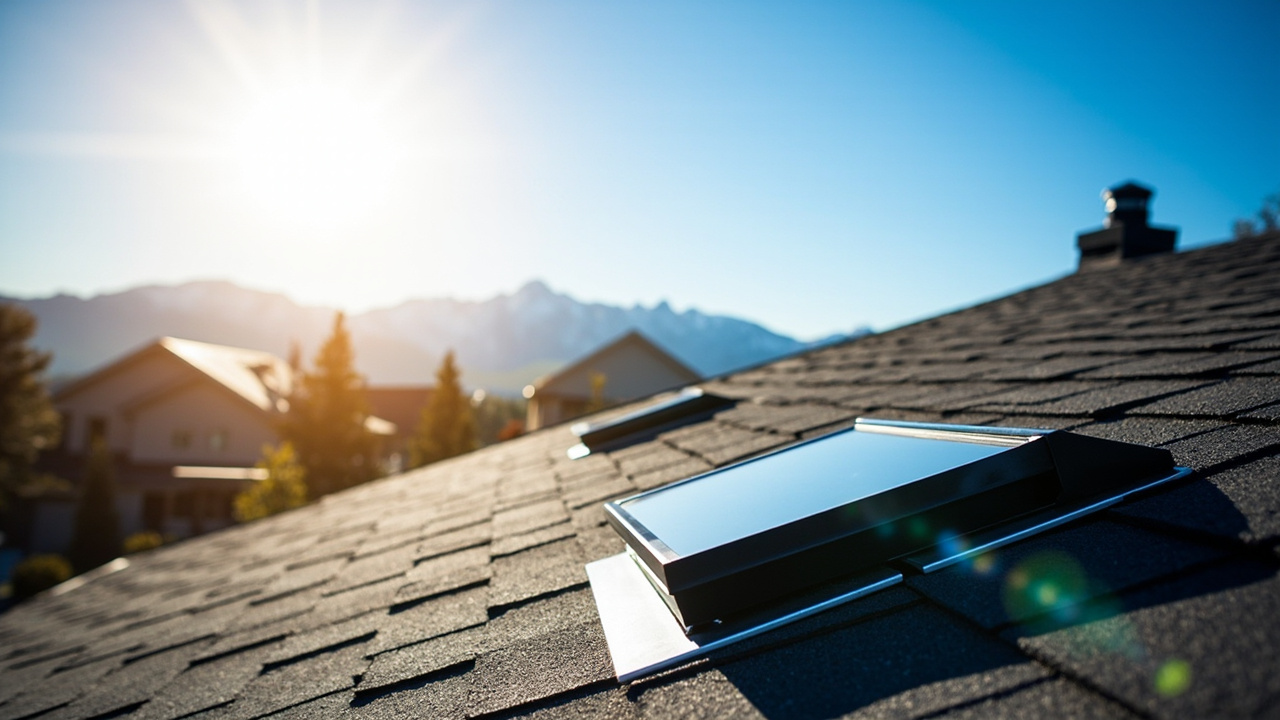
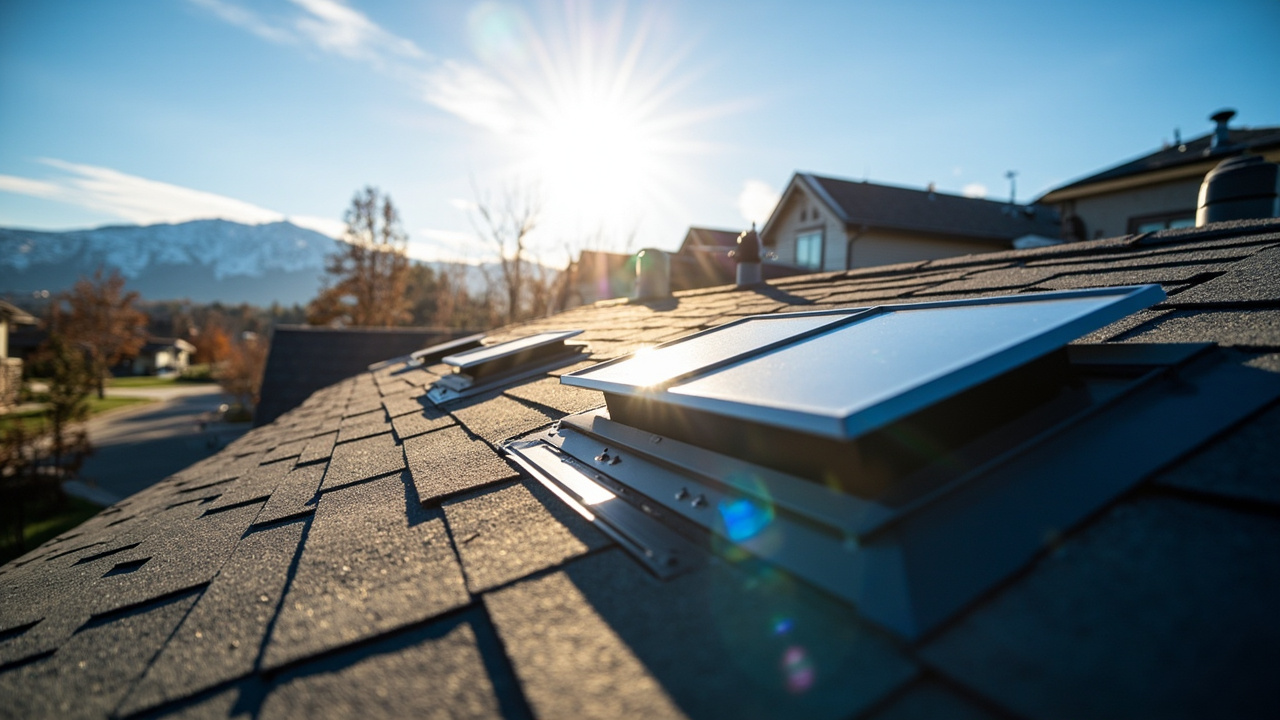
Denver receives 300 days of sunshine annually at an elevation where atmospheric filtering is 25 percent less effective than at sea level. This combination creates attic temperatures 15 to 20 degrees hotter than similar climates at lower elevations. Your roof absorbs intense UV radiation that degrades shingles faster and drives extreme heat into attic spaces. Without adequate roof venting systems, attic temperatures reach levels that warp decking, melt asphalt shingles from below, and create unbearable conditions in second-story living spaces. Denver's dry air also allows rapid moisture movement, meaning any humidity trapped in your attic condenses quickly on cold surfaces during winter nights when temperatures plunge 40 degrees from daytime highs.
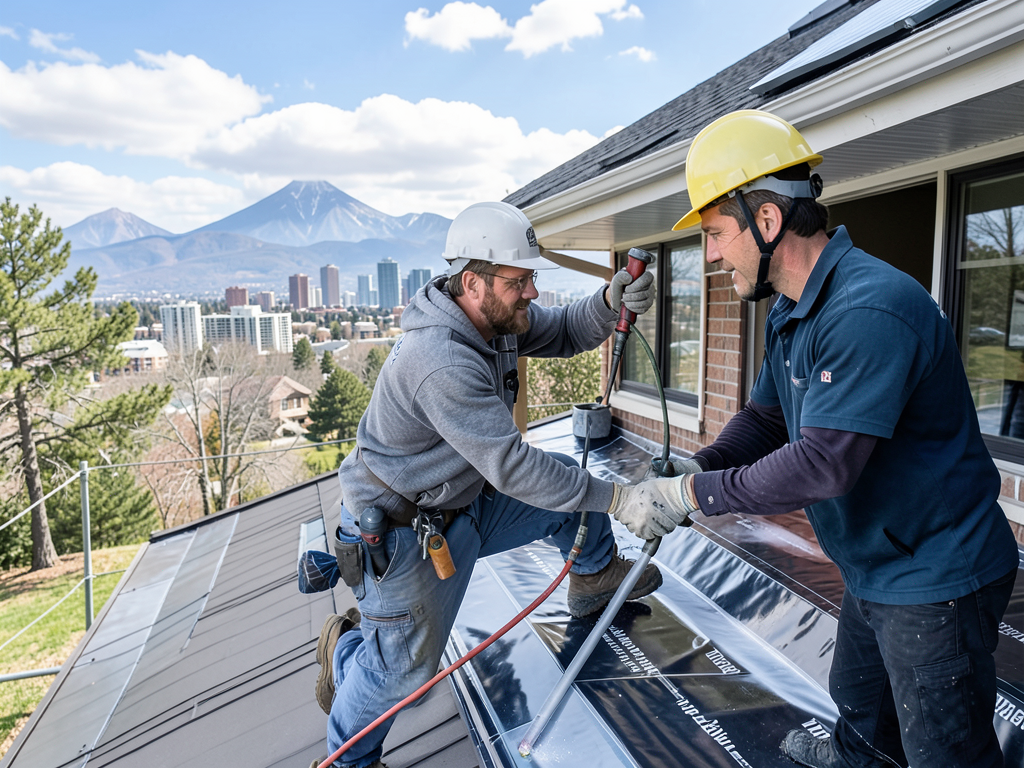
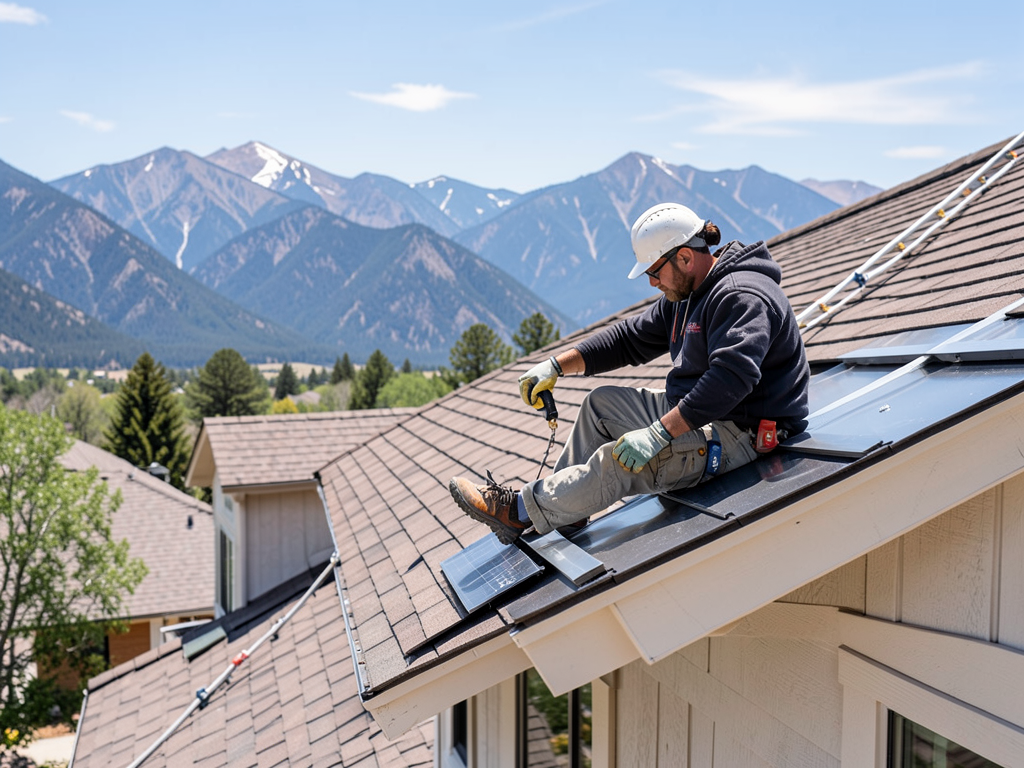
Building codes in Denver address ventilation requirements, but enforcement varies across jurisdictions from Boulder County to Douglas County. Apex Roofing Denver works throughout the metro area and understands specific requirements for each municipality. We maintain relationships with local building inspectors and stay current on code changes affecting ventilation standards. Our installations exceed minimum requirements because we have seen the long-term consequences of marginal systems in Colorado's climate. When you choose a local roofing company with decades of Denver experience, you get ventilation designed for actual conditions in neighborhoods from Lakewood to Aurora, not generic solutions imported from different climates.