




Menu

Slate & Synthetic Slate Roofing in Denver – Premium Protection Built for High-Altitude Wind and Hail Exposure

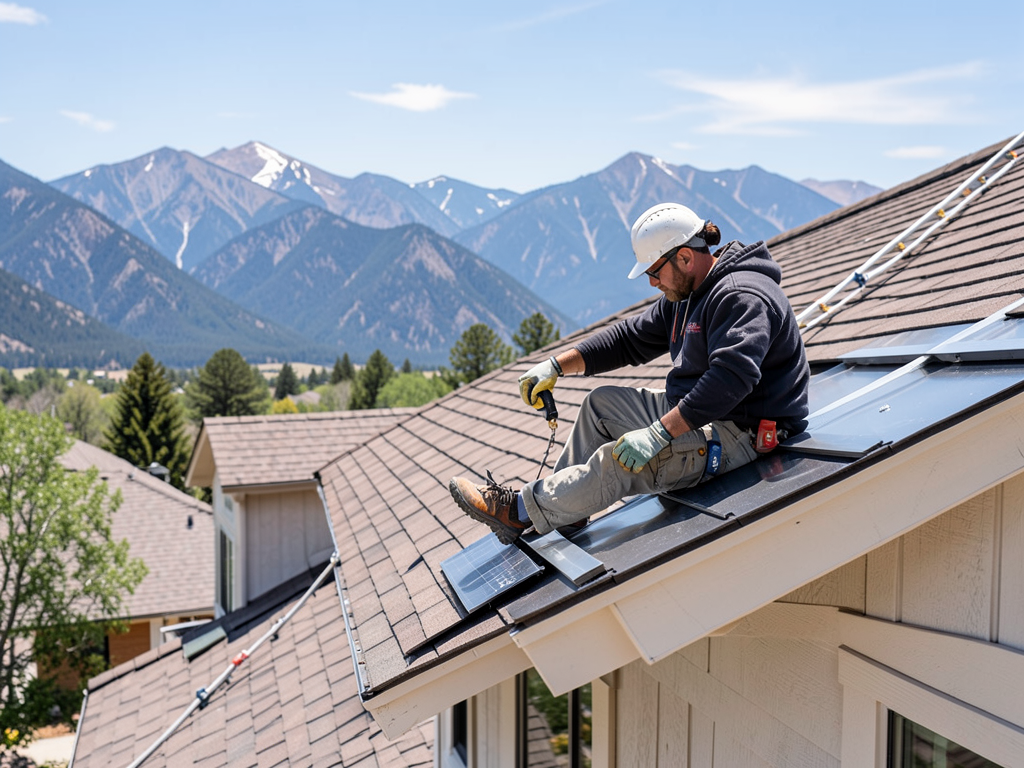
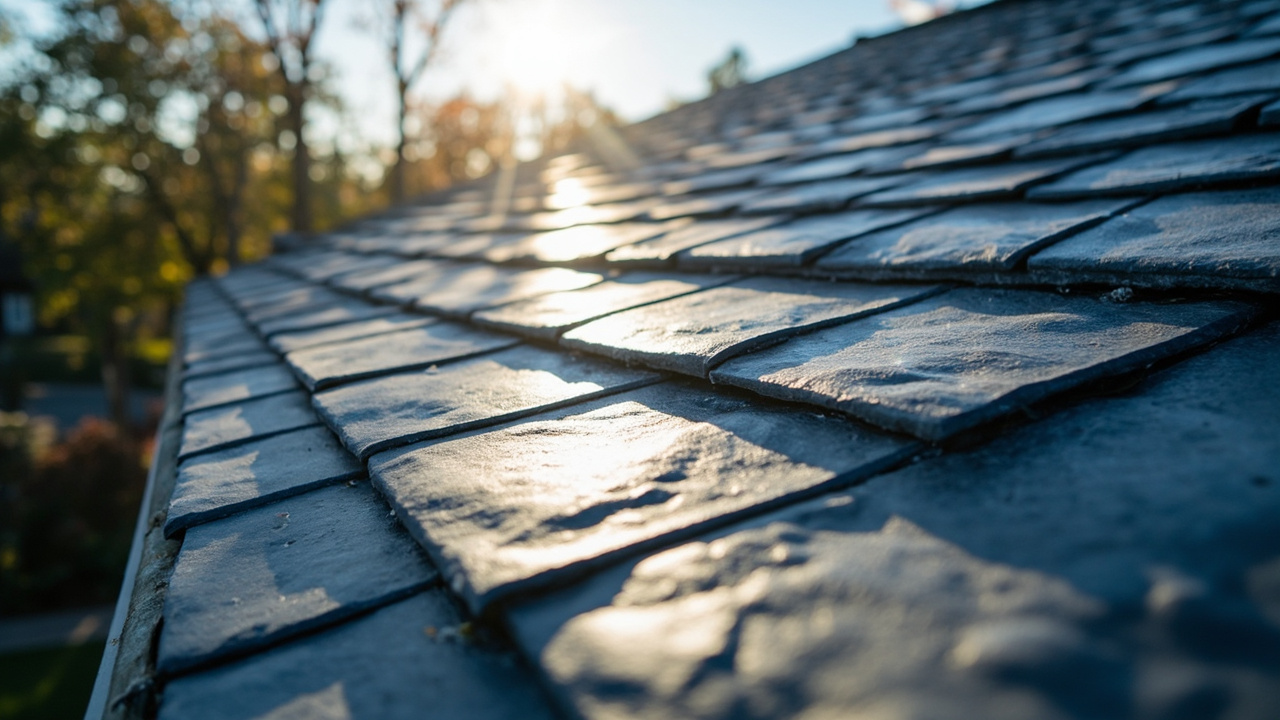
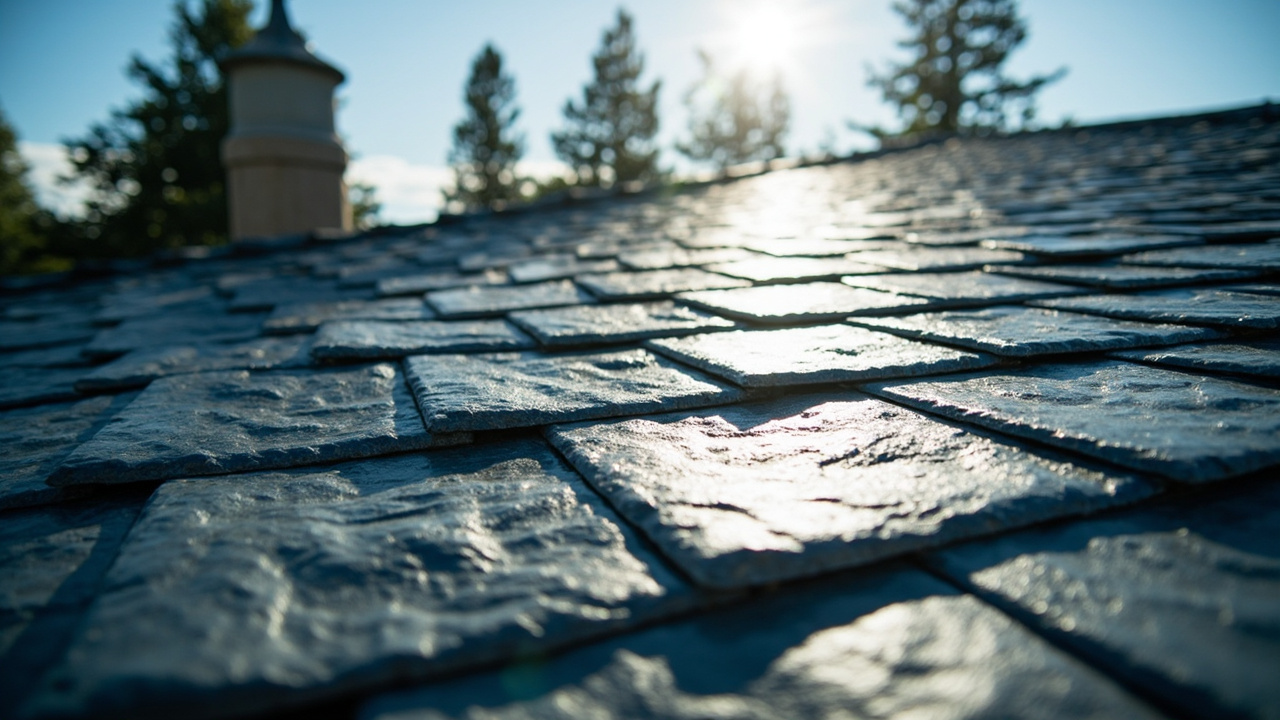
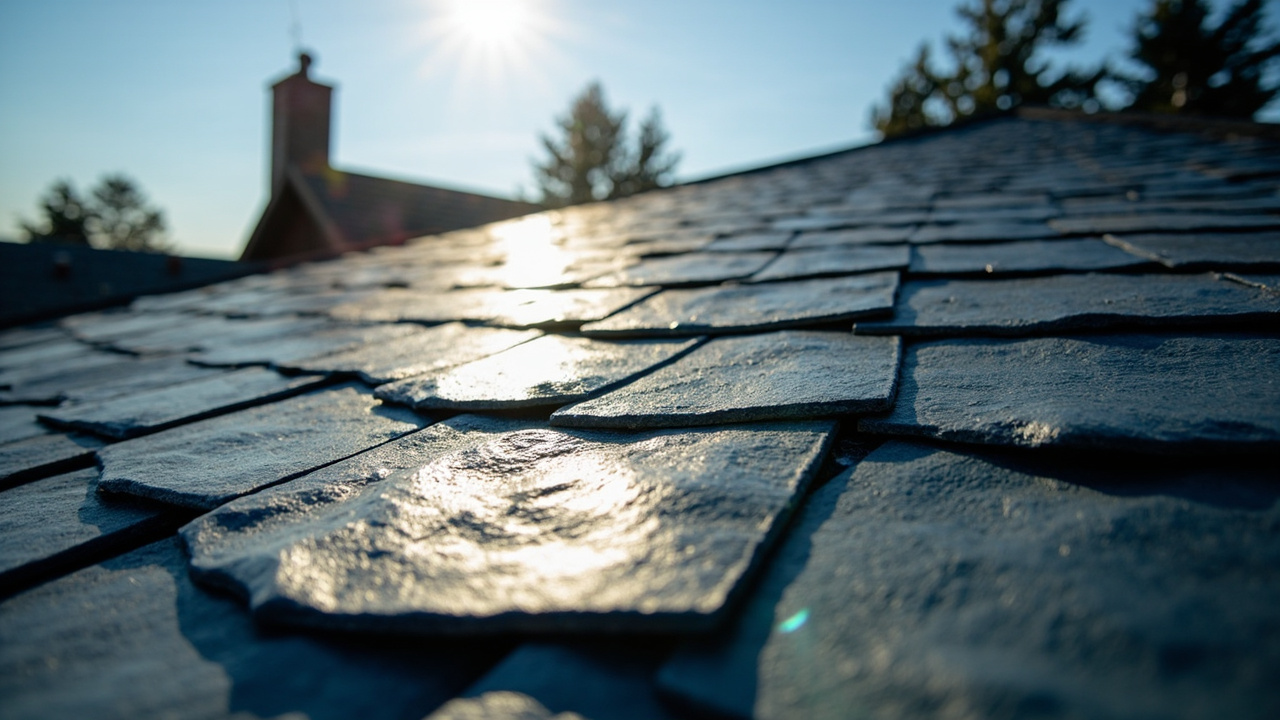
Apex Roofing Denver installs authentic slate roof tiles and composite slate roofing engineered to withstand Denver's severe hailstorms, intense UV exposure, and rapid freeze-thaw cycles that destroy conventional roofing materials.

Slider Image 1
Slider Image 2
Slider Image 3
Slider Image 4
Slider Image 5
Slider Image 7
Slider Image 8
Slider Image 9
Slider Image 10
Slider Image 11

Why Denver's Climate Destroys Inferior Slate Roofing Systems

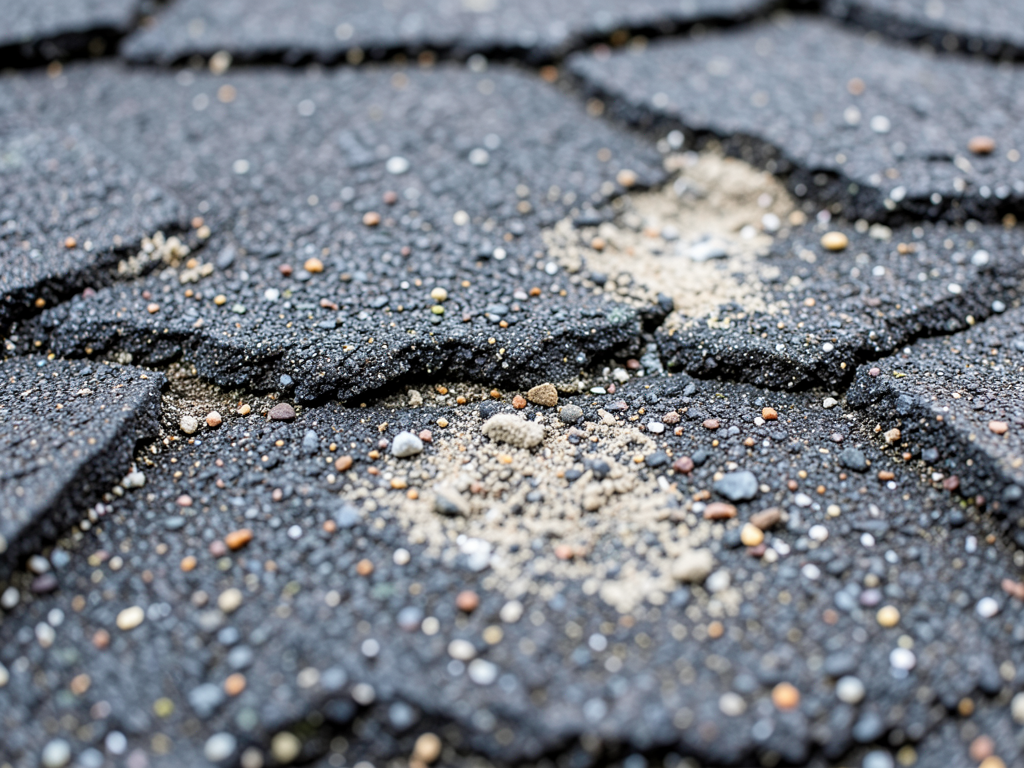
Denver's unique high-altitude environment creates a roofing nightmare most contractors do not understand. At 5,280 feet, your roof absorbs 25% more UV radiation than coastal properties, accelerating the breakdown of inferior composite slate roofing materials. The city experiences over 300 days of sunshine annually, but that constant exposure comes with a price. Faux slate shingles manufactured without UV inhibitors crack, fade, and delaminate within seven to ten years.

The real threat arrives between April and August. Denver sits directly in Hail Alley, where warm air from the plains collides with cold mountain air, spawning severe thunderstorms. These storms produce golf-ball-sized hail that shatters imitation slate tiles not rated for impact resistance. The 2017 hailstorm alone caused over $2.3 billion in property damage across the metro area, with roofs taking the hardest hit.

Then winter arrives with its own set of problems. Denver experiences rapid temperature swings, sometimes dropping 40 degrees in hours. This freeze-thaw cycling drives moisture into micro-cracks in natural slate roof tiles that were improperly installed. Water expands when frozen, splitting tiles from the inside out. By spring, you face widespread tile failure and leak damage.

Neighborhoods like Cherry Creek and Hilltop showcase historic homes with authentic slate roofing, but many of these installations predate modern building codes. Without proper underlayment and flashing details, even genuine slate fails prematurely. You need a roofing system designed specifically for Denver's aggressive climate, not a generic installation copied from lower-elevation regions.

Why Denver's Climate Destroys Inferior Slate Roofing Systems
How Apex Roofing Denver Engineers Slate Systems for Mile High Performance

How Apex Roofing Denver Engineers Slate Systems for Mile High Performance

We do not install slate roofing the same way twice because every Denver property faces different exposure factors. Our process begins with a structural load analysis. Natural slate roof tiles weigh between 800 and 1,500 pounds per square, compared to 250 pounds for asphalt. Your roof framing must handle this load, especially after heavy snow accumulation. We calculate dead load, live load, and snow load per Denver Building Code requirements before recommending slate or composite alternatives.

Material selection separates us from volume installers. For authentic slate roofing, we source quarried tiles with a minimum ASTM C406 Grade S1 rating, indicating non-fading, weatherproof stone. For composite slate roofing, we specify products with Class 4 impact resistance and a minimum Class A fire rating. This matters because Denver fire codes require stricter ratings for properties in wildfire interface zones west of the city.

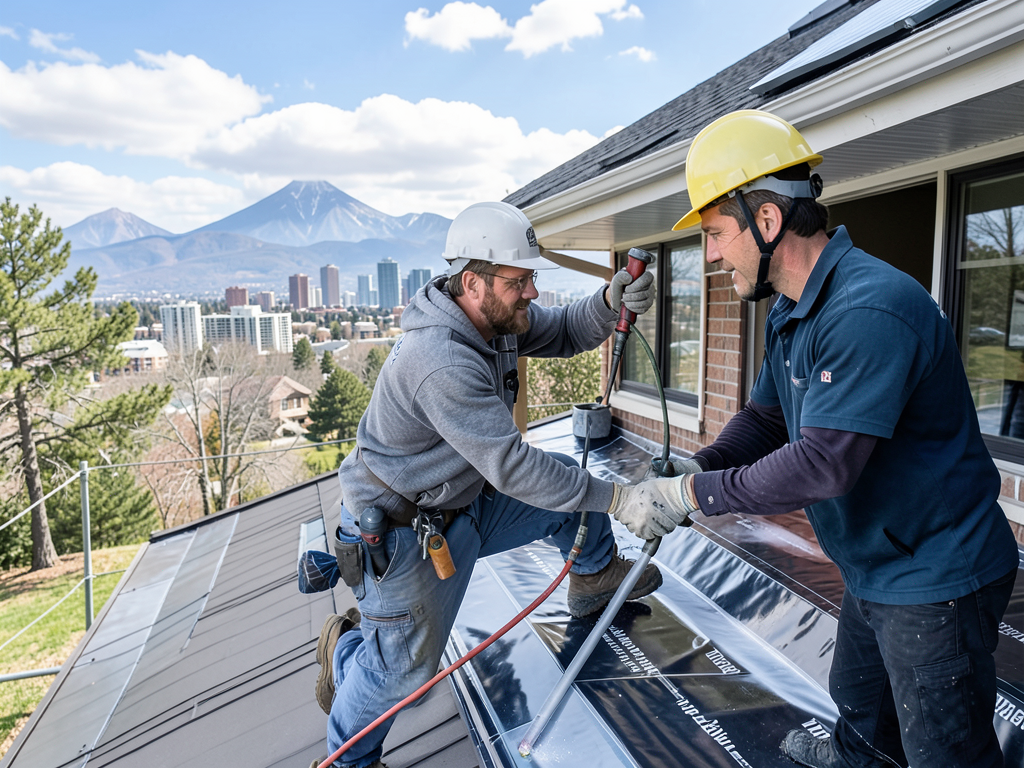
Our underlayment system uses a dual-layer approach. We install a self-adhering modified bitumen base layer, then add a synthetic cap sheet with high-temperature tolerance. This combination prevents ice damming on north-facing slopes and handles the thermal expansion that occurs during Denver's 90-degree summer days. Standard felt paper fails under these conditions.

Flashing details make or break slate installations. We fabricate custom copper or stainless steel flashing for valleys, chimneys, and sidewall intersections. Pre-formed aluminum flashing corrodes quickly in Denver's intense sun and fails within 15 years. Our metalwork includes expansion joints that accommodate the thermal movement slate experiences during temperature swings. We also install snow guards on slopes above 6:12 pitch to prevent dangerous avalanches that damage gutters and landscaping.

What Happens During Your Slate Roofing Installation

Slate & Synthetic Slate Roofing in Denver – Premium Protection Built for High-Altitude Wind and Hail Exposure
01

Structural Assessment and Planning

We inspect your roof framing from the attic to verify rafter spacing, sheathing thickness, and bearing wall capacity. Denver homes built before 1980 often need reinforcement for slate weight. We also map your roof plane orientations because south and west exposures require different underlayment specifications than north-facing slopes. This evaluation includes measuring roof pitch to determine proper slate overlap and exposure dimensions required by manufacturer warranties.
02

Precision Installation and Flashing

Our crews install each slate tile using copper or stainless steel nails, never galvanized fasteners that rust out. We hand-cut tiles around penetrations and valleys, maintaining the proper headlap that prevents wind-driven rain infiltration during Denver's severe storms. All flashing receives a continuous bead of polyurethane sealant rated for high-altitude UV exposure. We install each course with a level line to maintain consistent reveals and prevent water channeling that causes premature failure.
03

Final Inspection and Documentation

After installation, we conduct a tile-by-tile inspection, checking fastener placement and ensuring no tiles exhibit pre-existing fractures that could fail during hail events. You receive detailed photos of flashing details, underlayment layers, and valley construction for insurance and future maintenance records. We also provide a roof care guide specific to Denver's climate, including recommended inspection intervals after severe weather and proper snow removal techniques that prevent tile breakage during winter.

Why Denver Properties Need Local Slate Roofing Expertise

Denver enforces specific building codes that out-of-state contractors routinely miss. The 2021 International Residential Code amendments adopted by Denver require enhanced wind uplift resistance for roof systems. Your slate installation must meet a minimum wind rating of 110 mph, with higher requirements for properties in exposed locations like Highlands Ranch or Castle Rock. We design every installation to exceed these minimums because Denver's chinook winds frequently surpass code requirements.

Historic district properties face additional regulations. If you own a home in Montclair, Country Club, or Bonnie Brae, you need Denver Landmark Preservation approval before replacing slate roofing. We handle the Certificate of Appropriateness application, specifying materials that match the original installation. Many homeowners discover too late that their contractor installed faux slate shingles that do not meet historic district standards, forcing expensive re-roofing.

Insurance claims require local documentation expertise. After the 2023 hailstorms, we saw hundreds of denied claims because contractors failed to document pre-existing damage versus storm damage. We photograph every square foot of your existing roof, noting deterioration patterns specific to Denver's climate. This documentation protects you during the claims process and establishes baseline conditions for future damage assessment.

Our material suppliers maintain Denver-area warehouses, which matters more than you might think. When a windstorm tears off sections of your slate roof, you need immediate repairs before the next weather system arrives. National chains wait weeks for specialty materials to ship from distant warehouses. We access replacement tiles and flashing materials within 24 hours, preventing water damage that turns a simple repair into a full replacement project.

What You Get with Professional Slate Roofing Service

Project Timeline and Scheduling

Slate roofing installation takes longer than asphalt because precision matters. A typical 2,500-square-foot Denver home requires seven to ten working days for complete installation, weather permitting. We do not rush crews because improper fastening causes tile failure during hail events. Spring and fall provide optimal installation windows when temperatures stay between 40 and 80 degrees. Summer heat causes underlayment adhesives to over-activate, while winter cold prevents proper sealing. We schedule your project during ideal conditions and protect your home with tarps if unexpected weather arrives. You receive daily progress updates and photos showing completed work sections.

Comprehensive Property Evaluation

Our initial consultation includes attic inspection, roof framing assessment, and existing material analysis. We use a moisture meter to check sheathing for hidden water damage common in Denver's older homes. You receive a detailed report showing current roof conditions, structural capacity calculations, and material recommendations based on your property's specific exposure. We also evaluate your gutters and fascia because slate roofing requires properly sized drainage systems to handle Denver's intense summer thunderstorms. This evaluation takes 60 to 90 minutes and includes drone photography for areas unsafe to access on foot. You get a written estimate within 48 hours breaking down material costs, labor, and timeline.

Long-Term Performance and Durability

Properly installed natural slate roof tiles last 75 to 100 years in Denver's climate, outlasting you and potentially your children. Composite slate roofing provides 40 to 50-year service life when manufactured to commercial-grade specifications. Your roof will survive multiple hailstorms that destroy neighboring asphalt roofs. You eliminate the cycle of replacing roofing every 15 to 20 years, saving thousands in future costs. The installation also increases property value because buyers recognize quality construction. Denver's historic neighborhoods show century-old slate roofs still performing, proving the material's durability. You get a roof system engineered for generational performance, not just the next decade.

Maintenance and Care Requirements

Slate roofing requires minimal maintenance compared to other materials, but Denver's climate demands specific care. We recommend annual inspections before winter to check flashing seals and replace any tiles damaged during summer hail season. You should clear pine needles and debris from valleys twice yearly because Denver's cottonwood trees shed heavily in June. Never pressure wash slate because the force dislodges tiles and damages underlayment. We provide emergency repair service after severe weather, typically responding within 24 hours to tarp damaged sections and prevent water intrusion. Minor repairs involve replacing individual tiles, not entire sections. You receive care instructions specific to your installation, including proper snow removal techniques and guidance on when to call professionals versus handling maintenance yourself.

Frequently Asked Questions

You Have Questions,
We Have Answers

How Denver's Freeze-Thaw Cycles Affect Slate Roofing Performance

Denver experiences an average of 118 freeze-thaw cycles annually, far exceeding most U.S. cities. This constant temperature fluctuation drives moisture into porous slate tiles, where it freezes and expands, creating internal stress fractures. Inferior imitation slate tiles manufactured without proper density ratings crack within five to seven years under these conditions. The city's 15% average humidity also accelerates deterioration because dry air draws moisture from slate during the day, then temperature drops at night cause condensation. Natural slate roof tiles quarried from regions with similar climate conditions perform best because the stone evolved under comparable freeze-thaw stress. Composite slate roofing must incorporate polymer binders that remain flexible across Denver's temperature range, from -20 degrees in January to 105 degrees in July. Properties in Boulder County face even harsher conditions due to higher elevation and increased moisture from mountain proximity.

Denver requires specific roofing certifications that many contractors lack. Apex Roofing Denver holds current Denver Building Department permits and maintains relationships with city inspectors who understand slate roofing requirements. We also belong to the National Slate Association, demonstrating our commitment to proper installation standards developed over centuries of slate roofing tradition. Our crews complete ongoing training in Denver-specific building codes, including the 2021 amendments addressing wind uplift and fire resistance. This local expertise prevents the costly failures we see from national chains that apply coastal installation techniques to Denver's high-altitude environment. When you hire local specialists who understand authentic slate roofing and faux slate shingles, you avoid the warranty disputes and premature failures that plague homeowners who choose price over expertise.
Roofing Services in The Denver Area

Looking for trusted roofing services near you? Apex Roofing Denver proudly serves homeowners and businesses across the greater Denver area with expert roof repairs, replacements, inspections, and storm damage restoration. From Aurora to Lakewood and Thornton to Centennial, our experienced roofing team is ready to deliver fast, dependable solutions. Use the map below to explore our service areas and find top-rated roofing help near your neighborhood.

Address:
Apex Roofing Denver, 2301 Blake St, Denver, CO, 80205

Additional Services We Offer

Our news updates

Latest Articles & News from The Blogs

Lorem ipsum dolor sit amet. Aut expedita quaerat quo eligendi numquam et laudantium perspiciatis qui minima expedita rem consequatur ducimus.…

Test Blog 4

Lorem ipsum dolor sit amet. Aut expedita quaerat quo eligendi numquam et laudantium perspiciatis qui minima expedita rem consequatur ducimus.…

Test Blog 3

Lorem ipsum dolor sit amet. Aut expedita quaerat quo eligendi numquam et laudantium perspiciatis qui minima expedita rem consequatur ducimus.…

Test Blog 2

Lorem ipsum dolor sit amet. Aut expedita quaerat quo eligendi numquam et laudantium perspiciatis qui minima expedita rem consequatur ducimus.…

Contact Us

Stop replacing your roof every 15 years. Call Apex Roofing Denver at (720) 484-8300 for a comprehensive slate roofing evaluation. We provide detailed estimates, structural analysis, and material recommendations based on your property's specific needs.