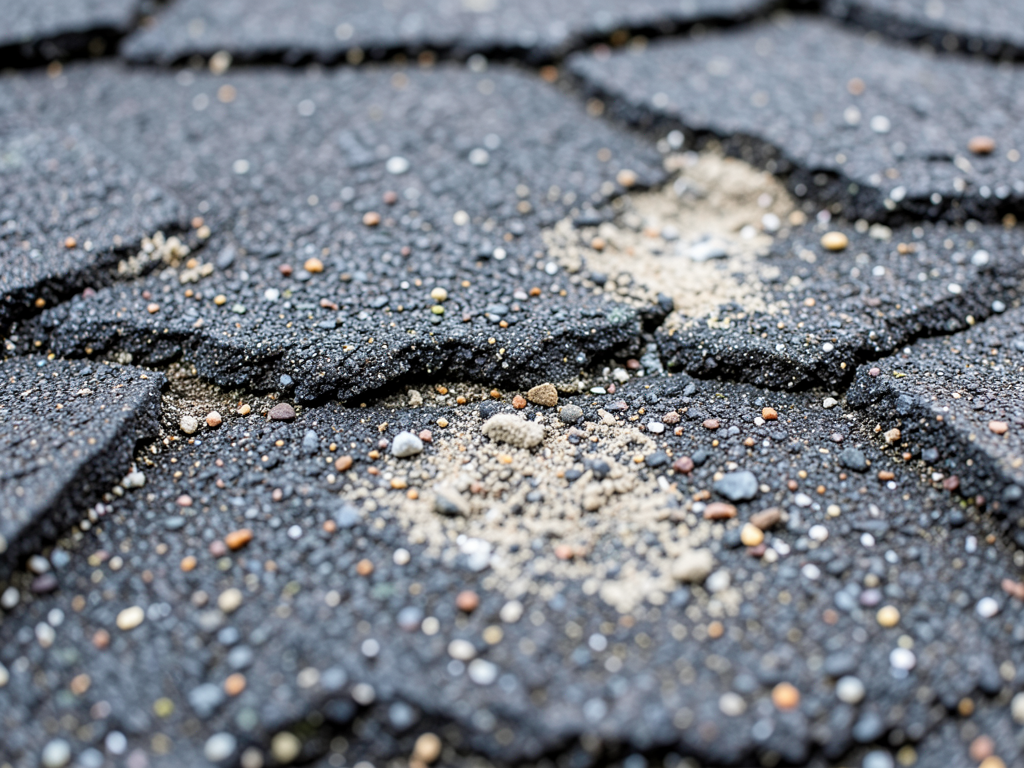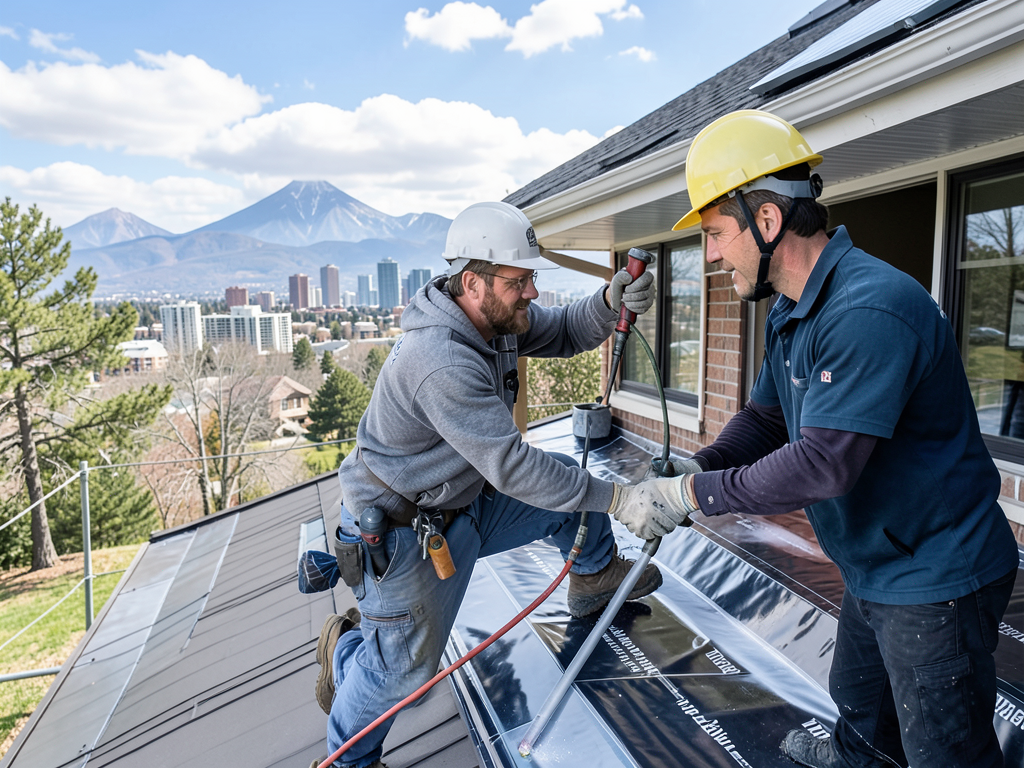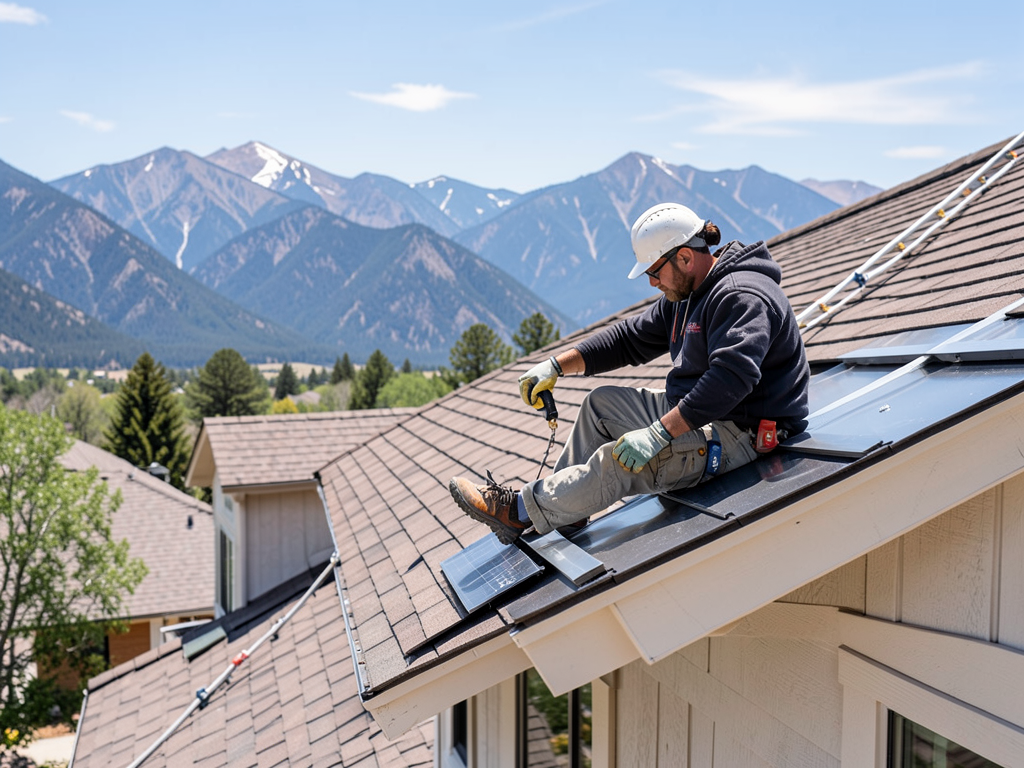





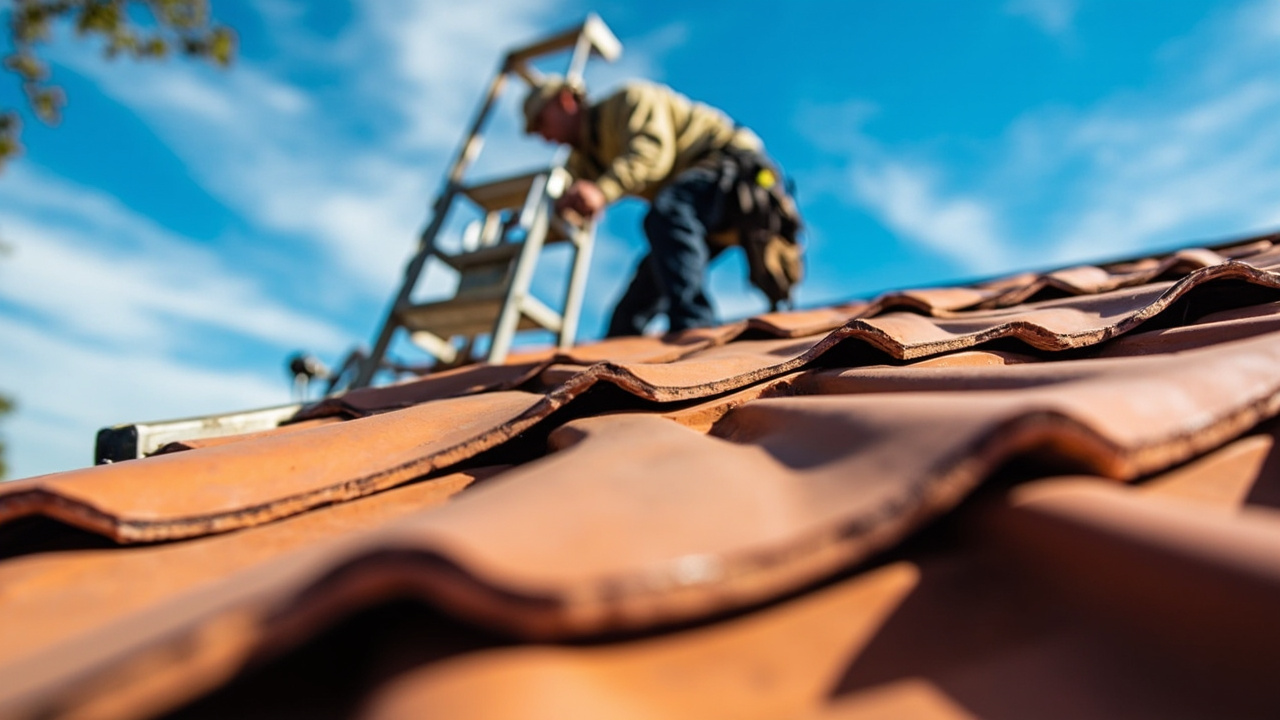
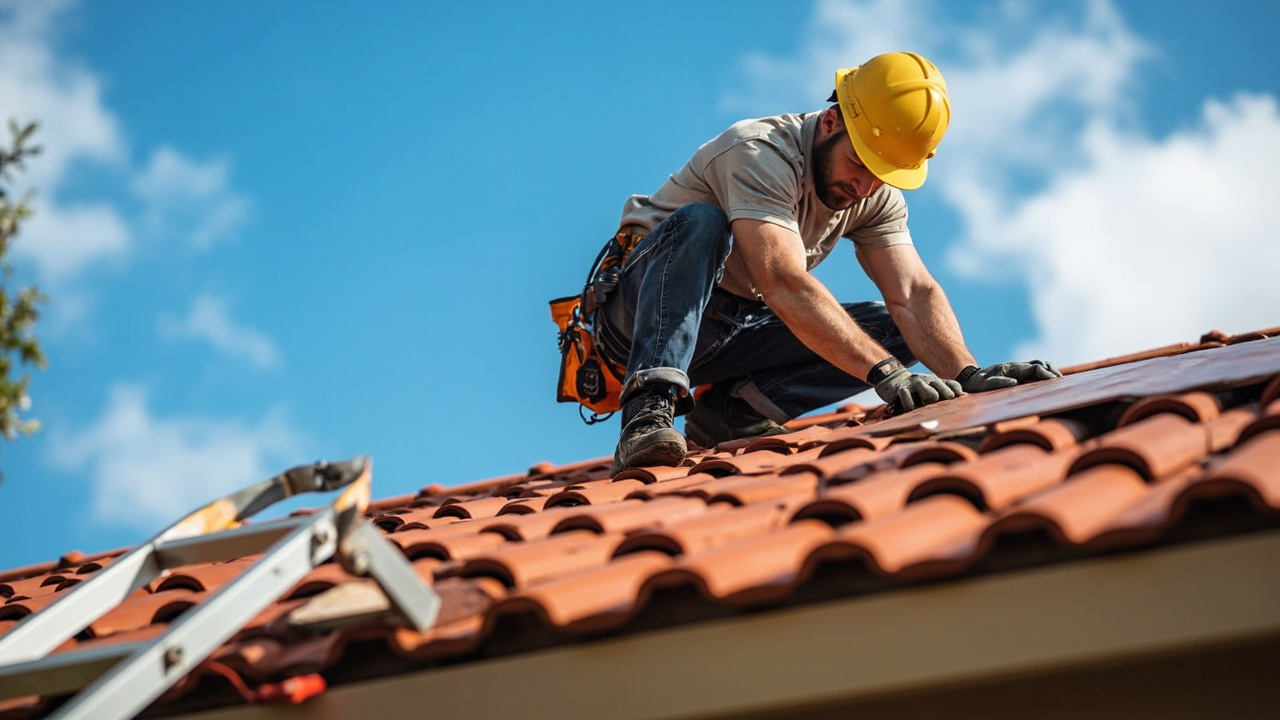
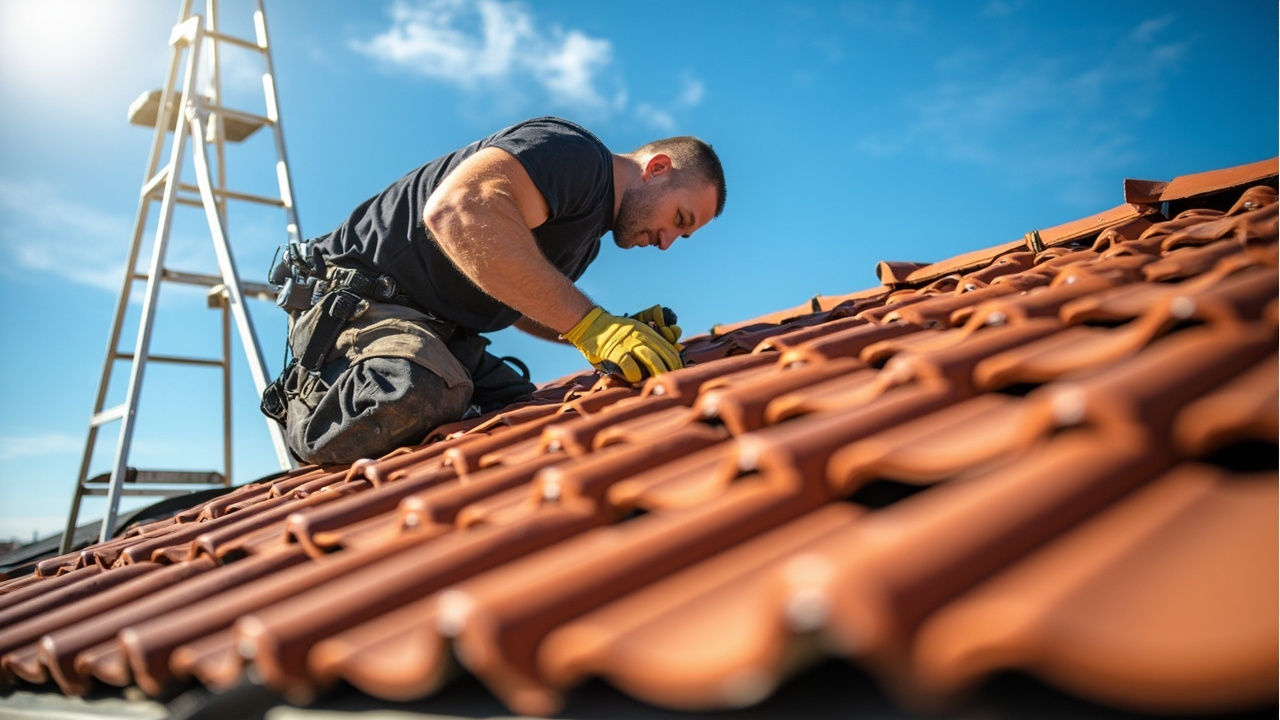
Denver sits in Colorado's primary hail corridor, receiving an average of nine hail days per year with storms frequently producing stones larger than one inch. Tile roofing installation must account for impact resistance while maintaining the ventilation and drainage that prevents ice dam formation during winter. The altitude creates a paradox for tile roofing contractors: intense UV exposure degrades underlayment faster, but low humidity slows mortar curing and affects sealant bonding. Properly installed concrete tiles withstand hail better than any other roofing material available in Denver, but only when battens, underlayment, and flashing are detailed for Front Range conditions. The same hailstorm that destroys an asphalt shingle roof typically leaves tiles intact, though underlayment inspection becomes critical after severe weather events.
Denver's building codes reflect the city's unique weather challenges, requiring higher wind ratings and specific flashing details that coastal tile roofing companies often overlook. Apex Roofing Denver works directly with city inspectors and understands how local code enforcement applies to tile roof replacement in different neighborhoods. Our relationships with Denver suppliers mean we access tiles rated for Colorado weather and source flashing materials that resist the corrosion caused by UV exposure at altitude. When you choose tile roofing contractors with deep roots in the metro area, you get installation methods proven through decades of Denver winters, hail seasons, and the punishing sun that tests every roof along the Front Range.