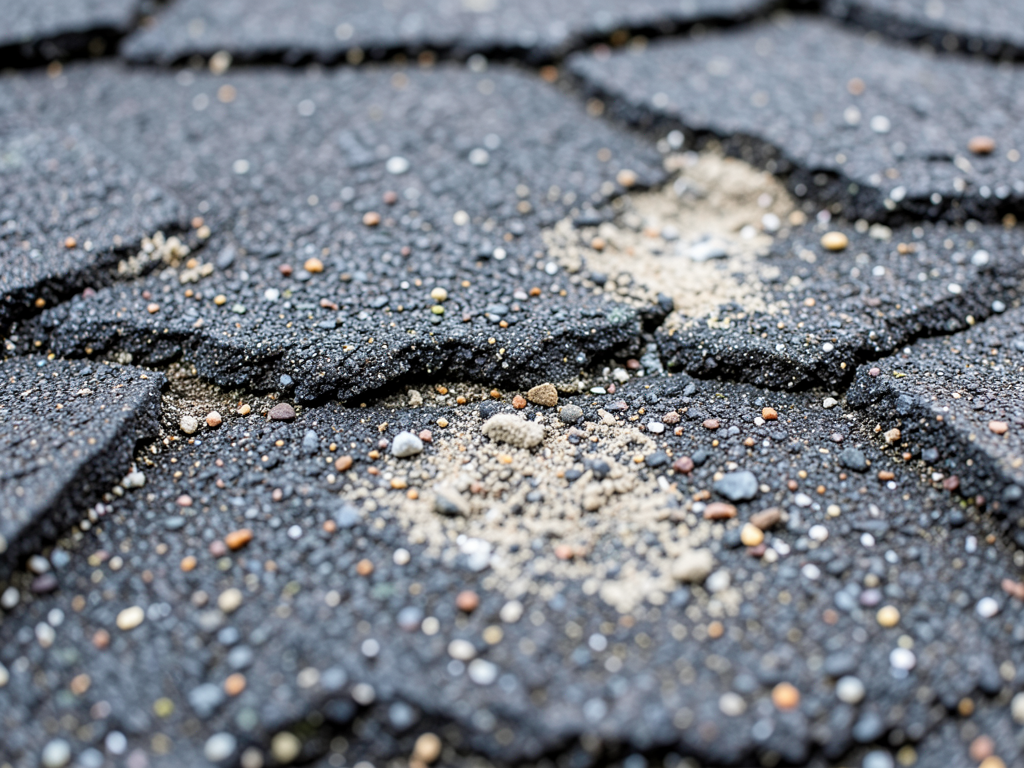





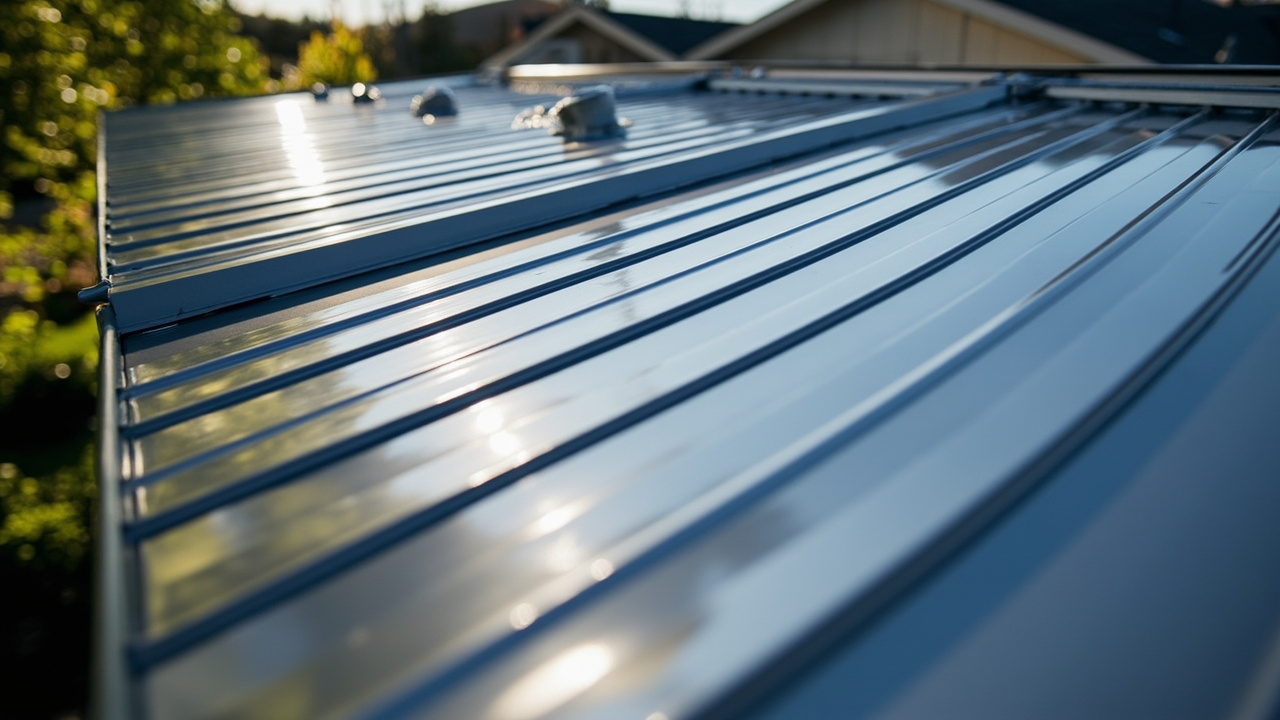
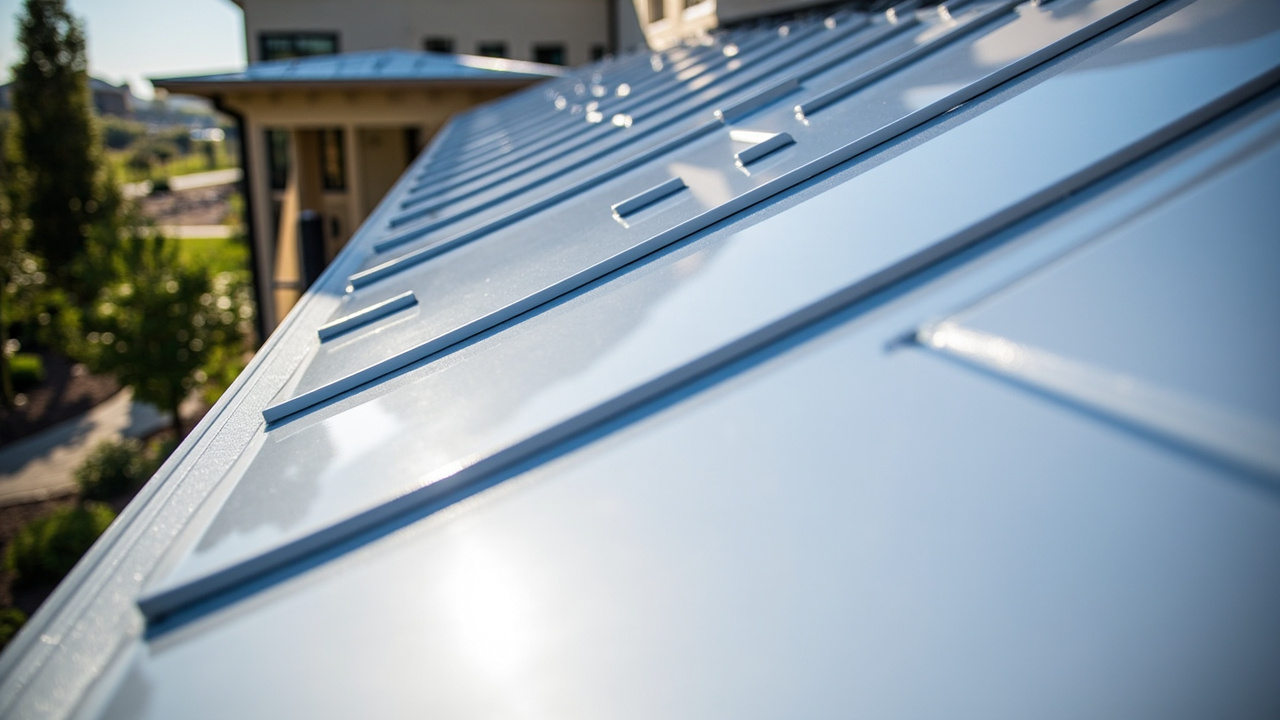
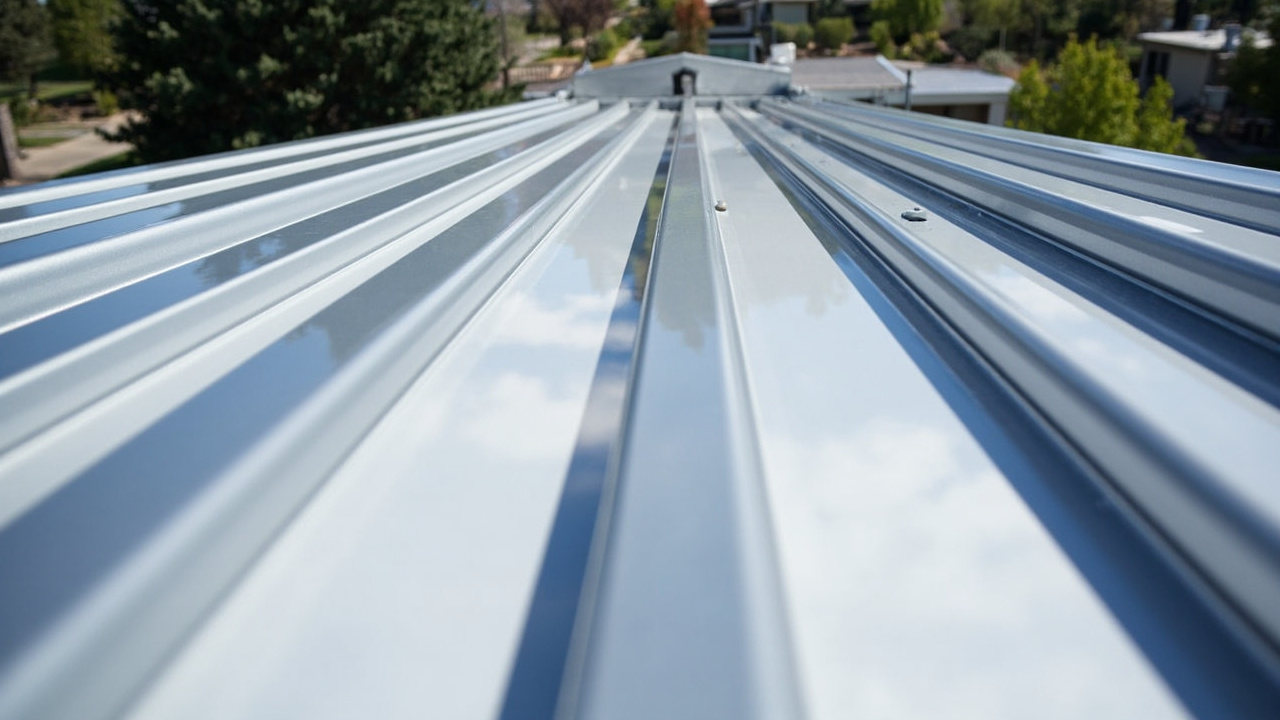
Denver sits directly in the Colorado Hail Corridor, where warm updrafts from the plains collide with cold air descending from the Rockies to create hailstones that frequently exceed golf ball size. The National Weather Service reports that the Front Range experiences more severe hailstorms than any other urban area in North America. Metal roofing materials rated for Class 4 impact resistance can withstand hailstones up to two inches in diameter without denting or compromising the roof deck. At 5,280 feet elevation, UV radiation intensity increases by roughly four percent for every 1,000 feet above sea level, meaning Denver roofs endure 20 percent more ultraviolet damage than roofs at sea level. Metal roof sheets with Kynar or PVDF finish coatings resist this UV degradation without the granule loss and brittleness that destroys asphalt shingles within 15 years.
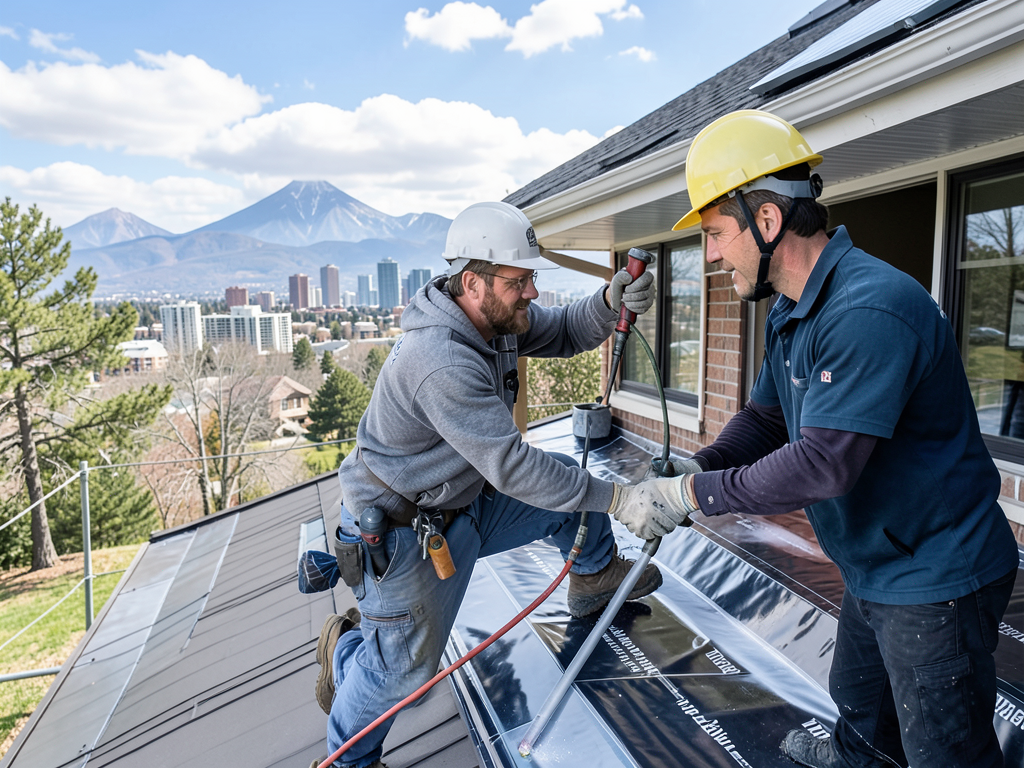
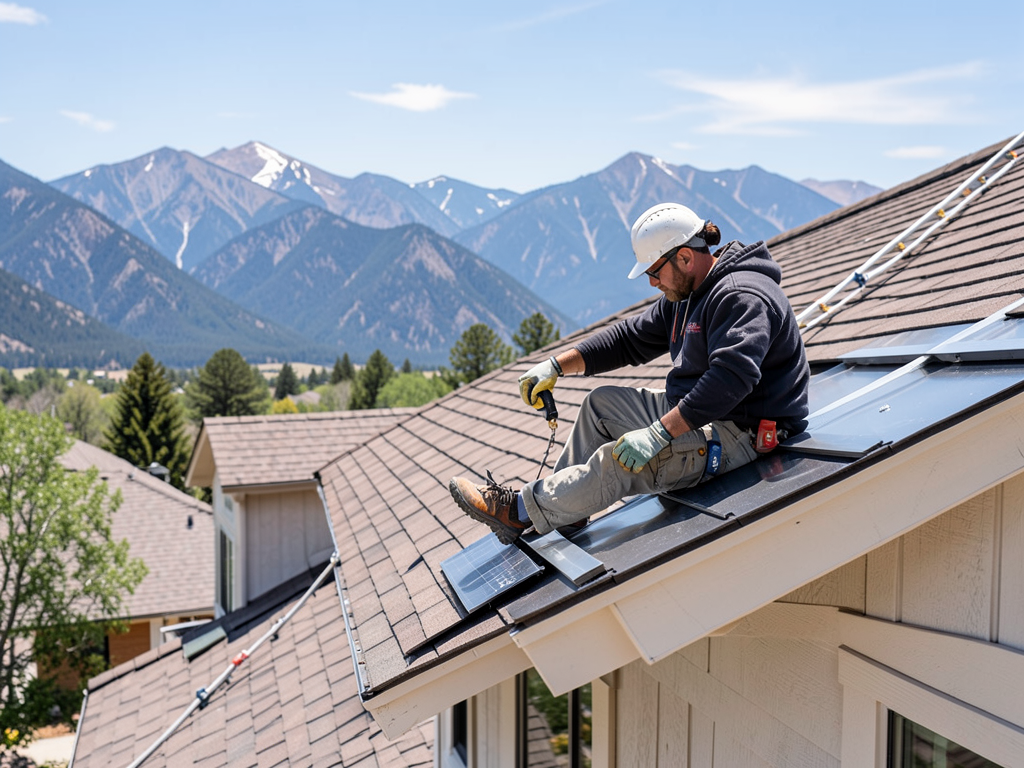
Denver building codes adopted stricter wind uplift requirements after the 2017 windstorms that damaged thousands of roofs across the metro area. Metal roofing systems installed with concealed fastener clips meet or exceed the 110 mph wind rating required in most Denver residential zones. Apex Roofing Denver maintains relationships with Denver building inspectors and understands the specific permitting requirements for metal roof installations in historic districts, which require design review approval before work can begin. We also understand how Denver's expansive clay soil affects foundation settlement patterns, which can create roof plane distortions that require custom-fabricated flashing solutions most contractors cannot provide.