
The True Cost of Detaching and Resetting Solar Panels for a Roof Replacement
When hail hits your Denver roof hard enough to require replacement, the solar panels on top create a whole new layer of complexity and cost. The process of safely removing, storing, and reinstalling your photovoltaic system is not optional if you want to protect your investment and ensure your warranty remains intact. Understanding what this process truly costs helps you plan your roof replacement budget accurately and avoid surprise expenses. How Much a Full Roof Replacement Actually Costs in Denver Right Now.
Denver homeowners face unique challenges when coordinating solar panel removal with roof replacement. The Front Range climate with its intense hail storms and freeze-thaw cycles means many local roofs need replacement every 15 to 20 years. If you installed solar panels a decade ago, chances are high you will need to detach and reset them during your next roof replacement project. Industrial Roof Replacement.
The true cost extends beyond simple labor. You need to factor in electrical system diagnostics, potential mounting hardware replacement, storage fees, and the coordination between roofing and solar professionals. This guide breaks down every cost component so you can make informed decisions about your Denver roof replacement project.. Read more about Understanding the Denver Green Building Ordinance for Commercial Roof Replacements.
Breaking Down the Average Costs for Denver Homeowners
The total cost for detaching and resetting solar panels in Denver typically ranges from $2,500 to $8,000 depending on system size and complexity. Here is how those costs break down by component:. Read more about What Happens to Your Solar Panels When It Is Time for a New Roof in Central Park?.
| Cost Component | Average Cost Range | Notes |
|---|---|---|
| Per Panel Removal and Reset | $150 – $300 | Based on 300-400 watt panels |
| Flat Fee Service | $2,000 – $6,000 | For smaller systems under 20 panels |
| Electrical System Testing | $300 – $500 | Pre and post removal diagnostics |
| Storage Fees | $100 – $300 | Climate-controlled facility |
| Mounting Hardware Replacement | $500 – $1,500 | Rusted or damaged components |
| Permitting Fees | $200 – $400 | Denver building department |
System size dramatically affects total costs. A 6-kilowatt system with 16 to 20 panels will cost less per panel than a 12-kilowatt commercial system with 30 to 40 panels. Roof pitch also matters significantly. Steep roofs over 8:12 pitch require additional safety equipment and labor time, potentially adding $500 to $1,000 to the total project cost.
Storage considerations can add unexpected costs. If your roof replacement takes longer than anticipated due to weather delays or material shortages, extended storage fees can accumulate quickly. Most solar companies charge $50 to $100 per week for climate-controlled storage of your panels and mounting equipment.. Read more about Making Your Roof Solar Ready Before You Install Panels in Lakewood.
The Solar R and R Process What Denver Roofers Do Differently
Denver roofing companies that regularly work with solar installations follow a specific process to protect both your roof and your solar investment. The process begins with a detailed site assessment where the roofing team documents the existing solar configuration, panel orientation, and any visible mounting hardware issues.. Read more about How to Read a Roofing Estimate Without Getting Confused by Technical Terms.
Electrical safety comes first. The solar company shuts down the system at the inverter and disconnects all electrical connections. This step requires a licensed electrician familiar with photovoltaic systems. Many Denver roofers partner with local solar contractors to ensure proper electrical handling throughout the project.
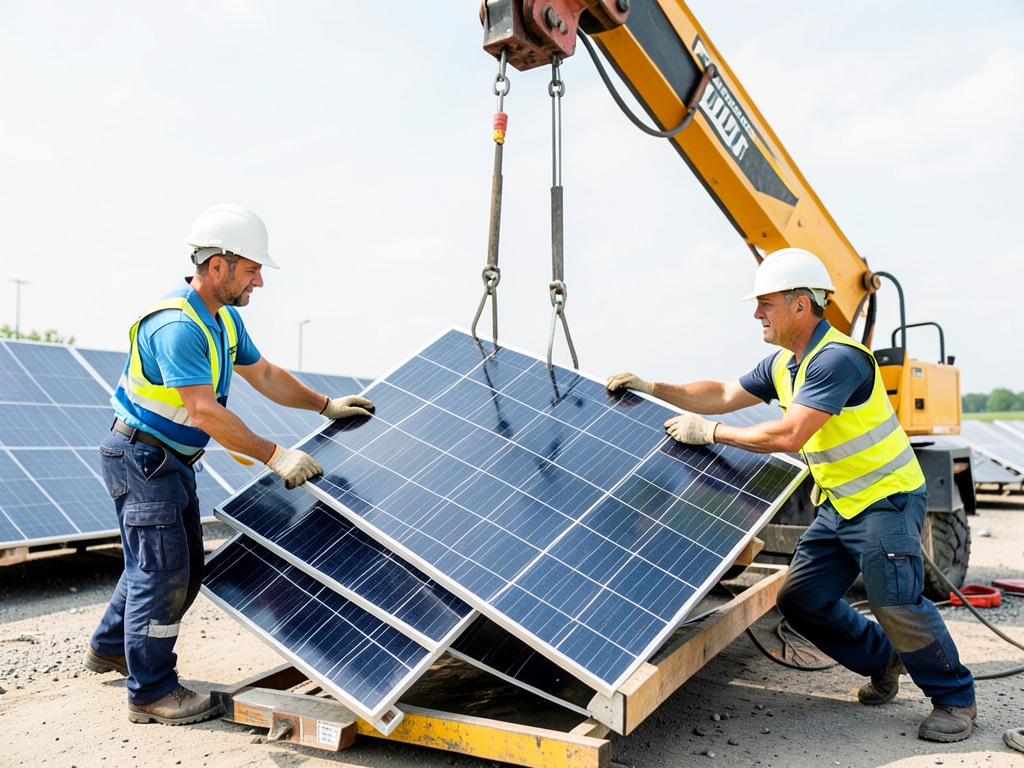
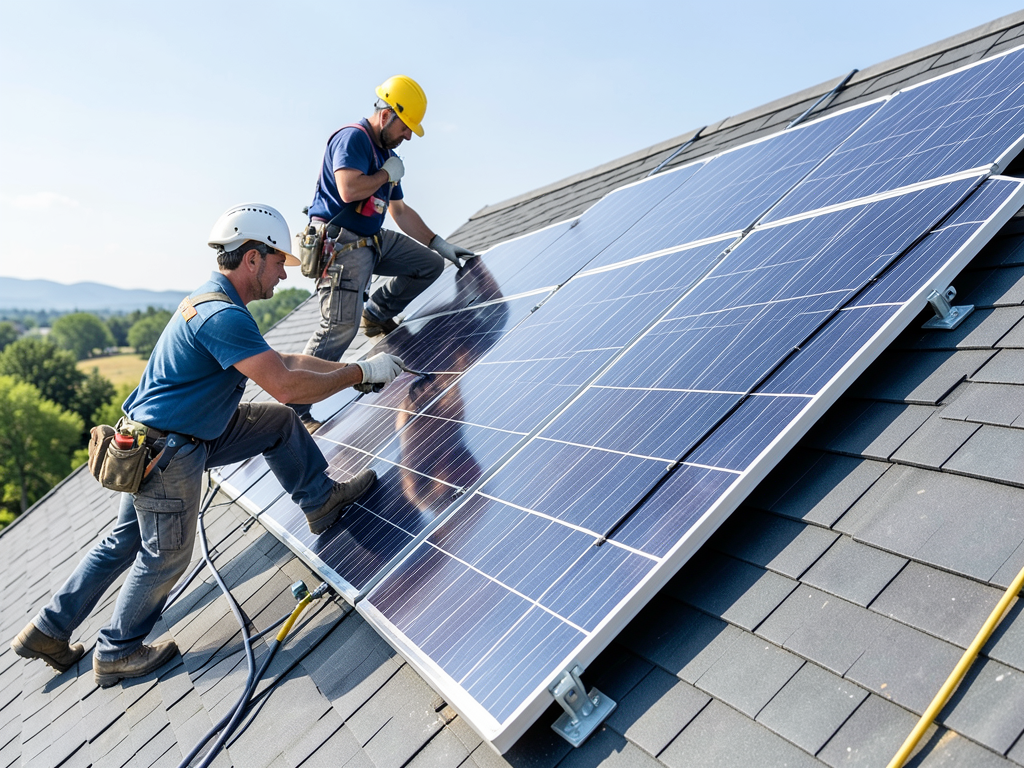
Panel removal follows a systematic approach. Each panel gets labeled with its original position and orientation. This labeling becomes critical during reinstallation because even small orientation changes can affect system performance. The team uses specialized lifting equipment to prevent panel damage during removal.
Storage preparation involves more than just stacking panels. Denver’s climate requires climate-controlled storage to prevent thermal stress on the glass and electrical components. Panels need to be stored upright with protective padding between each unit. Mounting hardware gets sorted and inspected for rust or damage caused by Colorado’s freeze-thaw cycles.
Roof replacement proceeds normally once the solar system is safely stored. The roofing team can access the entire roof surface without working around obstacles. This often results in a better quality installation and can actually save time compared to working around solar panels.
System recommissioning happens after the new roof passes final inspection. The solar team reinstalls each panel according to the documented layout. They reconnect all electrical components and perform system diagnostics to ensure everything operates at peak efficiency. Many Denver solar contractors include a post-installation performance report with their services.
Does Homeowners Insurance Cover Solar Detach and Reset?
Most Denver homeowners insurance policies cover solar panel removal and reinstallation when the roof replacement results from a covered peril like hail damage. However, the details matter. Many policies have specific exclusions or limitations for solar systems that can leave you responsible for significant costs.
Hail damage claims are the most common scenario for Denver solar R and R needs. Colorado experiences over 200 hail events annually, with the Front Range seeing the highest concentration. When filing a hail damage claim, you must specifically request coverage for the detach and reset line item. Many insurance adjusters initially exclude this cost, assuming the solar system remains in place.
The key to getting coverage is documentation. Before any work begins, obtain written estimates from both your roofing company and solar contractor. Submit these estimates together to your insurance adjuster. The combined estimate should clearly break out the solar R and R costs as a separate line item. Getting Your Highlands Ranch Roof Replaced After a Major Hail Storm.
Some Denver insurance companies now offer specific endorsements for solar systems that include R and R coverage. These endorsements typically cost $50 to $150 per year but can save you thousands in out-of-pocket expenses. If you have a leased solar system, check whether your lease agreement includes R and R coverage or if you must pay these costs yourself.
Time limits matter significantly. Most insurance policies require you to file hail damage claims within one year of the damaging event. If you wait too long, you may lose coverage for the solar R and R costs even if the roof damage itself is covered.
Why Denver’s Climate Impacts Your Reinstallation
Denver’s unique climate creates specific challenges for solar panel reinstallation that other regions do not face. The combination of high altitude, intense UV exposure, and dramatic temperature swings affects both the roofing materials and the solar mounting systems.
Wind loads in Denver are significantly higher than national averages. The city sits at 5,280 feet elevation with minimal natural wind barriers. Building codes require solar mounting systems to withstand winds up to 115 miles per hour. This means your reinstallation must use mounting hardware rated for these extreme conditions. National Renewable Energy Laboratory.
Snow loading presents another critical factor. Denver receives an average of 57 inches of snow annually, with occasional heavy storms dropping several feet. The mounting system must support not only the weight of the panels but also the accumulated snow load. This often requires upgrading to heavier-duty mounting rails and more frequent attachment points.
Freeze-thaw cycles cause expansion and contraction in both roofing materials and mounting hardware. Denver experiences over 150 freeze-thaw cycles annually. This constant movement can loosen mounting bolts over time if they are not properly torqued and sealed during reinstallation.
UV exposure at high altitude accelerates material degradation. Standard mounting hardware may need replacement even if it appears visually intact. Denver’s UV index regularly reaches extreme levels during summer months, breaking down plastic components and degrading rubber seals faster than manufacturers anticipate.
Roof pitch affects solar efficiency in Denver’s climate. The optimal angle for year-round solar production in Denver is between 30 and 35 degrees. If your roof pitch falls outside this range, your solar contractor may recommend adjusting the mounting angle during reinstallation, which adds to the overall cost but improves long-term energy production.
Choosing a Denver Roofer Who Understands Solar
Not all Denver roofing companies have experience working with solar installations. Hiring a roofer unfamiliar with solar systems can lead to voided warranties, roof leaks, or even electrical fire hazards. Here is what to look for when selecting a contractor for your solar-inclusive roof replacement. Fixing Flat Roof Leaks in LoHi and Modern Denver Homes.
NABCEP certification matters significantly. The North American Board of Certified Energy Practitioners offers specialized training for professionals who work with solar installations. While your solar contractor should hold this certification, your roofing contractor should also understand solar-specific roofing requirements. North American Board of Certified Energy Practitioners.
Experience with local building codes is crucial. Denver has specific requirements for solar installations, including wind load calculations and fire setbacks. A contractor familiar with these codes will ensure your reinstallation passes inspection without costly modifications.
Insurance verification becomes even more important with solar-involved projects. Your roofing contractor should carry both general liability and workers’ compensation insurance. Additionally, they should provide proof of solar-specific coverage that protects against damage to your photovoltaic system during the removal process.
References specific to solar work provide valuable insights. Ask potential contractors for examples of previous projects where they removed and reset solar panels. Contact these references to ask about communication, timeline adherence, and any issues that arose during the project.
Warranty considerations extend beyond the roof itself. A quality contractor will document the solar removal process thoroughly and provide you with records showing how they protected your system warranties. This documentation becomes valuable if you need to make warranty claims in the future.
Communication protocols matter significantly. The best contractors establish clear communication channels between the roofing team, solar contractor, and homeowner. This coordination prevents misunderstandings about timelines, access requirements, and system testing procedures.
Hidden Costs and What to Watch For
Beyond the obvious removal and reinstallation costs, several hidden expenses can catch Denver homeowners by surprise. Understanding these potential costs helps you budget more accurately and avoid financial stress during your roof replacement project.
Rusted mounting hardware replacement often becomes necessary once panels are removed. Denver’s climate accelerates corrosion, especially on older systems. Budget an additional $500 to $1,500 for potential hardware replacement, even if your initial inspection did not reveal obvious issues.
Roof deck repairs under solar panels can be substantial. Since solar panels block visual inspection of the roof surface below, damage from years of moisture intrusion or pest activity may only become visible after removal. These repairs can add $1,000 to $3,000 to your project if extensive damage exists.
Electrical system upgrades may be necessary during reinstallation. If your solar system is more than five years old, the original wiring and connections may not meet current electrical codes. Upgrading to code-compliant components can add $800 to $1,500 to your total costs.
System monitoring equipment often needs replacement or upgrade. Many older solar installations lack modern monitoring capabilities that allow you to track energy production through smartphone apps. Adding or upgrading monitoring equipment during reinstallation can cost $300 to $600.
Roof ventilation adjustments may be required. Solar panels can affect attic ventilation patterns, potentially requiring additional vents or modified airflow paths. These changes ensure your new roof performs optimally with the solar system in place.
Wildlife protection upgrades become important in Denver. Birds, squirrels, and other animals often nest under solar panels. During reinstallation, consider adding protective screening or barriers to prevent future wildlife damage, which can cost $200 to $400.. Read more about Why You Might Need a Lightning Protection System for Your High Rise Home in Morrison.
System efficiency testing after reinstallation ensures your solar investment performs as expected. Many contractors include basic testing, but comprehensive performance analysis by a certified solar technician can identify issues that basic testing misses. This service typically costs $200 to $400.
Timeline Considerations for Your Denver Project
The solar R and R process adds significant time to your roof replacement project. Understanding the timeline helps you plan accordingly and minimize disruptions to your household or business operations.
Initial assessment and planning typically requires one to two weeks. During this phase, contractors evaluate your system, obtain necessary permits, and develop a detailed project plan. This planning phase is crucial for preventing delays once work begins.
Solar removal itself usually takes one to two days for residential systems. The actual removal time depends on system size, roof accessibility, and weather conditions. Commercial systems may require three to five days for complete removal.
Roof replacement timing varies based on project scope. A typical asphalt shingle replacement takes three to five days for an average-sized home. However, if extensive deck repairs or custom flashing work is needed, the timeline can extend to seven to ten days.
Storage duration affects your overall timeline. Most residential roof replacements complete within two to three weeks, keeping storage costs minimal. However, supply chain issues or weather delays can extend storage needs, increasing both costs and timeline.
Solar reinstallation and commissioning requires another one to two days. This phase includes panel reinstallation, electrical reconnection, system testing, and final inspections. Weather conditions can affect this timeline, as electrical work cannot proceed during active precipitation.
Permit processing times vary by municipality. Denver typically processes solar permits within five to seven business days. However, if your project requires electrical upgrades or structural modifications, additional review time may be necessary.
Weather considerations are crucial in Denver. Spring and fall offer the most reliable weather for roofing projects, while summer brings afternoon thunderstorms and winter introduces snow and freezing temperatures. Planning your project during optimal weather seasons can prevent costly delays. Reliable Gutter Installation for New Builds in Central Park.
Making the Right Decision for Your Denver Home
Deciding how to handle your solar panels during roof replacement requires balancing multiple factors including cost, timeline, and long-term system performance. The right approach depends on your specific situation and priorities.
Full system removal and reinstallation offers the best long-term results for most Denver homeowners. This approach protects your solar investment, ensures proper roof installation, and maintains all warranties. While it represents the highest upfront cost, it typically provides the best return on investment over time.
Partial removal may work for specific situations. If only a portion of your roof needs replacement and that area does not contain solar panels, you might avoid full system removal. However, this approach requires careful planning to ensure proper roof transitions and maintain system integrity.
Solar integration during new construction differs significantly from retrofit situations. If you are building a new home in Denver, coordinating roof and solar installation from the start can reduce overall costs and simplify the process. Many builders now offer solar-ready roofing packages.
Leased solar systems add complexity to the decision-making process. If you lease your solar equipment, contact your leasing company before making any decisions. Many lease agreements have specific requirements for roof replacement and may cover some or all R and R costs.
Future expansion plans should influence your current decisions. If you anticipate adding more solar panels in the coming years, discuss this with your contractors during the planning phase. They may recommend mounting hardware or roof preparation that accommodates future expansion.
Energy production considerations matter for Denver’s climate. The Front Range receives over 300 days of sunshine annually, making solar a valuable investment. Protecting your system’s efficiency during roof replacement helps maximize your energy savings over the system’s lifetime.
Local incentives and rebates may offset some costs. Denver and Colorado offer various solar incentives that sometimes extend to system removal and reinstallation when part of a larger energy efficiency project. Check current programs before finalizing your budget.
Quality contractors provide detailed proposals that outline all costs and procedures. Be wary of unusually low bids, as these often indicate contractors who cut corners on critical safety and warranty protection steps. The cheapest option rarely provides the best long-term value.
Frequently Asked Questions
How long does the entire solar R and R process take?
The complete process typically requires two to three weeks from start to finish. This includes one to two days for removal, three to five days for roof replacement, and one to two days for reinstallation and testing. Weather delays can extend this timeline.
Will my solar panels be damaged during removal?
Professional solar contractors use specialized equipment and techniques to prevent panel damage during removal. However, accidents can happen. Quality contractors carry insurance that covers potential damage to your solar equipment during the removal process.
Can I keep my solar system running during roof replacement?
No. Solar panels must be completely disconnected from the electrical system before roof work begins. This is both a safety requirement and necessary to protect the panels from damage during construction activities.
What happens if my roof deck is damaged under the solar panels?
Roof deck damage often becomes visible only after solar panel removal. If damage exists, your roofing contractor will need to repair it before installing the new roof. This additional work increases both cost and timeline but is necessary for a proper installation.
Should I upgrade my solar system while it is off the roof?
Many homeowners take advantage of the removal opportunity to upgrade older systems. This might include adding monitoring equipment, upgrading to more efficient panels, or expanding system capacity. While this increases upfront costs, it can improve long-term energy production and system reliability.
How do I find qualified contractors for solar R and R work?
Look for contractors with specific experience in solar removal and reinstallation. Ask for references from previous solar-inclusive roof replacement projects. Verify licenses, insurance, and certifications. Quality contractors will provide detailed written proposals and answer all your questions thoroughly.
Will my solar warranty be affected by the removal process?
Proper removal and reinstallation by qualified professionals should not void your solar warranties. However, improper handling can void warranties. Ensure your contractors understand warranty requirements and document their procedures to protect your coverage.
What permits are required for solar R and R in Denver?
Denver requires electrical permits for solar removal and reinstallation. Your roofing contractor should handle these permits as part of their service. Additional permits may be required if structural modifications or electrical upgrades are needed during the process.
How can I minimize costs for solar R and R?
Getting multiple bids, timing your project during off-peak seasons, and working with contractors who have established relationships with solar companies can help reduce costs. However, never sacrifice quality or safety to save money on this critical process.
What should I do if my insurance denies coverage for R and R costs?
If your insurance initially denies coverage, request a detailed explanation in writing. Many denials result from missing documentation or incorrect claim coding. Work with your contractors to provide additional information or clarification. If coverage remains denied, you may need to appeal the decision or pay out-of-pocket.
Understanding the true cost of detaching and resetting solar panels for roof replacement in Denver helps you make informed decisions about your home improvement project. While the process adds complexity and cost to your roof replacement, proper handling protects your solar investment and ensures your new roof performs optimally for years to come.
For expert guidance on your Denver roof replacement project with solar considerations, contact Apex Roofing Denver at (720) 484-8300. Our experienced team understands the unique challenges of Colorado’s climate and can help you navigate the solar R and R process smoothly and efficiently.
You may also find this helpful. The Homeowner’s Guide to Using a HELOC to Pay for a New Roof in Westminster.
You may also find this helpful. Why Putting a New Layer of Shingles Over an Old One is Usually a Bad Idea.
{
“@context”: “https://schema.org”,
“@type”: “BlogPosting”,
“headline”: “The True Cost of Detaching and Resetting Solar Panels for a Roof Replacement”,
“description”: “Learn the true cost of solar panel removal and reinstallation during roof replacement in Denver. Get expert tips on budgeting, insurance, and finding qualified contractors.”,
“wordCount”: 3160,
“datePublished”: “2026-05-28T11:58:00.000Z”,
“dateModified”: “2026-05-28T11:58:00.000Z”,
“inLanguage”: “en-US”,
“mainEntityOfPage”: {
“@type”: “WebPage”,
“@id”: “https://apexroofingdenver.com”
},
“publisher”: {
“@type”: “LocalBusiness”,
“name”: “Apex Roofing Denver”,
“url”: “https://apexroofingdenver.com”
},
“author”: {
“@type”: “Organization”,
“name”: “Apex Roofing Denver”,
“url”: “https://apexroofingdenver.com”
},
“image”: {
“@type”: “ImageObject”,
“url”: “https://apexroofingdenver.com/wp-content/uploads/2026/03/the-true-cost-of-detaching-and-resetting-solar-pan-1.png”
}
}
{
“@context”: “https://schema.org”,
“@type”: “RoofingContractor”,
“name”: “Apex Roofing Denver”,
“url”: “https://apexroofingdenver.com”,
“address”: {
“@type”: “PostalAddress”,
“addressLocality”: “Denver”
},
“areaServed”: {
“@type”: “City”,
“name”: “Denver”
}
}
{
“@context”: “https://schema.org”,
“@type”: “FAQPage”,
“mainEntity”: [
{
“@type”: “Question”,
“name”: “Does Homeowners Insurance Cover Solar Detach and Reset?”,
“acceptedAnswer”: {
“@type”: “Answer”,
“text”: “Most Denver homeowners insurance policies cover solar panel removal and reinstallation when the roof replacement results from a covered peril like hail damage. However, the details matter. Many policies have specific exclusions or limitations for solar systems that can leave you responsible for significant costs.”
}
},
{
“@type”: “Question”,
“name”: “How long does the entire solar R and R process take?”,
“acceptedAnswer”: {
“@type”: “Answer”,
“text”: “The complete process typically requires two to three weeks from start to finish. This includes one to two days for removal, three to five days for roof replacement, and one to two days for reinstallation and testing. Weather delays can extend this timeline.”
}
},
{
“@type”: “Question”,
“name”: “Will my solar panels be damaged during removal?”,
“acceptedAnswer”: {
“@type”: “Answer”,
“text”: “Professional solar contractors use specialized equipment and techniques to prevent panel damage during removal. However, accidents can happen. Quality contractors carry insurance that covers potential damage to your solar equipment during the removal process.”
}
},
{
“@type”: “Question”,
“name”: “Can I keep my solar system running during roof replacement?”,
“acceptedAnswer”: {
“@type”: “Answer”,
“text”: “No. Solar panels must be completely disconnected from the electrical system before roof work begins. This is both a safety requirement and necessary to protect the panels from damage during construction activities.”
}
},
{
“@type”: “Question”,
“name”: “What happens if my roof deck is damaged under the solar panels?”,
“acceptedAnswer”: {
“@type”: “Answer”,
“text”: “Roof deck damage often becomes visible only after solar panel removal. If damage exists, your roofing contractor will need to repair it before installing the new roof. This additional work increases both cost and timeline but is necessary for a proper installation.”
}
},
{
“@type”: “Question”,
“name”: “Should I upgrade my solar system while it is off the roof?”,
“acceptedAnswer”: {
“@type”: “Answer”,
“text”: “Many homeowners take advantage of the removal opportunity to upgrade older systems. This might include adding monitoring equipment, upgrading to more efficient panels, or expanding system capacity. While this increases upfront costs, it can improve long-term energy production and system reliability.”
}
},
{
“@type”: “Question”,
“name”: “How do I find qualified contractors for solar R and R work?”,
“acceptedAnswer”: {
“@type”: “Answer”,
“text”: “Look for contractors with specific experience in solar removal and reinstallation. Ask for references from previous solar-inclusive roof replacement projects. Verify licenses, insurance, and certifications. Quality contractors will provide detailed written proposals and answer all your questions thoroughly.”
}
},
{
“@type”: “Question”,
“name”: “Will my solar warranty be affected by the removal process?”,
“acceptedAnswer”: {
“@type”: “Answer”,
“text”: “Proper removal and reinstallation by qualified professionals should not void your solar warranties. However, improper handling can void warranties. Ensure your contractors understand warranty requirements and document their procedures to protect your coverage.”
}
},
{
“@type”: “Question”,
“name”: “What permits are required for solar R and R in Denver?”,
“acceptedAnswer”: {
“@type”: “Answer”,
“text”: “Denver requires electrical permits for solar removal and reinstallation. Your roofing contractor should handle these permits as part of their service. Additional permits may be required if structural modifications or electrical upgrades are needed during the process.”
}
},
{
“@type”: “Question”,
“name”: “How can I minimize costs for solar R and R?”,
“acceptedAnswer”: {
“@type”: “Answer”,
“text”: “Getting multiple bids, timing your project during off-peak seasons, and working with contractors who have established relationships with solar companies can help reduce costs. However, never sacrifice quality or safety to save money on this critical process.”
}
},
{
“@type”: “Question”,
“name”: “What should I do if my insurance denies coverage for R and R costs?”,
“acceptedAnswer”: {
“@type”: “Answer”,
“text”: “If your insurance initially denies coverage, request a detailed explanation in writing. Many denials result from missing documentation or incorrect claim coding. Work with your contractors to provide additional information or clarification. If coverage remains denied, you may need to appeal the decision or pay out-of-pocket.”
}
}
]
}
{
“@context”: “https://schema.org”,
“@type”: “BreadcrumbList”,
“itemListElement”: [
{
“@type”: “ListItem”,
“position”: 1,
“name”: “Home”,
“item”: “https://apexroofingdenver.com”
},
{
“@type”: “ListItem”,
“position”: 2,
“name”: “Blog”,
“item”: “https://apexroofingdenver.com/blog”
},
{
“@type”: “ListItem”,
“position”: 3,
“name”: “The True Cost of Detaching and Resetting Solar Panels for a Roof Replacement”
}
]
}
{
“@context”: “https://schema.org”,
“@type”: “Service”,
“serviceType”: “Roofing”,
“provider”: {
“@type”: “LocalBusiness”,
“name”: “Apex Roofing Denver”,
“url”: “https://apexroofingdenver.com”
},
“areaServed”: {
“@type”: “City”,
“name”: “Denver”
},
“description”: “Learn the true cost of solar panel removal and reinstallation during roof replacement in Denver. Get expert tips on budgeting, insurance, and finding qualified contractors.”
}