
What Happens to Your Solar Panels When It Is Time for a New Roof in Central Park?
Solar panels are a major investment for your Central Park home. When hail damage or aging shingles make a new roof necessary you face a critical question. How do you protect your solar system during the roof replacement process? How Much a Full Roof Replacement Actually Costs in Denver Right Now.
Many Central Park homeowners discover that their solar panels must be temporarily removed before the roofing crew can begin work. This process requires specialized knowledge of both roofing systems and photovoltaic technology. Not every roofing contractor has the expertise to handle this dual challenge. Roofing Sheridan.
The Denver metro area experiences frequent severe hail storms particularly from May through August. Central Park homes with solar installations face unique risks during these weather events. Your roof and solar system must work together as a unified protective envelope for your home.. Read more about Making Your Roof Solar Ready Before You Install Panels in Lakewood.
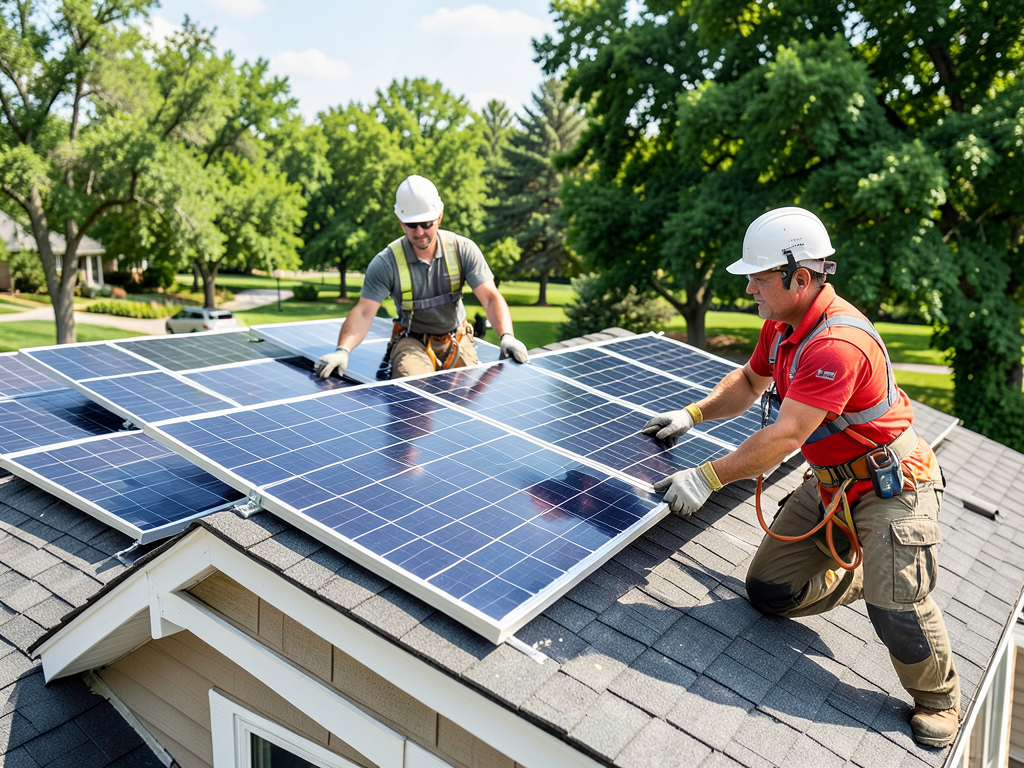
Professional solar panel removal and reinstallation requires careful coordination between roofing crews and solar technicians. The process protects your warranty coverage while ensuring your home remains weatherproof throughout the project. Understanding this process helps you make informed decisions about your upcoming roof replacement. Industrial Roof Replacement.
Why Professional Solar Detach and Reset Matters for Your New Roof
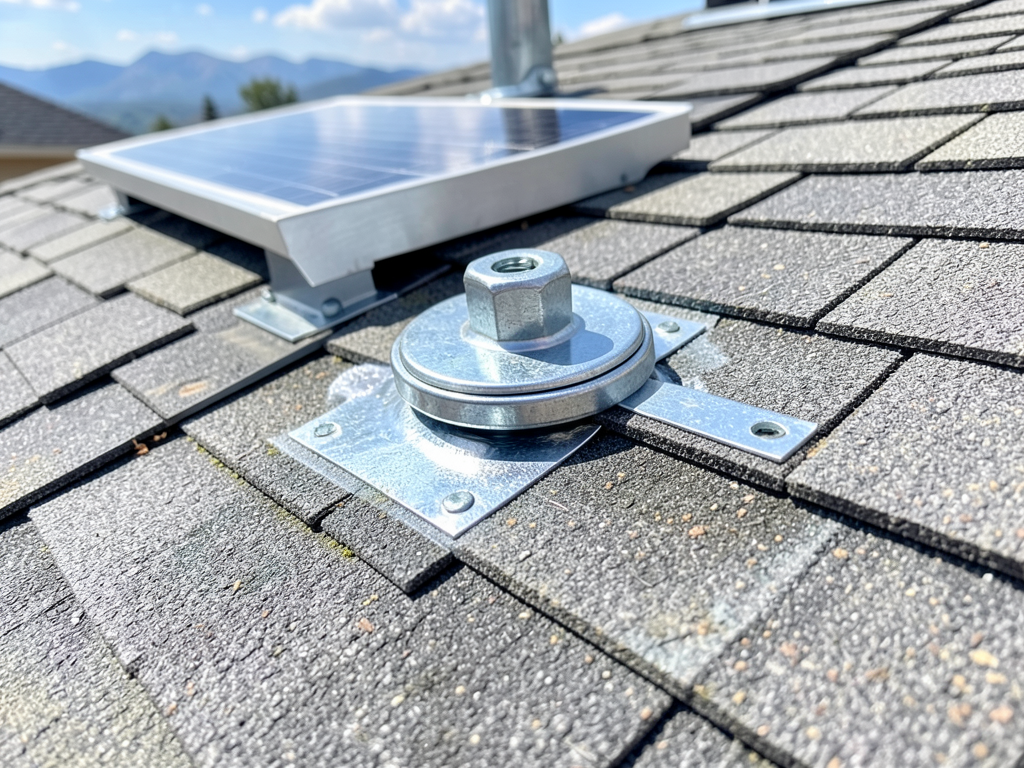
Solar panels mount to your roof using specialized racking systems that penetrate the roofing surface. These penetrations create potential leak points if not properly flashed and sealed. During a roof replacement these mounting points must be carefully removed and then reinstalled with new flashing materials. Roofing Englewood.
The electrical connections between your solar panels and your home’s power system add another layer of complexity. Solar panels generate direct current electricity that must be safely disconnected before roof work begins. This requires knowledge of DC disconnect switches and proper lockout procedures.
Central Park’s building codes require specific permitting for both roofing and solar electrical work. Your contractor must coordinate these permits to ensure compliance with Denver County regulations. Missing permits can result in fines and delays to your project completion.. Read more about The Best Roofing Materials for New Home Builds in the Painted Prairie Neighborhood.
Warranty protection represents another critical consideration. Most solar panel manufacturers require professional handling during removal and reinstallation. Improper handling can void your 25-year panel warranty. Similarly your roofing warranty may be voided if solar mounting hardware is not properly reinstalled.. Read more about How to Protect Your Green Valley Ranch Roof During Nearby Construction and Dust Storms.
Our Step-by-Step Denver Solar Removal and Reinstall Process
Professional solar R&R follows a specific sequence to protect your investment and ensure proper system functionality. Each phase requires different expertise and timing coordination.
- System Documentation and Shutdown
Our technicians document your existing system configuration including panel layout, wiring connections, and inverter settings. We take photographs of all mounting hardware and create detailed system maps. The electrical system is then safely shut down following National Electrical Code requirements. National Renewable Energy Laboratory.
- Secure Storage and Roof Replacement
Solar panels are carefully removed and transported to secure storage facilities. We use padded racks and climate-controlled storage to prevent damage during the roofing process. Your roof replacement proceeds with complete access to the roof surface. This allows for proper underlayment installation and flashing replacement.
- Precision Reinstallation and Performance Testing
After your new roof is installed we reinstall your solar panels using new flashing and mounting hardware. We verify all electrical connections meet code requirements and test system performance. Our technicians confirm your system produces expected power output before final commissioning.
Phase 1: System Documentation and Shutdown
Proper documentation protects your investment during the removal process. Our technicians create detailed records of your system’s current configuration. This includes panel serial numbers, inverter model information, and wiring diagrams.
The electrical shutdown process follows strict safety protocols. We disconnect the DC power from your panels before touching any mounting hardware. This prevents electrical shock and protects sensitive electronic components from damage.
Central Park homes often have microinverters mounted beneath each panel. These small devices convert DC power to AC power at the panel level. They require careful handling during removal to prevent damage to the internal circuitry.
Phase 2: Secure Storage and Roof Replacement
Solar panels need protection during the roofing process. We transport your panels to secure storage facilities with climate control and security systems. This prevents damage from dust, debris, or accidental impacts during roof construction.
Your roofing crew gains complete access to the roof surface without solar panels in place. This allows for proper installation of ice and water shield along eaves and in valleys. It also enables complete replacement of all flashing materials around chimneys, vents, and skylights.
The storage period typically lasts 3-5 days for standard roof replacements. Larger or more complex roofs may require additional time. We coordinate delivery schedules to minimize system downtime and protect your solar investment.
Phase 3: Precision Reinstallation and Performance Testing
Reinstallation begins only after your new roof passes final inspection. We use new flashing materials that match your roof’s color and style. This ensures a weathertight seal and maintains your roof’s aesthetic appearance.
Electrical reconnection follows manufacturer specifications for your specific equipment. We verify all connections meet National Electrical Code requirements for your area. This includes proper grounding, overcurrent protection, and disconnect placement.
Performance testing confirms your system operates at expected capacity. We measure voltage, current, and power output for each string of panels. This identifies any issues before final system commissioning.
Cost Factors for Solar Removal and Reinstall in Colorado
Solar R&R costs vary based on system size, roof complexity, and local labor rates. The Denver metro area typically sees higher labor costs than national averages due to the specialized nature of this work.. Read more about Everything Denver Homeowners Need to Know About Local Roofing Permits and Inspections.
| Cost Factor | Typical Range | Impact on Total Cost |
|---|---|---|
| Per Panel Removal/Reinstall | $150 – $300 | Primary cost driver |
| System Documentation | $200 – $500 | Fixed cost |
| Storage and Handling | $100 – $200 per day | Based on project duration |
System size significantly affects total costs. A 6-kilowatt system with 20 panels might cost $3,000 – $6,000 for complete R&R services. Larger commercial systems require more extensive documentation and testing, increasing costs proportionally.
Roof complexity impacts labor requirements. Steep slopes, multiple stories, or difficult access increase installation time and costs. Homes in Central Park with complex rooflines may see 15-25% higher labor costs than simple gable roofs.
Timing considerations also affect pricing. Emergency roof replacements after hail storms may incur premium rates due to high demand. Scheduling during off-peak seasons can reduce costs by 10-15% in some cases.
Navigating Insurance Claims for Solar-Equipped Roofs in Denver
Insurance claims for solar-equipped roofs require special handling. Many homeowners discover that standard roof replacement coverage doesn’t automatically include solar panel removal and reinstallation costs.
Denver’s frequent hail storms create a surge in insurance claims each summer. Central Park homes with solar installations often face delays as insurance adjusters evaluate both roof and solar damage. This dual assessment requires specialized knowledge of both roofing and photovoltaic systems.
Supplementing insurance claims for solar R&R labor represents a critical step. Most policies cover material damage but exclude labor costs for solar system handling. Professional contractors can provide documentation to support these supplemental claims.
Xcel Energy’s net metering policies affect your solar system during roof replacement downtime. Your contractor should coordinate with the utility to minimize billing impacts. Some systems can be temporarily configured to maintain basic monitoring during the offline period.
Why Choose a Roofing Company That Specializes in Solar Integration
Solar panel removal and reinstallation requires dual expertise in roofing and electrical systems. General roofing contractors often lack the knowledge to safely handle photovoltaic equipment. This can result in damaged panels, voided warranties, or code violations.
Professional solar R&R contractors understand the interaction between roofing materials and solar mounting systems. They know which flashing materials work best with different roofing types. They also understand how roof pitch and orientation affect solar panel performance.
Coordination between roofing crews and solar technicians prevents costly mistakes. Professional contractors establish clear communication channels and workflow schedules. This ensures your roof replacement stays on schedule while protecting your solar investment.
Central Park’s specific building codes affect both roofing and solar installations. Local contractors understand Denver County permit requirements and inspection processes. This knowledge prevents delays and ensures compliance with all regulations.
Long-term system performance depends on proper reinstallation. Professional contractors verify that your solar system produces expected power output after reinstallation. They also check for any issues that might affect system longevity.
Frequently Asked Questions
How long does solar panel removal and reinstallation take?
Most residential solar R&R projects require 2-3 days total. Removal typically takes 4-6 hours for an average system. Roof replacement proceeds during the storage period. Reinstallation and testing require another 4-6 hours. Complex systems or difficult access may extend these timelines.
Will my solar panels be damaged during the process?
Professional handling minimizes damage risks significantly. Our technicians use proper lifting techniques and padded storage. We inspect all panels before and after the process. Damage rates are typically under 1% when handled by experienced professionals. We carry insurance to cover any accidental damage.
Do I need to inform my solar panel manufacturer?
Yes, most manufacturers require notification before panel removal. Some warranties require professional handling to remain valid. We can provide documentation of our certifications and procedures to satisfy manufacturer requirements. This protects your warranty coverage throughout the process.
Can I stay in my home during the roof replacement?
Yes, most homeowners remain in their homes during roof replacement. The process generates noise but doesn’t typically require relocation. Your electrical system will be offline during solar removal and reinstallation periods. Plan for 4-8 hours without power during these phases.
What happens to my net metering credits?
Your net metering agreement continues during the offline period. Most utilities credit you for any excess production before the shutdown. Production resumes automatically when your system is reconnected. We coordinate with Xcel Energy to minimize any billing impacts from the downtime.
How do I know if my roofing contractor can handle solar panels?
Ask specific questions about their solar experience. Request documentation of NABCEP certifications or similar credentials. Verify they carry proper insurance for solar handling. Check reviews specifically mentioning solar R&R work. Professional contractors should provide detailed documentation of their process and warranty protection.
What if my roof has hidden damage under the solar panels?
Hidden damage is common under solar installations. Professional removal often reveals water damage, rot, or structural issues. We inspect the roof substrate during panel removal and provide recommendations for any necessary repairs. Addressing these issues during the reroof ensures long-term system performance.
Can I upgrade my solar system during the reroof?
Yes, roof replacement provides an excellent opportunity for system upgrades. You might add panels, upgrade inverters, or improve mounting hardware. We can provide cost estimates for various upgrade options. Some upgrades may qualify for tax credits or utility rebates when installed with a new roof.
How do I prepare for the solar removal process?
Clear the area around your home’s electrical service panel. Provide access to roof hatches or attic spaces if applicable. Remove any obstacles that might impede equipment movement. We’ll provide a detailed preparation checklist before your project begins. Most preparations take less than an hour for typical homes.
What warranties are affected by the R&R process?
Solar panel manufacturer warranties typically remain valid with professional handling. Roofing warranties may be affected if mounting hardware isn’t properly reinstalled. We provide documentation to both manufacturers and roofing suppliers to maintain all warranty coverage. Our workmanship carries a separate warranty for the R&R process.
Can I do the solar removal myself to save money?
DIY solar removal carries significant risks. You might damage expensive panels, void warranties, or create safety hazards. Improper electrical disconnection can cause shock or fire risks. Most manufacturers and insurance companies require professional handling. The cost savings rarely justify the potential consequences.
How does hail damage affect my solar panels?
Solar panels are designed to withstand moderate hail impacts. Class 4 roofing materials provide similar protection for both roof and solar components. Severe hail can crack glass surfaces or damage internal cells. We inspect for hail damage during the removal process and document any issues for insurance claims.
Protecting your solar investment during roof replacement requires specialized knowledge and careful coordination. Central Park homeowners face unique challenges from Denver’s climate and building requirements. Professional solar R&R ensures your system returns to full operation while maintaining all warranty protections.
Ready to protect your solar investment during your upcoming roof replacement? Call Apex Roofing Denver at (720) 484-8300 for a comprehensive assessment of your solar removal and reinstallation needs. Our dual expertise in roofing and solar systems ensures your project completes on time and within budget.
Don’t risk your expensive solar equipment with general contractors who lack specific solar experience. Trust the Denver area experts who understand both roofing systems and photovoltaic technology. Your solar panels deserve professional handling throughout the entire roof replacement process. For more information, visit U.S. Department of Energy.
{
“@context”: “https://schema.org”,
“@type”: “BlogPosting”,
“headline”: “What Happens to Your Solar Panels When It Is Time for a New Roof in Central Park?”,
“description”: “Learn how solar panels are safely removed and reinstalled during roof replacement in Central Park. Expert Denver roofing contractor explains the process, costs, and insurance coordination.”,
“wordCount”: 2147,
“datePublished”: “2026-05-11T12:37:00.000Z”,
“dateModified”: “2026-05-11T12:37:00.000Z”,
“inLanguage”: “en-US”,
“mainEntityOfPage”: {
“@type”: “WebPage”,
“@id”: “https://apexroofingdenver.com”
},
“publisher”: {
“@type”: “LocalBusiness”,
“name”: “Apex Roofing Denver”,
“url”: “https://apexroofingdenver.com”
},
“author”: {
“@type”: “Organization”,
“name”: “Apex Roofing Denver”,
“url”: “https://apexroofingdenver.com”
},
“image”: {
“@type”: “ImageObject”,
“url”: “https://apexroofingdenver.com/wp-content/uploads/2026/03/what-happens-to-your-solar-panels-when-it-is-time-1.png”
}
}
{
“@context”: “https://schema.org”,
“@type”: “RoofingContractor”,
“name”: “Apex Roofing Denver”,
“url”: “https://apexroofingdenver.com”,
“address”: {
“@type”: “PostalAddress”,
“addressLocality”: “Denver”
},
“areaServed”: {
“@type”: “City”,
“name”: “Denver”
}
}
{
“@context”: “https://schema.org”,
“@type”: “FAQPage”,
“mainEntity”: [
{
“@type”: “Question”,
“name”: “How long does solar panel removal and reinstallation take?”,
“acceptedAnswer”: {
“@type”: “Answer”,
“text”: “Most residential solar R&R projects require 2-3 days total. Removal typically takes 4-6 hours for an average system. Roof replacement proceeds during the storage period. Reinstallation and testing require another 4-6 hours. Complex systems or difficult access may extend these timelines.”
}
},
{
“@type”: “Question”,
“name”: “Will my solar panels be damaged during the process?”,
“acceptedAnswer”: {
“@type”: “Answer”,
“text”: “Professional handling minimizes damage risks significantly. Our technicians use proper lifting techniques and padded storage. We inspect all panels before and after the process. Damage rates are typically under 1% when handled by experienced professionals. We carry insurance to cover any accidental damage.”
}
},
{
“@type”: “Question”,
“name”: “Do I need to inform my solar panel manufacturer?”,
“acceptedAnswer”: {
“@type”: “Answer”,
“text”: “Yes, most manufacturers require notification before panel removal. Some warranties require professional handling to remain valid. We can provide documentation of our certifications and procedures to satisfy manufacturer requirements. This protects your warranty coverage throughout the process.”
}
},
{
“@type”: “Question”,
“name”: “Can I stay in my home during the roof replacement?”,
“acceptedAnswer”: {
“@type”: “Answer”,
“text”: “Yes, most homeowners remain in their homes during roof replacement. The process generates noise but doesn’t typically require relocation. Your electrical system will be offline during solar removal and reinstallation periods. Plan for 4-8 hours without power during these phases.”
}
},
{
“@type”: “Question”,
“name”: “What happens to my net metering credits?”,
“acceptedAnswer”: {
“@type”: “Answer”,
“text”: “Your net metering agreement continues during the offline period. Most utilities credit you for any excess production before the shutdown. Production resumes automatically when your system is reconnected. We coordinate with Xcel Energy to minimize any billing impacts from the downtime.”
}
},
{
“@type”: “Question”,
“name”: “How do I know if my roofing contractor can handle solar panels?”,
“acceptedAnswer”: {
“@type”: “Answer”,
“text”: “Ask specific questions about their solar experience. Request documentation of NABCEP certifications or similar credentials. Verify they carry proper insurance for solar handling. Check reviews specifically mentioning solar R&R work. Professional contractors should provide detailed documentation of their process and warranty protection.”
}
},
{
“@type”: “Question”,
“name”: “What if my roof has hidden damage under the solar panels?”,
“acceptedAnswer”: {
“@type”: “Answer”,
“text”: “Hidden damage is common under solar installations. Professional removal often reveals water damage, rot, or structural issues. We inspect the roof substrate during panel removal and provide recommendations for any necessary repairs. Addressing these issues during the reroof ensures long-term system performance.”
}
},
{
“@type”: “Question”,
“name”: “Can I upgrade my solar system during the reroof?”,
“acceptedAnswer”: {
“@type”: “Answer”,
“text”: “Yes, roof replacement provides an excellent opportunity for system upgrades. You might add panels, upgrade inverters, or improve mounting hardware. We can provide cost estimates for various upgrade options. Some upgrades may qualify for tax credits or utility rebates when installed with a new roof.”
}
},
{
“@type”: “Question”,
“name”: “How do I prepare for the solar removal process?”,
“acceptedAnswer”: {
“@type”: “Answer”,
“text”: “Clear the area around your home’s electrical service panel. Provide access to roof hatches or attic spaces if applicable. Remove any obstacles that might impede equipment movement. We’ll provide a detailed preparation checklist before your project begins. Most preparations take less than an hour for typical homes.”
}
},
{
“@type”: “Question”,
“name”: “What warranties are affected by the R&R process?”,
“acceptedAnswer”: {
“@type”: “Answer”,
“text”: “Solar panel manufacturer warranties typically remain valid with professional handling. Roofing warranties may be affected if mounting hardware isn’t properly reinstalled. We provide documentation to both manufacturers and roofing suppliers to maintain all warranty coverage. Our workmanship carries a separate warranty for the R&R process.”
}
},
{
“@type”: “Question”,
“name”: “Can I do the solar removal myself to save money?”,
“acceptedAnswer”: {
“@type”: “Answer”,
“text”: “DIY solar removal carries significant risks. You might damage expensive panels, void warranties, or create safety hazards. Improper electrical disconnection can cause shock or fire risks. Most manufacturers and insurance companies require professional handling. The cost savings rarely justify the potential consequences.”
}
},
{
“@type”: “Question”,
“name”: “How does hail damage affect my solar panels?”,
“acceptedAnswer”: {
“@type”: “Answer”,
“text”: “Solar panels are designed to withstand moderate hail impacts. Class 4 roofing materials provide similar protection for both roof and solar components. Severe hail can crack glass surfaces or damage internal cells. We inspect for hail damage during the removal process and document any issues for insurance claims.”
}
}
]
}
{
“@context”: “https://schema.org”,
“@type”: “HowTo”,
“name”: “Solar Panel Removal and Reinstall Process”,
“step”: [
{
“@type”: “HowToStep”,
“position”: 1,
“name”: “System Documentation and Shutdown”,
“text”: “Our technicians document your existing system configuration including panel layout, wiring connections, and inverter settings. We take photographs of all mounting hardware and create detailed system maps. The electrical system is then safely shut down following National Electrical Code requirements. National Renewable Energy Laboratory.”
},
{
“@type”: “HowToStep”,
“position”: 2,
“name”: “Secure Storage and Roof Replacement”,
“text”: “Solar panels are carefully removed and transported to secure storage facilities. We use padded racks and climate-controlled storage to prevent damage during the roofing process. Your roof replacement proceeds with complete access to the roof surface. This allows for proper underlayment installation and flashing replacement.”
},
{
“@type”: “HowToStep”,
“position”: 3,
“name”: “Precision Reinstallation and Performance Testing”,
“text”: “After your new roof is installed we reinstall your solar panels using new flashing and mounting hardware. We verify all electrical connections meet code requirements and test system performance. Our technicians confirm your system produces expected power output before final commissioning.”
}
],
“image”: “https://apexroofingdenver.com/wp-content/uploads/2026/03/what-happens-to-your-solar-panels-when-it-is-time-1.png”
}
{
“@context”: “https://schema.org”,
“@type”: “BreadcrumbList”,
“itemListElement”: [
{
“@type”: “ListItem”,
“position”: 1,
“name”: “Home”,
“item”: “https://apexroofingdenver.com”
},
{
“@type”: “ListItem”,
“position”: 2,
“name”: “Blog”,
“item”: “https://apexroofingdenver.com/blog”
},
{
“@type”: “ListItem”,
“position”: 3,
“name”: “What Happens to Your Solar Panels When It Is Time for a New Roof in Central Park?”
}
]
}
{
“@context”: “https://schema.org”,
“@type”: “Service”,
“serviceType”: “Roofing”,
“provider”: {
“@type”: “LocalBusiness”,
“name”: “Apex Roofing Denver”,
“url”: “https://apexroofingdenver.com”
},
“areaServed”: {
“@type”: “City”,
“name”: “Denver”
},
“description”: “Learn how solar panels are safely removed and reinstalled during roof replacement in Central Park. Expert Denver roofing contractor explains the process, costs, and insurance coordination.”
}