
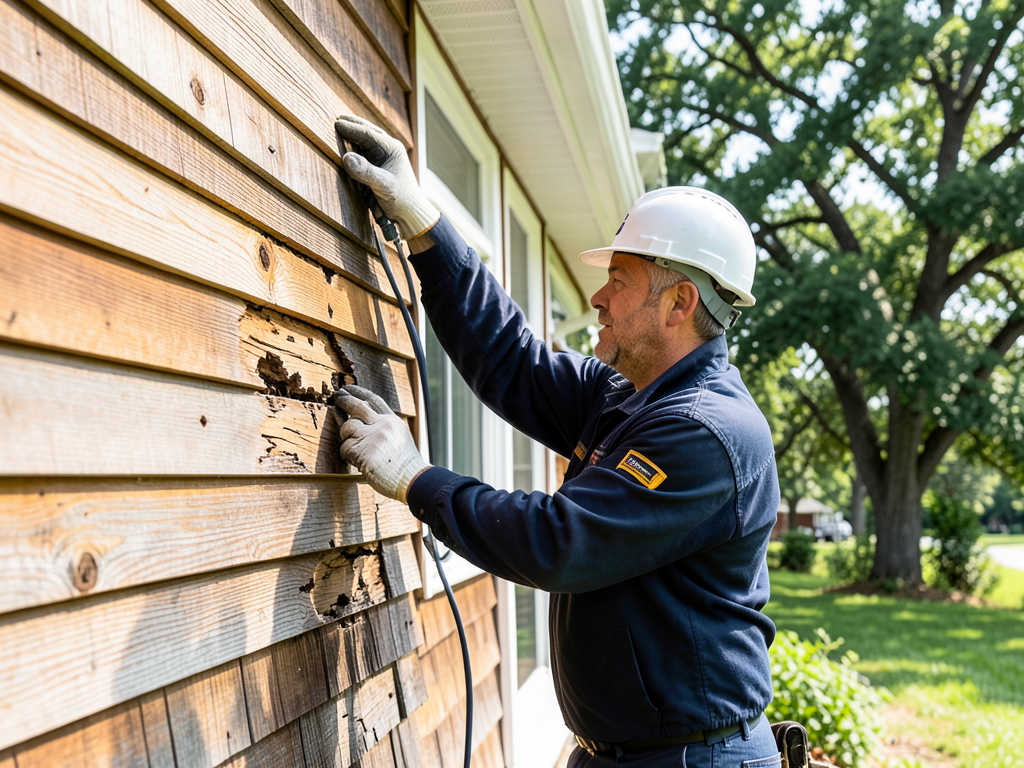
Understanding Woodpecker Damage in Bow Mar Homes
Woodpeckers create serious problems for homeowners in Bow Mar when they target cedar siding and roof components. These birds drill holes that compromise your home’s structural integrity and create entry points for water damage. The Northern Flicker represents the primary culprit in the Denver area. Cedar Shake Roof Restoration for Homes in Ken Caryl.
Bow Mar’s mature trees and suburban environment attract woodpeckers seeking food sources and nesting sites. The birds often mistake synthetic stucco and cedar shakes for natural wood where insects might hide. Once they discover a reliable food source or comfortable roosting spot they return repeatedly creating a cycle of damage. Reliable Gutter Installation for New Builds in Central Park.
Woodpeckers cause different types of damage depending on their motivation. Drumming creates loud noise as birds establish territory or attract mates. Foraging involves drilling small holes searching for insects like carpenter bees and their larvae. Nesting creates larger cavities that can penetrate deep into your home’s structure.
The damage extends beyond cosmetic concerns. Woodpecker holes allow moisture infiltration leading to wood rot mold growth and structural weakening. The openings also invite other pests including squirrels wasps and bats that can cause additional problems.. Read more about Getting Rid of Pigeons and Other Nesting Birds on Your LoDo Commercial Roof.
Identifying Woodpecker Activity on Your Property
Woodpecker damage shows distinct patterns that help you identify the problem early. Look for these specific signs around your Bow Mar home:
- Small round holes arranged in rows or clusters on siding or fascia boards
- Larger rectangular holes where birds have attempted to create nesting cavities
- Wood chips or sawdust beneath affected areas
- Staining around holes from bird droppings or water infiltration
- Audible drumming sounds especially during early morning hours
Woodpeckers prefer certain materials and locations. They target cedar siding because it provides excellent insulation and resembles natural tree bark. The birds also attack synthetic stucco EIFS because the foam backing offers easy drilling and potential insect habitat.. Read more about The Difference Between Synthetic Shake and Real Cedar for Wildfire Prone Areas Like Morrison.
Roof components face particular risk. Fascia boards beneath roof edges provide accessible drilling surfaces. Eaves and soffits create protected spaces where birds feel secure. Ridge vents and other roof penetrations sometimes attract woodpeckers searching for insects.
Timing matters when identifying woodpecker activity. These birds show increased activity during spring mating season and fall when they prepare for winter. However they may drill year round if they establish successful feeding patterns.
Why Bow Mar Properties Attract Woodpeckers
Bow Mar’s specific characteristics make it attractive to woodpeckers. The area combines mature landscaping with suburban development creating ideal habitat conditions. Large trees provide natural nesting sites while nearby homes offer alternative roosting opportunities.
The local insect population drives much of the woodpecker activity. Carpenter bees thrive in Bow Mar’s climate drilling their own holes in wood structures. These bees create perfect feeding opportunities for woodpeckers that return to harvest larvae from existing holes.
Denver’s altitude and climate affect woodpecker behavior. The high elevation means more intense UV exposure which can accelerate wood deterioration. This creates additional vulnerabilities that woodpeckers exploit. The semi-arid climate also affects insect populations creating boom and bust cycles that influence woodpecker feeding patterns.
Architectural styles common in Bow Mar increase vulnerability. Many homes feature cedar siding craftsman details or synthetic stucco finishes that woodpeckers find attractive. The mature landscaping around these properties provides both food sources and protective cover for the birds.
Water features and bird feeders in residential areas concentrate bird activity. While these elements attract desirable songbirds they also draw woodpeckers to the neighborhood. Once woodpeckers discover suitable drilling surfaces on nearby homes they establish persistent patterns.
Legal Considerations for Woodpecker Control
Woodpeckers receive federal protection under the Migratory Bird Treaty Act. This law makes it illegal to harm kill or capture these birds without proper permits. The regulations extend to their nests and eggs making certain control methods off limits. Migratory Bird Treaty Act.
Colorado state law reinforces these protections. Local ordinances in Bow Mar and surrounding communities often include additional restrictions on wildlife harassment. Property owners must use non-lethal deterrent methods that discourage rather than harm the birds. Colorado Wildlife Regulations.
Understanding these legal requirements prevents costly mistakes. Violations can result in substantial fines and potential criminal charges. The regulations require property owners to demonstrate they attempted non-lethal control methods before seeking special permits for more aggressive approaches.
Professional wildlife control operators understand these legal constraints. They can recommend and implement deterrent strategies that comply with all applicable laws while effectively protecting your property. This expertise proves valuable when dealing with persistent woodpecker problems.
Insurance coverage for woodpecker damage varies by policy. Some homeowners insurance policies exclude damage from birds and other animals as a maintenance issue. Review your policy carefully to understand what coverage exists for wildlife damage repairs.
Effective Woodpecker Deterrent Methods
Successful woodpecker control combines multiple deterrent strategies. No single method works perfectly so property owners need layered approaches that address different aspects of woodpecker behavior.. Read more about Why Colorado’s Single Digit Humidity is So Tough on Traditional Wood Shingles.
Visual deterrents create immediate impact by startling birds. Reflective tape hung near affected areas moves with wind creating unpredictable flashes of light. Predator decoys like plastic owls or hawks provide psychological barriers but require frequent relocation since birds quickly learn these are not real threats.
Auditory deterrents use sound to create uncomfortable environments. Ultrasonic devices emit frequencies that disturb birds without affecting humans. Wind chimes and other noise makers provide variable sounds that prevent birds from becoming accustomed to any single noise pattern.
Physical barriers prevent direct access to vulnerable surfaces. Bird netting installed over affected areas creates effective exclusion zones. Metal flashing applied over existing damage protects the underlying structure while making the surface less attractive for drilling.
Habitat modification reduces the factors that attract woodpeckers. Removing dead trees and stumps eliminates natural nesting sites. Treating insect infestations removes food sources that draw birds to your property. Maintaining painted or sealed wood surfaces makes them less appealing for drilling.
Commercial deterrent products offer specialized solutions. Bird spikes installed on ledges and roof edges prevent comfortable roosting. Taste deterrents applied to wood surfaces create unpleasant experiences that discourage return visits. These products work best when combined with other deterrent methods.
Repairing Woodpecker Damage to Your Home
Woodpecker damage requires prompt professional repair to prevent secondary problems. The repair process involves several critical steps that address both immediate damage and underlying vulnerabilities.
Initial inspection determines the full extent of damage. Professionals examine all affected areas looking for hidden moisture damage structural weakening and secondary pest entry points. This comprehensive assessment guides the repair approach and helps prevent future problems.
Water damage represents the most serious secondary issue. Woodpecker holes allow moisture infiltration that can rot wood framing and create mold growth. Professionals use moisture meters to detect hidden damage and ensure all compromised materials receive proper treatment.
Repair techniques vary based on damage severity and material type. Small holes in cedar siding often receive wood filler or epoxy repairs followed by color matching. Larger cavities may require board replacement to restore structural integrity. Synthetic stucco repairs involve specialized patching compounds that blend with existing textures. How Much a Full Roof Replacement Actually Costs in Denver Right Now.
Roof damage repairs focus on preventing water intrusion. Damaged fascia boards receive replacement with treated lumber or composite materials resistant to future damage. Eave repairs may involve installing protective metal flashing or upgrading to woodpecker-resistant materials. Industrial Roof Replacement.
Prevention integration during repairs provides long-term protection. Professionals often recommend upgrading to composite siding or installing protective barriers during the repair process. These improvements cost more initially but prevent recurring damage and repair expenses.
Professional vs DIY Woodpecker Control
Property owners face choices between professional services and do-it-yourself approaches for woodpecker control. Each option offers distinct advantages depending on your specific situation and resources.
DIY methods work well for minor problems and prevention. Homeowners can install visual deterrents apply taste repellents and make simple repairs to small holes. These approaches cost less but require consistent monitoring and adjustment to remain effective.
Professional services provide expertise and comprehensive solutions. Wildlife control specialists understand woodpecker behavior and can implement integrated deterrent systems. Roofing contractors can repair damage while upgrading materials to prevent future problems. These services cost more but often prove more effective long-term.
Time considerations influence the DIY vs professional decision. Woodpecker problems often require immediate attention to prevent escalating damage. Professionals can implement solutions faster while DIY approaches may involve a learning curve that delays effective control.
Equipment availability affects DIY success. Some deterrent methods require specialized tools or materials not readily available to homeowners. Professional services already possess these resources and understand proper installation techniques for maximum effectiveness.
Warranty and guarantee considerations favor professional services. Many companies offer warranties on deterrent installations and repair work. These guarantees provide peace of mind and protection against recurring problems that DIY approaches cannot match.
Preventing Future Woodpecker Problems
Long-term woodpecker prevention requires understanding what attracts these birds and eliminating those factors. Successful prevention combines property maintenance pest control and strategic deterrents.
Regular property inspections help identify problems early. Check siding fascia boards and roof edges quarterly for signs of woodpecker activity or insect infestations. Early detection allows for simpler interventions before extensive damage occurs.
Insect control removes primary food sources. Carpenter bee treatments eliminate larvae that attract woodpeckers. General pest control reduces overall insect populations making your property less attractive to foraging birds. Professional pest control services can implement comprehensive treatment plans.
Material upgrades provide permanent protection. Composite siding resists drilling and insect damage better than natural wood. Metal flashing protects vulnerable roof edges. These upgrades cost more initially but eliminate recurring woodpecker problems.
Landscaping choices affect woodpecker attraction. Remove dead trees and stumps that provide natural nesting sites. Maintain healthy trees through proper pruning and care. Strategic plant selection can create barriers that discourage bird activity near your home.
Neighborhood coordination improves prevention success. Woodpecker problems often affect multiple properties in an area. Working with neighbors to implement consistent deterrent strategies creates larger protected zones that discourage bird activity across the neighborhood.
Cost Factors for Woodpecker Damage Repair
Repair costs vary significantly based on damage extent material types and repair methods. Understanding these factors helps property owners budget appropriately and make informed decisions about prevention investments.
Damage assessment determines the baseline cost. Small hole repairs might cost $100-$300 while extensive damage requiring multiple board replacements can exceed $2000. Professional inspections typically cost $100-$200 but provide accurate damage assessments.
Material costs vary by siding type. Cedar siding repairs cost more than vinyl due to material prices and specialized repair techniques. Composite materials cost more initially but provide better long-term value through increased durability and resistance to future damage.
Labor costs depend on repair complexity. Simple hole filling requires minimal labor while board replacement structural repairs and finish matching demand more time and expertise. Emergency repairs often cost more due to after-hours service charges.
Prevention integration affects total project costs. Adding deterrent installations or material upgrades during repairs increases initial expenses but reduces future repair needs. Many property owners find this integrated approach more cost-effective long-term.
Insurance coverage influences out-of-pocket costs. Some policies cover wildlife damage while others exclude it as a maintenance issue. Understanding your coverage helps determine whether to file claims or handle repairs privately.
Geographic factors affect pricing. Denver area contractors understand local building codes woodpecker species and effective deterrent methods. This local expertise often results in more effective repairs despite potentially higher initial costs compared to non-local contractors.
Choosing the Right Contractor for Woodpecker Repairs
Selecting qualified contractors ensures effective repairs and proper deterrent installations. The right contractor combines roofing expertise wildlife knowledge and local experience to address your specific woodpecker problems.
Specialization matters when choosing contractors. Look for companies with specific experience in woodpecker damage repair rather than general contractors who lack this expertise. Ask about their experience with similar properties in your area and request references from satisfied customers.
Licensing and insurance provide essential protection. Verify contractors carry proper licenses for your area and maintain adequate insurance coverage. This protection extends to both property damage and worker injuries that might occur during repairs.
Local knowledge proves valuable for effective solutions. Denver area contractors understand local woodpecker species building codes and effective deterrent methods. This expertise helps them recommend solutions that work in your specific environment rather than generic approaches that might fail.
Guarantee policies indicate contractor confidence. Quality contractors stand behind their work with warranties on both repairs and deterrent installations. These guarantees provide protection against recurring problems and demonstrate the contractor’s commitment to effective solutions.
Communication skills matter throughout the process. Good contractors explain their assessment clearly discuss repair options and provide detailed cost estimates. They should answer questions patiently and help you understand both immediate repairs and long-term prevention strategies.
Emergency Woodpecker Damage Response
Woodpecker damage sometimes requires immediate attention to prevent escalating problems. Understanding when to call for emergency services helps protect your property from severe damage.
Water infiltration represents the most urgent concern. Holes that penetrate to interior spaces or create active leaks require immediate repair to prevent structural damage and mold growth. Emergency services can provide temporary protection while permanent repairs are arranged. Fixing Flat Roof Leaks in LoHi and Modern Denver Homes.
Structural damage may compromise building integrity. Extensive woodpecker activity that weakens support structures or creates large openings requires prompt professional assessment. These situations may involve temporary stabilization before permanent repairs can proceed.
Secondary pest entry creates additional problems. Woodpecker holes often allow squirrels bats and other pests to enter your home. Emergency services can seal these openings and implement exclusion measures to prevent further pest activity.
Insurance considerations affect emergency response timing. Some policies require prompt damage mitigation to maintain coverage eligibility. Document damage thoroughly before making temporary repairs and contact your insurance provider to understand claim requirements.
Safety concerns may necessitate emergency services. Damage that creates fall hazards exposes electrical wiring or compromises structural elements requires professional assessment. Do not attempt repairs in these situations without proper safety equipment and expertise.
Emergency services typically cost more than scheduled repairs. However the additional expense often proves worthwhile when preventing severe damage or addressing urgent safety concerns. Many contractors offer 24/7 emergency response for critical situations.
Woodpecker Damage Prevention for New Construction
New construction provides opportunities to prevent woodpecker problems before they start. Strategic material choices and design considerations can eliminate many factors that attract these birds.
Material selection significantly impacts woodpecker attraction. Composite siding resists drilling better than natural wood while maintaining attractive appearance. Metal fascia and soffit components eliminate vulnerable wood surfaces entirely. These choices cost more initially but provide permanent protection.
Design considerations affect woodpecker access. Overhangs and architectural details can protect vulnerable areas from bird access. Proper flashing installation prevents moisture accumulation that attracts insects and subsequently woodpeckers.
Building orientation influences woodpecker activity. South-facing walls receive more sun exposure potentially accelerating wood deterioration. Strategic placement of vulnerable materials in less accessible locations can reduce damage risk.
Integration with pest control prevents food source attraction. Proper sealing of all wood components prevents insect infestations that draw woodpeckers. This integration requires coordination between construction teams and pest control professionals.
Local building codes may influence material choices. Some jurisdictions require specific materials or installation methods for woodpecker-prone areas. Understanding these requirements during planning prevents costly changes later.
Cost-benefit analysis guides prevention investments. While woodpecker-resistant materials cost more initially they often prove more economical than repeated damage repairs over a building’s lifetime. Consider these long-term costs when making material selections.
Frequently Asked Questions
Why do woodpeckers drill holes in my house?
Woodpeckers drill holes for three main reasons: searching for insects like carpenter bees and their larvae, establishing territory through loud drumming sounds, and creating nesting cavities. Your house provides ideal surfaces for all these activities especially if it has cedar siding or synthetic stucco that woodpeckers mistake for natural wood.
How can I tell if I have woodpecker damage?
Look for small round holes arranged in rows or clusters on siding fascia boards or roof edges. You might also see larger rectangular holes where birds attempted to create nesting cavities. Wood chips or sawdust beneath affected areas and staining around holes from bird droppings or water infiltration indicate active woodpecker problems.
Is it legal to kill woodpeckers that damage my house?
No it is illegal to harm kill or capture woodpeckers without proper permits. These birds receive federal protection under the Migratory Bird Treaty Act and Colorado state law reinforces these protections. You must use non-lethal deterrent methods that discourage rather than harm the birds.
How much does it cost to repair woodpecker damage?
Repair costs vary widely based on damage extent. Small hole repairs might cost $100-$300 while extensive damage requiring multiple board replacements can exceed $2000. Professional inspections typically cost $100-$200. Insurance coverage varies so check your policy for specific coverage details.
Can I prevent woodpeckers from returning after repairs?
Yes effective prevention combines multiple strategies including installing visual deterrents applying taste repellents treating insect infestations and upgrading to woodpecker-resistant materials. Professional deterrent installations often include warranties and provide better long-term protection than DIY approaches.
You may also find this helpful. Keeping Your Genesee Home Safe with Wildfire Resistant Roofing Materials.
{
“@context”: “https://schema.org”,
“@type”: “BlogPosting”,
“headline”: “The Best Ways to Prevent Woodpeckers from Damaging Your Cedar Siding and Roof in Bow Mar”,
“description”: “Protect your Bow Mar home from woodpecker damage with proven Denver-specific solutions. Learn how to stop these birds from destroying cedar siding and roofing.”,
“wordCount”: 2841,
“datePublished”: “2026-05-01T06:22:00.000Z”,
“dateModified”: “2026-05-01T06:22:00.000Z”,
“inLanguage”: “en-US”,
“mainEntityOfPage”: {
“@type”: “WebPage”,
“@id”: “https://apexroofingdenver.com”
},
“publisher”: {
“@type”: “LocalBusiness”,
“name”: “Apex Roofing Denver”,
“url”: “https://apexroofingdenver.com”
},
“author”: {
“@type”: “Organization”,
“name”: “Apex Roofing Denver”,
“url”: “https://apexroofingdenver.com”
},
“image”: {
“@type”: “ImageObject”,
“url”: “https://apexroofingdenver.com/wp-content/uploads/2026/03/the-best-ways-to-prevent-woodpeckers-from-damaging-1.png”
}
}
{
“@context”: “https://schema.org”,
“@type”: “RoofingContractor”,
“name”: “Apex Roofing Denver”,
“url”: “https://apexroofingdenver.com”,
“address”: {
“@type”: “PostalAddress”,
“addressLocality”: “Denver”
},
“areaServed”: {
“@type”: “City”,
“name”: “Denver”
}
}
{
“@context”: “https://schema.org”,
“@type”: “FAQPage”,
“mainEntity”: [
{
“@type”: “Question”,
“name”: “Why do woodpeckers drill holes in my house?”,
“acceptedAnswer”: {
“@type”: “Answer”,
“text”: “Woodpeckers drill holes for three main reasons: searching for insects like carpenter bees and their larvae, establishing territory through loud drumming sounds, and creating nesting cavities. Your house provides ideal surfaces for all these activities especially if it has cedar siding or synthetic stucco that woodpeckers mistake for natural wood.”
}
},
{
“@type”: “Question”,
“name”: “How can I tell if I have woodpecker damage?”,
“acceptedAnswer”: {
“@type”: “Answer”,
“text”: “Look for small round holes arranged in rows or clusters on siding fascia boards or roof edges. You might also see larger rectangular holes where birds attempted to create nesting cavities. Wood chips or sawdust beneath affected areas and staining around holes from bird droppings or water infiltration indicate active woodpecker problems.”
}
},
{
“@type”: “Question”,
“name”: “Is it legal to kill woodpeckers that damage my house?”,
“acceptedAnswer”: {
“@type”: “Answer”,
“text”: “No it is illegal to harm kill or capture woodpeckers without proper permits. These birds receive federal protection under the Migratory Bird Treaty Act and Colorado state law reinforces these protections. You must use non-lethal deterrent methods that discourage rather than harm the birds.”
}
},
{
“@type”: “Question”,
“name”: “How much does it cost to repair woodpecker damage?”,
“acceptedAnswer”: {
“@type”: “Answer”,
“text”: “Repair costs vary widely based on damage extent. Small hole repairs might cost $100-$300 while extensive damage requiring multiple board replacements can exceed $2000. Professional inspections typically cost $100-$200. Insurance coverage varies so check your policy for specific coverage details.”
}
},
{
“@type”: “Question”,
“name”: “Can I prevent woodpeckers from returning after repairs?”,
“acceptedAnswer”: {
“@type”: “Answer”,
“text”: “Yes effective prevention combines multiple strategies including installing visual deterrents applying taste repellents treating insect infestations and upgrading to woodpecker-resistant materials. Professional deterrent installations often include warranties and provide better long-term protection than DIY approaches.”
}
}
]
}
{
“@context”: “https://schema.org”,
“@type”: “BreadcrumbList”,
“itemListElement”: [
{
“@type”: “ListItem”,
“position”: 1,
“name”: “Home”,
“item”: “https://apexroofingdenver.com”
},
{
“@type”: “ListItem”,
“position”: 2,
“name”: “Blog”,
“item”: “https://apexroofingdenver.com/blog”
},
{
“@type”: “ListItem”,
“position”: 3,
“name”: “The Best Ways to Prevent Woodpeckers from Damaging Your Cedar Siding and Roof in Bow Mar”
}
]
}
{
“@context”: “https://schema.org”,
“@type”: “Service”,
“serviceType”: “Roofing”,
“provider”: {
“@type”: “LocalBusiness”,
“name”: “Apex Roofing Denver”,
“url”: “https://apexroofingdenver.com”
},
“areaServed”: {
“@type”: “City”,
“name”: “Denver”
},
“description”: “Protect your Bow Mar home from woodpecker damage with proven Denver-specific solutions. Learn how to stop these birds from destroying cedar siding and roofing.”
}