
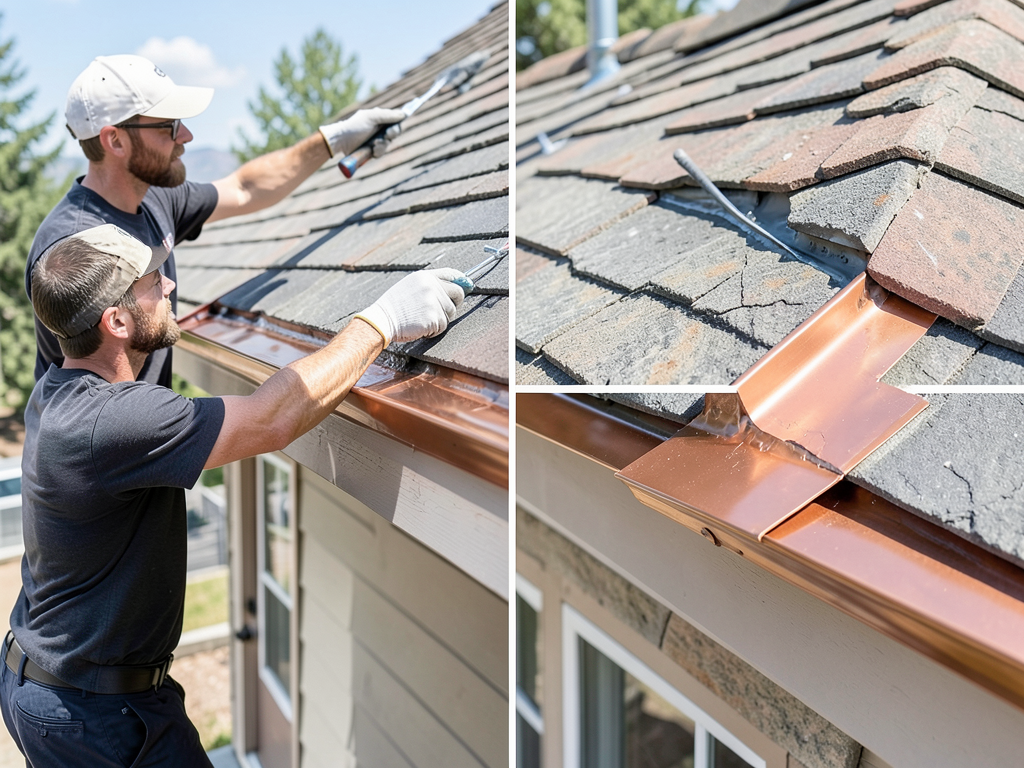
How the Colorado Freeze Thaw Cycle Destroys Standard Roof Flashing
When Denver homeowners notice water stains on their ceilings after a spring thaw, they often blame their shingles. But the real culprit is usually their roof flashing. The extreme temperature swings in Colorado’s Front Range create a destructive freeze-thaw cycle that attacks flashing materials from the inside out.. Read more about Why Your Attic is Damp in the Middle of a Cold Denver Winter.
Roof flashing serves as the waterproof barrier where your roof meets walls, chimneys, and valleys. It’s designed to direct water away from vulnerable joints. In Denver’s climate, standard flashing materials simply cannot withstand the constant expansion and contraction caused by rapid temperature changes.. Read more about Why Most Denver Roof Leaks Start Around the Chimney and How to Stop Them.
During a typical winter day in Denver, temperatures can swing from 20°F to 45°F within hours. This causes metal flashing to expand and contract repeatedly. Over time, this thermal stress creates microscopic cracks in the metal and breaks down the sealant that holds everything together.
The problem compounds when water enters these tiny cracks during a thaw. When temperatures drop again, the water freezes and expands by about 9%, widening the cracks further. This freeze-thaw cycle repeats dozens of times each winter, slowly destroying your flashing system from the inside out.
Denver’s high altitude adds another layer of damage. At 5,280 feet above sea level, UV radiation is about 25% stronger than at sea level. This intense sunlight accelerates the breakdown of rubber seals and causes metal flashing to become brittle and crack more easily.
Ice dam formation along the Front Range creates additional stress on flashing systems. When snow melts on warm roof sections and refreezes at the eaves, it creates a barrier that forces water back up under shingles and into flashing joints.. Read more about How Drastic Front Range Temperature Swings Cause Your Shingles to Crack and Curl.
Common flashing failure points in Denver homes include chimney flashing, where the constant expansion and contraction of the chimney itself creates additional stress. Valley flashing also suffers because it channels the most water runoff and bears the brunt of ice dam pressure.
Standard galvanized steel flashing typically lasts 15-20 years in mild climates. In Denver’s harsh environment, that lifespan drops to 8-12 years. Copper flashing lasts longer but still shows accelerated wear from UV exposure and thermal cycling.
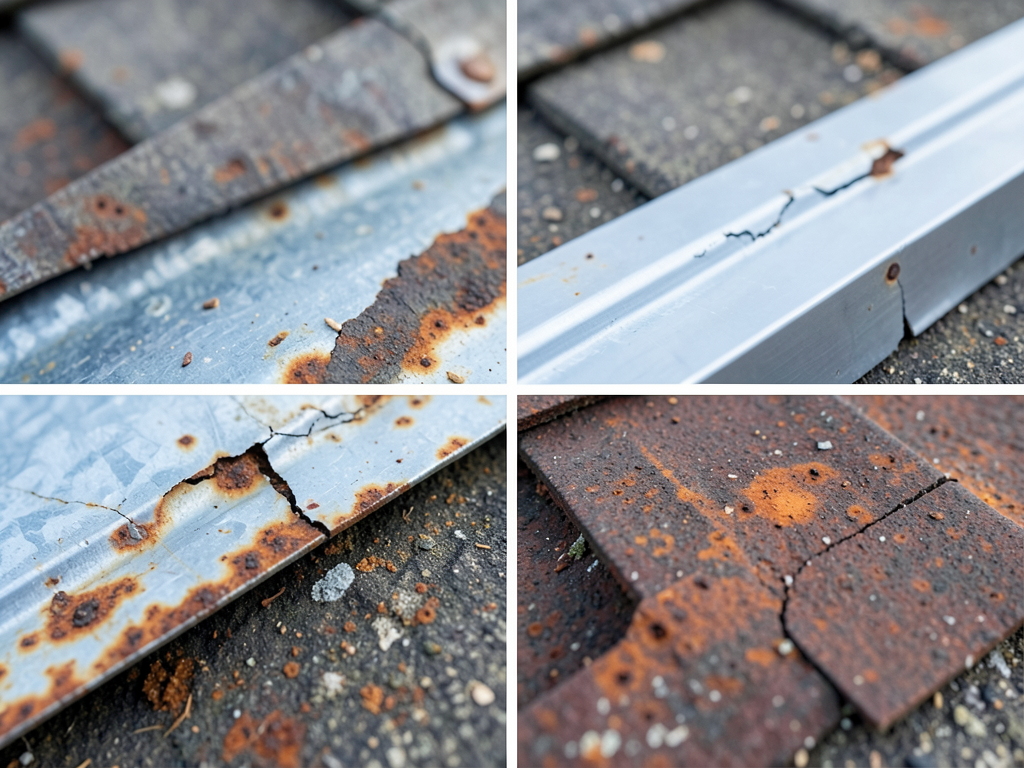
Warning signs of flashing failure include rust spots on metal flashing, cracked or missing sealant, water stains on interior walls near rooflines, and loose or lifted shingles around flashing areas. Homeowners in Littleton and Englewood should inspect their flashing annually, preferably in late fall before winter weather arrives.
The solution involves using freeze-thaw resistant materials and proper installation techniques. Modern synthetic sealants can flex with temperature changes without cracking. Some contractors now use aluminum flashing with special UV-resistant coatings that last 25-30% longer than standard materials.
Proper installation makes a huge difference. Flashing should be installed with expansion joints that allow for thermal movement. The base of flashing needs to extend at least 6 inches up the vertical surface and 4 inches onto the roof deck to prevent water infiltration.
Ice and water shield membrane under flashing provides an extra layer of protection. This self-adhering membrane creates a waterproof barrier that remains flexible even in extreme cold. It’s particularly important in areas like Westminster where winter temperatures frequently drop below zero.
Professional flashing repair involves more than just replacing damaged sections. A thorough inspection should check for underlying damage to the roof deck and underlayment. Sometimes what appears to be flashing failure is actually a symptom of more extensive roof deterioration. EPA.
Cost factors for flashing repair in the Denver metro area vary based on accessibility, material choice, and extent of damage. Simple repairs might cost $300-500 while complete flashing system replacement for a chimney or valley could run $1,500-3,000. How Much a Full Roof Replacement Actually Costs in Denver Right Now.
Insurance coverage for flashing damage varies. Most policies cover sudden damage from storms but not gradual deterioration from freeze-thaw cycles. Homeowners should document flashing conditions annually with photos to support potential claims.
Preventative maintenance can extend flashing life significantly. This includes keeping gutters clean to prevent ice dam formation, removing heavy snow loads from roof edges, and applying protective sealants every 3-5 years. Reliable Gutter Installation for New Builds in Central Park.
The Denver building code requires specific flashing installation methods for different roof types. Class 4 impact-resistant flashing is now mandatory in many areas due to hail damage concerns. These requirements help ensure flashing systems can withstand local weather extremes.
Commercial buildings in the I-25 corridor face similar challenges but on a larger scale. Industrial roof flashing must handle greater water volumes and often requires specialized materials like stainless steel or reinforced aluminum. Industrial Roof Replacement.
DIY flashing repair is rarely successful. Proper flashing installation requires specialized tools, knowledge of local building codes, and experience working with different roofing materials. Improper repairs often cause more damage than they fix. Roofing Sheridan.
Emergency flashing repairs are sometimes necessary when active leaks occur during storms. Temporary solutions like roofing cement or waterproof tape can stop leaks until permanent repairs can be made. However, these are stopgap measures, not permanent fixes. Fixing Flat Roof Leaks in LoHi and Modern Denver Homes.
The best time for flashing inspection and repair is during dry periods in late spring or early fall. This allows for proper material curing and sealant application without weather interference.
Modern flashing systems incorporate advances in material science that specifically address Colorado’s climate challenges. Polymer-modified flashing membranes can stretch up to 300% of their original length without breaking, making them ideal for freeze-thaw environments.
Understanding how the freeze-thaw cycle destroys standard flashing helps homeowners make informed decisions about repairs and replacements. The right materials and installation techniques can significantly extend the life of your roof’s most vulnerable components.
Common Flashing Failure Points in Denver Homes
Chimney flashing represents one of the most problematic areas for Denver homeowners. The junction between the chimney and roof experiences the most movement and water exposure. Proper chimney flashing requires multiple layers including step flashing, counter-flashing, and cricket installation to direct water away from the chimney base.
Roof valleys channel water from multiple roof planes into a single drainage path. This concentrated water flow creates maximum stress on valley flashing. In Denver’s climate, valley flashing often fails first because it bears the combined weight of ice dams, snow loads, and rapid water runoff.
Wall flashing where dormers meet the main roof surface is another common failure point. The vertical wall creates a shelf where ice and snow can accumulate, putting tremendous pressure on the flashing below. This area requires special attention to ensure proper water shedding.
Dormer windows present unique challenges because they interrupt the roof plane and create multiple flashing intersections. Each joint represents a potential water entry point, especially during rapid freeze-thaw cycles common in areas like Lakewood and Sheridan.
Plumbing vent flashing often fails due to the rubber seal degrading from UV exposure. The constant temperature changes cause the rubber to become brittle and crack, allowing water to enter around the vent pipe. This is one of the most common sources of small, persistent leaks.
Skylight flashing requires special attention because the entire perimeter of the skylight is a potential leak point. Denver’s intense UV exposure accelerates the breakdown of skylight seals and flashing materials, making regular inspection crucial.
Solar panel mounting systems create new flashing challenges. The brackets that hold solar panels to the roof must be flashed properly to prevent leaks. Denver’s climate means these installations need extra attention to ensure they can withstand freeze-thaw cycles.
Satellite dish mounting hardware can also create flashing problems if not installed correctly. The small brackets and cables create multiple penetration points that require proper sealing and flashing to prevent water intrusion.
Roof-to-wall intersections on split-level homes common in Westminster require careful flashing detail. The change in roof planes creates complex water flow patterns that standard flashing may not handle effectively during heavy runoff events.
Garage roof connections to the main house often experience flashing failure due to the different thermal properties of attached versus detached structures. The dissimilar materials expand and contract at different rates, stressing the flashing between them.
Materials That Withstand Denver’s Climate
Copper flashing offers excellent longevity in Colorado’s climate despite its higher initial cost. Copper develops a protective patina that resists corrosion and can flex with temperature changes without cracking. Properly installed copper flashing can last 50+ years in Denver’s environment.
Aluminum flashing with powder-coated finishes provides good resistance to freeze-thaw damage. The coating protects against UV degradation while the aluminum itself flexes better than steel under thermal stress. This makes it ideal for areas with extreme temperature swings.
Stainless steel flashing represents the premium option for maximum durability. While expensive, stainless steel resists both corrosion and UV damage exceptionally well. It’s particularly useful in areas prone to ice dam formation or where chemical deicers are used.
Modified bitumen flashing membranes offer excellent flexibility in cold temperatures. These rubberized asphalt products remain pliable even at sub-zero temperatures, making them ideal for Denver’s winter conditions. They also self-seal around fasteners, reducing leak potential.
Lead flashing, while less common due to environmental concerns, still provides excellent performance in freeze-thaw conditions. Lead’s malleability allows it to conform to irregular surfaces and flex with building movement without cracking.
Synthetic rubber flashing products like EPDM offer superior cold-weather performance. These materials remain flexible at temperatures well below zero and resist UV degradation better than traditional rubber products.
Composite flashing materials combine different elements to maximize performance. For example, aluminum cores with rubberized outer layers provide both structural strength and flexibility. These hybrid products often outperform single-material options in harsh climates.
UV-resistant sealants specifically formulated for high-altitude use can significantly extend flashing life. These products contain additives that block UV radiation and remain flexible at extreme temperatures, addressing two of the biggest threats to flashing in Denver.
Cold-applied liquid flashing systems create seamless waterproof barriers around complex penetrations. These products cure to form flexible membranes that can handle building movement and temperature extremes better than traditional sheet flashing.
Pre-formed corner pieces eliminate many of the leak points associated with field-formed flashing. These factory-made components ensure consistent quality and proper fit, particularly important in areas with complex geometry like chimney corners.
Professional Repair Process
Professional flashing repair begins with a comprehensive inspection using moisture detection equipment. This helps identify hidden water damage that might not be visible from the surface. Thermal imaging can reveal temperature differences that indicate moisture intrusion behind walls.
Proper surface preparation is critical for successful flashing repair. This includes removing all old sealant, cleaning the substrate thoroughly, and ensuring the surface is dry before applying new materials. Skipping these steps often leads to premature failure of repairs.
Material selection should match both the existing roof system and local climate conditions. Using incompatible materials or products not rated for Denver’s UV exposure can lead to accelerated deterioration and repeated repair needs.
Installation techniques matter as much as materials. Proper overlap, correct fastener spacing, and appropriate sealant application all contribute to long-lasting repairs. Experienced contractors understand these nuances and follow manufacturer specifications precisely.
Testing repaired areas before completing the job helps ensure quality. This might involve water testing or using specialized equipment to verify that repairs have eliminated moisture intrusion points.
Documentation of repairs provides valuable information for future maintenance. This includes photos of problem areas, materials used, and any special installation considerations. This documentation helps track the roof’s condition over time.
Cleanup after repairs prevents debris from causing future problems. This includes removing old materials, cleaning gutters, and ensuring no nails or sharp objects remain that could damage new flashing or roofing materials.
Follow-up inspections after the first major weather event help verify repair quality. Sometimes issues don’t become apparent until flashing faces its first real test under actual weather conditions.
Preventative recommendations based on inspection findings can help homeowners avoid future problems. This might include gutter upgrades, ice melt systems, or specific maintenance schedules tailored to their home’s unique conditions.
Warranty information should be clearly explained, including what’s covered, for how long, and any maintenance requirements needed to keep the warranty valid. Understanding these details helps homeowners protect their investment.
Cost Factors for Flashing Repair in Denver
Accessibility significantly impacts repair costs. Steep roofs, multiple stories, or complex roof designs require additional safety equipment and labor time, increasing overall expenses. Simple one-story ranch homes typically cost less to service than multi-story homes with complex rooflines.
Material selection affects both initial cost and long-term value. While copper flashing costs more upfront than galvanized steel, its 50+ year lifespan often makes it more economical over time, especially in Denver’s harsh climate where cheaper materials fail more quickly.
Extent of damage determines whether spot repairs or complete flashing system replacement makes more sense. Sometimes repairing individual sections costs more in the long run than replacing entire flashing runs, particularly if underlying damage exists.
Seasonal timing influences pricing. Emergency repairs during winter storms typically cost more than scheduled repairs during dry seasons. Planning repairs during optimal weather conditions can save money while ensuring better quality work.
Building code requirements may necessitate upgrades beyond basic repairs. Denver’s evolving building codes sometimes require bringing flashing systems up to current standards, even for minor repairs, adding to overall costs.
Roof age and condition affect repair complexity. Older roofs may require additional work to properly integrate new flashing with existing materials, particularly if the original installation didn’t follow current best practices.
Insurance coverage can offset some costs, but coverage varies significantly. Understanding policy details before repairs begin helps homeowners make informed decisions about repair approaches and material selections.
Contractor experience and specialization influence pricing. Specialists in freeze-thaw climate repairs often charge more but provide better long-term value through proper material selection and installation techniques suited to Denver’s conditions.
Geographic location within the Denver metro area can affect pricing due to travel time, local market conditions, and specific regional requirements. Areas with higher costs of living typically see higher service rates.
Payment terms and financing options vary among contractors. Some offer payment plans or accept credit cards, while others require cash or check payments. Understanding these options helps homeowners budget for necessary repairs.
Preventing Future Flashing Failures
Regular inspections catch problems early when repairs are simpler and less expensive. Annual inspections, particularly after severe weather events, help identify developing issues before they cause significant damage.
Gutter maintenance prevents ice dam formation that stresses flashing systems. Clean gutters allow proper water drainage, reducing the likelihood of ice buildup along roof edges where it can force water under flashing.
Snow removal from roof edges reduces ice dam pressure on flashing. Using roof rakes to remove snow after heavy storms prevents the formation of thick ice layers that can force water back under shingles and flashing.
Proper attic insulation and ventilation prevent the warm spots that cause uneven snow melt and ice dam formation. Maintaining consistent roof temperatures helps prevent the freeze-thaw cycles that damage flashing from the inside out.
Tree trimming reduces debris accumulation that can trap moisture against flashing. Leaves, branches, and other organic matter hold water against flashing surfaces, accelerating deterioration and providing pathways for water intrusion.
Sealant maintenance extends flashing life by preventing water infiltration at joints and seams. Reapplying appropriate sealants every 3-5 years creates a fresh barrier against moisture penetration.
Drainage improvements around the home’s foundation prevent basement moisture that can affect roof performance. Proper grading and drainage systems reduce the overall moisture load on the building envelope, including roof flashing.
Roof cleaning removes moss, algae, and other growths that retain moisture and accelerate material degradation. These organisms can create micro-environments that are particularly damaging to flashing systems.
Professional maintenance agreements provide scheduled care that prevents minor issues from becoming major problems. These programs typically include regular inspections, minor repairs, and priority service for emergencies.
Educational resources help homeowners understand warning signs and proper maintenance techniques. Knowledge about what to look for and when to call professionals empowers better decision-making about roof care.
Emergency Flashing Repair Situations
Active leaks during storms require immediate attention to prevent interior damage. Temporary measures like tarping or emergency sealing can stop water intrusion until permanent repairs can be made under better conditions.
Hail damage often creates immediate flashing problems by denting metal flashing or cracking sealants. Post-storm inspections are crucial to identify damage that might not be visible from the ground but allows water infiltration.
High wind events can lift or tear flashing, creating immediate leak paths. Wind-driven rain can force water into even small gaps, making prompt repairs essential after severe wind storms.
Rapid snowmelt following heavy snow can overwhelm drainage systems and force water under compromised flashing. This often occurs during Colorado’s characteristic warm spells in winter when daytime temperatures rise above freezing.
Ice dam emergencies happen when thick ice formations create barriers that force water back up under shingles. These situations often require both emergency water diversion and permanent repair solutions.
Structural movement from soil expansion or foundation shifts can suddenly stress flashing joints. These situations may require both immediate repairs and longer-term solutions to address the underlying movement issues.
Plumbing or HVAC penetrations that develop leaks around their flashing can cause rapid interior damage. These concentrated water sources often require immediate attention to prevent damage to ceilings, walls, and insulation.
Valley flashing failures during heavy rain can create significant water intrusion because valleys channel large volumes of water. These situations often require emergency diversion measures while permanent repairs are planned.
Chimney flashing failures can be particularly problematic because chimneys create vertical water paths. Water running down chimney exteriors can enter through even small flashing gaps, causing damage to both exterior and interior wall systems.
Commercial building flashing emergencies often involve larger areas and greater water volumes than residential situations. These may require specialized equipment and techniques to manage effectively while minimizing business disruption.
Building Code Requirements for Denver Flashing
Denver’s building code requires specific flashing materials and installation methods based on roof type and local climate conditions. These requirements ensure flashing systems can withstand Colorado’s extreme weather variations and provide long-term protection.
Ice and water shield requirements have become more stringent in recent years. Current codes mandate these waterproof membranes in specific roof areas, particularly in the Front Range where ice dam formation is common.
Valley flashing requirements specify minimum material thicknesses and installation methods to handle Colorado’s heavy runoff during spring snowmelt and summer thunderstorms. These requirements help prevent the valley failures common in older installations.
Chimney flashing codes now require cricket installations for chimneys wider than 30 inches. This prevents snow and ice accumulation behind chimneys, a common source of water intrusion in Denver’s climate.
Penetration flashing requirements address the increasing number of roof-mounted equipment installations. Solar panels, satellite dishes, and HVAC equipment all require proper flashing that meets current code standards.
Material specifications in the code address the need for UV-resistant and freeze-thaw durable products. These requirements help ensure flashing materials can withstand Denver’s high-altitude sun exposure and temperature extremes.
Fastener requirements specify corrosion-resistant materials and proper spacing to prevent fastener-related leaks. This attention to detail helps prevent the small leaks that often develop around improperly installed fasteners.
Expansion joint requirements recognize that building materials expand and contract at different rates. Proper expansion details prevent the stress that causes premature flashing failure in Denver’s variable climate.
Flashing height requirements ensure adequate water shedding even during heavy runoff events. These specifications help prevent the backup that forces water under flashing during Colorado’s intense storms.
Valley width requirements ensure flashing can handle the water volumes typical during spring runoff and summer thunderstorms. Proper valley sizing prevents the overflow that can lead to water intrusion in surrounding areas.
Comparing Flashing Materials for Denver’s Climate
| Material | Lifespan in Denver | UV Resistance | Freeze-Thaw Performance | Cost Range |
|---|---|---|---|---|
| Galvanized Steel | 8-12 years | Poor | Fair | $ |
| Aluminum | 15-20 years | Good | Good | $$ |
| Copper | 50+ years | Excellent | Excellent | $$$ |
| Stainless Steel | 30-40 years | Excellent | Excellent | $$$ |
| Modified Bitumen | 20-25 years | Good | Excellent | $$ |
Cost ranges: $ = budget, $$ = mid-range, $$$ = premium
Warning Signs Homeowners Should Watch For
- Water stains on interior walls or ceilings near rooflines
- Rust spots or discoloration on visible flashing
- Cracked or missing sealant around roof penetrations
- Loose or lifted shingles around flashing areas
- Ice buildup along roof edges during winter
- Musty odors in attic spaces
- Peeling paint on exterior walls near rooflines
- Visible gaps between flashing and vertical surfaces
- Water dripping from roof penetrations during rain
- Damaged or deteriorated roof underlayment visible from attic
When to Call a Professional
Active leaks require immediate professional attention regardless of apparent severity. Even small leaks can cause extensive damage if left unaddressed, particularly in Denver’s climate where freeze-thaw cycles can worsen problems rapidly.
Visible damage to flashing should prompt professional inspection even if no leaks are apparent. What looks like minor damage often indicates more extensive problems that only a thorough inspection can reveal.
Post-storm inspections after severe weather help identify damage that might not be immediately obvious. Hail, high winds, and heavy snow can all compromise flashing integrity in ways that require professional assessment.
Annual maintenance inspections help catch developing problems before they cause significant damage. Professional inspectors understand what to look for and can identify issues that homeowners might miss.
Complex roof designs with multiple roof planes, valleys, or penetrations benefit from professional expertise. These systems require specialized knowledge to repair properly and ensure long-term performance.
Insurance claims for storm damage often require professional documentation and assessment. Experienced contractors can provide the detailed reports needed to support claims and ensure proper compensation.
Commercial property owners should establish relationships with qualified roofing professionals before emergencies occur. Having trusted contractors on call can minimize business disruption when problems arise.
Historic home owners need professionals familiar with preservation requirements and appropriate repair techniques. These specialized skills ensure repairs maintain the home’s character while providing modern protection.
New construction or major renovations should involve professional input on flashing design and installation. Proper planning prevents many common flashing problems that develop from inadequate initial installation.
DIY enthusiasts should recognize their limitations regarding flashing repair. While some minor maintenance is possible, complex repairs require professional skills to ensure proper performance and prevent further damage.
Frequently Asked Questions
How long should roof flashing last in Denver’s climate?
Standard galvanized steel flashing typically lasts 8-12 years in Denver due to freeze-thaw damage and UV exposure. Premium materials like copper or stainless steel can last 30-50 years when properly installed. Regular inspections help identify when replacement is needed before leaks occur.
Can I repair flashing myself or should I hire a professional?
Minor sealant touch-ups might be DIY-appropriate, but most flashing repairs require professional expertise. Proper flashing installation involves understanding building codes, using specialized materials, and ensuring watertight seals that withstand Denver’s extreme weather. Improper repairs often cause more damage than they fix.
What causes flashing to fail prematurely in Colorado?
Denver’s freeze-thaw cycles cause metal expansion and contraction that breaks down materials and sealants. High-altitude UV radiation accelerates material degradation. Ice dam formation creates pressure that forces water under compromised flashing. Poor initial installation or incompatible materials also contribute to premature failure.
How much does flashing repair typically cost in the Denver area?
Simple flashing repairs range from $300-500, while complete flashing system replacement costs $1,500-3,000 depending on complexity, materials, and accessibility. Premium materials like copper cost more upfront but often prove more economical long-term due to their extended lifespan in Colorado’s harsh climate.
How can I tell if my flashing needs repair?
Warning signs include water stains on interior walls, rust spots on visible flashing, cracked or missing sealant, loose shingles around roof penetrations, and ice buildup along roof edges. Annual professional inspections help identify problems before they cause significant damage.
Does homeowners insurance cover flashing repair?
Insurance typically covers sudden damage from storms but not gradual deterioration from freeze-thaw cycles. Document flashing conditions annually with photos to support potential claims. Some policies offer specific coverage for ice dam damage, which is common in Denver’s climate.
What materials work best for Denver’s freeze-thaw climate?
Copper and stainless steel offer the best longevity, lasting 30-50 years. Aluminum with UV-resistant coatings provides good performance at moderate cost. Modified bitumen membranes remain flexible in extreme cold. The key is selecting materials specifically rated for high-altitude UV exposure and freeze-thaw durability.
How often should I have my flashing inspected?
Annual inspections are recommended for most homes, with additional inspections after severe weather events. Late fall inspections before winter help identify problems that could worsen during freeze-thaw cycles. Commercial properties may benefit from semi-annual inspections due to their larger roof areas and greater water volumes.
Can ice dams damage my flashing?
Yes, ice dams create significant pressure that can force water under compromised flashing. The ice acts as a barrier that prevents proper drainage, causing water to back up under shingles and flashing. Proper attic insulation, ventilation, and ice and water shield installation help prevent ice dam-related flashing damage.
What’s the difference between step flashing and counter-flashing?
Step flashing consists of individual L-shaped pieces installed along roof-to-wall intersections, with each piece overlapping the one below. Counter-flashing is installed over step flashing and into the vertical surface (like a chimney) to create a secondary water barrier. Both are necessary for complete protection in Denver’s climate.
[IMAGE_PLACEHOVER_1]
Protect Your Denver Home from Freeze-Thaw Damage
Understanding how Colorado’s freeze-thaw cycle destroys standard roof flashing is the first step in protecting your home. The extreme temperature swings, high UV exposure, and ice dam formation unique to Denver’s climate create conditions that quickly break down standard flashing materials.
Don’t wait for water stains to appear on your ceiling before addressing flashing issues. The damage you can’t see is often worse than what’s visible from the ground. Professional inspection can identify problems early when repairs are simpler and less expensive.
Apex Roofing Denver specializes in freeze-thaw resistant flashing systems designed specifically for Colorado’s harsh climate. Our experienced technicians understand the unique challenges of Denver roofing and use materials proven to withstand our extreme temperature variations.
Whether you need emergency leak repair, preventative maintenance, or complete flashing system replacement, we provide solutions that protect your home for years to come. Our work comes with clear warranties and our commitment to quality craftsmanship.
Don’t let standard flashing fail when you need it most. Contact Apex Roofing Denver today at (720) 484-8300 for a comprehensive flashing inspection and protect your home from Colorado’s destructive freeze-thaw cycle.
Remember, waiting to repair flashing problems often leads to more extensive and expensive damage. The cost of prevention is always less than the cost of repair after water damage has occurred. For more information, visit FEMA.
You may also find this helpful. The Real Dangers of Trying to Patch Your Own Roof Without Professional Gear.
{
“@context”: “https://schema.org”,
“@type”: “BlogPosting”,
“headline”: “How the Colorado Freeze Thaw Cycle Destroys Standard Roof Flashing”,
“description”: “Learn how Denver’s freeze-thaw cycles cause roof flashing failure and water damage. Apex Roofing Denver provides expert flashing repair solutions.”,
“wordCount”: 4435,
“datePublished”: “2026-05-12T10:38:00.000Z”,
“dateModified”: “2026-05-12T10:38:00.000Z”,
“inLanguage”: “en-US”,
“mainEntityOfPage”: {
“@type”: “WebPage”,
“@id”: “https://apexroofingdenver.com”
},
“publisher”: {
“@type”: “LocalBusiness”,
“name”: “Apex Roofing Denver”,
“url”: “https://apexroofingdenver.com”
},
“author”: {
“@type”: “Organization”,
“name”: “Apex Roofing Denver”,
“url”: “https://apexroofingdenver.com”
},
“image”: {
“@type”: “ImageObject”,
“url”: “https://apexroofingdenver.com/wp-content/uploads/2026/03/how-the-colorado-freeze-thaw-cycle-destroys-standa-1.png”
}
}
{
“@context”: “https://schema.org”,
“@type”: “RoofingContractor”,
“name”: “Apex Roofing Denver”,
“url”: “https://apexroofingdenver.com”,
“address”: {
“@type”: “PostalAddress”,
“addressLocality”: “Denver”
},
“areaServed”: {
“@type”: “City”,
“name”: “Denver”
}
}
{
“@context”: “https://schema.org”,
“@type”: “FAQPage”,
“mainEntity”: [
{
“@type”: “Question”,
“name”: “How long should roof flashing last in Denver’s climate?”,
“acceptedAnswer”: {
“@type”: “Answer”,
“text”: “Standard galvanized steel flashing typically lasts 8-12 years in Denver due to freeze-thaw damage and UV exposure. Premium materials like copper or stainless steel can last 30-50 years when properly installed. Regular inspections help identify when replacement is needed before leaks occur.”
}
},
{
“@type”: “Question”,
“name”: “Can I repair flashing myself or should I hire a professional?”,
“acceptedAnswer”: {
“@type”: “Answer”,
“text”: “Minor sealant touch-ups might be DIY-appropriate, but most flashing repairs require professional expertise. Proper flashing installation involves understanding building codes, using specialized materials, and ensuring watertight seals that withstand Denver’s extreme weather. Improper repairs often cause more damage than they fix.”
}
},
{
“@type”: “Question”,
“name”: “What causes flashing to fail prematurely in Colorado?”,
“acceptedAnswer”: {
“@type”: “Answer”,
“text”: “Denver’s freeze-thaw cycles cause metal expansion and contraction that breaks down materials and sealants. High-altitude UV radiation accelerates material degradation. Ice dam formation creates pressure that forces water under compromised flashing. Poor initial installation or incompatible materials also contribute to premature failure.”
}
},
{
“@type”: “Question”,
“name”: “How much does flashing repair typically cost in the Denver area?”,
“acceptedAnswer”: {
“@type”: “Answer”,
“text”: “Simple flashing repairs range from $300-500, while complete flashing system replacement costs $1,500-3,000 depending on complexity, materials, and accessibility. Premium materials like copper cost more upfront but often prove more economical long-term due to their extended lifespan in Colorado’s harsh climate.”
}
},
{
“@type”: “Question”,
“name”: “How can I tell if my flashing needs repair?”,
“acceptedAnswer”: {
“@type”: “Answer”,
“text”: “Warning signs include water stains on interior walls, rust spots on visible flashing, cracked or missing sealant, loose shingles around roof penetrations, and ice buildup along roof edges. Annual professional inspections help identify problems before they cause significant damage.”
}
},
{
“@type”: “Question”,
“name”: “Does homeowners insurance cover flashing repair?”,
“acceptedAnswer”: {
“@type”: “Answer”,
“text”: “Insurance typically covers sudden damage from storms but not gradual deterioration from freeze-thaw cycles. Document flashing conditions annually with photos to support potential claims. Some policies offer specific coverage for ice dam damage, which is common in Denver’s climate.”
}
},
{
“@type”: “Question”,
“name”: “What materials work best for Denver’s freeze-thaw climate?”,
“acceptedAnswer”: {
“@type”: “Answer”,
“text”: “Copper and stainless steel offer the best longevity, lasting 30-50 years. Aluminum with UV-resistant coatings provides good performance at moderate cost. Modified bitumen membranes remain flexible in extreme cold. The key is selecting materials specifically rated for high-altitude UV exposure and freeze-thaw durability.”
}
},
{
“@type”: “Question”,
“name”: “How often should I have my flashing inspected?”,
“acceptedAnswer”: {
“@type”: “Answer”,
“text”: “Annual inspections are recommended for most homes, with additional inspections after severe weather events. Late fall inspections before winter help identify problems that could worsen during freeze-thaw cycles. Commercial properties may benefit from semi-annual inspections due to their larger roof areas and greater water volumes.”
}
},
{
“@type”: “Question”,
“name”: “Can ice dams damage my flashing?”,
“acceptedAnswer”: {
“@type”: “Answer”,
“text”: “Yes, ice dams create significant pressure that can force water under compromised flashing. The ice acts as a barrier that prevents proper drainage, causing water to back up under shingles and flashing. Proper attic insulation, ventilation, and ice and water shield installation help prevent ice dam-related flashing damage.”
}
},
{
“@type”: “Question”,
“name”: “What’s the difference between step flashing and counter-flashing?”,
“acceptedAnswer”: {
“@type”: “Answer”,
“text”: “Step flashing consists of individual L-shaped pieces installed along roof-to-wall intersections, with each piece overlapping the one below. Counter-flashing is installed over step flashing and into the vertical surface (like a chimney) to create a secondary water barrier. Both are necessary for complete protection in Denver’s climate.”
}
}
]
}
{
“@context”: “https://schema.org”,
“@type”: “BreadcrumbList”,
“itemListElement”: [
{
“@type”: “ListItem”,
“position”: 1,
“name”: “Home”,
“item”: “https://apexroofingdenver.com”
},
{
“@type”: “ListItem”,
“position”: 2,
“name”: “Blog”,
“item”: “https://apexroofingdenver.com/blog”
},
{
“@type”: “ListItem”,
“position”: 3,
“name”: “How the Colorado Freeze Thaw Cycle Destroys Standard Roof Flashing”
}
]
}
{
“@context”: “https://schema.org”,
“@type”: “Service”,
“serviceType”: “Roofing”,
“provider”: {
“@type”: “LocalBusiness”,
“name”: “Apex Roofing Denver”,
“url”: “https://apexroofingdenver.com”
},
“areaServed”: {
“@type”: “City”,
“name”: “Denver”
},
“description”: “Learn how Denver’s freeze-thaw cycles cause roof flashing failure and water damage. Apex Roofing Denver provides expert flashing repair solutions.”
}