
Why Your Attic is Damp in the Middle of a Cold Denver Winter
You wake up on a freezing Denver morning and notice dark spots on your ceiling or a musty smell coming from upstairs. Your first thought is that your roof is leaking. But here’s what actually happens: the moisture you’re seeing is often attic condensation, not a roof leak. How Much a Full Roof Replacement Actually Costs in Denver Right Now.
Denver’s high altitude and extreme temperature swings create the perfect conditions for attic moisture problems. When warm air from your living space rises into the cold attic, it hits surfaces below the dew point and releases water vapor. This creates frost on nails, damp insulation, and eventually water stains on your ceiling.. Read more about Why Most Denver Roof Leaks Start Around the Chimney and How to Stop Them.
Before you call for emergency roof repairs, let’s figure out what you’re really dealing with.
Is Your Roof Leaking or is it Condensation?
Here’s a quick diagnostic checklist to help you identify the source of moisture:
- Timing: Does moisture appear only during cold snaps, not during rain? That points to condensation.
- Location: Are stains concentrated near bathroom vents or ceiling light fixtures? Those are air bypass points.
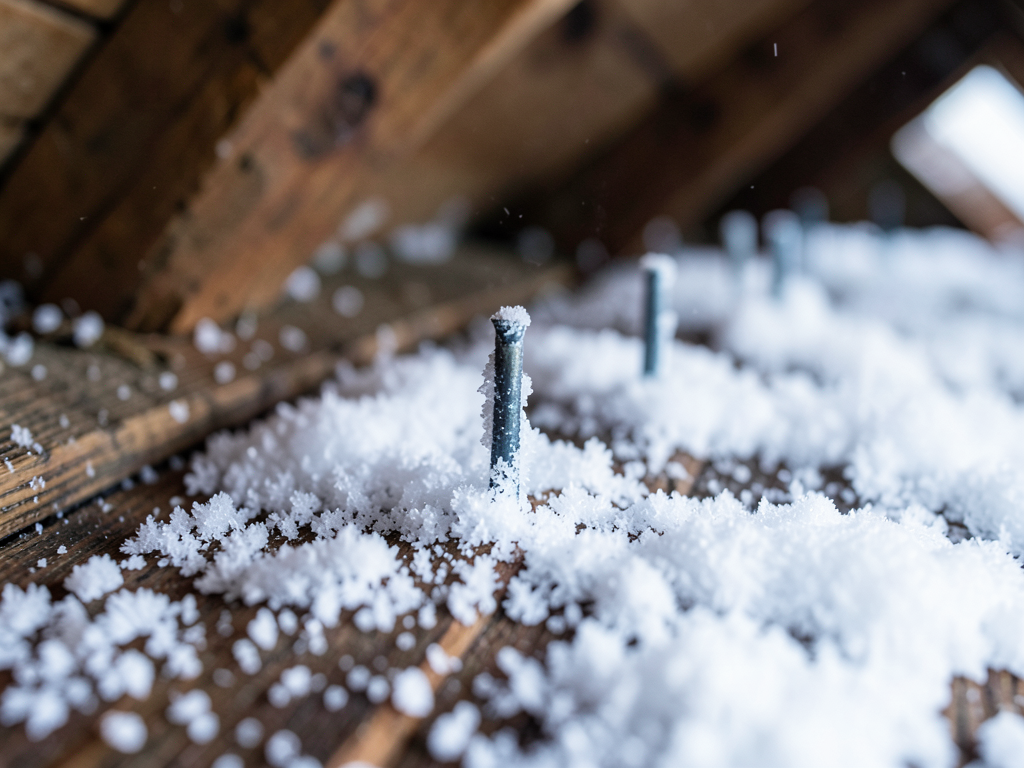
- Appearance: Frost on nail heads or truss webs indicates condensation. Active dripping suggests a leak.
- Pattern: Random ceiling spots often mean condensation. Linear patterns along rafters suggest a roof leak.
Denver homes in neighborhoods like Englewood and Littleton often show these condensation patterns because they were built before modern building codes required proper attic ventilation and air sealing. Roofing Englewood.
Why Denver’s Climate Aggravates Attic Moisture
Denver’s unique climate creates several challenges for attic moisture management:
Extreme Temperature Swings: Denver routinely experiences 40-50 degree temperature changes in a single day. This rapid cycling causes warm indoor air to rise faster and hit cold attic surfaces more dramatically.
High Altitude Effects: At 5,280 feet, the air is thinner and holds less moisture. This means your home’s indoor humidity (often 30-40% in winter) becomes more concentrated when it reaches the attic.
Chinook Winds: These warm, dry winds can melt rooftop snow quickly, creating ice dams that trap moisture against your roof deck. The subsequent refreezing cycle forces water under shingles.
Front Range Snow Load: Heavy snow insulates your roof, keeping the attic cold while your living space stays warm. This temperature differential accelerates condensation.
Common Signs of Attic Condensation
Recognizing these signs early can prevent costly damage to your roof structure:
- Frost on Nail Heads: You’ll see white frost on the shanks of roofing nails protruding through the attic deck.
- Damp or Matted Insulation: Blown-in cellulose or fiberglass insulation that feels heavy or clumps together has absorbed moisture.
- Attic Rain: When temperatures rise, accumulated frost melts and drips from trusses and rafters.
- Dark Wood Staining: Black or dark gray discoloration on rafters indicates mold growth from chronic moisture exposure.
- Icy Nail Heads: After a warm spell, you might find ice formations where nails penetrate the roof deck.
Homeowners in Westminster and Northglenn often discover these issues during routine attic inspections or when storing holiday decorations.
The 3 Pillars of a Dry Attic
Solving attic moisture requires addressing three interconnected systems:
1. Ventilation: Air Movement is Critical
Proper attic ventilation creates continuous airflow that carries moisture out before it can condense. The formula is simple: for every 300 square feet of attic floor space, you need 1 square foot of net free ventilation area.
Soffit Vents: These intake vents along your eaves allow cool, dry air to enter the attic. Without them, your ridge vents can’t function properly.
Ridge Vents: These exhaust vents run along the peak of your roof, allowing warm, moist air to escape. They work best when paired with adequate soffit intake.
Baffles: These plastic or cardboard chutes prevent insulation from blocking soffit vents. They ensure air can flow from the eaves to the ridge.
2. Insulation: The Thermal Barrier
Denver’s climate zone (Zone 5) requires R-49 to R-60 insulation in attics. This translates to about 16-20 inches of blown-in cellulose or fiberglass.
Current Standards: The International Energy Conservation Code (IECC) mandates R-60 for new construction in Denver. Many older homes in Sheridan and surrounding areas have only R-30 to R-38.
Material Choices: Cellulose provides better air sealing but can settle over time. Fiberglass maintains its shape but allows more air movement through the material.
3. Air Sealing: Stop the Stack Effect
The stack effect pulls warm air up through your home like a chimney. Common air leak points include:
- Attic access hatches
- Plumbing vent stacks
- Electrical penetrations
- Can light fixtures
- Wall top plates
Sealing these leaks with spray foam or caulk prevents warm, moist air from reaching your cold attic. Fixing Flat Roof Leaks in LoHi and Modern Denver Homes.
The Connection Between Condensation and Ice Dams
Denver’s heavy snow load and sunny days create a perfect storm for ice dams. Here’s how the cycle works:
- Heat escapes through your attic, melting snow on the roof surface.
- Water runs down to the colder eaves and freezes.
- Ice builds up, creating a dam that traps water behind it.
- Standing water backs up under shingles and into your home.
This process is accelerated by poor attic ventilation. When warm air can’t escape through ridge vents, it melts snow from underneath, creating the initial water flow that leads to ice dam formation.. Read more about Choosing Roof Vents That Won’t Blow Away During the Next Broomfield Wind Storm.
Ice dams commonly form on homes in Lakewood and Arvada where roof designs include complex valleys and varying eave depths.
Professional Solutions & Inspections
Knowing when to call a professional can save you thousands in potential damage:
When to Call a Roofer vs. Insulation Contractor:
- Roofer: Active leaks, missing shingles, ice dam damage, ventilation system installation
- Insulation Contractor: Adding insulation, air sealing bypasses, upgrading to current R-value standards
- Both: Complex moisture issues, ice dam prevention, comprehensive attic health assessments
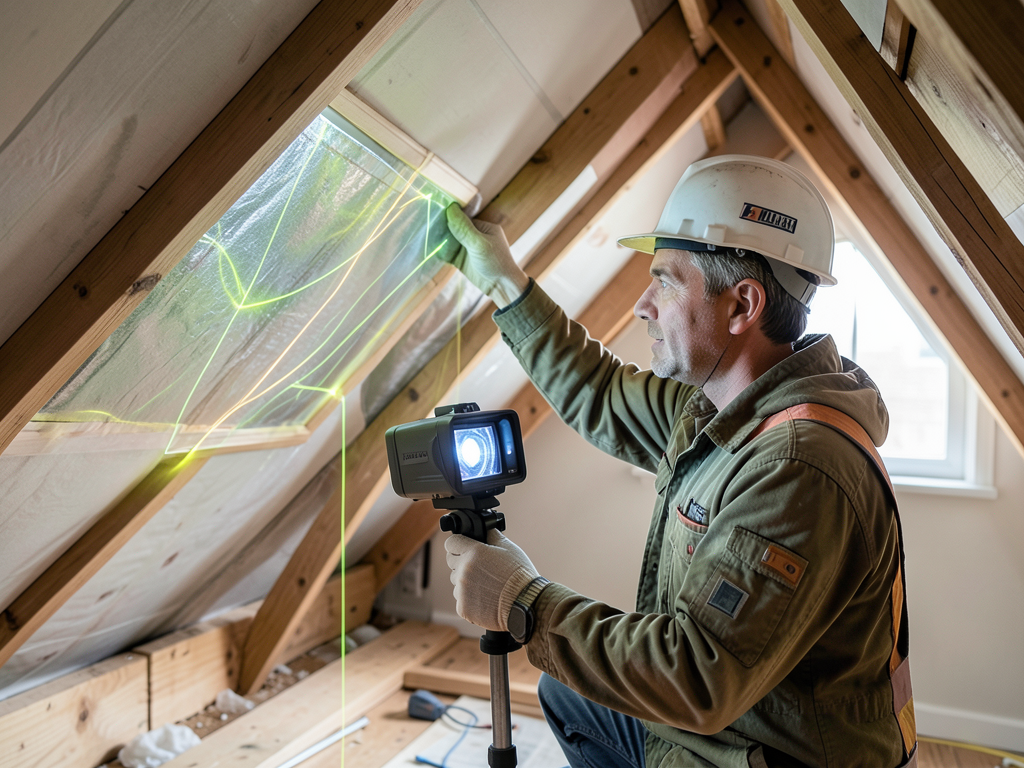
A professional attic inspection should include thermal imaging to detect air leaks, moisture readings of existing insulation, and an assessment of your current ventilation system’s effectiveness.
Many Denver homeowners qualify for Xcel Energy rebates for attic insulation upgrades, which can offset 30-40% of the project cost.
DIY Prevention Steps You Can Take Today
While professional help is often necessary, these steps can help manage minor moisture issues:
- Check Your Bathroom Fans: Ensure they vent directly outside, not into the attic. Run them during and after showers for 20-30 minutes.
- Monitor Indoor Humidity: Use a hygrometer to keep indoor levels between 30-40% during winter months.
- Inspect Attic Access: Add weatherstripping to your attic hatch to prevent air leakage.
- Clear Soffit Vents: Remove any insulation or debris blocking these critical intake vents.
- Consider a Dehumidifier: If your home feels clammy, a dehumidifier can reduce the moisture load on your attic.
Cost Factors for Attic Moisture Solutions
Understanding the investment required helps you plan effectively:
| Solution | Typical Cost Range | ROI Factors |
|---|---|---|
| Attic Insulation Upgrade (R-38 to R-60) | $2,500 – $4,500 | Energy savings 15-25%, moisture prevention |
| Ventilation System Installation | $1,200 – $3,000 | Prevents ice dams, extends roof life |
| Air Sealing Bypasses | $800 – $2,000 | Reduces heating costs 10-15% |
| Comprehensive Attic Inspection | $300 – $600 | Identifies hidden problems early |
Long-Term Benefits of Addressing Attic Moisture
Investing in proper attic moisture management provides multiple returns:
- Extended Roof Life: Proper ventilation can add 5-10 years to your roof’s lifespan.
- Energy Efficiency: Sealed attics reduce heating costs by 15-20% annually.
- Indoor Air Quality: Prevents mold growth that can affect your family’s health.
- Property Value: Energy-efficient homes with proper moisture management command higher resale prices.
- Insurance Benefits: Some insurers offer discounts for homes with documented moisture management systems.
Frequently Asked Questions
Why does my attic only get damp during cold weather?
Attic condensation occurs when warm, moist indoor air meets cold attic surfaces. During Denver’s cold winters, this temperature differential is greatest, causing maximum condensation. The problem typically disappears during warmer months when attic and indoor temperatures equalize.
Can I just add more insulation to fix the problem?
Adding insulation alone often makes condensation worse because it traps moisture-laden air in the attic. You need to address ventilation and air sealing first, then add insulation to meet current code requirements (R-60 for Denver).
How do I know if I have enough ventilation?
Calculate your attic’s square footage and divide by 300. This gives you the required net free ventilation area. For example, a 1,500 sq ft attic needs 5 sq ft of ventilation. This should be split 50/50 between intake (soffit) and exhaust (ridge) vents.
Will fixing my attic moisture problem prevent ice dams?
Yes, proper attic ventilation and insulation are the primary defenses against ice dams. They keep your roof deck cold and prevent the melting-freezing cycle that creates ice dams. However, complex roof designs may still need additional ice-and-water shield protection.
How long does it take to fix attic moisture problems?
Simple air sealing and insulation upgrades can be completed in 1-2 days. Comprehensive solutions including ventilation installation may take 3-5 days. The benefits become noticeable immediately, though some moisture issues may take weeks to fully resolve as trapped moisture evaporates.
Take Action Before Minor Moisture Becomes Major Damage
Attic moisture problems won’t fix themselves. What starts as frost on nail heads can escalate to mold growth, wood rot, and ceiling stains within a single heating season.
If you’re seeing signs of attic moisture in your Denver home, don’t wait for the next cold snap. A professional inspection can identify the root cause and provide a clear path to a dry, healthy attic.
Call Apex Roofing Denver today at (720) 484-8300 for a comprehensive attic moisture assessment. Our team understands Denver’s unique climate challenges and can provide solutions that work for your specific home and budget. Roofing Sheridan.
Don’t let another winter pass with moisture damaging your home’s structure. Contact us now to schedule your inspection and take the first step toward a dry, efficient attic that will protect your home for years to come. For more information, visit Department of Energy insulation guidelines.
{
“@context”: “https://schema.org”,
“@type”: “BlogPosting”,
“headline”: “Why Your Attic is Damp in the Middle of a Cold Denver Winter”,
“description”: “Discover why Denver attics get damp in winter and how to fix it. Learn about condensation, insulation, and ventilation in Colorado’s unique climate.”,
“wordCount”: 1685,
“datePublished”: “2026-05-21T06:52:00.000Z”,
“dateModified”: “2026-05-21T06:52:00.000Z”,
“inLanguage”: “en-US”,
“mainEntityOfPage”: {
“@type”: “WebPage”,
“@id”: “https://apexroofingdenver.com”
},
“publisher”: {
“@type”: “LocalBusiness”,
“name”: “Apex Roofing Denver”,
“url”: “https://apexroofingdenver.com”
},
“author”: {
“@type”: “Organization”,
“name”: “Apex Roofing Denver”,
“url”: “https://apexroofingdenver.com”
},
“image”: {
“@type”: “ImageObject”,
“url”: “https://apexroofingdenver.com/wp-content/uploads/2026/03/why-your-attic-is-damp-in-the-middle-of-a-cold-den-1.png”
}
}
{
“@context”: “https://schema.org”,
“@type”: “RoofingContractor”,
“name”: “Apex Roofing Denver”,
“url”: “https://apexroofingdenver.com”,
“address”: {
“@type”: “PostalAddress”,
“addressLocality”: “Denver”
},
“areaServed”: {
“@type”: “City”,
“name”: “Denver”
}
}
{
“@context”: “https://schema.org”,
“@type”: “FAQPage”,
“mainEntity”: [
{
“@type”: “Question”,
“name”: “Is Your Roof Leaking or is it Condensation?”,
“acceptedAnswer”: {
“@type”: “Answer”,
“text”: “Here’s a quick diagnostic checklist to help you identify the source of moisture:”
}
},
{
“@type”: “Question”,
“name”: “Why does my attic only get damp during cold weather?”,
“acceptedAnswer”: {
“@type”: “Answer”,
“text”: “Attic condensation occurs when warm, moist indoor air meets cold attic surfaces. During Denver’s cold winters, this temperature differential is greatest, causing maximum condensation. The problem typically disappears during warmer months when attic and indoor temperatures equalize.”
}
},
{
“@type”: “Question”,
“name”: “Can I just add more insulation to fix the problem?”,
“acceptedAnswer”: {
“@type”: “Answer”,
“text”: “Adding insulation alone often makes condensation worse because it traps moisture-laden air in the attic. You need to address ventilation and air sealing first, then add insulation to meet current code requirements (R-60 for Denver).”
}
},
{
“@type”: “Question”,
“name”: “Will fixing my attic moisture problem prevent ice dams?”,
“acceptedAnswer”: {
“@type”: “Answer”,
“text”: “Yes, proper attic ventilation and insulation are the primary defenses against ice dams. They keep your roof deck cold and prevent the melting-freezing cycle that creates ice dams. However, complex roof designs may still need additional ice-and-water shield protection.”
}
}
]
}
{
“@context”: “https://schema.org”,
“@type”: “BreadcrumbList”,
“itemListElement”: [
{
“@type”: “ListItem”,
“position”: 1,
“name”: “Home”,
“item”: “https://apexroofingdenver.com”
},
{
“@type”: “ListItem”,
“position”: 2,
“name”: “Blog”,
“item”: “https://apexroofingdenver.com/blog”
},
{
“@type”: “ListItem”,
“position”: 3,
“name”: “Why Your Attic is Damp in the Middle of a Cold Denver Winter”
}
]
}
{
“@context”: “https://schema.org”,
“@type”: “Service”,
“serviceType”: “Roofing”,
“provider”: {
“@type”: “LocalBusiness”,
“name”: “Apex Roofing Denver”,
“url”: “https://apexroofingdenver.com”
},
“areaServed”: {
“@type”: “City”,
“name”: “Denver”
},
“description”: “Discover why Denver attics get damp in winter and how to fix it. Learn about condensation, insulation, and ventilation in Colorado’s unique climate.”
}