
Why Most Denver Roof Leaks Start Around the Chimney and How to Stop Them
Water dripping inside your home near the fireplace usually means the chimney flashing has failed. In Denver the freeze-thaw cycle heavy snow loads and intense UV exposure make chimney leaks one of the most common roof problems. Catching it early can save thousands in wood rot and interior repairs. Chimney Safety Institute of America.
Chimneys sit where roof planes meet walls creating multiple vulnerable points. Step flashing along the roof slope counter-flashing embedded in the brick and the chimney crown above all work together. When one fails water finds the path of least resistance.
Common Causes of Denver Chimney Leaks
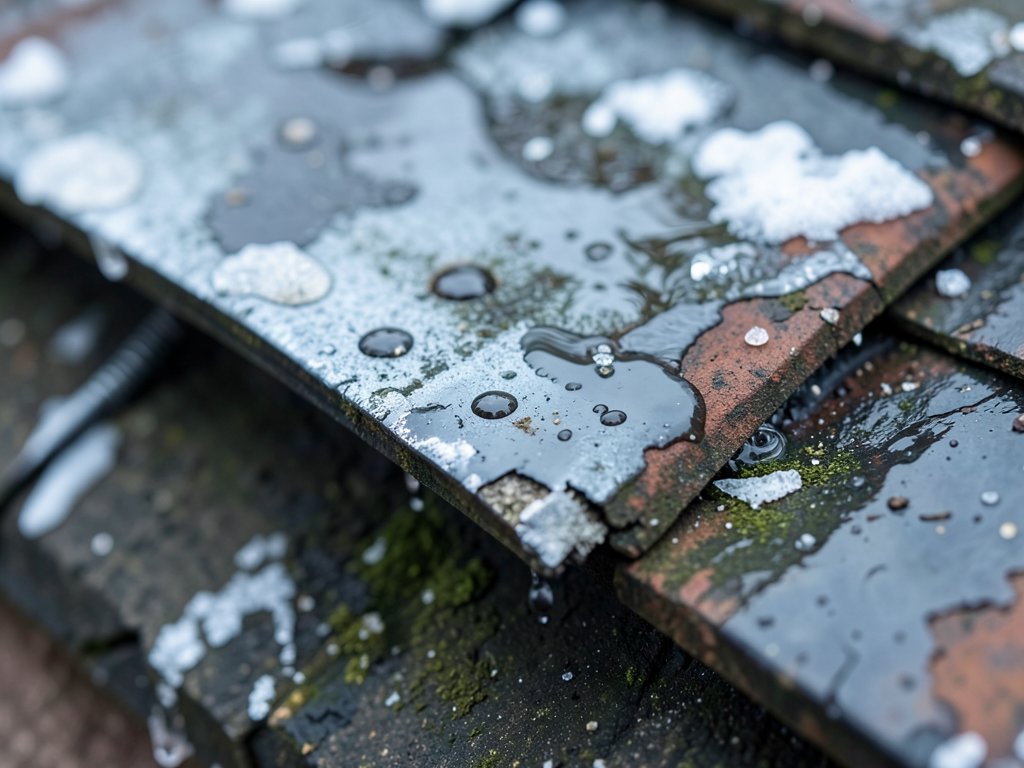
Freeze-thaw cycles are the biggest culprit. When daytime temperatures rise above freezing and nighttime temperatures drop below moisture trapped in mortar joints expands and contracts. Over a few seasons this breaks down the bond between bricks and causes spalling. This Old House chimney flashing repair guide.
Heavy snow accumulation adds another layer of risk. Snow piled against the chimney melts slowly allowing water to seep behind damaged flashing. If the chimney lacks a cricket a small saddle-shaped deflector ice dams can form on the uphill side forcing water under shingles.
UV exposure at Denver’s 5280-foot elevation also degrades sealants and rubber boots faster than at lower altitudes. A caulk joint that might last ten years elsewhere may fail in five here.
Warning Signs to Watch For
Water stains on the ceiling near the fireplace are the most obvious sign. You might also notice efflorescence a white powdery residue on the exterior brick caused by mineral deposits left behind when water evaporates.
Inside the firebox rust on the damper or firebox walls suggests prolonged moisture exposure. Outside cracked or missing mortar loose bricks and a deteriorated chimney crown all indicate water is already penetrating the structure.
If you see water pooling in the firebox during or after rain the leak is active and needs immediate attention.
Repair Options for Chimney Leaks
Minor issues like cracked sealant around flashing can be sealed with a high-quality urethane caulk. For more extensive damage the old flashing must be removed the area cleaned and new step and counter-flashing installed with ice and water shield underneath.
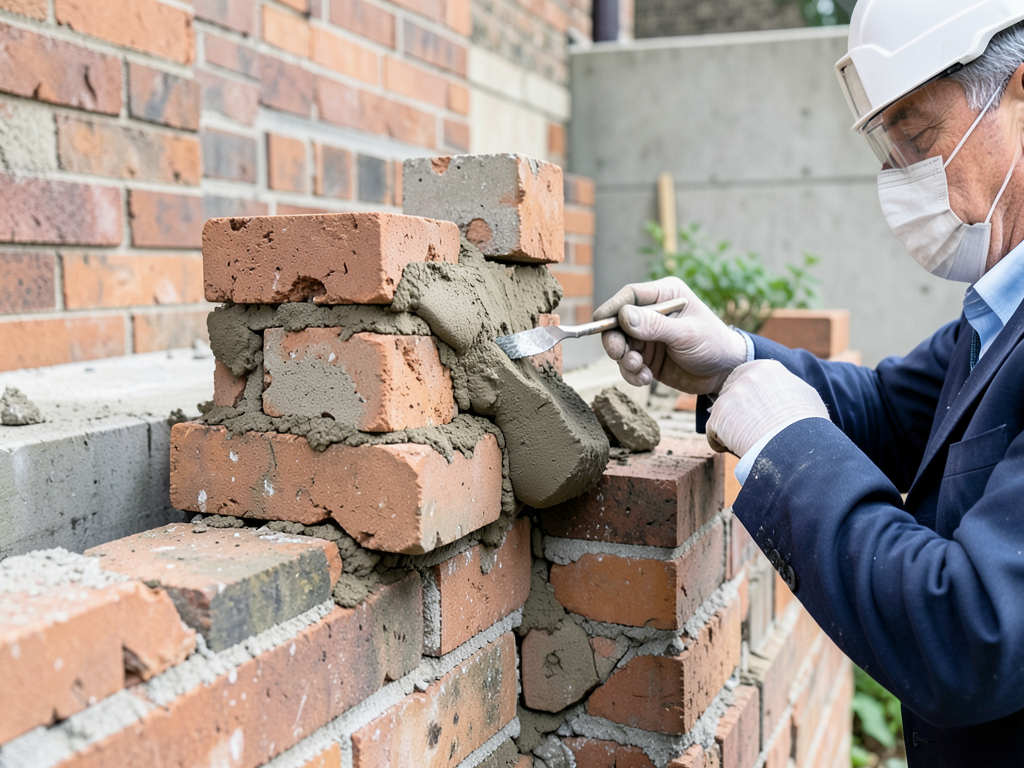
Spalling bricks require masonry repair. A mason will remove the damaged units replace them with matching brick and repoint the joints with mortar formulated for Colorado’s climate. The chimney crown often needs rebuilding if cracks are wider than 1/8 inch.
Adding or replacing a cricket is critical for chimneys wider than 30 inches. The cricket diverts water and snow to either side reducing the chance of ice dam formation. Proper crickets are flashed into the roof and sealed to prevent leaks. Fixing Flat Roof Leaks in LoHi and Modern Denver Homes.
For severe deterioration a full chimney rebuild may be the only option. This involves tearing down to sound masonry rebuilding with new brick and mortar and installing a reinforced concrete crown with proper slope for water runoff.
Denver-Specific Considerations
Denver’s building code requires ice and water shield in valleys and around penetrations like chimneys. Many homes in Lakewood and Englewood built before 2000 lack this protection making them more vulnerable. Roofing Englewood.
The region’s expansive bentonite clay soil causes minor foundation shifts that can crack chimney masonry over time. Homes in Westminster and Northglenn with slab foundations often experience this stress.
Hail storms between May and August can dent metal flashing or crack chimney caps. After a major storm it’s worth having a professional inspect the chimney for hidden damage.
Local architecture also plays a role. Mid-century modern homes in Lakewood often have low-slope roofs with large masonry chimneys while 1970s split-levels in Westminster may have multiple smaller chimneys with simpler flashing details.
Cost Factors for Chimney Repairs
Repair costs depend on the extent of damage chimney height roof pitch and accessibility. A simple reseal of flashing might cost a few hundred dollars. Rebuilding a crown or replacing flashing runs $1000 to $2500. A full rebuild can exceed $5000.
Roof pitch affects labor time steep roofs require more safety equipment and slower work. Height matters too chimneys on two-story homes in Englewood need scaffolding adding to the cost.
If the leak has caused wood rot in the roof deck or rafters structural repairs will increase the price. Catching the problem early keeps costs lower.. Read more about Managing Shared Roof Repairs for Your Duplex or Townhome in Jefferson Park.
Insurance may cover sudden damage from storms but not gradual deterioration. Check your policy and document the damage with photos before repairs begin.
Preventative Maintenance Tips
Inspect your chimney annually preferably in late spring after winter’s freeze-thaw cycles. Look for missing mortar cracked bricks and damaged flashing. Clear debris from the crown and check that the cap is secure.
Apply a breathable masonry sealer every five years to protect against water penetration while allowing vapor to escape. Avoid non-breathable coatings that trap moisture inside the brick.
Keep the area around the chimney clear of snow buildup in winter. Use a roof rake to remove excess snow from the uphill side if it accumulates more than a foot.
Install a chimney cap if you don’t have one. Caps keep out rain snow animals and debris reducing the chance of water entering the flue.
Trim overhanging tree branches that could damage the chimney during storms or drop leaves that trap moisture against the masonry.
DIY vs. Professional Repair
Minor sealant touch-ups are safe for DIY but anything involving removing flashing rebuilding masonry or working on steep roofs should be left to professionals. Working on a roof carries fall risks and improper repairs can void warranties or cause more damage.
Professionals use specialized tools like infrared cameras to detect hidden moisture and have access to commercial-grade materials that last longer than big-box store products.
When to Call for Emergency Service
Active leaks during rain large sections of missing mortar or a leaning chimney are emergencies. Water entering your home can cause mold electrical hazards and structural damage within hours.
Many Denver roofers offer 24/7 emergency tarping to stop active leaks until permanent repairs can be made. Don’t wait for the next storm delaying can multiply repair costs.
If you notice a sudden increase in water stains or hear dripping sounds cover furniture move valuables and call a professional immediately.
Frequently Asked Questions
Can a chimney leak cause a fire?
Yes. Water can cause electrical shorts in nearby wiring or rust metal components in the firebox creating fire hazards. It can also damage the flue liner allowing heat to reach combustible materials.
How long does a chimney leak repair take?
Simple flashing repairs take a few hours. Masonry rebuilding or crown replacement may take one to three days depending on weather and material curing times. How Much a Full Roof Replacement Actually Costs in Denver Right Now.
Does insurance cover chimney leaks?
Insurance typically covers sudden damage from storms or impacts but not gradual deterioration from age or freeze-thaw cycles. Check your policy for specific coverage details.
Should I repair or replace my chimney?
If damage is localized to flashing or mortar joints repair is usually sufficient. Extensive spalling a severely cracked crown or a leaning structure often means replacement is more cost-effective long-term. Industrial Roof Replacement.
How can I tell if my chimney needs a cricket?
Chimneys wider than 30 inches on roofs with a slope greater than 4:12 should have a cricket. If you see heavy snow buildup on the uphill side or ice dams forming a cricket may be needed.
Protecting Your Home from Chimney Leaks
Chimney leaks in Denver are almost always tied to our unique climate freeze-thaw cycles heavy snow and high UV exposure work together to break down even well-built masonry. Understanding the warning signs and repair options helps you act before minor issues become major expenses.
Regular maintenance timely repairs and professional inspections keep your chimney and your home dry and safe. If you notice any signs of water intrusion near your fireplace don’t wait. The longer you delay the more damage water can cause.
For more information, visit National Association of Certified Home Inspectors chimney inspection guide.
You may also find this helpful. Protecting Your Cherry Hills Village Skylights from the Next Massive Hail Event.
{
“@context”: “https://schema.org”,
“@type”: “BlogPosting”,
“headline”: “Why Most Denver Roof Leaks Start Around the Chimney and How to Stop Them”,
“description”: “Denver chimney leaks often result from freeze-thaw cycles, heavy snow, and UV damage. Learn warning signs, repair options, and prevention tips to protect your home.”,
“wordCount”: 1357,
“datePublished”: “2026-05-16T10:20:00.000Z”,
“dateModified”: “2026-05-16T10:20:00.000Z”,
“inLanguage”: “en-US”,
“mainEntityOfPage”: {
“@type”: “WebPage”,
“@id”: “https://apexroofingdenver.com”
},
“publisher”: {
“@type”: “LocalBusiness”,
“name”: “Apex Roofing Denver”,
“url”: “https://apexroofingdenver.com”
},
“author”: {
“@type”: “Organization”,
“name”: “Apex Roofing Denver”,
“url”: “https://apexroofingdenver.com”
},
“image”: {
“@type”: “ImageObject”,
“url”: “https://apexroofingdenver.com/wp-content/uploads/2026/03/why-most-denver-roof-leaks-start-around-the-chimne-1.png”
}
}
{
“@context”: “https://schema.org”,
“@type”: “RoofingContractor”,
“name”: “Apex Roofing Denver”,
“url”: “https://apexroofingdenver.com”,
“address”: {
“@type”: “PostalAddress”,
“addressLocality”: “Denver”
},
“areaServed”: {
“@type”: “City”,
“name”: “Denver”
}
}
{
“@context”: “https://schema.org”,
“@type”: “FAQPage”,
“mainEntity”: [
{
“@type”: “Question”,
“name”: “Can a chimney leak cause a fire?”,
“acceptedAnswer”: {
“@type”: “Answer”,
“text”: “Yes. Water can cause electrical shorts in nearby wiring or rust metal components in the firebox creating fire hazards. It can also damage the flue liner allowing heat to reach combustible materials.”
}
},
{
“@type”: “Question”,
“name”: “How long does a chimney leak repair take?”,
“acceptedAnswer”: {
“@type”: “Answer”,
“text”: “Simple flashing repairs take a few hours. Masonry rebuilding or crown replacement may take one to three days depending on weather and material curing times. How Much a Full Roof Replacement Actually Costs in Denver Right Now.”
}
},
{
“@type”: “Question”,
“name”: “Does insurance cover chimney leaks?”,
“acceptedAnswer”: {
“@type”: “Answer”,
“text”: “Insurance typically covers sudden damage from storms or impacts but not gradual deterioration from age or freeze-thaw cycles. Check your policy for specific coverage details.”
}
},
{
“@type”: “Question”,
“name”: “Should I repair or replace my chimney?”,
“acceptedAnswer”: {
“@type”: “Answer”,
“text”: “If damage is localized to flashing or mortar joints repair is usually sufficient. Extensive spalling a severely cracked crown or a leaning structure often means replacement is more cost-effective long-term. Industrial Roof Replacement.”
}
},
{
“@type”: “Question”,
“name”: “How can I tell if my chimney needs a cricket?”,
“acceptedAnswer”: {
“@type”: “Answer”,
“text”: “Chimneys wider than 30 inches on roofs with a slope greater than 4:12 should have a cricket. If you see heavy snow buildup on the uphill side or ice dams forming a cricket may be needed.”
}
}
]
}
{
“@context”: “https://schema.org”,
“@type”: “BreadcrumbList”,
“itemListElement”: [
{
“@type”: “ListItem”,
“position”: 1,
“name”: “Home”,
“item”: “https://apexroofingdenver.com”
},
{
“@type”: “ListItem”,
“position”: 2,
“name”: “Blog”,
“item”: “https://apexroofingdenver.com/blog”
},
{
“@type”: “ListItem”,
“position”: 3,
“name”: “Why Most Denver Roof Leaks Start Around the Chimney and How to Stop Them”
}
]
}
{
“@context”: “https://schema.org”,
“@type”: “Service”,
“serviceType”: “Roofing”,
“provider”: {
“@type”: “LocalBusiness”,
“name”: “Apex Roofing Denver”,
“url”: “https://apexroofingdenver.com”
},
“areaServed”: {
“@type”: “City”,
“name”: “Denver”
},
“description”: “Denver chimney leaks often result from freeze-thaw cycles, heavy snow, and UV damage. Learn warning signs, repair options, and prevention tips to protect your home.”
}