
Choosing a Roof Color That Won’t Make Your West Highland Home Overheat
Denver summers hit hard when you’re at 5,280 feet. The intense UV radiation combined with urban heat island effects means your roof color directly impacts both comfort and utility bills. In West Highland’s historic bungalows and craftsman homes, choosing the right roof color isn’t just about curb appeal—it’s about managing heat gain in a climate where afternoon temperatures regularly climb into the 90s.
The science behind roof color selection involves understanding how different materials and pigments interact with solar radiation. Light-colored roofs reflect more sunlight while darker ones absorb heat. But Denver’s unique climate adds complexity since we need roofs that perform well in both summer heat and winter cold.. Read more about Should You Install a Solar Attic Fan in Your Wheat Ridge Home This Summer?.
West Highland residents face specific challenges. The neighborhood’s mature tree canopy provides afternoon shade but also creates debris that can trap heat on certain roof sections. Many homes feature steep-pitched roofs designed for snow shedding, which affects how color impacts overall home temperature.
How Roof Color Impacts Your Energy Bills
Solar reflectance and thermal emittance determine how much heat your roof absorbs or releases. The Solar Reflective Index (SRI) measures this performance on a scale from 0 to 100, with higher numbers indicating better cooling properties. For Denver’s high-altitude sun exposure, understanding these metrics helps you make informed decisions.. Read more about Understanding the Benefits of a Cool Roof for Industrial Buildings in RiNo.
Dark asphalt shingles typically have an SRI between 7 and 20, while lighter options range from 20 to 40. Metal roofing can achieve SRIs above 70 when coated with reflective pigments. The difference matters: on a 90-degree Denver day, a dark roof can reach surface temperatures of 150-170°F while a light-colored roof might stay around 110-130°F. Roofing Sheridan.
This temperature difference translates directly to attic heat gain. A cooler roof means less heat transfer through your ceiling, reducing air conditioning runtime. For West Highland homes with older insulation, this effect becomes even more pronounced since heat easily penetrates through ceiling penetrations and inadequate attic ventilation.. Read more about The Real Difference Between GAF and CertainTeed Shingles for Homes in Parker.
Energy calculations show that switching from dark to light roofing can reduce cooling costs by 10-25% in Denver’s climate zone. However, the heating penalty in winter—where dark roofs absorb beneficial solar heat—must be factored into the decision. Denver’s heating season still dominates our energy usage, making this a nuanced calculation. Energy Department cool roof guide.
Solar Reflective Index vs. Aesthetics
Finding the right balance between energy efficiency and neighborhood character requires understanding both technical performance and visual impact. West Highland’s historic district guidelines often limit color choices, but modern cool roof technologies offer solutions that meet both aesthetic and performance requirements.. Read more about A Guide to Roofing Options for Your New ADU or Guest House in Sunnyside.
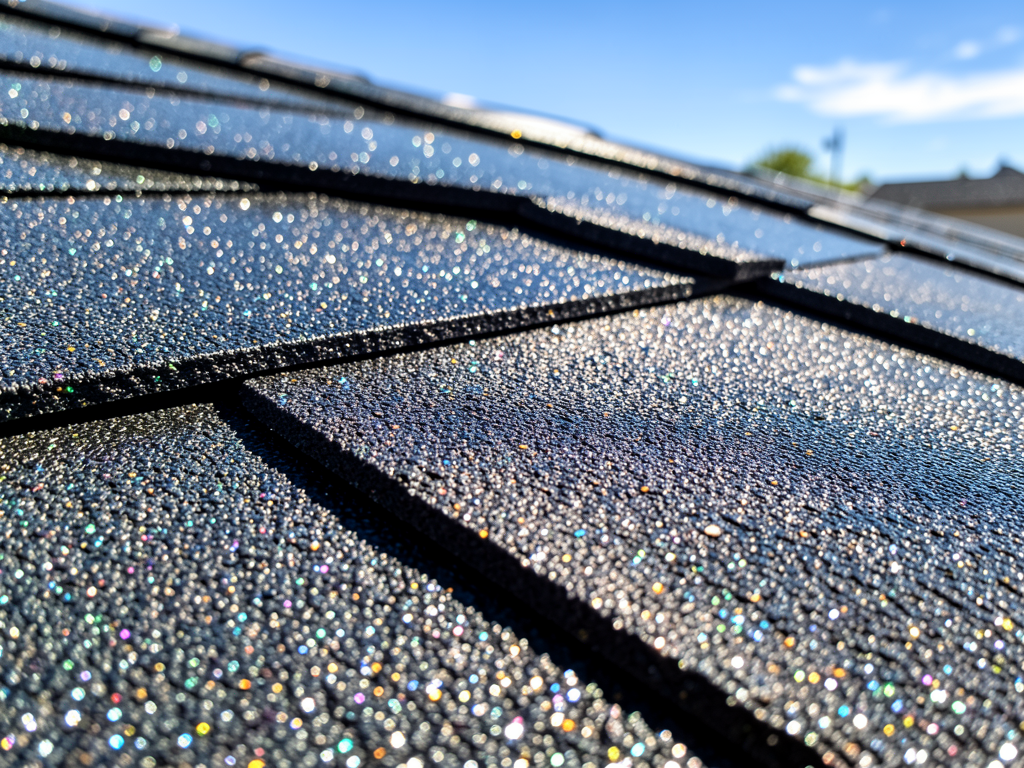
Modern asphalt shingles now incorporate reflective granules that maintain traditional dark appearances while achieving higher SRIs. These products use specialized pigments that reflect infrared radiation—the primary heat carrier—while appearing visually similar to conventional dark shingles. This technology allows homeowners to maintain architectural integrity without sacrificing efficiency.
The trade-off becomes clearer when comparing material options. Traditional dark architectural shingles might have an SRI of 12-15, while cool roof versions with the same visual appearance can achieve SRIs of 25-35. The cost difference is typically $500-1,000 for an average West Highland home, but the energy savings often offset this premium within 5-7 years.. Read more about Comparing Ridge Vents and Powered Attic Ventilators for Better Airflow in Thornton.
Color perception also changes with altitude. Denver’s thinner atmosphere and higher UV exposure make colors appear more saturated and can cause fading faster than at lower elevations. This means that light colors might yellow or darken slightly over time, while dark colors can fade unevenly, creating a patchy appearance that affects both aesthetics and performance.
Denver’s Climate Challenge
Denver’s high-altitude environment creates unique roofing challenges that directly impact color performance. The combination of intense UV radiation, rapid temperature swings, and occasional severe weather means your roof color choice must withstand more than just thermal stress. Roofing Englewood.
UV radiation at altitude is approximately 25% stronger than at sea level. This increased intensity accelerates material degradation, particularly for organic-based materials like wood shakes or certain asphalt compositions. UV-resistant pigments in cool roof products become essential for maintaining both color and reflective properties over time. Cedar Shake Roof Restoration for Homes in Ken Caryl.
Denver’s temperature swings can exceed 40-50 degrees in a single day during spring and fall. This thermal cycling causes expansion and contraction in roofing materials, which can lead to cracking or separation at joints. Lighter colors generally experience less thermal stress since they don’t reach the extreme temperatures that cause material fatigue.
Snow accumulation presents another consideration. Dark roofs absorb heat that can help melt snow and prevent ice dam formation, but this benefit must be weighed against summer cooling needs. In West Highland’s older homes with less-than-perfect attic insulation, the heat gain from dark roofs can create condensation issues when warm attic air meets cold roof surfaces.
Denver’s Building Code requires Class 4 impact-resistant shingles in many areas due to frequent hailstorms. These premium shingles come in various colors but may have slightly different reflective properties than standard versions. The added durability often justifies any minor efficiency trade-offs.
Top Energy-Efficient Color Recommendations
For West Highland homes, the optimal color choice depends on your specific priorities and home characteristics. Here’s a breakdown of options that balance performance with the neighborhood’s architectural character:
- Light Gray Architectural Shingles – SRI 25-30, excellent all-season performance, complements craftsman and bungalow styles
- Driftwood/Tan Options – SRI 20-25, good balance of heat reflection and winter warmth, versatile with most exteriors
- Colonial Slate Cool Roof Shingles – SRI 30-35, darker appearance with reflective technology, ideal for traditional looks
- White or Light Beige Metal Roofing – SRI 70-80, maximum cooling, modern aesthetic, excellent durability
- Medium Brown with Reflective Granules – SRI 22-27, warm appearance with improved performance, great for brick exteriors
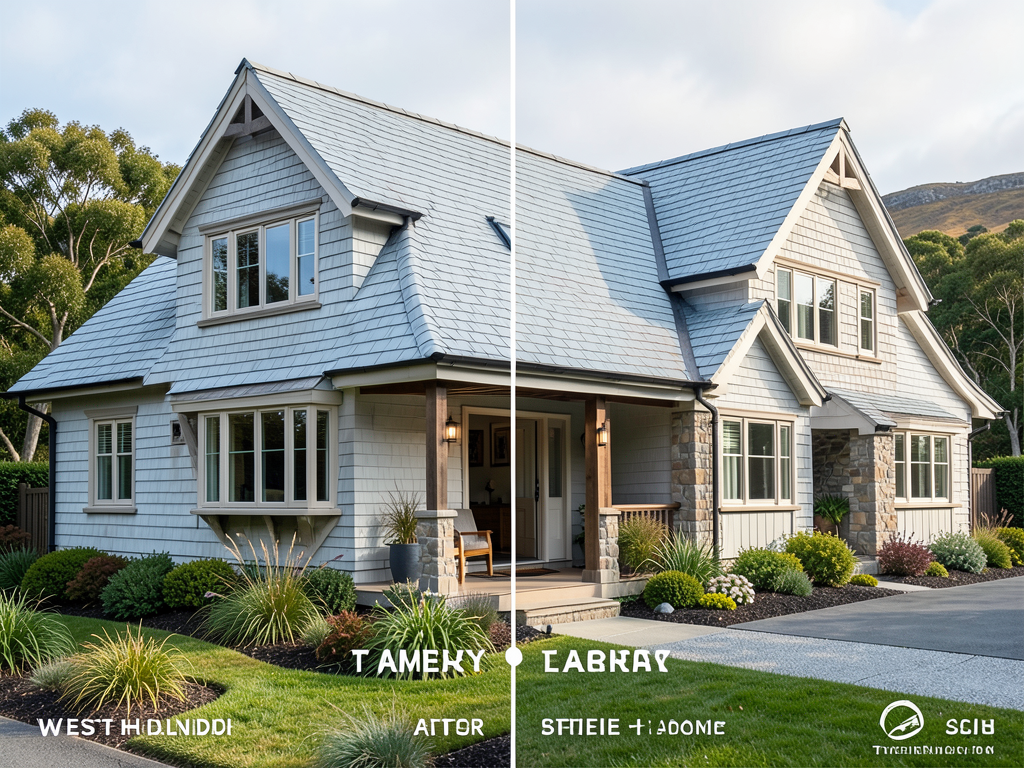
The most popular choice among West Highland homeowners has been light to medium grays. These colors reflect significant heat while maintaining the classic look that complements the neighborhood’s diverse architectural styles. The slight blue or green undertones in premium gray shingles also help them resist the yellowing that can occur with age at high altitude.
For homes with south-facing exposures, slightly lighter colors provide the most benefit since these surfaces receive the most direct sunlight. Conversely, north-facing roofs can often be slightly darker without significantly impacting overall home temperature since they receive less direct solar radiation.
Material selection matters as much as color. Metal roofing in light colors provides the best cooling performance but comes at a premium cost. Asphalt shingles with cool roof technology offer the best balance of cost, performance, and aesthetic flexibility for most West Highland homes.. Read more about How to Choose Between Metal and Shingles for Your New Sunroom or Porch Addition.
Energy-Efficient Materials Beyond Color
While color plays a crucial role, the roofing material itself significantly impacts energy efficiency. Different materials have inherent properties that affect heat absorption, retention, and transfer regardless of surface color.
Standing seam metal roofing reflects solar radiation across the entire spectrum, not just visible light. When finished with cool roof coatings, these systems can achieve SRIs above 70 while providing excellent durability against Denver’s hail and wind. The air gap between the metal panels and roof deck also provides additional insulation benefits. Xcel Energy cool roof rebates.
Concrete and clay tiles offer natural thermal mass that helps regulate temperature swings. These materials absorb heat slowly during the day and release it gradually at night, reducing temperature fluctuations inside your home. Light-colored tile roofs can achieve SRIs of 40-50 while providing a distinctly Southwestern aesthetic that’s gaining popularity in Denver’s modern home designs.
Composite roofing materials combine recycled content with engineered performance. Many premium composite shingles incorporate reflective technology and superior insulation properties. These products often achieve SRIs comparable to light asphalt shingles while offering enhanced durability and a wider range of color options.
For flat or low-slope roofs common in West Highland’s mid-century modern homes, built-up roofing (BUR) and modified bitumen systems offer cool roof options. These materials can be installed in white or light gray finishes with SRIs exceeding 80, making them ideal for homes where maximum cooling efficiency is the priority.
The installation method also affects performance. Proper attic ventilation, radiant barriers, and adequate insulation work together with your roof color choice to maximize energy efficiency. Even the best cool roof can’t overcome poor attic ventilation or inadequate insulation.
Potential ROI and Local Rebates
Energy-efficient roofing investments in Denver typically pay for themselves through reduced utility bills within 5-10 years, depending on your energy usage patterns and local utility rates. The return on investment calculation must consider both direct energy savings and potential property value increases.. Read more about How to Spot Potential Roof Leaks Before They Turn Into Mold in Your Attic.
Xcel Energy offers residential rebates for cool roof installations that meet specific Solar Reflective Index requirements. Current programs provide rebates of $0.10-0.20 per square foot for qualifying cool roof installations, with additional incentives for homes that also improve attic insulation. These rebates can reduce the upfront cost of energy-efficient roofing by several hundred dollars.
The City of Denver’s Green Roof Initiative affects commercial properties but has inspired similar thinking for residential energy efficiency. While not directly providing rebates for cool roofs, the initiative has increased awareness and availability of energy-efficient roofing options through local suppliers and contractors.
Insurance companies increasingly recognize the value of impact-resistant, energy-efficient roofing. Many Denver-area insurers offer premium discounts of 5-15% for homes with Class 4 impact-resistant shingles, which often overlap with premium cool roof products. These discounts can add up to $100-300 annually for many West Highland homes.
Property value impacts are harder to quantify but real. Energy-efficient homes typically sell for 3-5% more than comparable properties without efficiency upgrades. In West Highland’s competitive market, a new energy-efficient roof can be a significant selling point that helps your home stand out.
The combination of energy savings, rebates, insurance discounts, and property value increases often results in a total return on investment exceeding 100% over the roof’s lifetime. For a typical West Highland home, this translates to $3,000-7,000 in combined benefits over 20-30 years.
Making Your Final Decision
Choosing the right roof color for your West Highland home requires balancing multiple factors: energy efficiency, aesthetic compatibility, material durability, and local regulations. Start by assessing your home’s specific characteristics and your personal priorities.
Consider your home’s orientation, existing insulation levels, and typical energy usage patterns. South-facing homes benefit more from light colors, while homes with excellent insulation might prioritize aesthetics over maximum cooling performance. If you plan to stay in your home for 10+ years, the energy savings of a cool roof become more compelling.
Review any neighborhood association guidelines or historic district requirements that might limit your color choices. Many West Highland homes fall under local guidelines that preserve architectural character while allowing modern, energy-efficient materials in traditional colors.. Read more about What to Look for When Buying a Home with a Flat Roof in RiNo or the Art District.
Get multiple quotes from contractors experienced with cool roof installations in Denver’s climate. Ask specifically about Solar Reflective Index ratings, warranty coverage, and expected energy savings based on your home’s characteristics. A qualified contractor should provide data on how different color and material combinations will perform in your specific situation.
Consider the full system approach rather than focusing solely on roof color. Proper attic ventilation, adequate insulation, and quality underlayment all work together with your roof surface to maximize energy efficiency. Sometimes the best investment is improving these supporting systems rather than just changing the visible surface color.
Finally, think about long-term durability and maintenance. Denver’s intense UV exposure and temperature swings can cause color fading and material degradation. Premium cool roof products with UV-resistant pigments and enhanced durability might cost more upfront but provide better long-term performance and appearance retention.
Frequently Asked Questions
Will a light-colored roof make my home look out of place in West Highland?
Modern cool roof technologies offer light-colored options that maintain traditional appearances. Light grays, driftwood tans, and colonial slate colors provide energy efficiency while complementing West Highland’s craftsman and bungalow architecture. Many premium shingles use reflective technology that appears darker while performing like light colors.
How much can I save on cooling costs with a cool roof?
Denver homeowners typically see 10-25% reductions in cooling costs when switching from dark to light-colored roofing. The exact savings depend on your home’s insulation, orientation, and local utility rates. For many West Highland homes, this translates to $100-300 in annual cooling cost reductions during summer months.
Do cool roofs increase heating costs in winter?
There is a small heating penalty with cool roofs, but Denver’s climate makes this less significant than you might expect. Our heating season is longer than cooling season, but the intense summer sun means cooling savings typically outweigh winter heating increases. The net effect is usually positive for energy bills.
Are there any rebates available for energy-efficient roofing in Denver?
Yes, Xcel Energy offers rebates of $0.10-0.20 per square foot for cool roof installations that meet specific Solar Reflective Index requirements. Many insurance companies also provide premium discounts for impact-resistant roofing that often overlaps with cool roof products. These incentives can reduce your upfront costs significantly.
How long do cool roof colors last in Denver’s intense sun?
Premium cool roof products with UV-resistant pigments typically maintain their color and reflective properties for 15-20 years in Denver’s climate. Standard asphalt shingles might show fading in 8-12 years. The higher initial cost of premium products often pays off through better long-term appearance and performance.
Ready to Choose Your Perfect Roof Color?
Don’t let another summer of high cooling bills pass you by. The right roof color can make your West Highland home more comfortable while saving you money on energy costs. Our team understands Denver’s unique climate challenges and can help you select the perfect combination of color, material, and technology for your specific home.
We offer free consultations to assess your current roof’s performance and recommend energy-efficient options that enhance your home’s appearance and value. Our experienced technicians know exactly how different colors and materials perform in Denver’s high-altitude environment.
Call Apex Roofing Denver today at (720) 484-8300 to schedule your free roof evaluation. Let’s find the perfect roof color that keeps your West Highland home cool without sacrificing style or breaking your budget.
Your neighbors will notice the difference, but more importantly, you’ll feel it every month when your utility bill arrives. Make the smart choice for your home’s comfort and efficiency this summer.
{
“@context”: “https://schema.org”,
“@type”: “BlogPosting”,
“headline”: “Choosing a Roof Color That Won’t Make Your West Highland Home Overheat”,
“description”: “Learn which roof colors reflect Denver’s intense summer heat while maintaining winter efficiency. Local expert explains SRI ratings, materials, and Xcel Energy rebates.”,
“wordCount”: 2355,
“datePublished”: “2026-03-31T11:52:00.000Z”,
“dateModified”: “2026-03-31T11:52:00.000Z”,
“inLanguage”: “en-US”,
“mainEntityOfPage”: {
“@type”: “WebPage”,
“@id”: “https://apexroofingdenver.com”
},
“publisher”: {
“@type”: “LocalBusiness”,
“name”: “Apex Roofing Denver”,
“url”: “https://apexroofingdenver.com”
},
“author”: {
“@type”: “Organization”,
“name”: “Apex Roofing Denver”,
“url”: “https://apexroofingdenver.com”
},
“image”: {
“@type”: “ImageObject”,
“url”: “https://apexroofingdenver.com/wp-content/uploads/2026/03/choosing-a-roof-color-that-won-t-make-your-west-hi-1.png”
}
}
{
“@context”: “https://schema.org”,
“@type”: “RoofingContractor”,
“name”: “Apex Roofing Denver”,
“url”: “https://apexroofingdenver.com”,
“address”: {
“@type”: “PostalAddress”,
“addressLocality”: “Denver”
},
“areaServed”: {
“@type”: “City”,
“name”: “Denver”
}
}
{
“@context”: “https://schema.org”,
“@type”: “FAQPage”,
“mainEntity”: [
{
“@type”: “Question”,
“name”: “Will a light-colored roof make my home look out of place in West Highland?”,
“acceptedAnswer”: {
“@type”: “Answer”,
“text”: “Modern cool roof technologies offer light-colored options that maintain traditional appearances. Light grays, driftwood tans, and colonial slate colors provide energy efficiency while complementing West Highland’s craftsman and bungalow architecture. Many premium shingles use reflective technology that appears darker while performing like light colors.”
}
},
{
“@type”: “Question”,
“name”: “How much can I save on cooling costs with a cool roof?”,
“acceptedAnswer”: {
“@type”: “Answer”,
“text”: “Denver homeowners typically see 10-25% reductions in cooling costs when switching from dark to light-colored roofing. The exact savings depend on your home’s insulation, orientation, and local utility rates. For many West Highland homes, this translates to $100-300 in annual cooling cost reductions during summer months.”
}
},
{
“@type”: “Question”,
“name”: “Do cool roofs increase heating costs in winter?”,
“acceptedAnswer”: {
“@type”: “Answer”,
“text”: “There is a small heating penalty with cool roofs, but Denver’s climate makes this less significant than you might expect. Our heating season is longer than cooling season, but the intense summer sun means cooling savings typically outweigh winter heating increases. The net effect is usually positive for energy bills.”
}
},
{
“@type”: “Question”,
“name”: “Are there any rebates available for energy-efficient roofing in Denver?”,
“acceptedAnswer”: {
“@type”: “Answer”,
“text”: “Yes, Xcel Energy offers rebates of $0.10-0.20 per square foot for cool roof installations that meet specific Solar Reflective Index requirements. Many insurance companies also provide premium discounts for impact-resistant roofing that often overlaps with cool roof products. These incentives can reduce your upfront costs significantly.”
}
},
{
“@type”: “Question”,
“name”: “How long do cool roof colors last in Denver’s intense sun?”,
“acceptedAnswer”: {
“@type”: “Answer”,
“text”: “Premium cool roof products with UV-resistant pigments typically maintain their color and reflective properties for 15-20 years in Denver’s climate. Standard asphalt shingles might show fading in 8-12 years. The higher initial cost of premium products often pays off through better long-term appearance and performance.”
}
},
{
“@type”: “Question”,
“name”: “Ready to Choose Your Perfect Roof Color?”,
“acceptedAnswer”: {
“@type”: “Answer”,
“text”: “Don’t let another summer of high cooling bills pass you by. The right roof color can make your West Highland home more comfortable while saving you money on energy costs. Our team understands Denver’s unique climate challenges and can help you select the perfect combination of color, material, and technology for your specific home.”
}
}
]
}
{
“@context”: “https://schema.org”,
“@type”: “BreadcrumbList”,
“itemListElement”: [
{
“@type”: “ListItem”,
“position”: 1,
“name”: “Home”,
“item”: “https://apexroofingdenver.com”
},
{
“@type”: “ListItem”,
“position”: 2,
“name”: “Blog”,
“item”: “https://apexroofingdenver.com/blog”
},
{
“@type”: “ListItem”,
“position”: 3,
“name”: “Choosing a Roof Color That Won’t Make Your West Highland Home Overheat”
}
]
}
{
“@context”: “https://schema.org”,
“@type”: “Service”,
“serviceType”: “Roofing”,
“provider”: {
“@type”: “LocalBusiness”,
“name”: “Apex Roofing Denver”,
“url”: “https://apexroofingdenver.com”
},
“areaServed”: {
“@type”: “City”,
“name”: “Denver”
},
“description”: “Learn which roof colors reflect Denver’s intense summer heat while maintaining winter efficiency. Local expert explains SRI ratings, materials, and Xcel Energy rebates.”
}