
How to Choose Between Metal and Shingles for Your New Sunroom or Porch Addition
Adding a sunroom or porch to your Denver home means making critical roofing decisions before construction even begins. The roof you choose affects not just the appearance but also the durability, energy efficiency, and long-term maintenance of your new space. With Denver’s unique climate challenges including heavy snow loads, intense UV exposure, and frequent hail storms, your roofing material needs to perform reliably year-round. Roofing Sheridan.
Many homeowners focus on interior design details while overlooking the technical requirements of extending their roofline. The transition between your existing roof and the new addition creates a vulnerable point where leaks commonly develop if not properly executed. Understanding the differences between metal and shingle roofing systems helps you make an informed decision that protects your investment for decades. Fixing Flat Roof Leaks in LoHi and Modern Denver Homes.
Understanding Your Roof Extension Options
Before comparing materials, consider the structural requirements of your addition. A sunroom roof must integrate seamlessly with your existing home while meeting local building codes for snow load and wind resistance. The roof pitch, drainage patterns, and connection points all influence which material works best for your specific project.
Denver’s building codes require specific considerations for roof additions. The city mandates proper ice and water shield installation in valleys and along eaves where ice dams commonly form. Your addition must also comply with setback requirements and may need engineered drawings if it alters your home’s roof structure significantly.
Metal Roofing for Additions: Durability and Performance
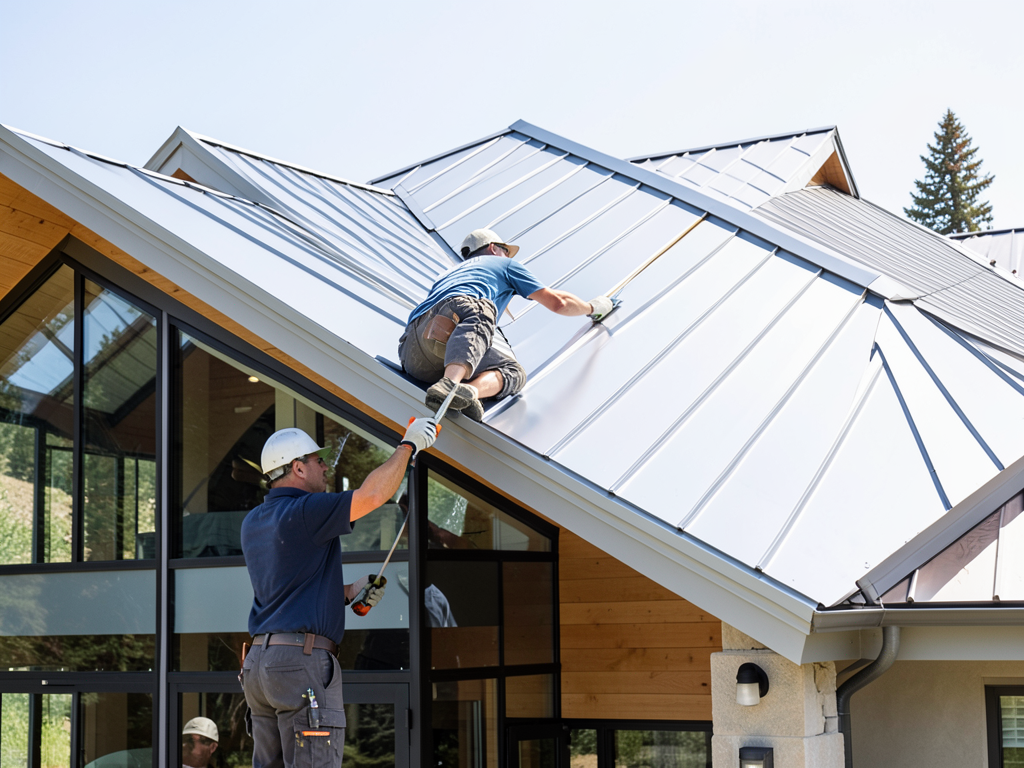
Metal roofing offers exceptional longevity and weather resistance for Denver additions. Standing seam metal panels create a continuous waterproof barrier with no exposed fasteners, reducing leak points at the critical tie-in area where your new roof meets the existing structure. This makes metal particularly suitable for complex roof transitions. Roofing Englewood.
Metal reflects solar radiation effectively, which helps manage heat gain in sunrooms during Denver’s intense summer months. The material handles snow loads well, allowing accumulation to slide off rather than build up. However, metal can be noisier during hailstorms and may require additional underlayment for sound dampening.. Read more about Why the Intense Colorado Sun Wears Down Shingles Faster Than You Think.
Installation costs for metal roofing typically run 30-40% higher than asphalt shingles initially. However, metal systems often last 40-70 years compared to 15-25 years for shingles, potentially offering better long-term value despite the higher upfront investment.
Asphalt Shingle Roofing: Traditional Appeal and Cost-Effectiveness
Asphalt shingles remain the most popular choice for Denver home additions due to their lower initial cost and wide variety of styles. Modern architectural shingles provide dimensional appearance that complements most home styles found in neighborhoods like Englewood and Lakewood. The material costs less upfront and installation typically completes faster than metal systems.. Read more about How to Choose the Right Modern Farmhouse Roofing Materials for Your Wheat Ridge Remodel.
Today’s premium shingles include Class 4 impact resistance ratings, essential for Denver’s frequent hailstorms. These shingles withstand hail impacts that would damage standard materials, potentially saving you from insurance claims and repairs. Many Denver insurance providers offer premium discounts for Class 4 rated roofs. EPA Cool Roofs Information.
The main drawback involves longevity and maintenance. Shingles require more frequent replacement and can be more susceptible to wind damage during Colorado’s spring storms. They also absorb more heat than metal, which may increase cooling costs for sunrooms with extensive glass areas. How Much a Full Roof Replacement Actually Costs in Denver Right Now.
Critical Considerations for Denver Climate
Denver’s elevation creates unique roofing challenges that influence material selection. The 5,280-foot altitude means stronger UV exposure that breaks down roofing materials faster than at lower elevations. Temperature swings of 40-50 degrees between day and night cause expansion and contraction that stresses roofing connections.
Snow load requirements in Denver mandate engineered roof structures capable of supporting significant weight. Metal roofing naturally sheds snow more effectively, reducing structural stress. Shingles retain snow longer, which can be beneficial for insulation but may require more frequent snow removal from low-slope areas.
Hail resistance becomes crucial when selecting roofing for additions. Class 4 impact-resistant shingles or metal roofing with appropriate gauges provide the best protection. The investment in impact-resistant materials often pays for itself through avoided damage and potential insurance premium reductions.
Cost Comparison and Budget Planning
Understanding the complete cost picture helps you budget accurately for your addition roof. Initial material costs represent only part of the total investment. Installation complexity, especially at tie-in points, significantly affects overall project expenses regardless of material choice.
Metal roofing installation requires specialized skills and tools. The standing seam panels need precise cutting and folding, and the tie-in to existing roofs demands careful flashing integration. These factors increase labor costs but reduce long-term maintenance expenses.
Asphalt shingles offer simpler installation with more competitive labor rates. However, the lower initial cost may be offset by more frequent replacement needs and potentially higher insurance premiums if you choose non-impact-resistant options. Industrial Roof Replacement.
- Evaluate Existing Roof Condition
Inspect your current roof’s age and condition. If your existing roof is within 5-7 years of replacement age, consider re-roofing the entire structure for consistent appearance and warranty coverage.
- Assess Addition Purpose
Determine how you’ll use the new space. Sunrooms with extensive glass may benefit from metal’s heat reflection, while covered porches might work well with either material.
- Calculate Snow Load Requirements
Verify your addition’s roof structure meets Denver’s snow load requirements of 30-40 pounds per square foot for most residential areas.
- Check HOA and Permit Requirements
Review your homeowners association guidelines and obtain necessary permits. Some Denver neighborhoods have strict material and color requirements.
- Compare Long-Term Costs
Factor in expected lifespan, maintenance needs, and potential energy savings when comparing material options beyond initial installation costs.
Installation Considerations and Best Practices
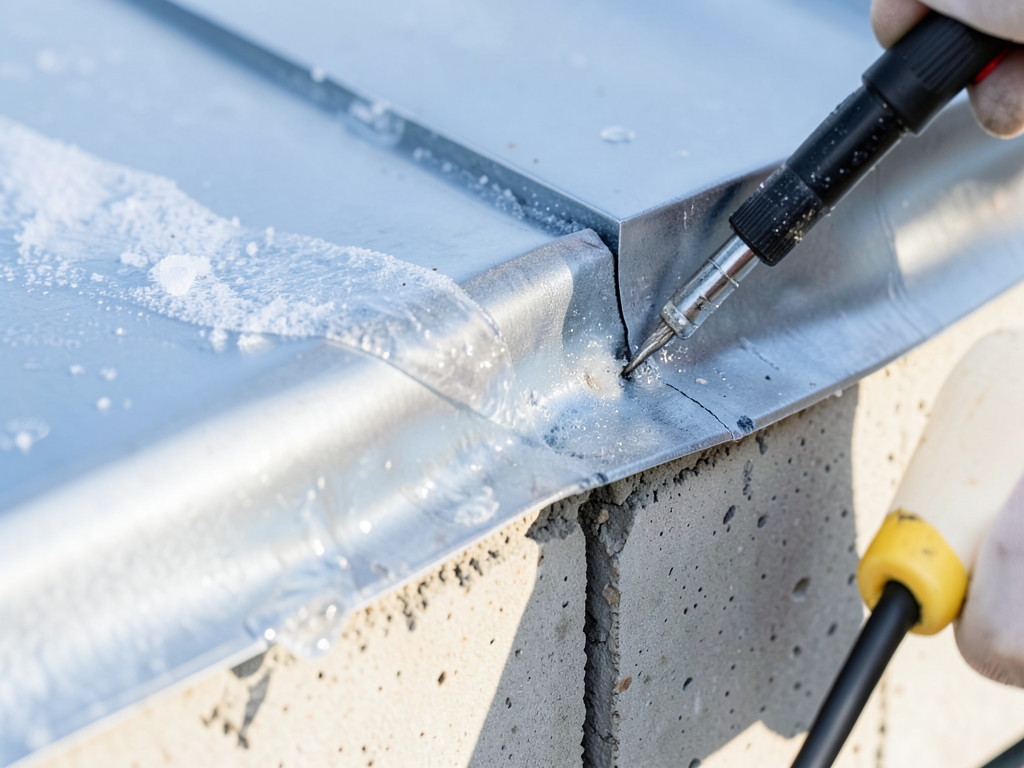
The success of any roof addition depends heavily on proper installation techniques. The tie-in point where new roofing meets existing structures requires particular attention to prevent water infiltration. Professional roofers use specific flashing methods and underlayment techniques to create watertight connections.
Ice and water shield installation proves critical for Denver additions. This self-adhering membrane provides extra protection in valleys, along eaves, and around penetrations where ice dams commonly form. Building codes require its use in these areas, and proper installation prevents costly water damage.
Ventilation requirements change with roof additions. The new space may alter your home’s attic ventilation patterns, potentially creating moisture problems. Proper ridge vents, soffit vents, and baffles ensure adequate airflow and prevent condensation issues.
Energy Efficiency and Environmental Impact
Your roofing material choice affects your home’s energy performance and environmental footprint. Metal roofing’s reflective properties can reduce cooling costs by 10-25% in sunrooms with large glass areas. The material also contains recycled content and is fully recyclable at end of life.
Asphalt shingles provide good insulation value but absorb more heat than metal. Some manufacturers now offer cool-roof shingles with reflective granules that improve energy performance. However, shingles typically end up in landfills when replaced, creating more environmental impact than recyclable metal.
Both materials can support solar panel installation if you plan future energy upgrades. Metal roofing’s longer lifespan means you’re less likely to need roof replacement during your solar panels’ useful life, avoiding costly removal and reinstallation.
Making Your Final Decision
Your choice between metal and shingles ultimately depends on your specific priorities, budget constraints, and long-term plans for your home. Consider these key factors when making your decision:
- Budget Timeline – If you plan to stay in your home 10+ years, metal’s longevity may justify higher upfront costs. For shorter timelines, shingles offer better immediate value.
- Climate Priorities – Metal provides superior hail and snow performance, while shingles offer more design flexibility and easier repairs.
- Energy Goals – Metal reduces cooling costs for sunrooms, while shingles provide better insulation for year-round spaces.
- Maintenance Preferences – Metal requires minimal maintenance but specialized repairs when needed. Shingles allow easier DIY repairs but need more frequent attention.
Many Denver homeowners find that hybrid approaches work well. Using metal for the main roof area while incorporating shingle accents can balance performance and aesthetics while managing costs effectively.. Read more about Why Copper Gutters and Accents Are Making a Comeback in Bow Mar.
Professional Installation Requirements
Roof additions require professional installation regardless of material choice. The structural modifications, tie-in flashing, and code compliance demand experienced contractors familiar with Denver’s specific requirements. Improper installation can void warranties and lead to expensive water damage.
Look for contractors with specific experience in roof additions rather than just replacements. Addition projects require understanding of load transfer, tie-in techniques, and integration with existing roofing systems. Ask for examples of similar projects they’ve completed in your area.
Verify licensing, insurance, and warranty coverage before selecting a contractor. Denver requires specific permits for structural modifications, and your contractor should handle the permitting process while ensuring all work meets local building codes.
Frequently Asked Questions
How long does a typical roof addition take to complete?
Most roof additions require 3-7 days for completion, depending on complexity and weather conditions. Simple porch roofs might finish in 2-3 days, while complex sunroom integrations with multiple tie-in points typically need a full week.
Will my homeowners insurance rates change with a new roof addition?
Insurance rates may change based on the materials you select. Impact-resistant roofing often qualifies for premium discounts, while certain high-end materials might increase replacement cost coverage requirements. Consult your insurance provider before finalizing material choices.
Can I install solar panels on my new addition roof later?
Yes, both metal and shingle roofs can support solar installations. Metal roofing’s longer lifespan makes it ideal if you plan near-term solar upgrades, as you won’t need to remove panels for roof replacement during their useful life.
What permits are required for a roof addition in Denver?
Denver requires building permits for structural modifications including roof additions. You’ll need approved plans showing load calculations, tie-in details, and compliance with setback requirements. Your contractor should handle permitting, but verify they obtain all necessary approvals before starting work.
Protect Your Investment with Expert Installation
Your new sunroom or porch represents a significant investment in your home’s value and your family’s enjoyment. The roofing system serves as the critical barrier protecting that investment from Denver’s challenging climate conditions. Whether you choose the durability of metal or the cost-effectiveness of shingles, proper installation makes the difference between a roof that leaks and one that performs flawlessly for decades.
Denver’s specific weather patterns, building codes, and architectural styles require contractors who understand local conditions. The tie-in between new and existing roofing demands precision flashing and underlayment techniques that only experienced professionals can provide consistently.
Don’t leave your addition’s success to chance. Contact Apex Roofing Denver at (720) 484-8300 for a comprehensive consultation about your roof addition project. Our team specializes in seamless roof integrations that protect your home while enhancing its beauty and value. We’ll help you navigate material selection, permitting requirements, and installation scheduling to ensure your new space performs perfectly in every season. For more information, visit FEMA Hail Preparedness Guide.
{
“@context”: “https://schema.org”,
“@type”: “BlogPosting”,
“headline”: “How to Choose Between Metal and Shingles for Your New Sunroom or Porch Addition”,
“description”: “Comparing metal vs. shingles for Denver sunroom additions. Learn about durability, cost, and installation for Front Range weather conditions.”,
“wordCount”: 1809,
“datePublished”: “2026-04-25T10:45:00.000Z”,
“dateModified”: “2026-04-25T10:45:00.000Z”,
“inLanguage”: “en-US”,
“mainEntityOfPage”: {
“@type”: “WebPage”,
“@id”: “https://apexroofingdenver.com”
},
“publisher”: {
“@type”: “LocalBusiness”,
“name”: “Apex Roofing Denver”,
“url”: “https://apexroofingdenver.com”
},
“author”: {
“@type”: “Organization”,
“name”: “Apex Roofing Denver”,
“url”: “https://apexroofingdenver.com”
},
“image”: {
“@type”: “ImageObject”,
“url”: “https://apexroofingdenver.com/wp-content/uploads/2026/03/how-to-choose-between-metal-and-shingles-for-your-1.png”
}
}
{
“@context”: “https://schema.org”,
“@type”: “RoofingContractor”,
“name”: “Apex Roofing Denver”,
“url”: “https://apexroofingdenver.com”,
“address”: {
“@type”: “PostalAddress”,
“addressLocality”: “Denver”
},
“areaServed”: {
“@type”: “City”,
“name”: “Denver”
}
}
{
“@context”: “https://schema.org”,
“@type”: “FAQPage”,
“mainEntity”: [
{
“@type”: “Question”,
“name”: “How long does a typical roof addition take to complete?”,
“acceptedAnswer”: {
“@type”: “Answer”,
“text”: “Most roof additions require 3-7 days for completion, depending on complexity and weather conditions. Simple porch roofs might finish in 2-3 days, while complex sunroom integrations with multiple tie-in points typically need a full week.”
}
},
{
“@type”: “Question”,
“name”: “Will my homeowners insurance rates change with a new roof addition?”,
“acceptedAnswer”: {
“@type”: “Answer”,
“text”: “Insurance rates may change based on the materials you select. Impact-resistant roofing often qualifies for premium discounts, while certain high-end materials might increase replacement cost coverage requirements. Consult your insurance provider before finalizing material choices.”
}
},
{
“@type”: “Question”,
“name”: “Can I install solar panels on my new addition roof later?”,
“acceptedAnswer”: {
“@type”: “Answer”,
“text”: “Yes, both metal and shingle roofs can support solar installations. Metal roofing’s longer lifespan makes it ideal if you plan near-term solar upgrades, as you won’t need to remove panels for roof replacement during their useful life.”
}
},
{
“@type”: “Question”,
“name”: “What permits are required for a roof addition in Denver?”,
“acceptedAnswer”: {
“@type”: “Answer”,
“text”: “Denver requires building permits for structural modifications including roof additions. You’ll need approved plans showing load calculations, tie-in details, and compliance with setback requirements. Your contractor should handle permitting, but verify they obtain all necessary approvals before starting work.”
}
}
]
}
{
“@context”: “https://schema.org”,
“@type”: “HowTo”,
“name”: “Roof Material Selection Process”,
“step”: [
{
“@type”: “HowToStep”,
“position”: 1,
“name”: “Evaluate Existing Roof Condition”,
“text”: “Inspect your current roof’s age and condition. If your existing roof is within 5-7 years of replacement age, consider re-roofing the entire structure for consistent appearance and warranty coverage.”
},
{
“@type”: “HowToStep”,
“position”: 2,
“name”: “Assess Addition Purpose”,
“text”: “Determine how you’ll use the new space. Sunrooms with extensive glass may benefit from metal’s heat reflection, while covered porches might work well with either material.”
},
{
“@type”: “HowToStep”,
“position”: 3,
“name”: “Calculate Snow Load Requirements”,
“text”: “Verify your addition’s roof structure meets Denver’s snow load requirements of 30-40 pounds per square foot for most residential areas.”
},
{
“@type”: “HowToStep”,
“position”: 4,
“name”: “Check HOA and Permit Requirements”,
“text”: “Review your homeowners association guidelines and obtain necessary permits. Some Denver neighborhoods have strict material and color requirements.”
},
{
“@type”: “HowToStep”,
“position”: 5,
“name”: “Compare Long-Term Costs”,
“text”: “Factor in expected lifespan, maintenance needs, and potential energy savings when comparing material options beyond initial installation costs.”
}
],
“image”: “https://apexroofingdenver.com/wp-content/uploads/2026/03/how-to-choose-between-metal-and-shingles-for-your-1.png”
}
{
“@context”: “https://schema.org”,
“@type”: “BreadcrumbList”,
“itemListElement”: [
{
“@type”: “ListItem”,
“position”: 1,
“name”: “Home”,
“item”: “https://apexroofingdenver.com”
},
{
“@type”: “ListItem”,
“position”: 2,
“name”: “Blog”,
“item”: “https://apexroofingdenver.com/blog”
},
{
“@type”: “ListItem”,
“position”: 3,
“name”: “How to Choose Between Metal and Shingles for Your New Sunroom or Porch Addition”
}
]
}
{
“@context”: “https://schema.org”,
“@type”: “Service”,
“serviceType”: “Roofing”,
“provider”: {
“@type”: “LocalBusiness”,
“name”: “Apex Roofing Denver”,
“url”: “https://apexroofingdenver.com”
},
“areaServed”: {
“@type”: “City”,
“name”: “Denver”
},
“description”: “Comparing metal vs. shingles for Denver sunroom additions. Learn about durability, cost, and installation for Front Range weather conditions.”
}