
A Guide to Roofing Options for Your New ADU or Guest House in Sunnyside
Building an accessory dwelling unit in Sunnyside means navigating Denver’s unique climate and building codes. The right roof protects your investment from hail storms, intense UV exposure, and heavy snow loads. This guide covers everything you need to know about ADU roofing materials, permitting requirements, and cost considerations specific to Denver’s 80211 zip code. Denver Zoning Code.
Denver ADU Zoning Requirements for Roofing
Denver’s zoning code treats ADUs differently than primary residences. Your ADU roof must comply with Section 11.8 of the Denver Zoning Code, which includes specific height limitations and fire rating requirements. Detached ADUs in Sunnyside typically face a maximum height of 16 feet from finished grade, which affects your pitch options.
The city also requires that ADU roofing materials visually complement the primary structure. This means matching color families or architectural styles even if you choose different materials. For example, if your main house has a traditional gable roof, your ADU should maintain similar roof lines even if scaled down. roofing material energy efficiency.
Height and Setback Considerations
Sunnyside’s historic character means many properties have strict setback requirements. Your ADU must maintain proper distance from property lines, and the roof design must account for these setbacks. A common mistake is designing a roof that extends beyond the allowable footprint, requiring costly redesigns.
The Denver Community Planning and Development office provides ADU-specific blueprints that show compliant roof configurations. These templates help you avoid the most common permitting issues in neighborhoods like Sunnyside.
Best Roofing Materials for Denver ADUs
Denver’s high-altitude climate demands roofing materials that can withstand extreme conditions. Your ADU roof faces the same environmental challenges as your primary residence but on a smaller scale.
Asphalt Shingles for ADUs
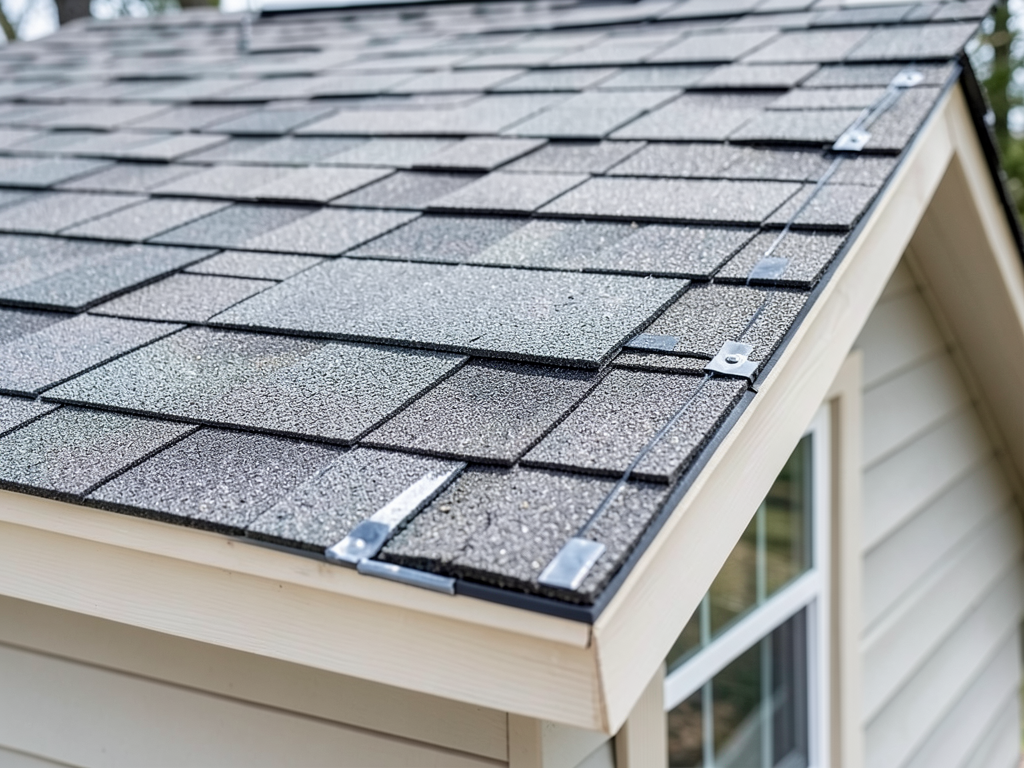
Class 4 impact-resistant shingles offer the best balance of cost and protection for ADUs. These shingles withstand hail up to 2 inches in diameter and carry insurance premium discounts in Denver. The smaller roof area of most ADUs means you can invest in premium shingles without breaking your budget.
Architectural shingles provide better wind resistance than three-tab options and create more visual interest on smaller ADU roof footprints. They typically last 25-30 years in Denver’s climate versus 15-20 years for standard shingles.
Metal Roofing Options
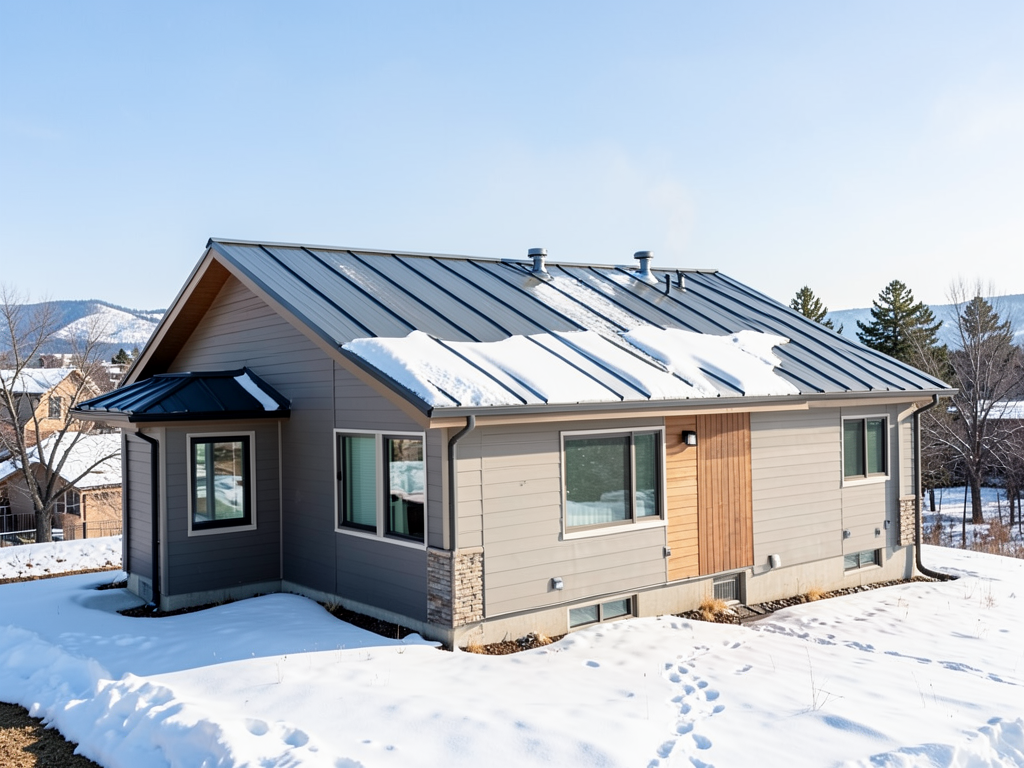
Standing seam metal roofs excel in Denver’s snow-prone climate. Snow slides off metal surfaces easily, preventing ice dam formation that can damage ADU structures. Metal also reflects UV radiation, keeping your ADU cooler during summer months.. Read more about How to Choose Between Metal and Shingles for Your New Sunroom or Porch Addition.
Steel panels cost less than aluminum or copper but still provide excellent durability. For ADUs under 1,000 square feet, metal roofing represents a significant but worthwhile investment that can last 40-50 years with minimal maintenance.
Flat Roof Systems
Modern ADUs often feature flat or low-slope roofs that create clean lines and allow for rooftop decks. TPO (thermoplastic polyolefin) membranes offer the best value for flat ADU roofs. They resist UV damage, handle thermal expansion well, and cost less than EPDM rubber systems.
Flat roofs require proper drainage design. Even small ADUs need internal drains or scuppers to prevent water pooling. Denver’s building code mandates minimum 2% slope for flat roofs, which your contractor must incorporate into the design.
Energy Efficiency and Insulation Requirements
Denver’s building code requires specific R-values for ADU roofing systems. Current standards call for R-49 insulation in roof assemblies, which helps your ADU stay comfortable year-round while reducing energy costs.
The roof plays a crucial role in meeting Denver’s energy efficiency goals. Proper insulation prevents heat loss during winter and reduces cooling loads in summer. For ADUs under 1,000 square feet, the cost of upgrading insulation pays for itself within 5-7 years through energy savings.
Ventilation Strategies
Proper ventilation prevents moisture buildup in your ADU’s attic space. Even with flat roofs, you need air circulation to prevent condensation that can lead to mold growth. Ridge vents, soffit vents, or mechanical ventilation systems keep air moving through the roof assembly.
Denver’s dry climate means you need less ventilation than in humid regions, but adequate airflow remains essential. Poor ventilation can void your roofing warranty and create long-term structural problems.
Denver-Specific Building Code Requirements
Denver’s building code includes several ADU-specific requirements that affect your roofing choices. Ice and water shield must extend at least 24 inches past the interior wall line on all roof edges. This protection prevents ice dam damage common in Denver’s freeze-thaw cycles.
The city also requires specific underlayment types based on roof pitch. Low-slope roofs need heavier-duty underlayment than steep roofs. Your roofing contractor should know these requirements and include them in your project estimate.
Fire Rating Requirements
Denver requires Class A fire ratings for most ADU roofing materials. This means the roof can withstand severe fire exposure without contributing to flame spread. Metal roofing, certain asphalt shingles, and some tile products meet Class A standards.
Wood shakes and some untreated materials don’t meet Denver’s fire codes for ADUs. Even if you prefer the look of wood, you’ll need alternative materials that provide similar aesthetics while meeting safety requirements. Cedar Shake Roof Restoration for Homes in Ken Caryl.
Cost Breakdown for ADU Roofing in Denver
ADU roofing costs vary based on material choices, roof complexity, and local labor rates. Denver’s construction market typically runs 15-20% higher than national averages due to demand and altitude-related material requirements.
| Material Type | Cost per Square Foot | Expected Lifespan | Best For |
|---|---|---|---|
| Class 4 Asphalt Shingles | $4.50 – $7.00 | 25-30 years | Budget-conscious projects |
| Standing Seam Metal | $8.00 – $12.00 | 40-50 years | Snow-heavy areas |
| TPO Flat Roof | $5.50 – $8.50 | 20-25 years | Modern designs |
| Concrete Tile | $10.00 – $15.00 | 50+ years | Mediterranean styles |
Most ADUs in Sunnyside range from 600 to 1,000 square feet, making total roofing costs typically fall between $3,000 and $12,000 depending on your material choices. The smaller footprint means you can often afford premium materials that would be cost-prohibitive on larger homes.. Read more about The Real Difference Between GAF and CertainTeed Shingles for Homes in Parker.
Installation Cost Factors
Roof pitch significantly affects installation costs. Low-slope roofs cost less to install than steep roofs because they require less safety equipment and specialized labor. However, low-slope roofs need more frequent maintenance in Denver’s climate.. Read more about Can You Actually Install a Roof Deck on Your Row Home in Capitol Hill?.
Roof penetrations like vents, skylights, or solar mounts increase installation complexity and cost. Each penetration requires proper flashing and sealing to prevent leaks. For ADUs with multiple utilities, budget an extra 15-20% for these features. Fixing Flat Roof Leaks in LoHi and Modern Denver Homes.
Solar Integration for ADUs
Denver’s solar readiness requirements affect ADU roofing designs. New ADUs must be wired for potential solar installation, even if you don’t plan immediate solar integration. This includes proper roof orientation, structural reinforcement, and electrical conduit placement.. Read more about How to Spot Potential Roof Leaks Before They Turn Into Mold in Your Attic.
South-facing roof sections work best for solar panels in Denver. If your ADU design includes a large south-facing roof area, factor in the weight of potential solar arrays when selecting your roofing materials and underlayment.
Solar-Ready Design Considerations
Solar-ready roofing means using materials and mounting systems that won’t need replacement when you add panels later. Avoid materials with short lifespans or those incompatible with standard mounting hardware. Your contractor should discuss future solar plans before finalizing your roof design. How Much a Full Roof Replacement Actually Costs in Denver Right Now.
Denver’s Green Buildings Ordinance encourages solar integration on new construction. While ADUs have some exemptions, designing for future solar adds value and reduces upgrade costs later.
Maintenance Requirements for ADU Roofs
ADU roofs require the same maintenance as primary residence roofs but on a smaller scale. Annual inspections catch problems before they cause damage. Denver’s climate creates specific maintenance needs that differ from other regions.
Spring inspections should check for hail damage, while fall inspections focus on preparing for winter snow loads. Small ADUs often accumulate debris in roof valleys and around vents more quickly than larger roofs due to their compact design.
Seasonal Maintenance Checklist
- Clean gutters and downspouts twice yearly
- Check for loose or damaged shingles after storms
- Inspect flashing around vents and chimneys
- Remove snow buildup when it exceeds 12 inches
- Trim overhanging tree branches
- Check for signs of animal intrusion
Most ADU roofing warranties require documented annual maintenance. Skipping inspections can void your warranty and leave you responsible for repairs that would otherwise be covered.
Choosing the Right Contractor for Your ADU Roof
Not all roofing contractors have experience with ADU-specific requirements. Look for contractors familiar with Denver’s zoning code and ADU building standards. They should understand the unique challenges of working on smaller structures and coordinating with other trades.
Ask potential contractors about their experience with ADUs in Sunnyside specifically. Local experience means they understand neighborhood character requirements and common permitting issues in your area.
Questions to Ask Your Roofing Contractor
- Are you licensed to work in Denver and familiar with ADU codes?
- Can you provide references for ADU projects in Sunnyside?
- Do you handle permitting and code compliance?
- What warranties do you offer on materials and workmanship?
- How do you handle unexpected issues during installation?
A qualified contractor will explain Denver’s specific requirements and help you choose materials that balance cost, durability, and aesthetic requirements for your ADU project.
Permitting Process for ADU Roofing
Denver’s permitting process for ADU roofing involves several steps. You’ll need building permits, and possibly zoning permits depending on your ADU’s size and location. The process typically takes 2-4 weeks for approval.
Your contractor should handle permit applications, but understanding the process helps you track progress. You’ll need detailed roof plans showing materials, pitch, and compliance with height restrictions. The city reviews these plans to ensure they meet all code requirements.
Common Permitting Issues
The most frequent permitting problems involve height violations and setback issues. Double-check your design against Denver’s ADU guidelines before submitting plans. Changes after submission can add weeks to your timeline and increase costs.
Some Sunnyside properties have historic district requirements that affect roofing choices. If your property falls within these districts, you may need additional approvals for material changes or roof modifications.. Read more about What to Look for When Buying a Home with a Flat Roof in RiNo or the Art District.
Frequently Asked Questions
What’s the best roofing material for a Denver ADU?
Class 4 impact-resistant asphalt shingles offer the best combination of durability, cost, and hail protection for most ADUs. They meet Denver’s fire codes, handle UV exposure well, and provide good value for the smaller roof areas typical of ADUs.
How long does ADU roofing installation take in Denver?
Most ADU roofing projects take 2-3 days for installation plus 1-2 days for prep and cleanup. Weather delays are common in spring and fall, so plan your timeline accordingly. Your contractor should provide a detailed schedule before starting work.
Do ADUs need special underlayment in Denver?
Yes, Denver requires specific underlayment types based on roof pitch and design. Ice and water shield is mandatory on all edges, and low-slope roofs need heavier-duty underlayment than steep roofs. Your contractor should include these requirements in your estimate.
Can I install solar panels on my ADU roof later?
Yes, but design your roof for future solar integration from the start. This includes proper orientation, structural reinforcement, and electrical conduit placement. Adding solar later is much easier and cheaper if your roof was designed with it in mind.
What maintenance does an ADU roof need?
ADU roofs need annual inspections, twice-yearly gutter cleaning, and prompt repairs of any damage. Denver’s climate creates specific needs like snow removal and hail damage checks. Most warranties require documented maintenance to remain valid. Reliable Gutter Installation for New Builds in Central Park.
How much does ADU roofing cost in Denver?
ADU roofing costs typically range from $3,000 to $12,000 depending on materials and complexity. Most ADUs in Sunnyside cost $4,000 to $8,000 for a complete roof replacement with mid-range materials. Get multiple quotes and compare warranties. Industrial Roof Replacement.
Do I need permits for ADU roofing replacement?
Yes, Denver requires building permits for all roofing work on ADUs. Your contractor should handle permit applications, but you should verify they’re pulling proper permits before work begins. Unpermitted work can cause problems when you sell your property.
Ready to get started on your ADU roofing project? Contact our Denver-based team for a free consultation and estimate. We understand the unique requirements of Sunnyside properties and can help you choose the best roofing solution for your needs. Call us today at (720) 484-8300 or visit our website to schedule your appointment.
Our experienced team has completed hundreds of ADU roofing projects throughout Denver, and we’re ready to help you protect your investment with quality materials and expert installation.
{
“@context”: “https://schema.org”,
“@type”: “BlogPosting”,
“headline”: “A Guide to Roofing Options for Your New ADU or Guest House in Sunnyside”,
“description”: “Explore Denver-specific roofing options for ADUs and guest houses. Learn about materials, codes, and costs for your Sunnyside accessory dwelling unit project.”,
“wordCount”: 2074,
“datePublished”: “2026-04-03T13:26:00.000Z”,
“dateModified”: “2026-04-03T13:26:00.000Z”,
“inLanguage”: “en-US”,
“mainEntityOfPage”: {
“@type”: “WebPage”,
“@id”: “https://apexroofingdenver.com”
},
“publisher”: {
“@type”: “LocalBusiness”,
“name”: “Apex Roofing Denver”,
“url”: “https://apexroofingdenver.com”
},
“author”: {
“@type”: “Organization”,
“name”: “Apex Roofing Denver”,
“url”: “https://apexroofingdenver.com”
},
“image”: {
“@type”: “ImageObject”,
“url”: “https://apexroofingdenver.com/wp-content/uploads/2026/03/a-guide-to-roofing-options-for-your-new-adu-or-gue-1.png”
}
}
{
“@context”: “https://schema.org”,
“@type”: “RoofingContractor”,
“name”: “Apex Roofing Denver”,
“url”: “https://apexroofingdenver.com”,
“address”: {
“@type”: “PostalAddress”,
“addressLocality”: “Denver”
},
“areaServed”: {
“@type”: “City”,
“name”: “Denver”
}
}
{
“@context”: “https://schema.org”,
“@type”: “FAQPage”,
“mainEntity”: [
{
“@type”: “Question”,
“name”: “What’s the best roofing material for a Denver ADU?”,
“acceptedAnswer”: {
“@type”: “Answer”,
“text”: “Class 4 impact-resistant asphalt shingles offer the best combination of durability, cost, and hail protection for most ADUs. They meet Denver’s fire codes, handle UV exposure well, and provide good value for the smaller roof areas typical of ADUs.”
}
},
{
“@type”: “Question”,
“name”: “How long does ADU roofing installation take in Denver?”,
“acceptedAnswer”: {
“@type”: “Answer”,
“text”: “Most ADU roofing projects take 2-3 days for installation plus 1-2 days for prep and cleanup. Weather delays are common in spring and fall, so plan your timeline accordingly. Your contractor should provide a detailed schedule before starting work.”
}
},
{
“@type”: “Question”,
“name”: “Do ADUs need special underlayment in Denver?”,
“acceptedAnswer”: {
“@type”: “Answer”,
“text”: “Yes, Denver requires specific underlayment types based on roof pitch and design. Ice and water shield is mandatory on all edges, and low-slope roofs need heavier-duty underlayment than steep roofs. Your contractor should include these requirements in your estimate.”
}
},
{
“@type”: “Question”,
“name”: “Can I install solar panels on my ADU roof later?”,
“acceptedAnswer”: {
“@type”: “Answer”,
“text”: “Yes, but design your roof for future solar integration from the start. This includes proper orientation, structural reinforcement, and electrical conduit placement. Adding solar later is much easier and cheaper if your roof was designed with it in mind.”
}
},
{
“@type”: “Question”,
“name”: “What maintenance does an ADU roof need?”,
“acceptedAnswer”: {
“@type”: “Answer”,
“text”: “ADU roofs need annual inspections, twice-yearly gutter cleaning, and prompt repairs of any damage. Denver’s climate creates specific needs like snow removal and hail damage checks. Most warranties require documented maintenance to remain valid. Reliable Gutter Installation for New Builds in Central Park.”
}
},
{
“@type”: “Question”,
“name”: “How much does ADU roofing cost in Denver?”,
“acceptedAnswer”: {
“@type”: “Answer”,
“text”: “ADU roofing costs typically range from $3,000 to $12,000 depending on materials and complexity. Most ADUs in Sunnyside cost $4,000 to $8,000 for a complete roof replacement with mid-range materials. Get multiple quotes and compare warranties. Industrial Roof Replacement.”
}
},
{
“@type”: “Question”,
“name”: “Do I need permits for ADU roofing replacement?”,
“acceptedAnswer”: {
“@type”: “Answer”,
“text”: “Yes, Denver requires building permits for all roofing work on ADUs. Your contractor should handle permit applications, but you should verify they’re pulling proper permits before work begins. Unpermitted work can cause problems when you sell your property.”
}
}
]
}
{
“@context”: “https://schema.org”,
“@type”: “BreadcrumbList”,
“itemListElement”: [
{
“@type”: “ListItem”,
“position”: 1,
“name”: “Home”,
“item”: “https://apexroofingdenver.com”
},
{
“@type”: “ListItem”,
“position”: 2,
“name”: “Blog”,
“item”: “https://apexroofingdenver.com/blog”
},
{
“@type”: “ListItem”,
“position”: 3,
“name”: “A Guide to Roofing Options for Your New ADU or Guest House in Sunnyside”
}
]
}
{
“@context”: “https://schema.org”,
“@type”: “Service”,
“serviceType”: “Roofing”,
“provider”: {
“@type”: “LocalBusiness”,
“name”: “Apex Roofing Denver”,
“url”: “https://apexroofingdenver.com”
},
“areaServed”: {
“@type”: “City”,
“name”: “Denver”
},
“description”: “Explore Denver-specific roofing options for ADUs and guest houses. Learn about materials, codes, and costs for your Sunnyside accessory dwelling unit project.”
}