
Understanding the Benefits of a Cool Roof for Industrial Buildings in RiNo
Industrial property owners in RiNo face unique challenges with Denver’s intense sun exposure and strict building regulations. A cool roof system offers a practical solution that reduces energy costs while helping your building meet city requirements. These reflective roofing systems can lower rooftop temperatures by up to 50 degrees Fahrenheit during summer months, creating immediate savings on cooling costs for your warehouse or manufacturing facility. Denver Green Building Ordinance.
Why Denver’s Climate Makes Cool Roofing Essential
Denver’s elevation at 5,280 feet means stronger UV radiation hits your roof surface. This high-altitude exposure accelerates material degradation and increases heat absorption in traditional dark roofing systems. The intense Colorado sun can cause roof surface temperatures to exceed 150 degrees Fahrenheit on a typical summer day. Roofing Sheridan.
RiNo’s industrial buildings often feature large flat roof areas that create heat islands. These heat islands not only raise cooling costs but also contribute to the urban heat island effect that makes Denver’s summer nights uncomfortably warm. Cool roofing reflects solar radiation instead of absorbing it, keeping your building envelope cooler throughout the day. Industrial Roof Replacement.
The freeze-thaw cycles common in Denver also stress traditional roofing materials. Cool roof membranes maintain flexibility in extreme temperature swings, reducing the expansion and contraction that leads to cracks and leaks. This durability translates to longer roof life and fewer maintenance calls during Colorado’s unpredictable weather patterns. Fixing Flat Roof Leaks in LoHi and Modern Denver Homes.
Denver Green Building Ordinance Compliance
The Denver Green Building Ordinance requires cool roofing for most new commercial construction over 25,000 square feet. This regulation applies to industrial buildings in RiNo and throughout the city. The ordinance mandates specific Solar Reflectance Index (SRI) ratings that vary based on roof slope and building use. Roofing Englewood.
For flat commercial roofs like those common in RiNo’s warehouse district, the ordinance typically requires an SRI of 78 or higher. This rating ensures your roof reflects at least 78% of solar radiation. Meeting these requirements not only keeps your building compliant but also qualifies you for expedited permitting through Denver’s Green Building Express lane.. Read more about How to Maintain Your Commercial TPO Roof to Avoid Premature Failure in Commerce City.
Existing buildings undergoing major renovations or roof replacements must also meet updated cool roof standards. The ordinance recognizes that retrofitting older industrial buildings with cool roofing technology provides immediate environmental benefits and helps Denver meet its climate action goals. Property owners who comply often find their buildings more attractive to environmentally conscious tenants and buyers. How Much a Full Roof Replacement Actually Costs in Denver Right Now.
Types of Cool Roof Systems for Industrial Applications
Thermoplastic Polyolefin (TPO) membranes represent one of the most popular cool roofing options for Denver’s industrial buildings. These single-ply systems offer excellent UV resistance and heat reflection while maintaining flexibility in Colorado’s temperature extremes. TPO membranes typically achieve SRI ratings between 80 and 100, well above Denver’s requirements. Xcel Energy Commercial Rebates.
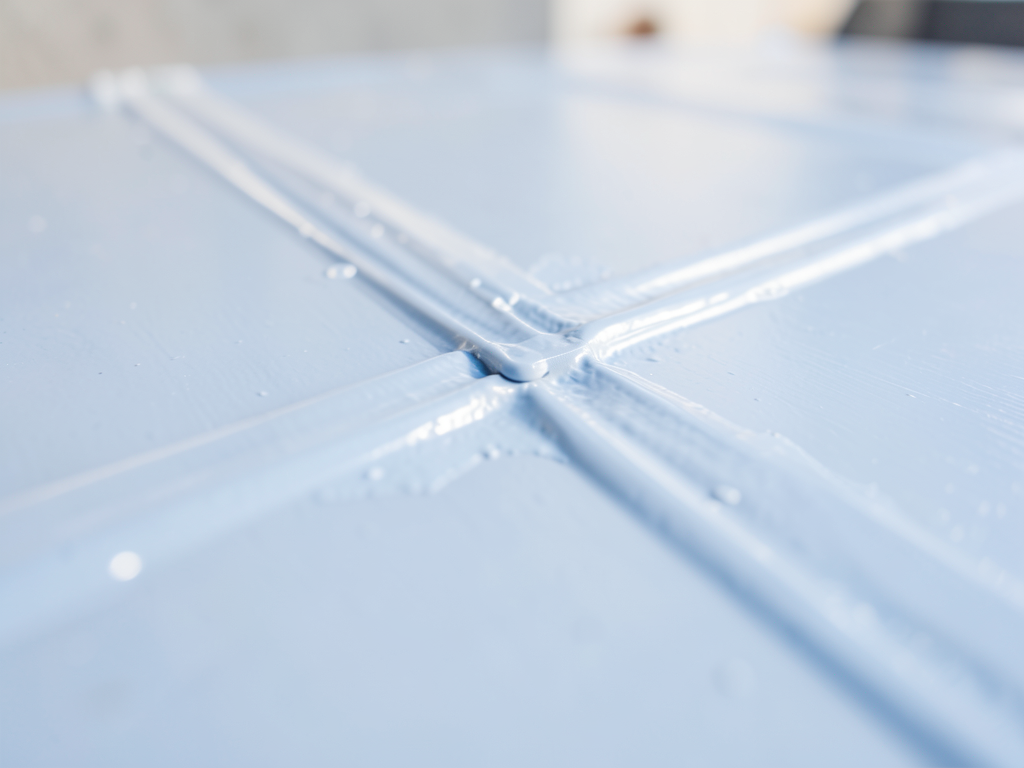
Polyvinyl Chloride (PVC) roofing provides another durable cool roof solution. PVC systems offer superior chemical resistance and fire protection, making them ideal for industrial facilities that handle hazardous materials or require enhanced safety measures. The heat-welded seams create a monolithic barrier that prevents leaks even during Denver’s intense summer thunderstorms.. Read more about Understanding the Denver Green Building Ordinance for Commercial Roof Replacements.
Cool roof coatings offer a cost-effective restoration option for existing industrial roofs. Silicone and acrylic coatings can be applied over compatible roof substrates to create a reflective surface without full replacement. These systems typically provide 10 to 15 years of additional service life while immediately reducing energy consumption.
Metal roofing with cool pigment technology provides another option for sloped industrial buildings in RiNo’s mixed-use areas. These systems combine the durability of metal with advanced reflective coatings that maintain their appearance while reducing heat gain. The long lifespan of metal roofing makes it a sustainable choice for property owners planning long-term occupancy.. Read more about Getting Rid of Pigeons and Other Nesting Birds on Your LoDo Commercial Roof.
Energy Savings and Return on Investment
Industrial buildings in RiNo typically see 15 to 30 percent reductions in cooling costs after installing cool roofing systems. These savings accumulate throughout the year, with the most significant impact during Denver’s summer months when air conditioning runs continuously. The reflective surface reduces the heat load on your HVAC system, allowing it to operate more efficiently.. Read more about Understanding the Impact of Denver’s High Altitude on Your Roof’s Lifespan.
Xcel Energy offers commercial rebates for cool roofing installations that meet specific energy efficiency criteria. These rebates can offset 10 to 20 percent of your installation costs, improving your return on investment timeline. The utility also provides technical assistance to help property owners calculate expected energy savings based on their specific building characteristics.
Beyond direct energy savings, cool roofing extends the life of your HVAC equipment. Lower rooftop temperatures mean your air conditioning units don’t have to work as hard, reducing maintenance costs and extending equipment life. This indirect benefit often provides additional savings that property owners don’t initially consider when evaluating cool roof options.
The combination of energy savings, utility rebates, and extended equipment life typically results in payback periods of 3 to 7 years for cool roofing investments. After this period, the continued energy savings flow directly to your bottom line, improving your property’s long-term profitability.
Local Rebates and Incentive Programs
Xcel Energy’s Commercial Energy Efficiency Rebate Program provides cash incentives for cool roofing installations that meet specific performance criteria. These rebates vary based on roof size and the type of cool roofing system installed. Property owners can receive up to $0.20 per square foot for qualifying installations, with additional incentives available for comprehensive energy efficiency upgrades.
The Denver Energy Challenge offers free energy advising services to help industrial property owners navigate available incentives and identify the most cost-effective improvements. Their advisors can connect you with qualified contractors and help you understand how cool roofing fits into a comprehensive energy management strategy for your building.
Federal tax incentives through the Energy Efficient Commercial Buildings Deduction (Section 179D) provide additional financial benefits for cool roofing installations. These deductions can cover up to $1.80 per square foot of qualifying energy-efficient improvements, including cool roofing systems that reduce overall building energy consumption.
Local utility providers and energy efficiency organizations often offer low-interest financing options for cool roofing projects. These programs can help property owners spread the upfront costs over several years while immediately benefiting from energy savings that exceed the monthly financing payments.
Installation Process and Timeline
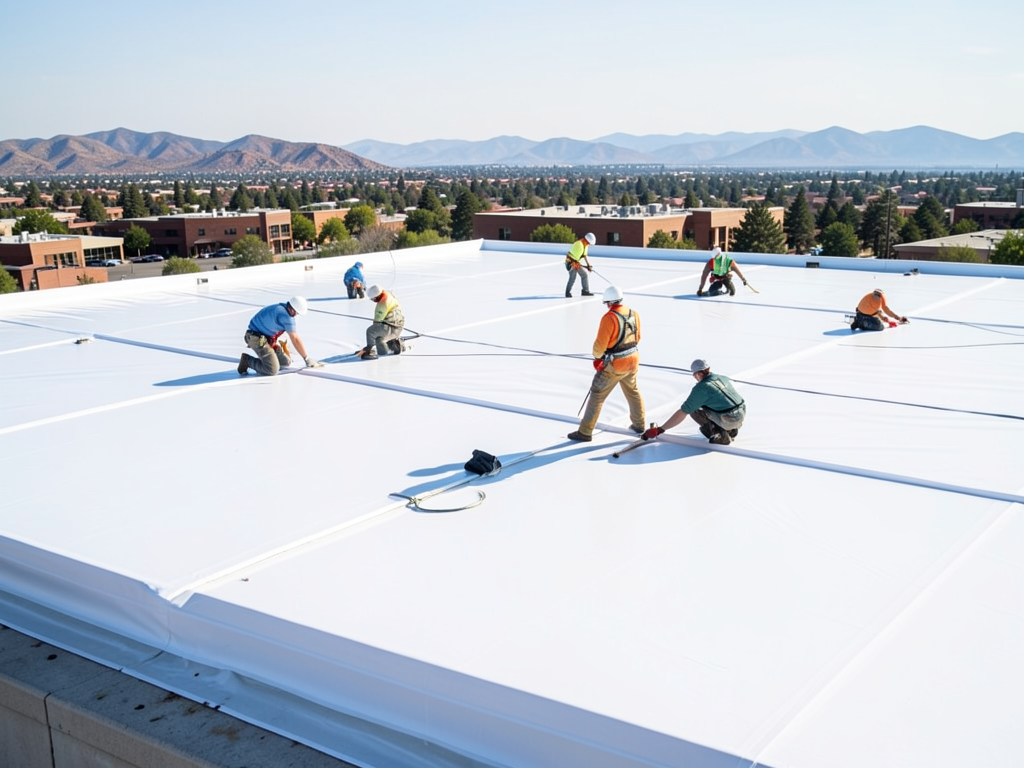
Professional cool roof installation for industrial buildings in RiNo typically requires 1 to 3 weeks depending on roof size and complexity. The process begins with a comprehensive roof assessment to evaluate existing conditions and determine the most appropriate cool roofing solution. This assessment includes moisture detection, structural evaluation, and energy usage analysis.
Surface preparation represents a critical phase of the installation process. This step involves cleaning the existing roof, repairing damaged areas, and ensuring proper adhesion for the new cool roofing system. Industrial buildings often require additional preparation due to accumulated dirt, grease, or chemical residues that can interfere with membrane bonding.
The actual installation varies by system type. TPO and PVC membranes require precise heat welding of seams to create a watertight barrier. Cool roof coatings need specific application temperatures and humidity conditions to achieve proper curing. Professional installers use specialized equipment to ensure consistent application and optimal performance.
Final inspection and testing verify that the installation meets all manufacturer specifications and local building code requirements. This phase includes checking seam integrity, confirming proper drainage, and ensuring the completed system achieves the required SRI rating. Quality installers provide documentation of all testing and certification for building permits and warranty purposes.
Maintenance Requirements and Best Practices
Cool roofing systems require regular maintenance to preserve their reflective properties and extend service life. Annual inspections should check for surface contamination, membrane damage, and drainage issues. Denver’s high UV exposure means cool roof surfaces may need cleaning every 1 to 2 years to maintain optimal reflectivity.
Surface cleaning typically involves low-pressure washing with appropriate cleaning solutions that won’t damage the reflective coating. This process removes dirt, pollution, and biological growth that can reduce the roof’s ability to reflect solar radiation. Clean cool roofs maintain their energy-saving properties while dirty surfaces can lose 20 to 30 percent of their effectiveness.
Prompt repair of any damage prevents water infiltration and maintains the integrity of the cool roofing system. Small punctures or seam separations should be addressed immediately to prevent larger problems. Professional maintenance programs include regular inspections and priority service for repairs, ensuring your cool roof continues performing at peak efficiency.
Documentation of all maintenance activities helps track system performance and supports warranty claims if needed. Many cool roofing manufacturers require regular maintenance as a condition of their warranties, making professional maintenance programs a smart investment for protecting your roofing investment.
Comparing Cool Roof Materials for Denver Applications
The following comparison shows key specifications for common cool roofing materials used in Denver’s industrial buildings:
| Material Type | Typical SRI Rating | Expected Lifespan | Initial Cost/sq ft | Best For |
|---|---|---|---|---|
| TPO Membrane | 80-100 | 20-30 years | $5.50-$7.50 | Large flat roofs |
| PVC Membrane | 85-105 | 25-35 years | $6.50-$9.00 | Chemical resistance |
| Silicone Coating | 75-95 | 15-20 years | $2.50-$4.00 | Roof restoration |
| Acrylic Coating | 70-90 | 10-15 years | $1.50-$3.00 | Budget restoration |
| Cool Metal | 70-85 | 40-60 years | $8.00-$12.00 | Sloped applications |
Frequently Asked Questions
How much can a cool roof reduce my energy bills?
Most industrial buildings in RiNo see 15 to 30 percent reductions in cooling costs after installing cool roofing. The exact savings depend on your building size, HVAC efficiency, and local energy rates. Many property owners report payback periods of 3 to 7 years through combined energy savings and utility rebates.
Does cool roofing work during Denver’s cold winters?
Yes. Cool roofing provides year-round benefits. While it reflects summer heat, the systems maintain their integrity through freeze-thaw cycles common in Denver. The reflective surface actually helps snow melt more evenly, reducing ice dam formation. Your heating costs remain unaffected since cool roofs don’t significantly impact heat absorption during Colorado’s sunny winter days.
What maintenance does a cool roof require?
Cool roofs need annual inspections and periodic cleaning to maintain their reflective properties. Most industrial buildings require cleaning every 1 to 2 years to remove dirt and pollution that can reduce effectiveness. Prompt repair of any damage prevents water infiltration and maintains system integrity. Professional maintenance programs typically cost $0.05 to $0.10 per square foot annually.
Will a cool roof help me meet Denver’s building codes?
Absolutely. Cool roofing is often required by Denver’s Green Building Ordinance for new commercial construction over 25,000 square feet. The systems typically exceed the minimum Solar Reflectance Index requirements, helping your building achieve compliance while providing energy savings. Many property owners find cool roofing essential for meeting both current and future building regulations.
Making the Right Choice for Your RiNo Property
Selecting the appropriate cool roofing system requires evaluating your building’s specific needs, budget constraints, and long-term goals. Consider factors like roof size, existing conditions, chemical exposure, and energy usage patterns. Professional assessment helps identify the most cost-effective solution that meets both your performance requirements and local building codes.
Property owners should also consider the age and condition of their existing roofing system. Buildings with roofs nearing the end of their service life often benefit most from cool roof replacement, as the energy savings begin immediately and continue throughout the new system’s lifespan. For newer roofs, cool roof coatings can provide similar benefits at a lower upfront cost.
The decision to invest in cool roofing technology represents a commitment to energy efficiency and environmental responsibility. As Denver continues implementing stricter building standards and energy codes, properties with cool roofing systems will maintain their competitive advantage through lower operating costs and easier compliance with future regulations.
Ready to explore how cool roofing can benefit your industrial building in RiNo? Contact our team at Apex Roofing Denver for a comprehensive assessment and customized solution that meets your specific needs.
Ready to Reduce Your Energy Costs?
Don’t let another summer of high cooling bills affect your bottom line. Call Apex Roofing Denver today at (720) 484-8300 to schedule your free cool roof assessment. Our local experts understand RiNo’s unique building requirements and can help you choose the perfect system for your industrial property. Take the first step toward lower energy costs and code compliance now.
{
“@context”: “https://schema.org”,
“@type”: “BlogPosting”,
“headline”: “Understanding the Benefits of a Cool Roof for Industrial Buildings in RiNo”,
“description”: “Discover how cool roofing reduces energy costs and meets Denver’s Green Building Ordinance for industrial buildings in RiNo. Learn about TPO, PVC, and local rebates.”,
“wordCount”: 2034,
“datePublished”: “2026-04-21T11:01:00.000Z”,
“dateModified”: “2026-04-21T11:01:00.000Z”,
“inLanguage”: “en-US”,
“mainEntityOfPage”: {
“@type”: “WebPage”,
“@id”: “https://apexroofingdenver.com”
},
“publisher”: {
“@type”: “LocalBusiness”,
“name”: “Apex Roofing Denver”,
“url”: “https://apexroofingdenver.com”
},
“author”: {
“@type”: “Organization”,
“name”: “Apex Roofing Denver”,
“url”: “https://apexroofingdenver.com”
},
“image”: {
“@type”: “ImageObject”,
“url”: “https://apexroofingdenver.com/wp-content/uploads/2026/03/understanding-the-benefits-of-a-cool-roof-for-indu-1.png”
}
}
{
“@context”: “https://schema.org”,
“@type”: “RoofingContractor”,
“name”: “Apex Roofing Denver”,
“url”: “https://apexroofingdenver.com”,
“address”: {
“@type”: “PostalAddress”,
“addressLocality”: “Denver”
},
“areaServed”: {
“@type”: “City”,
“name”: “Denver”
}
}
{
“@context”: “https://schema.org”,
“@type”: “FAQPage”,
“mainEntity”: [
{
“@type”: “Question”,
“name”: “How much can a cool roof reduce my energy bills?”,
“acceptedAnswer”: {
“@type”: “Answer”,
“text”: “Most industrial buildings in RiNo see 15 to 30 percent reductions in cooling costs after installing cool roofing. The exact savings depend on your building size, HVAC efficiency, and local energy rates. Many property owners report payback periods of 3 to 7 years through combined energy savings and utility rebates.”
}
},
{
“@type”: “Question”,
“name”: “Does cool roofing work during Denver’s cold winters?”,
“acceptedAnswer”: {
“@type”: “Answer”,
“text”: “Yes. Cool roofing provides year-round benefits. While it reflects summer heat, the systems maintain their integrity through freeze-thaw cycles common in Denver. The reflective surface actually helps snow melt more evenly, reducing ice dam formation. Your heating costs remain unaffected since cool roofs don’t significantly impact heat absorption during Colorado’s sunny winter days.”
}
},
{
“@type”: “Question”,
“name”: “What maintenance does a cool roof require?”,
“acceptedAnswer”: {
“@type”: “Answer”,
“text”: “Cool roofs need annual inspections and periodic cleaning to maintain their reflective properties. Most industrial buildings require cleaning every 1 to 2 years to remove dirt and pollution that can reduce effectiveness. Prompt repair of any damage prevents water infiltration and maintains system integrity. Professional maintenance programs typically cost $0.05 to $0.10 per square foot annually.”
}
},
{
“@type”: “Question”,
“name”: “Will a cool roof help me meet Denver’s building codes?”,
“acceptedAnswer”: {
“@type”: “Answer”,
“text”: “Absolutely. Cool roofing is often required by Denver’s Green Building Ordinance for new commercial construction over 25,000 square feet. The systems typically exceed the minimum Solar Reflectance Index requirements, helping your building achieve compliance while providing energy savings. Many property owners find cool roofing essential for meeting both current and future building regulations.”
}
},
{
“@type”: “Question”,
“name”: “Ready to Reduce Your Energy Costs?”,
“acceptedAnswer”: {
“@type”: “Answer”,
“text”: “Don’t let another summer of high cooling bills affect your bottom line. Call Apex Roofing Denver today at (720) 484-8300 to schedule your free cool roof assessment. Our local experts understand RiNo’s unique building requirements and can help you choose the perfect system for your industrial property. Take the first step toward lower energy costs and code compliance now.”
}
}
]
}
{
“@context”: “https://schema.org”,
“@type”: “BreadcrumbList”,
“itemListElement”: [
{
“@type”: “ListItem”,
“position”: 1,
“name”: “Home”,
“item”: “https://apexroofingdenver.com”
},
{
“@type”: “ListItem”,
“position”: 2,
“name”: “Blog”,
“item”: “https://apexroofingdenver.com/blog”
},
{
“@type”: “ListItem”,
“position”: 3,
“name”: “Understanding the Benefits of a Cool Roof for Industrial Buildings in RiNo”
}
]
}
{
“@context”: “https://schema.org”,
“@type”: “Service”,
“serviceType”: “Roofing”,
“provider”: {
“@type”: “LocalBusiness”,
“name”: “Apex Roofing Denver”,
“url”: “https://apexroofingdenver.com”
},
“areaServed”: {
“@type”: “City”,
“name”: “Denver”
},
“description”: “Discover how cool roofing reduces energy costs and meets Denver’s Green Building Ordinance for industrial buildings in RiNo. Learn about TPO, PVC, and local rebates.”
}