
How Denver’s Mile-High Elevation Affects Your Roof
Your roof faces a constant battle against the elements in Denver. The city’s elevation of 5,280 feet above sea level creates conditions that accelerate wear and tear compared to homes at lower elevations. Understanding these high-altitude challenges helps you make informed decisions about materials and maintenance that can add years to your roof’s life.. Read more about Why Your Denver Gutters are Filled with Sand (and What it Means for Your Shingles).
Denver’s high altitude affects your roof in several ways. The thinner atmosphere allows more ultraviolet radiation to reach your roof surface. The elevation also creates more dramatic temperature swings between day and night. These factors combine with Denver’s unique weather patterns to create a harsh environment for roofing materials. Roofing Sheridan.
Homeowners in areas like Lakewood and Englewood notice these effects first. Their roofs often show signs of aging faster than similar homes in other parts of the country. The good news is that with proper material selection and maintenance you can protect your investment and extend your roof’s lifespan significantly.
UV Radiation and Material Degradation
The sun’s ultraviolet rays become more intense at higher elevations. For every 1,000 feet of elevation gain UV radiation increases by approximately 4-5%. This means Denver roofs receive about 20% more UV exposure than roofs at sea level. This increased radiation breaks down roofing materials faster especially asphalt shingles.. Read more about Why the Intense Colorado Sun Wears Down Shingles Faster Than You Think.
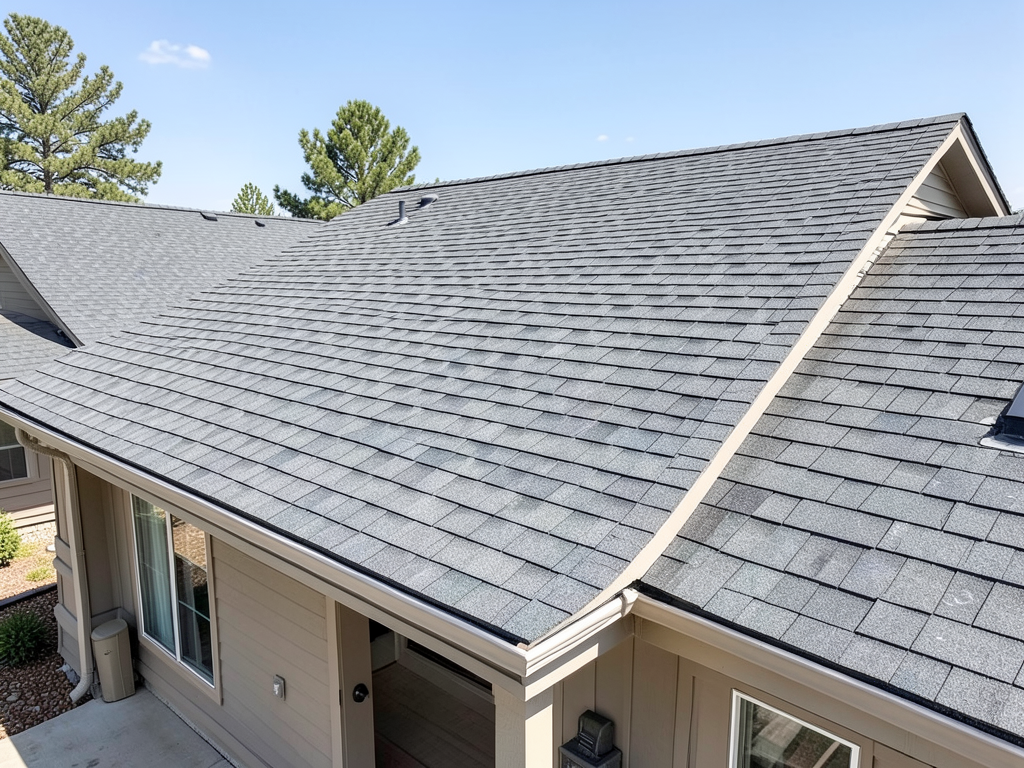
UV radiation causes several problems for your roof. It makes asphalt shingles brittle by breaking down the chemical bonds in the material. The sun also fades colors and weakens the protective granules on shingles. Over time this leads to cracking curling and loss of flexibility in your roofing materials.
Metal roofs also suffer from increased UV exposure. While metal itself does not degrade from UV rays the protective coatings can break down faster at high altitude. This can lead to premature rust and corrosion if the coating fails. Even synthetic roofing materials designed to resist UV damage show accelerated wear in Denver’s intense sunlight.. Read more about Choosing the Best Synthetic Underlayment for Maximum Protection Against Front Range Winds.
Temperature Swings and Thermal Shock
Denver experiences some of the most dramatic temperature swings in the country. It is common to see temperature differences of 40-50 degrees between daytime highs and nighttime lows. This phenomenon called diurnal temperature variation puts tremendous stress on roofing materials.
During the day your roof absorbs heat and expands. At night it cools rapidly and contracts. This constant expansion and contraction cycle causes materials to flex repeatedly. Over time this movement breaks down seals loosens fasteners and creates cracks where water can enter.. Read more about How the Colorado Freeze Thaw Cycle Destroys Standard Roof Flashing.
The problem becomes worse during Denver’s winter months. When snow or ice melts during warm daytime hours water can seep into tiny cracks. When temperatures drop at night this water freezes and expands widening the cracks. This freeze-thaw cycle accelerates damage to shingles flashing and other roofing components.
Snow Load and Ice Dam Formation
Denver’s location at the base of the Rocky Mountains means heavy snow is a regular occurrence. While the city itself does not get as much snow as the mountains certain areas like Westminster and Arvada can receive significant snowfall during winter storms. Building codes in these areas require roofs to handle specific snow loads.
Snow accumulation creates several problems for your roof. The weight of wet snow can stress roof structures especially older homes. As snow melts and refreezes it can form ice dams along roof edges. These ice dams prevent proper drainage and force water back under shingles causing leaks and water damage inside your home. Fixing Flat Roof Leaks in LoHi and Modern Denver Homes.
Ice damming is particularly problematic in Denver because of the frequent freeze-thaw cycles. When daytime temperatures rise above freezing but nighttime temperatures drop below freezing melting snow has nowhere to go. It pools behind ice dams and finds its way through even small imperfections in your roofing system.
Wind Resistance and Building Requirements
Denver’s location on the plains makes it susceptible to high winds especially during spring and fall. These winds can reach speeds that test even well-installed roofing systems. Local building codes account for these wind loads but not all roofing contractors follow these requirements carefully.
Wind creates uplift pressure on your roof. This pressure tries to lift shingles and other roofing materials away from the deck. In severe cases wind can tear off entire sections of roofing. The problem becomes worse when wind-driven rain or snow gets under loose materials causing further damage.
Building codes in Denver and surrounding areas like Thornton and Northglenn require specific wind ratings for roofing materials. Class 4 impact-resistant shingles often meet these requirements while also providing better protection against hail damage. Proper installation techniques including correct fastener spacing and edge securing become even more critical in high-wind areas.
Material Selection for High-Altitude Performance
Choosing the right roofing material makes a significant difference in how well your roof performs at Denver’s elevation. Some materials handle the high-altitude environment better than others. Understanding these differences helps you make the best choice for your home and budget.. Read more about Choosing a Roof Style for Your Luxury Outdoor Kitchen in Cherry Hills Village.
Class 4 Impact Resistant Shingles
Class 4 impact-resistant shingles earn their classification by surviving a steel ball drop test without cracking. These shingles provide excellent protection against Denver’s frequent hailstorms. They cost more upfront but often pay for themselves through insurance premium discounts and longer lifespan.
These shingles use polymer-modified asphalt that remains flexible in extreme temperature swings. The added flexibility helps them resist cracking during freeze-thaw cycles. Many Class 4 shingles also feature enhanced UV protection through specialized granule coatings that resist fading and deterioration.
Homeowners in hail-prone areas like Littleton and Sheridan find Class 4 shingles particularly valuable. Insurance companies in Colorado often offer premium discounts for homes with these impact-resistant materials. The combination of hail protection and UV resistance makes them ideal for Denver’s climate. Colorado Division of Insurance.
Metal Roofing Systems
Metal roofing stands out as one of the best options for Denver’s high-altitude environment. Metal reflects solar radiation rather than absorbing it reducing heat buildup during summer months. This reflective property helps lower cooling costs and reduces thermal stress on the roofing system.
Modern metal roofing systems use protective coatings that resist UV degradation and corrosion. These coatings can last 20-30 years before needing replacement far longer than traditional asphalt shingles. Metal also handles temperature swings well because it expands and contracts uniformly across its surface. How Much a Full Roof Replacement Actually Costs in Denver Right Now.
Metal roofing performs exceptionally well in snow country. Its smooth surface allows snow to slide off rather than accumulate. This natural shedding helps prevent ice dam formation and reduces structural stress from heavy snow loads. Many Denver homeowners choose metal for its combination of durability and energy efficiency.
Building Codes and Permit Requirements
Denver and surrounding communities have specific building codes that address high-altitude roofing challenges. These codes cover everything from material specifications to installation methods. Understanding these requirements helps ensure your roof meets local standards and performs as expected.
The Denver Building Code requires Class 4 impact-resistant shingles in many areas due to hail risk. The code also specifies minimum snow load capacities based on your home’s location and roof pitch. Areas closer to the mountains often have higher requirements than neighborhoods in the city center.
Proper attic ventilation becomes even more critical at high altitude. The thin air at 5,280 feet does not dissipate heat as effectively as denser air at lower elevations. Building codes require specific ventilation ratios to prevent heat buildup that can damage roofing materials and increase cooling costs.
Permit requirements vary by location. Denver requires permits for most roofing projects while some surrounding communities have different requirements. Always check with your local building department before starting any roofing work. Violations can result in fines and may void manufacturer warranties.
Maintenance Strategies for High-Altitude Roofs
Regular maintenance becomes even more important for roofs in Denver’s high-altitude environment. The accelerated wear from UV exposure temperature swings and severe weather means small problems can become major issues faster than in other climates.
Annual inspections help catch problems early. Look for cracked or curling shingles damaged flashing and signs of granule loss in gutters. Pay special attention to areas around chimneys vents and skylights where seals can fail. These vulnerable spots often show the first signs of high-altitude wear. Reliable Gutter Installation for New Builds in Central Park.
Cleaning your roof and gutters regularly prevents debris buildup that can trap moisture. In Denver’s dry climate debris can also become a fire hazard during summer months. Remove leaves pine needles and other materials that can hold moisture against your roof surface.
Consider professional maintenance every two to three years. A qualified roofer can identify issues you might miss and perform preventive maintenance like resealing flashings and replacing damaged shingles. This proactive approach often costs less than emergency repairs after a major problem develops.
Cost Considerations and ROI
High-altitude roofing materials often cost more upfront than standard options. Class 4 impact-resistant shingles typically cost 15-20% more than regular architectural shingles. Metal roofing can cost two to three times as much as asphalt. However these materials often provide better long-term value.
The extended lifespan of high-quality materials helps offset the higher initial cost. While standard asphalt shingles might last 15-20 years in Denver premium materials can last 30-50 years. This longer lifespan means fewer replacements over the life of your home. Industrial Roof Replacement.
Insurance premium discounts for impact-resistant materials can provide ongoing savings. Many Colorado insurance companies offer 5-10% discounts for homes with Class 4 shingles or other impact-resistant roofing. These discounts can add up to thousands of dollars over the life of your roof.
Energy efficiency improvements also provide financial benefits. Reflective metal roofing or cool asphalt shingles can reduce cooling costs by 10-15% during Denver’s hot summer months. These savings help offset the higher initial investment in premium materials.
Choosing the Right Contractor
Selecting a roofing contractor with high-altitude experience makes a significant difference in your project’s outcome. Not all contractors understand the unique challenges of roofing at 5,280 feet. Look for companies with specific experience in Denver and surrounding communities.
Ask potential contractors about their experience with high-altitude roofing. Do they understand UV degradation patterns? Are they familiar with local building codes and permit requirements? Can they explain how they address temperature swing challenges in their installation methods?
Check references and online reviews from other Denver-area homeowners. Look for feedback about how well the contractor’s work has held up over time. A roof that looks good immediately after installation might develop problems quickly if the contractor did not account for high-altitude factors.
Verify that contractors carry proper insurance and licensing for Colorado work. The state has specific requirements for roofing contractors and working with uninsured contractors can leave you liable for accidents or damage that occurs during your project.
Future Trends in High-Altitude Roofing
The roofing industry continues to develop new materials and technologies specifically for high-altitude environments. These innovations focus on better UV resistance improved thermal performance and enhanced durability against severe weather.
New synthetic roofing materials offer the look of traditional materials with enhanced performance characteristics. These products resist UV degradation better than natural materials while providing improved impact resistance. Some newer options can last 50 years or more with minimal maintenance.
Solar-integrated roofing systems are becoming more popular in Denver. These systems combine energy generation with protective roofing functions. Modern solar roofing materials handle temperature swings and UV exposure better than earlier generations while providing clean energy for your home.. Read more about Keeping Your Mid-Century Modern Roof in Harvey Park Safe from Heavy Snow Loads.
Smart roofing technologies are emerging that can monitor roof conditions and alert homeowners to developing problems. These systems use sensors to track temperature moisture and structural stress. Early detection of issues can prevent costly damage and extend your roof’s lifespan.
Protecting Your Investment
Your roof represents a significant investment in your home’s protection and value. Understanding how Denver’s high altitude affects roofing materials helps you make choices that protect this investment for decades to come.
Consider your specific location within the Denver area. Homes in areas like Wheat Ridge or Broomfield might face slightly different challenges than those in downtown Denver. Factors like proximity to the mountains tree cover and local weather patterns all affect how your roof performs.
Plan for the long term when making roofing decisions. The cheapest option upfront often costs more over time when you factor in replacement costs and maintenance. Quality materials and professional installation provide better protection and peace of mind in Denver’s challenging climate.
Regular maintenance and prompt repairs keep your roof performing at its best. Do not wait for major problems to develop before taking action. Small investments in maintenance can prevent costly emergency repairs and extend your roof’s useful life significantly.
Frequently Asked Questions
How much does Denver’s altitude really affect my roof?
Denver’s 5,280-foot elevation increases UV radiation by about 20% compared to sea level and creates temperature swings of 40-50 degrees daily. These factors can reduce standard shingle life by 5-10 years compared to lower elevations.
Are Class 4 shingles worth the extra cost in Denver?
Yes. Class 4 impact-resistant shingles typically pay for themselves through insurance discounts longer lifespan and better hail protection. Many Denver insurance companies offer 5-10% premium discounts for these materials.
How often should I inspect my Denver roof?
Professional inspections every two years are recommended with visual checks by homeowners in spring and fall. High-altitude roofs show wear faster so early detection of problems saves money on repairs.
Does metal roofing make sense in Denver’s climate?
Absolutely. Metal roofing handles temperature swings well reflects UV radiation to reduce cooling costs and naturally sheds snow to prevent ice dam formation. While more expensive upfront metal roofs often last 40-50 years in Denver.
What building codes should I know about for my Denver roof?
Denver requires Class 4 impact-resistant shingles in many areas and specifies minimum snow load capacities. Local codes also address proper attic ventilation which becomes more critical at high altitude due to thinner air’s reduced heat dissipation.
Ready to protect your home with a roof built for Denver’s high-altitude challenges? Call Apex Roofing Denver today at (720) 484-8300 for a free consultation. Our experienced team understands exactly what your roof needs to withstand Colorado’s unique climate. Do not wait until problems develop – schedule your inspection now and ensure your home stays protected for years to come. For more information, visit National Roofing Contractors Association. For more information, visit International Code Council.
You may also find this helpful. How to Maintain Your Commercial TPO Roof to Avoid Premature Failure in Commerce City.
You may also find this helpful. Keeping Your Genesee Home Safe with Wildfire Resistant Roofing Materials.
{
“@context”: “https://schema.org”,
“@type”: “BlogPosting”,
“headline”: “Understanding the Impact of Denver’s High Altitude on Your Roof’s Lifespan”,
“description”: “Learn how Denver’s 5,280-foot elevation affects your roof through UV exposure temperature swings and snow loads. Discover materials and maintenance strategies that protect your investment.”,
“wordCount”: 2397,
“datePublished”: “2026-05-03T15:56:00.000Z”,
“dateModified”: “2026-05-03T15:56:00.000Z”,
“inLanguage”: “en-US”,
“mainEntityOfPage”: {
“@type”: “WebPage”,
“@id”: “https://apexroofingdenver.com”
},
“publisher”: {
“@type”: “LocalBusiness”,
“name”: “Apex Roofing Denver”,
“url”: “https://apexroofingdenver.com”
},
“author”: {
“@type”: “Organization”,
“name”: “Apex Roofing Denver”,
“url”: “https://apexroofingdenver.com”
},
“image”: {
“@type”: “ImageObject”,
“url”: “https://apexroofingdenver.com/wp-content/uploads/2026/03/understanding-the-impact-of-denver-s-high-altitude-1.png”
}
}
{
“@context”: “https://schema.org”,
“@type”: “RoofingContractor”,
“name”: “Apex Roofing Denver”,
“url”: “https://apexroofingdenver.com”,
“address”: {
“@type”: “PostalAddress”,
“addressLocality”: “Denver”
},
“areaServed”: {
“@type”: “City”,
“name”: “Denver”
}
}
{
“@context”: “https://schema.org”,
“@type”: “FAQPage”,
“mainEntity”: [
{
“@type”: “Question”,
“name”: “How much does Denver’s altitude really affect my roof?”,
“acceptedAnswer”: {
“@type”: “Answer”,
“text”: “Denver’s 5,280-foot elevation increases UV radiation by about 20% compared to sea level and creates temperature swings of 40-50 degrees daily. These factors can reduce standard shingle life by 5-10 years compared to lower elevations.”
}
},
{
“@type”: “Question”,
“name”: “Are Class 4 shingles worth the extra cost in Denver?”,
“acceptedAnswer”: {
“@type”: “Answer”,
“text”: “Yes. Class 4 impact-resistant shingles typically pay for themselves through insurance discounts longer lifespan and better hail protection. Many Denver insurance companies offer 5-10% premium discounts for these materials.”
}
},
{
“@type”: “Question”,
“name”: “How often should I inspect my Denver roof?”,
“acceptedAnswer”: {
“@type”: “Answer”,
“text”: “Professional inspections every two years are recommended with visual checks by homeowners in spring and fall. High-altitude roofs show wear faster so early detection of problems saves money on repairs.”
}
},
{
“@type”: “Question”,
“name”: “Does metal roofing make sense in Denver’s climate?”,
“acceptedAnswer”: {
“@type”: “Answer”,
“text”: “Absolutely. Metal roofing handles temperature swings well reflects UV radiation to reduce cooling costs and naturally sheds snow to prevent ice dam formation. While more expensive upfront metal roofs often last 40-50 years in Denver.”
}
},
{
“@type”: “Question”,
“name”: “What building codes should I know about for my Denver roof?”,
“acceptedAnswer”: {
“@type”: “Answer”,
“text”: “Denver requires Class 4 impact-resistant shingles in many areas and specifies minimum snow load capacities. Local codes also address proper attic ventilation which becomes more critical at high altitude due to thinner air’s reduced heat dissipation.”
}
}
]
}
{
“@context”: “https://schema.org”,
“@type”: “BreadcrumbList”,
“itemListElement”: [
{
“@type”: “ListItem”,
“position”: 1,
“name”: “Home”,
“item”: “https://apexroofingdenver.com”
},
{
“@type”: “ListItem”,
“position”: 2,
“name”: “Blog”,
“item”: “https://apexroofingdenver.com/blog”
},
{
“@type”: “ListItem”,
“position”: 3,
“name”: “Understanding the Impact of Denver’s High Altitude on Your Roof’s Lifespan”
}
]
}
{
“@context”: “https://schema.org”,
“@type”: “Service”,
“serviceType”: “Roofing”,
“provider”: {
“@type”: “LocalBusiness”,
“name”: “Apex Roofing Denver”,
“url”: “https://apexroofingdenver.com”
},
“areaServed”: {
“@type”: “City”,
“name”: “Denver”
},
“description”: “Learn how Denver’s 5,280-foot elevation affects your roof through UV exposure temperature swings and snow loads. Discover materials and maintenance strategies that protect your investment.”
}