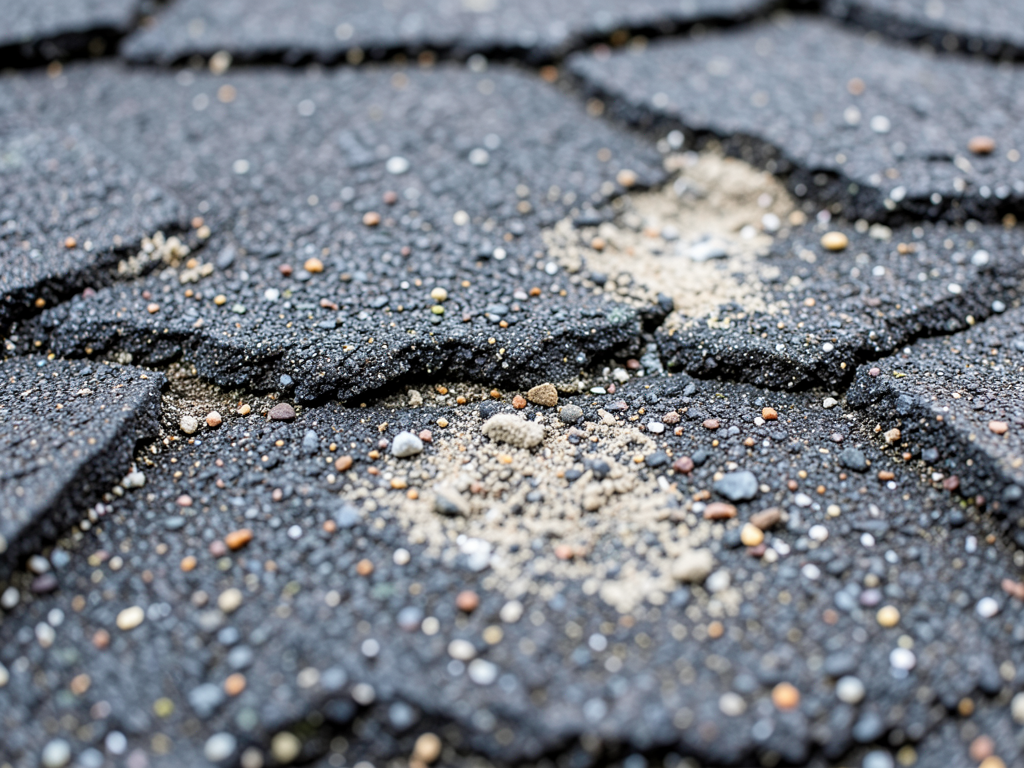





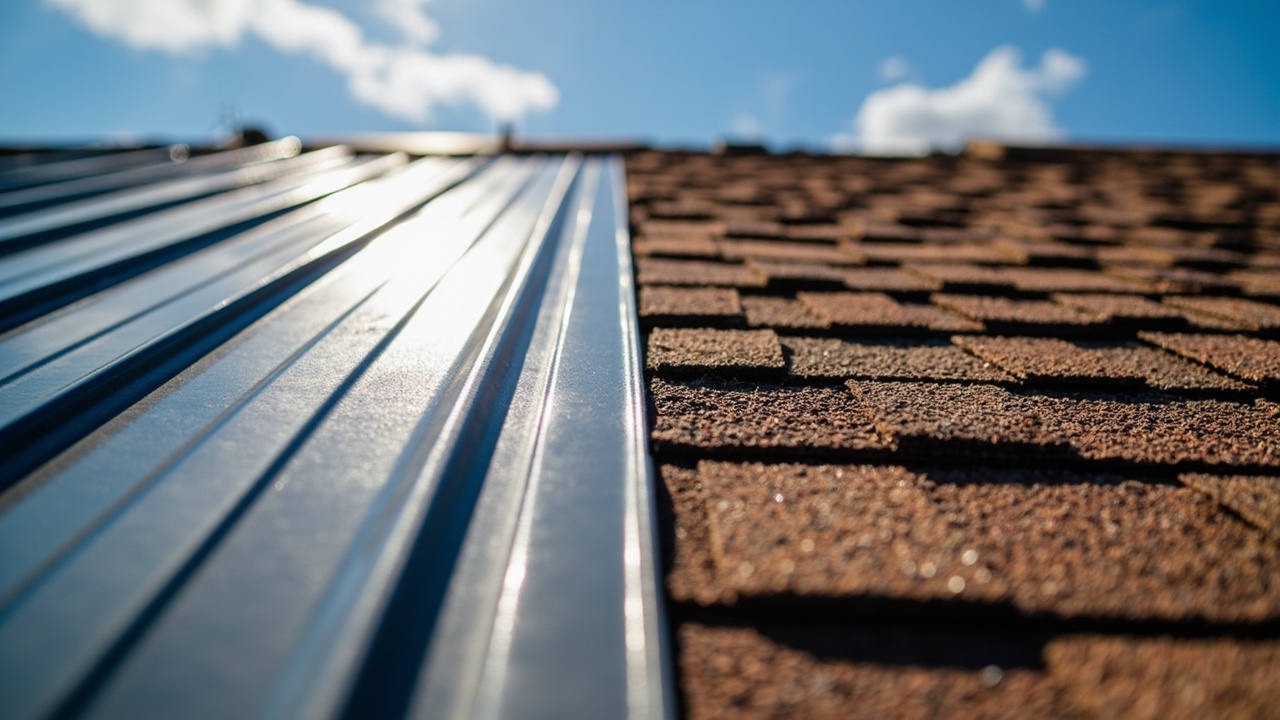
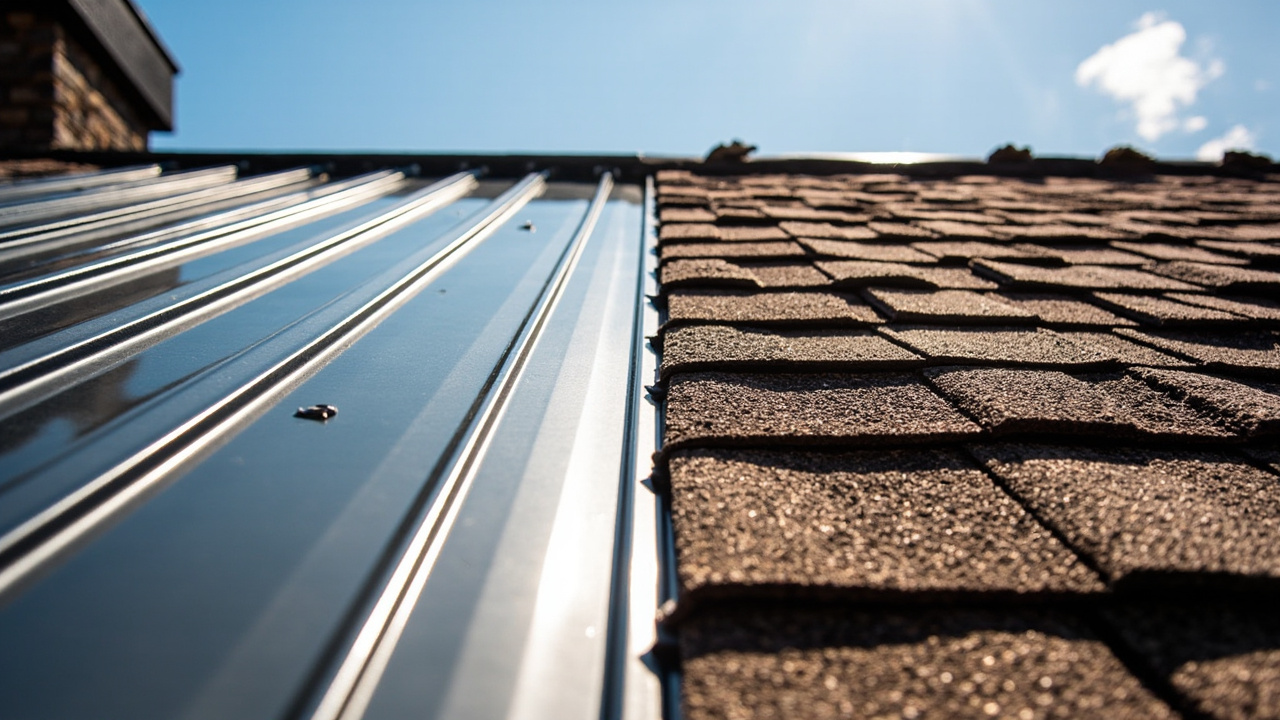
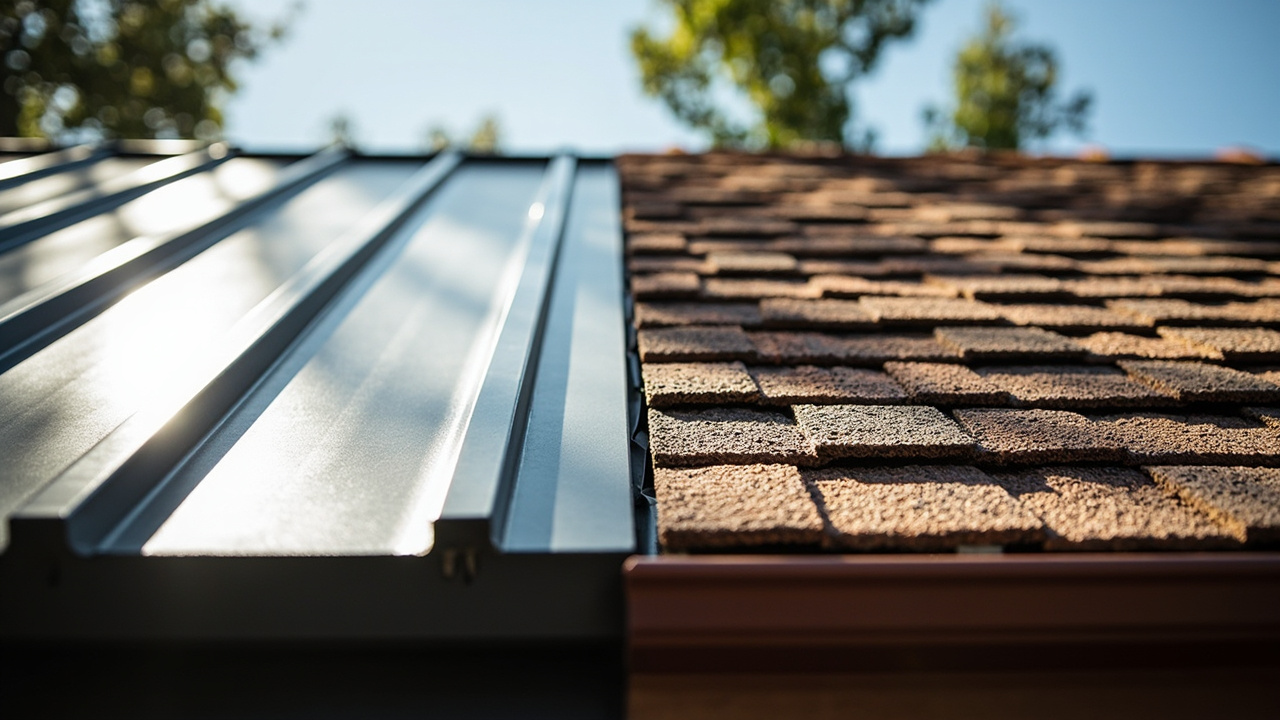
The Front Range experiences more hailstorms than nearly any region in the United States. Denver averages nine hail days per year, with significant damaging events occurring every three to five years along the I-25 corridor. The May 2017 hailstorm caused over $2 billion in property damage across the metro area. When you compare metal roofing vs asphalt shingles price in Denver, you must factor replacement probability. Asphalt shingles suffer granule loss, mat fractures, and seal failure from repeated hail impacts. Even if damage does not trigger immediate replacement, each storm shortens remaining lifespan. Metal roofing resists hail better, though golf-ball size hail can dent lighter gauge panels. The cost difference between metal and asphalt roof systems narrows considerably when you add insurance deductibles and depreciated value payouts for storm-damaged asphalt.
Denver building codes and insurance requirements create additional cost factors that affect your material choice. The city requires Class 4 impact-rated shingles in many zip codes, which increases asphalt material costs compared to standard architectural grades. Insurance companies offer premium discounts for impact-resistant roofing, but metal qualifies for larger reductions than Class 4 asphalt. Some carriers require professional installation documentation and material certifications to maintain coverage, which eliminates discount contractors who skip permitting. Apex Roofing Denver maintains relationships with local building inspectors and understands exactly what documentation your insurance carrier needs to process claims or approve discounts. We provide material certifications, installation photos, and warranty registration that protects your investment and ensures you receive every available insurance benefit.