
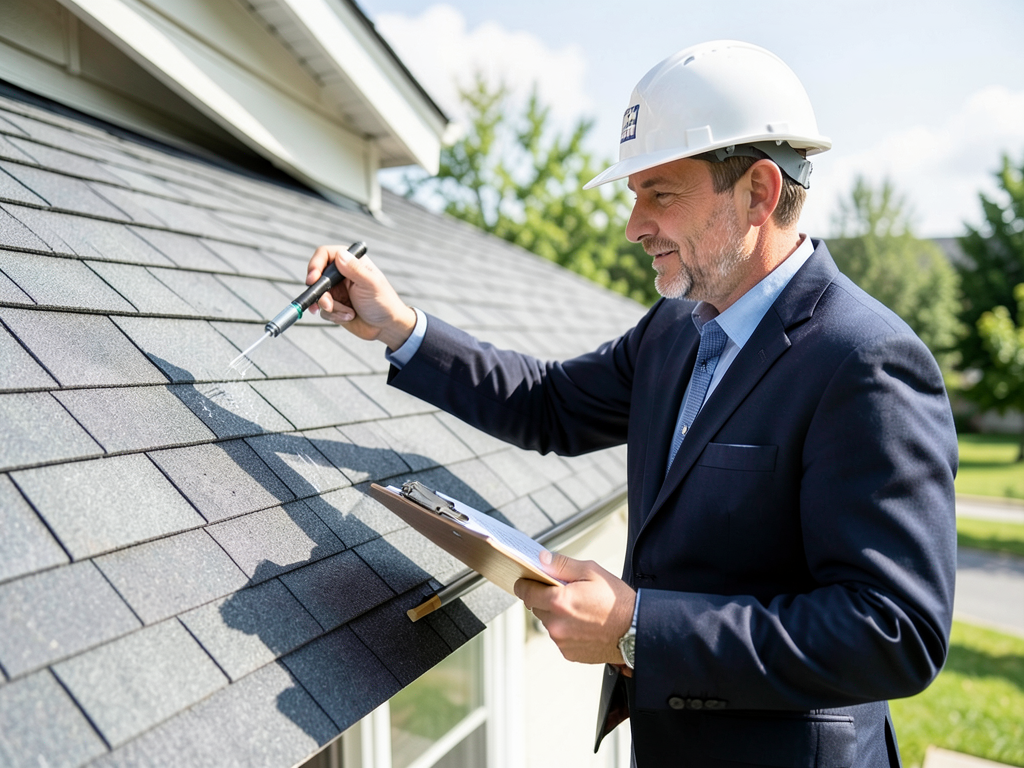
Start with Denver’s License Verification Portal
Before signing any contract you need to confirm the contractor holds a valid Denver Class A, B, or C roofing license through the City and County of Denver Community Planning and Development portal. Class A covers commercial projects over $100,000, Class B handles residential work up to that amount, and Class C is limited to smaller jobs. Each license shows active status, expiration date, and any disciplinary actions. A contractor without an active license working on jobs over $500 is operating illegally in Denver. Denver Department of Community Planning and Development.
Verify General Liability and Workers’ Compensation
General liability insurance protects your property if a crew damages your home or a neighbor’s during installation. Workers’ compensation covers the contractor’s employees if injured on your property. Ask for certificates of insurance and call the insurer to confirm they are current. Colorado Senate Bill 12-038 requires residential roofing contractors to carry both coverages. Without them you could be liable for accidents or theft. Colorado Department of Regulatory Agencies roofing info.
Check Manufacturer Certifications
Certifications from GAF, Owens Corning, or CertainTeed indicate the contractor has passed training and can offer extended material warranties. A GAF Master Elite or Owens Corning Platinum Preferred badge means the crew follows strict installation guidelines suited for Colorado’s high UV exposure and rapid freeze-thaw cycles. These credentials also show the contractor invests in ongoing education about new products and techniques.. Read more about The Homeowner’s Guide to Using a HELOC to Pay for a New Roof in Westminster.
Review Denver-Specific Building Codes
Denver enforces the International Residential Code with local amendments. For roofing, that includes Class 4 impact-resistant shingles in hail-prone zones, ice and water shield extending at least 24 inches past interior walls, and minimum 130 mph wind ratings. The Denver Green Building Ordinance applies to commercial reroofs over 2,000 square feet. A reputable contractor will pull permits and schedule inspections rather than asking you to skip them to save money. Roofing Sheridan.
Spot Storm Chaser Red Flags
After a major hail event, out-of-state crews often knock on doors offering quick fixes. Red flags include: no local physical address, pressure to sign before insurance adjuster arrives, requests for large upfront payments, and no verifiable Denver license. Check the Colorado Secretary of State business search and confirm the contractor’s Denver address matches their physical location. A local office means they can respond to warranty calls years later.. Read more about Understanding the Denver Green Building Ordinance for Commercial Roof Replacements.
Compare Written Estimates Side by Side
Request detailed line-item estimates from at least three licensed contractors. Each should list materials by brand and specification, tear-off and disposal fees, underlayment type, flashing details, and permit costs. Beware of vague quotes that only state a total price. Hidden costs often appear as change orders after work starts. A transparent contractor will explain why certain materials cost more and how they protect your home in Denver’s climate.. Read more about How to Read a Roofing Estimate Without Getting Confused by Technical Terms.
Validate BBB Accreditation and Local Reviews
Check the Better Business Bureau for accreditation, complaint history, and resolution rate. Look for patterns in reviews—consistent praise for cleanup and communication is a good sign. Focus on reviews from neighborhoods with similar home styles such as Lakewood mid-century ranches or Westminster 1970s split-levels. Recent reviews matter more than older ones, especially after Colorado’s evolving building codes.
Understand Permit Timelines and Costs
In Denver, roofing permits typically take 3-5 business days for approval. Fees range from $150 to $500 depending on project size and whether it’s residential or commercial. The contractor should include permit acquisition in their scope. Rushing work without permits can lead to stop-work orders, fines, and problems when you sell your home. Ask for the permit number before work begins and confirm it’s posted on-site.
Confirm Warranty Coverage
Material warranties from manufacturers like GAF or Owens Corning range from 25 years to lifetime, but they require certified installation. Labor warranties from the contractor usually last 2-10 years. Get both in writing. Clarify what voids the warranty: unlicensed repairs, unapproved modifications, or failure to maintain gutters can all nullify coverage. A trustworthy contractor will explain the difference between material and workmanship guarantees. Reliable Gutter Installation for New Builds in Central Park.
Ask About Storm Damage Experience
Hail damage claims are common in Denver from May through August. An experienced local contractor will walk your property with you before giving an estimate, mark damaged areas with chalk, and provide photos for your insurance adjuster. They should also explain how hail impact ratings work and whether your policy requires Class 4 shingles. This diagnostic approach shows they understand Colorado’s weather risks rather than just selling a new roof.
Review Contract Terms Carefully
A solid contract includes start and completion dates, payment schedule, detailed scope of work, cleanup responsibilities, and dispute resolution process. Never pay more than 30% upfront. Payments should be tied to project milestones. The contract should also specify who handles permit fees and disposal of old materials. If a contractor refuses to put terms in writing, consider it a major warning sign.
Local Neighborhoods Matter
Roofing needs vary by neighborhood. In Lakewood, many homes have mid-century low-slope roofs that require special underlayment. Westminster’s 1970s split-levels often have complex gables needing extra flashing. A contractor familiar with your area’s common roof styles will anticipate these challenges. Ask if they’ve completed projects within a few miles of your home and request addresses you can drive by to see their work.
Emergency Services and Availability
Roof leaks don’t wait for business hours. A reliable contractor offers 24/7 emergency tarping to prevent interior damage. Ask how quickly they can respond after a storm and whether they have dedicated crews for urgent repairs. Weekend availability is a strong indicator they prioritize customer needs over rigid schedules. Keep their number saved in your phone for the next severe weather event. Fixing Flat Roof Leaks in LoHi and Modern Denver Homes.
Final Checklist Before You Hire
Before signing, confirm: active Denver license, current insurance certificates, manufacturer certifications, permit inclusion, detailed written estimate, BBB standing, local references, and clear warranty terms. If any item is missing or the contractor hesitates to provide proof, keep searching. Taking these steps protects your investment and ensures your new roof will withstand Colorado’s harsh climate for years to come.
Frequently Asked Questions
Do I need a permit for a roof replacement in Denver?
Yes. Denver requires permits for any roof replacement regardless of size. The contractor should pull the permit and include the fee in their estimate. How Much a Full Roof Replacement Actually Costs in Denver Right Now.
What license class does a roofer need in Denver?
Roofers need a Class A, B, or C contractor license from the City and County of Denver. Class B is most common for residential projects under $100,000.
How can I verify a Denver roofing license?
Use the Denver Department of Community Planning and Development online license search. Enter the contractor’s name or license number to confirm active status.
What insurance should a roofing contractor have?
They must carry general liability and workers’ compensation insurance. Ask for certificates and verify with the insurance provider before work begins.
How long does a roof replacement take in Denver?
Most residential replacements take 1-3 days depending on size and weather. Complex roofs or permit delays can extend the timeline. Industrial Roof Replacement.
Need a Licensed Denver Roofer You Can Trust?
Don’t risk your home on an unlicensed crew. Call Apex Roofing Denver at (720) 484-8300 for a free inspection and written estimate. We’re locally licensed, insured, and certified to handle Denver’s unique roofing challenges. Protect your investment with a contractor who stands behind their work.
{
“@context”: “https://schema.org”,
“@type”: “BlogPosting”,
“headline”: “How to Vet a Denver Roofing Contractor by Checking Local Licenses and Insurance”,
“description”: “Learn how to verify Denver roofing licenses, insurance, and credentials to avoid storm chasers. Expert guide for homeowners in 2026.”,
“wordCount”: 1253,
“datePublished”: “2026-04-19T07:46:00.000Z”,
“dateModified”: “2026-04-19T07:46:00.000Z”,
“inLanguage”: “en-US”,
“mainEntityOfPage”: {
“@type”: “WebPage”,
“@id”: “https://apexroofingdenver.com”
},
“publisher”: {
“@type”: “LocalBusiness”,
“name”: “Apex Roofing Denver”,
“url”: “https://apexroofingdenver.com”
},
“author”: {
“@type”: “Organization”,
“name”: “Apex Roofing Denver”,
“url”: “https://apexroofingdenver.com”
},
“image”: {
“@type”: “ImageObject”,
“url”: “https://apexroofingdenver.com/wp-content/uploads/2026/03/how-to-vet-a-denver-roofing-contractor-by-checking-1.png”
}
}
{
“@context”: “https://schema.org”,
“@type”: “RoofingContractor”,
“name”: “Apex Roofing Denver”,
“url”: “https://apexroofingdenver.com”,
“address”: {
“@type”: “PostalAddress”,
“addressLocality”: “Denver”
},
“areaServed”: {
“@type”: “City”,
“name”: “Denver”
}
}
{
“@context”: “https://schema.org”,
“@type”: “FAQPage”,
“mainEntity”: [
{
“@type”: “Question”,
“name”: “Do I need a permit for a roof replacement in Denver?”,
“acceptedAnswer”: {
“@type”: “Answer”,
“text”: “Yes. Denver requires permits for any roof replacement regardless of size. The contractor should pull the permit and include the fee in their estimate. How Much a Full Roof Replacement Actually Costs in Denver Right Now.”
}
},
{
“@type”: “Question”,
“name”: “What license class does a roofer need in Denver?”,
“acceptedAnswer”: {
“@type”: “Answer”,
“text”: “Roofers need a Class A, B, or C contractor license from the City and County of Denver. Class B is most common for residential projects under $100,000.”
}
},
{
“@type”: “Question”,
“name”: “How can I verify a Denver roofing license?”,
“acceptedAnswer”: {
“@type”: “Answer”,
“text”: “Use the Denver Department of Community Planning and Development online license search. Enter the contractor’s name or license number to confirm active status.”
}
},
{
“@type”: “Question”,
“name”: “What insurance should a roofing contractor have?”,
“acceptedAnswer”: {
“@type”: “Answer”,
“text”: “They must carry general liability and workers’ compensation insurance. Ask for certificates and verify with the insurance provider before work begins.”
}
},
{
“@type”: “Question”,
“name”: “How long does a roof replacement take in Denver?”,
“acceptedAnswer”: {
“@type”: “Answer”,
“text”: “Most residential replacements take 1-3 days depending on size and weather. Complex roofs or permit delays can extend the timeline. Industrial Roof Replacement.”
}
},
{
“@type”: “Question”,
“name”: “Need a Licensed Denver Roofer You Can Trust?”,
“acceptedAnswer”: {
“@type”: “Answer”,
“text”: “Don’t risk your home on an unlicensed crew. Call Apex Roofing Denver at (720) 484-8300 for a free inspection and written estimate. We’re locally licensed, insured, and certified to handle Denver’s unique roofing challenges. Protect your investment with a contractor who stands behind their work.”
}
}
]
}
{
“@context”: “https://schema.org”,
“@type”: “BreadcrumbList”,
“itemListElement”: [
{
“@type”: “ListItem”,
“position”: 1,
“name”: “Home”,
“item”: “https://apexroofingdenver.com”
},
{
“@type”: “ListItem”,
“position”: 2,
“name”: “Blog”,
“item”: “https://apexroofingdenver.com/blog”
},
{
“@type”: “ListItem”,
“position”: 3,
“name”: “How to Vet a Denver Roofing Contractor by Checking Local Licenses and Insurance”
}
]
}
{
“@context”: “https://schema.org”,
“@type”: “Service”,
“serviceType”: “Roofing”,
“provider”: {
“@type”: “LocalBusiness”,
“name”: “Apex Roofing Denver”,
“url”: “https://apexroofingdenver.com”
},
“areaServed”: {
“@type”: “City”,
“name”: “Denver”
},
“description”: “Learn how to verify Denver roofing licenses, insurance, and credentials to avoid storm chasers. Expert guide for homeowners in 2026.”
}