
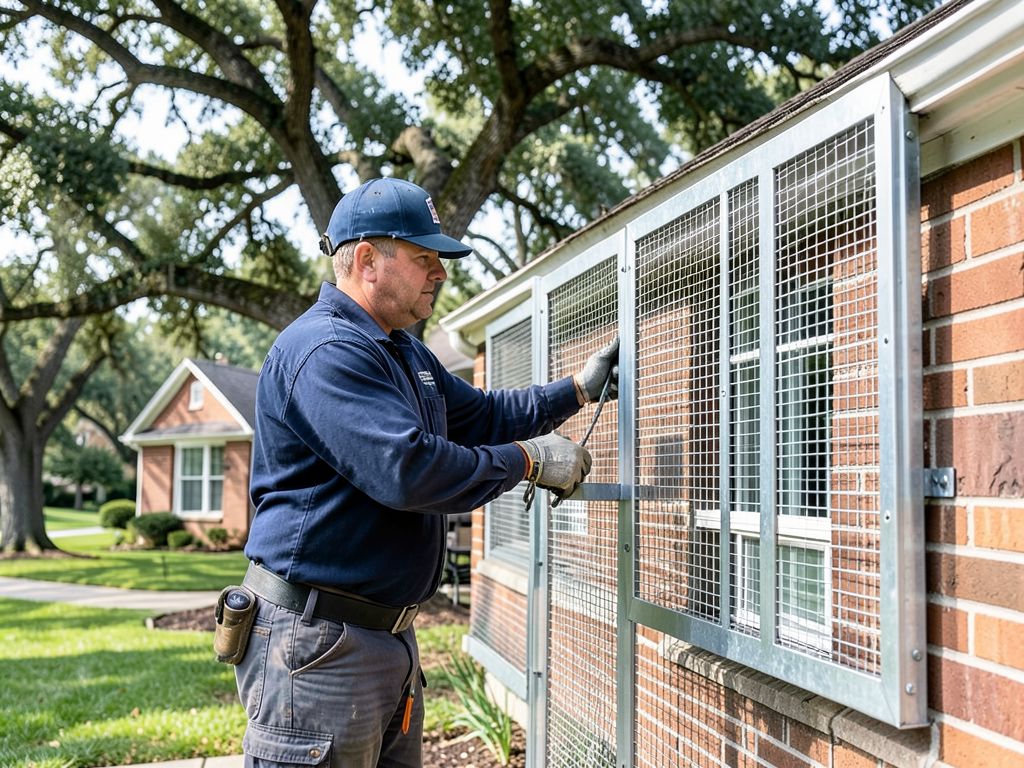
Protecting Your Roof Vents from Curious Raccoons and Squirrels in University Park
Wildlife damage to roof vents is a common problem in Denver neighborhoods like University Park where mature trees and older homes create perfect conditions for raccoons and squirrels to find entry points. These animals can chew through plastic vents in minutes causing attic infestations and expensive water damage.
Standard roof vents made from builder-grade plastic offer no resistance against determined wildlife. Once animals gain access they often build nests in attic insulation creating fire hazards and spreading disease. The problem worsens during cold months when animals seek warm shelter and during spring when mothers look for safe nesting sites.
University Park homes built before 2000 are particularly vulnerable because they often have original vents that have become brittle from UV exposure. The combination of aging materials and active wildlife populations makes these neighborhoods prime targets for vent damage.
Why Standard Roof Vents Fail Against Denver Wildlife
Denver’s Front Range climate creates ideal conditions for wildlife to damage roof vents. Heavy snow loads in winter force animals to seek alternative shelter while spring rains create moisture that attracts pests to vulnerable areas around roof penetrations.
Raccoons have incredibly strong jaws capable of crushing materials like ABS plastic and aluminum. A single raccoon can destroy a standard vent in under five minutes. Squirrels use their sharp incisors to gnaw through softer materials creating entry holes that quickly expand.
The problem extends beyond simple entry. Once animals access attics they damage insulation contaminate air ducts and create fire hazards by chewing on electrical wiring. Many University Park homeowners discover the problem only after hearing noises in their attic or noticing increased heating costs from damaged insulation.
Wildlife exclusion requires understanding animal behavior. Raccoons are nocturnal and often target vents near tree branches that provide easy access routes. Squirrels are active during daylight hours and frequently chew on vents located near power lines or other climbing structures.
Types of Animal-Proof Vents We Install
Professional-grade animal-proof vents use heavy-gauge galvanized steel with powder-coated finishes that resist both chewing and corrosion. These vents meet or exceed Denver building code requirements for durability and weather resistance.
Static vents with steel guards provide continuous airflow while blocking animal entry. The guards feature mesh openings small enough to prevent even juvenile squirrels from passing through while maintaining proper ventilation rates for attic moisture control.. Read more about The Best Ways to Prevent Woodpeckers from Damaging Your Cedar Siding and Roof in Bow Mar.
Ridge vents with integrated animal protection offer the most comprehensive solution for homes with adequate roof pitch. These systems use steel mesh along the entire ridge line preventing entry from any direction while maintaining uniform airflow across the attic space.
Soffit vents require special attention because animals often enter through these lower vents then travel up wall cavities to reach attic spaces. Heavy-duty steel soffit guards prevent this pathway while allowing proper intake ventilation.
Turbine vents can be fitted with steel cages that spin freely while blocking animal access. This solution works well for homes that need additional ventilation due to complex roof designs or solar heat gain.
Material Science: Why Steel Outlasts Plastic
Galvanized steel provides superior protection against wildlife damage compared to plastic alternatives. The material’s tensile strength exceeds 30,000 PSI while plastic vents typically fail at under 3,000 PSI when subjected to animal chewing forces.
Powder coating adds another layer of protection by creating a barrier that resists UV degradation salt spray and moisture penetration. Quality powder coatings maintain their integrity for 15-20 years even in Denver’s harsh climate where UV exposure is 30% higher than the national average. National Fire Protection Association.
Steel vents also provide better structural support for roofing materials. The rigidity prevents the flexing that often causes sealant failure around vent bases leading to water infiltration. This structural advantage becomes critical during Denver’s freeze-thaw cycles when materials expand and contract. Roofing Sheridan.
The weight difference between steel and plastic vents is minimal when properly installed. Steel vents typically weigh 2-3 pounds more than plastic equivalents but this additional weight is distributed across multiple attachment points preventing stress on roofing materials. Roofing Englewood.
Cost considerations favor steel over the long term. While steel vents cost 40-60% more upfront they last 3-4 times longer than plastic vents and prevent the costly damage that results from wildlife entry.
The Installation Process and Roofing Integrity
Professional installation ensures animal-proof vents integrate seamlessly with existing roofing systems without voiding warranties. The process begins with a thorough inspection to identify all potential entry points and assess the condition of existing flashing and underlayment.
Proper removal of old vents requires careful techniques to prevent damage to surrounding shingles. Technicians use specialized tools that cut sealant without tearing roofing materials preserving the integrity of adjacent areas.
New vent installation includes replacing any damaged underlayment and installing new flashing that extends at least 4 inches up all vertical surfaces. This prevents water infiltration even during heavy Denver rainstorms when wind-driven rain can reach unusual angles.
Sealant selection matters for long-term performance. Professional installers use polyurethane sealants that maintain flexibility through Denver’s temperature extremes rather than silicone sealants that can become brittle and fail after 5-7 years.
Attachment methods vary by vent type and roof pitch. Static vents typically use corrosion-resistant screws with rubber washers while ridge vents require specialized clips that allow thermal movement without creating stress points.
Post-installation inspection verifies proper airflow and confirms all potential entry points are sealed. This includes checking attic spaces for signs of existing animal activity and ensuring new vents do not create negative pressure that could draw moisture into the attic.
Denver Neighborhoods We Serve
We provide animal-proof vent installation throughout the Denver metro area with particular expertise in neighborhoods where mature trees and older homes create wildlife challenges. University Park residents benefit from our understanding of local wildlife patterns and building characteristics.
Englewood homes often feature craftsman-style architecture with complex roof lines that require custom vent solutions. The area’s mature tree canopy provides excellent wildlife habitat making animal-proof vents essential for long-term roof protection.
Littleton’s historic districts present unique challenges with their preserved architectural features. We work with homeowners associations to ensure vent upgrades maintain historical integrity while providing modern wildlife protection.
Sheridan’s mix of mid-century and contemporary homes requires versatile installation approaches. The area’s proximity to the South Platte River creates additional wildlife pressure making comprehensive vent protection particularly important.
Each neighborhood has distinct characteristics that influence vent selection and installation methods. We factor in local building codes architectural styles and wildlife activity patterns when recommending solutions.
Cost-Benefit Analysis of Vent Protection
Investing in animal-proof vents costs significantly less than repairing damage from wildlife entry. A complete vent protection system typically costs $800-1,500 while removing established animal infestations and repairing resulting damage often exceeds $3,000. EPA roofing guidelines.
Insurance considerations affect the financial equation. Many homeowners policies exclude damage from rodents and other small animals considering it preventable through proper maintenance. This means wildlife damage repairs often come from the homeowner’s pocket.
Energy efficiency improvements provide additional financial benefits. Properly sealed vents prevent conditioned air from escaping through attic spaces reducing heating and cooling costs by 10-15% in many homes.
The lifespan of animal-proof vents extends beyond their functional life. Even when ventilation requirements change the steel guards can be reused with new vent cores providing additional value over time.
Emergency service costs factor into the true cost of inadequate protection. Emergency wildlife removal often costs 2-3 times standard rates and may require temporary housing arrangements during the removal process.
Preventing Nesting in Attic Spaces
Animal-proof vents represent the first line of defense but comprehensive wildlife prevention requires addressing all potential entry points. This includes sealing gaps around chimneys installing proper screening over gable vents and ensuring soffit vents have secure mesh backing.
Tree management plays a crucial role in preventing wildlife access. Branches that overhang or touch roofs provide easy pathways for animals to reach vulnerable areas. Trimming branches to maintain 6-8 feet of clearance significantly reduces access opportunities.
Food source management discourages wildlife from establishing territory near homes. This includes securing garbage containers removing bird feeders during high wildlife activity periods and cleaning up fallen fruit from trees.
Motion-activated deterrents provide additional protection for particularly vulnerable areas. These devices use lights or sounds to startle animals away from roof areas without causing harm or creating neighborhood disturbances.
Regular inspections help identify new vulnerabilities before animals exploit them. Annual roof inspections should include checking all vent screens for damage examining flashing for gaps and verifying that protective measures remain intact.
Denver Building Code and HOA Considerations
Denver building code requires roof ventilation systems to maintain specific airflow rates based on attic square footage. Animal-proof vents must meet these requirements while providing the necessary exclusion capabilities. Most quality steel vents exceed code minimums by 20-30%.
HOA regulations in neighborhoods like University Park often restrict visible modifications to rooflines. Professional installers understand these restrictions and can recommend low-profile solutions that comply with architectural guidelines while providing effective protection.
Permit requirements vary by municipality and project scope. Simple vent replacements typically do not require permits but comprehensive wildlife exclusion systems may need approval depending on the extent of modifications. How Much a Full Roof Replacement Actually Costs in Denver Right Now.
Energy code compliance affects vent selection in newer homes. Current Denver energy codes require specific ventilation rates that must be maintained even with animal-proof modifications. Professional assessment ensures compliance while providing protection.
Historical district requirements add another layer of complexity for older homes. These properties may require approval from historical preservation boards before making exterior modifications including vent upgrades.
Maintenance and Long-Term Care
Animal-proof vents require minimal maintenance but periodic inspection ensures continued effectiveness. Annual checks should verify that mesh screens remain intact that fasteners have not loosened and that sealant remains flexible and watertight.
Debris accumulation can reduce vent effectiveness over time. Leaves pine needles and other debris should be removed from vent screens to maintain proper airflow. This is particularly important in University Park where mature trees create significant debris during fall and spring.
Ice dam formation poses risks to vent systems during Denver’s winter months. Proper attic insulation and ventilation prevent the freeze-thaw cycles that create ice dams but additional heat cables may be necessary for particularly vulnerable areas.
Storm damage assessment becomes critical after severe weather events. High winds can loosen vent attachments while hail can dent protective screens reducing their effectiveness. Post-storm inspections identify damage that requires repair.
Material degradation occurs gradually even with quality steel vents. Powder coatings can chip exposing steel to corrosion while rubber washers on fasteners can deteriorate over time. Early identification of these issues prevents more serious problems.
Emergency Response and Quick Fixes
Wildlife emergencies require immediate attention to prevent extensive damage. Signs of active intrusion include scratching noises in walls visible damage to vent screens and animal droppings in attic spaces.
Temporary protection measures can prevent further damage while permanent solutions are arranged. Heavy-duty hardware cloth secured with screws can block entry points temporarily but should be replaced with proper vent guards as soon as possible.
Animal removal requires professional expertise to ensure humane treatment and prevent injury. Many animals including raccoons can become aggressive when cornered and improper removal techniques can result in bites or property damage.
Sanitation becomes critical after animal removal. Droppings and nesting materials can harbor diseases requiring proper protective equipment and disposal methods. Professional remediation ensures safe cleanup and prevents health hazards.
Insurance claims for emergency wildlife damage require documentation of the incident and resulting damage. Professional inspection reports provide the evidence needed for successful claims while also identifying all necessary repairs.
Frequently Asked Questions
How do I know if animals are already in my attic?
Signs of attic animal activity include scratching or scurrying noises especially at night visible damage to roof vents and animal droppings found in attic spaces. You might also notice increased heating or cooling costs from damaged insulation or unpleasant odors from animal waste.
Can I install animal-proof vents myself?
While DIY installation is possible proper installation requires understanding roofing systems building codes and animal behavior. Incorrect installation can void roof warranties create water infiltration points or fail to prevent determined animals. Professional installation ensures long-term effectiveness and maintains roofing system integrity.
How long do animal-proof vents last?
Quality galvanized steel animal-proof vents typically last 20-25 years with minimal maintenance. The powder coating resists UV degradation and corrosion while the steel mesh maintains its structural integrity even when subjected to animal chewing attempts. This far exceeds the 5-7 year lifespan of standard plastic vents.
Take Action Today
Wildlife damage to roof vents creates serious risks for University Park homeowners including attic infestations structural damage and costly repairs. Every day without proper protection increases the likelihood of expensive problems.
Our team understands the specific challenges facing Denver neighborhoods and provides solutions tailored to local conditions. We use commercial-grade materials that withstand Colorado’s harsh climate while effectively excluding determined wildlife.
Don’t wait for animals to cause expensive damage. Call Apex Roofing Denver today at (720) 484-8300 for a comprehensive inspection and quote on animal-proof vent installation. Protect your home investment and ensure peace of mind with professional wildlife exclusion solutions.
We serve University Park and surrounding areas including Englewood Littleton and Sheridan. Our weekend availability means you don’t have to wait for weekday appointments when wildlife emergencies occur.
Act now to prevent costly damage. Contact us today and take the first step toward complete wildlife protection for your home.
{
“@context”: “https://schema.org”,
“@type”: “BlogPosting”,
“headline”: “Protecting Your Roof Vents from Curious Raccoons and Squirrels in University Park”,
“description”: “Raccoons and squirrels in University Park chew through roof vents. Learn how to protect your attic with heavy-duty steel guards and professional installation.”,
“wordCount”: 2246,
“datePublished”: “2026-04-17T11:06:00.000Z”,
“dateModified”: “2026-04-17T11:06:00.000Z”,
“inLanguage”: “en-US”,
“mainEntityOfPage”: {
“@type”: “WebPage”,
“@id”: “https://apexroofingdenver.com”
},
“publisher”: {
“@type”: “LocalBusiness”,
“name”: “Apex Roofing Denver”,
“url”: “https://apexroofingdenver.com”
},
“author”: {
“@type”: “Organization”,
“name”: “Apex Roofing Denver”,
“url”: “https://apexroofingdenver.com”
},
“image”: {
“@type”: “ImageObject”,
“url”: “https://apexroofingdenver.com/wp-content/uploads/2026/03/protecting-your-roof-vents-from-curious-raccoons-a-1.png”
}
}
{
“@context”: “https://schema.org”,
“@type”: “RoofingContractor”,
“name”: “Apex Roofing Denver”,
“url”: “https://apexroofingdenver.com”,
“address”: {
“@type”: “PostalAddress”,
“addressLocality”: “Denver”
},
“areaServed”: {
“@type”: “City”,
“name”: “Denver”
}
}
{
“@context”: “https://schema.org”,
“@type”: “FAQPage”,
“mainEntity”: [
{
“@type”: “Question”,
“name”: “How do I know if animals are already in my attic?”,
“acceptedAnswer”: {
“@type”: “Answer”,
“text”: “Signs of attic animal activity include scratching or scurrying noises especially at night visible damage to roof vents and animal droppings found in attic spaces. You might also notice increased heating or cooling costs from damaged insulation or unpleasant odors from animal waste.”
}
},
{
“@type”: “Question”,
“name”: “Can I install animal-proof vents myself?”,
“acceptedAnswer”: {
“@type”: “Answer”,
“text”: “While DIY installation is possible proper installation requires understanding roofing systems building codes and animal behavior. Incorrect installation can void roof warranties create water infiltration points or fail to prevent determined animals. Professional installation ensures long-term effectiveness and maintains roofing system integrity.”
}
},
{
“@type”: “Question”,
“name”: “How long do animal-proof vents last?”,
“acceptedAnswer”: {
“@type”: “Answer”,
“text”: “Quality galvanized steel animal-proof vents typically last 20-25 years with minimal maintenance. The powder coating resists UV degradation and corrosion while the steel mesh maintains its structural integrity even when subjected to animal chewing attempts. This far exceeds the 5-7 year lifespan of standard plastic vents.”
}
}
]
}
{
“@context”: “https://schema.org”,
“@type”: “BreadcrumbList”,
“itemListElement”: [
{
“@type”: “ListItem”,
“position”: 1,
“name”: “Home”,
“item”: “https://apexroofingdenver.com”
},
{
“@type”: “ListItem”,
“position”: 2,
“name”: “Blog”,
“item”: “https://apexroofingdenver.com/blog”
},
{
“@type”: “ListItem”,
“position”: 3,
“name”: “Protecting Your Roof Vents from Curious Raccoons and Squirrels in University Park”
}
]
}
{
“@context”: “https://schema.org”,
“@type”: “Service”,
“serviceType”: “Roofing”,
“provider”: {
“@type”: “LocalBusiness”,
“name”: “Apex Roofing Denver”,
“url”: “https://apexroofingdenver.com”
},
“areaServed”: {
“@type”: “City”,
“name”: “Denver”
},
“description”: “Raccoons and squirrels in University Park chew through roof vents. Learn how to protect your attic with heavy-duty steel guards and professional installation.”
}