
Ridge Vent vs. Powered Attic Ventilator: Which Works Best for Thornton Homes?
Choosing the right attic ventilation system affects your roof’s lifespan and your home’s energy efficiency. Denver’s high-altitude climate with intense sun, heavy snow, and rapid temperature swings creates unique challenges that many generic ventilation guides overlook.
How Denver’s Climate Affects Attic Ventilation
Thornton sits at 5,351 feet elevation where UV radiation is 25% stronger than at sea level. This intense sunlight heats attic spaces quickly during summer months. The Front Range also experiences rapid freeze-thaw cycles where daytime temperatures can swing 40 degrees in a single day. These conditions stress roofing materials and create moisture problems if ventilation fails. Roofing Sheridan.
Heavy snow accumulation is another critical factor. Denver averages 57 inches of snow annually with most falling between November and March. Snow can block ridge vents and create ice dams along roof edges when warm attic air melts snow from below. Proper ventilation prevents these ice dams by maintaining consistent attic temperatures.. Read more about Protecting Your Roof Vents from Curious Raccoons and Squirrels in University Park.
What is a Ridge Vent?
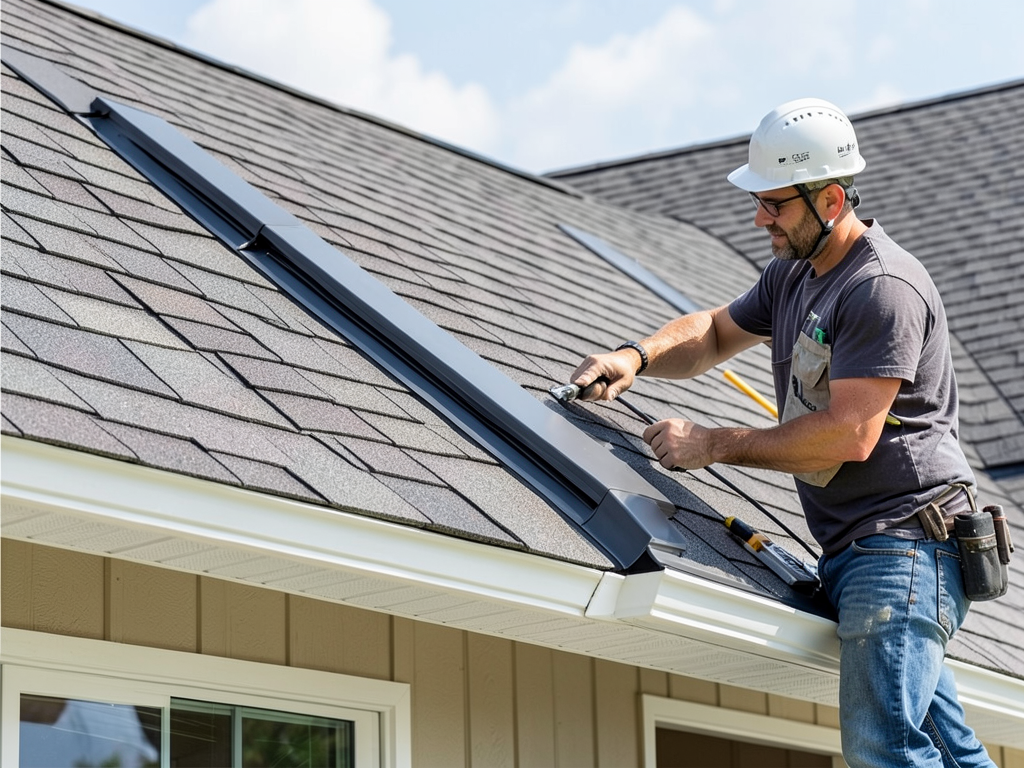
A ridge vent is a continuous ventilation strip installed along the peak of your roof. This passive system works by allowing hot air to escape through the highest point while cooler air enters through soffit vents along the eaves. The principle is simple: hot air rises and exits through the ridge creating a natural convection current.
Ridge vents have a low profile design that blends with your roofline. Most models are made from durable aluminum or high-impact plastic rated for Class 4 hail resistance. The continuous design provides uniform airflow across your entire attic space without creating hot or cold spots.
Installation requires cutting a slot along the roof peak and covering it with the vent material. This process demands precision to maintain your roof’s waterproof barrier. When properly installed with adequate soffit intake vents, ridge ventilation can meet or exceed building code requirements for Net Free Area ventilation.
What is a Powered Attic Ventilator?
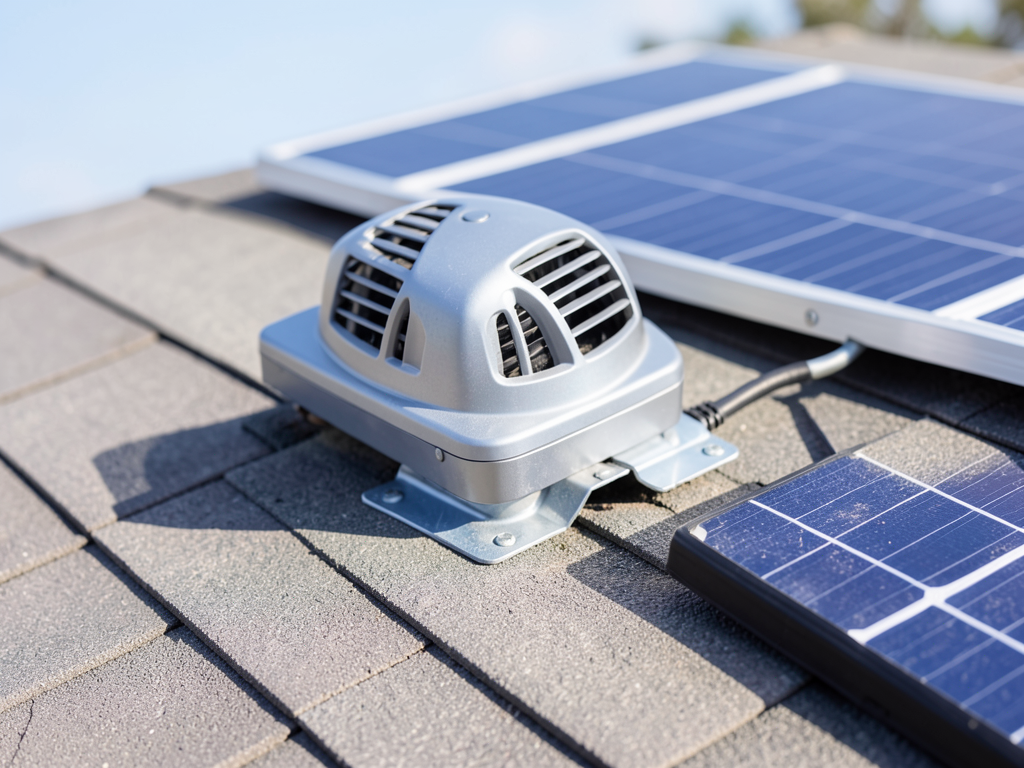
A powered attic ventilator is an electric fan that actively pulls hot air from your attic space. These units mount on your roof or gable end and use a thermostat to activate when attic temperatures reach a preset level, typically around 95 degrees Fahrenheit.
Most powered vents move 1,000 to 1,600 cubic feet of air per minute. This active ventilation can cool an attic faster than passive systems during extreme heat. Many models include humidistats that activate the fan when moisture levels rise, helping prevent condensation problems.
Solar-powered versions are increasingly popular in Denver’s sunny climate. These units eliminate electricity costs but depend on direct sunlight for operation. Electric models typically use 300 to 400 watts when running and may operate for several hours on hot days.
Comparing Ridge Vents and Powered Attic Ventilators
The choice between these systems depends on your home’s design, local climate conditions, and energy efficiency goals. Here’s how they stack up:
| Factor | Ridge Vent | Powered Vent |
|---|---|---|
| Installation Cost | $400 – $600 | $500 – $1,200 |
| Annual Energy Cost | $0 | $50 – $100 |
| Maintenance | Minimal | Annual motor inspection |
| Snow Performance | Can clog | Unaffected |
| Hail Resistance | Class 4 rated | Metal housing |
| Noise Level | Silent | 50-70 dB when running |
| Warranty Impact | May extend roof warranty | Typically neutral |
Installation Considerations for Thornton Homes
Ridge vent installation works best during new roof construction or complete roof replacement. The process involves removing the top layer of roofing material along the peak, cutting a precise slot in the roof deck, and installing the vent assembly. This integration creates a seamless appearance but requires professional installation to maintain waterproofing. How Much a Full Roof Replacement Actually Costs in Denver Right Now.
Powered vents install on existing roofs with minimal disruption. Roof-mounted units require cutting a hole and installing flashing around the fan housing. Gable-mounted versions attach to existing vents and avoid roof penetrations entirely. Both options work on any roof type but may be more visible than ridge vents.
Energy Efficiency Analysis
Ridge vents provide free ventilation once installed. The passive system uses no electricity and creates no operational noise. However, effectiveness depends on proper soffit intake ventilation. Without adequate intake, ridge vents can create negative pressure that pulls conditioned air from your living space.
Powered vents actively cool attics but consume electricity. In Denver’s climate, a typical electric attic fan runs 300-500 hours annually. At Xcel Energy’s current rates, this costs $50-$100 per year. Solar models eliminate this cost but may provide less consistent ventilation during cloudy periods or early morning hours.
The energy equation becomes complex when considering cooling load reduction. A hot attic can transfer heat to living spaces below, forcing air conditioners to work harder. Both systems reduce this heat transfer, but powered vents can achieve lower attic temperatures more quickly during extreme heat waves.
Denver-Specific Performance Factors
Denver’s high-altitude UV exposure affects both systems differently. Ridge vents made from plastic can degrade faster under intense UV radiation. Metal components in powered vents may expand and contract more dramatically with temperature swings, potentially affecting motor lifespan.
Snow and ice present unique challenges. Heavy snow can completely block ridge vents, eliminating their effectiveness for months. Powered vents continue operating regardless of snow cover but may struggle with ice dam formation along roof edges if attic temperatures aren’t properly regulated.
Hail resistance matters in Colorado’s storm-prone climate. Class 4 rated ridge vents withstand impacts from 2-inch hail. Powered vent housings typically use galvanized steel that resists denting but the fan blades themselves may be vulnerable to damage.
Ice Dam Prevention
Ice dams form when warm attic air melts snow on the roof surface. The melted water flows down and refreezes at the colder roof edge, creating a dam that backs up water under shingles. Both ventilation systems help prevent ice dams by maintaining uniform attic temperatures.
Ridge vents work best when combined with adequate insulation and proper air sealing. The passive system maintains consistent temperatures but cannot actively cool an attic during extreme conditions. Powered vents can respond to temperature spikes but may create negative pressure if soffit vents are inadequate.
The key to ice dam prevention is balancing ventilation with insulation. Denver building codes require specific R-values for attic insulation based on your home’s age and location. Proper ventilation works in conjunction with insulation to keep the roof deck cold and prevent snow melt.
Installation Costs and ROI in Thornton
Initial installation costs vary significantly between systems. Ridge vent installation during a new roof costs $400-$600 for a typical Thornton home. Adding ridge ventilation to an existing roof during replacement costs $500-$800 depending on roof complexity. Industrial Roof Replacement.
Powered attic fans range from $300 for basic electric models to $1,200 for high-end solar units with humidistats. Installation adds $200-$400 for roof-mounted units or $100-$200 for gable-mounted versions. Solar models cost more upfront but eliminate ongoing electricity costs.
Energy savings potential depends on your home’s characteristics. Homes with minimal attic insulation may see greater benefits from active ventilation. Those with proper insulation and air sealing often achieve similar results with passive systems at lower long-term cost.
Consider these factors when calculating ROI:
- Current attic insulation levels
- Your home’s roof pitch and design
- Local electricity rates
- Expected system lifespan
- Potential roof warranty benefits
Making the Right Choice for Your Thornton Home
Ridge vents excel in new construction or complete roof replacements where they can be integrated seamlessly. They provide reliable, maintenance-free ventilation that enhances your home’s energy efficiency. The passive system works best in homes with adequate soffit intake and proper attic insulation. Reliable Gutter Installation for New Builds in Central Park.
Powered vents offer more control and faster cooling during extreme heat. They work well for existing roofs where ridge installation isn’t practical. Solar models appeal to environmentally conscious homeowners in sunny Colorado. However, they require electricity, create noise, and need occasional maintenance.
For most Thornton homes, ridge ventilation provides the best long-term value when properly installed with adequate intake vents. The system’s durability, zero operating cost, and ability to extend roof life make it the preferred choice for new construction and major renovations.
Powered ventilation makes sense for specific situations:
- Existing roofs where ridge installation isn’t feasible
- Homes with complex roof designs that create ventilation challenges
- Attics with moisture problems that require active humidity control
- Solar-powered options for off-grid or eco-focused homeowners
Professional Installation Matters
Both systems require professional installation to function properly. Ridge vents need precise cutting and waterproofing to prevent leaks. Powered vents require proper wiring, secure mounting, and strategic placement for optimal airflow. Fixing Flat Roof Leaks in LoHi and Modern Denver Homes.
A professional assessment should evaluate your current attic conditions, roof design, and ventilation needs. Many homes have inadequate soffit intake vents, which compromises any exhaust ventilation system. A comprehensive evaluation ensures you get the right solution for your specific situation.
Building codes in Thornton and throughout the Denver metro area specify minimum ventilation requirements based on attic floor area. Professional installers understand these requirements and can design systems that meet or exceed code while optimizing performance.
Frequently Asked Questions
Can I use both ridge vents and powered attic fans?
Using both systems together often creates problems. A powered fan can pull air from the ridge vent instead of soffit vents, short-circuiting the ventilation system. This reduces effectiveness and may create negative pressure that draws conditioned air from your living space. Choose one system or the other for best results.
How do I know if my attic has enough ventilation?
Building codes require 1 square foot of Net Free Area ventilation for every 150 square feet of attic floor space. This should be split evenly between intake and exhaust vents. A professional can measure your current ventilation and recommend improvements if needed.
Will a powered attic fan cool my entire house?
Attic fans only cool the attic space, not your living areas. However, by reducing heat transfer from the attic to your home’s interior, they can help lower cooling costs. For whole-house cooling, you need a central air system or evaporative cooler.
How long do these ventilation systems last?
Quality ridge vents last 20-30 years or the life of your roof. Powered vent motors typically last 10-15 years with proper maintenance. Solar panels on attic fans may need replacement after 15-20 years. Regular inspection helps identify issues before they become major problems.
Will either system help with ice dams?
Both systems help prevent ice dams by maintaining consistent attic temperatures. However, ventilation alone isn’t enough. You also need proper insulation, air sealing, and sometimes heat cables along roof edges in severe cases. A comprehensive approach works best for ice dam prevention.
Protect Your Roof with Proper Ventilation
Proper attic ventilation protects your roof investment and improves your home’s energy efficiency. Whether you choose ridge vents or powered ventilation, professional installation ensures optimal performance in Thornton’s challenging climate.
Don’t wait for ventilation problems to damage your roof. Contact Apex Roofing Denver today at (720) 484-8300 for a comprehensive attic ventilation assessment. Our experienced team understands Denver’s unique climate challenges and can recommend the right solution for your home.
Serving Thornton, Westminster, Northglenn, and all Denver metro communities. Weekend appointments available for your convenience. For more information, visit EPA ventilation basics. For more information, visit FEMA ice dam prevention.
You may also find this helpful. Dealing with Moss and Algae Growth on the Shaded Side of Your Park Hill Roof.
{
“@context”: “https://schema.org”,
“@type”: “BlogPosting”,
“headline”: “Comparing Ridge Vents and Powered Attic Ventilators for Better Airflow in Thornton”,
“description”: “Discover how ridge vents and powered attic ventilators perform in Denver’s climate. Learn which system best prevents ice dams and reduces cooling costs for your Thornton home.”,
“wordCount”: 1874,
“datePublished”: “2026-04-18T09:33:00.000Z”,
“dateModified”: “2026-04-18T09:33:00.000Z”,
“inLanguage”: “en-US”,
“mainEntityOfPage”: {
“@type”: “WebPage”,
“@id”: “https://apexroofingdenver.com”
},
“publisher”: {
“@type”: “LocalBusiness”,
“name”: “Apex Roofing Denver”,
“url”: “https://apexroofingdenver.com”
},
“author”: {
“@type”: “Organization”,
“name”: “Apex Roofing Denver”,
“url”: “https://apexroofingdenver.com”
},
“image”: {
“@type”: “ImageObject”,
“url”: “https://apexroofingdenver.com/wp-content/uploads/2026/03/comparing-ridge-vents-and-powered-attic-ventilator-1.png”
}
}
{
“@context”: “https://schema.org”,
“@type”: “RoofingContractor”,
“name”: “Apex Roofing Denver”,
“url”: “https://apexroofingdenver.com”,
“address”: {
“@type”: “PostalAddress”,
“addressLocality”: “Denver”
},
“areaServed”: {
“@type”: “City”,
“name”: “Denver”
}
}
{
“@context”: “https://schema.org”,
“@type”: “FAQPage”,
“mainEntity”: [
{
“@type”: “Question”,
“name”: “What is a Ridge Vent?”,
“acceptedAnswer”: {
“@type”: “Answer”,
“text”: “A ridge vent is a continuous ventilation strip installed along the peak of your roof. This passive system works by allowing hot air to escape through the highest point while cooler air enters through soffit vents along the eaves. The principle is simple: hot air rises and exits through the ridge creating a natural convection current.”
}
},
{
“@type”: “Question”,
“name”: “What is a Powered Attic Ventilator?”,
“acceptedAnswer”: {
“@type”: “Answer”,
“text”: “A powered attic ventilator is an electric fan that actively pulls hot air from your attic space. These units mount on your roof or gable end and use a thermostat to activate when attic temperatures reach a preset level, typically around 95 degrees Fahrenheit.”
}
},
{
“@type”: “Question”,
“name”: “Can I use both ridge vents and powered attic fans?”,
“acceptedAnswer”: {
“@type”: “Answer”,
“text”: “Using both systems together often creates problems. A powered fan can pull air from the ridge vent instead of soffit vents, short-circuiting the ventilation system. This reduces effectiveness and may create negative pressure that draws conditioned air from your living space. Choose one system or the other for best results.”
}
},
{
“@type”: “Question”,
“name”: “How do I know if my attic has enough ventilation?”,
“acceptedAnswer”: {
“@type”: “Answer”,
“text”: “Building codes require 1 square foot of Net Free Area ventilation for every 150 square feet of attic floor space. This should be split evenly between intake and exhaust vents. A professional can measure your current ventilation and recommend improvements if needed.”
}
},
{
“@type”: “Question”,
“name”: “Will a powered attic fan cool my entire house?”,
“acceptedAnswer”: {
“@type”: “Answer”,
“text”: “Attic fans only cool the attic space, not your living areas. However, by reducing heat transfer from the attic to your home’s interior, they can help lower cooling costs. For whole-house cooling, you need a central air system or evaporative cooler.”
}
},
{
“@type”: “Question”,
“name”: “How long do these ventilation systems last?”,
“acceptedAnswer”: {
“@type”: “Answer”,
“text”: “Quality ridge vents last 20-30 years or the life of your roof. Powered vent motors typically last 10-15 years with proper maintenance. Solar panels on attic fans may need replacement after 15-20 years. Regular inspection helps identify issues before they become major problems.”
}
},
{
“@type”: “Question”,
“name”: “Will either system help with ice dams?”,
“acceptedAnswer”: {
“@type”: “Answer”,
“text”: “Both systems help prevent ice dams by maintaining consistent attic temperatures. However, ventilation alone isn’t enough. You also need proper insulation, air sealing, and sometimes heat cables along roof edges in severe cases. A comprehensive approach works best for ice dam prevention.”
}
}
]
}
{
“@context”: “https://schema.org”,
“@type”: “BreadcrumbList”,
“itemListElement”: [
{
“@type”: “ListItem”,
“position”: 1,
“name”: “Home”,
“item”: “https://apexroofingdenver.com”
},
{
“@type”: “ListItem”,
“position”: 2,
“name”: “Blog”,
“item”: “https://apexroofingdenver.com/blog”
},
{
“@type”: “ListItem”,
“position”: 3,
“name”: “Comparing Ridge Vents and Powered Attic Ventilators for Better Airflow in Thornton”
}
]
}
{
“@context”: “https://schema.org”,
“@type”: “Service”,
“serviceType”: “Roofing”,
“provider”: {
“@type”: “LocalBusiness”,
“name”: “Apex Roofing Denver”,
“url”: “https://apexroofingdenver.com”
},
“areaServed”: {
“@type”: “City”,
“name”: “Denver”
},
“description”: “Discover how ridge vents and powered attic ventilators perform in Denver’s climate. Learn which system best prevents ice dams and reduces cooling costs for your Thornton home.”
}