




Menu

Class 4 Impact Resistant Shingles in Denver | UL 2218 Certified Protection Against Hail Damage

Get complete information on Class 4 impact resistant shingles designed for Denver's severe hail climate, including UL 2218 testing standards, insurance premium reductions, and material specifications to protect your roof investment.

Slider Image 1
Slider Image 2
Slider Image 3
Slider Image 4
Slider Image 5
Slider Image 7
Slider Image 8
Slider Image 9
Slider Image 10
Slider Image 11

Why Denver Homeowners Research Class 4 Impact Resistant Shingles

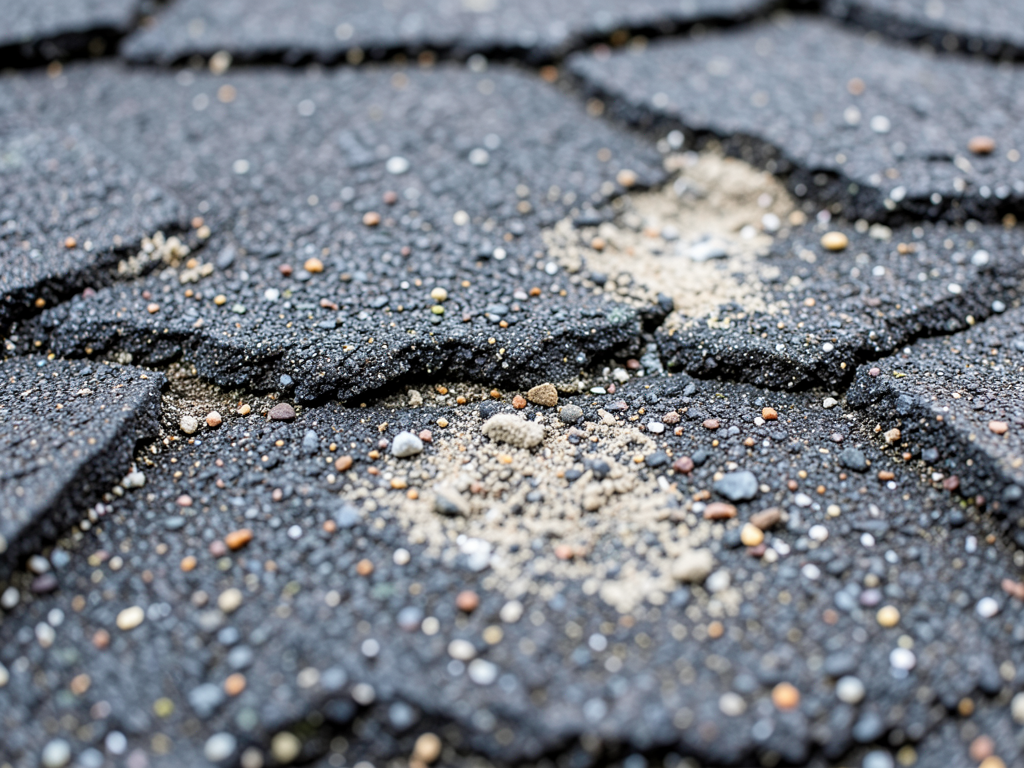
Denver sits in the heart of hail alley. Between April and September, the Front Range experiences some of the most concentrated hail activity in North America. Golf ball and baseball sized hail repeatedly damages standard asphalt shingles, creating punctures, fractures, and granule loss that void manufacturer warranties and accelerate roof failure.

You are researching Class 4 impact resistant shingles because you want to understand what makes them different. The UL 2218 standard defines four impact resistance ratings. Class 4 represents the highest rating. During testing, engineers drop a two inch steel ball from 20 feet onto the shingle surface twice in the same spot. The shingle passes only if it shows no tears, fractures, or mat splitting after both impacts.

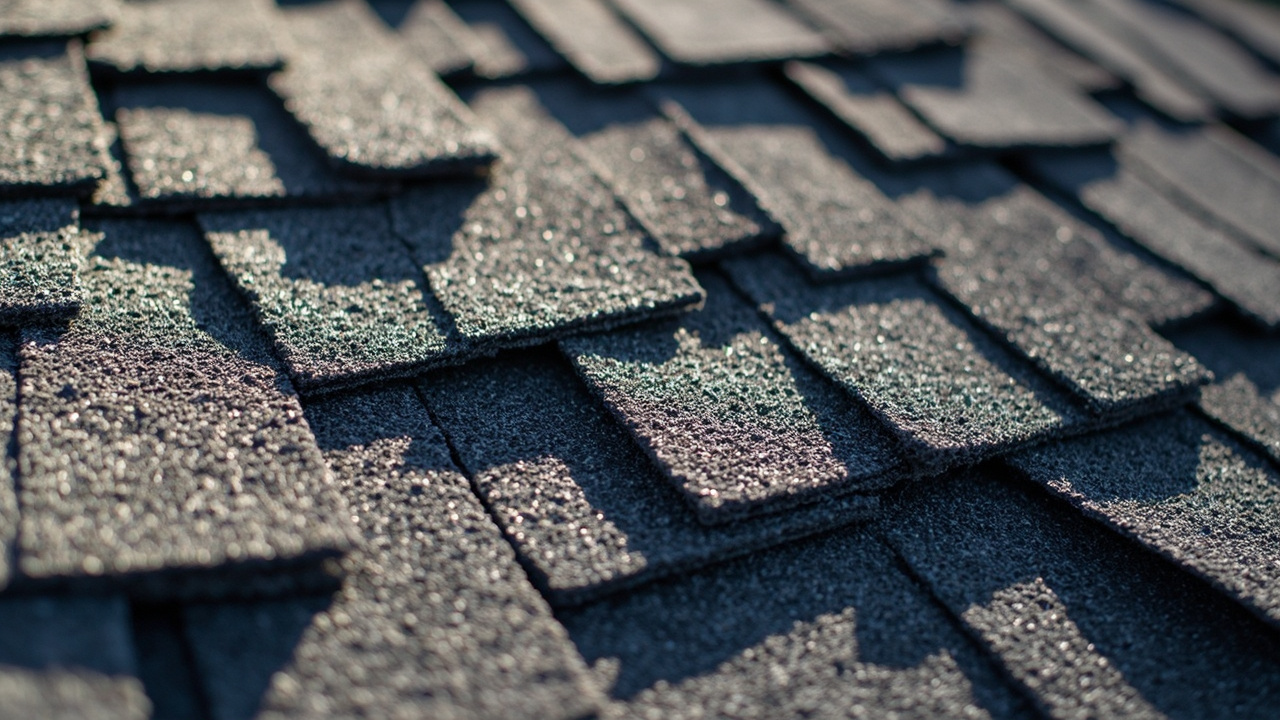
Standard three tab shingles earn Class 3 ratings at best. Most architectural shingles without IR technology fail at Class 2 or Class 3 levels. When hail strikes these roofs during a severe storm, the impact creates bruising that cracks the asphalt coating and exposes the mat underneath. Water infiltrates through these cracks during rain events, causing rot in the decking and eventually leading to interior leaks.

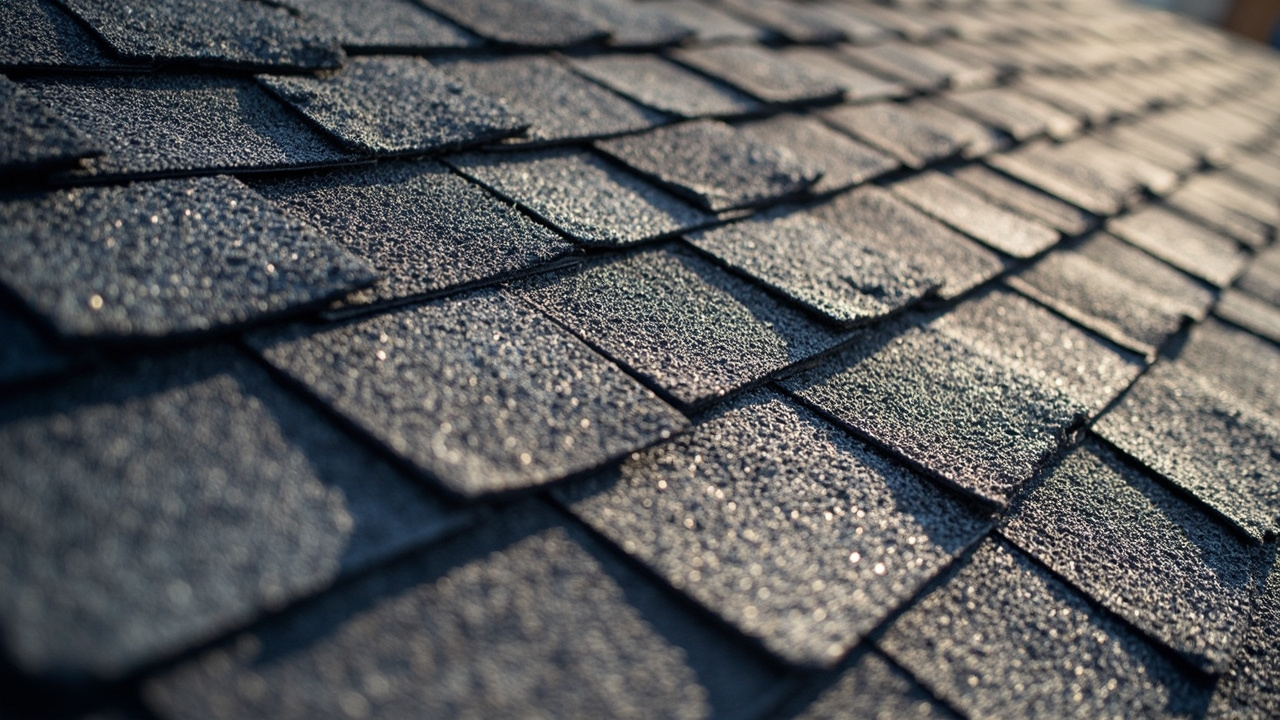
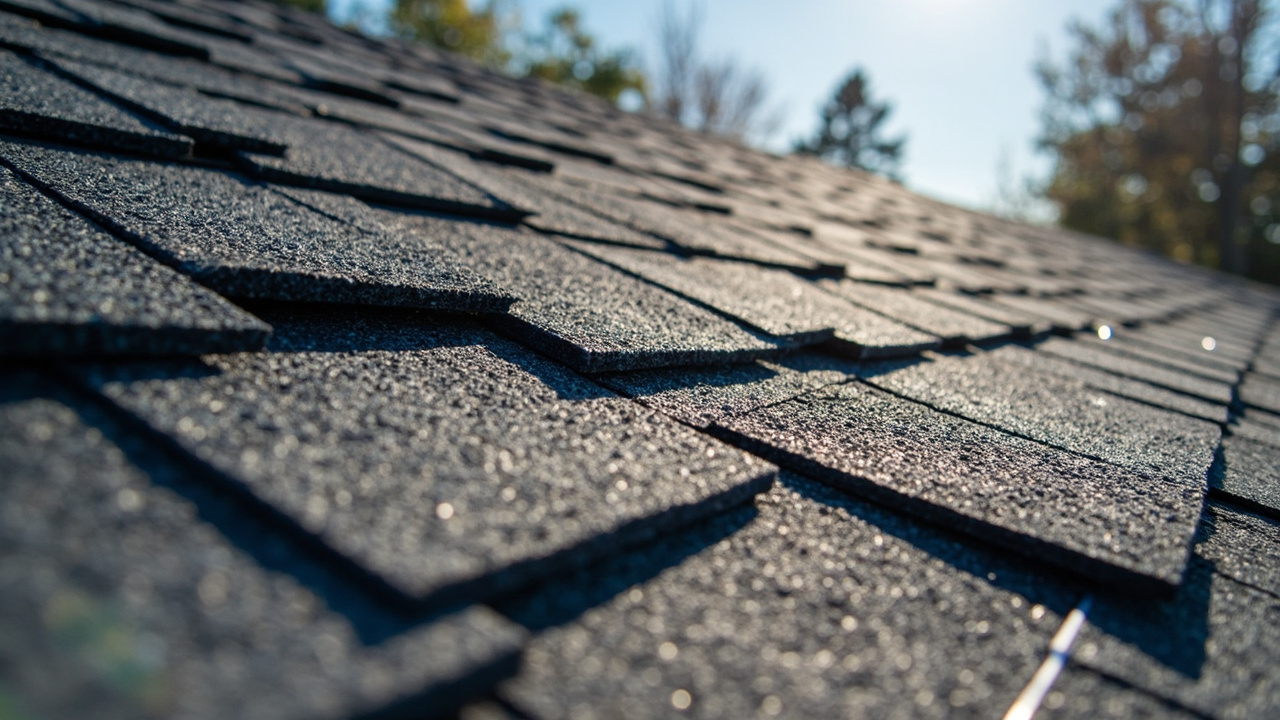
Impact rated shingles use modified asphalt blends and reinforced mat technology. The asphalt formulation remains flexible under impact rather than shattering. The SBS modified polymer additive creates a rubber like quality that absorbs kinetic energy. The mat itself uses a heavier scrim or multiple layers to prevent puncture penetration. Denver's intense UV exposure at 5,280 feet elevation requires these materials to resist both impact damage and thermal cycling stress.

Why Denver Homeowners Research Class 4 Impact Resistant Shingles
How Class 4 Roofing Materials Perform in Real Hail Events

How Class 4 Roofing Materials Perform in Real Hail Events

Understanding test standards helps you make better decisions. The UL 2218 Class 4 test simulates approximately two inch diameter hail traveling at terminal velocity. Real world hail events in Denver frequently produce stones between one and two inches, with occasional three inch hailstones during severe supercells. The Class 4 rating provides a documented threshold that your roof can withstand the most common hail sizes without damage.

Insurance companies recognize this performance difference. Many carriers offer premium discounts between 20 and 35 percent for roofs with Class 4 hail resistant shingles. The Insurance Institute for Business and Home Safety studied impact rated roofing performance after major hail events and found that Class 4 roofs sustained 80 percent less damage compared to standard shingle roofs in the same neighborhoods. This data drives the actuarial models that determine your premium rates.

Material composition matters more than marketing claims. Genuine Class 4 shingles carry a UL classification marking on the packaging and in the technical data sheet. The classification code starts with the prefix for roofing materials. Manufacturers must maintain ongoing testing and quality control to keep this certification active. Products lose certification if formulation changes or quality issues appear during periodic retesting.

The installation process does not differ significantly from standard shingles. Contractors use the same nailing patterns, starter strips, and flashing methods. The shingles weigh slightly more due to the reinforced mat, typically adding 15 to 20 pounds per square compared to standard architectural shingles. This weight difference does not require structural reinforcement for residential applications. Ridge cap shingles must also carry Class 4 ratings to maintain protection across the entire roof surface.

Evaluating Class 4 Shingle Options for Your Denver Home

Class 4 Impact Resistant Shingles in Denver | UL 2218 Certified Protection Against Hail Damage
01

Verify UL 2218 Certification

Check the manufacturer technical data sheets for the UL classification code and Class 4 rating. Request documentation showing current certification status, not expired listings. Compare multiple product lines since not all shingles from impact rated manufacturers carry Class 4 ratings. Verify that ridge caps and starter strips also meet Class 4 standards to maintain complete roof protection. Document this information for insurance discount applications.
02

Compare Material Specifications

Review the asphalt formulation and mat construction details in product specifications. SBS modified polymer content improves flexibility and impact absorption. Heavier mat weights provide better puncture resistance. Check wind resistance ratings since Denver experiences high wind events along with hail. Examine warranty coverage for both material defects and algae resistance. Compare dimensional thickness and weight per square to understand material quality differences between brands.
03

Calculate Total Cost Impact

Factor in both upfront material costs and long term insurance savings. Class 4 shingles typically cost more per square than standard options, but insurance premium reductions offset this over time. Contact your insurance carrier to confirm exact discount percentages before making decisions. Consider the avoided replacement costs if severe hail strikes within the warranty period. Calculate the break even timeline based on your specific premium savings to understand true return on investment.

Local Expertise in Denver Impact Resistant Roofing

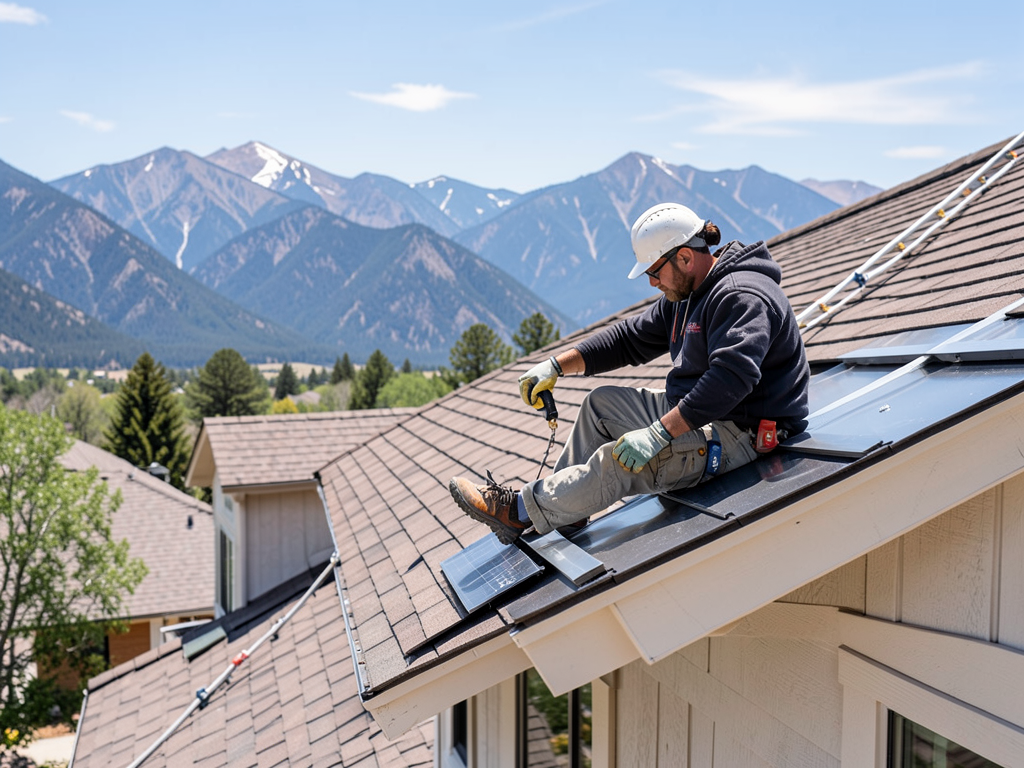
Denver presents unique installation challenges that affect hail resistant shingle performance. The elevation creates extreme temperature swings between day and night, especially during spring and fall shoulder seasons. Shingles must seal properly despite these thermal cycles. Contractors who work regularly in the Front Range understand the timing requirements for installation. Laying shingles when temperatures drop below 45 degrees prevents proper adhesive activation. The sealant strips must bond completely before the first thermal stress cycle occurs.

Local building code knowledge matters for permit compliance and inspection passage. Denver adopted the 2021 International Residential Code with local amendments. These amendments include specific requirements for roof deck attachment in high wind zones and proper valley flashing methods. Inspectors check nailing patterns, drip edge installation, and ice dam protection even though ice damming occurs less frequently here than in regions with heavy snow loads. Your contractor must know these details to avoid delays and reinspection fees.

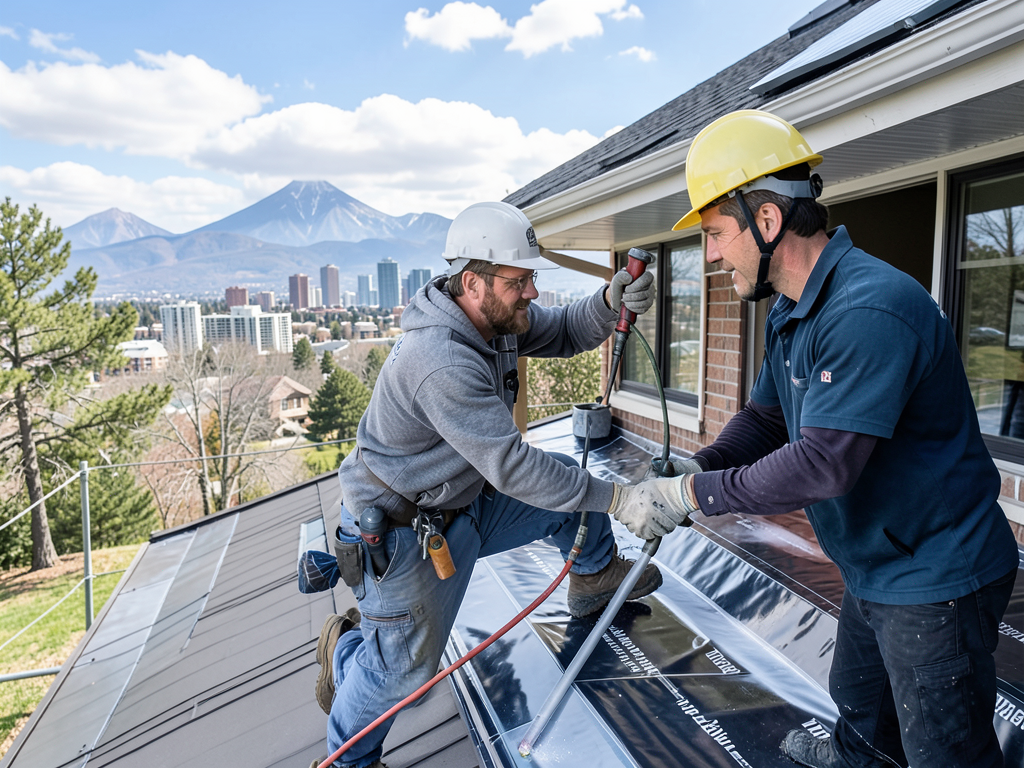
Apex Roofing Denver specializes in impact rated installations throughout the metro area. We stock multiple Class 4 shingle lines to provide genuine choice based on your aesthetic preferences and budget parameters. Our installation crews understand proper nail placement for IR shingles, which requires precision to avoid compressing the impact resistant mat layer. We coordinate insurance documentation when you request premium discount applications, providing the UL certification letters and installation verification your carrier requires.

We also navigate the hail claim process when storm damage occurs despite your Class 4 roof. Insurance adjusters sometimes dispute damage claims even on impact rated roofs, requiring detailed documentation and technical knowledge to resolve. Our experience with local adjusters and understanding of policy language helps you receive fair claim settlements when legitimate damage exists.

What You Get With Class 4 Impact Resistant Shingles

Product Selection Timeline

Researching Class 4 options takes time because multiple manufacturers offer competing products with different warranties and appearance profiles. Plan to spend several hours reviewing technical specifications, comparing color samples against your home exterior, and analyzing total cost scenarios including insurance discounts. Most homeowners narrow choices to two or three product lines, then make final selections based on availability and contractor recommendations. Quality contractors provide product samples and specification sheets during consultation meetings, allowing side by side comparison of weight, texture, and dimensional characteristics before you commit to a specific brand.

Insurance Discount Process

Securing your premium reduction requires documentation submission to your insurance carrier. You need the UL classification letter showing Class 4 certification, proof of installation through contractor verification or building permit records, and sometimes a roof inspection report from the carrier. Contact your agent before installation to understand exact documentation requirements for your specific policy. Most carriers process discount applications within 30 days and apply the reduction to your next renewal period. Some carriers require reinspection every few years to maintain the discount, particularly if you switch insurance companies after installation.

Long Term Performance

Class 4 shingles deliver measurable protection against hail damage throughout their warranty period. The impact resistance does not degrade significantly over time if installation quality meets manufacturer standards. You gain peace of mind during severe weather events, knowing your roof meets the highest impact rating available for residential applications. The granule retention characteristics of quality IR shingles also provide better UV protection compared to standard products, maintaining appearance longer in Denver's intense sunlight. This combination of impact protection and UV resistance extends functional roof life, particularly in the Front Range climate where both factors stress roofing materials simultaneously.

Manufacturer Warranty Coverage

Impact resistant shingles carry manufacturer warranties ranging from 30 years to lifetime coverage depending on product line selection. Read warranty terms carefully because coverage often includes prorated periods where you pay increasing percentages of replacement costs as the roof ages. Some manufacturers offer enhanced warranties that cover labor costs for a defined period, typically 10 to 15 years. Warranty coverage remains valid only when certified contractors perform installation according to manufacturer specifications. Keep all documentation including installation photos, material invoices, and contractor certification letters in case you need to file a warranty claim years after installation.

Frequently Asked Questions

You Have Questions,
We Have Answers

Do insurance companies give discounts for class 4 shingles? +

Yes, most insurance companies in Colorado offer premium discounts for Class 4 impact resistant shingles. Discounts range from 20% to 35% on the wind and hail portion of your policy. Denver homeowners see immediate savings because hail is a frequent threat here. Contact your insurance carrier to confirm eligibility and required documentation. Some insurers require proof of installation and UL 2218 certification. The discount often offsets the higher upfront cost of Class 4 shingles within five to seven years, making it a smart financial move for long-term protection.

Are class 4 impact resistant shingles worth it? +

Yes, Class 4 impact resistant shingles are worth it in Denver. Colorado ranks among the top states for hail damage claims. Class 4 shingles pass the UL 2218 test, which means they withstand a two-inch steel ball dropped from 20 feet. This translates to real-world protection during severe Front Range hailstorms. You get lower insurance premiums, fewer repairs, and longer roof life. The upfront cost is higher, but the insurance discount and reduced replacement frequency deliver measurable ROI. If you plan to stay in your home, they pay for themselves.

What is the life expectancy of Class 4 impact resistant shingles? +

Class 4 impact resistant shingles last 25 to 30 years in Denver under normal conditions. Their lifespan depends on roof ventilation, installation quality, and exposure to extreme weather. Denver's intense UV radiation and rapid freeze-thaw cycles can stress any roofing material. Class 4 shingles use thicker asphalt and reinforced matting, which slows granule loss and cracking. Proper attic ventilation and professional installation extend life expectancy. Regular inspections catch minor issues before they escalate. Compared to standard shingles, Class 4 products resist impact damage better, which reduces premature failure from hail.

Is class 3 better than class 4? +

No, Class 4 is superior to Class 3. The UL 2218 impact resistance scale runs from Class 1 to Class 4. Class 3 shingles withstand a 1.75-inch steel ball, while Class 4 shingles handle a two-inch ball. That difference matters during Denver hailstorms, where stones over two inches are common. Class 4 shingles deliver better insurance discounts and longer lifespans. Class 3 offers moderate protection, but it does not meet the threshold most Colorado insurers require for maximum premium reductions. Choose Class 4 if you want the highest hail resistance and financial benefit.

How much do class 4 shingles save on insurance? +

Class 4 shingles typically save Denver homeowners 20% to 35% on the wind and hail portion of their insurance premium. Exact savings depend on your carrier, coverage limits, and home value. For a policy with a 1,200 dollar annual wind and hail premium, you could save 240 to 420 dollars per year. Over a 30-year roof life, that adds up to thousands of dollars. Request a quote from your insurer before installation. Some carriers require proof of UL 2218 certification and documentation from your contractor to apply the discount.

What not to say to a roof insurance adjuster? +

Never admit fault or guess about damage causes. Do not exaggerate damage or claim unrelated issues. Avoid saying your roof was poorly maintained or already failing before the storm. Do not agree to a settlement on the spot without reviewing the estimate. Stick to factual descriptions of visible damage. Let the adjuster inspect without leading them to conclusions. Do not mention prior claims unless asked directly. Never sign documents you have not read. If you feel pressured, request time to consult a roofing contractor or public adjuster before accepting terms.

Do class 4 shingles increase home value? +

Yes, Class 4 shingles can increase home value in Denver. Buyers recognize the insurance savings and hail protection they provide. A recently installed Class 4 roof signals lower maintenance risk and better durability. Homes with impact resistant roofing often appraise higher because they reduce future repair costs. In competitive markets, this feature differentiates your property. Real estate agents highlight Class 4 roofing in listings targeting buyers who prioritize long-term savings. While the increase varies, the investment typically enhances marketability and appeal, especially in hail-prone Front Range neighborhoods.

Can a roof hold a 400lb person? +

Most residential roofs in Denver are designed to support at least 20 pounds per square foot, which translates to roughly 400 pounds concentrated in a small area. Standard roofing decks and trusses handle a 400-pound person walking on the surface. However, older roofs with weakened decking, sagging trusses, or existing damage may not support heavy loads safely. Always distribute weight and avoid walking on brittle shingles during cold weather. Professionals use fall protection and avoid stepping on vulnerable areas. If you need roof access, hire a contractor familiar with load limits and safety protocols.

Which roof is best for a hot climate? +

For hot climates, light-colored metal roofing or reflective asphalt shingles perform best. These materials deflect solar heat and reduce cooling costs. Tile roofing also works well due to its thermal mass and ventilation gaps. Denver experiences high UV exposure and temperature swings, so choose materials rated for both heat and freeze-thaw cycles. Cool roof coatings and proper attic ventilation lower interior temperatures. Class 4 impact resistant shingles in lighter colors offer hail protection and heat reflection. Avoid dark shingles in full sun, as they absorb heat and accelerate granule loss.

How old may a roof be before insurance claims it's too old? +

Most Colorado insurance carriers will not cover roofs older than 15 to 20 years for full replacement cost. Policies often switch to actual cash value coverage after this threshold, which factors in depreciation. Some insurers require roof inspections at the 10-year mark. If your roof shows significant wear, carriers may deny claims or non-renew your policy. Denver homeowners should replace aging roofs proactively to maintain full coverage. Class 4 shingles extend useful life and can delay this timeline. Check your policy terms and schedule a professional inspection if your roof approaches 15 years old.

How Denver Hail Alley Conditions Make Class 4 Ratings Essential

The Front Range geography creates a hail production zone unmatched in North America. Warm, moist air from the plains collides with cold air masses descending from the Rockies. This collision occurs directly over the Denver metro area, creating the severe updrafts necessary for large hail formation. Between 1950 and 2020, Denver County experienced 147 documented hail events producing stones larger than one inch in diameter. Adams County recorded 198 events. This concentration of hail activity makes UL 2218 Class 4 protection a practical necessity rather than optional insurance. Standard shingles fail repeatedly under this assault, creating a cycle of damage claims and premature replacements that costs homeowners thousands in deductibles and disruption.

Local roofing contractors in Denver understand hail patterns by neighborhood. Some areas in Highlands Ranch, Centennial, and Aurora experience disproportionate hail frequency compared to other metro locations. This hyperlocal knowledge helps homeowners make informed decisions about impact rated materials based on actual risk exposure rather than generalized statistics. Apex Roofing Denver maintains detailed records of storm events and damage patterns across our service area, allowing us to provide specific guidance about Class 4 benefits for your exact location. We also stay current with Denver building code updates and inspection requirements that affect impact resistant installations, ensuring your roof meets all compliance standards while delivering maximum hail protection.
Roofing Services in The Denver Area

Looking for trusted roofing services near you? Apex Roofing Denver proudly serves homeowners and businesses across the greater Denver area with expert roof repairs, replacements, inspections, and storm damage restoration. From Aurora to Lakewood and Thornton to Centennial, our experienced roofing team is ready to deliver fast, dependable solutions. Use the map below to explore our service areas and find top-rated roofing help near your neighborhood.

Address:
Apex Roofing Denver, 2301 Blake St, Denver, CO, 80205

Additional Services We Offer

Our news updates

Latest Articles & News from The Blogs

Lorem ipsum dolor sit amet. Aut expedita quaerat quo eligendi numquam et laudantium perspiciatis qui minima expedita rem consequatur ducimus.…

Test Blog 4

Lorem ipsum dolor sit amet. Aut expedita quaerat quo eligendi numquam et laudantium perspiciatis qui minima expedita rem consequatur ducimus.…

Test Blog 3

Lorem ipsum dolor sit amet. Aut expedita quaerat quo eligendi numquam et laudantium perspiciatis qui minima expedita rem consequatur ducimus.…

Test Blog 2

Lorem ipsum dolor sit amet. Aut expedita quaerat quo eligendi numquam et laudantium perspiciatis qui minima expedita rem consequatur ducimus.…

Contact Us

Contact Apex Roofing Denver at (720) 484-8300 for comprehensive Class 4 shingle specifications, insurance discount documentation, and product comparisons. We provide technical data sheets, material samples, and cost analysis to support your decision making process.