





Arvada sits at 5,344 feet elevation along the Front Range, where roofs endure punishment most homeowners never see. Spring hailstorms tear through neighborhoods like Ralston Valley and Candelas with ice chunks that shatter asphalt shingles and dent metal flashings. Winter freeze-thaw cycles expand water trapped in roof penetrations, cracking sealants around vents and chimneys. The dry air and intense UV radiation at this altitude degrade roofing materials 40% faster than at sea level.
Local roofs also battle wind uplift from Chinook events that can reach 60 mph, lifting shingle edges and tearing off poorly fastened sections. The temperature swings between day and night stress every roof component. A roof might bake at 140 degrees under afternoon sun, then drop to freezing by dawn. This constant expansion and contraction breaks down adhesive bonds and causes fasteners to back out.
Snow loads add another challenge. Arvada receives an average of 60 inches annually, and heavy wet spring snow can exceed design loads on older roofs. Ice dams form along north-facing eaves in subdivisions like Whisperwood and Leyden Rock, backing water under shingles and into attic spaces. Understanding these specific Colorado weather patterns separates real roofing contractors from crews who treat every climate the same.
Apex Roofing Denver has repaired roofs across Arvada for over 15 years because we respond when other contractors make excuses. When a hailstorm rips through Olde Town or a windstorm tears shingles off homes near Majestic View Park, we dispatch crews immediately while competitors tell you they'll get there in two weeks. We understand that roof damage is an emergency. Water intrusion destroys insulation, rots framing, and ruins ceilings within 48 hours.
Our crews know Arvada's building stock. We've worked on everything from 1960s ranches in Van Bibber Estates to new construction in Leyden Ranch. We know which roof designs are prone to ice damming, which shingle brands hold up to Colorado sun, and which valleys need extra waterproofing. This experience means accurate diagnoses and repairs that last.
We also navigate insurance claims without the runaround. Most Arvada homeowners don't know their policy covers wind damage separately from hail, or that depreciation on materials can be recovered after repairs. We document damage thoroughly, meet adjusters on site, and make sure you get every dollar you deserve. Too many roofing companies either avoid insurance work or pad estimates with unnecessary replacements.
Every repair includes a detailed inspection of surrounding areas. A leak might show up in your living room, but the actual failure point could be 15 feet away where a flashing pulled loose. We find the source, fix it right, and inspect everything else that might fail next. This prevents callback after callback for "new" leaks that were always part of the same problem.

When your roof fails at midnight during a rainstorm, we answer the phone and dispatch crews with tarps and emergency sealants. We stop water intrusion immediately, then return during daylight for permanent repairs. Most Arvada roofing companies don't even offer after-hours service, leaving you scrambling to contain damage while they check voicemail the next morning.

Every crew member trains on Front Range climate challenges. We understand how hail damages different roofing materials, how ice dams form on specific roof pitches, and which sealants survive UV exposure at 5,300 feet. This isn't theory. We've repaired thousands of Colorado roofs and know exactly what fails and why in Arvada's conditions.
We document every bit of storm damage with photos, measurements, and detailed reports that insurance adjusters respect. We meet adjusters on site, point out damage they miss, and make sure depreciation gets paid after work completes. Most contractors hand you an estimate and disappear. We stay involved until your claim closes and your roof is restored.
We know the difference between older homes in Arvada Park and new builds in Candelas. We understand which subdivisions got hit hardest by specific hailstorms and which roofs are approaching end of service life. This local knowledge means faster diagnosis, accurate repair estimates, and honest advice about whether to repair or replace based on your roof's remaining lifespan.
Apex Roofing Denver handles every type of roof damage Arvada homeowners face. Storm damage repair, leak detection, flashing replacement, emergency patching, and full restoration work. We repair asphalt shingle roofs, metal roofing systems, tile installations, and flat roof membranes on garages and additions.
Our approach divides into three service categories based on urgency and scope. Emergency repairs stop active damage immediately. Storm damage restoration addresses widespread issues after hail or wind events. Preventive repairs fix small problems before they become expensive disasters. Each category uses different techniques, materials, and timelines, but all focus on protecting your home from Colorado weather.
Most roofing companies only want full replacement jobs. They'll tell you a few damaged shingles mean you need a $15,000 reroof. We tell the truth. If your roof has 10 years of life left and only needs targeted repairs, that's what we recommend. If storm damage is extensive enough that repair costs approach replacement value, we explain that too. You make the final decision with complete information.
When water pours through your ceiling during a storm, we respond within hours with tarps, sealants, and temporary patches. Emergency roofing repair stops the immediate crisis while we schedule permanent repairs. We locate the failure point, secure the area against further water intrusion, and document everything for insurance claims. Most emergency calls come from wind-lifted shingles, damaged flashings around chimneys and vents, or punctures from fallen tree limbs. Fast response prevents secondary damage to insulation, drywall, and framing that costs thousands more to repair.
After major storms hit Arvada, we inspect roofs for hail impact damage, wind-torn shingles, and compromised flashings. Storm damage repair involves documenting every damaged area, meeting with insurance adjusters, and replacing all affected materials to manufacturer specifications. Hail creates bruising invisible from the ground but fatal to shingle granule adhesion. Wind tears shingles at fastener lines and lifts entire sections. We assess the full scope of damage, not just obvious problems, ensuring complete restoration that prevents future leaks from undetected impacts.
Small problems become expensive disasters when ignored. Preventive roof repair addresses worn flashings, cracked sealants, lifted shingle edges, and damaged ridge caps before they allow water intrusion. During inspections, we identify areas showing early wear from UV exposure, thermal cycling, or improper installation. Replacing a $200 boot flashing now prevents a $5,000 water damage claim later. We recommend preventive repairs for roofs approaching 12-15 years old, when materials start degrading but full replacement isn't justified yet. This extends roof lifespan by 3-5 years.
Arvada's location along the Front Range creates specific roofing challenges that homeowners discover during storms or too late after water damage appears inside. The combination of intense UV radiation, extreme temperature swings, freeze-thaw cycles, and frequent hailstorms degrades roofing materials faster than in most climates. Homes in older neighborhoods like Arvada Park face aging roof systems installed before current wind rating requirements, while newer subdivisions deal with builder-grade materials that barely meet minimum code.
Understanding these common issues helps homeowners recognize problems early. A small leak discovered during a roof inspection costs $300 to repair. The same leak ignored for six months causes $4,000 in water damage to insulation, drywall, and framing. Most roof failures give warning signs weeks or months before catastrophic damage occurs. Knowing what to look for protects your investment.
Arvada sits in Colorado's hail belt, receiving damaging storms multiple times per year. Hail bruises asphalt shingles, fracturing the fiberglass mat and loosening granules that protect against UV degradation. Impact damage might not leak immediately, but compromised shingles fail within 2-3 years as weather penetrates the damaged areas. Hail also dents metal flashings, cracks plastic vent boots, and damages ridge caps where overlapping shingles create weak points.
Snow melts on warm roof sections above heated living spaces, then refreezes at cold eaves, creating ice barriers that trap water. This backed-up water flows under shingles and into attic spaces. North-facing roofs and areas with insufficient attic insulation suffer worst. Ice dams cause ceiling stains, insulation saturation, and wood rot in eave framing. The problem repeats every winter until ventilation and insulation issues get corrected alongside damaged roofing materials.
Chinook winds and spring storm systems generate 40-60 mph gusts that lift improperly fastened shingles or attack aging adhesive strips. Wind damage starts at roof edges, ridges, and valleys where uplift forces concentrate. Once a few shingles lift, adjacent areas become vulnerable. Homes built before 2000 often used four nails per shingle instead of current six-nail requirements, making them especially susceptible to wind damage during high-velocity events.
Every chimney, vent pipe, skylight, and roof-wall intersection requires metal or rubber flashings to seal against water intrusion. Sealants dry out under Colorado sun, metal fatigues from thermal cycling, and rubber boots crack after 10-15 years of UV exposure. Flashing failures cause 80% of roof leaks, but homeowners blame shingles. Water travels along rafters and appears inside far from the actual entry point, making leak source identification difficult without professional inspection.
When you call about a roof leak or storm damage, we understand you're stressed about water damage and worried about costs. Our process removes uncertainty. You get immediate answers about response time, a realistic assessment of damage severity, and honest advice about repair versus replacement options.
We schedule inspections within 24 hours for emergency leaks and within 48 hours for non-emergency concerns. During the inspection, we locate all damage, photograph everything, and explain what failed and why. You receive a written estimate the same day for straightforward repairs, within 48 hours for complex situations requiring material research or engineering assessment.
For insurance claims, we document damage in formats adjusters recognize, attend on-site meetings, and advocate for complete repairs that meet manufacturer installation standards. Too many contractors skip this step, leaving homeowners to argue with adjusters alone. We stay involved through claim approval and repair completion, ensuring you get fair treatment and quality results.
When you call Apex Roofing Denver, a human answers the phone, not a voicemail system. We gather information about your roof problem, schedule an inspection time that works for your schedule, and confirm arrival with a phone call. During the inspection, we explain what we find in plain language, show you photos of damage areas, and answer questions without pressure tactics. You get a written estimate before we leave, with line-item pricing and material specifications. No surprises, no hidden fees, no upselling unnecessary work.
Every repair crew includes experienced roofers who understand Colorado weather challenges and proper installation techniques. We use manufacturer-approved materials rated for Front Range conditions, not economy products that fail in three years. Our work includes proper flashing installation, adequate sealant application, and correct fastener patterns that meet wind rating requirements. We protect landscaping with tarps, use magnetic rollers to collect dropped nails, and leave your property cleaner than we found it. Quality work takes longer than sloppy shortcuts, but repairs done right last years longer.
All repairs include workmanship warranties covering installation defects. We stand behind our work because we use proven techniques and quality materials. After completion, we conduct a final walkthrough to verify you're satisfied with results and answer any questions about roof maintenance. For major repairs, we offer optional follow-up inspections after the next storm season to verify everything performed as expected. If problems develop, we return to make things right. Your satisfaction and roof performance matter more than rushing to the next job.
Roof repair happens in three phases. Inspection identifies all damage and determines the best repair approach. Repair execution fixes problems using proper materials and techniques. Final verification ensures everything works and you understand maintenance going forward.
We inspect your entire roof, not just obvious problem areas. Leaks often originate far from where water appears inside. We check all flashings, examine shingle condition, test sealants around penetrations, and inspect attic spaces for existing water damage or ventilation problems. You receive photos of all damage, an explanation of what failed and why, and a written estimate detailing repair scope and costs. For insurance claims, we document everything adjusters need to approve your claim.
Repairs begin once you approve the estimate and we confirm material availability. We protect your property with tarps and plywood walkways, remove damaged materials carefully to avoid collateral damage, and install new components to manufacturer specifications. All flashings get properly lapped and sealed. Shingles install with correct nail patterns. Sealants cure before we consider the job complete. We clean up daily, removing debris and checking for dropped nails or material scraps.
Before we call repairs complete, we conduct a final inspection of all work areas and surrounding sections. We verify proper installation, check that materials match specifications, and test sealed areas. You walk the property with our crew leader, who explains what we repaired and points out any areas requiring future attention. We answer maintenance questions and provide documentation for your records and insurance company. Your approval closes the project.
Colorado building codes require specific roofing practices that protect against our unique climate challenges. The International Building Code adopted by Jefferson County mandates wind resistance ratings based on Arvada's location in a 110 mph wind zone. Shingles must meet ASTM D3161 Class F wind resistance standards, with six nails per shingle on slopes above 4:12 pitch. Many older roofs installed before these requirements became standard fail during moderate wind events because they used fewer fasteners and relied only on adhesive strips.
Ice and water shield membranes must extend at least 24 inches beyond interior wall lines in Arvada's climate zone to prevent ice dam damage. This self-adhering waterproof membrane stops water that backs up under shingles during freeze-thaw cycles. Original construction often skipped this protection to save costs, leaving roofs vulnerable to winter damage.
Proper flashing installation follows manufacturer specifications that account for thermal expansion, water diversion, and sealant compatibility. Step flashings at wall intersections must overlap shingles by specific amounts, with each piece lapped over the one below. Counter flashings embed into mortar joints or attach through specialty fasteners, never with exposed nails that create leak points. Valley flashings require minimum widths based on roof pitch and drainage area calculations.
Attic ventilation requirements specify one square foot of free vent area per 150 square feet of attic space, split between intake vents at soffits and exhaust vents at ridges or gables. Inadequate ventilation causes premature shingle failure from heat buildup and contributes to ice dam formation when warm air melts snow from below. Many Arvada homes built before 1990 have insufficient ventilation by current standards.
Material selection matters at 5,300 feet elevation. Standard asphalt shingles rated for 20-year service life might last only 15 years under Colorado's intense UV radiation and temperature extremes. Impact-resistant shingles with Class 4 ratings survive hail better but cost 20-30% more than standard products. Metal roofing handles thermal cycling and hail impact better than asphalt but requires specialized installation skills and different flashing techniques.
Arvada's 110 mph wind zone requires Class F wind-rated shingles with six fasteners per shingle on most roof pitches. Fasteners must penetrate at least 3/4 inch into solid decking, with specific placement patterns that resist uplift forces. Edge shingles and ridge caps need additional fasteners and specialized installation techniques. Proper fastening prevents blow-off during Chinook wind events and spring storms that generate sustained high winds across the Front Range.
Repair costs depend on damage extent, roof accessibility, material matching requirements, and underlying structure condition. Simple shingle replacement costs less than flashing reconstruction or decking repairs. Steep pitches, multiple stories, and complex roof geometries increase labor time and safety equipment needs. Material availability affects pricing when discontinued shingle lines require special orders to match existing roofs. Insurance claim repairs follow different pricing structures than private pay work due to depreciation schedules and approved contractor rates.
Emergency repairs happen within hours to stop active leaks, followed by permanent fixes within days once materials arrive. Standard repairs take 1-2 days for most residential work, longer for extensive storm damage or complex flashing reconstruction. Weather delays roofing work since most materials require dry conditions for proper adhesion. Insurance claim repairs wait for adjuster approval before starting, adding 1-2 weeks to timelines. Spring and summer book fastest due to contractor demand after winter storm damage.
Manufacturer warranties cover material defects but exclude installation errors, which fall under contractor workmanship warranties. Impact-resistant shingles carry Class 4 UL 2218 ratings that qualify for insurance discounts. Proper installation following manufacturer specifications maintains warranty validity. We use certified materials rated for Colorado climate conditions, not economy products that void warranties. Documentation of proper installation techniques protects your warranty rights if future problems develop with materials themselves.
Expert roofing contractors explain common roof problems facing Arvada homeowners and demonstrate proper repair techniques for Colorado's challenging climate. Video covers hail damage identification, wind resistance standards, ice dam prevention, flashing installation, and emergency leak response. Apex Roofing Denver shows real examples from Arvada neighborhoods including storm damage patterns, proper material selection for Front Range conditions, and insurance claim documentation. Learn when to repair versus replace, how to identify hidden damage, and what maintenance prevents expensive failures.
Apex Roofing Denver serves every neighborhood across Arvada, from historic Olde Town near Grandview Avenue to new developments like Candelas in the western hills. We know these communities because we work in them daily, repairing roofs damaged by the same storms our own families experience.
The older neighborhoods around Ralston Reservoir and Van Bibber Creek feature homes built in the 1960s and 70s with original roof systems approaching or past their service life. These areas need expert evaluation to determine whether storm damage justifies full replacement or if targeted repairs extend roof life another 5-7 years. Many homes here have mature trees that drop branches during wind events, creating puncture damage that requires deck repair alongside shingle replacement.
Newer subdivisions like Leyden Rock and Whisperwood Ranch deal with different issues. Builder-grade roofing materials installed during rapid construction often used minimum code standards for wind resistance and impact ratings. When hailstorms hit these areas, entire neighborhoods file claims simultaneously, creating contractor backlogs. We maintain material inventory specifically for high-demand situations, allowing faster repairs while other companies wait weeks for shingle deliveries.
The elevated western sections near Indiana Street and Highway 72 face increased wind exposure and heavier snow loads than lower areas near Clear Creek. Roofs in Candelas and Leyden Ranch require extra attention to wind uplift protection and proper ice dam prevention. These homes sit at 5,600-5,800 feet elevation where temperature swings and UV intensity stress roofing materials even more than in central Arvada.
Along the border with Westminster and Wheat Ridge, older commercial buildings and multi-family properties need specialized flat roof expertise. These structures use different waterproofing systems than residential pitched roofs, requiring contractors who understand membrane roofing, proper drainage design, and commercial building codes.
We also serve adjacent communities in Broomfield, Westminster, and Wheat Ridge where weather patterns and roofing challenges mirror Arvada conditions. The entire Front Range corridor from Golden to Boulder faces similar hail, wind, and freeze-thaw issues that demand Colorado-specific roofing knowledge.
Our service area extends throughout Jefferson County, covering everything from mountain communities in Evergreen and Conifer where snow loads triple and altitude intensifies UV damage, to lower-elevation suburbs where urban heat islands create different thermal stress patterns. Each area presents unique challenges that generic roofing contractors miss. We adapt our techniques, material selection, and repair approaches based on specific location factors that affect long-term roof performance.
A 2000 square foot roof replacement in Arvada runs between $8,000 and $16,000, depending on material choice and complexity. Asphalt shingles fall on the lower end, while metal or tile costs more. Arvada's elevation and exposure to hail storms can require impact-resistant shingles, which add to the price. Roof pitch, layers needing removal, and chimney flashing also affect cost. Get three written estimates from local contractors who understand Front Range weather patterns. Factor in underlayment upgrades and ventilation improvements. Your final price depends on material grade, labor rates, and whether structural repairs are needed before installation begins.
Roofing a 20x20 garage (400 square feet or 4 squares) in Arvada typically costs $1,600 to $3,200. The price depends on material selection, existing roof condition, and accessibility. Detached garages often cost more per square foot than house roofs because of mobilization time. Arvada's freeze-thaw cycles can damage garage roofs faster than main structures, especially if ventilation is poor. If your garage shares a roof plane with your house, contractors may quote it as part of the total square footage. Ask if tear-off, disposal, and new flashing around vents are included. Get itemized bids.
A dishonest roofer avoids written contracts, demands large upfront deposits (over 30%), or pressures you to decide immediately after a storm. Watch for vague estimates without material grades or scope details. In Arvada, storm chasers appear after hail events and disappear before warranty claims. Check their physical address, not just a PO box. Ask for proof of liability insurance and workers' comp coverage. If they offer to waive your deductible or handle your insurance claim entirely, walk away. Legitimate contractors provide references, pull permits, and explain the work process clearly without high-pressure tactics.
A 2000 square foot roof replacement in Arvada runs between $8,000 and $16,000, depending on material choice and complexity. Asphalt shingles fall on the lower end, while metal or tile costs more. Arvada's elevation and exposure to hail storms can require impact-resistant shingles, which add to the price. Roof pitch, layers needing removal, and chimney flashing also affect cost. Get three written estimates from local contractors who understand Front Range weather patterns. Factor in underlayment upgrades and ventilation improvements. Your final price depends on material grade, labor rates, and whether structural repairs are needed before installation begins.
Roofing a 20x20 garage (400 square feet or 4 squares) in Arvada typically costs $1,600 to $3,200. The price depends on material selection, existing roof condition, and accessibility. Detached garages often cost more per square foot than house roofs because of mobilization time. Arvada's freeze-thaw cycles can damage garage roofs faster than main structures, especially if ventilation is poor. If your garage shares a roof plane with your house, contractors may quote it as part of the total square footage. Ask if tear-off, disposal, and new flashing around vents are included. Get itemized bids.
A dishonest roofer avoids written contracts, demands large upfront deposits (over 30%), or pressures you to decide immediately after a storm. Watch for vague estimates without material grades or scope details. In Arvada, storm chasers appear after hail events and disappear before warranty claims. Check their physical address, not just a PO box. Ask for proof of liability insurance and workers' comp coverage. If they offer to waive your deductible or handle your insurance claim entirely, walk away. Legitimate contractors provide references, pull permits, and explain the work process clearly without high-pressure tactics.
A full roof replacement in Arvada costs $5,000 to $25,000, depending on size, material, and complexity. An average 1,800-square-foot home with asphalt shingles runs $7,000 to $12,000. Larger homes or premium materials like metal or tile push costs higher. Arvada's hail exposure means many homeowners choose Class 4 impact-resistant shingles, adding 10 to 20 percent. Structural repairs, ice dam barriers, and ventilation upgrades increase the total. Get detailed written estimates that break down materials, labor, tear-off, and disposal. Compare apples to apples. The cheapest bid often cuts corners on underlayment or flashing quality.
Labor is the most expensive component of roof replacement, accounting for 40 to 60 percent of total cost. Skilled crews in Arvada command fair wages because of the technical demands of proper flashing, valley work, and ice dam prevention. Material costs follow closely, especially if you choose architectural shingles or metal panels. Tear-off and disposal of old roofing add to expense. Structural repairs (decking replacement, rafter damage from leaks) can spike costs unpredictably. In Arvada, hail damage often reveals hidden deck rot. Budget for contingencies. Cutting labor costs by hiring unlicensed workers risks poor installation and voided manufacturer warranties.
Roofing prices in Arvada will remain stable or increase slightly in 2025. Material costs fluctuate with oil prices (asphalt shingles) and metal tariffs. Labor shortages continue across the Front Range, keeping wages high. Insurance-driven demand from hail storms creates consistent work volume, preventing price drops. Inflation affects transportation, disposal fees, and overhead costs. While some national suppliers may offer rebates seasonally, overall pricing trends upward. If you need a roof replacement, waiting for price drops is risky. Delaying repairs can lead to interior damage that costs more than any potential savings. Get quotes now and compare financing options.
Roofers in Arvada charge $150 to $400 per square (100 square feet) for shingle installation, depending on material grade and job complexity. Basic three-tab shingles run $150 to $200 per square installed. Architectural shingles cost $200 to $300 per square. Impact-resistant Class 4 shingles add $50 to $100 per square. These prices include tear-off, underlayment, drip edge, and basic flashing. Steep pitches, multiple valleys, or complex roof geometry increase labor costs. Always clarify whether quotes are per square or per square foot. Written estimates should itemize materials and labor separately for transparency.
This question falls outside roofing scope, but pouring a 20x20 concrete slab in Arvada costs $2,400 to $4,000, including excavation, gravel base, rebar, and finishing. Concrete contractors handle this work, not roofers. If you are planning a detached garage or shed that will need roofing later, coordinate trades carefully. The slab must cure before framing and roofing begin. Arvada's clay soil can shift, so proper base preparation matters. For garage roofing estimates after the structure is built, contact local roofing contractors who understand how slab settling affects framing and roof load distribution.
Yes, homeowners insurance typically covers garage roof damage from covered perils like hail, wind, or falling trees. In Arvada, hail is the most common claim trigger. Your policy covers replacement cost or actual cash value, minus your deductible. Document damage with photos and contact your insurer promptly. An adjuster will inspect and estimate repair costs. If the garage is detached, it falls under other structures coverage (usually 10 percent of dwelling coverage). Wear and tear or neglect are not covered. Get a second opinion from a local roofer if the adjuster's estimate seems low.
Never tell a contractor you have not gotten other bids. This weakens your negotiating position. Do not say your insurance will cover everything without confirming your policy details first. Avoid admitting you do not understand the scope of work. Ask questions until you do. Never mention a specific budget number upfront. Let the contractor provide a detailed estimate first. Do not say you need the work done immediately unless it is a true emergency. This invites inflated pricing. In Arvada, avoid contractors who suggest you lie to your insurance company or inflate claims. This is fraud and can void your policy.
A full roof replacement in Arvada costs $5,000 to $25,000, depending on size, material, and complexity. An average 1,800-square-foot home with asphalt shingles runs $7,000 to $12,000. Larger homes or premium materials like metal or tile push costs higher. Arvada's hail exposure means many homeowners choose Class 4 impact-resistant shingles, adding 10 to 20 percent. Structural repairs, ice dam barriers, and ventilation upgrades increase the total. Get detailed written estimates that break down materials, labor, tear-off, and disposal. Compare apples to apples. The cheapest bid often cuts corners on underlayment or flashing quality.
Labor is the most expensive component of roof replacement, accounting for 40 to 60 percent of total cost. Skilled crews in Arvada command fair wages because of the technical demands of proper flashing, valley work, and ice dam prevention. Material costs follow closely, especially if you choose architectural shingles or metal panels. Tear-off and disposal of old roofing add to expense. Structural repairs (decking replacement, rafter damage from leaks) can spike costs unpredictably. In Arvada, hail damage often reveals hidden deck rot. Budget for contingencies. Cutting labor costs by hiring unlicensed workers risks poor installation and voided manufacturer warranties.
Roofing prices in Arvada will remain stable or increase slightly in 2025. Material costs fluctuate with oil prices (asphalt shingles) and metal tariffs. Labor shortages continue across the Front Range, keeping wages high. Insurance-driven demand from hail storms creates consistent work volume, preventing price drops. Inflation affects transportation, disposal fees, and overhead costs. While some national suppliers may offer rebates seasonally, overall pricing trends upward. If you need a roof replacement, waiting for price drops is risky. Delaying repairs can lead to interior damage that costs more than any potential savings. Get quotes now and compare financing options.
Roofers in Arvada charge $150 to $400 per square (100 square feet) for shingle installation, depending on material grade and job complexity. Basic three-tab shingles run $150 to $200 per square installed. Architectural shingles cost $200 to $300 per square. Impact-resistant Class 4 shingles add $50 to $100 per square. These prices include tear-off, underlayment, drip edge, and basic flashing. Steep pitches, multiple valleys, or complex roof geometry increase labor costs. Always clarify whether quotes are per square or per square foot. Written estimates should itemize materials and labor separately for transparency.
This question falls outside roofing scope, but pouring a 20x20 concrete slab in Arvada costs $2,400 to $4,000, including excavation, gravel base, rebar, and finishing. Concrete contractors handle this work, not roofers. If you are planning a detached garage or shed that will need roofing later, coordinate trades carefully. The slab must cure before framing and roofing begin. Arvada's clay soil can shift, so proper base preparation matters. For garage roofing estimates after the structure is built, contact local roofing contractors who understand how slab settling affects framing and roof load distribution.
Yes, homeowners insurance typically covers garage roof damage from covered perils like hail, wind, or falling trees. In Arvada, hail is the most common claim trigger. Your policy covers replacement cost or actual cash value, minus your deductible. Document damage with photos and contact your insurer promptly. An adjuster will inspect and estimate repair costs. If the garage is detached, it falls under other structures coverage (usually 10 percent of dwelling coverage). Wear and tear or neglect are not covered. Get a second opinion from a local roofer if the adjuster's estimate seems low.
Never tell a contractor you have not gotten other bids. This weakens your negotiating position. Do not say your insurance will cover everything without confirming your policy details first. Avoid admitting you do not understand the scope of work. Ask questions until you do. Never mention a specific budget number upfront. Let the contractor provide a detailed estimate first. Do not say you need the work done immediately unless it is a true emergency. This invites inflated pricing. In Arvada, avoid contractors who suggest you lie to your insurance company or inflate claims. This is fraud and can void your policy.
Looking for trusted roofing services near you? Apex Roofing Denver proudly serves homeowners and businesses across the greater Denver area with expert roof repairs, replacements, inspections, and storm damage restoration. From Aurora to Lakewood and Thornton to Centennial, our experienced roofing team is ready to deliver fast, dependable solutions. Use the map below to explore our service areas and find top-rated roofing help near your neighborhood.
Address:
Arvada, CO, 80004
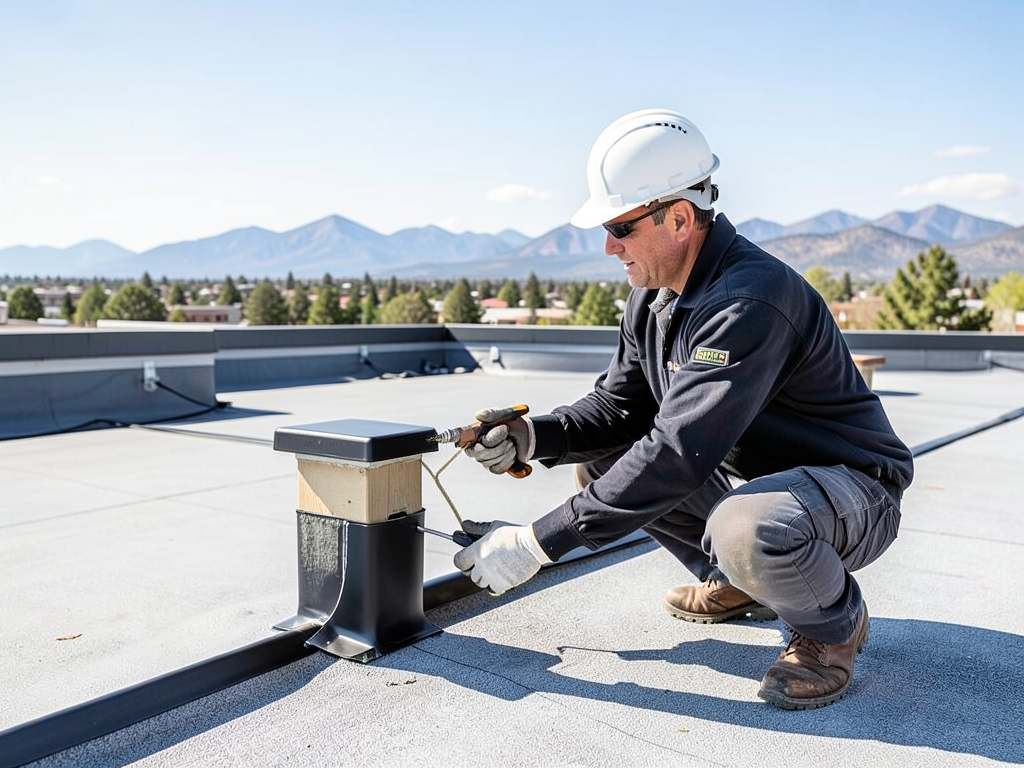
Why Roof Deck Railing Installation in Sloan's Lake Requires Special Attention Installing a railing on your Sloan's Lake roof deck sounds simple until you realize that every post penetration creates a potential leak point. Denver's…
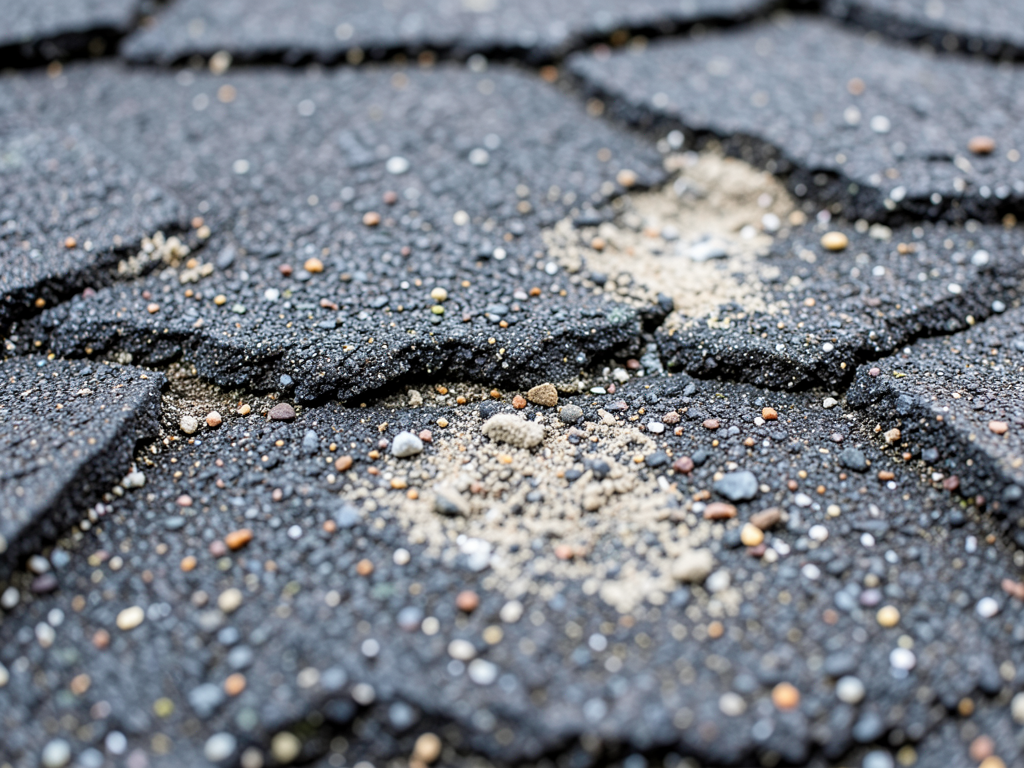
How Fine Dust and Sand from the Eastern Plains Can Grind Down Your Shingles in…
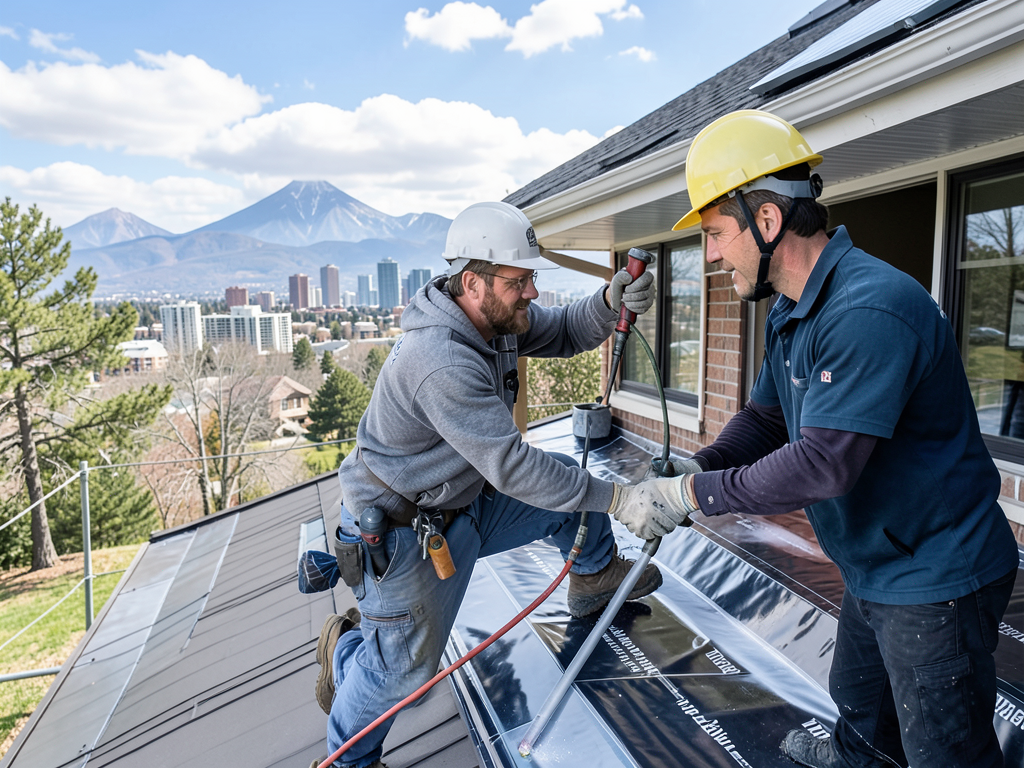
EPDM vs TPO for the Flat Roof on Your Berkeley Kitchen Extension Choosing between EPDM…
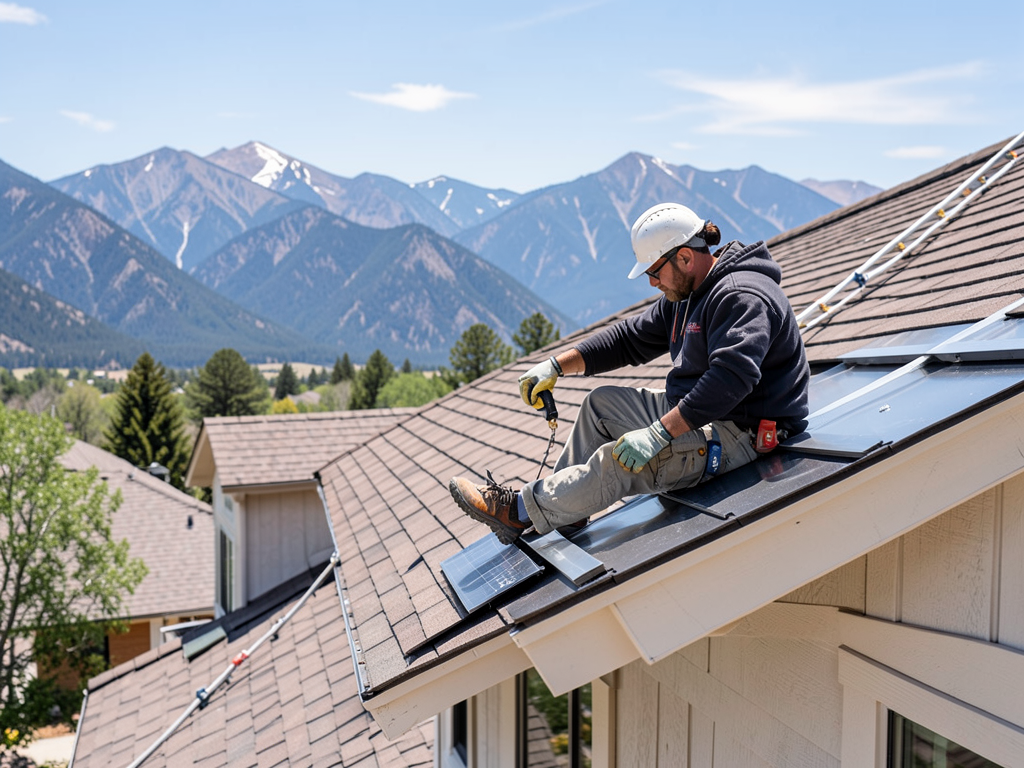
Choosing Roof Vents That Won’t Blow Away During the Next Broomfield Wind Storm Denver’s Front…
Roof problems only get worse with time. Call Apex Roofing Denver now at (720) 484-8300 for fast inspection and repair. We respond to emergencies within hours and schedule standard repairs within 48 hours. Don't wait until a small leak becomes an expensive disaster.