
Denver’s Heavy Snow Loads Can Destroy Standard Gutters
The problem starts with physics. When wet snow accumulates on a sloped roof it forms a cohesive layer that can slide off in large sheets. This sudden release of hundreds of pounds creates what roofers call a ‘roof avalanche.’ These mini-avalanches slam into gutters at high velocity and can tear them completely off the fascia board. In Ken Caryl where many homes sit on steep foothill slopes the risk is even higher. Reliable Gutter Installation for New Builds in Central Park.
Standard gutters are designed to handle water flow not impact loads. A typical half-round gutter can withstand about 10-15 pounds per linear foot of static weight. A sliding snow slab can hit with forces exceeding 50 pounds per foot. That’s why you see so many bent and detached gutters along the Front Range after a heavy storm.. Read more about Why Copper Gutters and Accents Are Making a Comeback in Bow Mar.
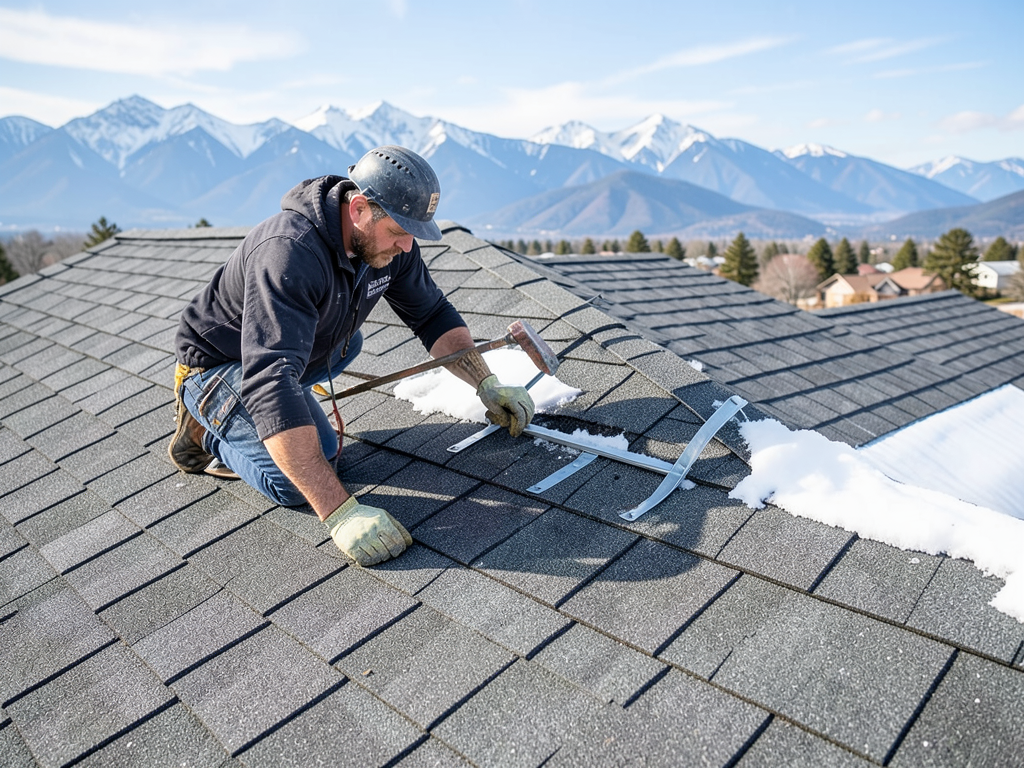
Snow fences or snow guards change this dynamic. These devices are mounted on the roof surface to break up the cohesive snow layer before it can slide. They hold the snow in place allowing it to melt gradually and drain through your existing gutter system. This prevents the sudden impact that destroys gutters and protects your landscaping below.
How Snow Fences Actually Work on Your Roof
Snow fences operate on a simple principle. They create physical barriers that prevent snow from sliding down the roof slope. When installed correctly they hold back the upper layers of snow while allowing the bottom layer to melt and drain normally.
There are two main types. Individual brackets or ‘pad-style’ guards clamp onto individual shingles or tiles. These work well for smaller roofs and lighter snow loads. Continuous rail systems mount across the entire roof surface and handle heavier loads common in Denver’s foothills.
The mounting method matters significantly. Metal roofs use special clamps that grip the standing seams without penetrating the metal. Asphalt shingle roofs require penetration through the shingles into the roof deck. Both methods need proper flashing to prevent leaks. Fixing Flat Roof Leaks in LoHi and Modern Denver Homes.
Placement follows a mathematical formula based on roof pitch and expected snow load. Steeper roofs need more rows of guards. Higher snow load areas need guards spaced closer together. A 12:12 pitch roof in Ken Caryl typically needs three rows of guards versus one row on a 4:12 pitch roof in lower elevations.
The Hidden Cost of Gutter-Only Protection
Homeowners who install only gutters face recurring repair costs. After each major snow event you might need to reattach loose sections. Every few years you’ll likely need to replace damaged sections entirely. These repairs add up quickly. EPA.
Beyond the direct costs there’s the risk of water damage. When gutters detach they often pull away from the fascia board. This creates gaps where water can penetrate the roof edge. Over time this leads to rot in the roof deck and potential interior leaks.
Insurance claims for snow-related gutter damage are common in Denver. Most policies cover the initial damage but not the preventative measures. This means you’re paying for repairs through your premiums while missing the opportunity to prevent the damage entirely.
The cost comparison becomes clear when you look at the numbers. Snow fence installation typically costs 40-60% less than a complete gutter replacement. When you factor in the avoided repair costs over a 10-year period snow fences often pay for themselves in the first heavy winter. How Much a Full Roof Replacement Actually Costs in Denver Right Now.
Denver’s Unique Climate Makes Snow Fences Essential
Denver’s weather pattern creates perfect conditions for snow fence necessity. We get frequent temperature swings that cause freeze-thaw cycles. Snow melts during sunny afternoons then refreezes at night. This cycle makes snow more cohesive and prone to sliding.
The Front Range also experiences what locals call ‘upslope’ snow events. These storms bring heavy wet snow that sticks together more readily than the dry powder found in the mountains. This wet snow creates larger, heavier slabs that can cause more damage when they slide.
South-facing roofs in Ken Caryl face additional challenges. The intense Colorado sun melts the bottom layer of snow while the top stays frozen. This creates an ‘ice dam’ effect that makes the snow even more likely to slide off in one piece.
Local building codes in Jefferson County now recommend snow retention devices for roofs with pitches over 6:12 in areas above 6,000 feet elevation. This includes most of Ken Caryl and the surrounding foothills communities.
Comparing Snow Fences to Gutter Guards
Many homeowners confuse snow fences with gutter guards. These serve completely different purposes. Gutter guards keep leaves and debris out of your gutters. Snow fences prevent snow from sliding off your roof.
Some products combine both functions but they’re not interchangeable. A gutter guard won’t stop a snow avalanche. A snow fence won’t keep your gutters clean.
The installation process differs significantly. Gutter guards mount to the top of your existing gutters. Snow fences mount to your roof surface. You can have both systems on the same house without conflict.
Material choices also vary. Snow fences come in polycarbonate, aluminum, or copper. Gutter guards use mesh, foam, or surface tension designs. The right choice depends on your roof material, snow load, and aesthetic preferences.
Installation Timing and Best Practices
The ideal time to install snow fences is late summer or early fall. This gives you protection before the first heavy snow. Spring installation works but you’ll miss protection for that winter.
Professional installation matters more than with gutters. Snow fence placement requires calculating snow load, roof pitch, and wind exposure. Incorrect spacing leaves gaps where snow can still slide through.
Roof condition affects installation success. If your shingles are near the end of their lifespan the installation process might damage them. In these cases a complete roof replacement with integrated snow retention might make more sense. Industrial Roof Replacement.
Maintenance requirements are minimal. Snow fences need occasional cleaning to remove debris. Check them each fall before snow season. Most systems last 15-20 years with proper installation.
Cost-Benefit Analysis for Ken Caryl Homes
The financial case for snow fences depends on your specific situation. Homes with steep pitches and high snow exposure see the fastest payback. A typical 2,000 square foot home in Ken Caryl might spend $1,500-2,500 on snow fence installation versus $3,000-4,000 for complete gutter replacement.
The avoided costs include gutter repairs, fascia board replacement, and potential water damage repairs. For a home that experiences one major snow event every three years the savings can exceed $5,000 over a decade.
Insurance implications matter too. Some insurers offer premium discounts for homes with proper snow retention. Others might view your home as lower risk for water damage claims.
The aesthetic impact varies by system. Low-profile polycarbonate guards blend with most roof colors. Metal systems can be painted to match your roof or trim. Some homeowners even see them as a design feature that adds visual interest.
Integration with Other Roof Protection Systems
Snow fences work best as part of a complete roof protection system. Heat cables prevent ice dam formation along eaves. Proper attic ventilation maintains consistent roof temperatures. Impact-resistant shingles withstand hail damage.
The interaction between systems matters. Heat cables should run along the bottom edge of snow fences to prevent ice buildup. Ventilation keeps the roof cold to minimize freeze-thaw cycles that make snow more cohesive.. Read more about The Difference Between Synthetic Shake and Real Cedar for Wildfire Prone Areas Like Morrison.
For homes with solar panels snow fences protect both the panels and the roof below. Panels create additional surfaces where snow can accumulate and slide. The fences prevent snow from sliding off the panels and hitting the roof.
Commercial properties in the Denver Tech Center often use integrated systems. These combine snow fences, heat cables, and specialized drainage to protect both the roof and the people below.
Making the Right Choice for Your Property
The decision between snow fences and enhanced gutters depends on several factors. Roof pitch is the biggest determinant. Steeper roofs need snow fences regardless of other considerations.
Expected snow load matters too. Areas above 6,000 feet or with north-facing exposures get more snow accumulation. These locations benefit more from snow fences.
Your home’s architecture influences the choice. Victorian homes with complex roof lines often need snow fences on multiple surfaces. Modern homes with simple roof planes might get by with enhanced gutters.
Budget considerations always matter. Snow fences offer better protection per dollar spent. If your budget allows both systems you get maximum protection.
The best approach is a professional assessment. A qualified roofer can measure your roof pitch, calculate expected snow loads, and recommend the right system for your specific situation.
Frequently Asked Questions
Do snow fences damage my roof during installation?
Professional installation using proper mounting methods does not damage your roof. The mounting brackets penetrate the shingles but include flashing that prevents leaks. The penetration points are sealed with roofing cement or specialized sealants. Roofing Sheridan.
How long does snow fence installation take?
A typical residential installation takes one to two days depending on roof size and complexity. Most installations can be completed in a single day for average sized homes in Ken Caryl.
Will snow fences prevent all snow from sliding off my roof?
Snow fences significantly reduce but don’t completely eliminate snow movement. They break up large slabs into smaller pieces that slide off more gradually. This is actually better than complete prevention because it allows for natural snow shedding without the damaging impact.
Can I install snow fences myself?
DIY installation is possible but not recommended. Proper spacing and mounting require experience to ensure effectiveness. Incorrect installation can create dangerous snow release patterns or fail to prevent sliding entirely.
How do I know if my roof needs snow fences?
Roofs with pitches over 6:12 in areas above 6,000 feet elevation should have snow retention. If you’ve experienced gutter damage from snow sliding off your roof you definitely need snow fences. A professional assessment can determine your specific needs.
Protect Your Ken Caryl Home Before Winter Hits
Denver’s heavy snow loads can destroy standard gutters in a single season. Snow fences prevent these avalanches and protect your home’s exterior. The investment typically pays for itself within three to five years through avoided repairs.
Ken Caryl homes face unique challenges with steep slopes and heavy foothill snow. Don’t wait until you see damage to take action. Fall is the perfect time to install snow retention systems before winter arrives.
Call Apex Roofing Denver today at (720) 484-8300 for a free assessment of your snow retention needs. Our experienced team will evaluate your roof pitch, calculate expected snow loads, and recommend the right protection system for your specific situation. We serve Ken Caryl and all surrounding Denver communities with professional installation and guaranteed results. For more information, visit FEMA.
You may also find this helpful. Why Cottonwood Trees in Washington Park Mean You Need a Specific Gutter Guard Style.
{
“@context”: “https://schema.org”,
“@type”: “BlogPosting”,
“headline”: “Why You Might Want Snow Fences Instead of Just Gutters on Your Ken Caryl Property”,
“description”: “Denver’s heavy snow loads can rip gutters right off your roof. Snow fences prevent avalanches and protect your Ken Caryl home. Learn the facts before winter hits.”,
“wordCount”: 1807,
“datePublished”: “2026-04-14T08:22:00.000Z”,
“dateModified”: “2026-04-14T08:22:00.000Z”,
“inLanguage”: “en-US”,
“mainEntityOfPage”: {
“@type”: “WebPage”,
“@id”: “https://apexroofingdenver.com”
},
“publisher”: {
“@type”: “LocalBusiness”,
“name”: “Apex Roofing Denver”,
“url”: “https://apexroofingdenver.com”
},
“author”: {
“@type”: “Organization”,
“name”: “Apex Roofing Denver”,
“url”: “https://apexroofingdenver.com”
},
“image”: {
“@type”: “ImageObject”,
“url”: “https://apexroofingdenver.com/wp-content/uploads/2026/03/why-you-might-want-snow-fences-instead-of-just-gut-1.png”
}
}
{
“@context”: “https://schema.org”,
“@type”: “RoofingContractor”,
“name”: “Apex Roofing Denver”,
“url”: “https://apexroofingdenver.com”,
“address”: {
“@type”: “PostalAddress”,
“addressLocality”: “Denver”
},
“areaServed”: {
“@type”: “City”,
“name”: “Denver”
}
}
{
“@context”: “https://schema.org”,
“@type”: “FAQPage”,
“mainEntity”: [
{
“@type”: “Question”,
“name”: “Do snow fences damage my roof during installation?”,
“acceptedAnswer”: {
“@type”: “Answer”,
“text”: “Professional installation using proper mounting methods does not damage your roof. The mounting brackets penetrate the shingles but include flashing that prevents leaks. The penetration points are sealed with roofing cement or specialized sealants. Roofing Sheridan.”
}
},
{
“@type”: “Question”,
“name”: “How long does snow fence installation take?”,
“acceptedAnswer”: {
“@type”: “Answer”,
“text”: “A typical residential installation takes one to two days depending on roof size and complexity. Most installations can be completed in a single day for average sized homes in Ken Caryl.”
}
},
{
“@type”: “Question”,
“name”: “Will snow fences prevent all snow from sliding off my roof?”,
“acceptedAnswer”: {
“@type”: “Answer”,
“text”: “Snow fences significantly reduce but don’t completely eliminate snow movement. They break up large slabs into smaller pieces that slide off more gradually. This is actually better than complete prevention because it allows for natural snow shedding without the damaging impact.”
}
},
{
“@type”: “Question”,
“name”: “Can I install snow fences myself?”,
“acceptedAnswer”: {
“@type”: “Answer”,
“text”: “DIY installation is possible but not recommended. Proper spacing and mounting require experience to ensure effectiveness. Incorrect installation can create dangerous snow release patterns or fail to prevent sliding entirely.”
}
},
{
“@type”: “Question”,
“name”: “How do I know if my roof needs snow fences?”,
“acceptedAnswer”: {
“@type”: “Answer”,
“text”: “Roofs with pitches over 6:12 in areas above 6,000 feet elevation should have snow retention. If you’ve experienced gutter damage from snow sliding off your roof you definitely need snow fences. A professional assessment can determine your specific needs.”
}
}
]
}
{
“@context”: “https://schema.org”,
“@type”: “BreadcrumbList”,
“itemListElement”: [
{
“@type”: “ListItem”,
“position”: 1,
“name”: “Home”,
“item”: “https://apexroofingdenver.com”
},
{
“@type”: “ListItem”,
“position”: 2,
“name”: “Blog”,
“item”: “https://apexroofingdenver.com/blog”
},
{
“@type”: “ListItem”,
“position”: 3,
“name”: “Why You Might Want Snow Fences Instead of Just Gutters on Your Ken Caryl Property”
}
]
}
{
“@context”: “https://schema.org”,
“@type”: “Service”,
“serviceType”: “Roofing”,
“provider”: {
“@type”: “LocalBusiness”,
“name”: “Apex Roofing Denver”,
“url”: “https://apexroofingdenver.com”
},
“areaServed”: {
“@type”: “City”,
“name”: “Denver”
},
“description”: “Denver’s heavy snow loads can rip gutters right off your roof. Snow fences prevent avalanches and protect your Ken Caryl home. Learn the facts before winter hits.”
}