
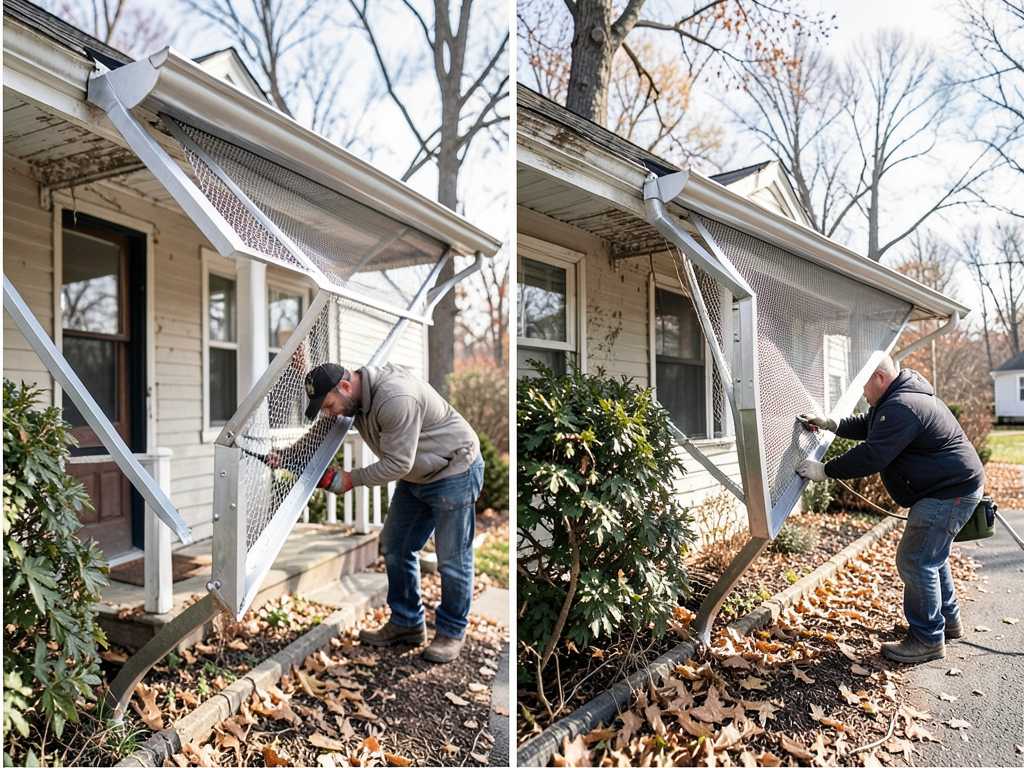
Why Cottonwood Trees in Washington Park Mean You Need a Specific Gutter Guard Style
Cottonwood fluff turns Washington Park gutters into a nightmare every late May and June. The fine, sticky fibers from Populus deltoides trees create a waterproof mat that standard gutter guards cannot handle. This isn’t just about leaves and pine needles. Cottonwood seeds are engineered by nature to stick together and to surfaces, creating a perfect storm for clogged gutters.. Read more about Why Your Denver Gutters are Filled with Sand (and What it Means for Your Shingles).
The problem starts with the seed’s structure. Each cottonwood seed has a tiny central kernel surrounded by long, silky fibers. These fibers are hydrophobic, meaning they repel water. When they land on a standard screen guard, they don’t wash through. Instead, they mat together, creating a dense layer that blocks water flow. This is why homeowners in Wash Park and nearby Platt Park see their gutters overflow even when the guards look clear from the ground.. Read more about The Best Gutter Guards for Dealing with Cottonwood Seeds and Debris in Littleton.
Denver’s climate makes this worse. Our high-altitude UV exposure breaks down plastic guards faster. The rapid freeze-thaw cycles in spring cause expansion and contraction, loosening guard attachments. When cottonwood season hits during our May thunderstorms, the combination of wind, rain, and seed volume creates conditions that overwhelm generic solutions.
Why Cottonwood Seeds are a ‘Gutter Killer’
Cottonwood seeds are uniquely problematic because of their physical properties. The fibers are about 1-2 inches long and extremely fine, measuring just a few thousandths of an inch in diameter. This makes them small enough to penetrate most standard mesh openings. Once inside, they tangle and create a felt-like mat.
The resin content in cottonwood seeds adds another layer of trouble. This natural adhesive helps seeds stick to surfaces and to each other. On a hot Denver afternoon, this resin becomes tacky, creating a glue-like effect that binds seeds to guard surfaces and to each other. This is why you cannot simply brush off a cottonwood clog. The seeds have to be physically removed or dissolved with water pressure.
The matting effect is the real killer. Unlike leaves that break down over time, cottonwood seeds maintain their structure. They create a continuous barrier across the gutter surface. Water cannot penetrate this barrier, so it flows over the gutter edge instead of through it. This leads to foundation damage, landscape erosion, and basement flooding.
Comparison: Micro-Mesh vs. Screen vs. Reverse Curve
Not all gutter guards handle cottonwood equally. Here’s how the main types stack up against the unique challenges of Populus deltoides seeds.
| Guard Type | Aperture Size | Cottonwood Resistance | Best For |
|---|---|---|---|
| Micro-Mesh Stainless Steel | 50 microns | Excellent | Cottonwood, pine needles, roof grit |
| Standard Screen | 1/8 inch | Poor | Large leaves only |
| Reverse Curve | N/A | Very Poor | Rainwater only |
| Foam Inserts | N/A | Poor | Small debris |
Micro-mesh guards use surgical-grade stainless steel with openings around 50 microns. This is small enough to block cottonwood fibers while still allowing water to flow through. The key advantage is that water flows through the mesh via surface tension, not over it. This means even when seeds accumulate on top, water still reaches the gutter below.
Standard screen guards have openings of 1/8 inch or larger. Cottonwood fibers easily pass through these openings and then tangle on the underside. This creates a hidden clog that homeowners cannot see until their gutters overflow.
Reverse curve guards work by directing water around a curved surface while debris falls off the edge. Cottonwood seeds, however, are light enough to be carried by water flow. They stick to the curved surface and build up over time, eventually blocking the water channel.
Foam inserts fit inside the gutter and let water pass through while blocking debris. Cottonwood seeds, however, are small enough to penetrate the foam structure. Once inside, they create a dense mat that water cannot penetrate.
Top 3 Recommended Gutter Guard Brands for Denver
Based on Denver’s specific conditions and cottonwood challenges, these three brands stand out for Washington Park and surrounding neighborhoods.
MasterShield uses a medical-grade stainless steel micro-mesh with a 50-micron aperture. The frame is made from anodized aluminum that withstands Colorado’s UV exposure. The key feature is the patented HydroVortex technology that creates a waterfall effect, pulling water through the mesh even when debris is present. MasterShield offers a lifetime transferable warranty and has specific testing data for cottonwood seed resistance.
LeafFilter features a 275-micron stainless steel mesh. While the opening is larger than MasterShield, it still blocks cottonwood fibers effectively. The company uses a raised screen design that prevents debris from sitting directly on the mesh surface. LeafFilter’s installation includes a complete gutter cleaning and realignment, ensuring proper pitch for optimal water flow during Denver’s intense spring storms.
Gutterglove uses a 316 stainless steel micro-mesh with a 50-micron opening. The 316 grade offers superior corrosion resistance, important for Denver’s variable pH rainwater. Gutterglove’s design includes a raised profile that creates an air gap between debris and the mesh surface. This prevents the matting effect that plagues standard guards during cottonwood season.
Maintenance Tips for Cottonwood Season in Colorado
Even the best gutter guards need attention during cottonwood season. Here’s a Denver-specific maintenance calendar.
| Month | Task | Reason |
|---|---|---|
| Late May | Initial inspection | First seed drop begins |
| Early June | Blow off accumulated seeds | Peak cottonwood season |
| Mid-June | Check for bridging | Seeds mat across guard surface |
| Late June | Final cleaning | Season tapers off |
Bridging occurs when cottonwood seeds accumulate across the top of the guard, creating a continuous mat. This happens even with micro-mesh guards during peak season. The weight of accumulated seeds can cause slight sagging, creating low spots where water pools instead of flowing to downspouts.
Use a leaf blower on low speed to remove surface seeds. High pressure can force seeds through the mesh or damage guard attachments. Work from the downspout end toward the opposite end to prevent pushing debris into downspout openings.
Check for proper water flow during a rainstorm. If you see water overshooting the gutter at the downspout end, your gutters may have settled and need re-pitching. This is common in older Wash Park homes with aging fascia boards.
Professional Installation vs. DIY
Gutter guard installation for cottonwood-heavy areas requires specific expertise. Here’s what separates professional work from DIY attempts.
Professional installers understand gutter pitch requirements. For optimal cottonwood management, gutters need a minimum 1/4 inch decline per 10 feet toward downspouts. This pitch ensures seeds and debris slide toward downspouts rather than accumulating in low spots.
Attachment methods matter. Denver’s temperature swings cause expansion and contraction. Professional installations use brackets that allow for thermal movement while maintaining a secure fit. DIY installations often use simple clips that work loose over time.
Seam alignment is critical. Where gutter sections join, there’s a natural low point that collects debris. Professionals overlap sections correctly and seal joints to prevent water from being trapped in these areas.
Roof penetration points need special attention. Where vents, chimneys, or roof valleys meet the gutter, seeds collect in these natural collection points. Professional installers add extra mesh coverage or diverters in these areas.
Understanding Gutter Pitch and Water Volume
Denver’s spring thunderstorms create intense water volume in short periods. A typical 1-inch rainstorm on a 1,500-square-foot roof produces about 1,000 gallons of water. Your gutter system must handle this volume while managing cottonwood debris.
Standard 5-inch gutters can handle about 1.2 gallons per linear foot per minute of rain at maximum capacity. During Colorado’s intense thunderstorms, rainfall rates can exceed 3 inches per hour. This creates a volume problem that requires both adequate gutter size and proper downspout capacity.
5-inch vs. 6-inch gutters: Homes in Washington Park with large roof areas or steep pitches often need 6-inch gutters for adequate capacity. The extra inch provides 40% more water handling capacity. This becomes critical when cottonwood debris reduces effective gutter area by 20-30%.
Downspout sizing: A 2×3-inch downspout handles about 600 square feet of roof area in a 1-inch rainstorm. For larger roofs, 3×4-inch downspouts are necessary. During cottonwood season, consider adding extra downspouts to prevent backup.
[EPA WaterSense Guidelines] recommend proper drainage to prevent foundation damage. Clogged gutters with cottonwood debris can direct hundreds of gallons of water against your foundation during a single storm.
Local Denver Case Studies
Homeowners in Washington Park report dramatically different results based on guard selection. One homeowner on South Gaylord Street installed standard screen guards in 2019. By 2021, they experienced three basement floods during heavy spring rains. The issue wasn’t guard failure but cottonwood matting that created a continuous barrier across their entire gutter system.
Another homeowner on Virginia Avenue chose micro-mesh guards and reported zero issues through three cottonwood seasons. The key difference was the 50-micron aperture that blocked seed fibers while maintaining water flow. Their neighbors with older guards still battle seasonal overflows.
Commercial properties in the I-25 corridor face similar challenges. A medical building near University Boulevard installed reverse curve guards in 2017. The property manager reports quarterly maintenance costs averaging $800 annually just to clear cottonwood buildup from the curved surfaces.
New construction in Central Park often includes micro-mesh guards as standard equipment, recognizing the long-term maintenance costs of inferior systems.
The Cost Factor
Quality micro-mesh gutter guards represent a significant investment, typically $15-25 per linear foot installed. For an average Washington Park home with 200 linear feet of guttering, this means $3,000-5,000 for complete protection.
However, consider the alternative. Standard guards at $5-8 per foot seem economical until you factor in annual cleaning costs of $200-400. Over five years, the total cost approaches that of quality micro-mesh guards, without solving the cottonwood problem.
Insurance implications matter too. Some Denver insurers offer premium discounts for homes with documented gutter protection systems, recognizing the reduced risk of water damage claims.
Making the Right Choice for Your Home
The decision comes down to your specific situation. If you live in a high-cottonwood area like Washington Park, Platt Park, or Observatory Park, and you’re tired of seasonal gutter cleaning, micro-mesh guards offer the best long-term solution.
Consider your roof’s pitch and size. Steeper roofs shed debris more effectively but also move it faster toward gutters. Larger roofs generate more water volume, requiring more robust systems.
Think about your comfort with maintenance. Even the best guards need occasional attention during cottonwood season. If you’re not comfortable working on ladders, factor in professional maintenance costs.
Your home’s architecture matters too. Historic Wash Park homes often have complex roof lines with multiple valleys and transitions. These create natural collection points for cottonwood seeds that require special attention during installation.
Frequently Asked Questions
Do gutter guards completely eliminate the need for cleaning?
No guard eliminates all maintenance. Micro-mesh guards reduce cleaning frequency from 3-4 times yearly to once or twice, typically after cottonwood season and in fall.
How long do quality gutter guards last in Denver’s climate?
Quality stainless steel micro-mesh guards last 20-25 years. The UV exposure and freeze-thaw cycles that damage plastic components have minimal effect on surgical-grade stainless steel.
Can I install gutter guards myself?
DIY installation is possible but challenging. Proper pitch, secure attachment, and correct sealing require experience. Professional installation includes warranty coverage and ensures optimal performance.
Ready to Solve Your Cottonwood Gutter Problems?
Cottonwood season in Washington Park doesn’t have to mean flooded basements and constant gutter cleaning. The right gutter guard system handles the unique challenges of Populus deltoides seeds while standing up to Denver’s harsh climate.
Apex Roofing Denver has installed micro-mesh gutter protection systems throughout Washington Park, Platt Park, and surrounding neighborhoods. We understand the specific challenges these older Denver homes face and offer solutions backed by our local expertise. Roofing Sheridan.
Don’t wait for the next heavy rain to discover your gutters can’t handle the cottonwood load. Call us today at (720) 484-8300 for a free assessment of your gutter protection needs. We’ll evaluate your current system, recommend the best solution for your home, and provide clear pricing with no high-pressure sales tactics.
Your home deserves protection that works when Denver’s cottonwoods are at their worst. Let’s make sure your gutters are ready for whatever nature throws at them.
You may also find this helpful. Why a Pre-Listing Roof Inspection is the Secret to Closing Your Wash Park Home Sale Faster.
{
“@context”: “https://schema.org”,
“@type”: “BlogPosting”,
“headline”: “Why Cottonwood Trees in Washington Park Mean You Need a Specific Gutter Guard Style”,
“description”: “Denver’s cottonwood trees create unique gutter problems. Learn why micro-mesh guards outperform standard options for Washington Park homes.”,
“wordCount”: 1999,
“datePublished”: “2026-06-04T15:47:00.000Z”,
“dateModified”: “2026-06-04T15:47:00.000Z”,
“inLanguage”: “en-US”,
“mainEntityOfPage”: {
“@type”: “WebPage”,
“@id”: “https://apexroofingdenver.com”
},
“publisher”: {
“@type”: “LocalBusiness”,
“name”: “Apex Roofing Denver”,
“url”: “https://apexroofingdenver.com”
},
“author”: {
“@type”: “Organization”,
“name”: “Apex Roofing Denver”,
“url”: “https://apexroofingdenver.com”
},
“image”: {
“@type”: “ImageObject”,
“url”: “https://apexroofingdenver.com/wp-content/uploads/2026/03/why-cottonwood-trees-in-washington-park-mean-you-n-1.png”
}
}
{
“@context”: “https://schema.org”,
“@type”: “RoofingContractor”,
“name”: “Apex Roofing Denver”,
“url”: “https://apexroofingdenver.com”,
“address”: {
“@type”: “PostalAddress”,
“addressLocality”: “Denver”
},
“areaServed”: {
“@type”: “City”,
“name”: “Denver”
}
}
{
“@context”: “https://schema.org”,
“@type”: “FAQPage”,
“mainEntity”: [
{
“@type”: “Question”,
“name”: “Do gutter guards completely eliminate the need for cleaning?”,
“acceptedAnswer”: {
“@type”: “Answer”,
“text”: “No guard eliminates all maintenance. Micro-mesh guards reduce cleaning frequency from 3-4 times yearly to once or twice, typically after cottonwood season and in fall.”
}
},
{
“@type”: “Question”,
“name”: “How long do quality gutter guards last in Denver’s climate?”,
“acceptedAnswer”: {
“@type”: “Answer”,
“text”: “Quality stainless steel micro-mesh guards last 20-25 years. The UV exposure and freeze-thaw cycles that damage plastic components have minimal effect on surgical-grade stainless steel.”
}
},
{
“@type”: “Question”,
“name”: “Can I install gutter guards myself?”,
“acceptedAnswer”: {
“@type”: “Answer”,
“text”: “DIY installation is possible but challenging. Proper pitch, secure attachment, and correct sealing require experience. Professional installation includes warranty coverage and ensures optimal performance.”
}
},
{
“@type”: “Question”,
“name”: “Ready to Solve Your Cottonwood Gutter Problems?”,
“acceptedAnswer”: {
“@type”: “Answer”,
“text”: “Cottonwood season in Washington Park doesn’t have to mean flooded basements and constant gutter cleaning. The right gutter guard system handles the unique challenges of Populus deltoides seeds while standing up to Denver’s harsh climate.”
}
}
]
}
{
“@context”: “https://schema.org”,
“@type”: “BreadcrumbList”,
“itemListElement”: [
{
“@type”: “ListItem”,
“position”: 1,
“name”: “Home”,
“item”: “https://apexroofingdenver.com”
},
{
“@type”: “ListItem”,
“position”: 2,
“name”: “Blog”,
“item”: “https://apexroofingdenver.com/blog”
},
{
“@type”: “ListItem”,
“position”: 3,
“name”: “Why Cottonwood Trees in Washington Park Mean You Need a Specific Gutter Guard Style”
}
]
}
{
“@context”: “https://schema.org”,
“@type”: “Service”,
“serviceType”: “Roofing”,
“provider”: {
“@type”: “LocalBusiness”,
“name”: “Apex Roofing Denver”,
“url”: “https://apexroofingdenver.com”
},
“areaServed”: {
“@type”: “City”,
“name”: “Denver”
},
“description”: “Denver’s cottonwood trees create unique gutter problems. Learn why micro-mesh guards outperform standard options for Washington Park homes.”
}