
The Best Gutter Guards for Dealing with Cottonwood Seeds and Debris in Littleton
Every May and June in Littleton homeowners face a unique challenge. Cottonwood trees release their fluffy seeds creating what locals call a “cottonwood snowstorm.” These lightweight fibers travel for miles and clog standard gutter systems. Unlike leaves or pine needles cottonwood fluff has a sticky resin that binds to itself and other debris. This creates dense mats that trap water and cause overflow damage to fascia and soffits. Reliable Gutter Installation for New Builds in Central Park.
The problem is worse near the South Platte River where cottonwoods thrive. Homes in neighborhoods like Roxborough and Bow Mar often experience severe clogging. Traditional screens and foam inserts fail because the fibers slip through large openings or get trapped inside. The result is constant cleaning and potential water damage to foundations and landscaping.
Why Most Gutter Guards Fail Against Cottonwood Seeds
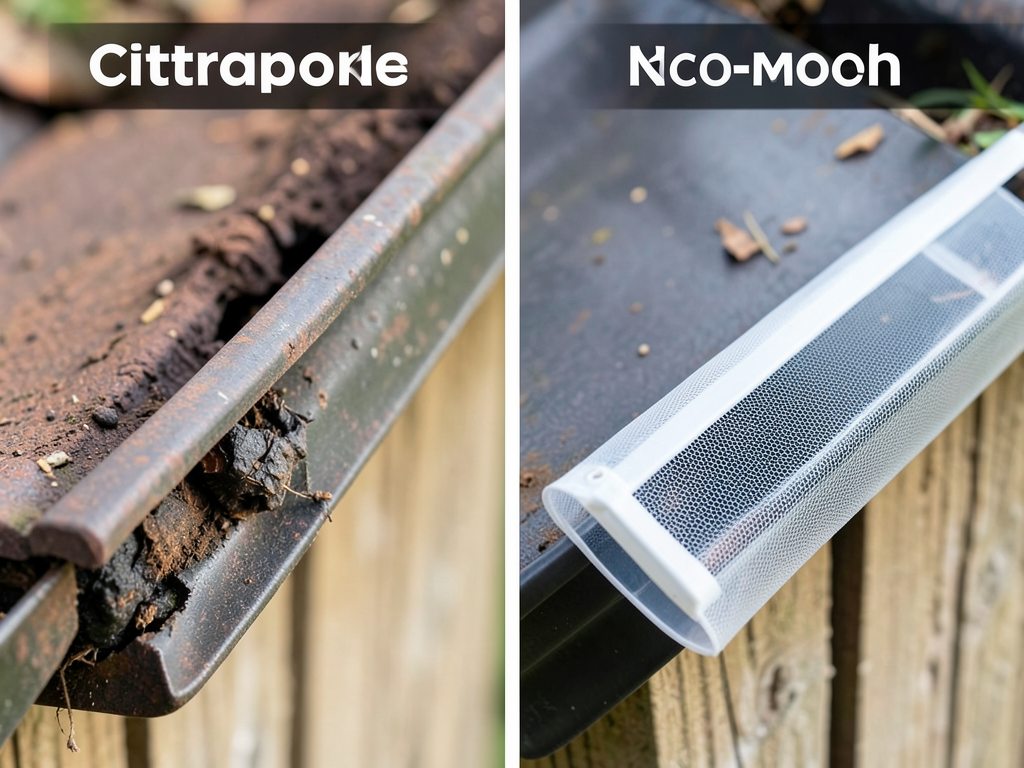
Standard gutter guards use large mesh or perforated metal. These work for leaves but fail against cottonwood fluff. The fibers are only 10 to 20 microns wide. Standard mesh openings of 1/4 inch or larger let them pass through. Once inside the fibers combine with pollen and dust creating a cement-like substance. Metal Roofing Alliance.
Foam inserts face similar problems. The open-cell structure traps seeds and creates a breeding ground for mold. Over time the foam breaks down and releases particles that further clog downspouts. Vinyl guards warp in Colorado’s intense UV exposure making gaps that admit debris. Colorado Division of Fire Prevention.
Screen-style guards with raised surfaces seem promising but fail in heavy rain. Water flows over the edge carrying seeds with it. The surface tension effect means seeds stick to wet surfaces rather than washing away. This creates a secondary clog along the roof edge.
Top Recommendation: Micro-Mesh Stainless Steel
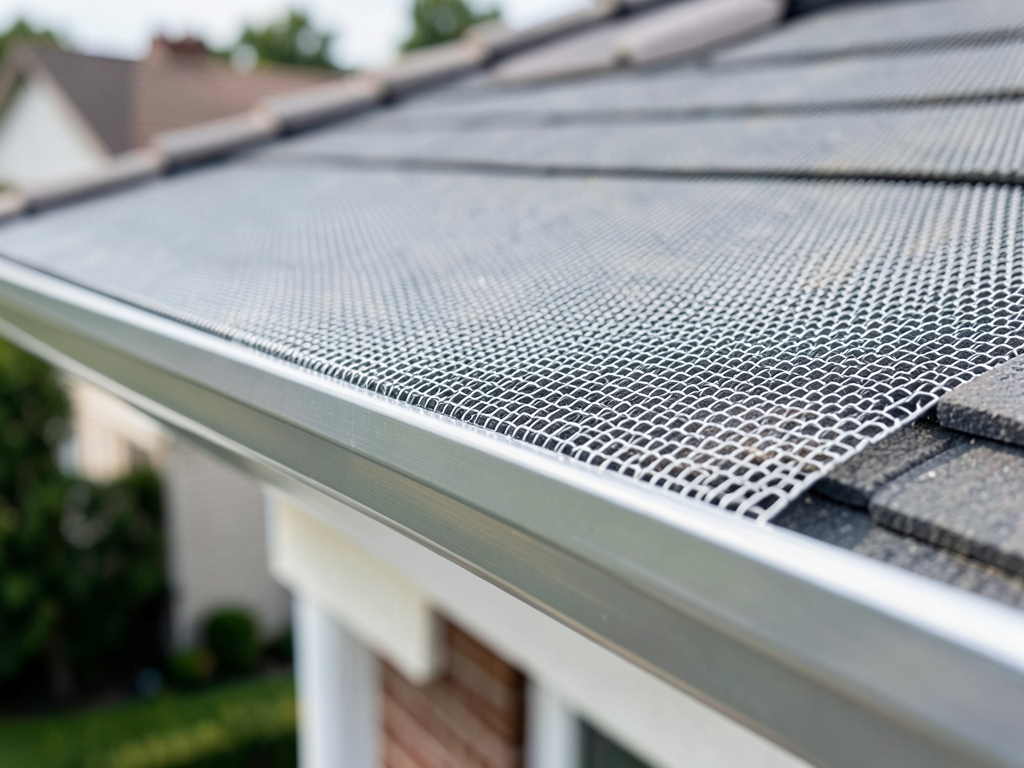
The only proven solution uses micro-mesh stainless steel with openings smaller than 100 microns. This size blocks cottonwood fibers while allowing water to flow through. The fine mesh uses surface tension to draw water through while rejecting solid particles.
Quality micro-mesh guards feature surgical-grade stainless steel. This resists UV damage and maintains structural integrity for decades. The mesh attaches to a rigid frame that prevents sagging. Some designs include a raised front edge to handle heavy rain without overshoot.. Read more about How to Hang Holiday Lights on Your Roof Without Damaging the Shingles or Gutters.
Installation matters as much as the product. Professional installation ensures proper pitch alignment with existing gutters. This prevents water pooling and ice dam formation in winter. Contractors also seal end caps and corners to eliminate entry points for seeds.
Local Case Study: Denver Neighborhood Installation
A recent installation in the University Hills area demonstrates the effectiveness. The neighborhood borders Harvard Gulch where cottonwoods line the waterway. The homeowner experienced monthly gutter cleaning before installation.
The contractor installed micro-mesh guards with 50-micron openings. After one cottonwood season the gutters remained clear. Water flowed freely through the mesh even during heavy May rains. The homeowner saved approximately $300 in cleaning costs during the first year.
The guards also improved wildfire safety. Dry cottonwood fluff trapped in gutters creates tinder for embers. The sealed system eliminated this hazard. Insurance companies in Colorado increasingly recognize this benefit for homes in wildland-urban interface areas.
Cost vs. Maintenance in the Front Range
Professional micro-mesh installation costs between $15 and $25 per linear foot in the Denver area. This includes removal of existing guards and cleaning. The investment pays for itself in 3 to 5 years through reduced cleaning costs and prevented water damage.
DIY options exist but often underperform. Retail plastic guards cost $3 to $8 per foot but require replacement every 2 to 3 years. The labor of annual cleaning and replacement adds hidden costs. Professional systems include lifetime warranties on materials and 10-year installation guarantees. How Much a Full Roof Replacement Actually Costs in Denver Right Now.
Maintenance requirements differ by system. Micro-mesh needs annual inspection but rarely requires cleaning. Standard guards need quarterly cleaning in cottonwood-heavy areas. The time savings adds up to approximately 6 hours per year for an average home.
Choosing the Right System for Your Home
Several factors determine the best guard for your situation. Homes near cottonwood stands need finer mesh. Properties with steep roof pitches require guards with higher flow capacity. Older homes may need fascia reinforcement before installation.
Climate considerations matter in Colorado. Guards must withstand freeze-thaw cycles without cracking. UV resistance prevents material breakdown. Proper pitch prevents ice dam formation in shaded areas.
Aesthetics play a role for many homeowners. Quality micro-mesh systems sit flush with existing gutters creating a low-profile appearance. Color options match common gutter materials. The best systems remain invisible from ground level.
Seasonal Maintenance Schedule
Even with quality guards some maintenance helps ensure optimal performance. Schedule inspections in early spring before cottonwood season. Check for damage from winter storms. Clean any debris that accumulated during fall.
After cottonwood season in June inspect guards for seed accumulation. Use a garden hose to flush the system. Check downspouts for proper flow. Address any issues before summer thunderstorms.
Fall brings leaf drop that can combine with remaining cottonwood debris. A final cleaning in November prepares systems for winter. This prevents ice dam formation and spring drainage problems.
Environmental Impact and Sustainability
Quality gutter guards contribute to environmental sustainability. They reduce water pollution by preventing debris from entering storm drains. Clean water flows to gardens and landscaping rather than carrying contaminants to waterways.
The guards also support rainwater harvesting systems. Many Colorado homeowners collect rainwater for irrigation. Clean gutters provide better quality water for these systems. The micro-mesh prevents contamination that could clog filters or pumps.
Material selection impacts environmental footprint. Stainless steel guards last 20 to 30 years reducing landfill waste. Many manufacturers use recycled content in production. The long lifespan offsets manufacturing impacts.
Professional Installation vs. DIY
Professional installation offers several advantages. Contractors understand local building codes and permit requirements. They ensure proper pitch and alignment. Professional systems include comprehensive warranties.
DIY installation saves upfront costs but introduces risks. Improper pitch causes water pooling and overflow. Incorrect fasteners damage existing gutters. Voided warranties leave homeowners without protection.
Professional contractors also provide valuable expertise. They identify underlying issues like sagging gutters or damaged fascia. They recommend solutions based on specific tree coverage and roof configuration. This diagnostic approach prevents future problems.
Fire Safety Considerations
Colorado’s wildfire risk makes gutter maintenance critical. Dry cottonwood fluff acts as tinder for wind-blown embers. Homes with clogged gutters face significantly higher fire risk. Quality guards eliminate this hazard.
The State of Colorado Division of Fire Prevention provides guidelines for creating defensible space. Clean gutters are part of this strategy. Some insurance companies offer premium discounts for homes with fire-resistant gutter systems.
Metal guards provide additional protection. Unlike vinyl they do not melt or ignite from radiant heat. The non-combustible nature adds a layer of safety during wildfire season.
Cost Comparison Table
| Guard Type | Cost per Foot | Lifespan | Maintenance |
|---|---|---|---|
| Foam Inserts | $3 – $5 | 2 – 3 years | Quarterly cleaning |
| Plastic Screens | $4 – $8 | 3 – 5 years | Quarterly cleaning |
| Standard Metal | $8 – $12 | 5 – 10 years | Semi-annual cleaning |
| Micro-Mesh Stainless | $15 – $25 | 20 – 30 years | Annual inspection |
Installation Timeline
| Step | Time Required | Notes |
|---|---|---|
| Site Assessment | 1 – 2 hours | Measure gutters and identify issues |
| Product Selection | 30 minutes | Choose appropriate guard system |
| Preparation | 2 – 3 hours | Remove old guards and clean gutters |
| Installation | 4 – 6 hours | Install new guards and seal joints |
| Final Inspection | 1 hour | Check for proper function |
Frequently Asked Questions
Do micro-mesh guards work in heavy rain?
Yes. Quality micro-mesh systems handle rain rates exceeding 20 inches per hour. The fine openings use surface tension to draw water through while rejecting debris. Proper installation ensures no water overshoot.
Can I install guards myself?
DIY installation is possible but challenging. Proper pitch alignment and secure fastening require experience. DIY systems often void manufacturer warranties. Professional installation ensures optimal performance and includes warranty protection.
How long does installation take?
Most homes require 4 to 6 hours for complete installation. This includes removal of existing guards, gutter cleaning, and installation of new guards. Larger homes or those with complex rooflines may require additional time.
Will guards eliminate all gutter cleaning?
Quality micro-mesh guards reduce cleaning to annual inspection in most cases. Some homes near heavy tree coverage may need occasional flushing. The time savings compared to quarterly cleaning is substantial.
Are guards worth the investment?
For homes in cottonwood-heavy areas guards typically pay for themselves in 3 to 5 years through reduced cleaning costs and prevented water damage. The added benefits of fire protection and reduced maintenance make them a worthwhile investment.
Stop fighting cottonwood seeds every spring. Quality micro-mesh gutter guards provide permanent protection for your Littleton home. Our team understands the unique challenges of Colorado’s Front Range climate and can recommend the right solution for your specific situation.
Call Apex Roofing Denver today at (720) 484-8300 for a free assessment. We serve Littleton and surrounding communities including Highlands Ranch and Centennial. Protect your home from water damage and reduce maintenance with professional gutter guard installation. Getting Your Highlands Ranch Roof Replaced After a Major Hail Storm.
Don’t wait until next cottonwood season. Schedule your consultation now and take the first step toward maintenance-free gutters.
{
“@context”: “https://schema.org”,
“@type”: “BlogPosting”,
“headline”: “The Best Gutter Guards for Dealing with Cottonwood Seeds and Debris in Littleton”,
“description”: “Learn which gutter guards work best against cottonwood seeds in Littleton. Compare micro-mesh systems and find local installation options.”,
“wordCount”: 1552,
“datePublished”: “2026-05-27T09:56:00.000Z”,
“dateModified”: “2026-05-27T09:56:00.000Z”,
“inLanguage”: “en-US”,
“mainEntityOfPage”: {
“@type”: “WebPage”,
“@id”: “https://apexroofingdenver.com”
},
“publisher”: {
“@type”: “LocalBusiness”,
“name”: “Apex Roofing Denver”,
“url”: “https://apexroofingdenver.com”
},
“author”: {
“@type”: “Organization”,
“name”: “Apex Roofing Denver”,
“url”: “https://apexroofingdenver.com”
},
“image”: {
“@type”: “ImageObject”,
“url”: “https://apexroofingdenver.com/wp-content/uploads/2026/03/the-best-gutter-guards-for-dealing-with-cottonwood-1.png”
}
}
{
“@context”: “https://schema.org”,
“@type”: “RoofingContractor”,
“name”: “Apex Roofing Denver”,
“url”: “https://apexroofingdenver.com”,
“address”: {
“@type”: “PostalAddress”,
“addressLocality”: “Denver”
},
“areaServed”: {
“@type”: “City”,
“name”: “Denver”
}
}
{
“@context”: “https://schema.org”,
“@type”: “FAQPage”,
“mainEntity”: [
{
“@type”: “Question”,
“name”: “Do micro-mesh guards work in heavy rain?”,
“acceptedAnswer”: {
“@type”: “Answer”,
“text”: “Yes. Quality micro-mesh systems handle rain rates exceeding 20 inches per hour. The fine openings use surface tension to draw water through while rejecting debris. Proper installation ensures no water overshoot.”
}
},
{
“@type”: “Question”,
“name”: “Can I install guards myself?”,
“acceptedAnswer”: {
“@type”: “Answer”,
“text”: “DIY installation is possible but challenging. Proper pitch alignment and secure fastening require experience. DIY systems often void manufacturer warranties. Professional installation ensures optimal performance and includes warranty protection.”
}
},
{
“@type”: “Question”,
“name”: “How long does installation take?”,
“acceptedAnswer”: {
“@type”: “Answer”,
“text”: “Most homes require 4 to 6 hours for complete installation. This includes removal of existing guards, gutter cleaning, and installation of new guards. Larger homes or those with complex rooflines may require additional time.”
}
},
{
“@type”: “Question”,
“name”: “Will guards eliminate all gutter cleaning?”,
“acceptedAnswer”: {
“@type”: “Answer”,
“text”: “Quality micro-mesh guards reduce cleaning to annual inspection in most cases. Some homes near heavy tree coverage may need occasional flushing. The time savings compared to quarterly cleaning is substantial.”
}
},
{
“@type”: “Question”,
“name”: “Are guards worth the investment?”,
“acceptedAnswer”: {
“@type”: “Answer”,
“text”: “For homes in cottonwood-heavy areas guards typically pay for themselves in 3 to 5 years through reduced cleaning costs and prevented water damage. The added benefits of fire protection and reduced maintenance make them a worthwhile investment.”
}
}
]
}
{
“@context”: “https://schema.org”,
“@type”: “BreadcrumbList”,
“itemListElement”: [
{
“@type”: “ListItem”,
“position”: 1,
“name”: “Home”,
“item”: “https://apexroofingdenver.com”
},
{
“@type”: “ListItem”,
“position”: 2,
“name”: “Blog”,
“item”: “https://apexroofingdenver.com/blog”
},
{
“@type”: “ListItem”,
“position”: 3,
“name”: “The Best Gutter Guards for Dealing with Cottonwood Seeds and Debris in Littleton”
}
]
}
{
“@context”: “https://schema.org”,
“@type”: “Service”,
“serviceType”: “Roofing”,
“provider”: {
“@type”: “LocalBusiness”,
“name”: “Apex Roofing Denver”,
“url”: “https://apexroofingdenver.com”
},
“areaServed”: {
“@type”: “City”,
“name”: “Denver”
},
“description”: “Learn which gutter guards work best against cottonwood seeds in Littleton. Compare micro-mesh systems and find local installation options.”
}