
Why the Intense Colorado Sun Wears Down Shingles Faster Than You Think
Denver’s 5,280-foot elevation creates a unique challenge for your roof that most homeowners never consider. The thinner atmosphere at high altitude means more ultraviolet radiation reaches your shingles each day. This extra UV exposure accelerates the breakdown of asphalt materials causing premature aging that shows up as curling edges granule loss and brittleness years before the manufacturer’s warranty expires.. Read more about Why Your Denver Gutters are Filled with Sand (and What it Means for Your Shingles).
The Mile High Threat: Why Denver UV is Harder on Roofs
Every 1,000 feet of elevation increases UV intensity by approximately 4-5 percent. For Denver that means your roof receives about 20 percent more UV radiation than a home at sea level. This extra exposure speeds up the photo-oxidation process where UV rays break down the chemical bonds in asphalt. The result is faster oil evaporation from your shingles making them dry out and become brittle much sooner than expected.
Denver’s climate compounds this problem. The city experiences over 300 days of sunshine annually creating constant UV bombardment. When combined with rapid temperature swings that can see 40-degree changes in a single day the thermal cycling puts additional stress on already weakened shingles. This combination of high UV and extreme temperature variation is why many Denver roofs show significant wear after just 12-15 years even when using quality materials.. Read more about The Best Roofing Materials for New Home Builds in the Painted Prairie Neighborhood.
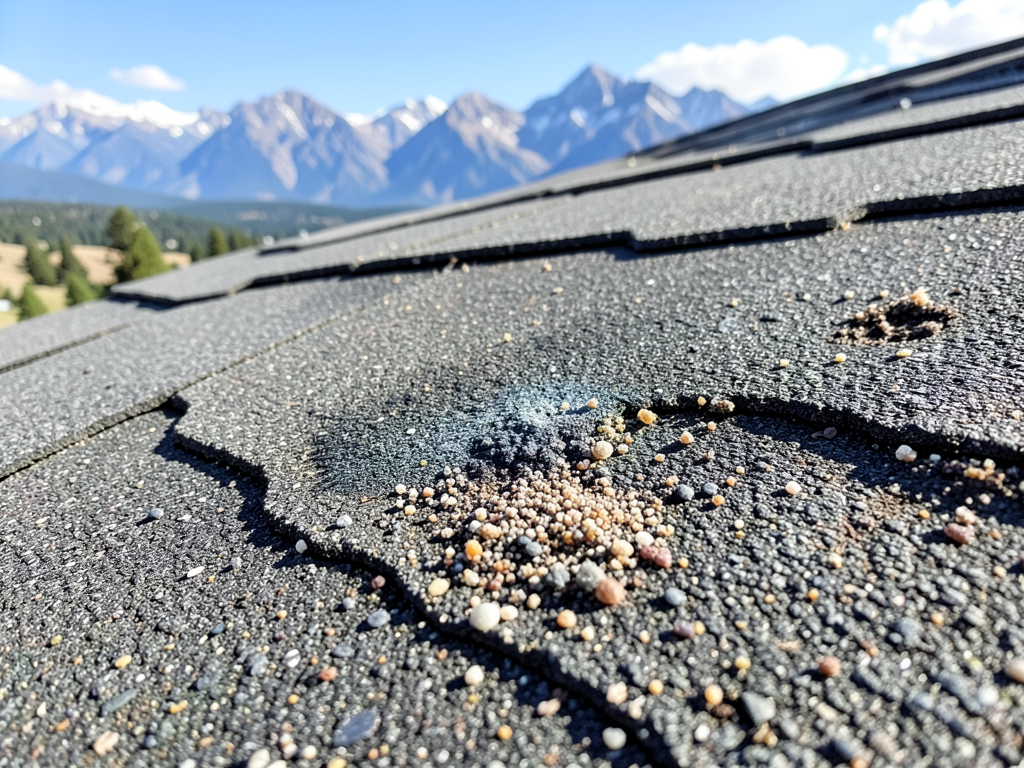
Signs of UV Damage (Photo Guide)
UV damage often goes unnoticed until it becomes severe. Here are the key warning signs to watch for:
- Granule loss – Shingles appear patchy with bald spots where protective granules have worn away exposing the asphalt underneath
- Curling and warping – Edges lift or curl upward as the shingle loses flexibility from oil depletion
- Bleaching – Colors fade significantly especially on south-facing slopes that receive the most direct sunlight
- Crazing – Fine cracks appear across the shingle surface resembling alligator skin
- Grit in gutters – Finding excessive granules in your downspouts indicates advanced wear
The Science of Photodegradation
Asphalt shingles rely on a complex mixture of bitumen oils and mineral fillers to maintain flexibility and weather resistance. When UV radiation strikes these materials it triggers photo-oxidation a chemical reaction that breaks molecular bonds. This process evaporates the essential oils that keep shingles pliable. As these oils escape the asphalt becomes increasingly rigid and prone to cracking.
The protective granules on shingle surfaces serve as the first line of defense against UV damage. These ceramic-coated rock particles reflect sunlight and absorb UV radiation before it reaches the asphalt layer underneath. However constant exposure gradually wears these granules away through wind rain and thermal expansion. Once the granule layer thins significantly UV rays penetrate directly to the asphalt accelerating deterioration.
Denver’s high UV index means this protective layer erodes much faster than in lower elevation areas. A shingle that might last 20 years near sea level may only maintain its integrity for 12-15 years in the Denver metro area. This accelerated timeline catches many homeowners by surprise when they notice widespread cracking and curling on roofs that seem relatively new.
Thermal Shock vs. UV Damage
Many Denver homeowners confuse thermal shock damage with UV-related deterioration. While both are common in the area they affect your roof differently. UV damage is a gradual chemical breakdown that weakens the entire shingle structure over time. Thermal shock occurs when rapid temperature changes cause immediate physical stress.
Denver’s famous temperature swings create conditions where shingles expand during hot sunny afternoons then contract rapidly when temperatures drop at night. This constant expansion and contraction causes stress at the shingle edges and nail points. When combined with UV-weakened materials this thermal cycling accelerates cracking and separation. EPA cool roof information.
The key difference is timing. UV damage accumulates slowly over years making shingles progressively more brittle. Thermal shock creates immediate visible effects like splitting and buckling often within a single season. Most Denver roofs experience both forms of stress simultaneously creating a compounding effect that dramatically shortens overall lifespan.
Long-Term Solutions and Maintenance
Protecting your roof from Denver’s intense sun requires a multi-faceted approach. Start with material selection. Modern cool roof shingles incorporate reflective granules that bounce more UV radiation away from your home. These products can reduce heat absorption by 20-30 percent compared to traditional shingles. Several manufacturers now offer lines specifically engineered for high-altitude UV resistance.. Read more about How to Choose the Right Modern Farmhouse Roofing Materials for Your Wheat Ridge Remodel.
Ventilation plays a crucial role in managing heat buildup. Proper attic ventilation allows hot air to escape preventing the underside of your roof deck from reaching extreme temperatures. This reduces the thermal stress on shingles and helps maintain more consistent temperatures across your roof surface. Ridge vents paired with soffit intake vents create the most effective airflow patterns.
Regular maintenance extends shingle life significantly. Annual inspections can catch early signs of UV damage before they become major problems. Cleaning your roof removes debris that traps heat and moisture. Promptly replacing damaged shingles prevents water infiltration that accelerates deterioration of surrounding materials.
Professional Inspection: When to Call a Denver Roofer
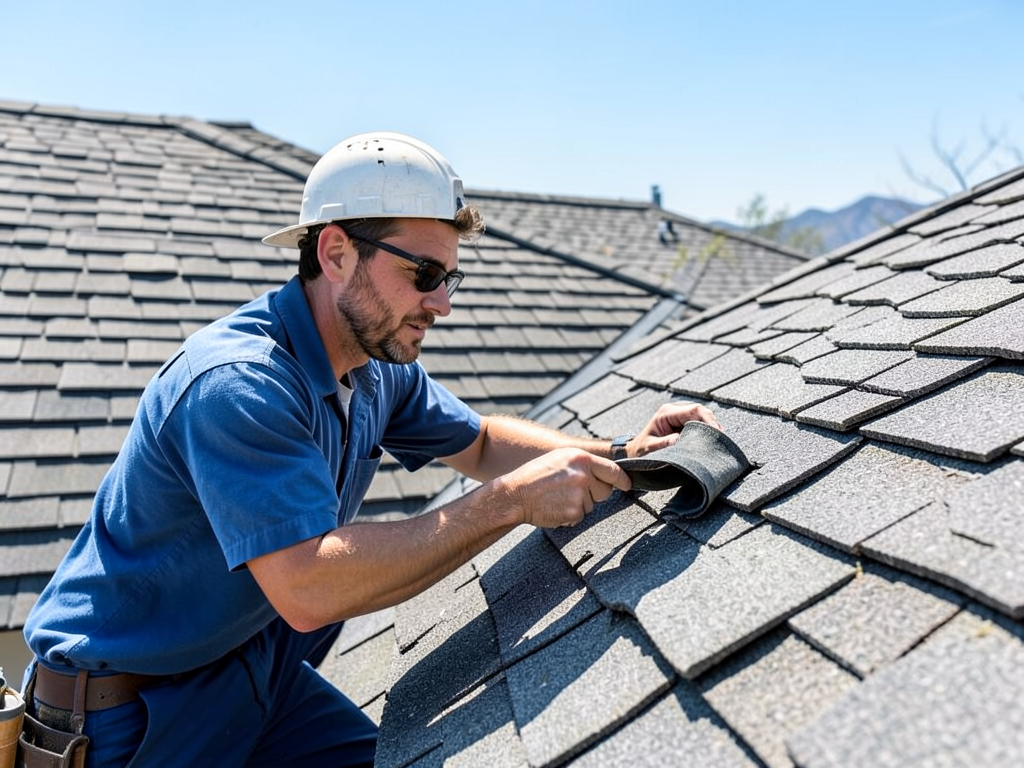
Knowing when to call a professional can save you thousands in premature replacement costs. Schedule an inspection if you notice any of these warning signs: How Much a Full Roof Replacement Actually Costs in Denver Right Now.
- Visible granule loss covering more than 10 percent of your roof surface
- Curling or buckling on multiple shingles particularly on south-facing slopes
- Age exceeds 12 years for standard asphalt shingles in the Denver area
- Interior signs of water damage or unexpected energy bill increases
- Neighbors replacing roofs of similar age and construction
A qualified Denver roofer can assess whether your roof needs repair or replacement. They understand local building codes including Class 4 impact resistance requirements for many insurance policies. Professional inspections typically include checking ventilation systems evaluating structural integrity and identifying specific UV damage patterns unique to high-altitude environments. Industrial Roof Replacement.
Many Denver roofing companies offer free initial assessments. This no-cost evaluation helps you understand your roof’s current condition and plan for future maintenance or replacement. Given Denver’s harsh UV conditions catching problems early often means the difference between a simple repair and a full replacement. Roofing Sheridan.
Comparing Shingle Performance in Denver’s Climate
Different shingle types perform variably under Denver’s intense UV exposure. Here’s how common options compare:
| Shingle Type | UV Resistance | Typical Lifespan in Denver | Cost Factor |
|---|---|---|---|
| Standard 3-Tab | Low | 12-15 years | $ |
| Architectural | Medium | 15-20 years | $$ |
| Impact-Resistant | High | 20-25 years | $$$ |
| Cool Roof | Very High | 18-22 years | $$$-$$$$ |
Impact-resistant shingles with UV-reflective granules offer the best protection for Denver homes. While the upfront cost is higher these materials resist both hail damage and sun deterioration. Many insurance companies provide premium discounts for Class 4 rated shingles making them cost-effective over the long term.
Energy Efficiency and UV Protection
UV damage doesn’t just affect your roof’s longevity it impacts your home’s energy efficiency. As shingles deteriorate they lose their reflective properties allowing more heat to transfer into your attic. This increases cooling costs during Denver’s warm summer months when temperatures regularly exceed 90 degrees.
Cool roof technology addresses both UV protection and energy efficiency. These shingles use specialized granules that reflect infrared radiation while maintaining normal appearance. The result is a roof that stays cooler reducing heat transfer to your living space. Studies show cool roofs can lower attic temperatures by 20-30 degrees compared to standard shingles.
The energy savings from UV-protective roofing materials often offset their higher initial cost within 5-7 years. This makes them an attractive option for Denver homeowners looking to reduce both replacement frequency and utility bills. Some utility companies even offer rebates for installing energy-efficient roofing materials. Roofing Englewood.
Frequently Asked Questions
How much does Denver’s elevation really affect my roof?
Denver’s 5,280-foot elevation increases UV exposure by approximately 20 percent compared to sea level. This accelerated UV bombardment causes asphalt shingles to deteriorate 30-40 percent faster than in lower elevation areas.
Can I apply a UV-protective coating to my existing shingles?
Yes reflective roof coatings can extend shingle life by 2-4 years. However they work best as a preventative measure on relatively new roofs. Once significant UV damage has occurred coatings provide minimal benefit.
How often should I have my Denver roof inspected for UV damage?
Schedule professional inspections every 2-3 years for roofs over 8 years old. Annual checks are recommended if your roof is over 12 years old or shows signs of UV damage.
Are certain Denver neighborhoods more affected by UV damage?
South-facing slopes in neighborhoods like Lakewood and Littleton typically show the most UV damage due to direct sun exposure. Homes at higher elevations within the metro area also experience accelerated deterioration.
What’s the best time of year to replace a sun-damaged roof in Denver?
Late spring through early fall offers the best weather conditions for roof replacement. However scheduling during off-peak seasons can provide better pricing and faster installation times.
- Safety First
Use a sturdy ladder and never walk on steep or wet roofs. Consider binoculars for ground-level inspection.
- Check South-Facing Areas
Examine slopes that receive the most direct sunlight for granule loss and color fading.
- Look for Curling
Identify shingles with edges lifting or curling upward indicating loss of flexibility.
- Inspect Gutters
Check for excessive granule accumulation in downspouts and along gutter bottoms. Reliable Gutter Installation for New Builds in Central Park.
- Document Changes
Take photos of suspicious areas to track deterioration over time.
Denver’s intense sun creates unique challenges for homeowners but understanding these risks helps you protect your investment. UV damage accumulates gradually but its effects compound over time. By choosing appropriate materials maintaining proper ventilation and scheduling regular inspections you can significantly extend your roof’s service life even in Colorado’s harsh climate.
Don’t wait until you notice water stains on your ceiling or missing shingles after a storm. The cost of preventive maintenance is always lower than emergency repairs. If you’re concerned about UV damage to your roof or want a professional assessment call Apex Roofing Denver at (720) 484-8300. Our experienced team understands the specific challenges Denver’s high-altitude sun creates and can recommend solutions tailored to your home’s needs. For more information, visit National Renewable Energy Laboratory.
You may also find this helpful. Dealing with Moss and Algae Growth on the Shaded Side of Your Park Hill Roof.
You may also find this helpful. Keeping Your Mid-Century Modern Roof in Harvey Park Safe from Heavy Snow Loads.
You may also find this helpful. What Happens to Your Solar Panels When It Is Time for a New Roof in Central Park?.
{
“@context”: “https://schema.org”,
“@type”: “BlogPosting”,
“headline”: “Why the Intense Colorado Sun Wears Down Shingles Faster Than You Think”,
“description”: “Denver’s high-altitude UV rays break down asphalt shingles faster than most homeowners realize. Learn how Denver’s Mile High sun affects your roof and what to do.”,
“wordCount”: 1687,
“datePublished”: “2026-04-30T08:52:00.000Z”,
“dateModified”: “2026-04-30T08:52:00.000Z”,
“inLanguage”: “en-US”,
“mainEntityOfPage”: {
“@type”: “WebPage”,
“@id”: “https://apexroofingdenver.com”
},
“publisher”: {
“@type”: “LocalBusiness”,
“name”: “Apex Roofing Denver”,
“url”: “https://apexroofingdenver.com”
},
“author”: {
“@type”: “Organization”,
“name”: “Apex Roofing Denver”,
“url”: “https://apexroofingdenver.com”
},
“image”: {
“@type”: “ImageObject”,
“url”: “https://apexroofingdenver.com/wp-content/uploads/2026/03/why-the-intense-colorado-sun-wears-down-shingles-f-1.png”
}
}
{
“@context”: “https://schema.org”,
“@type”: “RoofingContractor”,
“name”: “Apex Roofing Denver”,
“url”: “https://apexroofingdenver.com”,
“address”: {
“@type”: “PostalAddress”,
“addressLocality”: “Denver”
},
“areaServed”: {
“@type”: “City”,
“name”: “Denver”
}
}
{
“@context”: “https://schema.org”,
“@type”: “FAQPage”,
“mainEntity”: [
{
“@type”: “Question”,
“name”: “How much does Denver’s elevation really affect my roof?”,
“acceptedAnswer”: {
“@type”: “Answer”,
“text”: “Denver’s 5,280-foot elevation increases UV exposure by approximately 20 percent compared to sea level. This accelerated UV bombardment causes asphalt shingles to deteriorate 30-40 percent faster than in lower elevation areas.”
}
},
{
“@type”: “Question”,
“name”: “Can I apply a UV-protective coating to my existing shingles?”,
“acceptedAnswer”: {
“@type”: “Answer”,
“text”: “Yes reflective roof coatings can extend shingle life by 2-4 years. However they work best as a preventative measure on relatively new roofs. Once significant UV damage has occurred coatings provide minimal benefit.”
}
},
{
“@type”: “Question”,
“name”: “How often should I have my Denver roof inspected for UV damage?”,
“acceptedAnswer”: {
“@type”: “Answer”,
“text”: “Schedule professional inspections every 2-3 years for roofs over 8 years old. Annual checks are recommended if your roof is over 12 years old or shows signs of UV damage.”
}
},
{
“@type”: “Question”,
“name”: “Are certain Denver neighborhoods more affected by UV damage?”,
“acceptedAnswer”: {
“@type”: “Answer”,
“text”: “South-facing slopes in neighborhoods like Lakewood and Littleton typically show the most UV damage due to direct sun exposure. Homes at higher elevations within the metro area also experience accelerated deterioration.”
}
},
{
“@type”: “Question”,
“name”: “What’s the best time of year to replace a sun-damaged roof in Denver?”,
“acceptedAnswer”: {
“@type”: “Answer”,
“text”: “Late spring through early fall offers the best weather conditions for roof replacement. However scheduling during off-peak seasons can provide better pricing and faster installation times.”
}
}
]
}
{
“@context”: “https://schema.org”,
“@type”: “HowTo”,
“name”: “How to Check Your Roof for UV Damage”,
“step”: [
{
“@type”: “HowToStep”,
“position”: 1,
“name”: “Safety First”,
“text”: “Use a sturdy ladder and never walk on steep or wet roofs. Consider binoculars for ground-level inspection.”
},
{
“@type”: “HowToStep”,
“position”: 2,
“name”: “Check South-Facing Areas”,
“text”: “Examine slopes that receive the most direct sunlight for granule loss and color fading.”
},
{
“@type”: “HowToStep”,
“position”: 3,
“name”: “Look for Curling”,
“text”: “Identify shingles with edges lifting or curling upward indicating loss of flexibility.”
},
{
“@type”: “HowToStep”,
“position”: 4,
“name”: “Inspect Gutters”,
“text”: “Check for excessive granule accumulation in downspouts and along gutter bottoms. Reliable Gutter Installation for New Builds in Central Park.”
},
{
“@type”: “HowToStep”,
“position”: 5,
“name”: “Document Changes”,
“text”: “Take photos of suspicious areas to track deterioration over time.”
}
],
“image”: “https://apexroofingdenver.com/wp-content/uploads/2026/03/why-the-intense-colorado-sun-wears-down-shingles-f-1.png”
}
{
“@context”: “https://schema.org”,
“@type”: “BreadcrumbList”,
“itemListElement”: [
{
“@type”: “ListItem”,
“position”: 1,
“name”: “Home”,
“item”: “https://apexroofingdenver.com”
},
{
“@type”: “ListItem”,
“position”: 2,
“name”: “Blog”,
“item”: “https://apexroofingdenver.com/blog”
},
{
“@type”: “ListItem”,
“position”: 3,
“name”: “Why the Intense Colorado Sun Wears Down Shingles Faster Than You Think”
}
]
}
{
“@context”: “https://schema.org”,
“@type”: “Service”,
“serviceType”: “Roofing”,
“provider”: {
“@type”: “LocalBusiness”,
“name”: “Apex Roofing Denver”,
“url”: “https://apexroofingdenver.com”
},
“areaServed”: {
“@type”: “City”,
“name”: “Denver”
},
“description”: “Denver’s high-altitude UV rays break down asphalt shingles faster than most homeowners realize. Learn how Denver’s Mile High sun affects your roof and what to do.”
}