
Choosing the Best Synthetic Underlayment for Maximum Protection Against Front Range Winds
Denver’s Front Range winds can gust over 100 miles per hour. These winds combined with intense UV exposure at 5,280 feet create unique challenges for roofing systems. The underlayment layer beneath your shingles serves as your roof’s last line of defense against moisture intrusion and wind-driven rain. Selecting the right synthetic underlayment can mean the difference between a roof that lasts 15 years and one that protects your home for 30. Roofing Sheridan.
Traditional asphalt-saturated felt has protected Colorado homes for decades. However synthetic underlayment technology has advanced dramatically. Modern polymer-based materials offer superior tear resistance UV stability and moisture management. For Denver homeowners facing extreme weather swings these performance differences matter significantly.. Read more about The Best Roofing Materials for New Home Builds in the Painted Prairie Neighborhood.
Why Denver’s Climate Demands Better Underlayment
Denver experiences over 300 sunny days annually. At high altitude UV radiation penetrates materials more intensely than at sea level. Asphalt felt degrades faster under this constant bombardment. The material becomes brittle and loses its water-resistant properties. When winter arrives rapid freeze-thaw cycles cause expansion and contraction. This stress can crack aged felt allowing water to reach your roof deck.. Read more about Why Your Attic is Damp in the Middle of a Cold Denver Winter.
Front Range winds create another layer of risk. During installation felt underlayment can tear if exposed to wind before shingle application. Even when properly installed wind-driven rain can force moisture under compromised felt. Synthetic materials resist tearing and maintain flexibility in temperature extremes. This durability proves critical during Colorado’s unpredictable weather patterns.
Comparing Underlayment Materials for Colorado Homes
Three primary underlayment types serve the Denver market. Each offers different performance characteristics at varying price points. Understanding these differences helps homeowners make informed decisions.
Asphalt-saturated felt remains the most economical option. Standard #30 felt provides basic protection at approximately 15-20 pounds per roll. However felt absorbs moisture becomes heavy and can wrinkle during installation. In Denver’s dry climate felt also becomes brittle quickly. The material typically lasts 12-15 years before requiring replacement. How Much a Full Roof Replacement Actually Costs in Denver Right Now.
Synthetic underlayment constructed from polypropylene or polyethylene offers superior performance. These materials weigh 5-10 pounds per roll making them easier to transport and install. Synthetic products resist UV degradation for 6 months of exposure compared to felt’s 30 days. They maintain flexibility in temperatures from -40 to 240 degrees Fahrenheit. This temperature range covers Colorado’s extreme seasonal variations.
Rubberized asphalt products provide premium protection. These self-adhering membranes create waterproof seals around nails and roof penetrations. They excel in ice dam prone areas and around valleys. The material costs more but offers Class A fire ratings and superior impact resistance. For Denver’s hail-prone climate this added protection justifies the investment.. Read more about How to Protect Your Green Valley Ranch Roof During Nearby Construction and Dust Storms.
Technical Performance Comparison
| Property | #30 Felt | Synthetic Polypropylene | Rubberized Asphalt |
|---|---|---|---|
| Tear Strength (lbs) | 15-20 | 30-50 | 45-60 |
| UV Exposure Limit | 30 days | 180 days | Indefinite |
| Perm Rating | 5-7 | 0.5-2 | 0 (self-sealing) |
| Weight per 1000 sq ft | 250-300 lbs | 80-120 lbs | 200-250 lbs |
| Installation Temp Range | 40-100°F | -40-240°F | 20-120°F |
Denver Building Code Requirements
Denver building codes mandate specific underlayment standards for new construction and replacements. The city requires Class A fire-rated materials in most residential applications. Ice and water shield becomes mandatory in valleys eaves and around roof penetrations. These requirements address Colorado’s unique weather challenges. Industrial Roof Replacement.
Denver’s Green Building Ordinance affects commercial roofing projects. The ordinance encourages cool roof technologies and sustainable materials. Synthetic underlayment with high solar reflectance ratings helps buildings meet energy efficiency targets. These requirements drive material selection for industrial applications throughout the metro area.
Local building inspectors verify underlayment installation meets code requirements. They check for proper overlap nailing patterns and flashing integration. Homeowners should verify their contractor obtains necessary permits and schedules inspections. Skipping these steps can create liability issues if problems arise later.
Cost Analysis for Denver Homeowners
Underlayment represents 5-8% of total roof replacement costs. For a typical 2,000 square foot home this translates to $500-$1,500 in material expenses. Synthetic underlayment costs 30-50% more than felt initially. However the extended lifespan and superior protection often justify the premium.
Consider a 20-year timeline. Felt underlayment might require replacement once during this period. Synthetic materials typically last the full 20-30 years of a roof system. This durability eliminates future labor costs for underlayment replacement. When factoring total ownership costs synthetics often prove more economical.
Insurance companies increasingly recognize synthetic underlayment benefits. Some carriers offer premium discounts for Class A rated materials. Others may provide better coverage terms when premium underlayment protects the roof deck. Homeowners should consult their insurance agents about potential savings.
Installation Best Practices for Colorado Conditions
Denver’s weather creates unique installation challenges. Summer temperatures can exceed 95 degrees while spring and fall bring rapid temperature swings. Contractors must adapt their techniques to these conditions.
During hot weather synthetic underlayment can become slick. Installers need proper footwear and fall protection equipment. They must also work efficiently since extended exposure to direct sunlight can affect material performance. Most manufacturers recommend completing installations within 30 days of underlayment application.
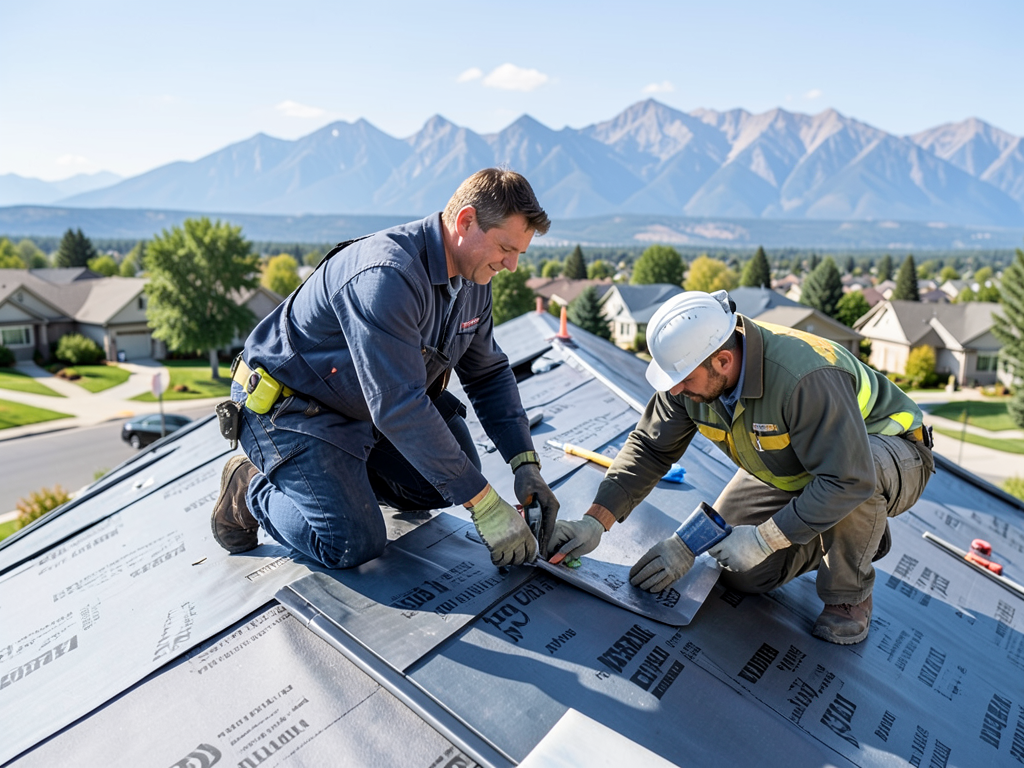
Wind protection becomes critical during installation. Denver’s frequent wind events can lift unsecured underlayment. Professional installers use cap nails or staples at specific intervals to prevent wind uplift. They also overlap materials according to manufacturer specifications to create water-shedding layers.. Read more about Choosing Roof Vents That Won’t Blow Away During the Next Broomfield Wind Storm.
Winter installations require special considerations. Temperatures below freezing can affect adhesive properties of self-sealing products. Contractors must verify materials remain within specified temperature ranges during application. They also need to account for snow loads when planning installation sequences.
Local Climate Impact on Material Selection
Denver’s semi-arid climate affects underlayment performance. The region receives 15-20 inches of annual precipitation mostly as snow. However intense summer thunderstorms can dump several inches of rain in hours. Underlayment must handle both slow snowmelt and rapid runoff.
Humidity levels in Denver typically range from 15-40%. This low humidity accelerates felt degradation through oxidation. Synthetic materials resist this environmental stress better. Their polymer structures remain stable despite Colorado’s intense UV exposure and temperature extremes.
Denver sits in Hail Alley where large hail events occur frequently. When hailstones damage shingles the underlayment becomes the secondary water barrier. Premium synthetic materials with higher tear strength maintain their integrity better when struck by hail. This secondary protection can prevent costly water damage.
Residential vs. Commercial Applications
Denver’s diverse building stock requires different underlayment approaches. Historic neighborhoods like Capitol Hill feature steep-slope roofs with complex geometries. These designs benefit from lightweight synthetic materials that installers can maneuver easily around dormers and valleys.
Modern developments in areas like Stapleton often feature engineered trusses and large roof spans. These structures support heavier materials but benefit from synthetic underlayment’s ease of installation. The reduced weight also minimizes stress on roof framing systems.
Commercial buildings throughout the I-25 corridor typically feature low-slope or flat roofs. These designs require different underlayment strategies. Self-adhering rubberized asphalt products excel in these applications. They create continuous waterproof barriers essential for large commercial structures.
Environmental Considerations
Synthetic underlayment production requires petroleum-based materials. However many products contain recycled content and can be recycled at end of life. This lifecycle approach reduces environmental impact compared to traditional felt.
The lighter weight of synthetic materials reduces transportation emissions. A truckload of synthetic underlayment covers more square footage than equivalent felt products. This efficiency translates to fewer delivery trips and lower carbon emissions during distribution.
Energy efficiency represents another environmental benefit. Some synthetic underlayments feature reflective surfaces that reduce heat transfer into attics. This cooling effect can lower air conditioning costs during Denver’s warm summers. The energy savings accumulate over the material’s lifespan.
Making the Right Choice for Your Denver Home
Selecting underlayment requires balancing cost performance and local conditions. Homeowners should consider their specific situation rather than defaulting to the cheapest option.
Homes in older Denver neighborhoods with mature trees might prioritize impact resistance. Properties in open areas like Highlands Ranch face greater wind exposure. Each scenario demands different performance characteristics from underlayment materials. Getting Your Highlands Ranch Roof Replaced After a Major Hail Storm.
Budget constraints affect material selection. However viewing underlayment as a long-term investment often reveals the true cost picture. Premium materials cost more upfront but provide better protection and longer service life. This durability can prevent expensive repairs later. EPA heat island information.
Consulting with qualified roofing professionals helps homeowners navigate these decisions. Experienced contractors understand local building codes and climate challenges. They can recommend specific products that balance performance requirements with budget constraints.
Future Trends in Underlayment Technology
Underlayment technology continues evolving to meet changing demands. Manufacturers develop products with enhanced breathability to prevent moisture accumulation in roof assemblies. These advances address concerns about trapped moisture causing rot and mold growth.
Smart underlayment products emerge that integrate sensors for moisture detection. These systems alert homeowners to potential leaks before significant damage occurs. While currently expensive this technology may become standard as costs decrease. Fixing Flat Roof Leaks in LoHi and Modern Denver Homes.
Environmental regulations increasingly influence material development. Manufacturers create products with lower volatile organic compound emissions. They also develop recycling programs for end-of-life materials. These initiatives align with Denver’s sustainability goals and building codes.
Frequently Asked Questions
How long does synthetic underlayment last in Denver’s climate?
Quality synthetic underlayment typically lasts 25-30 years in Denver’s climate. This lifespan exceeds traditional felt by 10-15 years. The material’s UV resistance and flexibility in temperature extremes contribute to this durability.
Can I install synthetic underlayment myself?
While DIY installation is possible most manufacturers recommend professional installation. Proper installation requires specific techniques and tools. Incorrect installation can void warranties and create moisture problems. Denver’s building codes also require permits and inspections for roofing work.
Does synthetic underlayment affect my roof warranty?
Many shingle manufacturers require specific underlayment types to maintain their warranties. Using non-approved materials can void both underlayment and shingle warranties. Always verify compatibility before selecting underlayment products.
How does underlayment affect energy efficiency?
Certain synthetic underlayments feature reflective surfaces that reduce heat transfer into attics. This cooling effect can lower air conditioning costs by 5-10% during summer months. The energy savings accumulate over the material’s lifespan.
What underlayment works best for flat roofs in Denver?
Self-adhering rubberized asphalt products excel for flat roofs. These materials create continuous waterproof barriers essential for low-slope applications. They also handle Denver’s snow loads and occasional ponding water better than traditional options. For more information, visit FEMA building guidance.
You may also find this helpful. How Fine Dust and Sand from the Eastern Plains Can Grind Down Your Shingles in Green Valley Ranch.
{
“@context”: “https://schema.org”,
“@type”: “BlogPosting”,
“headline”: “Choosing the Best Synthetic Underlayment for Maximum Protection Against Front Range Winds”,
“description”: “Denver’s high winds demand superior underlayment. Learn how synthetic options outperform felt in Colorado’s harsh climate and what local codes require.”,
“wordCount”: 1722,
“datePublished”: “2026-05-29T15:56:00.000Z”,
“dateModified”: “2026-05-29T15:56:00.000Z”,
“inLanguage”: “en-US”,
“mainEntityOfPage”: {
“@type”: “WebPage”,
“@id”: “https://apexroofingdenver.com”
},
“publisher”: {
“@type”: “LocalBusiness”,
“name”: “Apex Roofing Denver”,
“url”: “https://apexroofingdenver.com”
},
“author”: {
“@type”: “Organization”,
“name”: “Apex Roofing Denver”,
“url”: “https://apexroofingdenver.com”
},
“image”: {
“@type”: “ImageObject”,
“url”: “https://apexroofingdenver.com/wp-content/uploads/2026/03/choosing-the-best-synthetic-underlayment-for-maxim-1.png”
}
}
{
“@context”: “https://schema.org”,
“@type”: “RoofingContractor”,
“name”: “Apex Roofing Denver”,
“url”: “https://apexroofingdenver.com”,
“address”: {
“@type”: “PostalAddress”,
“addressLocality”: “Denver”
},
“areaServed”: {
“@type”: “City”,
“name”: “Denver”
}
}
{
“@context”: “https://schema.org”,
“@type”: “FAQPage”,
“mainEntity”: [
{
“@type”: “Question”,
“name”: “How long does synthetic underlayment last in Denver’s climate?”,
“acceptedAnswer”: {
“@type”: “Answer”,
“text”: “Quality synthetic underlayment typically lasts 25-30 years in Denver’s climate. This lifespan exceeds traditional felt by 10-15 years. The material’s UV resistance and flexibility in temperature extremes contribute to this durability.”
}
},
{
“@type”: “Question”,
“name”: “Can I install synthetic underlayment myself?”,
“acceptedAnswer”: {
“@type”: “Answer”,
“text”: “While DIY installation is possible most manufacturers recommend professional installation. Proper installation requires specific techniques and tools. Incorrect installation can void warranties and create moisture problems. Denver’s building codes also require permits and inspections for roofing work.”
}
},
{
“@type”: “Question”,
“name”: “Does synthetic underlayment affect my roof warranty?”,
“acceptedAnswer”: {
“@type”: “Answer”,
“text”: “Many shingle manufacturers require specific underlayment types to maintain their warranties. Using non-approved materials can void both underlayment and shingle warranties. Always verify compatibility before selecting underlayment products.”
}
},
{
“@type”: “Question”,
“name”: “How does underlayment affect energy efficiency?”,
“acceptedAnswer”: {
“@type”: “Answer”,
“text”: “Certain synthetic underlayments feature reflective surfaces that reduce heat transfer into attics. This cooling effect can lower air conditioning costs by 5-10% during summer months. The energy savings accumulate over the material’s lifespan.”
}
},
{
“@type”: “Question”,
“name”: “What underlayment works best for flat roofs in Denver?”,
“acceptedAnswer”: {
“@type”: “Answer”,
“text”: “Self-adhering rubberized asphalt products excel for flat roofs. These materials create continuous waterproof barriers essential for low-slope applications. They also handle Denver’s snow loads and occasional ponding water better than traditional options. For more information, visit FEMA building guidance.”
}
}
]
}
{
“@context”: “https://schema.org”,
“@type”: “BreadcrumbList”,
“itemListElement”: [
{
“@type”: “ListItem”,
“position”: 1,
“name”: “Home”,
“item”: “https://apexroofingdenver.com”
},
{
“@type”: “ListItem”,
“position”: 2,
“name”: “Blog”,
“item”: “https://apexroofingdenver.com/blog”
},
{
“@type”: “ListItem”,
“position”: 3,
“name”: “Choosing the Best Synthetic Underlayment for Maximum Protection Against Front Range Winds”
}
]
}
{
“@context”: “https://schema.org”,
“@type”: “Service”,
“serviceType”: “Roofing”,
“provider”: {
“@type”: “LocalBusiness”,
“name”: “Apex Roofing Denver”,
“url”: “https://apexroofingdenver.com”
},
“areaServed”: {
“@type”: “City”,
“name”: “Denver”
},
“description”: “Denver’s high winds demand superior underlayment. Learn how synthetic options outperform felt in Colorado’s harsh climate and what local codes require.”
}