




Menu

Winter Roof Maintenance Tips in Denver – Protect Your Home from Freeze-Thaw Cycles and Heavy Snow Loads

Expert cold weather roofing upkeep strategies designed specifically for Denver's high-altitude climate, rapid temperature swings, and intense UV exposure that can damage shingles, flashing, and underlayment before spring arrives.

Slider Image 1
Slider Image 2
Slider Image 3
Slider Image 4
Slider Image 5
Slider Image 7
Slider Image 8
Slider Image 9
Slider Image 10
Slider Image 11

Why Denver's Winter Climate Demands a Proactive Roof Maintenance Strategy

Denver winters are not forgiving. The Mile High City experiences an average of 57 inches of snow annually, combined with freeze-thaw cycles that occur almost daily between November and March. When temperatures swing from 15 degrees at night to 50 degrees by midday, the expansion and contraction of roofing materials accelerates wear patterns you will not see in more stable climates.

Ice dams form when heat escapes through your attic, melting snow on the upper roof. That water refreezes at the eaves, creating a barrier that forces meltwater under shingles and into your home. Denver's intense UV radiation at 5,280 feet elevation also degrades asphalt shingles faster than at sea level, making winter roof care essential rather than optional.

Neighborhoods like Capitol Hill and Washington Park, with older homes featuring complex rooflines and minimal attic insulation, face higher risks. The clay soil common throughout the Denver metro area shifts with moisture changes, potentially affecting structural elements that tie into your roof system.

A proper winter roof care guide addresses these specific threats. Winterizing your roof before the first heavy snow protects against water intrusion, structural damage, and the expensive repairs that follow ignored maintenance. Preparing your roof for winter in Denver means understanding how altitude, sun exposure, and temperature extremes work together to compromise your roof's integrity.

The cost of reactive repairs after ice dam damage or shingle blow-off during a chinook wind event far exceeds the investment in preventive cold weather roofing upkeep. Your roof maintenance checklist for winter should begin in October, before conditions make thorough inspections dangerous.

Why Denver's Winter Climate Demands a Proactive Roof Maintenance Strategy
The Seven Critical Areas That Determine Winter Roof Performance

The Seven Critical Areas That Determine Winter Roof Performance

Professional winter roof maintenance focuses on vulnerability points where Denver's climate causes the most damage. Start with flashing inspection around chimneys, skylights, and vent pipes. These penetrations expand and contract at different rates than surrounding materials, creating gaps where ice melt infiltrates.

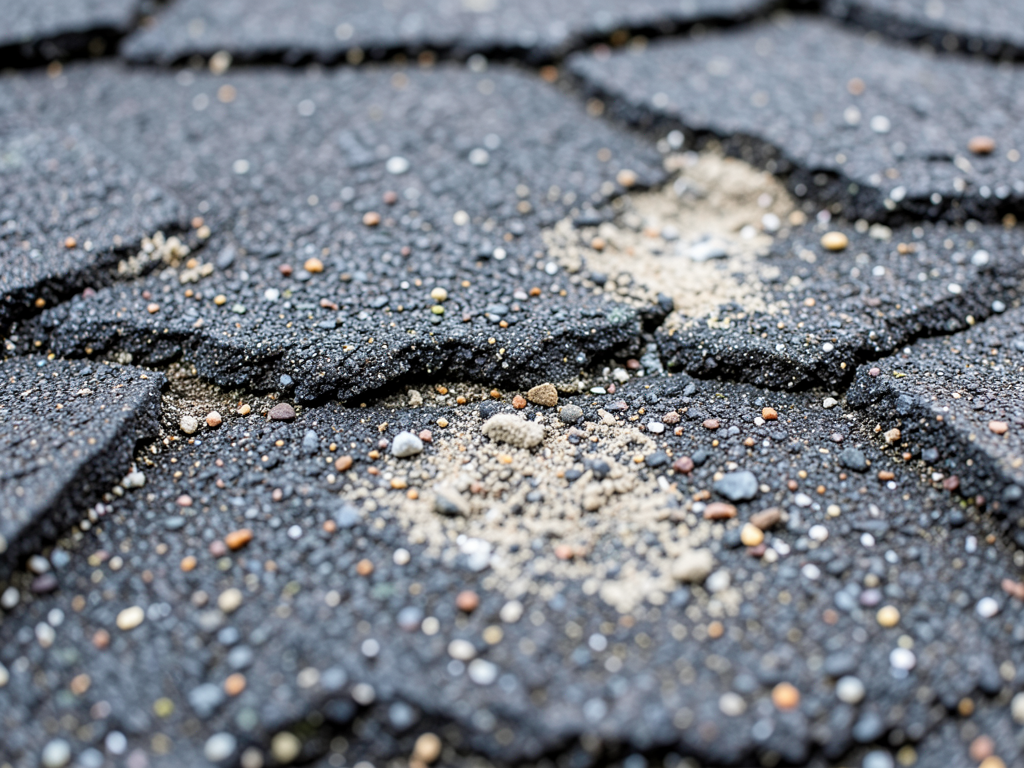
Examine shingle condition closely. Look for granule loss, which appears as dark patches where the protective mineral coating has worn away. Denver's UV exposure accelerates this degradation. Curling shingle edges indicate thermal cycling damage, while cracked or missing shingles create immediate leak risks once snow accumulates.

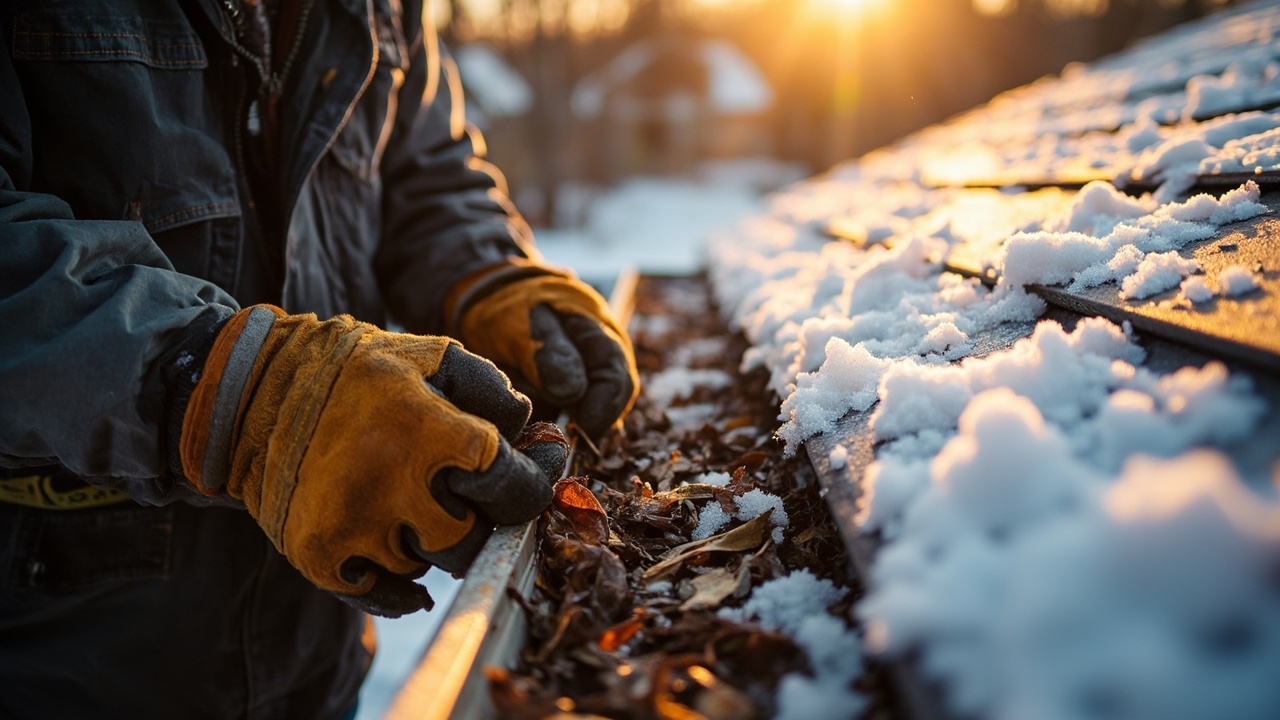
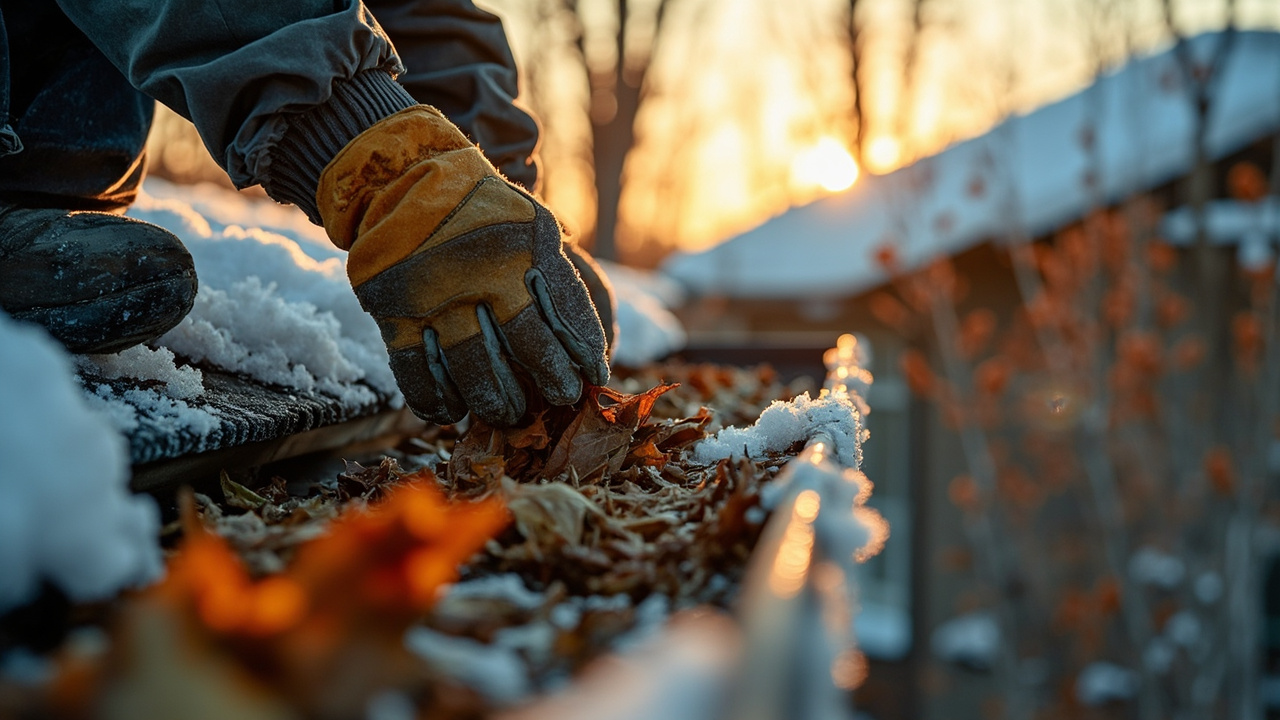
Gutters and downspouts require complete debris removal. Clogged systems prevent proper drainage, leading to ice dam formation and fascia rot. Ensure downspouts direct water at least six feet from your foundation. The expansive clay soil in Denver amplifies foundation problems when water pools near your home.

Attic ventilation assessment prevents the heat buildup that triggers ice dams. Proper intake vents at soffits and exhaust vents near the ridge maintain temperatures close to outdoor conditions. Without adequate airflow, your attic becomes a heat source that melts snow from below.

Check attic insulation levels and distribution. Denver building code requires R-49 insulation in attics, roughly 16 inches of fiberglass or 13 inches of cellulose. Gaps around recessed lights, plumbing stacks, and ductwork create thermal bypasses that compromise the entire system.

Inspect exposed fasteners on metal flashing and drip edges. Thermal expansion loosens screws over repeated freeze-thaw cycles, allowing wind-driven rain and snow to penetrate. Tree branches touching your roof should be trimmed back 10 feet to prevent damage during heavy snow loads and high winds common along the Front Range.

Your Complete Cold Weather Roof Protection Protocol

Winter Roof Maintenance Tips in Denver – Protect Your Home from Freeze-Thaw Cycles and Heavy Snow Loads
01

Comprehensive Roof Assessment

We conduct a detailed inspection of all roofing components before winter weather arrives. This includes shingle condition mapping, flashing integrity checks, and thermal imaging to identify insulation gaps. Our team examines attic ventilation, checks for wildlife entry points, and documents any areas requiring immediate attention. You receive a prioritized maintenance plan with photo documentation showing exactly what your roof needs to survive Denver's winter.
02

Targeted Repairs and Reinforcement

We address vulnerable areas identified during assessment. This includes resealing flashing, replacing damaged shingles, securing loose fasteners, and reinforcing problem zones. We clear all debris from gutters and valleys, check crickets behind chimneys, and verify proper sealant condition around all penetrations. Our work focuses on preventing the specific failure modes Denver winters cause, not generic maintenance tasks that miss local climate challenges.
03

Winter Monitoring Plan

You receive a customized monitoring schedule based on your roof's condition and exposure. We provide clear guidance on warning signs to watch for during winter months, including ice dam formation patterns and ventilation issues. Our team remains available for emergency response when heavy snow loads or extreme temperature swings create unexpected problems. This proactive approach catches small issues before they become water damage emergencies requiring interior repairs.

Why Local Expertise Matters for Denver Winter Roof Maintenance

Apex Roofing Denver understands the specific challenges Mile High roofs face. We have worked through the complexities of Denver's microclimates, where homes on the east side of a hill receive different sun exposure and wind patterns than properties just blocks away. This geographical knowledge informs every maintenance recommendation we make.

Denver's building codes and residential standards have evolved significantly, particularly regarding energy efficiency and ventilation requirements. Homes built before 2000 often lack adequate attic insulation and ventilation by current standards. We know which neighborhoods contain which construction generations and how to upgrade older systems without complete tear-offs.

Our team works year-round in Denver's altitude and weather conditions. We understand how quickly afternoon thunderstorms develop along the Front Range and how chinook winds create sudden temperature spikes that cause different damage patterns than gradual warming. This experience translates to maintenance strategies that address real threats, not textbook scenarios from sea-level climates.

We maintain relationships with local suppliers who stock materials rated for high-altitude UV exposure and temperature extremes. The shingles and underlayment appropriate for Houston fail prematurely in Denver's intense sun and thermal cycling. Our material specifications account for these environmental factors.

Familiarity with Denver's older neighborhoods means we recognize architectural details common to specific eras. Capitol Hill's historic district homes often feature complex rooflines with multiple valleys and decorative elements that require specialized maintenance approaches. Cherry Creek's mid-century ranches have different vulnerability points than the newer construction in Stapleton.

When you work with a local roofing contractor who understands Denver's specific conditions, you get targeted maintenance that protects your investment rather than generic service that misses critical regional factors.

What Professional Winter Roof Maintenance Delivers

Scheduling and Accessibility

We complete most maintenance work within three to five hours, depending on roof size and complexity. October through early November represents the optimal window for preparing your roof for winter in Denver, before snow makes access difficult and temperatures drop below safe working conditions. We schedule appointments within one week during this critical period. Our crews arrive on time and work efficiently to minimize disruption. Emergency assessments after major snow events or wind damage receive same-day or next-day response during winter months.

Detailed Inspection Process

Your roof maintenance checklist for winter begins with a systematic evaluation covering every component. We walk the entire roof surface when conditions allow, examining shingles, flashing, penetrations, and structural elements. Our inspection includes attic access to verify insulation depth, ventilation function, and signs of previous moisture intrusion. We use thermal imaging to identify heat loss patterns invisible to standard inspection. You receive a written report with photos documenting current conditions and specific recommendations prioritized by urgency. This transparency lets you make informed decisions about your property.

Proven Results and Protection

Proper winter preparation eliminates the most common cold weather roof failures. Homes that receive professional fall maintenance experience significantly fewer ice dam problems, leak events, and emergency repairs during Denver's winter months. Our work focuses on prevention rather than reaction. Sealed flashing stays watertight through freeze-thaw cycles. Cleared gutters channel meltwater away from vulnerable areas. Adequate attic insulation prevents heat loss that triggers ice formation. The result is a roof system that performs as designed throughout winter, protecting your home and avoiding the water damage, mold growth, and structural problems that follow maintenance neglect.

Ongoing Support Structure

After completing your fall maintenance, we provide guidance for monitoring roof performance through winter. You learn what normal snow accumulation patterns look like versus concerning buildups that suggest ventilation problems. We explain when to safely remove snow from valleys and when professional intervention is necessary. Our team remains available by phone throughout winter for questions about unusual conditions or sudden weather events. Spring follow-up inspections verify your roof survived winter without hidden damage. This continuity ensures small problems get caught early rather than festering into expensive repairs.

Frequently Asked Questions

You Have Questions,
We Have Answers

What do roofers do in the winter time? +

Roofers in Denver stay busy during winter performing inspections, repairs, and replacements when weather permits. Tasks include clearing snow buildup, fixing ice dam damage, replacing broken shingles, and sealing leaks before they worsen. Many contractors focus on interior work like attic ventilation upgrades and insulation assessments. Emergency repairs happen year-round since roof damage does not wait for spring. Denver's freeze-thaw cycles create urgent needs. Roofers monitor temperature windows above 40 degrees for shingle work and schedule projects during mild spells. Winter is also prime time for planning spring installations and catching problems early.

Can I apply roof Maxx myself? +

No. Roof Maxx application requires professional equipment and training. The soybean-based treatment must be applied at precise coverage rates and temperatures to penetrate shingles properly. DIY application risks uneven coverage, wasted product, and voided treatment guarantees. Licensed applicators in Denver understand how altitude and climate affect absorption rates. They inspect your roof first to confirm shingles are candidates for rejuvenation. Roof Maxx works only on asphalt shingles with sufficient granule retention. A certified technician ensures proper application and documents the treatment for future reference. Attempting self-application means you lose professional assessment and warranty protection.

How to prepare your roof for winter? +

Start by clearing gutters and downspouts of debris so melting snow drains properly. Inspect shingles for cracks, curling, or missing pieces that let moisture penetrate. Check flashing around chimneys and vents for gaps. Trim overhanging branches that could break under snow load. Examine attic insulation and ventilation to prevent ice dams. Denver's dry climate and sudden temperature swings make proper attic airflow critical. Look for water stains on ceilings indicating active leaks. Schedule a professional inspection if your roof is over 15 years old. Address small problems now before winter weather turns them into expensive emergencies.

Should I put an ice and water shield on my entire roof? +

No. Ice and water shield belongs in vulnerable areas, not everywhere. Install it along eaves, valleys, around penetrations, and anywhere water pools. Denver building codes typically require at least two feet of coverage along eaves due to snow load. Full-roof application wastes money and can trap moisture in certain climates. The self-adhering membrane creates a waterproof barrier where ice dams form or wind-driven rain penetrates. Your roofer should assess your roof pitch, exposure, and local weather patterns. Steep roofs with good drainage need less coverage. Focus protection where freeze-thaw cycles cause the most damage.

What temperature is too cold for roofing? +

Asphalt shingles should not be installed below 40 degrees. Cold makes shingles brittle and prevents sealant strips from bonding properly. Metal roofing can go down in colder temperatures since it does not rely on adhesive activation. Denver's variable winter weather creates short installation windows. Morning temperatures might hit 50 degrees before dropping again. Professional roofers monitor forecasts and use heated storage for materials. Emergency repairs happen regardless of temperature using modified techniques. Flat roofs and TPO membranes have different thresholds. The key is material flexibility. Frozen shingles crack during handling and never seal correctly.

Does roof Maxx really work? +

Yes, when applied to eligible roofs. Roof Maxx penetrates asphalt shingles and restores flexibility lost to sun and weather exposure. The soybean-based oil replaces petroleum distillates that evaporate over time. Denver's intense UV exposure and dry climate accelerate this aging. Roof Maxx extends shingle life by five years per application on roofs with good bone structure and intact granules. It does not fix structural damage, missing shingles, or failed decking. The treatment works best on roofs aged 6 to 15 years showing brittleness but not severe deterioration. You need professional assessment to determine if your roof qualifies.

Does roof Maxx lower insurance? +

Roof Maxx does not directly lower insurance premiums. However, maintaining your roof in good condition can prevent claim denials. Insurance companies care about roof age and condition when underwriting policies. A rejuvenated roof with documented maintenance shows you are managing risk. Some insurers offer discounts for Impact-Resistant shingles or newer roofs. Roof Maxx extends your existing roof life, potentially delaying the point where insurers demand replacement or drop coverage. In Denver, where hail damage is common, keeping shingles flexible helps them withstand impact. Check with your insurance agent about specific requirements and potential credits for documented maintenance.

How old may a roof be before insurance claims it's too old? +

Most carriers in Colorado restrict coverage when roofs hit 15 to 20 years old. Policies vary by company and roof type. Some insurers require inspections at 12 years and limit coverage to Actual Cash Value rather than replacement cost. Others refuse to write new policies on roofs over 15 years old. Denver's hail exposure makes insurers strict about roof age. They know aging shingles fail more often during storms. If your roof approaches these thresholds, get a professional assessment. Documented maintenance and treatment like Roof Maxx can sometimes extend insurability. Expect nonrenewal notices or coverage changes as your roof ages.

Can you turn a cold roof into a warm roof? +

Yes, but it requires significant attic modifications. A cold roof has ventilation between insulation and decking. A warm roof places insulation directly against the underside of the roof deck with no air gap. Converting means removing existing insulation, sealing all attic vents, and installing closed-cell spray foam against the deck. This changes your thermal envelope entirely. Denver's climate and building codes make this conversion complex. You need calculations for condensation control and energy performance. Most residential applications keep cold roof designs. Warm roofs suit flat or cathedral ceiling applications. Consult a building science expert before attempting conversion.

Why are people putting blue tarps on their roof? +

Blue tarps signal emergency roof protection after damage. Homeowners use them to stop active leaks while waiting for insurance adjusters or repair crews. Denver's hail storms create sudden demand that overwhelms contractors. Tarps prevent water intrusion from worsening damage to interiors and belongings. Insurance companies often pay for emergency tarping services. Properly installed tarps include anchoring that does not create new penetrations and extends beyond damaged areas. Tarps are temporary solutions, not permanent fixes. They degrade quickly under UV exposure and wind. If you see tarps on your neighbor's roof, a recent storm probably hit your area.

How Denver's Freeze-Thaw Cycles Accelerate Roof Deterioration

Denver experiences an average of 89 freeze-thaw cycles per winter season, far exceeding most American cities. Each cycle forces trapped moisture to expand as it freezes, then contract during thawing. This constant movement works shingle fasteners loose, cracks sealant around flashing, and degrades underlayment integrity. The combination of intense daytime solar heating at high altitude followed by rapid overnight cooling creates thermal stress that compounds moisture damage. Homes on south-facing slopes in areas like Wash Park and Bonnie Brae receive maximum sun exposure, intensifying this deterioration pattern.

Apex Roofing Denver has maintained roofs throughout the metro area since the business opened. We understand how different neighborhoods respond to winter conditions based on elevation differences, tree coverage, and building density. Our familiarity with local material suppliers ensures we source products specifically rated for Front Range climate conditions. We know which Denver building inspectors handle permits in each jurisdiction and maintain current knowledge of code requirements that affect roof modifications. This local expertise means your winter maintenance meets both immediate protection needs and long-term compliance standards.
Roofing Services in The Denver Area

Looking for trusted roofing services near you? Apex Roofing Denver proudly serves homeowners and businesses across the greater Denver area with expert roof repairs, replacements, inspections, and storm damage restoration. From Aurora to Lakewood and Thornton to Centennial, our experienced roofing team is ready to deliver fast, dependable solutions. Use the map below to explore our service areas and find top-rated roofing help near your neighborhood.

Address:
Apex Roofing Denver, 2301 Blake St, Denver, CO, 80205

Additional Services We Offer

Our news updates

Latest Articles & News from The Blogs

Lorem ipsum dolor sit amet. Aut expedita quaerat quo eligendi numquam et laudantium perspiciatis qui minima expedita rem consequatur ducimus.…

Test Blog 4

Lorem ipsum dolor sit amet. Aut expedita quaerat quo eligendi numquam et laudantium perspiciatis qui minima expedita rem consequatur ducimus.…

Test Blog 3

Lorem ipsum dolor sit amet. Aut expedita quaerat quo eligendi numquam et laudantium perspiciatis qui minima expedita rem consequatur ducimus.…

Test Blog 2

Lorem ipsum dolor sit amet. Aut expedita quaerat quo eligendi numquam et laudantium perspiciatis qui minima expedita rem consequatur ducimus.…

Contact Us

Protect your home from ice dams, leak damage, and costly emergency repairs. Call Apex Roofing Denver at (720) 484-8300 to schedule your comprehensive winter preparation inspection. Our team provides transparent assessments and prioritized recommendations that keep your roof performing through Denver's harshest weather.