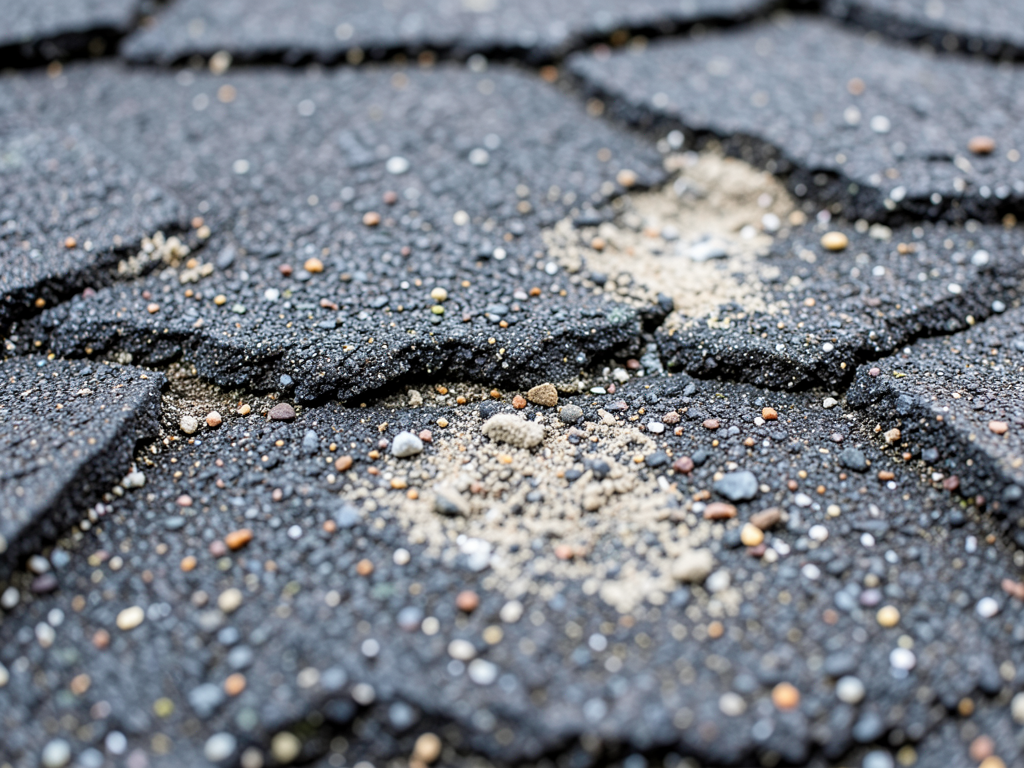








Denver's 5,280-foot elevation creates UV exposure 25% more intense than coastal cities, accelerating membrane degradation on both TPO and EPDM systems. This altitude factor means membrane thickness and UV stabilizer content matter more than in lower-elevation climates. The Front Range hail corridor running from Castle Rock through Denver to Boulder produces severe hailstorms that damage flat roofs regularly. June 2018 storms caused over $2 billion in property damage across the metro area, with flat roofs taking direct impact from baseball-sized hail. EPDM's rubber composition handles impact through absorption but can tear at stress points. TPO's rigid structure resists puncture better but can crack under extreme impact. Your building's location relative to the foothills affects hail risk, with properties east of I-25 experiencing more frequent severe storms as cold air drains off the mountains and collides with warm plains air.
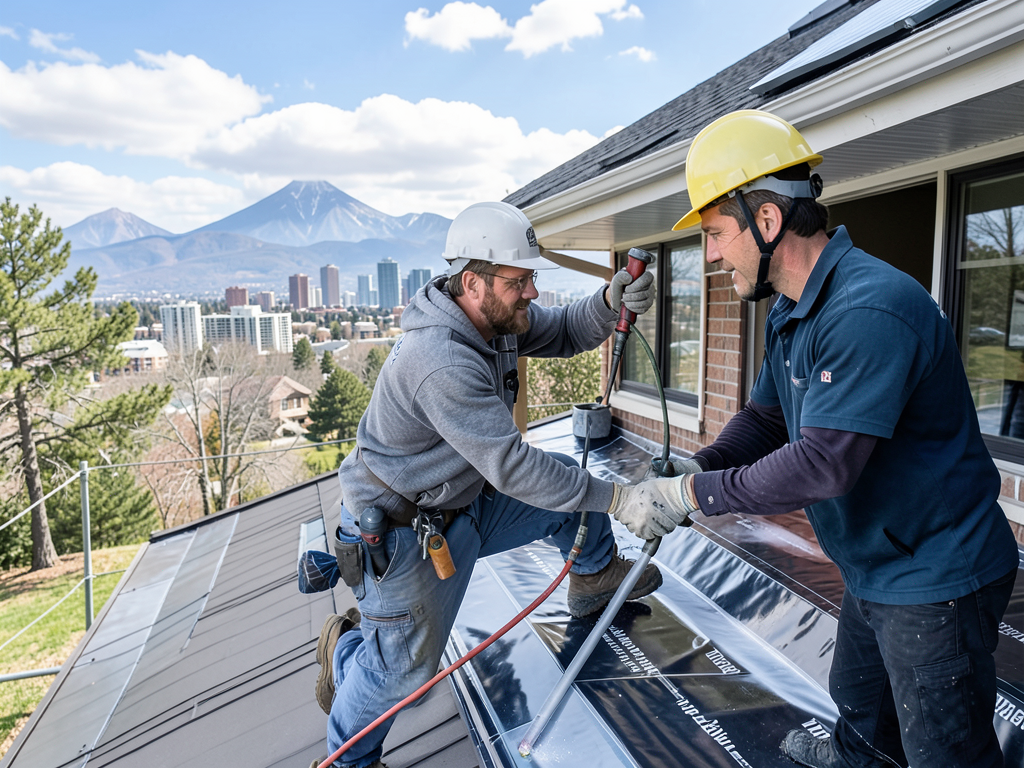
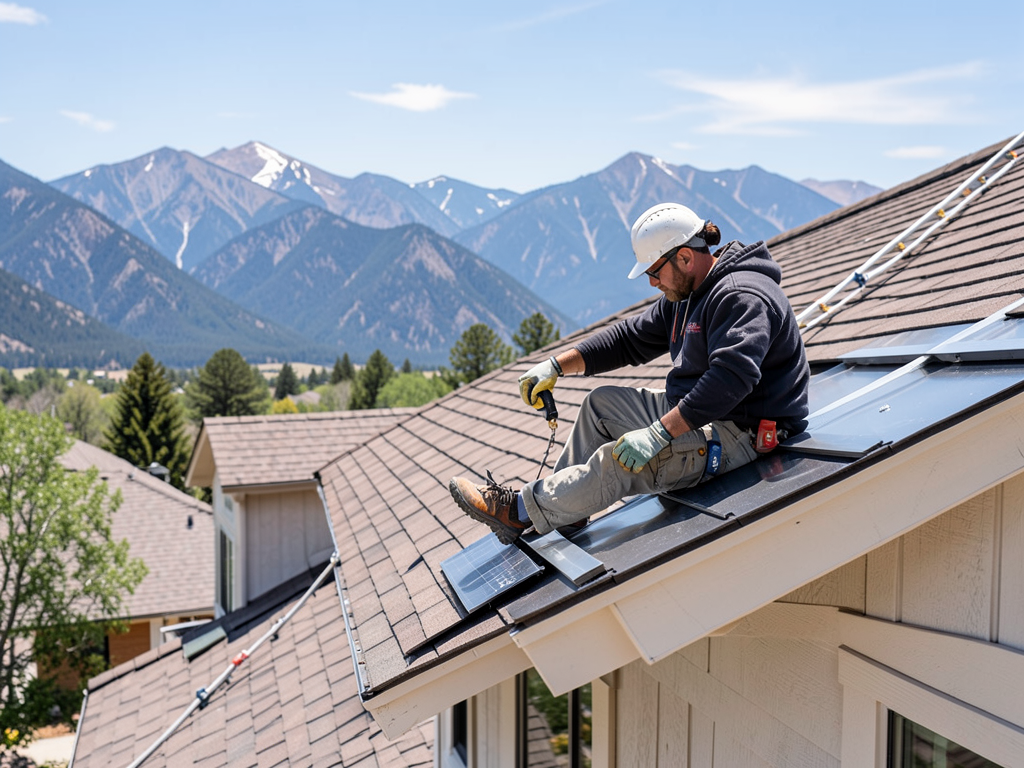
Denver adopted updated building codes in 2021 that increased wind uplift requirements for commercial flat roofs, particularly in eastern suburbs where plains winds accelerate across open terrain. These code changes affect fastening patterns, edge details, and membrane attachment methods for both TPO and EPDM installations. Local building inspectors understand flat roof challenges specific to our climate and scrutinize drainage design, insulation R-values, and seam installation techniques during permit inspections. Working with a roofing contractor familiar with Denver building department expectations prevents delays and ensures your installation passes inspection on the first review. Our experience with local jurisdictions from Lakewood to Aurora means we specify installation details that meet current code requirements and handle inspector questions efficiently.