
Why Your Next Roof Should Feature an Integrated Snow Guard System in Evergreen
Living in Evergreen means dealing with heavy snow loads that can create dangerous roof avalanches when spring arrives. A properly designed snow guard system prevents sudden snow slides that can damage property, injure pedestrians, and destroy landscaping below your roofline.
The Front Range experiences unique weather patterns where heavy wet snow accumulates on roofs during winter storms. When temperatures rise, this snow can release suddenly like an avalanche, sending tons of snow and ice crashing down onto decks, patios, and walkways. Snow guards hold this snow in place, allowing it to melt gradually and drain safely through your gutters. Reliable Gutter Installation for New Builds in Central Park.
Denver building codes require specific snow load calculations for homes in mountainous areas like Evergreen. These calculations consider roof pitch, surface area, and typical snow density in Jefferson County. A professional assessment ensures your snow retention system meets local requirements while protecting your investment.
How Snow Guards Protect Your Evergreen Property
Snow guards work by creating friction points that hold snowpack in place rather than letting it slide off in large sheets. This prevents the dangerous phenomenon known as a roof avalanche, where several hundred pounds of snow releases suddenly from your roof.
Without snow retention, accumulated snow can slide off in massive chunks, damaging gutters, downspouts, and anything below. The force can bend metal gutters, crush shrubs, and even crack concrete patios. More importantly, it creates a serious safety hazard for family members, pets, and visitors walking near your home.
Evergreen homes face particular challenges due to the area’s elevation and exposure to both heavy snow and intense UV radiation. Snow guards must withstand extreme temperature fluctuations while maintaining their grip on the roof surface throughout multiple freeze-thaw cycles each season.
Types of Snow Retention Systems for Colorado Homes
Two main categories of snow guards serve different roof types and snow loads. Pad-style guards create multiple small friction points across the roof surface, while rail-style systems form continuous barriers that hold back larger snow masses.
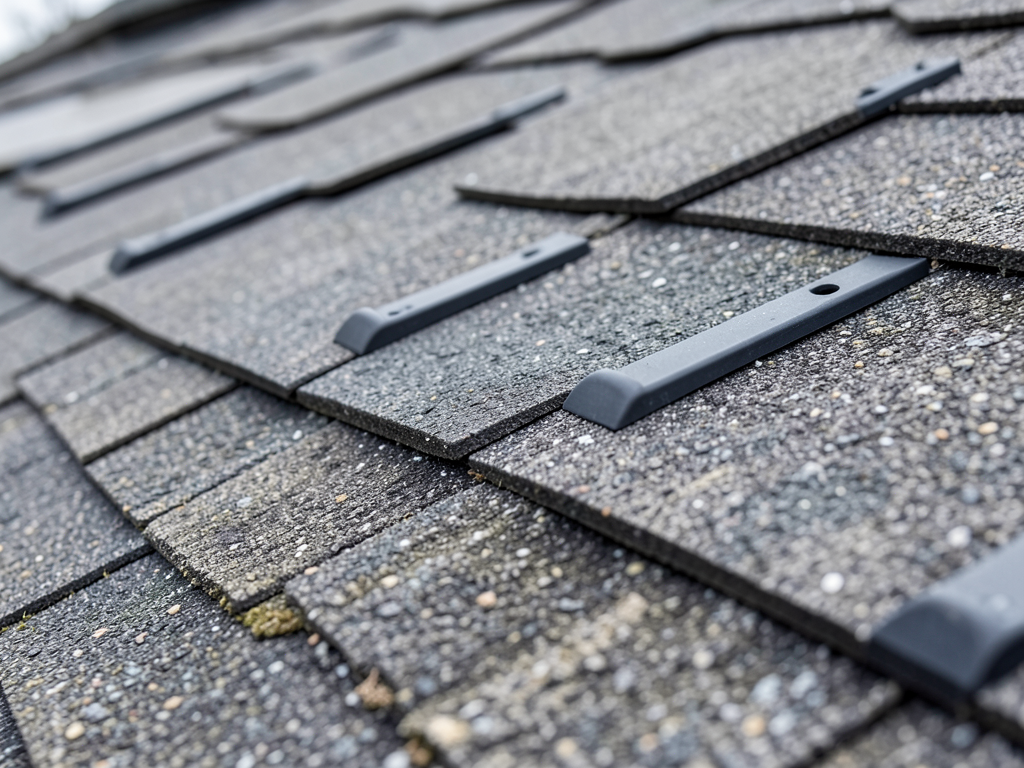
Pad-style guards work best on asphalt shingle roofs and lower-pitched surfaces. These small devices attach directly to the roof deck and prevent snow from sliding in thin layers. They’re less visible from the ground and work well for homes where aesthetics matter.
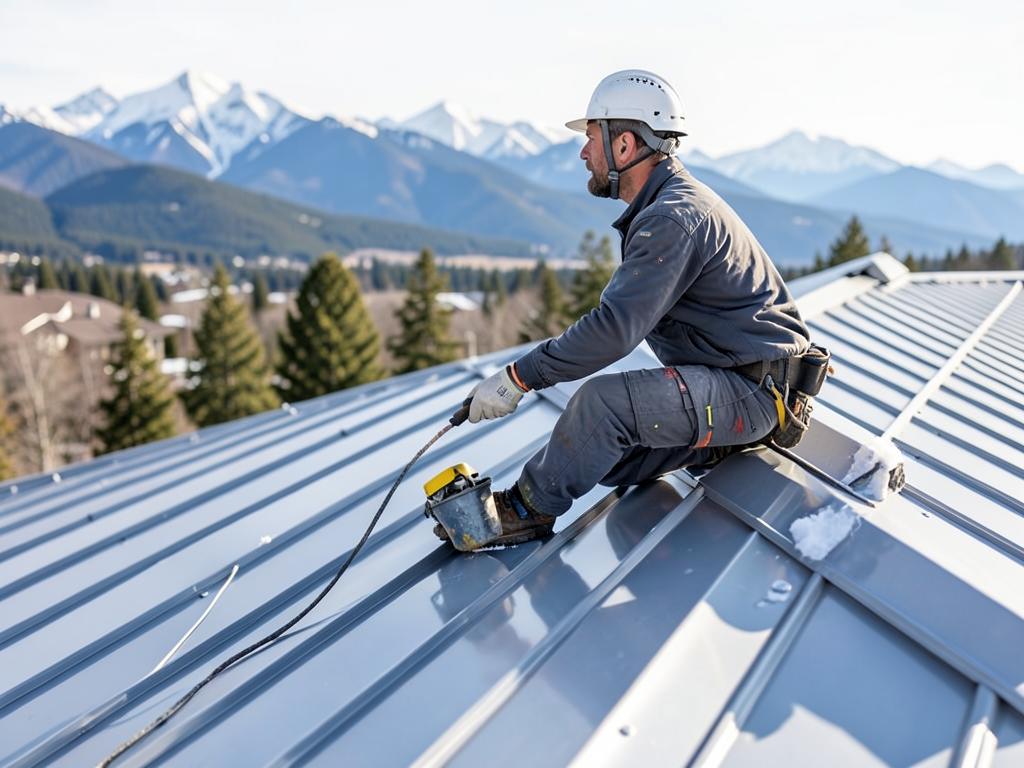
Rail-style systems provide stronger retention for metal roofs and steeper pitches. These continuous bars or fences span between attachment points, creating a physical barrier that holds back substantial snow loads. They’re essential for standing seam metal roofs common in modern Evergreen construction.. Read more about Why You Might Want Snow Fences Instead of Just Gutters on Your Ken Caryl Property.
Material Compatibility and Installation Requirements
Different roofing materials require specific snow guard designs to ensure proper attachment without damaging the roof surface. Metal roofs need guards that clamp to the seams without penetrating the metal, while asphalt shingles require guards that seal properly to prevent water infiltration. Roofing Sheridan.
Standing seam metal roofs in Evergreen neighborhoods like Bergen Park and Kittredge demand specialized clamps that grip the raised seams without creating holes. These systems must account for the slick surface of metal, which allows snow to slide more easily than on textured materials.
Asphalt shingle roofs can use adhesive or mechanically fastened guards, but installation requires careful sealing to maintain the roof’s water barrier. The adhesive must withstand UV exposure and temperature extremes specific to Colorado’s high-altitude environment.
Professional Installation vs. DIY Approaches
Professional installation ensures your snow guard system meets local building codes and manufacturer specifications. A qualified contractor calculates the proper spacing, determines the right guard type for your roof material, and installs fasteners at the correct torque to prevent leaks. Fixing Flat Roof Leaks in LoHi and Modern Denver Homes.
DIY installation risks several problems that can void your roof warranty. Improper fastener placement can create water entry points, while incorrect spacing may not provide adequate snow retention. Many homeowners discover too late that their DIY system failed during a heavy storm.
Professional contractors also understand how to integrate snow guards with existing roof features like skylights, chimneys, and ventilation systems. They ensure the guards don’t interfere with proper roof drainage while still providing effective snow retention.
Cost Factors and Long-Term Value
Several factors influence snow guard installation costs in Evergreen. Roof pitch affects labor time and safety requirements, while roof material determines the type of guards needed. Higher-pitched roofs require more safety equipment and take longer to install properly.
The size of your roof directly impacts the number of guards needed. A typical Evergreen home might require guards spaced every 12 to 24 inches across the roof surface, depending on the system design and local snow load requirements.
While snow guards represent an upfront investment, they prevent costly damage to landscaping, gutters, and exterior features. They also eliminate the liability of snow sliding onto sidewalks and driveways where people walk.
Maintenance and Inspection Guidelines
Regular inspection ensures your snow guard system continues functioning properly throughout its lifespan. Check guards after heavy snow events for any signs of movement or damage. Look for loose fasteners, cracked brackets, or guards that have shifted from their original position.
Spring is an ideal time for inspection in Evergreen, as you can assess any winter damage while preparing for the next snow season. Check that guards haven’t been buried under ice or damaged by falling tree limbs during winter storms. EPA heat island information.
Most quality snow guard systems require minimal maintenance beyond occasional cleaning to remove debris that might trap moisture. However, extreme weather events may require professional inspection to ensure the system maintains its structural integrity.
Denver Building Code Requirements
Jefferson County and the greater Denver area have specific requirements for snow retention on residential roofs. These codes consider local snow load data, roof pitch, and the building’s exposure to wind and sun.
Commercial properties in areas like Evergreen’s business district may face stricter requirements due to higher pedestrian traffic and liability concerns. Many local building departments require engineered drawings for snow guard installations on larger commercial buildings.
Local contractors familiar with Evergreen’s building department can navigate permit requirements and ensure your installation meets all current standards. They understand the specific challenges of mountainous construction and can recommend solutions that comply with local regulations.
Choosing the Right System for Your Home
Several factors determine the best snow guard system for your Evergreen property. Roof pitch is the primary consideration, as steeper roofs require more robust retention systems to hold back snow loads.
Roof material compatibility is equally important. Metal roofs need different attachment methods than asphalt shingles, and tile roofs require specialized guards that don’t damage the delicate surface. The guard’s color and profile should complement your home’s exterior design.
Local climate conditions in Evergreen mean your system must withstand both heavy snow loads and intense UV exposure. High-quality materials with UV inhibitors prevent degradation from Colorado’s high-altitude sun, while corrosion-resistant components handle the freeze-thaw cycles common in mountain environments.
Safety Considerations for Property Owners
Snow guards protect more than just your property from damage. They prevent injuries to family members, delivery personnel, and visitors who might be walking near your home when snow suddenly releases from the roof.
Many Evergreen homeowners install guards primarily for liability protection. If snow from your roof injures someone or damages a neighbor’s property, you could face legal and insurance complications. Snow guards demonstrate reasonable care in preventing foreseeable hazards.
Consider the areas below your roofline when planning your snow guard installation. Protect high-traffic zones like entryways, walkways, and driveways first, then extend protection to less critical areas like garden beds and landscaping.
Integration with Other Roof Features
Snow guards must work in harmony with other roof components like skylights, solar panels, and ventilation systems. Proper integration ensures snow retention doesn’t interfere with essential roof functions or create new problems.
Solar panel installations in Evergreen often require special consideration, as the panels themselves can create uneven snow retention patterns. A professional can design a system that works with your solar array rather than against it.
Roof crickets and other drainage features need to remain functional even with snow guards installed. The system should direct melting snow toward gutters rather than creating dams that cause ice buildup in valleys and around roof penetrations.
Energy Efficiency and Snow Retention
Properly designed snow retention can actually improve your home’s energy efficiency. By keeping snow on the roof longer, guards help insulate your attic space and reduce heat loss through the roof assembly. How Much a Full Roof Replacement Actually Costs in Denver Right Now.
However, excessive snow retention can create problems if it leads to ice dam formation. A balanced approach allows some snow movement while preventing dangerous avalanches, maintaining both safety and energy performance.
Modern snow guard systems can be integrated with smart home technology to monitor snow loads and alert homeowners to potential problems before they become dangerous.
Environmental Benefits
Snow retention systems provide environmental benefits beyond property protection. By controlling snow melt timing, guards help prevent sudden runoff that can overwhelm local drainage systems and contribute to erosion in mountain areas.
Slow, controlled snow melt also benefits your landscaping by providing gradual moisture release to plants and trees. This mimics natural snowmelt patterns that mountain ecosystems have adapted to over thousands of years.
Quality snow guards made from recycled materials and designed for long service life reduce waste compared to systems that require frequent replacement due to UV degradation or corrosion. Industrial Roof Replacement.
Future-Proofing Your Investment
When installing snow guards, consider potential future changes to your property. If you’re planning a deck addition, pool installation, or landscaping changes, factor these into your snow retention strategy.
Many Evergreen homeowners find that initial snow guard installation costs are offset by avoiding damage to newly installed features. Plan your system with future improvements in mind to avoid costly retrofits later.
Quality snow guards typically last 15 to 25 years with minimal maintenance, making them a long-term investment in your property’s safety and value.
Comparing Snow Guard Systems
Different snow guard systems offer varying levels of protection and aesthetic appeal. Understanding these differences helps you choose the right system for your specific needs and budget.
| Guard Type | Best For | Aesthetics | Cost Range |
|---|---|---|---|
| Pad-style | Asphalt shingles, low pitch | Low profile | $3-6 per guard |
| Rail-style | Metal roofs, high pitch | Visible barrier | $8-15 per linear foot |
| Clamp-on | Standing seam metal | Minimal penetration | $12-20 per guard |
| Adhesive | Low snow areas | Hidden when installed | $2-4 per guard |
Installation complexity varies significantly between guard types. Rail systems require precise alignment and secure anchoring, while pad systems offer more flexibility in placement but may need more units to achieve the same retention effect.
Common Installation Mistakes to Avoid
Several common errors can compromise your snow guard system’s effectiveness. Spacing guards too far apart reduces their ability to hold back snow, while placing them incorrectly can create dangerous snow accumulation patterns.
Ignoring roof pitch when selecting guard type leads to inadequate retention. A system designed for a 4:12 pitch roof won’t work effectively on a 12:12 pitch surface, where snow loads are much greater and require stronger retention.
Failure to seal fastener penetrations properly can create water entry points that lead to leaks and interior damage. This is especially critical on asphalt shingle roofs where improper installation can void your roof warranty.
Seasonal Considerations for Evergreen Homes
Evergreen’s four distinct seasons each present different challenges for snow retention systems. Winter storms bring heavy snow loads, while spring thaw cycles create freeze-thaw conditions that test guard durability.
Summer UV exposure can degrade materials not designed for high-altitude conditions. Fall brings leaves and debris that can trap moisture against guards and create areas for ice formation during early winter storms.
A well-designed system accounts for these seasonal variations, using materials and designs that perform reliably year-round in Colorado’s mountain climate.
Professional Assessment Benefits
A professional assessment identifies specific risks on your property that might not be obvious to homeowners. Factors like roof orientation, nearby trees, and prevailing wind patterns all affect how snow accumulates and where retention is most needed.
Professionals also understand how different guard types perform under various conditions. They can recommend solutions that balance effectiveness with aesthetics, ensuring your system protects your property without detracting from your home’s appearance.
Many contractors offer free assessments that include snow load calculations specific to your property’s location and elevation within Evergreen.
Insurance and Liability Considerations
Insurance companies increasingly recognize the value of snow retention systems in preventing property damage and personal injury. Some providers offer premium discounts for homes with professionally installed snow guards.
From a liability standpoint, snow guards demonstrate reasonable care in preventing foreseeable hazards. This can be important if snow from your roof damages a neighbor’s property or injures someone on adjacent property.
Document your snow guard installation with photos and keep maintenance records. This documentation can be valuable if you ever need to file an insurance claim related to winter weather damage.
Integration with Gutter Systems
Snow guards and gutter systems must work together to manage snowmelt effectively. Guards prevent sudden snow release, while gutters channel the controlled melt away from your foundation and landscaping.
Heat tape installation in gutters and downspouts prevents ice dams that can back up under snow guards and create leaks. This integrated approach ensures water moves safely off your roof and away from your home’s structure.
Consider upgrading to larger gutters when installing snow guards, as controlled snowmelt produces more consistent water flow than sudden snow release.
Technology and Smart Snow Management
Emerging technologies are making snow management more precise and effective. Smart sensors can monitor snow loads on your roof and alert you to dangerous accumulation levels before they become hazardous.
Some advanced systems integrate with home automation to control heat tape activation based on temperature and precipitation forecasts. This proactive approach prevents ice dam formation and ensures consistent snow retention.
While these technologies add cost, they provide peace of mind for homeowners who want maximum protection and control over their property’s winter performance.
Making Your Decision
Deciding whether to install snow guards involves weighing several factors unique to your property and situation. Consider your roof’s pitch, the surrounding landscape, and how snow typically accumulates on your home.
Budget constraints often influence the scope of snow guard installation. Start with protecting the most critical areas like entryways and walkways, then expand coverage as budget allows.
Remember that professional installation ensures your system meets local codes and manufacturer specifications, protecting both your investment and your warranty coverage.
Frequently Asked Questions
How much do snow guards typically cost for an average Evergreen home?
Installation costs vary based on roof size, pitch, and the type of guards selected. Most homeowners invest between $1,500 and $4,000 for a complete system, though larger or more complex roofs may cost more.
Can I install snow guards on my existing roof or do I need a new roof first?
Snow guards can be installed on most existing roofs without requiring replacement. However, if your roof is near the end of its lifespan, it’s often more cost-effective to install guards during a roof replacement.
How long do snow guards typically last in Colorado’s climate?
Quality snow guards installed properly typically last 15 to 25 years in Colorado’s high-altitude environment. UV-resistant materials and proper installation are key to maximizing lifespan.
Will snow guards affect my roof warranty?
Professional installation using manufacturer-approved methods should not void your roof warranty. In fact, some manufacturers require snow guards on certain roof types to maintain warranty coverage.
Do I need a permit to install snow guards in Evergreen?
Most residential snow guard installations don’t require permits, but commercial properties and larger installations may need approval from Jefferson County building department. A professional contractor can advise on specific requirements.
Protect Your Evergreen Home Today
Don’t wait for a dangerous roof avalanche to damage your property or injure someone. Professional snow guard installation provides peace of mind and protects your investment throughout Colorado’s harsh winters.
Contact Apex Roofing Denver at (720) 484-8300 for a free assessment of your snow retention needs. Our experienced team understands Evergreen’s unique challenges and can recommend the perfect solution for your home.
Visit our office at 8100 W 10th Ave, Lakewood, CO 80214 to discuss your options with our snow retention specialists. We serve Evergreen and all surrounding mountain communities with professional installation and maintenance services.
Protect your family, your property, and your peace of mind with a properly designed snow guard system. Call today to schedule your free consultation before the next big storm hits Evergreen. For more information, visit FEMA disaster preparedness.
{
“@context”: “https://schema.org”,
“@type”: “BlogPosting”,
“headline”: “Why Your Next Roof Should Feature an Integrated Snow Guard System in Evergreen”,
“description”: “Protect your Evergreen home from roof avalanches with integrated snow guards. Learn about Denver snow loads, material compatibility, and professional installation.”,
“wordCount”: 2766,
“datePublished”: “2026-04-13T13:23:00.000Z”,
“dateModified”: “2026-04-13T13:23:00.000Z”,
“inLanguage”: “en-US”,
“mainEntityOfPage”: {
“@type”: “WebPage”,
“@id”: “https://apexroofingdenver.com”
},
“publisher”: {
“@type”: “LocalBusiness”,
“name”: “Apex Roofing Denver”,
“url”: “https://apexroofingdenver.com”
},
“author”: {
“@type”: “Organization”,
“name”: “Apex Roofing Denver”,
“url”: “https://apexroofingdenver.com”
},
“image”: {
“@type”: “ImageObject”,
“url”: “https://apexroofingdenver.com/wp-content/uploads/2026/03/why-your-next-roof-should-feature-an-integrated-sn-1.png”
}
}
{
“@context”: “https://schema.org”,
“@type”: “RoofingContractor”,
“name”: “Apex Roofing Denver”,
“url”: “https://apexroofingdenver.com”,
“address”: {
“@type”: “PostalAddress”,
“addressLocality”: “Denver”
},
“areaServed”: {
“@type”: “City”,
“name”: “Denver”
}
}
{
“@context”: “https://schema.org”,
“@type”: “FAQPage”,
“mainEntity”: [
{
“@type”: “Question”,
“name”: “How much do snow guards typically cost for an average Evergreen home?”,
“acceptedAnswer”: {
“@type”: “Answer”,
“text”: “Installation costs vary based on roof size, pitch, and the type of guards selected. Most homeowners invest between $1,500 and $4,000 for a complete system, though larger or more complex roofs may cost more.”
}
},
{
“@type”: “Question”,
“name”: “Can I install snow guards on my existing roof or do I need a new roof first?”,
“acceptedAnswer”: {
“@type”: “Answer”,
“text”: “Snow guards can be installed on most existing roofs without requiring replacement. However, if your roof is near the end of its lifespan, it’s often more cost-effective to install guards during a roof replacement.”
}
},
{
“@type”: “Question”,
“name”: “How long do snow guards typically last in Colorado’s climate?”,
“acceptedAnswer”: {
“@type”: “Answer”,
“text”: “Quality snow guards installed properly typically last 15 to 25 years in Colorado’s high-altitude environment. UV-resistant materials and proper installation are key to maximizing lifespan.”
}
},
{
“@type”: “Question”,
“name”: “Will snow guards affect my roof warranty?”,
“acceptedAnswer”: {
“@type”: “Answer”,
“text”: “Professional installation using manufacturer-approved methods should not void your roof warranty. In fact, some manufacturers require snow guards on certain roof types to maintain warranty coverage.”
}
},
{
“@type”: “Question”,
“name”: “Do I need a permit to install snow guards in Evergreen?”,
“acceptedAnswer”: {
“@type”: “Answer”,
“text”: “Most residential snow guard installations don’t require permits, but commercial properties and larger installations may need approval from Jefferson County building department. A professional contractor can advise on specific requirements.”
}
}
]
}
{
“@context”: “https://schema.org”,
“@type”: “BreadcrumbList”,
“itemListElement”: [
{
“@type”: “ListItem”,
“position”: 1,
“name”: “Home”,
“item”: “https://apexroofingdenver.com”
},
{
“@type”: “ListItem”,
“position”: 2,
“name”: “Blog”,
“item”: “https://apexroofingdenver.com/blog”
},
{
“@type”: “ListItem”,
“position”: 3,
“name”: “Why Your Next Roof Should Feature an Integrated Snow Guard System in Evergreen”
}
]
}
{
“@context”: “https://schema.org”,
“@type”: “Service”,
“serviceType”: “Roofing”,
“provider”: {
“@type”: “LocalBusiness”,
“name”: “Apex Roofing Denver”,
“url”: “https://apexroofingdenver.com”
},
“areaServed”: {
“@type”: “City”,
“name”: “Denver”
},
“description”: “Protect your Evergreen home from roof avalanches with integrated snow guards. Learn about Denver snow loads, material compatibility, and professional installation.”
}