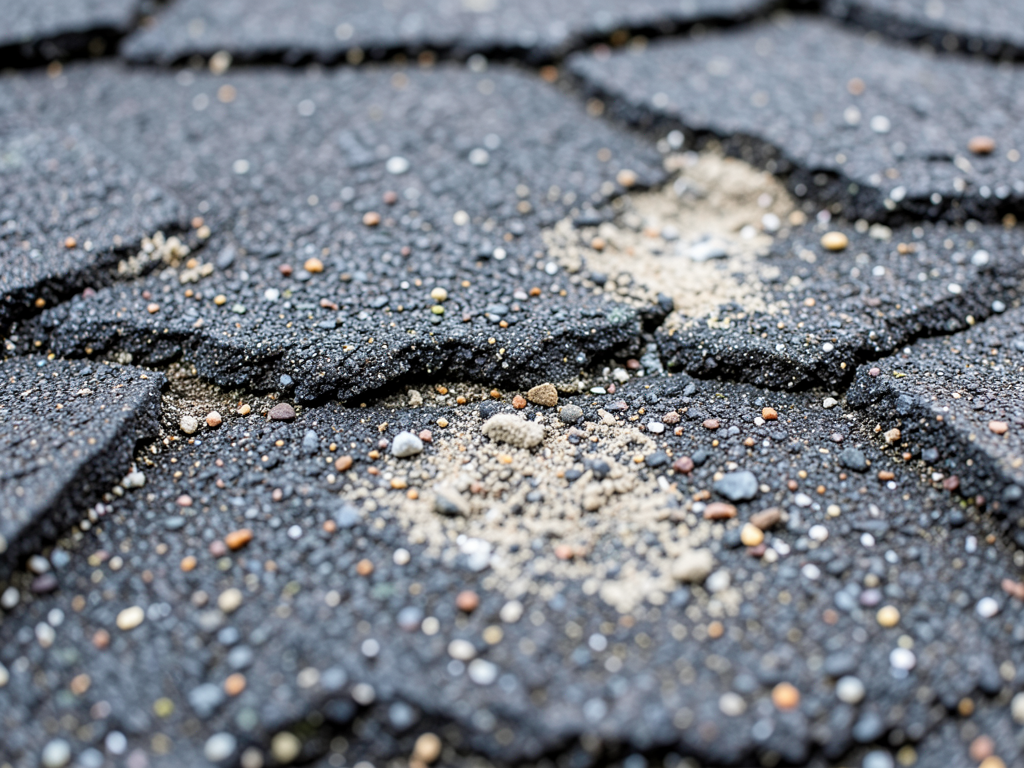





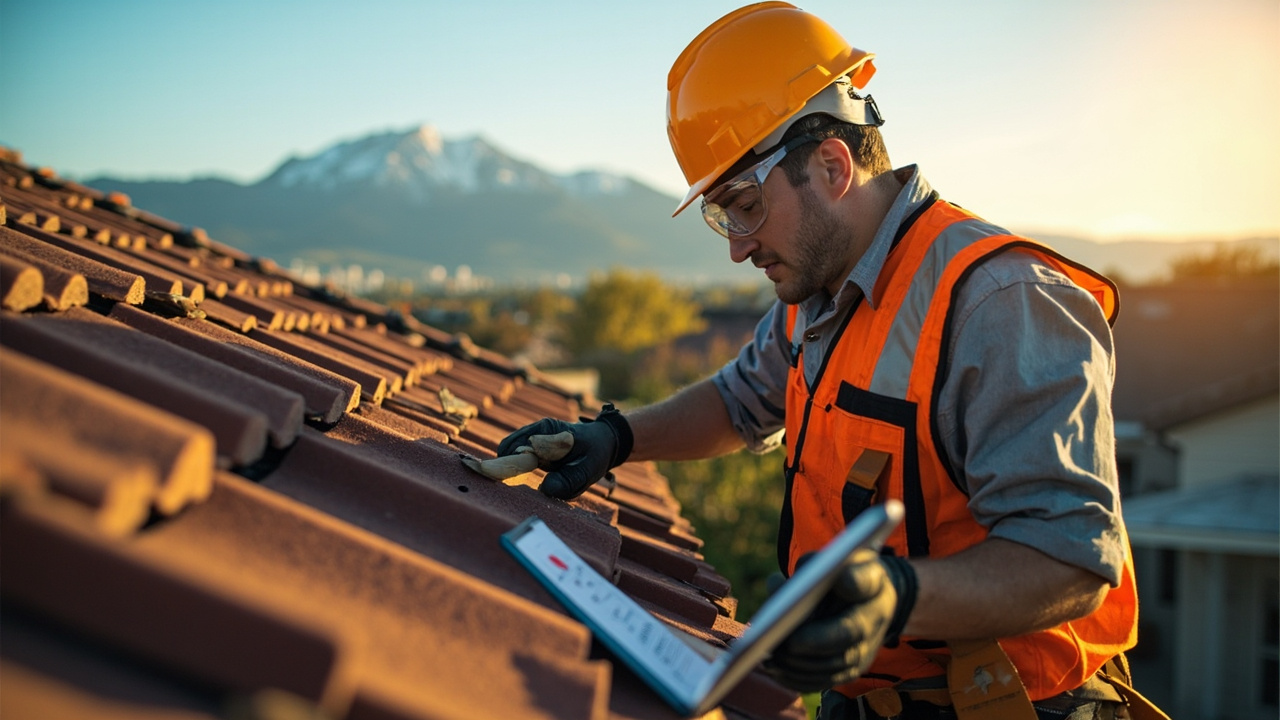
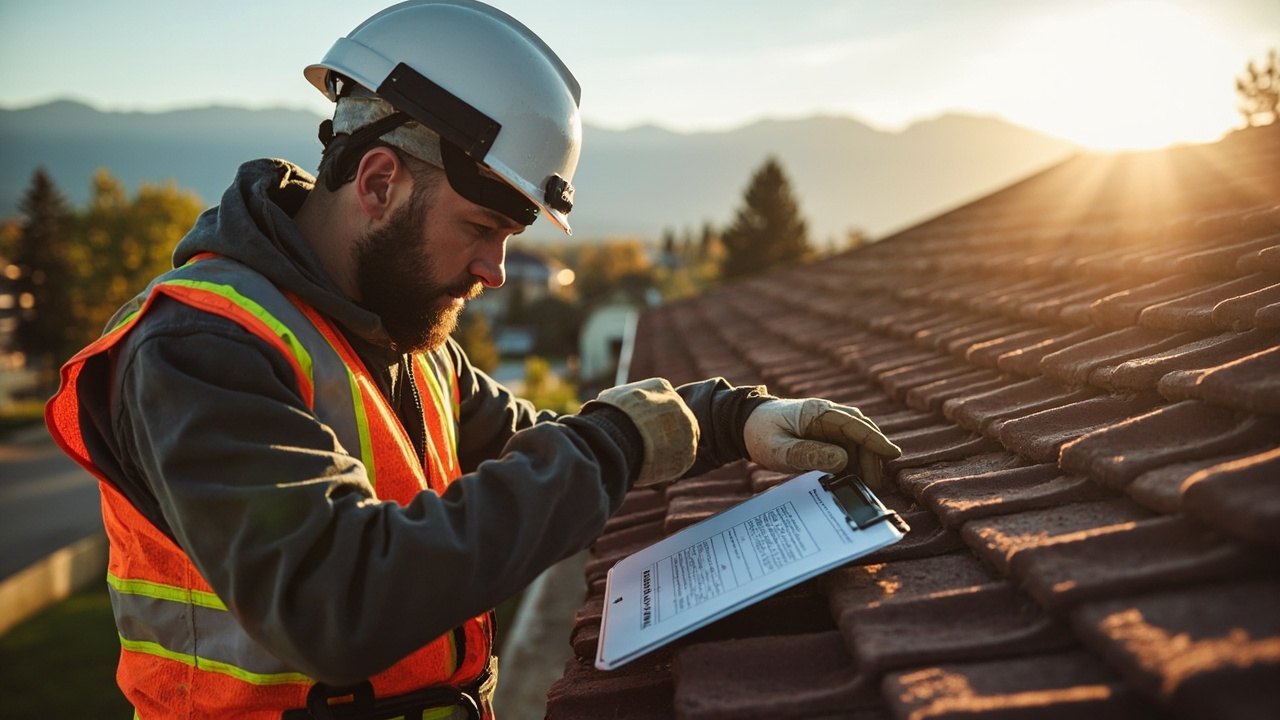
Denver regularly experiences 40 to 60 degree temperature swings within single days. A roof surface reaches 160 degrees in afternoon sun, then drops to 50 degrees after sunset. This constant expansion and contraction fatigues roofing materials at the molecular level. Asphalt shingles become brittle, adhesive strips lose bond strength, and metal components develop stress fractures. Your roof inspection checklist must account for this accelerated aging cycle. What appears to be adequate shingle condition may actually be compromised material ready to fail during the next windstorm. Denver-specific inspection protocols check flexibility and adhesion, not just visual appearance. This is why roofs here need evaluation every 18 to 24 months rather than the three to five year intervals recommended in more stable climates.
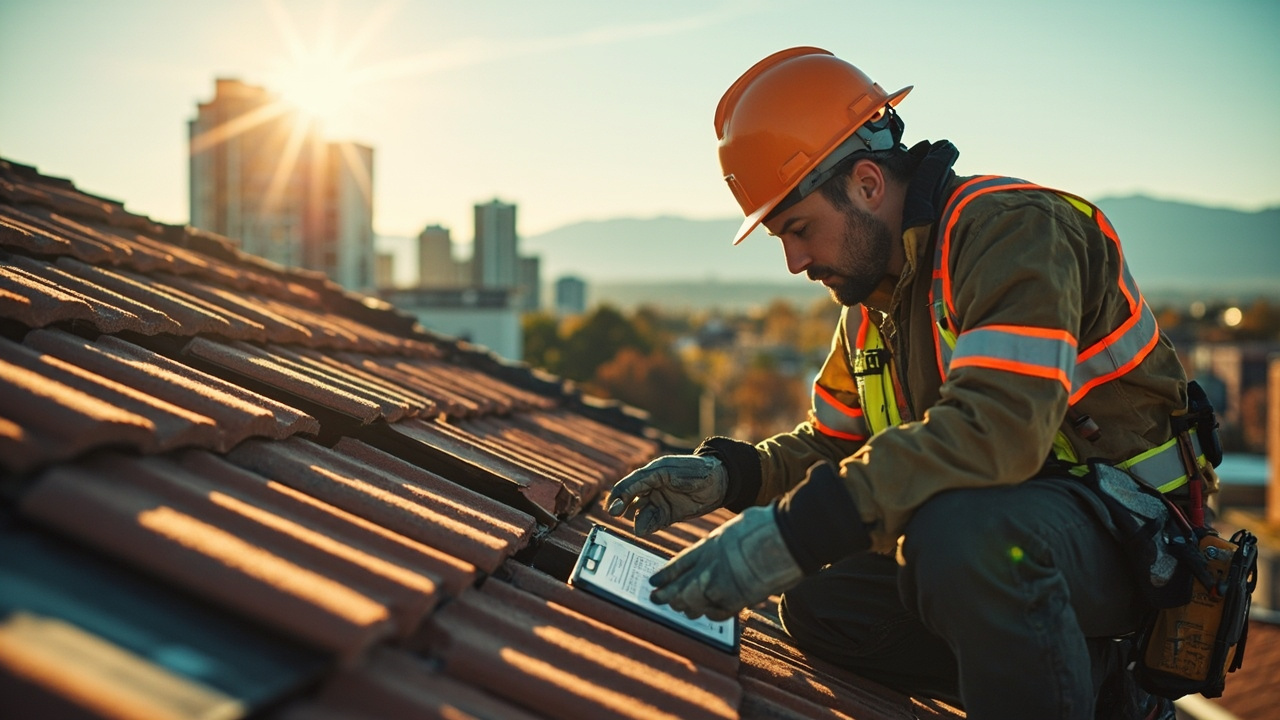
The city's building department enforces specific roofing requirements based on our unique weather patterns. All roof replacements in Denver require Class 4 impact-resistant shingles in many neighborhoods due to hail frequency. Your roof assessment form should note whether existing materials meet current standards, as this affects insurance rates and replacement requirements. Local contractors understand these regulations and can identify compliance issues that out-of-area inspectors miss. Apex Roofing Denver stays current with municipal code changes and helps homeowners navigate the permit process. We know which neighborhood HOAs have additional roofing restrictions and how to document pre-existing conditions before insurance claims. This local knowledge protects your interests during repairs, replacements, and claim negotiations.